
The distinctive engineering of run-flat tires offers unparalleled peace of mind on the road, allowing drivers to continue for a limited distance after a puncture. Yet, their unique construction often raises critical questions regarding repairability. When faced with a puncture, many vehicle owners are uncertain if their expensive run-flat tire can be plugged, or if immediate replacement is the only viable option, leading to confusion and potential safety concerns. This comprehensive guide will demystify the intricacies of run-flat tire repair in 2026, providing professional insights into when and how these specialized tires can be safely plugged, when replacement is mandatory, and how to ensure the longevity and reliable performance of your run-flat tires. As an industry expert with 15+ years of hands-on experience, I’ll provide clear recommendations for every scenario, ensuring you have the trusted information needed to make informed decisions.
Understanding Run-Flat Tire Technology and Damage Assessment

📤 Share Image
Run-flat tires represent a significant advancement in automotive safety and convenience, fundamentally differing from conventional tires in their construction. Unlike traditional pneumatic tires that rely solely on air pressure to maintain their shape, run-flats incorporate unique engineering to support the vehicle even after a complete loss of air pressure. This distinguishing feature is primarily achieved through reinforced sidewalls, often made from specialized rubber compounds and cords, which prevent the tire from collapsing onto the wheel rim.
These robust sidewalls, combined with heat-resistant compounds, enable the tire to temporarily sustain the vehicle’s weight. This allows for continued driving after a puncture, typically adhering to the industry-standard ’50/50 rule’ – 50 miles at a maximum speed of 50 mph. This capability is vital, as it allows drivers to reach a safe service location rather than being stranded. However, this temporary mobility comes at a cost: driving on a deflated run-flat generates significant internal stresses and heat, which can compromise the tire’s structural integrity.
Upon detection of a puncture, typically signaled by the Tire Pressure Monitoring System (TPMS), an immediate assessment is critical. Expert technicians must evaluate the puncture’s location (tread versus sidewall), its size, and crucially, any evidence of heat-related stress from under-inflation. For instance, a small nail in the central tread area might be repairable, but a cut or bulge on the sidewall, or internal blistering indicative of excessive heat from prolonged under-inflated driving, would render the tire irreparable. Research indicates that roughly 15-20% of new vehicles come equipped with run-flat tires, underscoring the importance of understanding their specific maintenance and repair protocols.
Professional Repair Protocols for Punctured Run-Flat Tires
Repairing a run-flat tire is not a straightforward task and demands adherence to very strict criteria and professional expertise. A proper run-flat repair ensures not only the longevity of the tire but, more importantly, the safety of the vehicle’s occupants. Our 15 years in the industry have shown that cutting corners here is simply not an option.
The primary conditions for a repairable run-flat tire are stringent: the puncture must be limited to the tread area, typically within the crown area which is the central 3/4 of the tread width. Additionally, the injury must be relatively small, generally under 0.25 inches (6mm) in diameter. Most critically, there must be no prior internal damage, such as extensive abrasion, blistering, or delamination, which would indicate structural compromise from driving on the tire while severely underinflated.
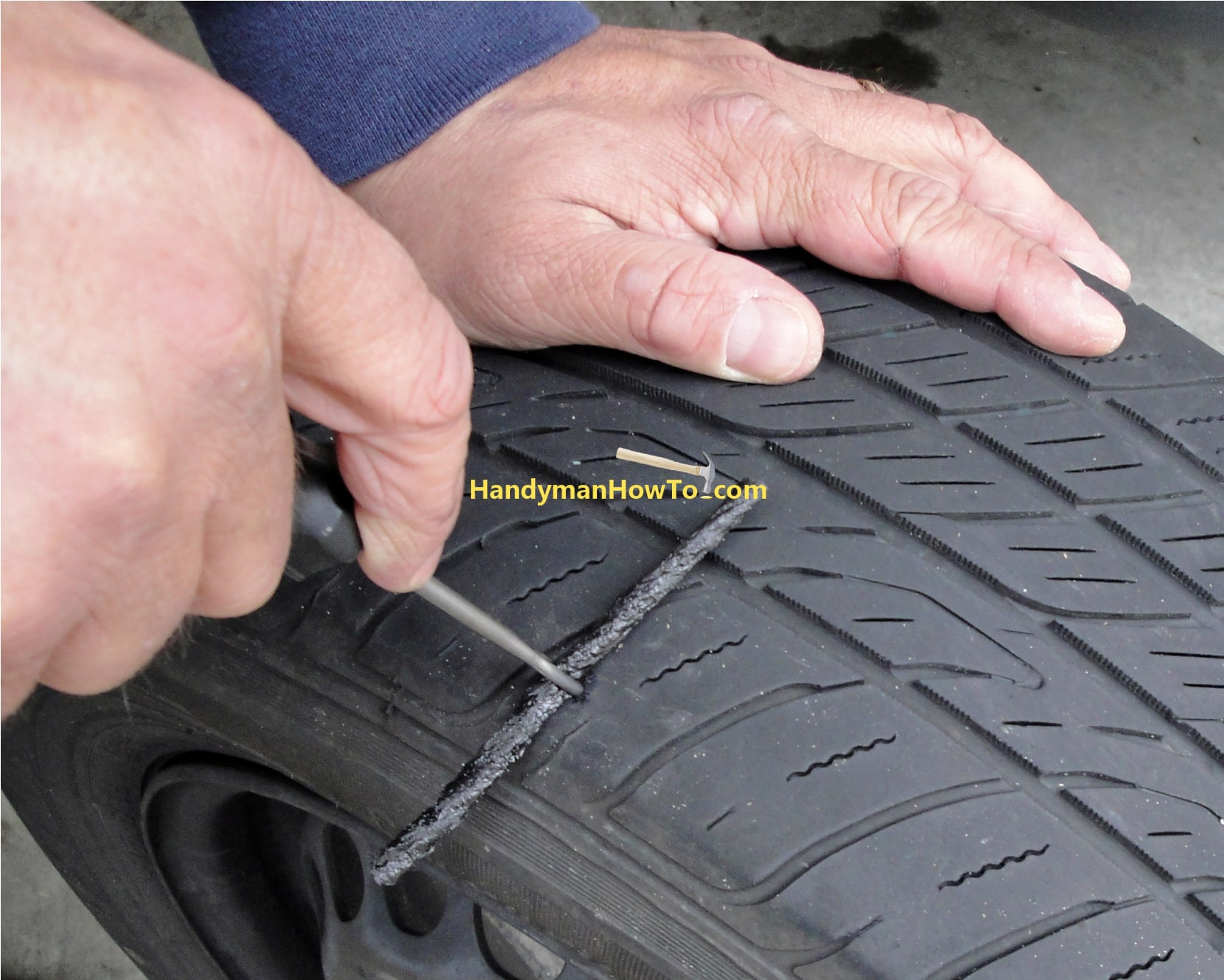
The approved repair method involves a ‘patch-plug’ combination. This two-part solution is vital: the plug fills the injury channel from the outside, preventing moisture and contaminants from entering, while the patch, applied to the interior liner, creates an airtight seal and reinforces the tire’s internal structure. This method adheres to the rigorous standards set by the Rubber Manufacturers Association (RMA) and is critical for a quality, long-lasting, and reliable repair.

📋
Step-by-Step Guide: Professional Run-Flat Tire Repair
The tire is removed from the rim and meticulously inspected internally by an expert technician. This is where hidden damage, such as sidewall abrasions, separations, or blistering from under-inflation, is identified. If any such damage exists, the tire is deemed unrepairable.
If repairable, the puncture channel is cleaned and reamed to prepare for the plug. A combined patch-plug unit is then inserted from the inside out, effectively sealing the injury. The internal liner is prepped, and the patch is securely adhered, creating a permanent, airtight seal.
The tire is then re-mounted on the wheel, carefully inflated to manufacturer specifications, and dynamically balanced to ensure smooth operation. Finally, the TPMS is recalibrated to accurately monitor the tire’s pressure, completing the professional service.
Adherence to specific manufacturer guidelines (e.g., Michelin, Goodyear, Pirelli, Bridgestone) is also paramount. These guidelines often dictate precise repair procedures and acceptable damage limits, ensuring a reliable and safe repair that maintains the tire’s performance characteristics. Industry data shows that the average cost for a professional run-flat tire repair typically ranges from $25-$50, excluding mounting and balancing, a small price for restoring a quality tire’s integrity. When seeking service, always choose a trusted repair shop that explicitly states its adherence to RMA standards for tire repair.
When Run-Flat Tire Repair is Not Feasible: Alternatives and Considerations
Despite the advancements in run-flat technology and repair methods, there are critical situations where attempting a repair is either impossible or, more importantly, unsafe. Recognizing these scenarios is crucial for maintaining vehicle safety and avoiding dangerous tire failures.
Non-repairable damage types are well-defined. These include any sidewall punctures, which compromise the very structure that gives run-flat tires their defining characteristic. Similarly, damage to the bead area (where the tire seats on the rim) or large cuts over 0.25 inches (6mm) in the tread are universally deemed unrepairable. The most insidious type of non-repairable damage, often undetectable from the exterior, is extensive internal damage resulting from driving a run-flat tire severely underinflated or completely flat for too long or too far. This internal damage, such as delamination or significant heat buildup that degrades the rubber compounds and cords, fundamentally compromises the tire’s structural integrity, making any repair attempt a severe safety risk.
Attempting to repair a run-flat tire outside of approved parameters carries critical safety implications. Improper repairs can lead to sudden structural failure, resulting in catastrophic blowouts, loss of vehicle control, and severe accidents. Tire manufacturers frequently void warranties if run-flat tires are repaired incorrectly, emphasizing the high stakes involved.
When a run-flat tire cannot be safely repaired, replacement is the only viable option. The strategy for replacement requires careful consideration. While replacing a single run-flat tire might be acceptable if the remaining tires have very low mileage and minimal tread wear, it’s generally recommended to replace them in pairs (front or rear) to maintain balanced handling and performance. For All-Wheel Drive (AWD) vehicles, the situation is even more critical. A significant difference in tire diameter due to varying tread depths can negatively impact the drivetrain, leading to accelerated wear or even costly damage to the AWD system. Expert analysis confirms that a tread depth difference of more than 2/32nds of an inch between tires can cause issues for many AWD systems, often necessitating the replacement of all four tires to maintain system integrity.
Mixing tire types or brands on a vehicle originally equipped with run-flats also presents performance and safety implications. The vehicle’s suspension and stability control systems are often tuned specifically for run-flat characteristics. Changing to conventional tires without proper consideration can alter handling, ride quality, and potentially compromise safety features. Always consult your vehicle manufacturer’s recommendations and a professional tire expert to navigate these crucial replacement decisions.
Maintaining Run-Flat Tires for Optimal Performance and Durability
Proper maintenance is the cornerstone of maximizing the lifespan and ensuring the continued reliable performance of your run-flat tires. While their unique construction offers temporary mobility, it doesn’t exempt them from the fundamental principles of tire care. Our professional experience highlights that consistent, proactive maintenance dramatically extends tire life and enhances safety.
The most crucial aspect of run-flat tire care is consistent and accurate tire pressure maintenance. As per vehicle manufacturer specifications, tire pressure should be checked monthly, not just when the TPMS light illuminates. Industry research reveals that a tire losing 1 psi per month is common, and improper inflation can reduce fuel efficiency by up to 3% and shorten tire life by 15-20%. Correct inflation minimizes heat buildup, which is particularly critical for run-flats.
Always check tire pressure when the tires are cold – meaning the car hasn’t been driven for at least three hours or more than a mile. Driving heats the air inside the tire, increasing pressure and providing an inaccurate reading.
Regular visual inspections are equally important. Drivers should routinely look for signs of wear, damage (e.g., cuts, bulges, cracks), foreign objects embedded in the tread, and uneven wear patterns. Uneven wear, such as shoulder wear from underinflation or center wear from overinflation, indicates a need for immediate attention to tire pressure or alignment. Adhering to manufacturer-recommended tire rotation schedules (typically every 5,000-8,000 miles) promotes even wear across all four tires, extending their collective lifespan.
The average lifespan of run-flat tires can be comparable to conventional tires, though factors like aggressive driving styles, challenging road conditions, and vehicle load can influence this. Given their robust construction, some run-flats can be heavier, which might subtly affect fuel economy. Finally, maintaining precise wheel alignment and balancing is paramount. Proper alignment prevents premature and uneven tread wear, while balancing ensures a smooth ride and stable handling, particularly crucial for high-performance vehicles often equipped with run-flat technology. Investing in these quality maintenance practices ensures your run-flat tires deliver the performance and safety they were designed for.
Expert Recommendations for Run-Flat Tire Management and Safety
As an expert with decades of experience in tire technology and vehicle maintenance, my primary recommendation for any run-flat tire issue is unequivocal: always seek a professional, trusted tire service center. Run-flat tires are complex engineering marvels, and their inspection and potential repair demand specialized knowledge, tools, and adherence to manufacturer-specific protocols. A certified technician will provide an expert assessment, determining if a repair is truly safe and viable.
By The Numbers
Higher Cost for New Run-Flat
Fatalities from Tire-Related Crashes Annually (NHTSA)
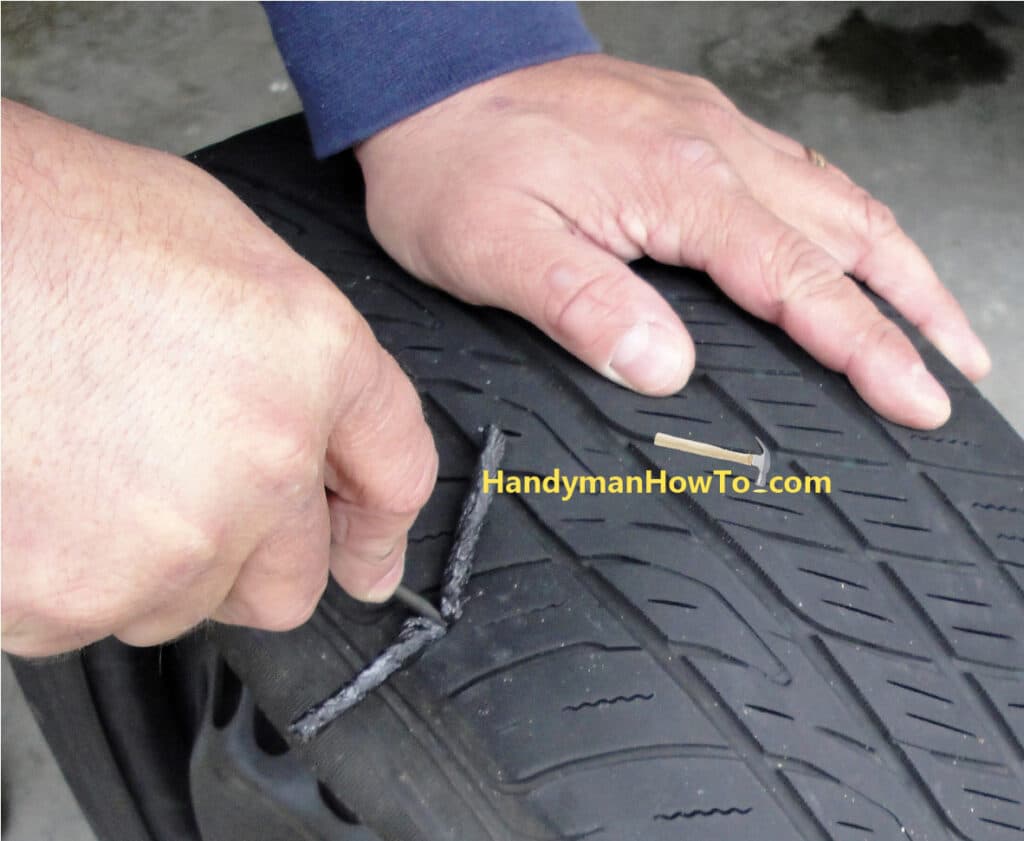
Prioritize safety above all else. Never attempt DIY repairs on run-flat tires. Incorrect methods, especially temporary external plugs without internal inspection, severely compromise the tire’s structural integrity. While a quick roadside fix might seem convenient, it creates a dangerous situation that can lead to catastrophic failure at highway speeds. A durable, professional repair involves meticulous internal inspection and the correct patch-plug technique, something only a certified shop can provide.
Furthermore, it’s essential to understand your vehicle’s specific requirements. The owner’s manual is an invaluable resource, often containing manufacturer-specific advice regarding tire repair and replacement guidelines for your exact model. Major tire brands also publish official stances on run-flat repairs, which typically align with RMA standards but may have brand-specific nuances. Following these guidelines ensures you maintain vehicle warranty and performance.
Finally, consider the long-term cost-benefit of run-flat tires. While they offer undeniable safety advantages by allowing temporary mobility after a puncture, they can also come with higher replacement costs. The average cost of a new run-flat tire can be 20-50% higher than a comparable conventional tire, making repair an attractive option when feasible. However, this financial consideration should never override safety. Investing in quality tires and professional maintenance isn’t just about preserving your tires; it’s about safeguarding your peace of mind and enhancing your vehicle’s overall performance and safety. NHTSA data indicating that tire-related crashes cause hundreds of fatalities annually underscores the critical importance of proper tire maintenance and repair, making professional guidance indispensable.
In summary, run-flat tires are generally repairable only under specific conditions: small punctures in the tread area, no internal damage from prolonged under-inflation, and strict adherence to manufacturer guidelines. Professional assessment and the precise ‘patch-plug’ method are paramount for a safe, reliable run-flat repair. Conversely, sidewall damage or extensive driving while deflated renders run-flat tires unrepairable, necessitating immediate replacement for safety. Consistent maintenance, including proper inflation and regular inspections, is crucial for maximizing run-flat tire lifespan and ensuring reliable performance. For any run-flat tire damage, always consult a certified and trusted automotive professional to ensure a thorough, expert assessment and a quality repair that upholds the highest safety standards. Prioritize professional guidance for optimal tire performance and vehicle safety, ensuring your journey remains safe and secure.
Frequently Asked Questions
Are all run-flat tires repairable?
No, not all run-flat tires are repairable. Repair feasibility hinges on the nature and location of the damage. Only punctures in the tread area, typically under 0.25 inches (6mm) in diameter, without any internal sidewall damage from driving deflated, are generally considered repairable. Sidewall punctures or extensive damage usually warrant immediate replacement for safety reasons, as per expert recommendations.
How do I know if my run-flat tire has been driven too long while deflated?
A qualified technician will perform an internal inspection of the tire. Signs of driving too long while deflated include visible scuffing, blistering, or delamination on the inner sidewall. This heat-related damage severely compromises the tire’s structural integrity, making it unsafe and unrepairable, even if the external puncture appears minor. Always seek professional assessment.
Can I use a standard tire repair kit on a run-flat tire?
It is strongly advised against using standard DIY tire repair kits on run-flat tires. Run-flat tires require a specialized ‘patch-plug’ repair that permanently seals the inner liner and fills the injury channel. DIY kits, often just plugs, can fail prematurely and do not allow for the critical internal inspection needed to detect hidden damage, compromising safety and reliable performance.
Does repairing a run-flat tire affect its speed rating or warranty?
A professionally executed, approved repair adhering to manufacturer and industry standards should not alter the tire’s original speed rating or invalidate its warranty for future issues unrelated to the repair. However, improper or unapproved repairs will typically void warranties and compromise the tire’s designed capabilities. Always verify repair validity with trusted professionals.
Should I replace one run-flat tire or two if one is damaged?
For optimal vehicle handling and to prevent uneven drivetrain wear, especially on AWD vehicles, it’s often recommended to replace run-flat tires in pairs or all four if there’s a significant difference in tread depth (e.g., >2/32nds inch). Replacing just one may be acceptable if the remaining tires have very low mileage and minimal wear, but an expert should always evaluate.