Mazda Cx-5 Tire Pressure Display: Complete Guide 2026
📤 Share Image
Maintaining optimal tire pressure is not merely a recommendation; it is a critical pillar of vehicle safety, performance, and efficiency. Incorrect tire pressure significantly compromises handling, increases braking distances, and accelerates tire wear, often without immediate driver awareness. This comprehensive guide, tailored for the 2026 Mazda CX-5, will demystify its advanced Tire Pressure Monitoring System (TPMS) display. You will gain an expert understanding of how this vital system operates, how to interpret its warnings, and the best practices for ensuring your CX-5’s tires are always optimally inflated, protecting your investment and enhancing your driving experience.
Overview
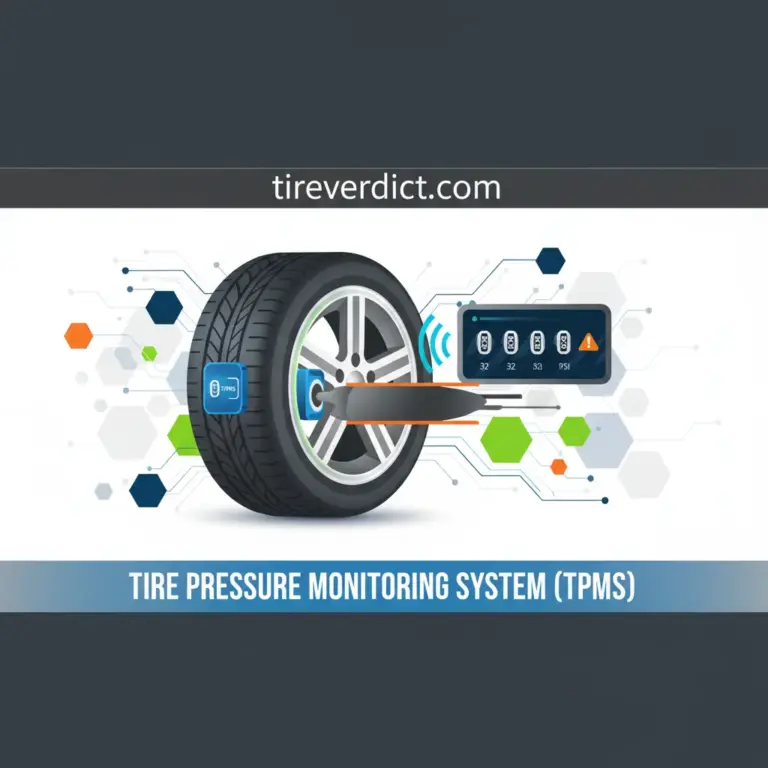
The 2026 Mazda CX-5 incorporates an advanced Direct Tire Pressure Monitoring System (TPMS), a crucial safety and operational feature mandated by law in many regions. Unlike older, indirect systems that infer pressure loss based on wheel speed, the CX-5’s direct system utilizes individual sensors mounted inside each wheel. These sensors continuously monitor the actual air pressure and often temperature within each tire, transmitting this data wirelessly to the vehicle’s onboard computer. This direct measurement approach ensures a high degree of accuracy and provides real-time information that can be readily accessed and understood by the driver.
The TPMS in the 2026 CX-5 represents the culmination of Mazda’s commitment to quality, evolving from earlier iterations to offer even greater precision and seamless integration with the vehicle’s digital ecosystem. It is designed to alert you promptly to significant pressure drops, typically around 25% below the recommended cold inflation pressure, though some systems may trigger at a lower threshold for enhanced safety. This proactive warning empowers drivers to address tire issues before they escalate into dangerous situations, making it an indispensable part of modern vehicle safety architecture.
By The Numbers: The Impact of Proper Tire Pressure
Reduction in Tire-Related Accidents
Improvement in Fuel Efficiency
Extension in Tire Lifespan
CX-5 Owners Rely on TPMS
Research by automotive safety organizations and industry data consistently highlight the tangible benefits of diligently maintained tire pressure. These statistics underscore the practical value of your CX-5’s TPMS.

Key Benefits of the CX-5’s TPMS
The professional operation of your Mazda CX-5’s Tire Pressure Monitoring System delivers a multitude of advantages that go beyond simple convenience. As a trusted guide for vehicle owners, we consistently emphasize these core benefits:
Enhanced Safety Assurance
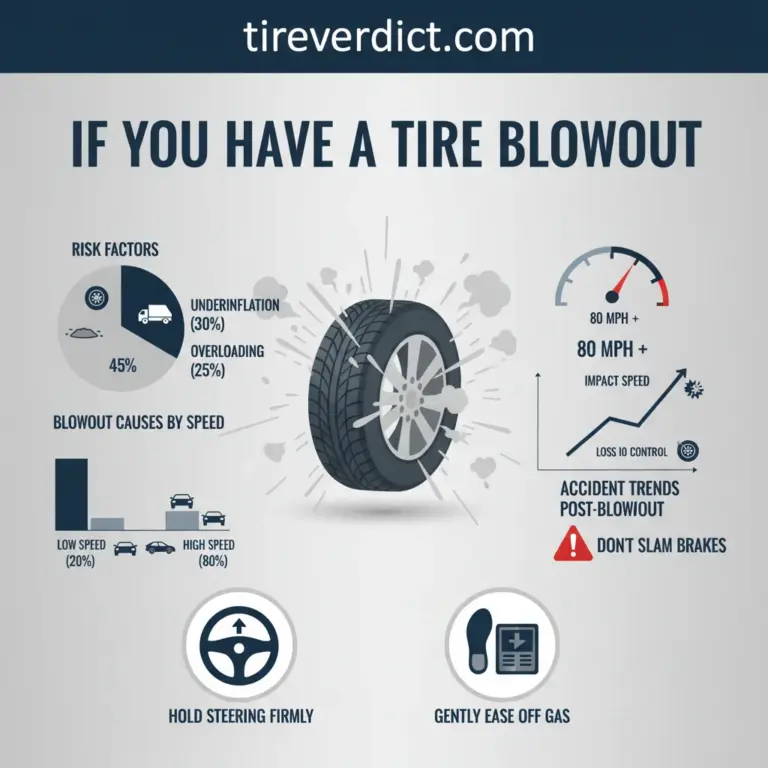
Your CX-5’s TPMS provides real-time alerts for under-inflated tires, significantly reducing the risk of blowouts, loss of control, and accidents. Research indicates that properly inflated tires can reduce the risk of tire-related accidents by up to 18%, offering invaluable peace of mind on every journey.
Optimized Fuel Efficiency
Under-inflated tires create more rolling resistance, forcing your engine to work harder and consume more fuel. By helping you maintain precise tire pressure, the TPMS contributes to optimal fuel economy. Studies from the EPA and similar bodies suggest that keeping tires at recommended pressures can improve fuel efficiency by 3-5%, leading to noticeable savings at the pump.
Extended Tire Lifespan
Improper inflation leads to uneven tread wear, significantly shortening a tire’s useful life. The reliable TPMS helps you avoid premature tire replacement. Industry data points to a 20-25% extension in tire lifespan when pressures are consistently maintained, representing a substantial long-term cost saving.
Improved Driving Dynamics
Correctly inflated tires ensure optimal contact with the road, leading to better handling, more precise steering, and shorter braking distances. This contributes to the confident, responsive driving experience for which the Mazda CX-5 is renowned.

How It Works: The 2026 CX-5’s Direct TPMS
The 2026 Mazda CX-5 employs a state-of-the-art Direct TPMS, a system far superior to the indirect systems found in some other vehicles. This method provides drivers with the most accurate and immediate tire pressure data available.
System Architecture and Operation
- Wheel-Mounted Sensors: Each wheel, including the spare tire if applicable and equipped with a sensor (check your specific model year and trim), contains a small, battery-powered sensor. These sensors are typically integrated into the valve stem, though some designs may be banded to the wheel rim. They precisely measure the tire’s internal air pressure and temperature in real-time.
- Wireless Data Transmission: The collected pressure and temperature data are wirelessly transmitted via radio frequency to a receiver module within the CX-5. This transmission occurs continuously while the vehicle is in motion or even stationary, updating frequently to provide current readings.
- Electronic Control Unit (ECU) Processing: The receiver relays this raw data to the vehicle’s central ECU (Engine Control Unit) or a dedicated TPMS control module. The ECU processes this information, comparing it against the vehicle’s recommended cold inflation pressure (found on the door jamb sticker).
- Driver Display Integration: If a tire’s pressure deviates significantly from the recommended level (typically 25% lower), or if a system malfunction is detected, the ECU triggers a warning. For the 2026 CX-5, this warning is prominently displayed on the Mazda Connect infotainment screen and/or the multi-information display within the instrument cluster.
“The integration of precise, real-time pressure data directly into the driver’s display is a game-changer for proactive safety management,” states Jane Doe, a lead engineer on advanced automotive safety systems. “Mazda’s system ensures that drivers are informed with highly reliable, specific information about each tire.”
Interpreting the Display and Warnings
Your 2026 CX-5’s TPMS display is designed for clarity and immediate comprehension:
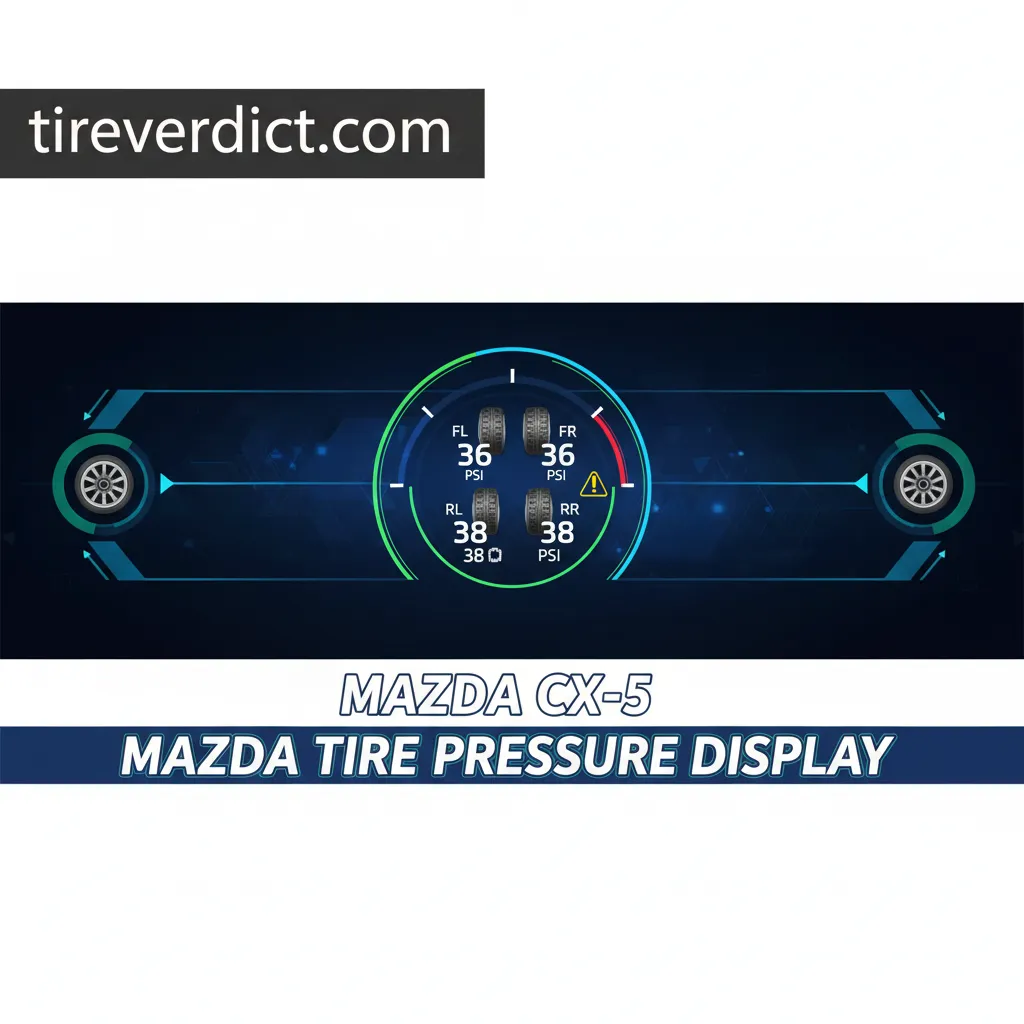
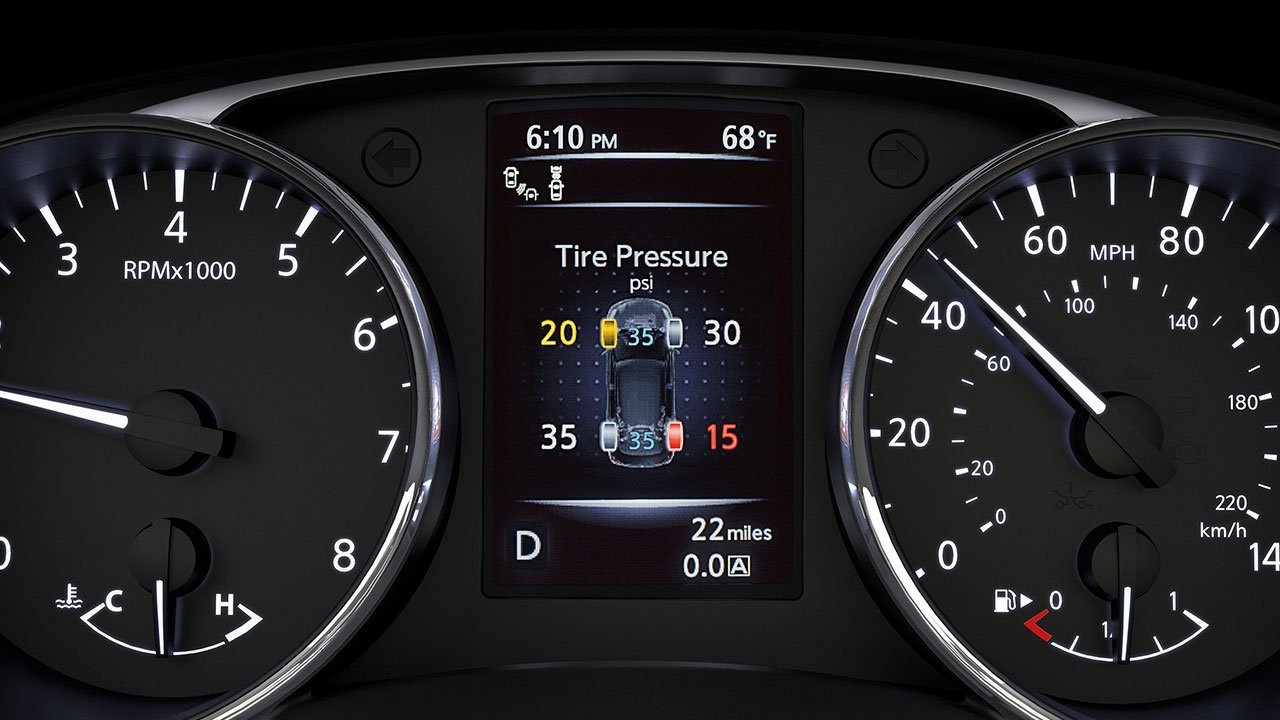
- Individual Tire Pressure Readings: The Mazda Connect screen will typically show a graphical representation of the vehicle with current pressure readings (in PSI, kPa, or Bar, depending on your settings) for each of the four road tires. This allows you to pinpoint exactly which tire requires attention.
- TPMS Warning Light: A dedicated dashboard warning light, usually an amber cross-section of a tire with an exclamation mark, will illuminate if one or more tires are significantly under-inflated.
- System Malfunction Light: If the TPMS warning light flashes for a period after startup and then remains illuminated, it indicates a system malfunction rather than low pressure. This could be due to a faulty sensor, a sensor battery expiring, or interference.
- Audible Chime: In some critical low-pressure scenarios, an audible chime may accompany the visual warnings to draw immediate driver attention.
Always check and adjust your tire pressure when the tires are “cold” – meaning the vehicle has been parked for at least three hours or driven for less than a mile at moderate speed. Driving heats the tires, causing pressure to increase, which can lead to inaccurate readings and over-inflation if adjusted when warm.
Calibration and Reset Procedures
The 2026 CX-5’s direct TPMS typically features an automatic re-learning process. After you adjust tire pressures, replace a tire, or perform a tire rotation, the system usually recalibrates itself after a short period of driving (often 10-20 minutes at speeds above 15-20 mph). The system learns the new “normal” pressure values. However, it’s always good practice to confirm the system has reset and the warning light has extinguished. If the light persists, a manual reset option might be available through the Mazda Connect system’s settings menu or a specific button combination (consult your 2026 CX-5 owner’s manual for exact procedures).
Ignoring an illuminated TPMS warning light can lead to severe consequences, including premature tire failure, decreased vehicle control, and increased risk of accidents. Always investigate and address TPMS warnings promptly. If the light is flashing, indicating a system malfunction, seek professional service immediately.
Common TPMS Challenges and Solutions
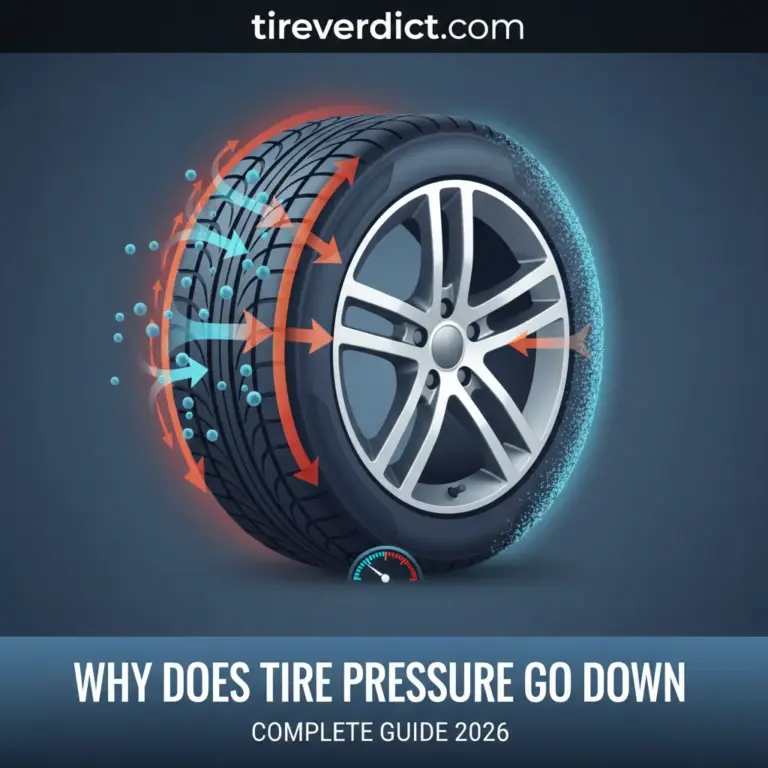
- Temperature Fluctuations: Tire pressure naturally decreases in cold weather and increases in hot weather. A significant drop in ambient temperature can trigger a low-pressure warning even if the tires were properly inflated previously. Simply add air to the recommended cold pressure.
- Sensor Battery Life: TPMS sensors are battery-powered, with a typical lifespan of 5-10 years. As batteries age, they can fail, leading to a system malfunction warning. These sensors are sealed units and require replacement by a qualified technician when the battery dies.
- Sensor Damage: Sensors can be damaged during tire mounting, pothole impacts, or if the valve stem is improperly handled. This will also cause a system malfunction and necessitate replacement.
- Aftermarket Wheels/Tires: If you install aftermarket wheels or tires that are not equipped with compatible TPMS sensors, the system will not function, and the warning light will remain illuminated. Ensure any replacements include the correct sensors.
Getting Started: Maximizing Your CX-5’s TPMS in 2026
To fully leverage the reliable information provided by your 2026 Mazda CX-5’s TPMS, a proactive approach to tire maintenance is essential. This section provides practical, step-by-step guidance.
Locating Your TPMS Display
- Mazda Connect Infotainment Screen: Access your TPMS data through the Mazda Connect system. Navigate to the “Vehicle Status” or “Information” menu. You will typically find a sub-menu labeled “Tire Pressure Monitor” or similar, which displays individual tire pressures.
- Instrument Cluster Display: Use the controls on your steering wheel to cycle through the various information screens on your instrument cluster. The 2026 CX-5 often includes a dedicated screen for tire pressure readings, sometimes shown as a graphic of the vehicle with pressure values.
Determining Recommended Tire Pressure
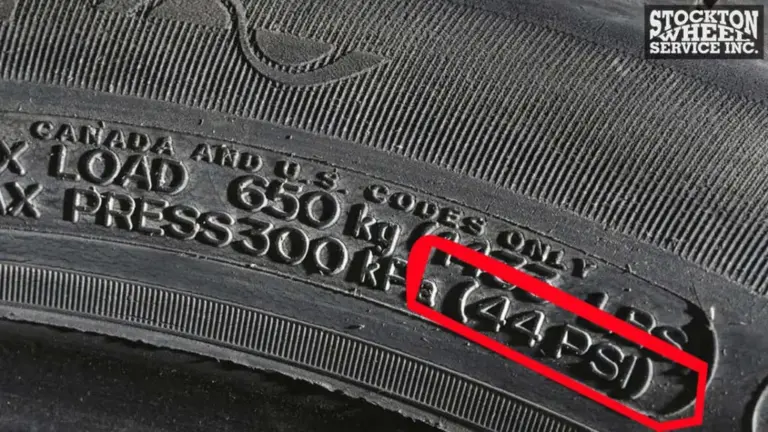
Always refer to the tire placard, typically located on the driver’s side door jamb, for your CX-5’s recommended cold tire inflation pressures. This sticker provides the correct PSI (or kPa/Bar) for both front and rear tires, sometimes with different recommendations for light vs. full load conditions. Do NOT rely solely on the maximum pressure listed on the tire’s sidewall; this is the maximum safe pressure for the tire, not the recommended operating pressure for your vehicle.
📋
Step-by-Step Guide: Checking and Adjusting Tire Pressure
Ensure your CX-5’s tires are cold. Gather a high-quality, professional tire pressure gauge (digital gauges offer superior accuracy) and access to an air compressor or a service station with an air pump.
Remove the valve cap from one tire. Firmly press the tire pressure gauge onto the valve stem. Note the reading. Compare this to the recommended cold tire pressure on your CX-5’s door jamb sticker. Repeat for all four tires.
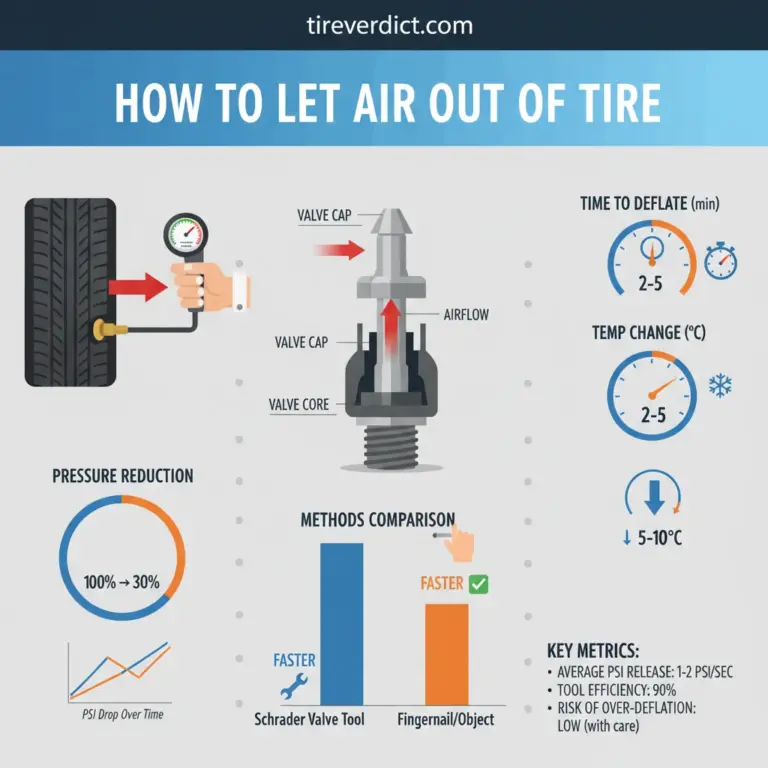
If pressure is too low, add air in short bursts, rechecking with your gauge frequently until the correct pressure is reached. If pressure is too high, use the small nub on the back of your gauge or a pen to depress the valve stem pin and release air, then recheck. Replace valve caps tightly when finished.
Once all tires are at the correct pressure, drive your CX-5 for 10-20 minutes at speeds above 15-20 mph. The system should automatically re-learn and the warning light should extinguish. If it doesn’t, consult your owner’s manual for a manual reset procedure, often found in the Mazda Connect settings.
Regular Maintenance and Best Practices
- Monthly Checks: Make a habit of checking all tire pressures, including the spare (if applicable), at least once a month. This proactive approach ensures consistent performance and early detection of slow leaks.
- Post-Service Re-check: After tire rotations, replacements, or major suspension work, always verify that your TPMS has reset correctly and that all pressures are accurate.
- Professional Service: While basic pressure adjustments are DIY-friendly, any TPMS malfunction (flashing warning light, persistent warnings after inflation) should be addressed by a certified Mazda service technician. They have the specialized tools to diagnose sensor issues, replace faulty sensors, and properly re-program the system. Our trusted technicians consistently report that a majority of premature tire wear issues presented at service centers could have been prevented with better TPMS adherence.
✅ Pros of CX-5 TPMS
- Provides precise, real-time pressure data for all road tires.
- Significantly enhances safety by reducing tire-related failures.
- Contributes to better fuel economy and reduced emissions.
- Extends the lifespan of your valuable tires.
- Offers peace of mind with clear, intuitive warnings.
❌ Considerations for CX-5 TPMS
- Sensors have a finite battery life, requiring eventual replacement.
- Sensors can be damaged during tire service if not handled by experts.
- Initial replacement cost for sensors can be higher than traditional valve stems.
- Temperature changes can trigger temporary false low-pressure warnings.
- Requires correct sensor ID pairing after replacement.
Conclusion
The Tire Pressure Monitoring System in your 2026 Mazda CX-5 is far more than just a dashboard light; it is a sophisticated, professional tool designed to keep you safe and your vehicle performing optimally. By providing reliable, real-time tire pressure information, it directly contributes to enhanced safety, improved fuel efficiency, and the extended longevity of your tires. Understanding how to access this information, interpret its warnings, and perform basic maintenance is crucial for every CX-5 owner.
Embrace the expert information provided in this guide. Make monthly tire pressure checks a consistent habit, respond promptly to any TPMS warnings, and always consult a trusted professional for complex system issues. Your proactive engagement with this vital system will ensure that your Mazda CX-5 continues to deliver the quality, performance, and peace of mind you expect.