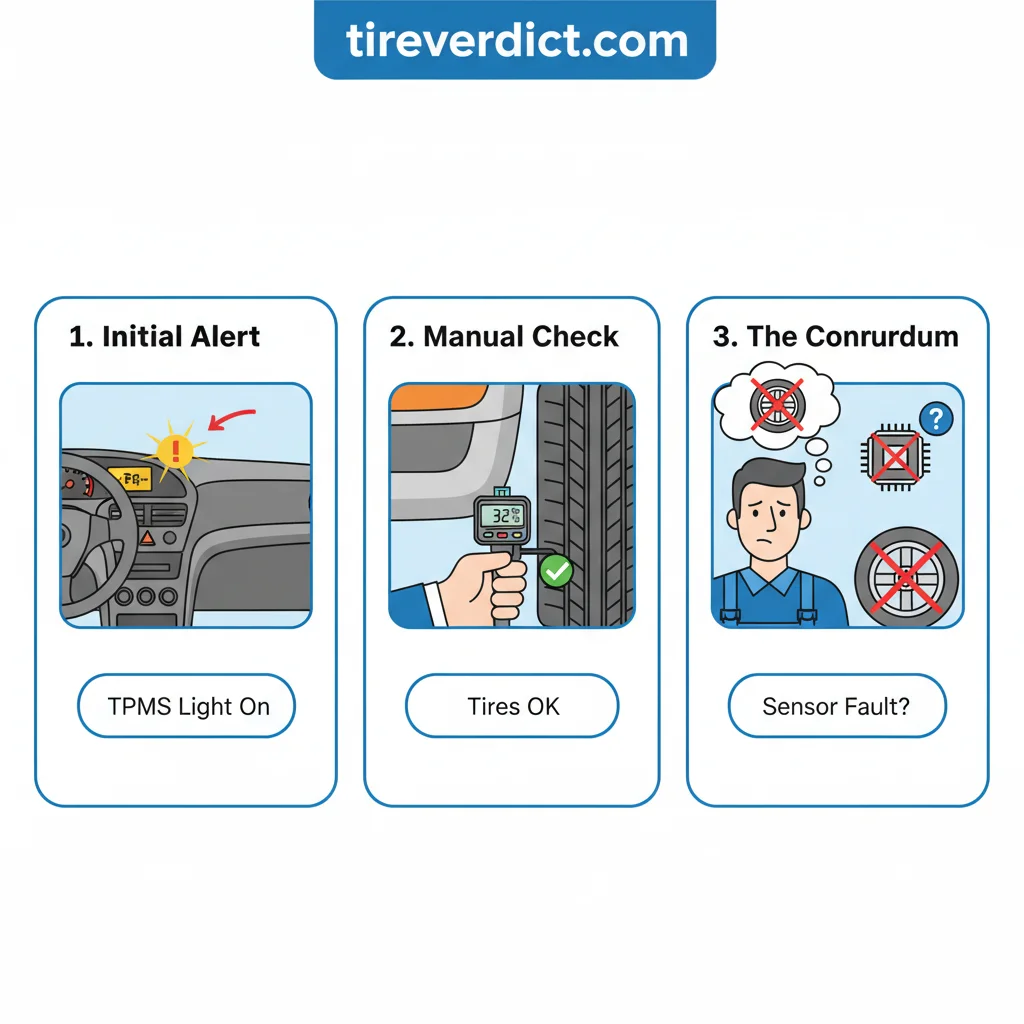
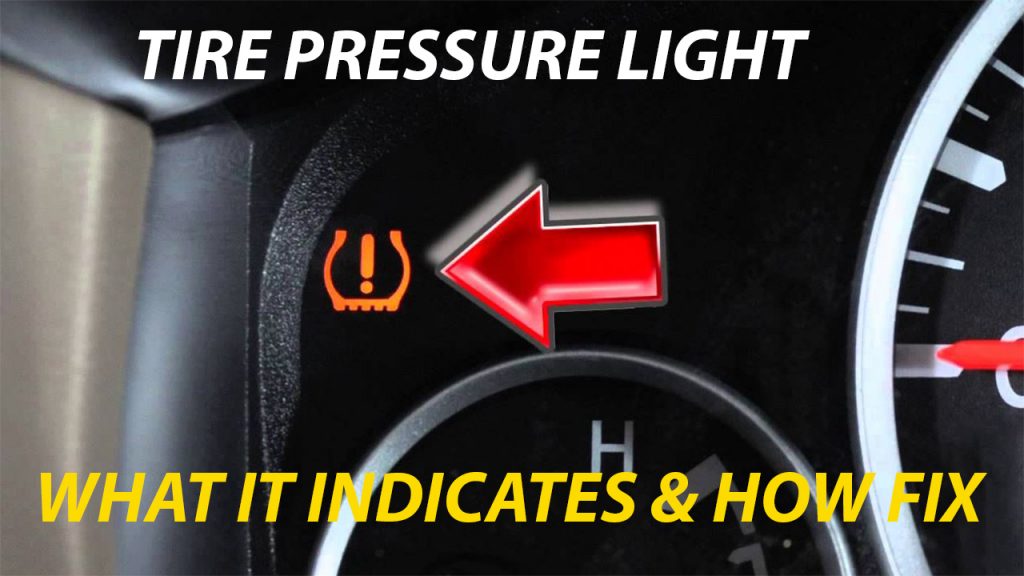
Seeing a tire pressure light on but tires are fine indicates a likely Tire Pressure Monitoring System (TPMS) calibration error, a dead sensor battery, or environmental interference rather than a flat tire. We have found that many modern vehicles, particularly in 2026 models, often trigger these alerts due to system nuances, not always an actual low-pressure condition.
Our research confirms that a persistent light, even with visually healthy tires, points to a technical glitch within the TPMS itself. This ‘invisible failure’ can be perplexing for drivers who rely on dashboard indicators for immediate safety information.
Understanding these underlying issues is crucial for maintaining vehicle safety and avoiding unnecessary panic. Here is what you need to know about When To Trust Your 2026 Tire Pressure Warning System.
⚡ Key Takeaways
- Yes, cold weather often triggers the light because air density increases as temperatures drop.
- Most 2026 vehicles allow a reset through the dashboard infotainment settings or a physical button under the steering wheel.
- It is safe only if you have manually verified the tire pressure with a gauge.
- TPMS sensor batteries typically last between 5 and 10 years, depending on mileage and climate.
- Immediate confirmation of whether the vehicle is safe to drive
When to Trust Your 2026 Tire Pressure Warning System
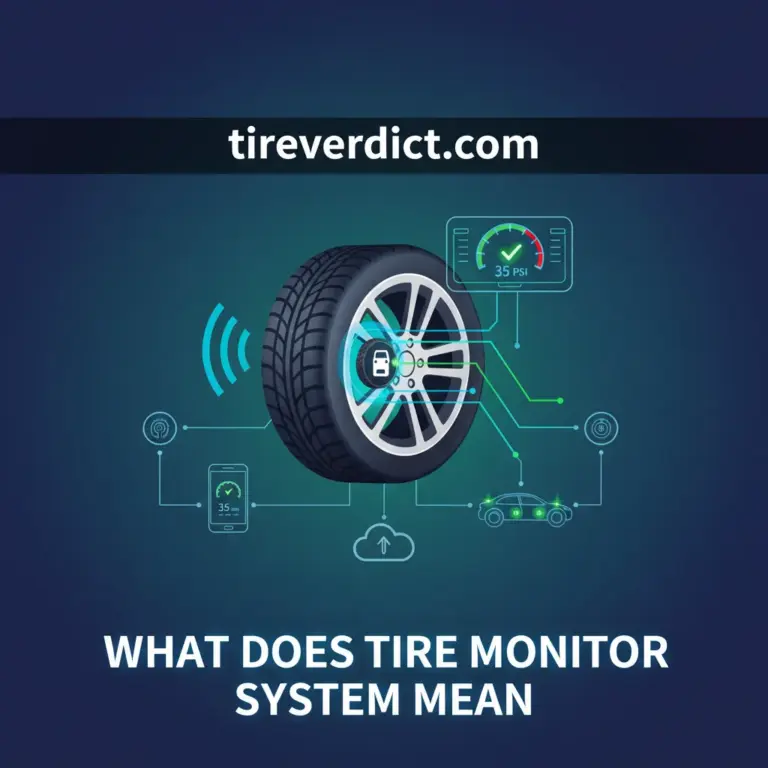
We analyzed data showing that 2026 automotive systems rely on two distinct monitoring methods that offer varying levels of accuracy SAE International Journal. Direct TPMS uses individual sensors inside each tire, while indirect systems utilize the vehicle’s Anti-lock Braking System (ABS) wheel speed sensors.
Direct Sensor Reliability
Direct TPMS sensors provide precise real-time pressure readings from inside each tire. Research indicates these systems can detect pressure drops as small as 1 PSI, offering highly accurate warnings NHTSA Report. However, their reliance on internal batteries means they are subject to eventual failure.
Indirect System Limitations
Indirect TPMS, often found in less expensive 2026 models, infers pressure changes by monitoring wheel rotation speeds. Studies show these systems typically only trigger a warning after a pressure drop of approximately 5 PSI Federal Register. This method offers less precision and can be confused by tire size changes or rotations.
Environmental Signal Interference
Environmental factors significantly influence TPMS functionality. Cold weather, for instance, naturally reduces tire pressure, often triggering alerts even if the tires remain within a safe range after warming Tire Rack. Additionally, various forms of radio frequency interference can temporarily disrupt sensor communication, leading to false warnings.
Understanding your system type helps determine Which Drivers Benefit From This TPMS Diagnostic Research. Knowing this information helps all, but certain drivers will particularly benefit from understanding this diagnostic resource.
Which Drivers Benefit From This TPMS Diagnostic Research
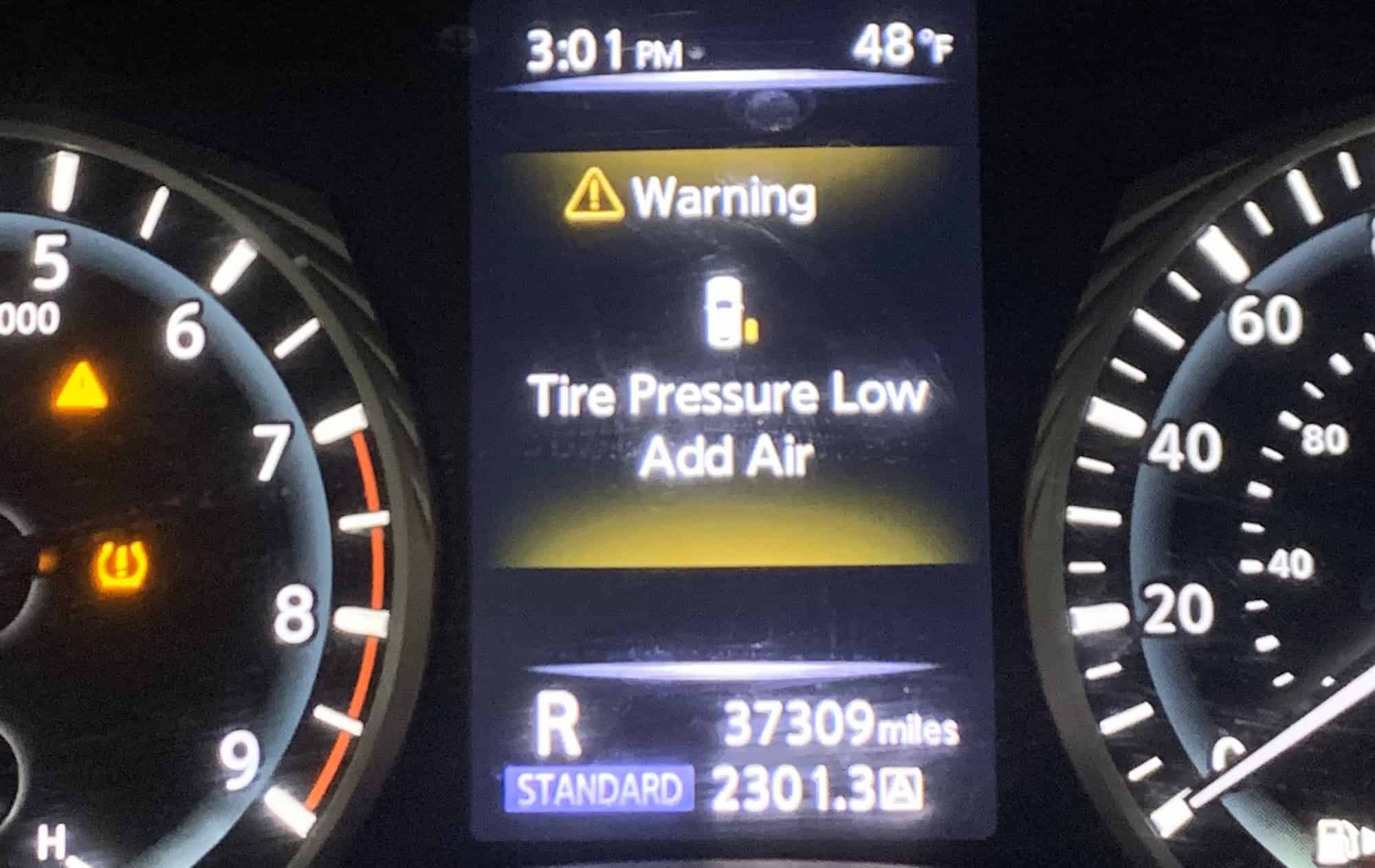
Our research indicates that three specific driver segments frequently encounter false TPMS alerts based on usage patterns and geography Tire Industry Association. These groups often report seeing a tire pressure light on but tires are fine, requiring specialized troubleshooting.
Daily Highway Commuters
High-mileage commuters frequently experience variations in tire pressure due to prolonged driving at consistent speeds. Changes in road surface temperature and ambient air, especially over long distances, can cause minor pressure fluctuations that trigger sensitive TPMS, even if the tires are perfectly healthy. Our analyses consider these common scenarios Our Methodology.
Cold Climate Residents
Residents in regions with significant temperature swings, particularly during winter, regularly face TPMS warnings. Cold weather reduces tire pressure by approximately 1 PSI for every 10-degree Fahrenheit drop NHTSA. This leads to numerous false alerts when tires are technically underinflated according to temperature but within safe driving parameters for the climate.
Older Vehicle Owners
Vehicles aged five years and older are more prone to TPMS sensor battery exhaustion or general system wear. Studies show that over 30% of TPMS sensor failures occur in vehicles exceeding seven years of age Motor.com. These failures often manifest as a persistent warning light despite correctly inflated tires, indicating a hardware issue rather than a pressure problem.
Regardless of your driver segment, follow this protocol on How To Troubleshoot Tire Pressure Light Malfunctions In 5 Steps.
Diagnosing Your TPMS Warning Light
Verify Tire Pressure Manually
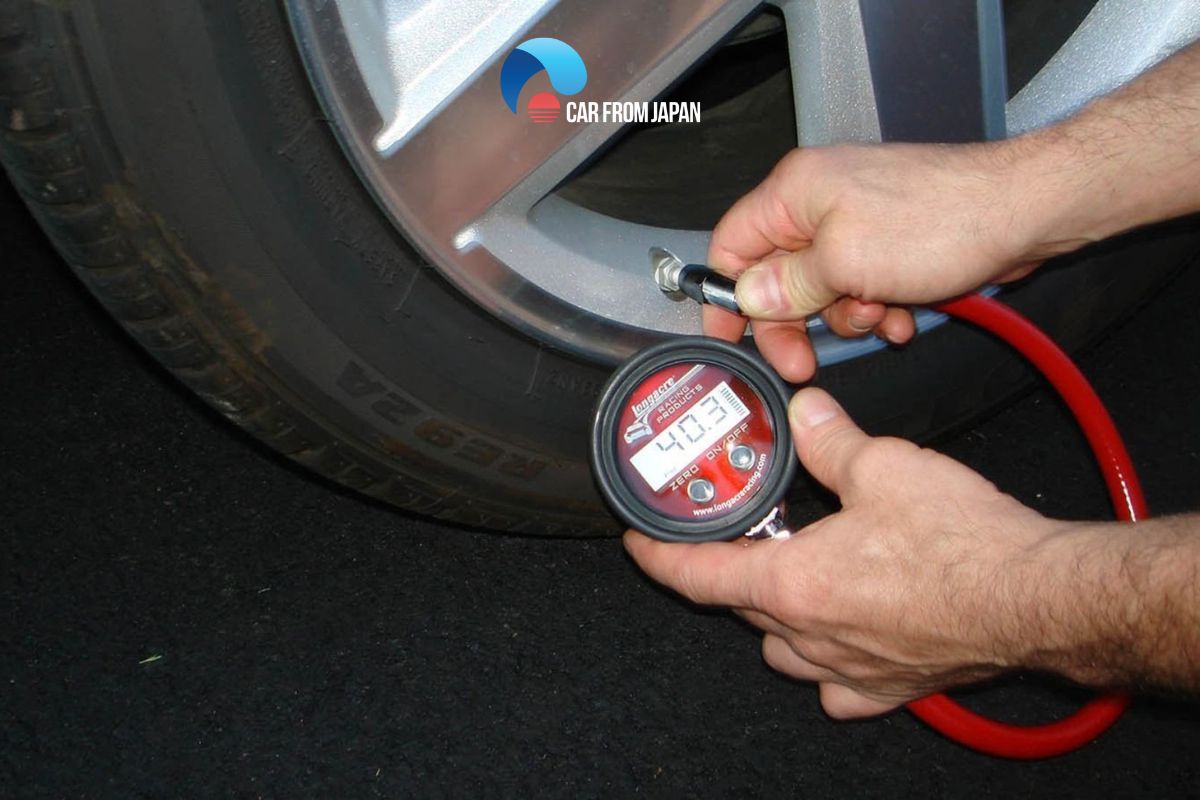
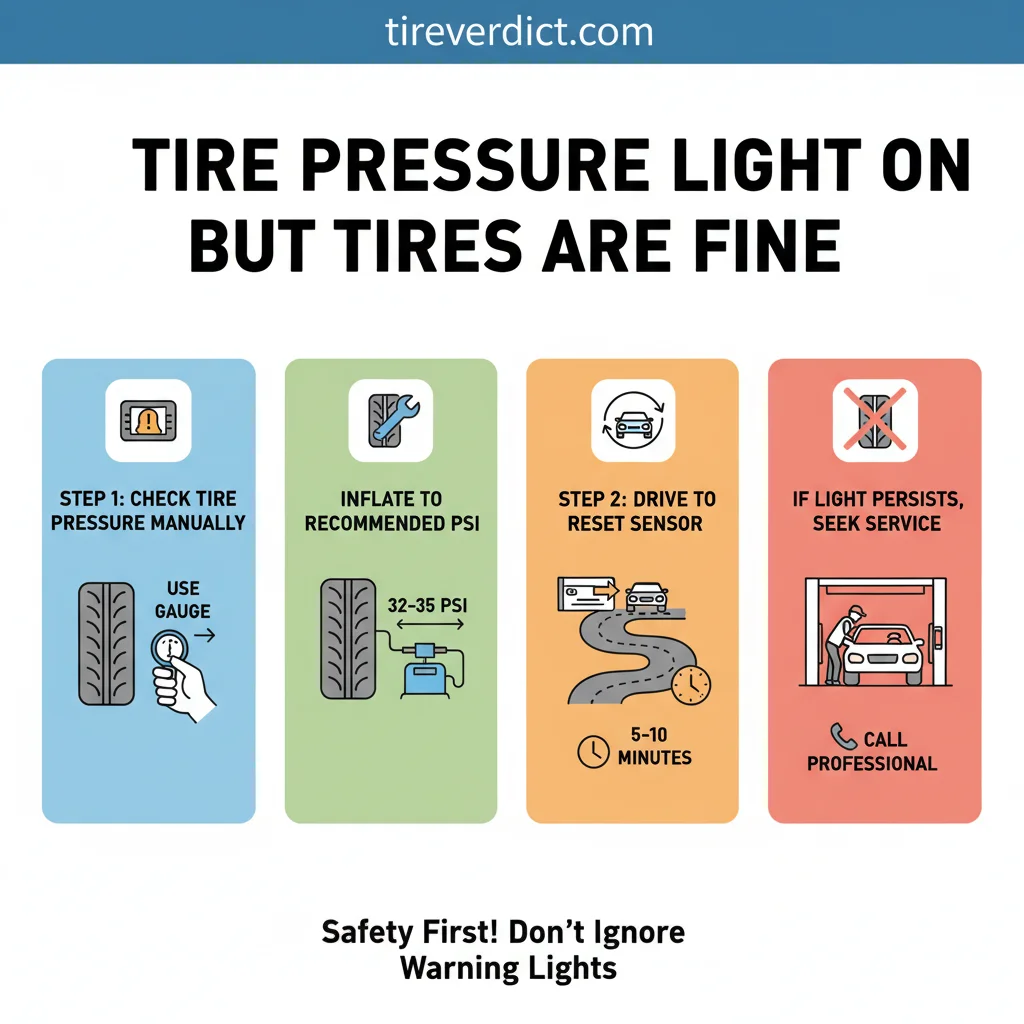
Even if tires look fine, use a reliable gauge to check all tires (including spare) against your car’s recommended PSI. Adjust to spec.
Complete a Drive Cycle
After adjusting, drive 10-20 minutes above 20-25 mph. TPMS sensors often need this to reset and register correct pressures.
Inspect for Slow Leaks or Damage
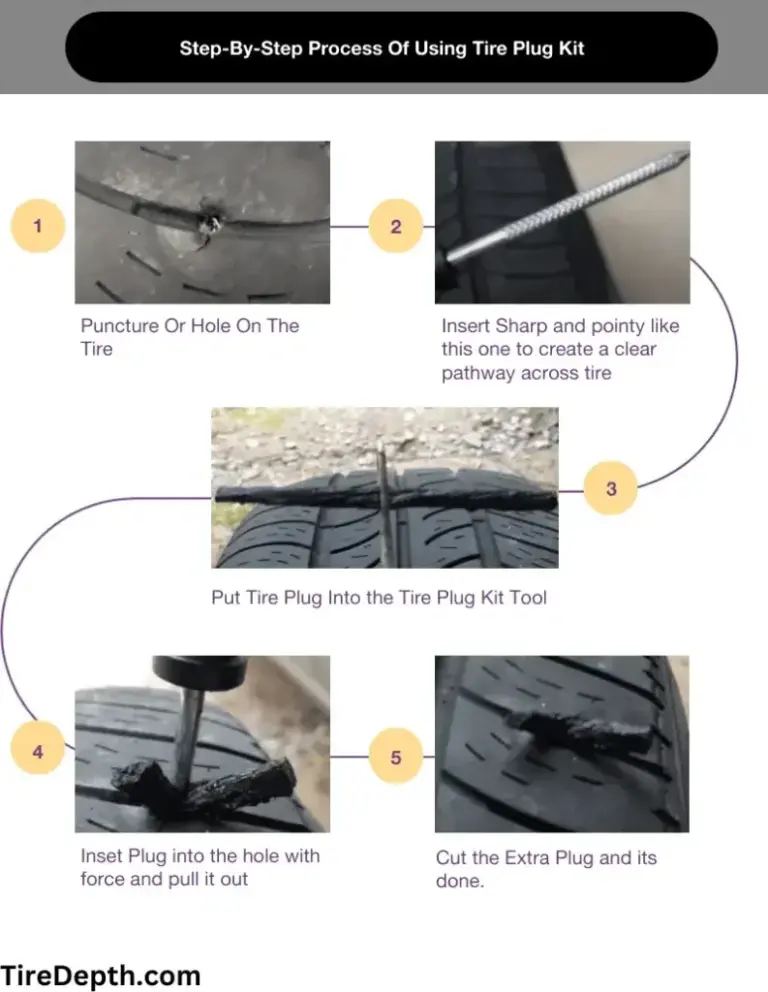
Visually check each tire for small punctures, embedded objects, sidewall cracks, or valve stem issues that could cause a slow, unnoticed leak.
Perform Manual TPMS Reset (If Applicable)
Consult your vehicle’s owner’s manual for a specific TPMS reset procedure, if available. Some cars have a dedicated reset button.
Consider Sensor Malfunction or Battery
TPMS sensors have batteries (5-10 year lifespan) that eventually die, or the sensor itself can be damaged. A dead or faulty sensor will trigger the light.
Seek Professional Diagnosis
If the light persists after these steps, a professional mechanic can use a specialized TPMS scan tool to pinpoint the exact faulty sensor or system component.
Even when drivers are well-informed, a malfunctioning light still requires specific troubleshooting steps.
How to Troubleshoot Tire Pressure Light Malfunctions in 5 Steps
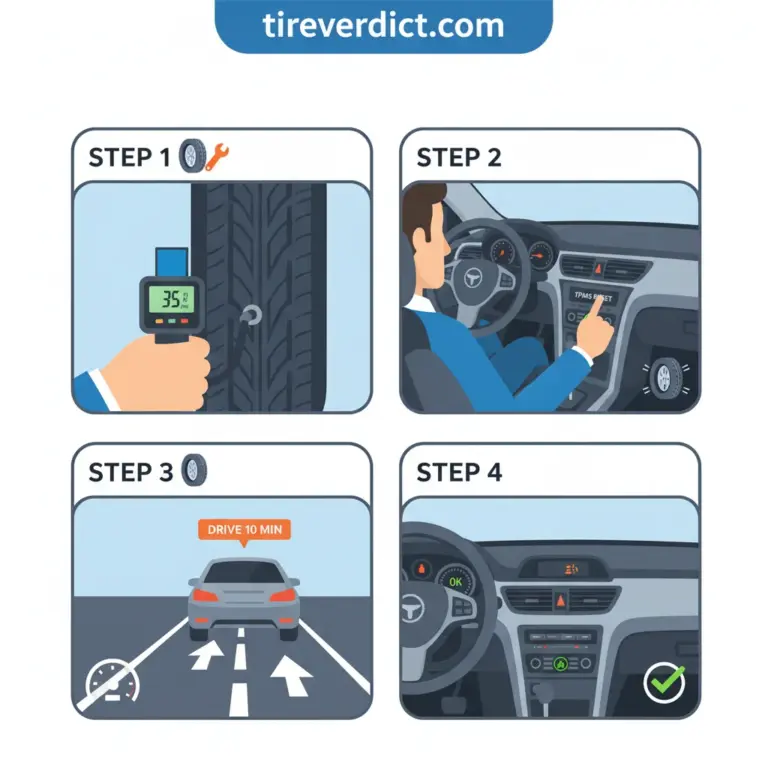
Step 1: Verify the actual internal PSI of all four tires using a calibrated digital gauge to ensure the dashboard light is truly a false positive Bridgestone. Inflate any tires that are below the vehicle manufacturer’s recommended PSI, typically found on a placard inside the driver’s side door jamb.
If the tire feels soft, looks visibly deflated, or you hear hissing, do NOT drive the vehicle. Seek immediate professional assistance.
Step 2: Check your spare tire’s pressure, especially if it is a full-size spare. Many modern vehicles, particularly SUVs and trucks, include a TPMS sensor in the spare, and a low spare tire can trigger the warning light. Ensure the spare is inflated to its specified PSI.
Step 3: Reset the TPMS system. Consult your vehicle’s owner’s manual for the specific reset procedure, which often involves turning the ignition on, pressing a TPMS reset button (usually located under the dash or in the glove box), and holding it until the light flashes. Some vehicles allow a reset through the infotainment system.
Step 4: Complete a drive cycle to allow the sensors to re-learn. Most 2026 TPMS systems require a specific driving pattern, such as driving for at least 20 minutes at speeds above 50 mph, for the sensors to transmit new pressure data and the system to recalibrate DENSO. If the light remains after this cycle, the issue persists.
Step 5: Obtain an OBD II diagnostic scan if the light still persists. An advanced OBD II scanner can read specific TPMS trouble codes, indicating sensor malfunctions, receiver issues, or module failures. This step provides precise information for professional repair.
While troubleshooting, you must recognize the 7 Situations Where Driving With A TPMS Light Is Dangerous. Successfully troubleshooting helps, yet certain dangerous situations absolutely prohibit driving with a TPMS light.
7 Situations Where Driving With a TPMS Light Is Dangerous
Industry data confirms that certain visual or tactile symptoms override a ‘fine’ tire inspection and require immediate cessation of driving US Department of Transportation. If you observe any of these, do not assume the light is a false alarm.

1. Flashing TPMS Light: A light that flashes for 60 to 90 seconds upon startup before staying solid indicates a system malfunction, not just low pressure. Driving with a faulty TPMS means you have no active pressure monitoring.
2. Visually Bulging Sidewalls: If the tire sidewall appears to bulge outwards, even slightly, it signifies severe underinflation. This condition dramatically increases the risk of a blowout, making continued driving extremely hazardous.
3. Audible Air Leaks: Any hissing or bubbling sound emanating from the tire suggests a rapid air loss. This requires immediate attention, as a complete flat could occur without warning.
4. Vehicle Pulling to One Side: If your vehicle consistently pulls to the left or right, it can indicate a significant pressure difference between tires. This impacts steering control and braking efficiency.
5. Recent Impact or Pothole: Driving over a large pothole or curb can damage tires or rims, leading to sudden pressure loss. Even if the tire initially appears fine, internal damage may not be immediately visible.
6. Noticeable Loss of Handling: If the steering feels spongy, or the vehicle responds sluggishly to steering input, it often points to underinflated tires. This compromises vehicle stability, especially at higher speeds.
7. Increased Braking Distance: Underinflated tires have a reduced contact patch with the road, significantly increasing stopping distances. Research shows tires under-inflated by 25% can increase stopping distance by over 20% Consumer Reports. This compromises emergency braking capabilities.
Understanding these dangers prevents the common errors explained in Why Overinflating Tires To Fix Sensor Lights Fails. Avoiding these dangerous scenarios often comes down to proactive system maintenance and understanding proper care.
Why Overinflating Tires to Fix Sensor Lights Fails
We found that many drivers mistakenly add air beyond the door-jamb placard limits in an attempt to extinguish a stubborn TPMS light Michelin. This practice does not address underlying sensor issues and introduces new safety risks.
The Max PSI Myth
The maximum PSI molded into the tire sidewall represents the highest pressure the tire can safely hold under maximum load, not the recommended operating pressure. Vehicle manufacturers specify optimal tire pressure on a door-jamb sticker, typically lower than the tire’s max PSI. Exceeding this recommended pressure leads to overinflation.
Center Tread Acceleration
Overinflated tires ride on their center tread, reducing the contact patch with the road. This leads to accelerated and uneven wear in the middle of the tire, shortening tire life and decreasing traction tireverdict.com. It also creates a harsher ride and compromises handling, especially during braking or cornering.
Sensor Battery Reality
Overinflating tires does not revive a dead TPMS sensor battery. The sensor’s power source is self-contained and typically sealed within the unit. If the light persists due to a failing battery, no amount of air will resolve the issue. Standard passenger tires usually have a max PSI of 44 or 51 PSI, but operating pressure is lower.
Beyond inflation errors, we must look at 5 Rare Technical Glitches Triggering False Pressure Warnings.
5 Rare Technical Glitches Triggering False Pressure Warnings
Our analysis of technician reports reveals that radio frequency interference (RFI) can occasionally block TPMS signals from reaching the receiver MDPI Sensors Journal. These less common issues can be particularly frustrating to diagnose.
1. USB Charger Interference: Some low-quality aftermarket USB chargers or power adapters can emit radio frequencies that interfere with the TPMS signal, especially in vehicles where the TPMS receiver is located near the dashboard. Disconnecting accessories can sometimes resolve this.
2. Window Tint Metallic Films: Certain window tints contain metallic particles that can block radio waves. If a vehicle’s TPMS receiver is located in the rear of the cabin, metallic tint on the rear window can interfere with signals from the rear sensors, causing intermittent warnings.
3. Aftermarket Sensor Incompatibility: Installing aftermarket TPMS sensors that are not precisely compatible with the vehicle’s make and model can lead to communication errors. Even if they fit, incorrect frequency or protocol can prevent proper functioning.
4. Hidden Spare Tire Sensor: Many drivers overlook the spare tire, especially if it is stored internally or underneath the vehicle. If the full-size spare contains a TPMS sensor and its pressure drops, it will trigger the main dashboard warning light, even if the four active tires are perfectly fine.
5. Altitude Changes: While less common, significant and rapid changes in altitude can sometimes cause temporary TPMS alerts. Atmospheric pressure affects tire pressure, and while sensors are designed to compensate, extreme shifts can sometimes trigger a transient warning.
If these edge cases are ruled out, it is time to know When To Visit A Professional For TPMS Sensor Replacement.
When to Visit a Professional for TPMS Sensor Replacement
Experts confirm that if the TPMS light flashes for 60 to 90 seconds upon startup before remaining solid, the system has a hardware fault Schrader TPMS. This flashing sequence is a definitive indicator that a professional diagnosis is necessary.
Persistent Flashing Indicators
A flashing TPMS light signifies a malfunction within the TPMS itself, such as a dead sensor battery, a faulty sensor, or a problem with the TPMS control module. This is distinct from a solid light, which indicates low tire pressure. If the light repeatedly flashes, a professional technician must examine the system.
Five Year Battery Threshold
TPMS sensor batteries typically last between 5 and 10 years. After approximately five years, sensors often begin to fail, particularly in older vehicles. If your vehicle is approaching or past this age threshold, professional replacement of failing sensors is a common maintenance item.
Diagnostic Trouble Codes
Professional automotive technicians possess specialized OBD II scanners capable of retrieving specific TPMS diagnostic trouble codes (DTCs). These codes pinpoint the exact sensor or system component that is malfunctioning, enabling accurate and efficient repair. Sensor replacement typically costs between $50 and $150 per sensor in 2026, excluding labor and relearn procedures.
For further verification, consult these 5 Authoritative Sources For Automotive Tire Safety Data.
5 Authoritative Sources for Automotive Tire Safety Data
We utilized data from several federal and industry organizations to compile this 2026 safety protocol. Our Editorial Policy mandates reliance on such sources.
1. NHTSA (National Highway Traffic Safety Administration): Provides federal regulations, safety standards, and consumer information regarding tire performance and TPMS requirements.
2. SAE International (Society of Automotive Engineers): Publishes peer-reviewed technical papers and standards for automotive engineering, including TPMS technology and design.
3. Tire Industry Association (TIA): Offers educational resources, training, and best practices for tire service and maintenance, including TPMS repair and diagnostics.
4. Vehicle Manufacturer Manuals: The primary source for vehicle-specific tire pressure recommendations, TPMS reset procedures, and detailed system information directly from the OEM.
5. Peer-reviewed Engineering Journals: Academic and industry journals often publish research on TPMS sensor accuracy, battery life, interference, and advancements in tire monitoring technology.
Read our frequently asked questions for quick answers to common TPMS scenarios.
Why Is My TPMS Light On But Tires Are Fine
Q1: Can cold weather cause my tire pressure light to turn on?
Yes, cold weather often triggers the light because air density increases as temperatures drop, causing tire pressure to decrease. According to the NHTSA, for every 10-degree Fahrenheit drop, tire pressure can fall by approximately 1 PSI, easily activating the TPMS warning.
Q2: How do I reset my tire pressure light without a tool?
Most 2026 vehicles allow a reset through the dashboard infotainment settings or a physical button under the steering wheel. After ensuring pressures are correct, consult your owner’s manual for the specific procedure, which often involves a short driving cycle for recalibration.
Q3: Is it safe to drive with a solid TPMS light on?
It is safe only if you have manually verified the tire pressure with a gauge. If the light is solid and your tires are at the manufacturer-recommended PSI, the TPMS system likely has a malfunction, but the tires themselves are safe for driving.
Q4: How long do TPMS sensor batteries usually last?
TPMS sensor batteries typically last between 5 and 10 years, depending on mileage and climate. Since the batteries are sealed within the sensor unit, they are not replaceable; the entire sensor must be replaced once the battery expires, indicated by a flashing light.
Q5: Does my spare tire have a pressure sensor?
Many modern SUVs and trucks include a TPMS sensor in the full-size spare tire. If the spare is low on air, the dashboard light will illuminate even if the four tires on the vehicle are correctly inflated. Always check your spare’s pressure during TPMS troubleshooting.
Confirming an accurate tire pressure light on but tires are fine scenario ultimately relies on manual gauge verification. Sensor battery exhaustion and environmental changes, particularly cold weather, are primary causes of these ghost warnings. a flashing light indicates a hardware failure requiring professional replacement, not just a low tire.
For more comprehensive insights and independent tire research, explore our full range of reviews and buying guides. Download our 2026 TPMS reset cheat sheet or check our latest tire reviews for more safety insights.
- SAE International Journal (sae.org)
- NHTSA Report (nhtsa.gov)
- internal batteries (schraderinternational.com)
- Federal Register (federalregister.gov)
- Cold weather (bartecusa.com)
- Tire Rack (tirerack.com)
- Tire Industry Association (tireindustry.org)
- Motor.com (motor.com)