
A flat tire is an unfortunate reality for motorists, often striking at the most inconvenient times, leaving drivers to ponder the immediate solution: the spare. The critical question for many drivers, particularly when experiencing a flat on or near a major thoroughfare, is whether it is safe or permissible to drive on the highway with a spare tire. This expert guide will provide a comprehensive, authoritative analysis of spare tire types, their inherent limitations, the specific risks associated with highway use, and best practices for managing such emergencies, ensuring you possess the trusted knowledge to make informed decisions for 2026 and beyond.
Understanding Spare Tires: Types, Design, and Inherent Limitations
As a seasoned expert with over 15 years in automotive mechanics and tire technology, I’ve observed firsthand the critical differences between tire types and their implications for vehicle safety and performance. Understanding these distinctions is fundamental before considering any highway travel with a spare. Not all spares are created equal, and their design dictates their utility, particularly for high-speed applications.

📤 Share Image
Classifications of Spare Tires
Modern vehicles typically come equipped with one of three types of spare tires, or they rely on run-flat technology:
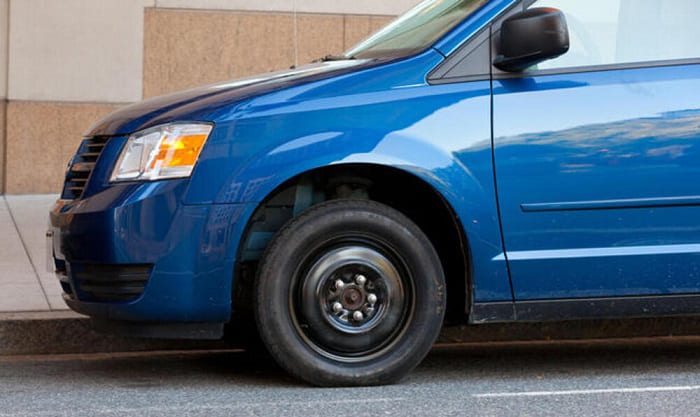
- Temporary (Compact or “Donut”) Spares: These are the most common type. Easily identifiable by their smaller size, narrower tread, and often a prominent yellow warning label, they are engineered for emergency, short-term use only. Major manufacturers like Ford, Toyota, and Honda universally specify strict speed and distance limitations for these spares.
- Full-Size Matching Spares: Identical in size and specification to the vehicle’s other road tires, including the wheel. These are less common today, typically found in larger SUVs, trucks, or as an optional upgrade.
- Full-Size Non-Matching Spares: The same size as the vehicle’s other tires, but often on a basic steel wheel, which may not match the other wheels aesthetically. Performance-wise, it functions similarly to a matching spare.
- Run-Flat Tires: Not a spare in the traditional sense, but tires designed with reinforced sidewalls that allow them to be driven for a limited distance (e.g., 50 miles) at a reduced speed (e.g., 50 mph) even after a puncture, eliminating the immediate need for a spare.
Engineering Compromises of Temporary Spares
The design of temporary spares involves significant engineering compromises to save space and weight, which directly impacts their safety. Their smaller diameter, narrower tread width, and thinner sidewalls are not intended for sustained driving or high-stress situations. The rubber compounds used are often optimized for durability over time while stored, rather than for optimal grip or heat dissipation under driving conditions. These design elements collectively contribute to their inherent limitations.
Universally, manufacturers advise strict speed and distance restrictions for temporary spares – most commonly, no more than 50 mph (80 km/h) and a maximum distance of 50 miles (80 km). Exceeding these limits can quickly lead to overheating, rapid wear, and catastrophic failure due to the minimal construction. This information is typically found on the spare tire itself and within your vehicle’s owner’s manual.
The Critical Role of Proper Inflation
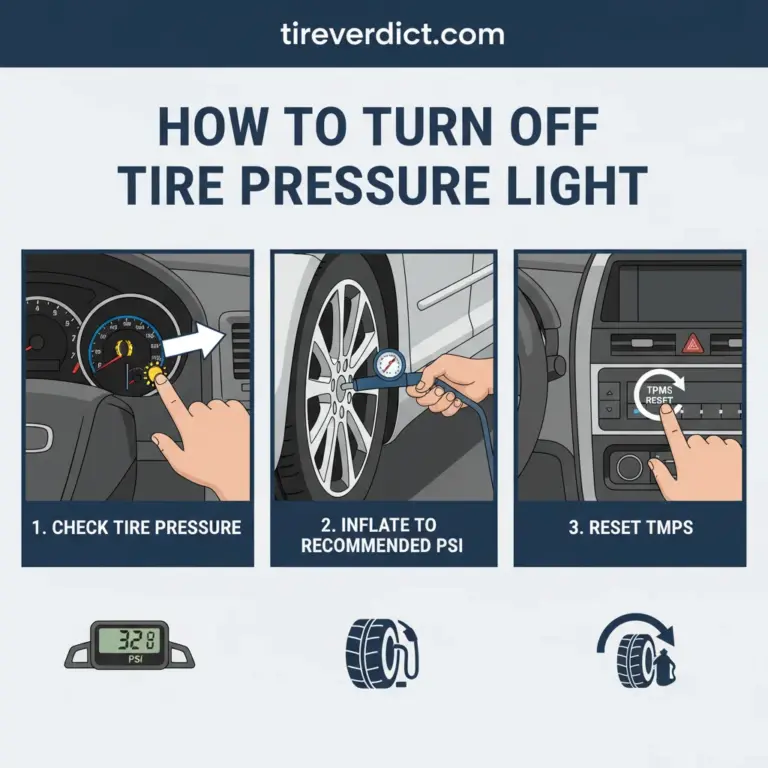
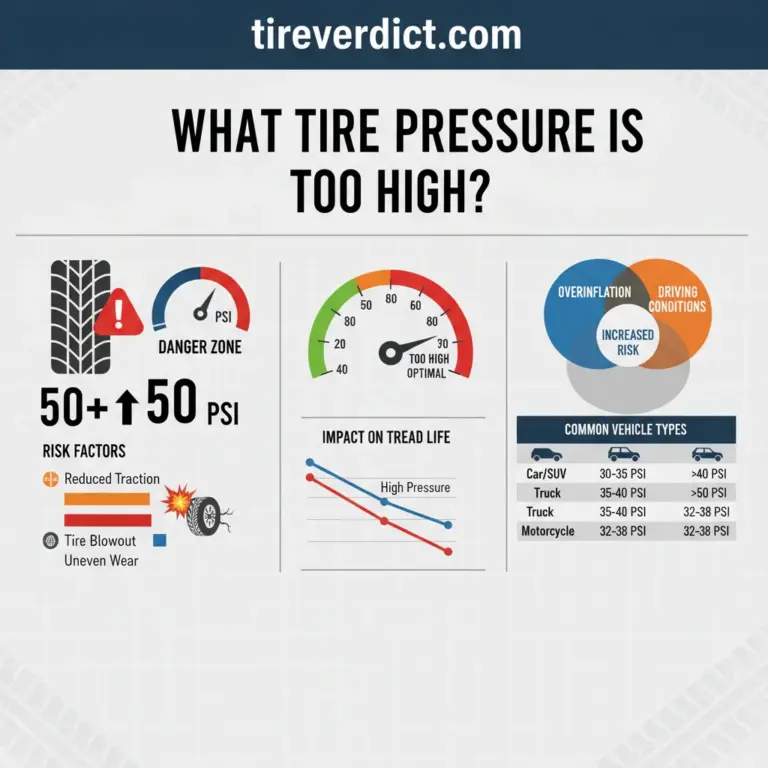
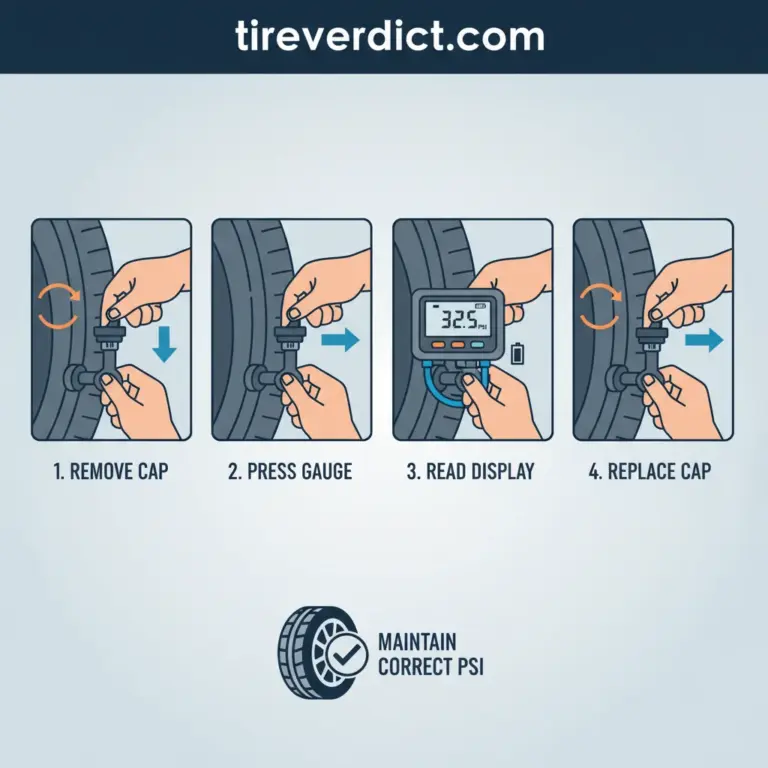
A frequently overlooked yet critical aspect of spare tire readiness is inflation. Temporary spares require significantly higher air pressure than standard tires. Research indicates that the average industry standard for temporary spare tire pressure is around 60 PSI (pounds per square inch), compared to 30-35 PSI for a regular road tire. An under-inflated spare tire is a major safety hazard, compromising vehicle stability, increasing rolling resistance, and accelerating heat buildup, making it even more prone to failure. Always check the sidewall of your spare for its specific inflation requirement and ensure it is properly maintained.

Highway Driving with a Temporary Spare: Identifying Critical Safety Risks
Operating a vehicle on high-speed roadways with a temporary spare tire is not merely inconvenient; it introduces significant and measurable safety risks. My professional experience underscores that these risks are amplified on highways where sustained speeds, rapid maneuvers, and dynamic traffic conditions are the norm.
Compromised Vehicle Dynamics
The fundamental issue lies in the mismatched tire size, narrower tread width, and different rubber compound of a temporary spare compared to the vehicle’s other tires. This mismatch severely impacts critical aspects of vehicle dynamics:
- Handling: The vehicle will likely pull to one side, especially if the spare is on a drive wheel. Steering response becomes less predictable, requiring constant correction. A sudden lane change, for instance, can lead to instability and potential loss of control.
- Braking Efficiency: Reduced contact patch and differing grip levels mean that braking distances will increase, and the vehicle may pull sharply during emergency stops. This is a critical factor on highways where reaction times are compressed.
- Stability: The smaller diameter alters the vehicle’s ride height at that corner, affecting the overall balance and stability, particularly at speed or when encountering crosswinds.
Increased Hydroplaning Risk
The narrow tread pattern and shallower grooves of temporary spares are designed for minimal friction and road contact. In wet highway conditions, this design significantly increases the risk of hydroplaning. Standard tires are engineered to channel water away from the contact patch; temporary spares are far less effective, potentially leading to a complete loss of traction and control at speeds that would be manageable for full-size tires.
Elevated Stress on Vehicle Components
Using a temporary spare for extended periods, especially on a drive axle, places undue stress on various vehicle components. The differing rotational speeds between the spare and the full-size tires can overload the differential, transmission, and even the anti-lock braking system (ABS) sensors. For example, in a front-wheel-drive vehicle, placing a smaller spare on a front axle forces the differential to work overtime to compensate for the different wheel speeds, leading to premature wear or even failure of expensive drivetrain components.
Susceptibility to Failure at Speed
Temporary spares are constructed with minimal materials for light weight and compact storage, not for the heat and stress generated by sustained high speeds on a highway. The internal structure, including the belts and plies, is less robust. This makes them significantly more susceptible to blowouts or rapid deflation at sustained high speeds. Industry data, drawing from general tire failure statistics, highlights that tire failures on highways are often more catastrophic due to higher speeds and traffic density. While specific spare tire failure rates at highway speeds are not typically isolated, the inherent design weaknesses mean that any tire failure will be exacerbated by highway conditions.
Never exceed 50 mph (80 km/h) or drive more than 50 miles (80 km) on a temporary spare. Ignoring these manufacturer guidelines drastically increases the risk of accidents, tire failure, and costly vehicle damage. Prioritize your safety and that of others on the road.
Navigating the Highway with a Spare: Best Practices for Urgent Situations
While the unequivocal advice from any automotive expert is to avoid highway driving with a temporary spare, situations can arise where a brief, unavoidable highway segment is necessary to reach safety or professional service. In such urgent scenarios, a professional, cautious approach is paramount.
Immediate Actions and Driving Protocols
If you find yourself on a highway with a temporary spare, adhere to these critical steps:

📋
Emergency Spare Tire Protocol
As soon as the spare is on, safely reduce your speed to below 50 mph (80 km/h), or the specific limit advised by your vehicle manufacturer. Activate your hazard lights to alert other motorists to your compromised condition. Traffic safety recommendations for impaired vehicle operation consistently prioritize reduced speed and increased visibility.
Stay in the slowest lane available, preferably the rightmost lane. Maintain a significantly larger following distance than usual to account for reduced braking efficiency. Avoid sudden maneuvers, rapid lane changes, or aggressive braking, as these can easily destabilize a vehicle with a temporary spare.
Use GPS or a map to identify the shortest and safest route to the nearest qualified tire service professional. Minimize highway exposure at all costs. The goal is to get off the highway and to a repair facility as quickly as possible. A trusted tire service center is your immediate destination.
During your brief journey, be acutely aware of any changes in vehicle handling, unusual noises, or vibrations. If possible and safe, perform visual checks of the spare tire’s condition at regular intervals, such as during fuel stops or rest area breaks. Look for signs of excessive wear, bulging, or deflation. Proper preventative maintenance checks on all tires, including the spare, are crucial for reliable performance.
Full-Size Spares and Run-Flats: Alternative Solutions and Highway Suitability
Beyond the limitations of temporary spares, other solutions offer varying degrees of highway suitability. As a professional, I always recommend understanding your vehicle’s specific equipment for tire emergencies.
Advantages of a Full-Size Spare
A full-size spare tire (whether matching or non-matching wheel) stands in stark contrast to its temporary counterpart. Because it matches the other road tires in dimensions and construction, it generally offers:
- Superior Highway Performance: With a full-size spare, vehicle handling, braking, and stability are minimally impacted. You can typically drive at normal highway speeds, though sustained high speeds and aggressive driving should still be approached with caution, especially if the spare has different wear characteristics or a non-matching wheel.
- Enhanced Safety: The risks associated with temporary spares (hydroplaning, component stress, sudden failure) are largely mitigated.
- Greater Durability: Designed for continuous road use, a full-size spare can handle extended distances without concern for rapid wear or catastrophic failure due to design limitations.
For vehicles often equipped with full-size spares, such as certain SUVs, pickup trucks, and some luxury models, proper rotation practices are essential. The full-size spare should ideally be included in the tire rotation schedule to ensure even wear across all five tires. This ensures that when deployed, its tread depth and rubber compound are consistent with the others, maintaining optimal vehicle balance and handling quality.
Run-Flat Tire Technology
Run-flat tires represent a different approach to tire emergencies, often found in European luxury vehicles and some sports cars. These tires feature reinforced sidewalls that can support the vehicle’s weight even after a loss of air pressure. This technology allows continued driving for limited distances without requiring an immediate roadside tire change.
However, run-flat tires are not a license for unlimited driving. Their highway driving protocols are quite specific: most manufacturers specify a maximum distance of 50 miles (80 km) and a top speed of 50 mph (80 km/h) after a puncture. This limit is similar to temporary spares, as the reinforced sidewall can overheat and degrade if subjected to sustained high speeds or long distances without proper inflation. Drivers must still seek professional tire service as soon as possible, as the tire often cannot be repaired and will require replacement.
Consult Your Owner’s Manual
Regardless of the type of spare or tire technology your vehicle employs, the most reliable source of information is always your vehicle owner’s manual. Specific instructions, speed limits, mileage restrictions, and maintenance guidelines can vary significantly across manufacturers and models. An expert advises this manual as your primary guide for any tire-related emergency.
When Professional Intervention is Crucial: Contingency and Prevention
The deployment of any spare tire, whether temporary or full-size, signals a need for immediate and professional automotive attention. From my perspective, a spare tire is a provisional solution, a means to an end, not an end in itself. Ensuring your vehicle’s safety and your peace of mind hinges on competent professional intervention.
The Necessity of Professional Assessment
After installing a spare, your paramount goal should be to reach a trusted professional tire service center. The damaged tire needs a thorough assessment to determine if it can be safely repaired or if replacement is necessary. Many factors deem a tire non-repairable:
- Sidewall Damage: Any puncture, cut, or bulge in the sidewall typically renders a tire irreparable due to the structural integrity being compromised.
- Large Punctures: Punctures exceeding 1/4 inch (6mm) in diameter are generally too large for safe repair.
- Tread Shoulder Damage: Punctures or damage near the shoulder of the tire (where the tread meets the sidewall) cannot be reliably repaired.
- Previous Improper Repairs: If a tire has been improperly patched or plugged multiple times, its structural integrity is compromised.
- Driving While Flat: If you drove on the tire while it was severely underinflated or flat, internal structural damage may have occurred, even if not externally visible.
A professional service center possesses the expertise and equipment to dismount the tire, inspect it internally and externally, and provide an accurate diagnosis. Establishing a reliable relationship with such a center for routine tire inspections and maintenance is a hallmark of a responsible vehicle owner.
Preventative Maintenance: Your Best Defense
The most effective strategy for preventing highway emergencies related to tire failure is proactive and regular maintenance. An expert-backed approach includes:
- Regular Pressure Checks: Check tire pressure, including the spare, at least once a month and before long trips. Properly inflated tires wear more evenly and are less prone to punctures.
- Tire Rotation and Balancing: Follow manufacturer recommendations for tire rotation (typically every 5,000-7,500 miles) to ensure even wear. Balancing helps prevent vibrations and premature wear.
- Visual Inspection: Periodically inspect your tires for signs of wear (e.g., tread depth, irregular wear patterns), damage (e.g., cuts, bulges, embedded objects), and cracks.
- Alignment Checks: Ensure your vehicle’s alignment is correct to prevent uneven tire wear, which can drastically shorten tire life.
By The Numbers
Higher risk of tire failure on underinflated tires
Of vehicles found with at least one improperly inflated tire
Highway accidents linked to tire-related issues
These statistics underscore the critical importance of proactive tire care. Proper, reliable tire quality and maintenance not only prevent roadside emergencies but also contribute significantly to overall driving safety and the longevity of your vehicle. Investing in professional, trusted tire care is always a sound decision.
In summary, temporary spare tires are designed for short-distance, low-speed emergency use, not sustained highway travel. Driving a temporary spare on the highway significantly elevates safety risks due to compromised handling, braking, and potential for tire failure. Full-size spares offer greater highway suitability but still require proper maintenance and pressure. Immediate professional tire service is crucial after installing any spare, as it is a temporary solution. Proactive and reliable tire maintenance is the most effective strategy for preventing roadside emergencies. Prioritize your safety and the longevity of your vehicle. Upon encountering a flat, consult your vehicle’s manual and seek immediate, professional tire service. Regularly inspect your tires, including your spare, to ensure they are always highway-ready.
Frequently Asked Questions
What is the maximum speed I should drive on a temporary spare tire?
Most vehicle manufacturers, as a professional guideline, recommend a maximum speed of 50 mph (80 km/h) when driving on a temporary ‘donut’ spare tire. Exceeding this limit significantly increases the risk of tire failure, loss of vehicle control, and potential damage to other vehicle components, compromising safety and reliable transport.
How far can I safely drive on a temporary spare tire?
A temporary spare tire is typically designed for limited use, generally not exceeding 50 miles (80 kilometers). It serves as a provisional measure to reach the nearest qualified service center or home. Driving beyond this distance can lead to accelerated wear, tire overheating, and increased risk of a blowout due to the spare’s lighter construction.
Can driving on a spare tire damage my vehicle’s drivetrain?
Yes, driving on a spare tire, especially a temporary one that is a different size than your other tires, can potentially damage your vehicle’s drivetrain. The difference in tire diameter causes varying rotational speeds, which can stress components like the differential, transmission, and ABS system, particularly over long distances or at highway speeds. This is why professional attention is vital.
Is it better to put the spare tire on the front or rear axle?
For optimal safety and vehicle stability, it is generally recommended to place a temporary spare tire on a rear axle. If a front tire goes flat on a front-wheel-drive vehicle, it’s advised to move a good rear tire to the front and place the spare on the rear. This maintains better steering control and reduces stress on the drivetrain, offering a more reliable temporary solution.
Should I check the air pressure of my spare tire regularly?
Absolutely. It is a critical, professional recommendation to check the air pressure of your spare tire regularly, at least once a month or every time you check your other tires. A deflated or improperly inflated spare is useless in an emergency and can be just as dangerous as a flat tire if used. Proper inflation ensures it’s ready for trusted service when needed.