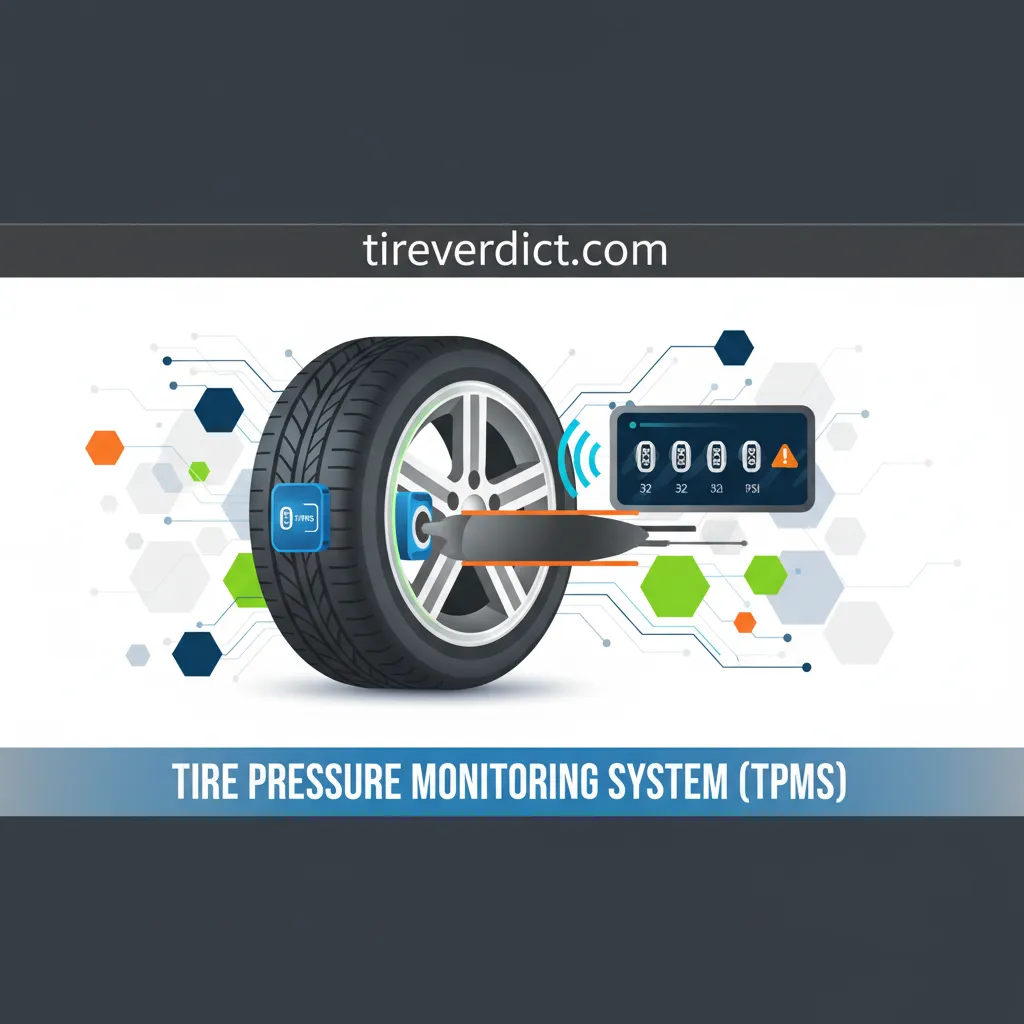
Imagine driving with a silent guardian, a sophisticated electronic system constantly ensuring your vehicle’s most critical contact points with the road are optimally maintained for safety and efficiency. Underinflated tires are a prevalent issue, contributing significantly to vehicle accidents, reduced fuel economy, and premature tire wear. Often, drivers remain unaware of subtle pressure drops until critical safety thresholds are breached or visual inspection reveals a significant issue. This professional and authoritative guide will thoroughly demystify the Tire Pressure Monitoring System (TPMS), explaining its foundational principles, operational nuances, common diagnostic challenges, and effective resolution strategies. You will gain the expertise to ensure your vehicle’s tire performance and overall safety remain at their peak, supported by reliable and trusted information for 2026 and beyond.
What is a Tire Pressure Monitoring System (TPMS) and Why is it Essential for Your Vehicle’s Safety?
📤 Share Image
A Tire Pressure Monitoring System (TPMS) is an electronic system integrated into modern vehicles, meticulously designed to monitor the air pressure inside pneumatic tires. Its core function is to alert the driver to underinflation conditions, which can severely compromise vehicle safety and operational efficiency. This proactive surveillance system acts as an indispensable component of contemporary vehicle safety measures.
Regulatory Mandate and Safety Impact
The widespread adoption of TPMS was largely spurred by critical tire failure incidents, such as the widely publicized Ford Explorer/Firestone tire issues at the turn of the millennium. This led to significant regulatory action, most notably the U.S. TREAD Act of 2000, which mandated TPMS in all new passenger vehicles sold in the United States since 2007. The impact on safety has been profound; research indicates that TPMS significantly reduces the risk of accidents caused by underinflated tires. For instance, the NHTSA (National Highway Traffic Safety Administration) estimates that TPMS has saved hundreds of lives and prevented thousands of injuries by mitigating dangerous situations like highway blowouts and loss of vehicle control due to severely underinflated tires. Imagine a scenario where a TPMS alert prevents a highway blowout, saving a driver from a potentially hazardous situation—this is the real-world impact of this technology.
Benefits Beyond Safety
While safety remains the primary driver, the advantages of properly inflated tires extend considerably beyond preventing accidents. Maintaining optimal tire pressure, as facilitated by a reliable TPMS, yields several key benefits:
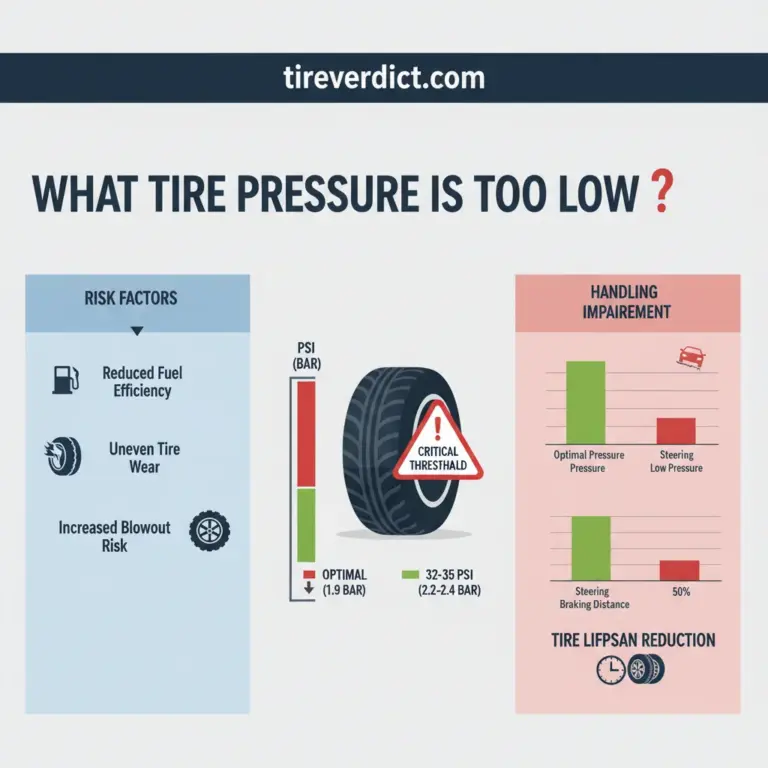
- Improved Fuel Economy: Underinflated tires increase rolling resistance, forcing the engine to work harder. Studies show that maintaining optimal tire inflation can improve fuel economy by 0.6% to 3%, translating to notable savings over time.
- Extended Tire Lifespan: Correct tire pressure ensures even tread wear, maximizing the tire’s functional life. Underinflation leads to premature wear on the outer edges of the tread, significantly shortening tire lifespan.
- Enhanced Vehicle Handling and Braking Performance: Properly inflated tires maintain the designed contact patch with the road, which is crucial for responsive steering, stable cornering, and effective braking. This contributes to the overall quality of the driving experience.
Fundamentally, there are two primary types of TPMS in use today: Direct TPMS, which uses sensors inside each tire, and Indirect TPMS, which relies on the vehicle’s Anti-lock Braking System (ABS) and wheel speed sensors. Understanding these distinctions is foundational to grasping the intricacies of this vital system.
Understanding How Your TPMS Functions: Direct vs. Indirect Systems Explained
As an expert in automotive systems, it’s crucial to understand the distinct operational principles governing Direct TPMS and Indirect TPMS. While both serve the same ultimate goal—to alert drivers to low tire pressure—they achieve it through fundamentally different mechanisms.
Direct TPMS Operation
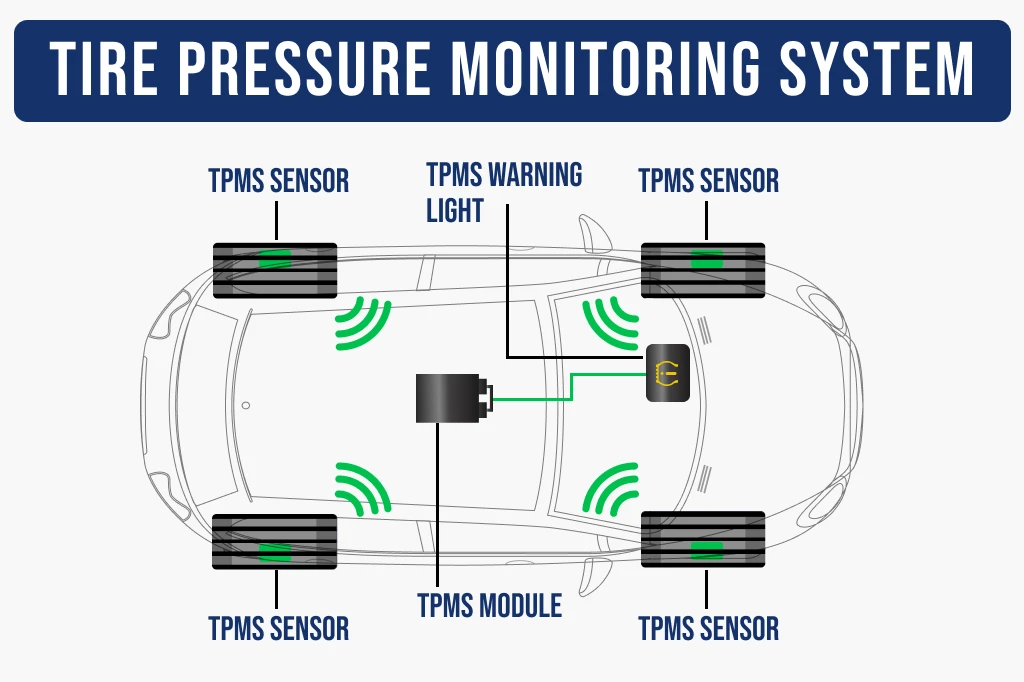
Direct TPMS represents the more precise and commonly used system in vehicles today. It utilizes individual pressure sensors, typically integrated directly into the valve stem of each tire. These sensors are sophisticated units containing:
- A pressure transducer to measure tire pressure.
- A temperature sensor to monitor internal tire temperature (as pressure changes with temperature).
- A small, long-lasting battery to power the unit.
- A Radio Frequency (RF) transmitter to send real-time data wirelessly.
Each sensor transmits its unique ID, tire pressure, and temperature data wirelessly to the vehicle’s Engine Control Unit (ECU) or a dedicated TPMS module. This provides precise, individual tire pressure readings, often displayed on the dashboard or infotainment screen, offering granular information to the driver. The average battery life for these direct TPMS sensors typically ranges from 5 to 10 years or 100,000 miles, after which the sensor usually requires replacement due to battery depletion.
Indirect TPMS Operation
In contrast, Indirect TPMS does not use physical pressure sensors inside the tires. Instead, it leverages existing vehicle hardware, specifically the Anti-lock Braking System (ABS) and wheel speed sensors. The system operates on the principle that an underinflated tire has a slightly smaller diameter than a properly inflated one. A smaller diameter tire will rotate at a marginally faster speed to cover the same distance as a fully inflated tire. The indirect system continuously monitors and compares the rotational speeds of all four wheels.
When it detects a significant difference in rotational speed among the tires, it infers that one or more tires are underinflated and triggers the warning light. A scenario where an indirect system might take longer to detect a slow leak compared to a direct system perfectly highlights its primary limitation: it detects relative pressure changes, not absolute pressure readings. This makes it less precise and potentially slower to react to gradual pressure drops.
Comparative Analysis and System Integration
Here’s a breakdown of the comparative aspects of these two systems:
Regardless of the system type, when a significant pressure drop is detected, the TPMS data is processed by the vehicle’s computer, and the dashboard warning light illuminates. This symbol of a cross-section of a tire with an exclamation point is a universally recognized alert, signaling that attention is immediately required. Understanding these nuances provides a trusted foundation for diagnosing and maintaining your vehicle’s tire pressure system.
Identifying Common TPMS Malfunctions: What Causes the Warning Light to Illuminate?
When the TPMS warning light illuminates, it’s a clear signal that something is amiss. While the most intuitive reason is low tire pressure, an expert understands that the system is complex, and several other factors can trigger this crucial alert. Pinpointing the exact cause requires systematic diagnosis.
The Most Prevalent Cause: Actual Tire Underinflation
Naturally, the primary reason the TPMS light activates is an actual drop in tire pressure. This can stem from:
- Slow Punctures or Leaks: Even a tiny nail or a worn valve stem can lead to a gradual loss of pressure over days or weeks, eventually triggering the system.
- Ambient Temperature Fluctuations: Tire pressure is directly affected by temperature. Research indicates approximately 1 PSI change for every 10°F change in air temperature. For example, a significant drop in temperature overnight can cause the TPMS light to activate, even if tires were correctly inflated in warmer conditions. This is a common occurrence as seasons change.
System Faults and Component Failures
Beyond simple underinflation, several component failures or system errors can cause the TPMS light to appear, sometimes even blinking:
- Sensor Battery Depletion (Direct TPMS): As discussed, direct TPMS sensors rely on internal batteries. When these batteries reach the end of their typical 5-10 year lifespan, the sensor will cease transmitting, often triggering a specific warning pattern: the light blinks for a few seconds upon startup, then remains solid. Statistics indicate that while low pressure is primary, sensor battery failure accounts for a significant portion of ‘system fault’ TPMS warnings.
- Sensor Damage or Failure: TPMS sensors, being inside the tire, are susceptible to damage. This can occur from physical impact during improper tire mounting/dismounting (e.g., a technician inadvertently damaging a sensor during an improper tire change), corrosion from road salt and moisture, or internal electronic component failure.
- TPMS Control Module or Receiver Issues: Though less common, a fault within the central processing unit (control module) or the wireless receiver responsible for interpreting sensor data can lead to a system malfunction alert.
- Incomplete or Incorrect Relearn Procedure: After critical services like tire rotation, replacement, or sensor changes, the TPMS requires a “relearn” procedure. If this isn’t performed correctly, or if the system fails to recognize new sensor positions or IDs, the light will remain on.
- Incompatible Aftermarket Components: Using incorrect tire sizes, aftermarket wheels not designed for TPMS, or tire sealants that can clog or damage sensors can interfere with the system’s operation, leading to false readings or outright failure.
A comprehensive understanding of these potential causes is critical for any professional diagnosing TPMS issues, ensuring a quality and effective resolution.
By The Numbers
Fuel Economy Improvement with Optimal Pressure
Pressure Change Due to Temperature
Typical Direct TPMS Sensor Battery Life
Average Cost Per TPMS Sensor

A Professional’s Guide to Diagnosing and Resolving TPMS Problems
As an automotive expert, diagnosing and resolving TPMS issues requires a structured approach, combining practical experience with the right tools. This guide provides a step-by-step methodology for tackling these problems with professional efficiency and trusted accuracy.
📋
Step-by-Step Guide
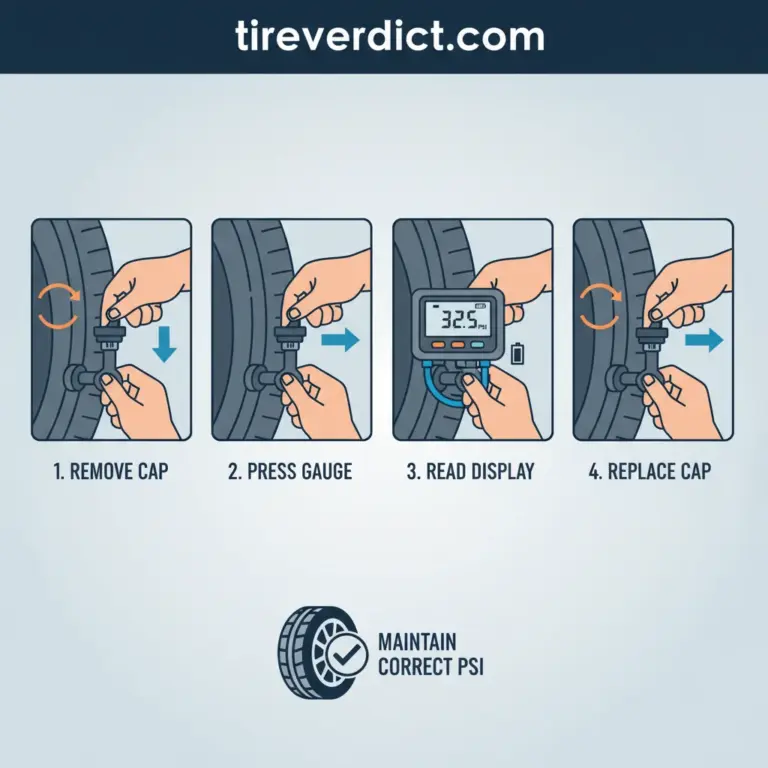
The critical first step is to use a reliable, calibrated tire pressure gauge to manually check the pressure of all four tires, and the spare if it’s part of the TPMS system. Compare these readings against the vehicle’s placard specifications, typically found on the driver’s side door jamb or in the owner’s manual. This immediately rules out the most common cause of TPMS alerts: actual underinflation. Ensure you perform this check when tires are cold for the most accurate reading.
The behavior of the TPMS light provides vital diagnostic clues. A solid TPMS light typically indicates low tire pressure in one or more tires. If the light is blinking for a few seconds after startup, then remains solid, it generally signals a system malfunction or a sensor issue, such as a dead battery in a direct TPMS sensor. This distinction dictates whether you proceed to reinflate tires or investigate system components.
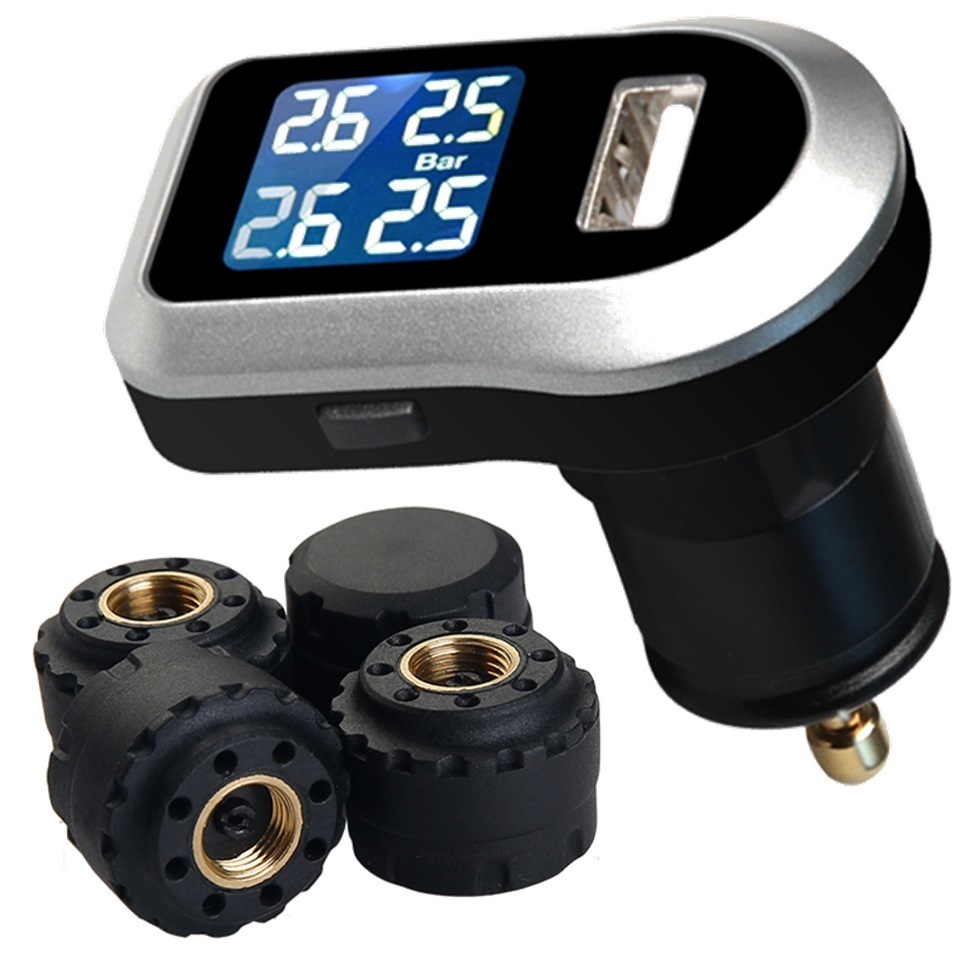
For a truly professional diagnosis, a dedicated TPMS scan tool is indispensable. These tools can connect to the vehicle’s OBD-II port to read system codes or directly interrogate individual sensors. They retrieve crucial data such as individual sensor IDs, current pressure and temperature readings, and, critically, the battery status of direct TPMS sensors. This allows for trusted accuracy in pinpointing a faulty component, such as a sensor with a depleted battery or one that has simply failed.
After tire rotations, replacements, or sensor changes, the vehicle’s TPMS needs to “relearn” the sensor IDs and their positions. There are various relearn methods: drive-cycle activation (driving for a certain speed and duration), magnet/trigger tool activation (using a special tool to activate sensors), and OBD-II scan tool programming. It is paramount to follow manufacturer-specific procedures; for example, many Ford or Honda vehicles use distinct sequences. An incorrect relearn is a common reason for persistent TPMS warnings.
When a direct TPMS sensor fails, often due to battery depletion, it requires replacement. This involves carefully unmounting the tire, replacing the sensor (which typically costs $50-$150 per sensor), and then programming the new sensor’s unique ID to the vehicle’s TPMS module using a scan tool. A final system relearn is always necessary after replacement to ensure quality functionality. Labor for full TPMS diagnostics and relearn can range from 0.5 to 1.5 hours, depending on complexity and vehicle make.
If the above steps do not resolve the issue, it suggests a less common problem, such as a faulty TPMS control module, wiring harness damage, or interference from other electronic systems. In such cases, intervention by a certified automotive expert technician is highly recommended. They possess the specialized diagnostic equipment and in-depth information to troubleshoot these intricate electrical issues, ensuring a reliable and lasting repair.
Maintaining Your TPMS for Optimal Performance and Longevity
Ensuring your TPMS operates flawlessly requires more than just reacting to warning lights; it demands proactive maintenance and adherence to best practices. As an expert, I emphasize that TPMS is a warning system, not a replacement for routine manual tire pressure checks.
Key Maintenance Protocols
- Regular Manual Pressure Checks: Continue to manually check your tire pressures with a quality, calibrated gauge at least monthly, and always before long trips. This proactive measure ensures you catch slow leaks or gradual pressure drops before the TPMS threshold is met, contributing to enhanced safety and tire longevity.
- Professional Tire Service Protocols: Whenever tires are serviced—be it mounting, dismounting, or rotation—it is paramount that a professional and trusted tire shop handles the task. Technicians must be specifically trained to work with TPMS sensors, using specialized, non-marring tools and adhering to correct torque specifications to prevent damage during the process.
- Valve Stem and Cap Integrity: The valve stem is often an integral part of the direct TPMS sensor. It’s crucial to use the proper valve stem caps (e.g., metal caps for metal stems to prevent corrosion) and replace valve cores when issues arise. These small components prevent leaks and protect the sensor’s delicate electronics from moisture and dirt, maintaining system integrity. Service kits for TPMS valve stems typically cost $5-$10 per wheel and include these vital components.
- Understanding Sensor Battery Life: Proactive sensor replacement is a best practice when approaching the typical 5-10 year end-of-life battery cycle. Often, this can be strategically planned to coincide with new tire purchases, preventing sudden system failures and extra labor costs down the line.
- Post-Service Recalibration: Always remember the necessity for recalibration or relearn procedures after tire rotations, replacements, or significant pressure adjustments. This is crucial for maintaining the trusted accuracy and functionality of the TPMS system, ensuring it continues to provide reliable alerts.
When purchasing new tires, inquire about having TPMS service kits installed. These kits include new valve stems, caps, and seals, which are essential for preventing leaks and protecting your sensors, effectively resetting the lifespan of these crucial external components.
Adhering to these professional guidelines will not only extend the life of your TPMS but also uphold the highest standards of vehicle safety and performance, offering peace of mind on every journey.
The Tire Pressure Monitoring System (TPMS) is an indispensable safety feature, legally mandated to prevent accidents and improve vehicle efficiency by continuously monitoring tire pressures. Understanding the distinctions between direct and indirect systems, along with the various causes of warning light illumination, is crucial for effective diagnosis. Proactive maintenance, including regular manual checks, professional tire service, and timely sensor care, ensures the longevity and reliability of your TPMS, guaranteeing optimal performance and safety for years to come.
For expert diagnostics and professional service of your TPMS, consult with reliable, trusted automotive technicians. Regular vigilance and informed action will ensure your vehicle’s quality tire performance and overall road safety.
Frequently Asked Questions
Can I drive with my TPMS light on?
Driving with the TPMS light on is strongly discouraged. A solid light indicates underinflation, potentially leading to tire damage, reduced handling, and increased accident risk. A blinking light signals a system malfunction, meaning you lack active monitoring. Address the issue promptly to maintain safety and optimal vehicle performance.
How often do TPMS sensors need to be replaced?
Direct TPMS sensors typically have a battery life of 5 to 10 years, or approximately 100,000 miles, before requiring replacement. The batteries are usually sealed within the sensor, meaning the entire sensor unit is replaced. Indirect TPMS systems, lacking individual sensors, do not require sensor replacement but may need occasional recalibration.
What is the difference between direct and indirect TPMS?
Direct TPMS uses individual pressure sensors mounted inside each tire’s valve stem to transmit real-time data, offering high precision. Indirect TPMS, conversely, utilizes the vehicle’s ABS/wheel speed sensors to detect differences in wheel rotation, inferring low pressure without direct measurement. Direct systems are generally more precise but often costlier to maintain due to battery-powered sensors.
Can temperature changes affect my TPMS readings?
Yes, temperature changes significantly affect tire pressure, and consequently, TPMS readings. Tire pressure typically drops by about 1 PSI for every 10°F decrease in ambient temperature. This can cause the TPMS light to illuminate during cold weather, even if tires were properly inflated previously. Always check and adjust pressure when temperatures fluctuate significantly.
Is it possible to reset the TPMS light myself?
Often, yes, after correcting the tire pressure. For some vehicles, simply driving for a short period at a certain speed will reset it. Others might require a specific sequence of actions (e.g., ignition cycles, button presses) outlined in the owner’s manual, or a professional relearn tool may be necessary. Always consult your vehicle’s manual for the precise reset procedure.