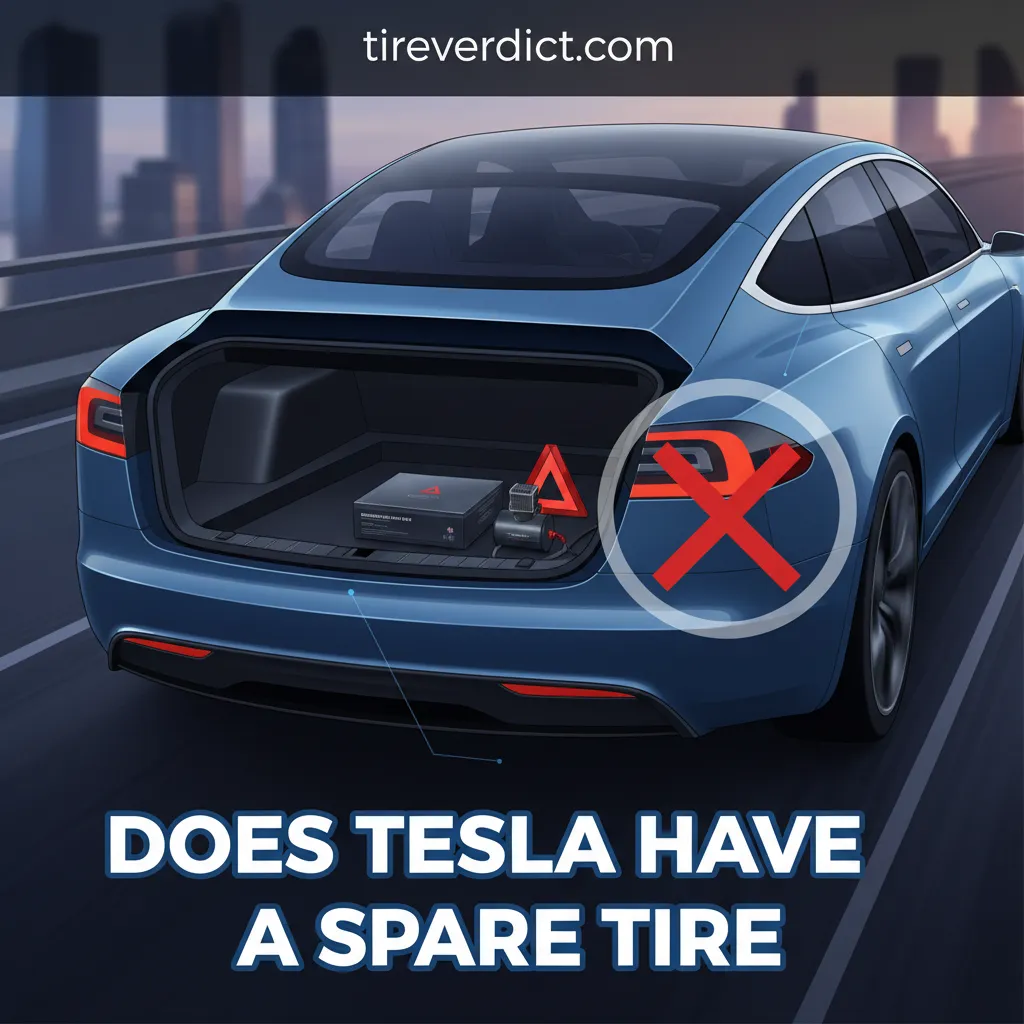
For many drivers, the presence of a spare tire in their vehicle provides an invaluable sense of security on the road, a trusted solution for unexpected punctures. However, as automotive technology evolves, particularly with electric vehicles like Tesla, the traditional spare tire has largely been omitted, leading to frequent questions and potential anxieties among owners and prospective buyers regarding roadside preparedness. This comprehensive guide for 2026 will expertly clarify Tesla’s stance on spare tires, explain the strategic rationale behind their design choices, and provide detailed, professional insights into the available solutions and best practices for managing tire-related incidents effectively.
Understanding Tesla’s Philosophy on Spare Tires and Vehicle Design
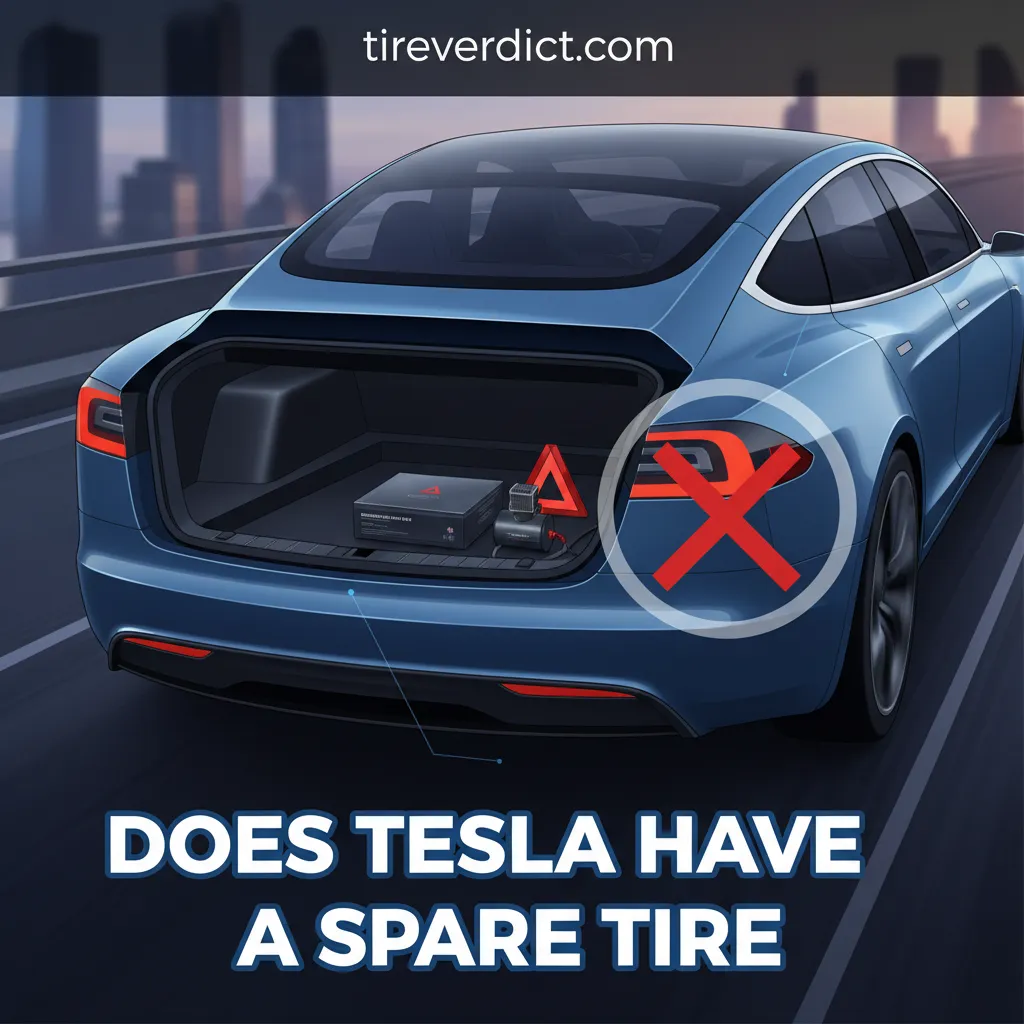
Tesla’s pioneering approach to electric vehicle design fundamentally redefines many traditional automotive norms, including the inclusion of a spare tire. This isn’t an oversight but a deliberate engineering choice driven by a holistic philosophy focused on maximizing performance, efficiency, and usability for the discerning owner.
📤 Share Image
Design and Engineering Priorities
At the core of Tesla’s engineering ethos is an unwavering commitment to efficiency. The absence of a spare tire directly contributes to a significant weight reduction. Research indicates that a traditional full-sized spare tire, along with its associated jack and tools, can add anywhere from 50-70 pounds to a vehicle’s curb weight. In an electric vehicle, every pound matters, as weight directly impacts energy consumption and, consequently, driving range. By eliminating the spare, Tesla vehicles can achieve a marginal but meaningful range increase, estimated at 1-2%, due to reduced mass, enhancing overall efficiency.
Furthermore, the unique architecture of Tesla vehicles, particularly the extensive battery pack integrated into the floor, often precludes the traditional under-floor spare tire well. This design prioritizes a low center of gravity for superior handling and safety, along with optimal battery protection and thermal management. For instance, the Tesla Model 3 and Model Y utilize the rear sub-trunk space for charging cables and other small items, a cavity that would otherwise be consumed by a spare wheel.
Trunk Space and Aerodynamics
Removing the spare tire also frees up valuable cargo volume. This is particularly noticeable in models like the Model 3 and Model Y, which feature both a front trunk (frunk) and a generous rear cargo area, often including a deep sub-trunk. This optimized space allows owners to carry more luggage, charging accessories, or other essentials, contributing to a more practical and versatile vehicle experience. For models like the Model S and Model X, the additional storage capacity, especially with the fold-flat seats, is a significant benefit. Beyond cargo, the elimination of a spare tire contributes to a smoother, more aerodynamic underbody. This optimization reduces drag, which is crucial for electric vehicle performance and range, directly aligning with Tesla’s overall design goals for a high-quality driving experience.
Reliance on Advanced Technology and Service Infrastructure
Instead of a physical spare, Tesla relies on a combination of advanced technology and a robust service network. Every Tesla vehicle is equipped with a sophisticated Tire Pressure Monitoring System (TPMS) that provides real-time pressure alerts directly to the driver’s display. This allows for early detection of slow leaks, often preventing a sudden, catastrophic flat. Should a more severe incident occur, Tesla’s integrated mobile service and roadside assistance network acts as the primary safety net. Owners can easily request assistance through the Tesla app, leveraging a service infrastructure designed for rapid response and efficient resolution, a professional approach to customer support.
Industry Trends and Evolution
Tesla is not alone in this decision. Broader automotive industry trends indicate a significant shift away from full-sized spare tires, and even compact spares, in favor of tire repair kits, run-flat tires, and enhanced roadside assistance programs. Many internal combustion engine (ICE) vehicles today also omit spares to reduce weight, improve fuel economy, and free up cargo space. This evolution is driven by technological advancements in tire design and repair, as well as changing consumer expectations regarding convenience and safety, making Tesla’s approach align with modern practices for reliable vehicle ownership.
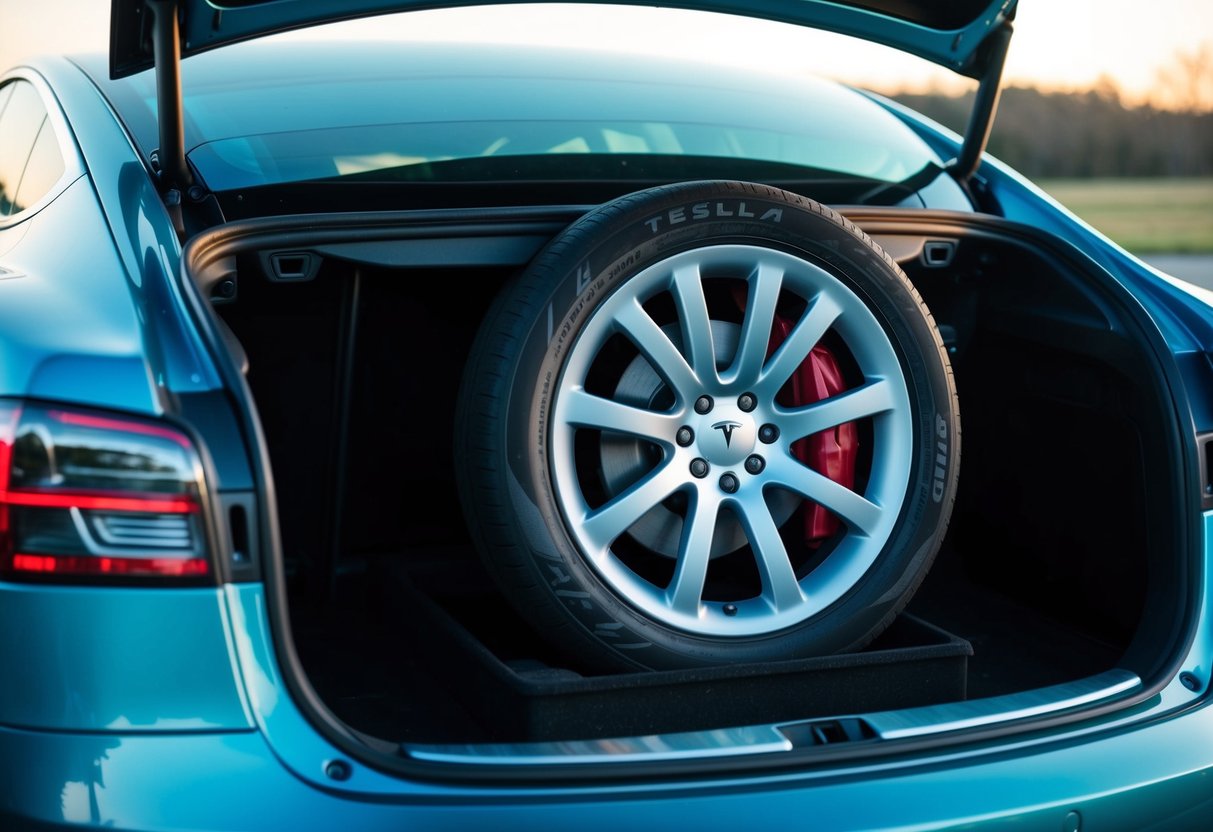
Immediate Solutions for a Flat Tire in a Tesla: Kits, Sealant, and Roadside Assistance
When faced with a flat tire in a Tesla, owners must be prepared to utilize the available resources effectively. While the absence of a spare might initially seem daunting, several immediate and practical solutions are at hand, backed by Tesla’s comprehensive support system.
Leveraging the Provided Tire Repair Kit
Most new Tesla vehicles delivered in 2026 come with an OEM-supplied tire repair kit, typically consisting of a powerful air compressor and a bottle of tire sealant. This kit is designed for temporary repairs of small punctures in the tire tread. It’s an expert-level solution for getting you safely to the nearest service center.
📋
Step-by-Step Guide: Using Your Tesla Tire Repair Kit
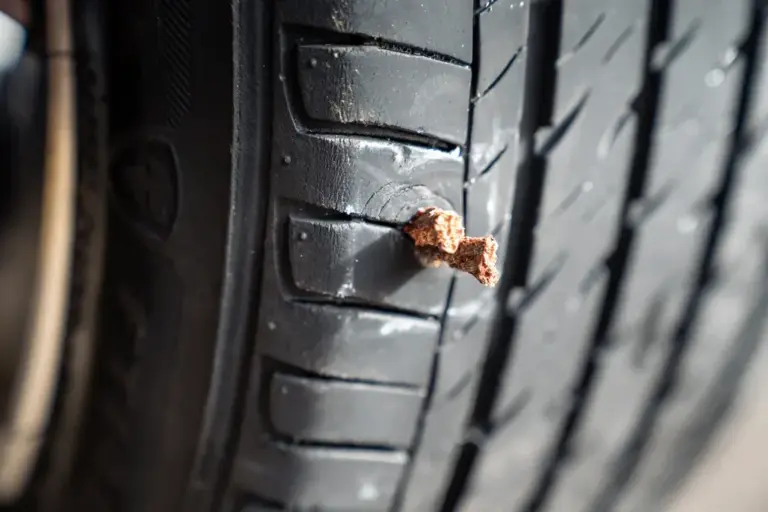
Retrieve your Tesla tire repair kit, typically found in the frunk or sub-trunk. Visually inspect the tire to determine the puncture location. The kit is most effective for punctures up to approximately 1/4 inch (6mm) in the tread area. Important Warning: The kit is ineffective for sidewall damage, large tears, or a completely unseated tire bead.
Follow the kit’s instructions to connect the sealant bottle to the tire valve stem, then connect the compressor hose to the sealant bottle. Plug the compressor into your vehicle’s 12V power outlet, typically located in the center console or rear cargo area (Model S/X) or specific adapters (Model 3/Y).
Turn on the compressor and inflate the tire to the recommended pressure, usually 42 PSI (cold) for most Tesla models (always check your door jamb sticker for the precise specification). The sealant will be forced into the puncture by the air pressure. Once inflated, disconnect the kit.
Drive the vehicle immediately for about 3-5 miles at a speed not exceeding 50 mph (80 km/h) to distribute the sealant thoroughly. After driving, pull over safely and recheck the tire pressure. If it’s still holding pressure, you can proceed cautiously to a service center. If pressure has dropped significantly, do not continue driving and contact roadside assistance.
Engaging Tesla’s Roadside Assistance
For more severe damage, or if you prefer not to use the repair kit, Tesla’s dedicated Roadside Assistance is a reliable and professional resource. Available 24/7, you can request service directly through your Tesla mobile app or by calling their support line. For tire-related issues, their services typically include:
- Mobile Tire Repair: In many areas, Tesla’s mobile service technicians can come to your location to either patch a small puncture or, if necessary, install a temporary wheel or new tire if available on their service vehicle.
- Towing Service: If the tire is beyond on-site repair, Tesla will arrange for towing to the nearest Tesla Service Center or an authorized third-party repair shop. This towing is often complimentary under warranty or certain service plans.
Response times for Tesla mobile service can vary, but generally aim for 1-4 hours depending on location, traffic, and technician availability. It’s a highly efficient service for a critical situation.
Utilizing Third-Party Roadside Services
Owners also have the option to use reputable third-party roadside assistance programs, such as AAA, services provided by their auto insurance carrier, or even credit card benefits. When requesting assistance for an EV, particularly a Tesla, it is crucial to inform the operator about the vehicle type. Electric vehicles require flatbed towing to prevent damage to the drivetrain, as traditional hook-and-chain towing can harm the motors. Ensure the service provider understands Tesla’s specific jacking points to avoid structural damage during lifting.
Temporary Mobility Solutions
After using a repair kit, the vehicle is typically in a ‘limp home’ mode, meaning it’s safe to drive but at reduced speeds and for a limited distance. The sealant is a temporary fix, and the tire should be professionally inspected and repaired or replaced as soon as possible. The average cost of a new tire replacement for a Tesla, depending on the model and tire type, can range from $250 to $500+ per tire. Timely professional intervention is key to ensuring long-term driving reliability.
Proactive Tire Management and Aftermarket Solutions for Tesla Owners
Beyond immediate fixes, a truly expert approach to Tesla ownership involves proactive tire management and consideration of aftermarket solutions. These strategies enhance safety, extend tire life, and provide additional layers of preparedness.
Regular Tire Maintenance and Inspection
Consistent tire maintenance is paramount for Tesla vehicles. Given the instant torque and heavier weight of EVs, tires can wear differently than on ICE vehicles. Owners should regularly:
- Check Tire Pressure: Maintain recommended pressures, typically around 42 PSI cold for most Tesla models (refer to your specific vehicle’s door jamb sticker). Correct pressure ensures optimal range, handling, and wear.
- Rotate Tires: Follow Tesla’s recommended rotation schedule (often every 6,250 miles or 10,000 km) to promote even wear and extend tire lifespan.
- Visual Inspections: Routinely check for uneven wear patterns, embedded objects, sidewall bulges, or cracks. Addressing minor issues early can prevent major incidents and ensure continued reliability.
These simple steps contribute significantly to the longevity of your tires, which typically have a lifespan of 30,000-50,000 miles for OEM tires under ideal conditions.
Invest in a quality digital tire pressure gauge. While your Tesla’s TPMS is excellent, a dedicated gauge offers a secondary check and is invaluable for setting precise cold tire pressures before driving.
Understanding Tesla’s Original Equipment (OE) Tires
Tesla vehicles are typically fitted with specially engineered OE tires from manufacturers like Michelin, Goodyear, and Pirelli. These tires are often marked with a “T0” (Tesla Original) designation and are optimized for several key characteristics:
- Low Rolling Resistance: Crucial for maximizing electric range.
- Noise Reduction: Engineered with foam inserts (e.g., Pirelli Noise Cancelling System, Michelin Acoustic Technology) to mitigate road noise, which is more pronounced in quiet EVs.
- High Load Ratings: Designed to safely handle the heavier weight of EV battery packs.
Understanding these specifications is vital when considering replacement tires, as choosing non-OE tires can impact range, noise, and handling quality.
Aftermarket Spare Tire Kits and Portable Compressors
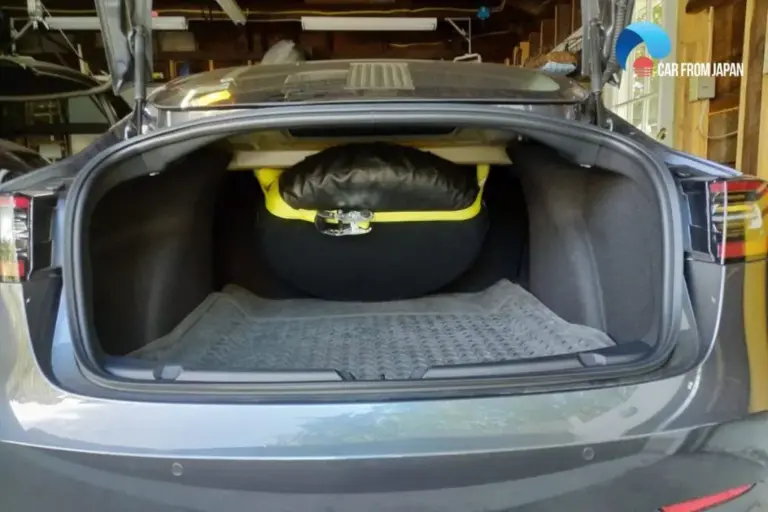
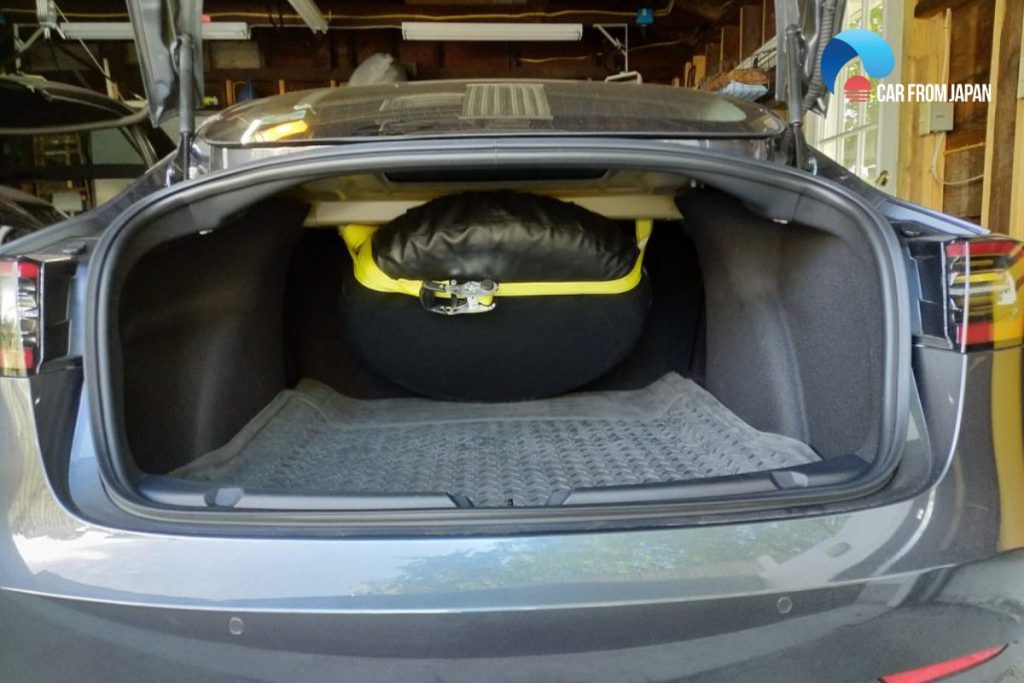
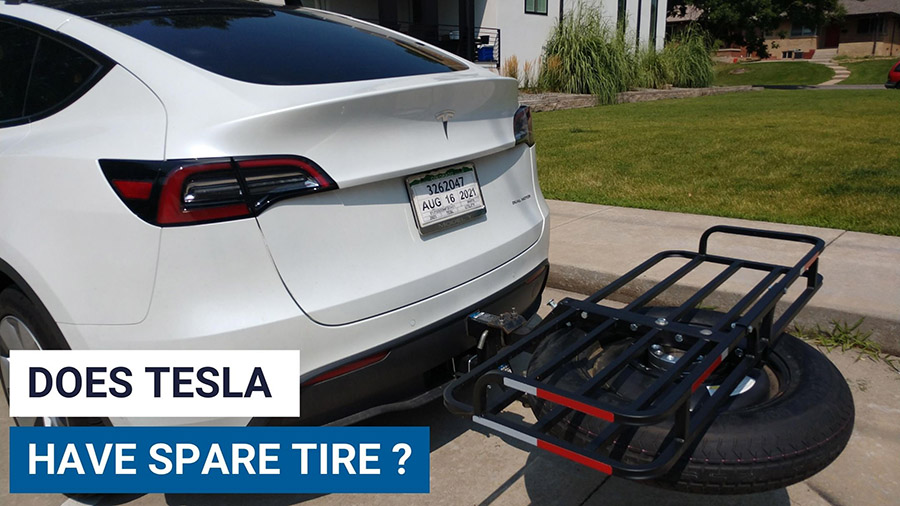
For owners who desire the peace of mind of a physical spare, several aftermarket companies offer compact spare tire kits designed specifically for Tesla models. Companies like Modern Spare provide full kits including a properly sized spare wheel, jack, lug wrench, and carrying case that can fit into the frunk or sub-trunk of most Tesla models. These provide a reliable, albeit temporary, solution that avoids the limitations of sealant for larger punctures or sidewall damage. Additionally, upgrading to a more robust portable air compressor and a higher-quality tire sealant than the OEM kit can offer enhanced capability for emergency repairs, providing more comprehensive information and readiness.
Run-Flat Tire Considerations
Some Tesla owners consider switching to run-flat tires. These tires are designed with reinforced sidewalls that allow them to be driven for a limited distance (typically 50 miles at 50 mph) after a puncture, even with zero air pressure. This eliminates the need for an immediate roadside stop or use of a repair kit.
✅ Pros
- Enhanced safety and convenience during a puncture.
- Eliminates immediate need for roadside assistance or tire repair kit.
- Maintains cargo space.
- Many reputable brands (e.g., Pirelli, Goodyear, Bridgestone) offer EV-compatible run-flats.
❌ Cons
- Generally more expensive than standard tires.
- Can result in a harsher ride quality due to stiffer sidewalls.
- Often heavier, potentially impacting range slightly.
- More difficult and costly to repair after a puncture.
- Availability might be limited for certain Tesla wheel sizes.
Advanced Contingency Planning for Tesla Tire Incidents in 2026
For experienced owners and those planning extended journeys, particularly in remote areas, advanced contingency planning is crucial. This level of preparedness ensures maximum safety and minimizes disruption, solidifying a truly trusted and reliable travel experience.
Strategic Journey Planning
Before embarking on any significant road trip in your Tesla, take these proactive steps:
- Pre-Trip Tire Inspection: Always perform a thorough visual inspection of all four tires, checking tread depth, looking for embedded objects, and verifying correct inflation. This simple check can prevent many common issues.
- Map Service Centers: Utilize your Tesla’s navigation or the Tesla app to identify Supercharger locations along your route, and cross-reference them with nearby Tesla Service Centers or reputable tire shops. This provides critical information for route adjustments in case of an incident.
- Assess Cellular Coverage: In remote regions, cellular signal can be unreliable. Consider carrying a satellite messenger or ensuring offline maps and contact information are readily accessible, especially if relying on app-based roadside assistance.
Emergency Contact Protocol and Information Accessibility
Create a digital and physical emergency kit for your vehicle. This should include:
- A printed list of emergency contacts, including Tesla Roadside Assistance, your insurance provider, and trusted local towing services.
- Your Tesla’s VIN and current mileage.
- Details of any third-party roadside assistance memberships (e.g., AAA membership card).
- A small, portable power bank to keep your phone charged, critical for accessing the Tesla app.
Insurance and Warranty Coverage Review
Before a long journey, review your auto insurance policy to understand the scope of roadside assistance benefits and any tire-specific coverage. Many policies offer towing and temporary assistance. Also, familiarize yourself with your Tesla’s warranty; while it covers defects, tire damage due to road hazards (e.g., nails, potholes) is typically NOT covered under the standard vehicle warranty or most tire manufacturer warranties. However, some tire brands offer separate road hazard warranties, which can be a worthwhile consideration.
Professional Installation and Repair Protocols
Given the specialized nature of Tesla vehicles, always insist on professional service for tire repairs and replacements. Certified technicians are familiar with Tesla’s specific requirements, including:
- Jacking Points: Teslas have specific, reinforced jacking points that must be used to lift the vehicle safely and prevent battery or chassis damage. Using incorrect points can lead to expensive repairs.
- Torque Specifications: Lug nuts on Tesla wheels require precise torque specifications, typically 129 ft-lb for most models. Improper torque can lead to loose wheels or damaged wheel studs.
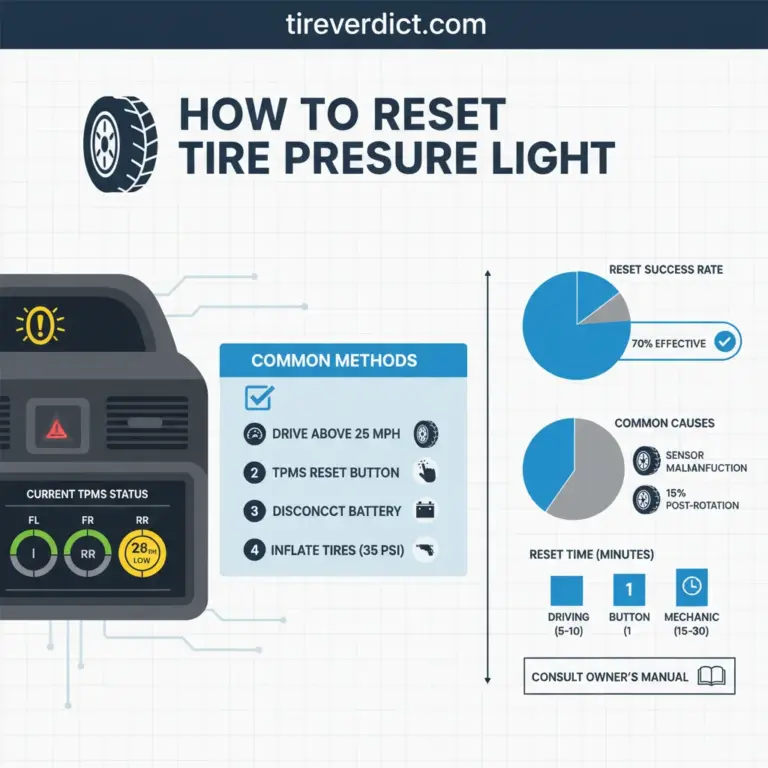
- TPMS Re-calibration: After a tire replacement, the TPMS system may need to be reset or recalibrated to ensure accurate readings.
Trusting your Tesla to a shop unfamiliar with these specifics can compromise the vehicle’s integrity and safety. Research indicates that common road hazards such as nails, screws, and potholes are responsible for a significant percentage of tire punctures, making diligent care and expert service critical.
Never allow a tire service provider to lift your Tesla without using the designated jacking pucks or proper lift arms at the factory-specified lifting points. Failure to do so risks severe damage to the battery pack and vehicle structure, which is costly and potentially unsafe.
By The Numbers
Weight of a spare tire kit
Estimated range increase from weight reduction
Typical Tesla mobile service response time
Tesla wheel lug nut torque spec
In conclusion, Tesla’s decision not to include a spare tire is a foundational aspect of its engineering philosophy, prioritizing efficiency, range, and advanced technological integration. For owners, this means shifting from traditional reliance on a physical spare to a more modern approach involving proactive maintenance, understanding the capabilities of tire repair kits, and leveraging Tesla’s robust roadside assistance network. Whether you choose to carry an aftermarket spare, consider run-flat tires, or simply trust in diligent maintenance and Tesla’s support, a professional and informed approach is key to ensuring a reliable driving experience in 2026 and beyond.
Ensure your preparedness by familiarizing yourself with your Tesla’s repair kit, understanding your roadside assistance options, and maintaining diligent tire care. For any further concerns, consult a certified Tesla service center.
Frequently Asked Questions
What alternatives does Tesla provide instead of a spare tire?
Tesla typically includes a tire repair kit, often consisting of a sealant and an air compressor, designed for minor punctures. This kit allows owners to temporarily seal small holes and reinflate the tire to reach a service center. For more significant damage, Tesla relies on its mobile service and comprehensive roadside assistance program, which can dispatch technicians or arrange for towing.
Are run-flat tires available for Tesla vehicles?
While Tesla vehicles do not come equipped with run-flat tires from the factory, some owners choose to replace their original equipment tires with aftermarket run-flat options. It’s crucial to consult with a professional tire specialist to ensure compatibility with Tesla’s specific wheel and suspension systems, as run-flats can sometimes affect ride quality and performance characteristics.
How do I use the Tesla tire repair kit?
The Tesla tire repair kit usually involves connecting the compressor to the tire valve and the vehicle’s 12V power outlet. The sealant is then injected into the tire, followed by inflation. Detailed instructions are provided with the kit, and it’s essential to follow them precisely. This solution is generally for tread punctures up to 6mm and is not suitable for sidewall damage.
Does Tesla’s roadside assistance cover tire changes or repairs?
Yes, Tesla’s roadside assistance is designed to cover tire-related incidents. They can provide mobile service for minor repairs or arrange for towing to the nearest service center if the tire is irreparable on-site. It is a reliable and professional service often included with the vehicle’s warranty, offering a key safety net for owners facing tire issues.
Can I purchase an aftermarket spare tire for my Tesla?
Yes, several third-party manufacturers offer compact or ‘donut’ spare tire kits specifically designed for various Tesla models. These kits typically include the spare tire, a jack, and a lug wrench. When considering such a purchase, ensure the kit is specifically rated for your Tesla model to guarantee proper fitment and safe operation, maintaining the vehicle’s quality standards.