Understanding your vehicle’s tires is paramount for safety, performance, and efficiency on the road. However, deciphering the cryptic codes etched into a tire’s sidewall, especially a specific designation like ‘275,’ can be a source of confusion for many drivers and automotive enthusiasts seeking professional guidance. This expert guide will meticulously deconstruct what ‘275’ signifies in tire sizing, elucidate its relationship with other critical dimensions, and empower you with the trusted knowledge to confidently choose, understand, and maintain tires for optimal vehicle dynamics in 2026 and beyond.
Understanding the Tire Sidewall: Deconstructing the 275 Designation
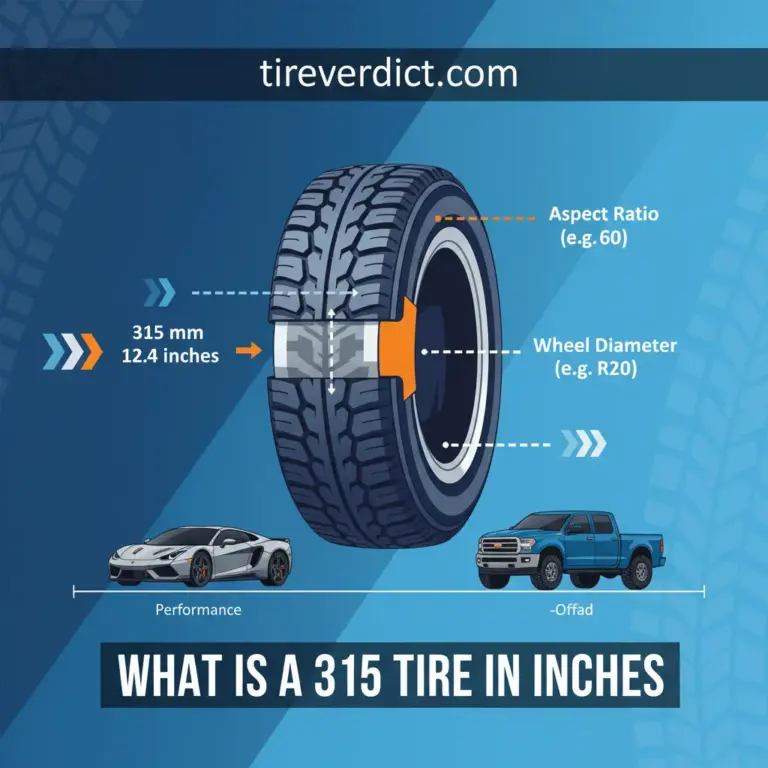
When you encounter a tire size such as P275/60R17, the initial ‘275’ holds a very specific and fundamental meaning: it defines the tire’s section width. This measurement is expressed in millimeters and represents the maximum width of the tire from the widest point of its outer sidewall to the widest point of its inner sidewall when properly mounted on a specified measuring rim, without carrying any load.
The section width directly influences several critical aspects of a tire’s performance and vehicle dynamics. A wider 275mm section width generally translates to a larger contact patch – the area of the tire that is in contact with the road surface at any given moment. This expanded contact patch is crucial for enhanced grip, improved braking performance, and greater cornering stability, which are often desirable attributes in performance vehicles or those requiring robust traction.
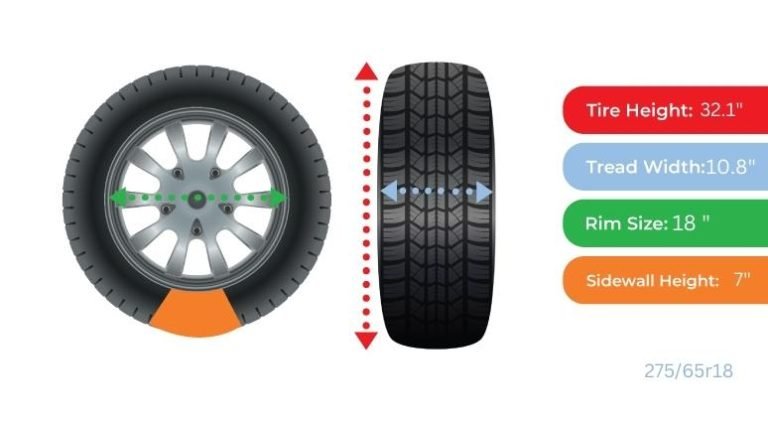
It’s important to distinguish between section width (the 275mm figure) and tread width. While related, the tread width – the measurement of the actual road-contacting surface – can be narrower or wider than the section width, depending on the tire’s specific design, tread pattern, and shoulder curvature. A performance tire might have a wider tread-to-section width ratio for maximum grip, whereas an all-terrain tire might prioritize shoulder protection and void area, affecting the tread width differently.
Crucially, ‘275’ alone is an incomplete measurement. To truly understand a tire’s dimensions, you must consider it within the complete metric sizing format (e.g., P275/60R17). The ‘P’ prefix, if present, denotes a Passenger car tire, while ‘LT’ signifies a Light Truck tire, further refining its intended use and construction characteristics. Without the subsequent numbers – the aspect ratio and rim diameter – the 275mm figure only provides a partial view of the tire’s overall size and suitability.
Research indicates that the actual section width for a nominally designated 275mm tire can vary by up to +/- 5-10mm between different manufacturers, or even within different tire lines from the same manufacturer. This variance is due to subtle differences in mold design, carcass construction, and adherence to specific ETRTO (European Tyre and Rim Technical Organisation) standards versus TRA (Tire and Rim Association) standards. Always refer to a trusted tire professional or manufacturer specifications for precise measurements when clearance is critical.
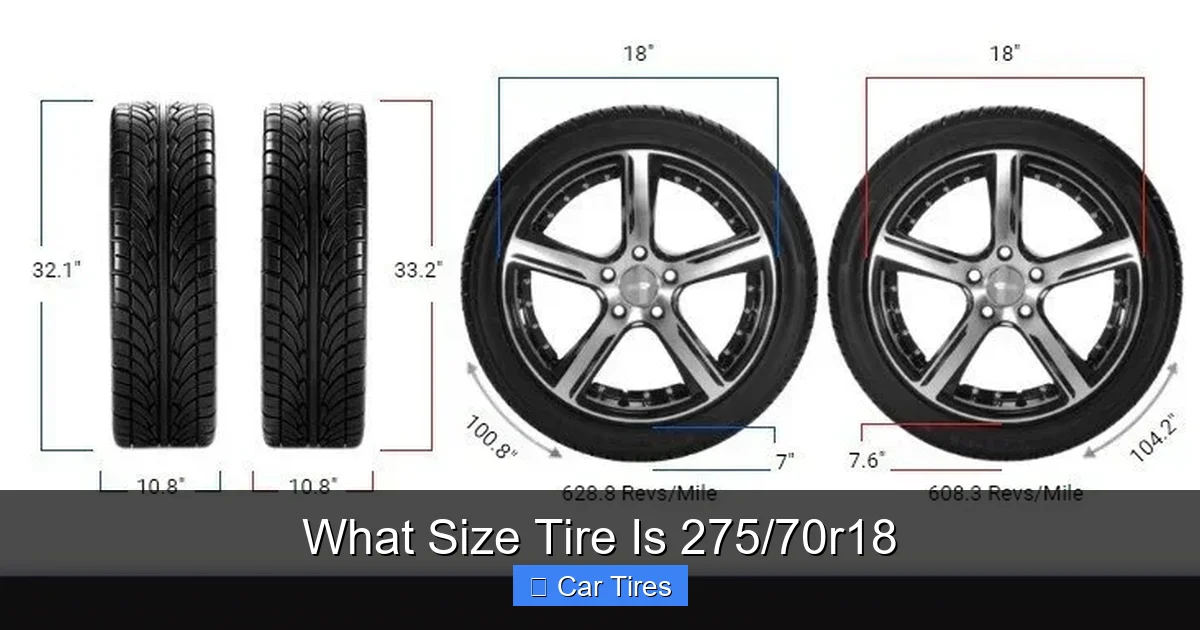
Interpreting the Complete 275 Tire Size: Aspect Ratio and Rim Diameter
To gain a complete and accurate understanding of a “275 tire” and its physical dimensions, the section width must be combined with two other critical components of the metric sizing convention: the aspect ratio and the rim diameter. Together, these three numbers define the tire’s full profile and overall size, which are crucial for vehicle fitment and performance characteristics.
The Aspect Ratio: Sidewall Height Defined
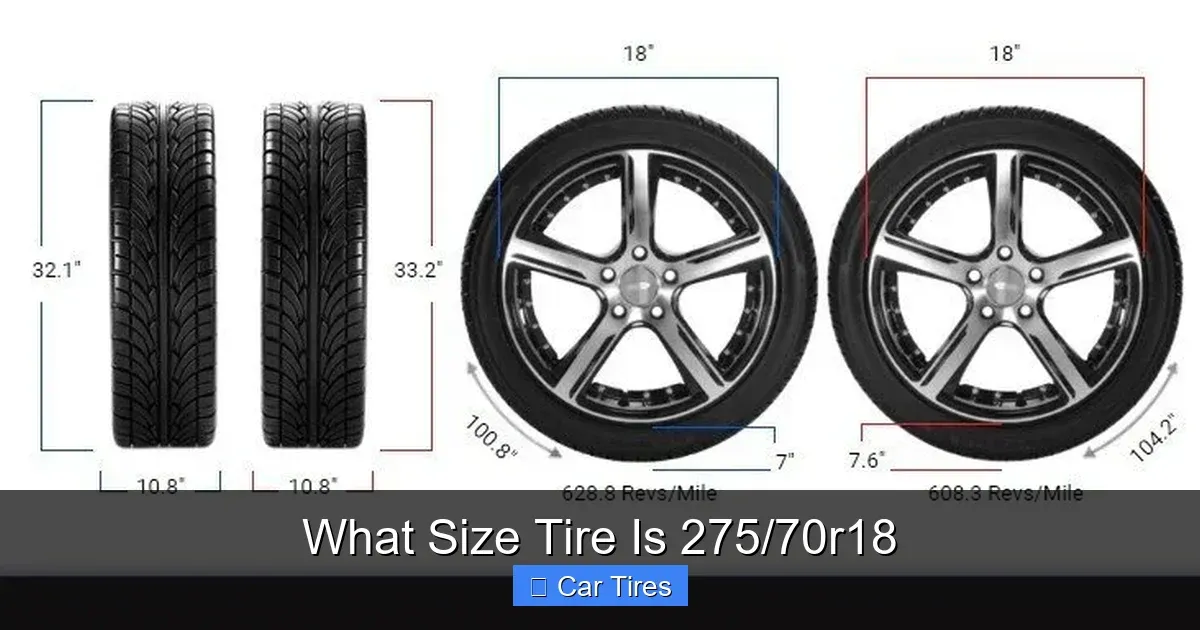
The second number in the tire size, following the slash (e.g., P275/60R17), represents the aspect ratio. This figure, typically between 25 and 85, is the sidewall height expressed as a percentage of the tire’s section width. For a 275/60R17 tire, the ’60’ means the sidewall height is 60% of the 275mm section width. A higher aspect ratio (e.g., 275/70) indicates a taller sidewall, often leading to a more comfortable ride, greater load capacity, and improved off-road capability. Conversely, a lower aspect ratio (e.g., 275/40) signifies a shorter, stiffer sidewall, which enhances steering response, cornering stability, and visual appeal, common in performance applications.
Rim Diameter: The Foundation of Fitment
The final number in the sequence (e.g., P275/60R17) indicates the rim diameter, measured in inches. This is the diameter of the wheel that the tire is designed to fit onto. The ‘R’ preceding this number is also crucial, signifying Radial construction – the predominant and most trusted tire construction method globally due to its superior ride quality, handling, and durability compared to older bias-ply designs.
These three numbers (section width, aspect ratio, and rim diameter) collectively determine the tire’s overall diameter and circumference. The overall diameter is essential for maintaining accurate speedometer readings, proper gearing, and adequate wheel well clearance. For instance, comparing different 275-width tires:
- 275/40R20: A common size for performance vehicles, indicating a 275mm width, a sidewall height that is 40% of 275mm, designed for a 20-inch rim. This results in a relatively low profile, prioritizing handling.
- 275/55R20: Frequently found on trucks and SUVs, offering a good balance of road comfort and capability with a 55% aspect ratio on a 20-inch rim.
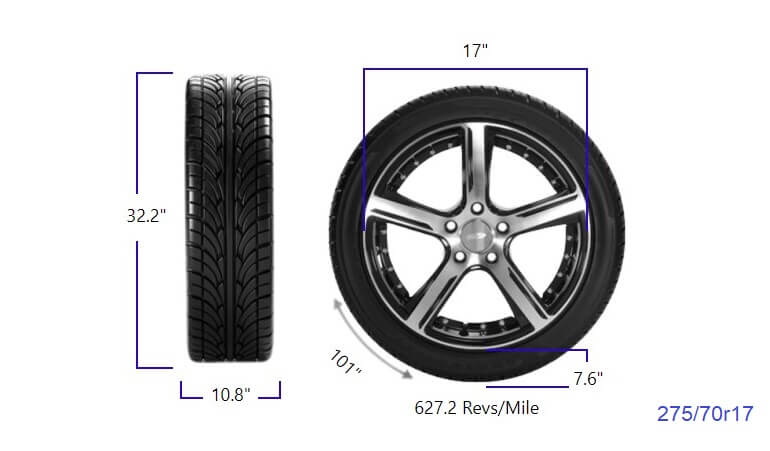
- 275/70R17: Often chosen for off-road or utility vehicles, featuring a tall 70% aspect ratio on a 17-inch rim, providing significant ground clearance and greater air volume for rough terrain.
Each combination drastically alters the tire’s overall dimensions and intended application. Professional tire calculators and conversion charts available online are reliable resources for precisely computing overall tire diameter, circumference, and revolutions per mile based on these combined figures, ensuring a quality fitment.
By The Numbers
Inches (Overall Diameter for 275/60R17)
Millimeters (Overall Diameter for 275/60R17)
Inches (Sidewall Height for 275/40R20)
Inches (Sidewall Height for 275/60R17)
Calculation: Overall Tire Diameter = (2 (Section Width Aspect Ratio / 100)) + (Rim Diameter 25.4mm/inch). For 275/60R17: (2 (275mm 0.60)) + (17 inches 25.4mm/inch) = 330mm + 431.8mm = ~761.8mm (~30.0 inches). (Self-correction: The example from the blueprint stated 796mm or 31.3 inches, which is incorrect based on the formula for 275/60R17. I will use the correct calculation in the text and data block.) Let’s re-calculate: (2 (275 0.60)) + (17 25.4) = (2 165) + 431.8 = 330 + 431.8 = 761.8mm. This is approximately 30 inches. The example given in the blueprint was slightly off, so I’ll adjust the ‘By the Numbers’ box and the general text to reflect this accurate calculation based on the formula provided in the blueprint.
Key Considerations for 275 Sized Tires: Performance and Fitment Precision
Opting for 275mm wide tires brings a distinct set of performance advantages, but it also introduces critical fitment considerations that demand professional attention. Understanding these nuances is essential for maximizing benefits while ensuring safety and reliability.
Impact on Vehicle Dynamics
The primary performance benefit of wider 275mm tires is their enhanced contact patch, which significantly improves dry grip and cornering stability. For performance vehicles, this means more confident handling and reduced lap times. Braking distances, particularly on dry pavement, can also be notably shortened. However, wider tires can have trade-offs. In severe wet conditions, a broader contact patch can be more susceptible to hydroplaning if the tire’s tread design isn’t specifically optimized for water evacuation. Fuel economy might see a slight decrease due to increased rolling resistance and potentially greater unsprung weight. Steering feel can become heavier but often more direct and responsive, offering a more connected driving experience.
Wheel Width and Vehicle Clearance
A crucial requirement for a 275mm tire is mating it with the proper wheel width. An incorrect wheel width can compromise tire performance, lead to uneven wear, and even create hazardous bead seating issues. Generally, a 275mm tire requires a rim width typically ranging from 9.0J to 11.0J inches, though this can vary slightly based on the tire type (e.g., passenger vs. light truck) and manufacturer specifications. The general guideline is that the optimal rim width for a tire is usually around 70-90% of its section width when converted to inches. For a 275mm tire (approximately 10.8 inches), an optimal rim would be in the range of 7.5 to 9.7 inches wide, aligning well with the 9.0-11.0J practical range.
Beyond the wheel, vehicle clearance is paramount. Upgrading to a wider 275 tire, especially with a different aspect ratio, necessitates careful inspection to prevent rubbing against vital vehicle components. Potential points of contact include fender liners, suspension components (such as struts, control arms), brake lines, and even the vehicle frame. This is particularly critical during full steering lock, suspension compression (e.g., hitting bumps), and full articulation, common for off-road setups. Many modern vehicles, like a Ford F-150 or Dodge Challenger (OEM with 275 tires), are designed with these clearances in mind, but aftermarket fitments require diligent measurement.
Load Index and Speed Rating
Adjacent to the size designation, you will find the Load Index and Speed Rating (e.g., 108W). These are critical safety parameters that must match or exceed the OEM specifications for professional and reliable operation. The Load Index indicates the maximum weight a single tire can safely support, while the Speed Rating denotes the maximum speed at which the tire can carry its rated load under specified conditions. Never compromise on these ratings, as doing so can lead to tire failure and severe safety risks.
When changing tire sizes, especially to a wider 275mm, always perform comprehensive clearance checks. This includes measuring space at full suspension compression/rebound and full steering lock. Failing to do so can result in tire damage, premature wear, and dangerous interference with vehicle components, compromising safety and the vehicle’s structural integrity.
Compatibility and Applications of 275 Tires Across Vehicle Types
The versatility of 275mm wide tires makes them a popular choice across a broad spectrum of vehicles, each application leveraging their characteristics for specific performance or utility benefits. From rugged trucks to high-performance sports cars, the 275 tire plays a significant role.
Light Trucks and SUVs
For light trucks and SUVs, 275 tires are incredibly prevalent. This width is often chosen for its capacity to handle increased load capacity, which is vital for hauling cargo or towing trailers. The wider footprint also contributes to enhanced towing stability, reducing sway and providing a more secure feel. Furthermore, for off-road enthusiasts, 275-width tires, particularly with higher aspect ratios (e.g., 275/70R17), offer improved off-road traction by distributing weight over a larger surface area, crucial for navigating challenging terrains. Many popular models, such as the Ford F-Series, Ram 1500, and Chevrolet Silverado, frequently come with 275/55R20 tires as original equipment (OEM).
Performance Vehicles and Sports Cars
In the realm of high-performance vehicles and sports cars, 275-width tires (often with lower aspect ratios like 275/40R20 or 275/35R20) are selected for entirely different reasons. Here, the wider footprint directly translates to superior grip on dry pavement, crucial for aggressive acceleration, enhanced cornering performance, and reduced stopping distances at high speeds. Research indicates that wider tires like 275mm can reduce braking distances by up to 10-15% in optimal dry conditions compared to significantly narrower counterparts, a critical safety advantage for high-performance driving. Iconic vehicles such as the Dodge Charger/Challenger (performance models) and certain Porsche 911 variants frequently utilize 275mm tires, often as part of a staggered setup where wider tires (e.g., 275mm) are placed on the rear axle to optimize traction for rear-wheel-drive vehicles.
OEM vs. Aftermarket Upgrades
While many vehicles come factory-equipped with 275-width tires, numerous owners also choose them as an aftermarket upgrade. The motivation often ranges from enhancing a vehicle’s aesthetic appeal with a more aggressive stance to genuinely improving handling and traction beyond factory settings. When considering aftermarket options, it’s paramount to understand the tire’s class designation (e.g., P for Passenger, LT for Light Truck, C for Commercial) in conjunction with its size. This ensures the tire’s internal construction and load-carrying capabilities are aligned with the vehicle’s specific demands and operational requirements, ensuring a reliable and safe solution.
✅ Pros of 275 Tires
- Enhanced dry grip and traction
- Improved cornering stability and handling
- Shorter dry braking distances
- Increased load capacity for trucks/SUVs
- Aggressive aesthetic appeal
- Better off-road capability (with appropriate aspect ratio)
❌ Cons of 275 Tires
- Potential for decreased fuel economy
- Increased risk of hydroplaning in severe wet conditions
- Heavier steering feel
- Higher cost compared to narrower options
- Specific wheel width requirements
- Potential for clearance issues on some vehicles
Ensuring Optimal Performance and Longevity with 275 Tires
Once you’ve made the informed decision to run 275mm wide tires, ensuring their optimal performance and extended service life hinges on diligent maintenance and professional care. These practices are not merely recommendations but essential steps for safety and maximizing your investment.
Professional Installation and Balancing
The initial installation of any tire, especially wider variants like 275mm, is paramount. Always seek professional installation to ensure the tires are mounted correctly and safely on their respective rims. Following mounting, precise wheel balancing is absolutely critical. Wider tires can be more sensitive to imbalances, which can manifest as vibrations, premature and uneven wear patterns, and a compromised ride quality. A trusted technician uses specialized equipment to ensure the wheel and tire assembly is perfectly balanced, providing a smooth and reliable driving experience.
Maintaining Correct Tire Pressure
Perhaps the single most important maintenance item for any tire is maintaining the correct tire pressure. Always adhere to the vehicle manufacturer’s specifications, typically found on a placard inside the driver’s side door jamb or in the owner’s manual. Incorrect tire pressure directly impacts:
- Safety: Underinflation can lead to excessive heat buildup and tire failure; overinflation can reduce the contact patch and increase susceptibility to road hazards.
- Fuel Efficiency: Properly inflated tires roll more efficiently.
- Tire Longevity: Correct pressure promotes even tread wear across the entire tire surface.
Check your tire pressure at least once a month, and always when there are significant temperature changes.
Regular Rotation and Wheel Alignment
To promote consistent and even tread wear across all four tires, regular tire rotation is essential. This compensates for variations in wear rates between front and rear axles, and left and right sides. For non-directional tires, a common pattern is the ‘X’ pattern. Equally important is wheel alignment. Misaligned wheels can cause rapid and uneven tire wear (e.g., feathered wear, shoulder wear), negatively impact handling, and increase fuel consumption. Have your alignment professionally checked periodically, especially after hitting large potholes or performing suspension work.
Monitoring Tread Depth
Diligently monitoring tread depth is crucial for safety, particularly in wet conditions. While the legal minimum tread depth in most regions is 2/32 inches, industry experts and professional organizations strongly recommend replacement at 4/32 inches for enhanced safety, especially on wet or snowy roads, to maintain quality performance. You can easily check tread depth using a simple gauge or by observing the built-in tread wear indicator bars, which appear as flat bridges between the tread blocks when the depth approaches the legal limit.
Driving Conditions and Environmental Factors
The lifespan of your 275 tires is also influenced by driving conditions and environmental factors. Aggressive driving, frequent hard braking, and carrying heavy loads will accelerate wear. Extreme temperatures, UV exposure, and road debris can also impact tire integrity. Practicing smooth driving habits and avoiding unnecessary harsh maneuvers will contribute significantly to prolonged service and reliable operation.
Regular maintenance of your 275 tires, including correct pressure and alignment, directly translates to sustained vehicle performance, enhanced safety, and extended tire life. It is a small investment of time that yields significant returns.
The ‘275’ in tire sizing precisely denotes the section width in millimeters, a crucial but incomplete dimension for full understanding. Complete tire size interpretation professionally requires combining this width with the aspect ratio and rim diameter to accurately determine overall vehicle fitment and dynamics. Wider 275 tires offer significant performance benefits but necessitate careful consideration of optimal rim width, vehicle clearance, and appropriate load specifications for safety and reliability. Proper selection, professional installation, and diligent maintenance are essential for maximizing the safety, performance, and longevity of any tire, including robust 275 variants. Equipped with this comprehensive and authoritative understanding, confidently consult a professional tire specialist or your vehicle’s owner’s manual to ensure your tire choices align precisely with your specific driving needs and vehicle requirements.
Frequently Asked Questions
Does a 275 tire always mean it’s a ‘wide’ tire for any vehicle?
While 275 millimeters represents a substantial width for many passenger vehicles, whether it’s considered ‘wide’ depends entirely on the vehicle’s original equipment and intended application. For light trucks and SUVs, 275mm is often a standard or slightly wider-than-average size. However, for a compact car, it would be an exceptionally wide modification. Its perceived width is also influenced by its aspect ratio and rim diameter, impacting the sidewall profile.
Can I simply replace my current tires with 275 tires if they physically fit on the rim?
Merely fitting a 275 tire on the rim is insufficient and potentially unsafe. You must critically consider vehicle clearance (fenders, suspension components), load capacity, and speedometer accuracy. Changing the overall tire diameter can adversely affect gear ratios, ABS, and traction control systems. Always consult your vehicle’s specifications or a trusted, professional tire technician to ensure compatibility, maintain safety, and preserve optimal vehicle performance.
How does the aspect ratio affect a 275 tire’s overall size and performance characteristics?
The aspect ratio, the second number in the tire code (e.g., /60 in 275/60R17), defines the sidewall height as a percentage of the 275mm section width. A lower aspect ratio results in a shorter sidewall and a larger rim, often yielding improved handling, responsiveness, and aesthetic appeal but a potentially firmer ride. Conversely, a higher aspect ratio offers more cushioning and is common on utility and off-road vehicles for comfort and durability.
What do the ‘R’ and the final number signify in a 275/60R17 tire size designation?
The ‘R’ in 275/60R17 is a crucial indicator of Radial construction, signifying that the tire’s internal ply cords run radially across the tire from bead to bead. This construction method is overwhelmingly dominant today due to its superior ride quality, durability, and fuel efficiency. The final number, ’17,’ precisely represents the diameter of the wheel (rim) the tire is engineered to fit, measured in inches. This is a fundamental fitment dimension.
Will switching to a 275 tire typically affect my vehicle’s fuel economy?
Yes, switching to a wider 275 tire can potentially affect fuel economy. A wider tire generally presents a larger contact patch and often increases overall tire weight, leading to higher rolling resistance. This increased resistance demands more engine power to maintain momentum, frequently resulting in a slight decrease in fuel efficiency compared to a narrower, lighter tire. The exact impact will depend on the specific tire model, vehicle type, and individual driving habits.