What Is The First Number In Tire Size: Explained With Examples 2026
📤 Share Image
Ever wondered what those cryptic numbers on your tire’s sidewall truly mean? For many drivers, understanding tire size specifications remains a mystery, particularly the significance of the very first numerical component, which plays a critical role in your vehicle’s performance and safety. This article will demystify the first number in tire size, explaining its precise meaning, its impact on your driving experience, and why understanding it is essential for making informed tire choices for your vehicle in 2026 and beyond.
Understanding Tire Sizing Nomenclature: An Introduction to Tire Dimensions
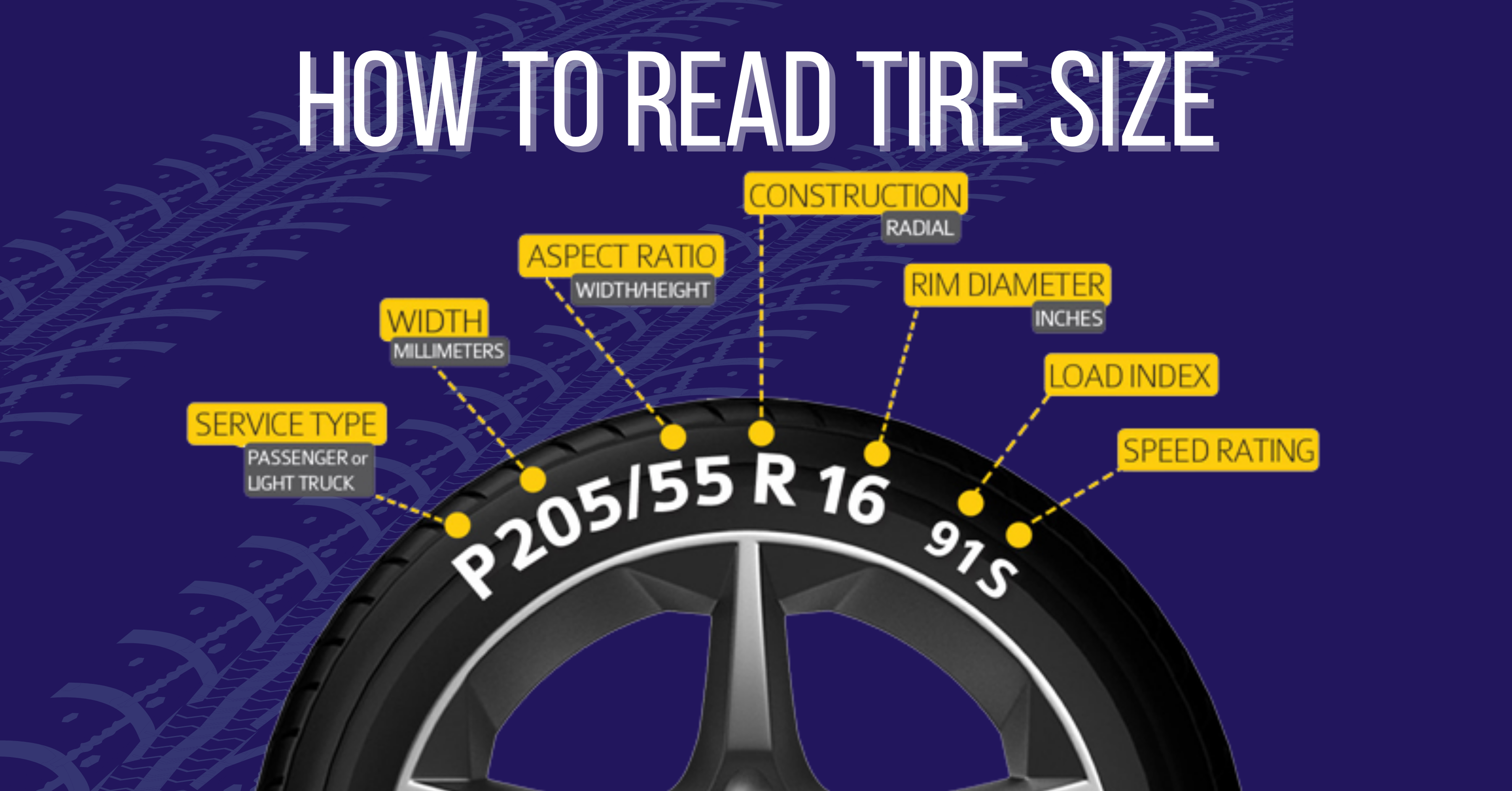
For over 15 years, I’ve seen countless drivers puzzled by the seemingly complex string of characters on their tire sidewalls. Yet, this alphanumeric code is a highly standardized language, critical for ensuring vehicle safety and performance. Most passenger vehicle tires adhere to a common format, often seen as something like P225/55R17. This sequence isn’t random; it’s a precise set of specifications dictating the tire’s physical characteristics.
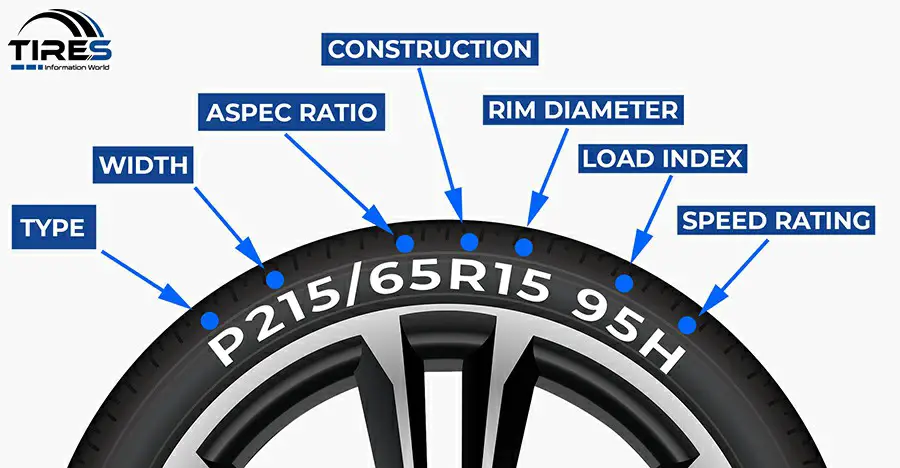
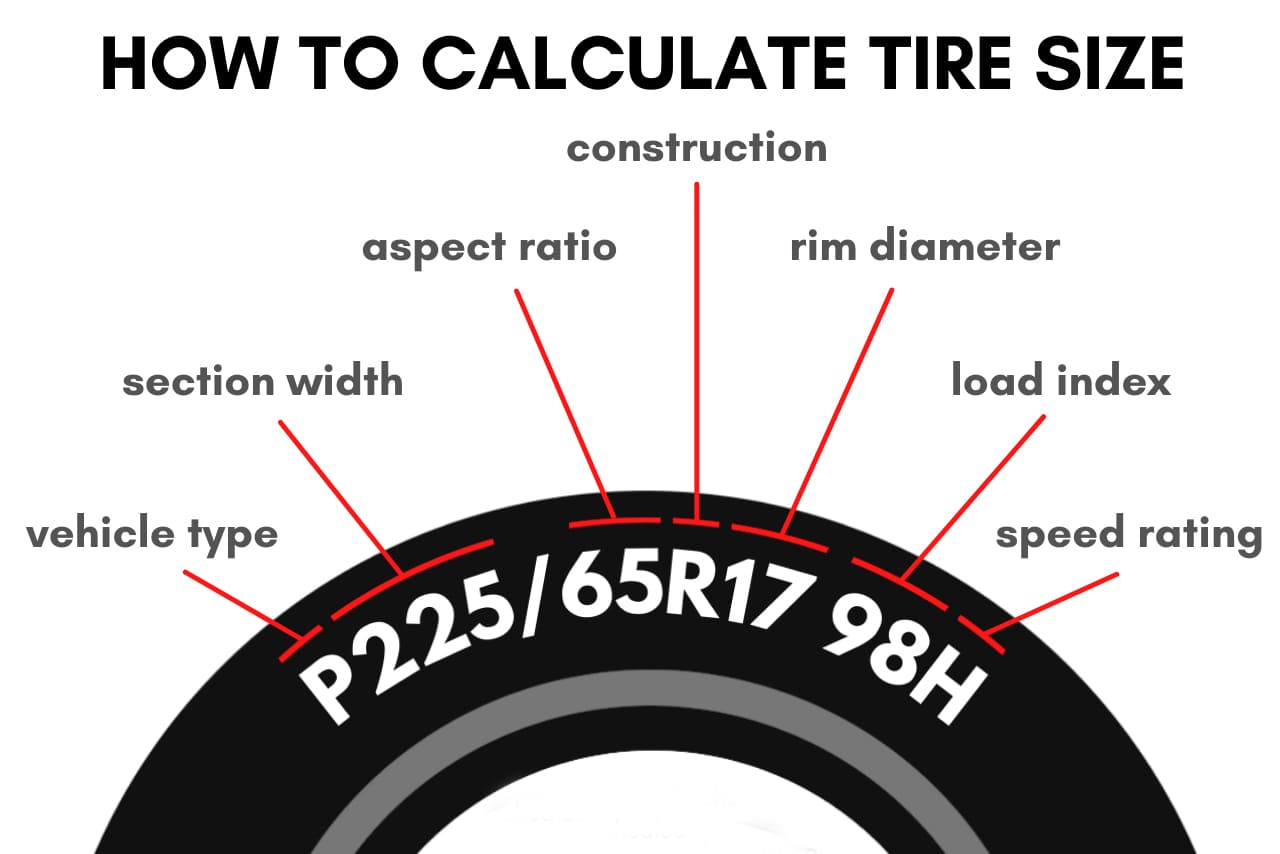
Let’s break down the typical components of this tire size designation:
- P-metric Designation (e.g., ‘P’): This optional prefix, primarily used in North America, indicates a passenger vehicle tire. If absent, particularly in Euro-metric sizes, the tire is generally designed for a broader range of vehicles or specific applications.
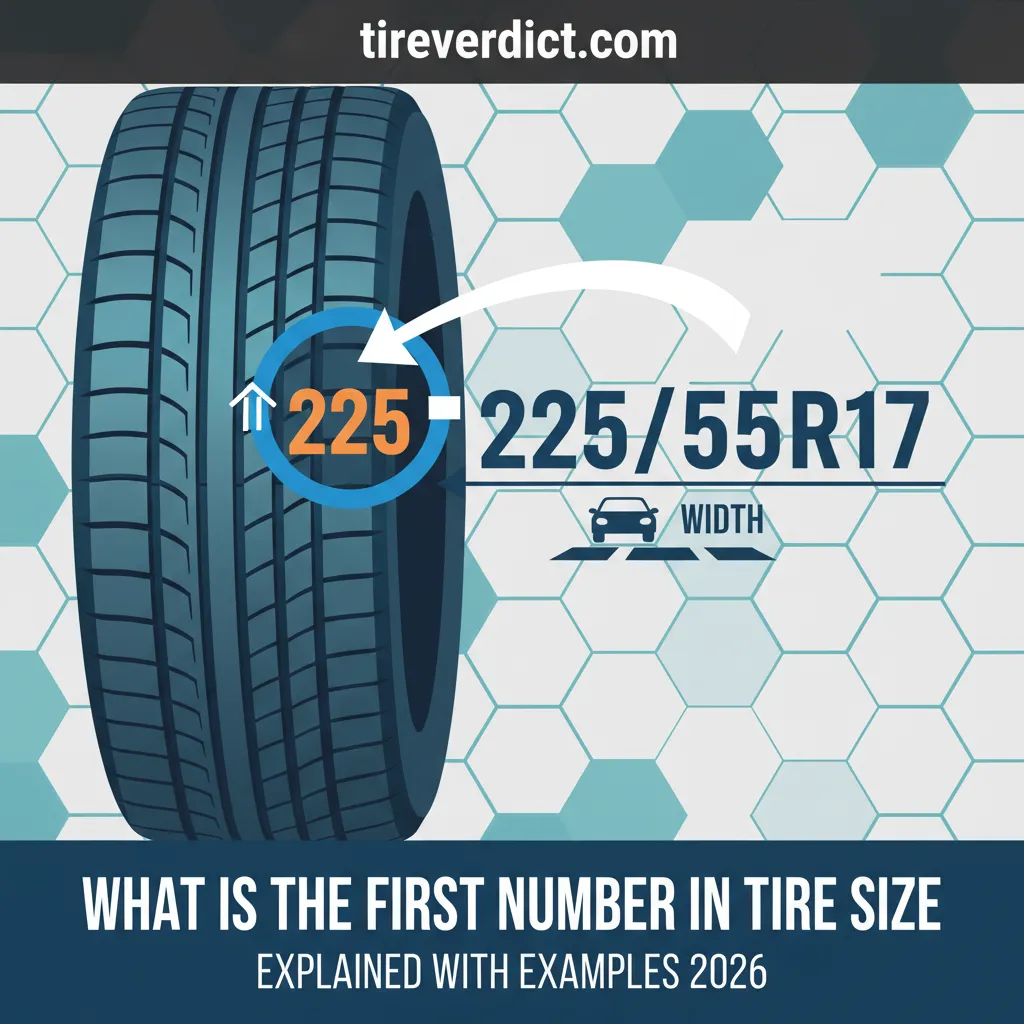
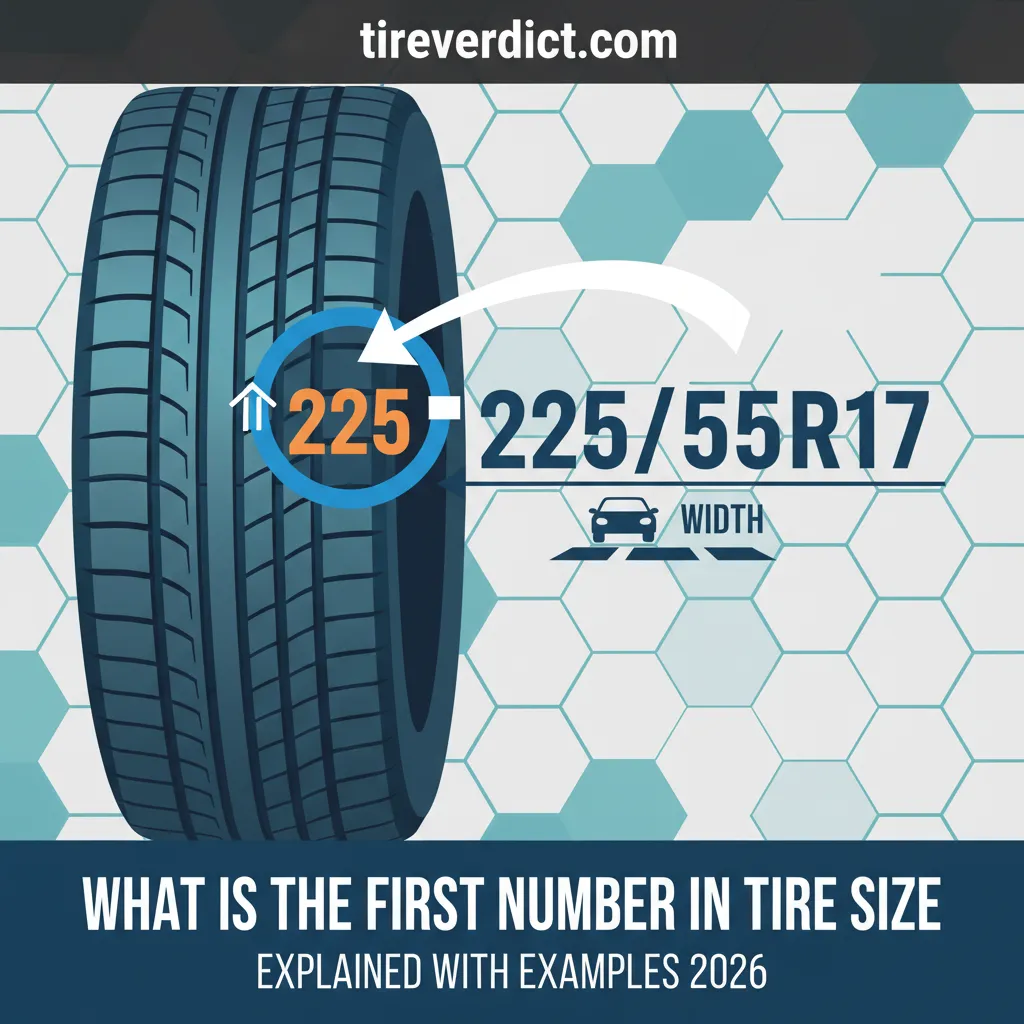
- Section Width (e.g., ‘225’): The focus of our discussion, this is the first numerical value, representing the tire’s maximum width in millimeters.
- Aspect Ratio (e.g., ’55’): The second number, which is a percentage indicating the height of the tire’s sidewall relative to its section width.
- Construction Type (e.g., ‘R’): Typically ‘R’ for radial, meaning the tire’s internal cords run radially across the tire.
- Rim Diameter (e.g., ’17’): The diameter of the wheel the tire is designed to fit, measured in inches.
These standards are meticulously developed and maintained by organizations such as the Tire and Rim Association (TRA) in North America and the European Tyre and Rim Technical Organisation (ETRTO) in Europe. An accurate understanding of these dimensions is paramount. It ensures proper vehicle compatibility, optimizes driving dynamics, and, most importantly, maintains safety. Mismatched tire sizes can lead to unstable handling, incorrect speedometer readings, and even catastrophic tire failure.
Deconstructing the First Number: What Tire Section Width Represents
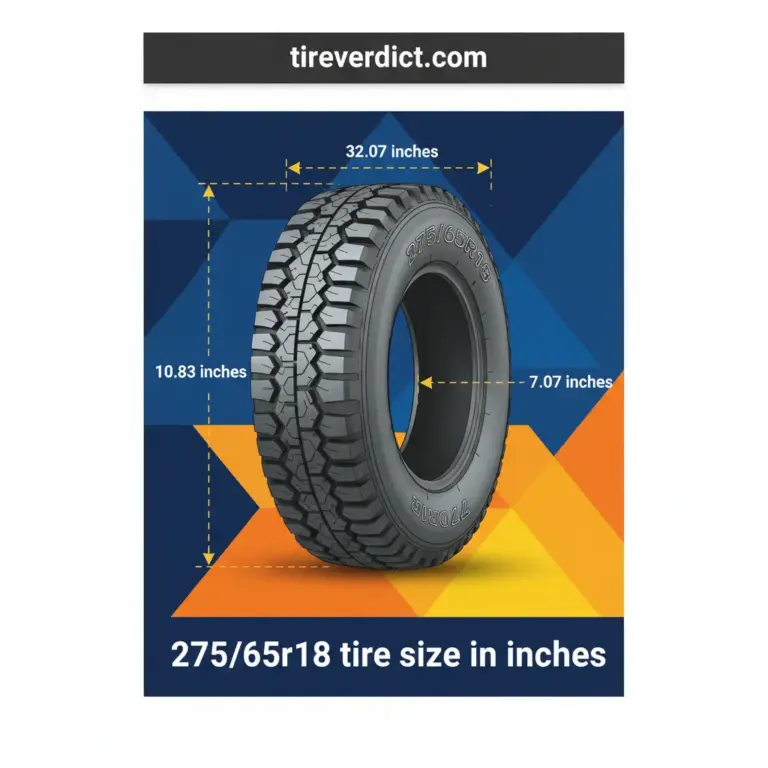
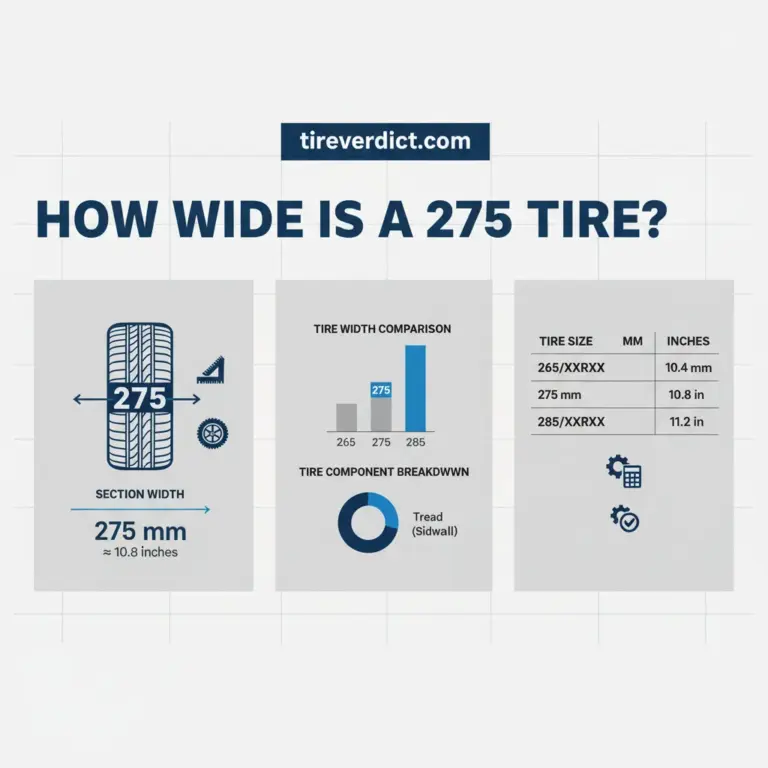
The first number you encounter in a tire size, such as the ‘225’ in P225/55R17, holds a very specific and crucial meaning: it denotes the tire’s section width. Simply put, this is the maximum width of the inflated tire, measured in a straight line from its outer sidewall to its inner sidewall. It’s important to note that this measurement excludes any raised lettering, decorative ribs, or protection bands on the sidewall, ensuring a consistent, functional dimension.
This measurement is universally expressed in millimeters (mm). So, if your tire reads 225/55R17, it means the tire has a nominal section width of 225 millimeters. To put this into perspective, a tire size of 205/60R16 would have a section width of 205 mm, illustrating the direct correlation between the number and the physical width.
How Section Width is Measured
From an engineering perspective, this isn’t a casual measurement. Section width is determined under very precise conditions to ensure consistency across manufacturers and tire types. A tire is mounted on a specified width measuring rim and inflated to a standardized pressure. This process simulates the tire’s intended operating dimensions, providing a reliable benchmark for its width. Research indicates that deviations from these specified conditions can alter the effective section width, influencing vehicle dynamics even if the nominal size remains the same.
The typical range for passenger vehicle tire section widths is quite broad, generally spanning from 155 millimeters for compact cars to over 300 millimeters for high-performance sports cars and trucks. While a wider tire visually suggests a larger footprint, it’s a common misconception that a wider tire automatically translates to a proportionally larger tread contact patch. Due to the effects of tire deflection under load and inflation pressure, a wider tire doesn’t always deliver a linearly increased ground contact area. This nuanced understanding is a critical point that differentiates theoretical dimensions from real-world performance.
Impact of Tire Section Width on Vehicle Performance and Characteristics
The section width of a tire is not merely a number; it’s a fundamental parameter that significantly sculpts a vehicle’s performance characteristics. My 15+ years in the industry have clearly shown that altering this dimension, even slightly, can lead to perceptible changes in driving dynamics.
Handling and Traction
A wider tire generally creates a larger contact patch – the area of rubber meeting the road. This expanded footprint directly enhances dry traction and cornering stability. For instance, comparing a vehicle equipped with 205mm tires to one with 245mm tires, the latter will typically exhibit superior grip during aggressive cornering and more immediate response to steering inputs, a characteristic highly valued in sports cars. This increased grip allows for higher G-forces in turns and shorter dry braking distances.
✅ Pros of Wider Tires
- Improved dry road grip and traction
- Enhanced cornering stability and steering response
- Shorter dry braking distances
- A more aggressive, aesthetic stance for some vehicles
❌ Cons of Wider Tires
- Increased rolling resistance, impacting fuel economy
- Higher risk of hydroplaning in wet conditions
- Potentially heavier steering feel
- Can degrade ride comfort
- Increased road noise
Fuel Efficiency and Wet Weather Performance
However, this performance comes with trade-offs. Wider tires typically lead to increased rolling resistance. More rubber on the road means more friction to overcome, directly translating to a noticeable impact on fuel economy. Industry research consistently shows that a significant increase in tire width can lead to a 1-3% increase in fuel consumption. For an economy car designed for efficiency, this can be a major concern.
Moreover, wider tires can heighten the risk of hydroplaning in wet conditions. A narrower tire, with its smaller frontal area, can more effectively cut through standing water, maintaining better contact with the road surface. A wider tire, conversely, has a larger surface area that can’t displace water as quickly, causing it to “float” on the water film.
Steering, Braking, and Ride Comfort
The steering feel also changes with section width. Wider tires often result in a heavier, more direct steering response, which sports car enthusiasts appreciate, but might feel cumbersome in a commuter vehicle. While wider tires offer excellent dry braking, their performance can degrade in wet conditions due to hydroplaning.
Finally, ride comfort can be affected. Wider tires are often paired with lower aspect ratios (shorter sidewalls) to maintain overall wheel diameter, leading to a stiffer ride as there’s less sidewall to absorb road imperfections.
By The Numbers: Section Width Impacts
Typical fuel consumption increase for significantly wider tires
A seemingly small increase in width that can notably change contact patch area
Maximum section widths found on high-performance passenger vehicles
Minimum section widths for many compact cars
Choosing the Optimal Tire Section Width: Key Considerations and Compatibility
Selecting the right tire section width is not an arbitrary decision; it requires careful consideration of vehicle design, performance goals, and compatibility constraints. As an expert, I always emphasize that the most critical first step is to adhere to the vehicle manufacturer’s recommended tire sizes.
Manufacturer Recommendations: Your First Guide
Your vehicle’s engineers have meticulously designed its suspension geometry, braking system, and safety features around a specific range of tire sizes. You can find this crucial information on a sticker typically located on the driver’s side door jamb, inside the glove compartment, or in your owner’s manual. This sticker will list the original equipment (OE) tire size, including the optimal section width, along with recommended tire pressures.
Before purchasing new tires or considering any size modification, always consult the tire and loading information sticker on your vehicle’s driver’s side door jamb. This provides the authoritative original equipment tire sizes and pressures for your specific model and trim, ensuring optimal safety and performance. For example, it might read “P205/55R16 – 32 PSI”.
Rim Width Compatibility
Another fundamental aspect is rim width compatibility. A tire’s section width must be appropriately matched to the width of the wheel rim it will be mounted on. Trying to fit a tire that is too narrow or too wide for a given rim can lead to several serious issues:
- Improper Bead Seating: The tire beads may not seat correctly on the rim flanges, leading to air leaks or even the tire separating from the rim.
- Compromised Handling: The tire’s sidewalls can become pinched or stretched, distorting the tread profile and negatively impacting handling characteristics and stability.
- Premature Wear: Uneven contact with the road can cause accelerated and irregular tread wear.
Most rims have a specific range of tire section widths they can safely accommodate. For instance, a 7-inch wide rim might safely suit tires ranging from approximately 205mm to 225mm in section width. Deviating outside this recommended range without professional consultation is highly inadvisable.
Considerations for Upsizing or Downsizing Width
While it’s generally best to stick to OE specifications, some drivers consider upsizing or downsizing tire width for aesthetic reasons or perceived performance gains. Here are critical factors to consider:
- Clearance Issues: Wider tires might rub against suspension components, fender liners, or bodywork, especially during steering, cornering, or when the suspension is compressed.
- Speedometer Calibration: If you change the overall tire diameter (which often accompanies width changes, especially if not carefully planned), your speedometer and odometer will become inaccurate. This requires recalibration, which can be complex and costly.
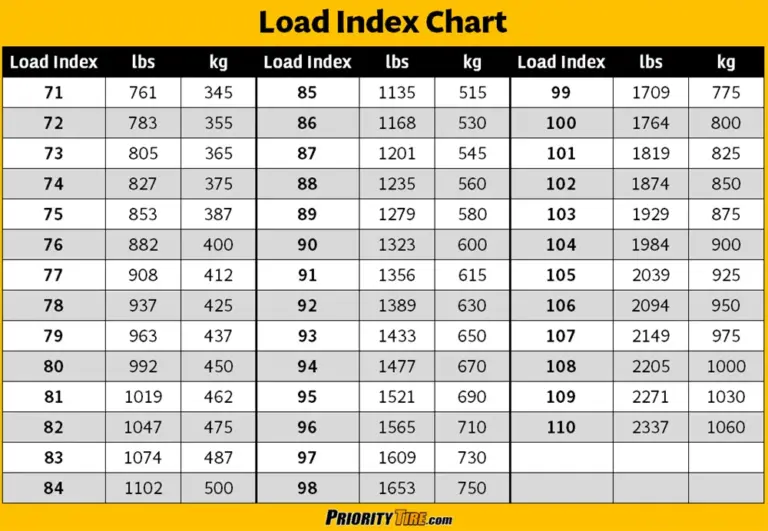
- Load Capacity: Changes in tire width or overall size can affect the tire’s load index, potentially reducing the vehicle’s safe carrying capacity.
- Aesthetics vs. Performance: While wider tires might look more aggressive, the performance trade-offs in fuel economy, wet traction, and ride comfort should be weighed against the visual appeal.
For example, a car originally specified with 205/55R16 tires might safely accommodate a slightly wider 215/55R16 with a compatible rim. However, jumping to a much wider 245mm tire without comprehensive professional advice and checks could easily lead to the issues mentioned above.
Improper tire fitment, especially concerning section width and rim compatibility, can lead to serious safety hazards including tire delamination, bead separation, and even blowouts at speed. Furthermore, using non-recommended tire sizes can void vehicle and tire warranties, leaving you responsible for costly repairs or potential accidents. Always consult a certified tire professional when considering changes from original equipment specifications.
In conclusion, the first number in your tire size, representing the section width, is a fundamental dimension with far-reaching implications for your vehicle’s safety, performance, and overall driving experience. Understanding the basics of tire sizing and the specific role of section width is an important aspect of responsible vehicle maintenance.
Conclusion
The first number in tire size denotes the tire’s section width in millimeters, a crucial measurement from sidewall to sidewall. This section width significantly impacts vehicle performance, affecting vital characteristics such as traction, handling, fuel economy, and hydroplaning resistance. While wider tires can enhance dry grip and stability, they often come with trade-offs in fuel efficiency and wet weather performance. Always prioritize manufacturer recommendations found on your vehicle’s door jamb or owner’s manual, and ensure proper rim compatibility when selecting tire section width for optimal safety and performance.
To ensure your tire choices align with optimal safety and performance standards for your specific vehicle, consult your vehicle’s owner’s manual or a certified tire professional. Their expertise will guide you in making informed decisions that safeguard your driving experience for years to come.
Frequently Asked Questions
Does a wider tire (larger first number) always provide better grip?
Not necessarily. While a wider tire generally offers a larger contact patch for dry conditions, improving straight-line and cornering grip, it can reduce ground pressure. This can paradoxically decrease traction in wet or snowy conditions by making the tire more prone to hydroplaning due to less pressure per square inch to cut through water or slush. Optimal grip depends on many factors, including tread design and compound.
Can I change my tire’s section width without changing the rim?
It is possible to slightly vary the tire’s section width on the same rim, but there are strict compatibility limits. Each rim width has an approved range of tire section widths. Installing a tire that is too wide or too narrow for the rim can lead to improper seating, uneven wear, compromised handling, and even tire failure. Always consult a tire professional or manufacturer specifications for safe fitment.
How does the first number (section width) affect fuel economy?
Generally, a larger section width increases the tire’s contact patch and potentially its rolling resistance. Greater rolling resistance requires more engine power to maintain speed, thus leading to decreased fuel economy. Conversely, narrower tires often result in better fuel efficiency. The difference can be marginal for small changes but becomes more significant with substantial width increases.
Is the first number the same as the tread width?
No, the first number (section width) refers to the overall width of the tire from sidewall to sidewall at its widest point. Tread width, on the other hand, is specifically the width of the tire’s actual tread pattern that makes contact with the road. While related, they are distinct measurements. Section width is always equal to or greater than tread width, as it includes the curvature of the sidewalls.
What is the P-metric designation that sometimes precedes the first number?
The ‘P’ in designations like P225/55R17 stands for ‘Passenger’ car tire, indicating it’s designed for passenger vehicles (cars, minivans, some SUVs, and light-duty pickup trucks). This ‘P-metric’ system is primarily used in North America. Other designations exist, such as ‘LT’ for Light Truck tires or no prefix for Euro-metric tires, each implying different load capacities and design considerations.