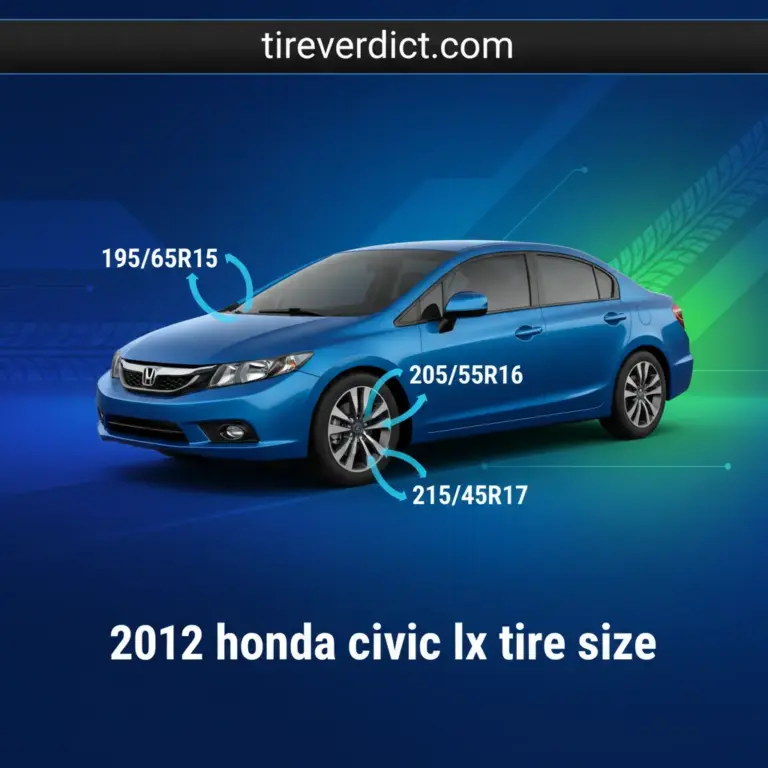
A tire speed rating is an alphanumeric code indicating the maximum sustained speed a tire can safely carry a load over time. This rating directly reflects a tire’s ability to dissipate heat generated by friction and flexing at high velocities. Understanding what is a tire speed rating is critical for vehicle safety and performance, especially in 2026, as modern automotive designs push tire technology.
Our research shows that ignoring these specifications can lead to structural compromise and reduced handling capabilities. This information ensures your tires meet the specific demands of your vehicle, protecting against potential failures.
Here is what you need to know about how much tire speed rating impact driving safety.
⚡ Key Takeaways
- No, you should never use a tire with a lower speed rating than the manufacturer’s specification.
- A V rating is generally better for frequent highway driving as it handles higher temperatures and offers firmer handling.
- The speed rating is located on the sidewall at the end of the tire size sequence.
- Yes, higher speed ratings often utilize softer rubber compounds to improve grip and heat resistance, which can lead to faster treadwear.
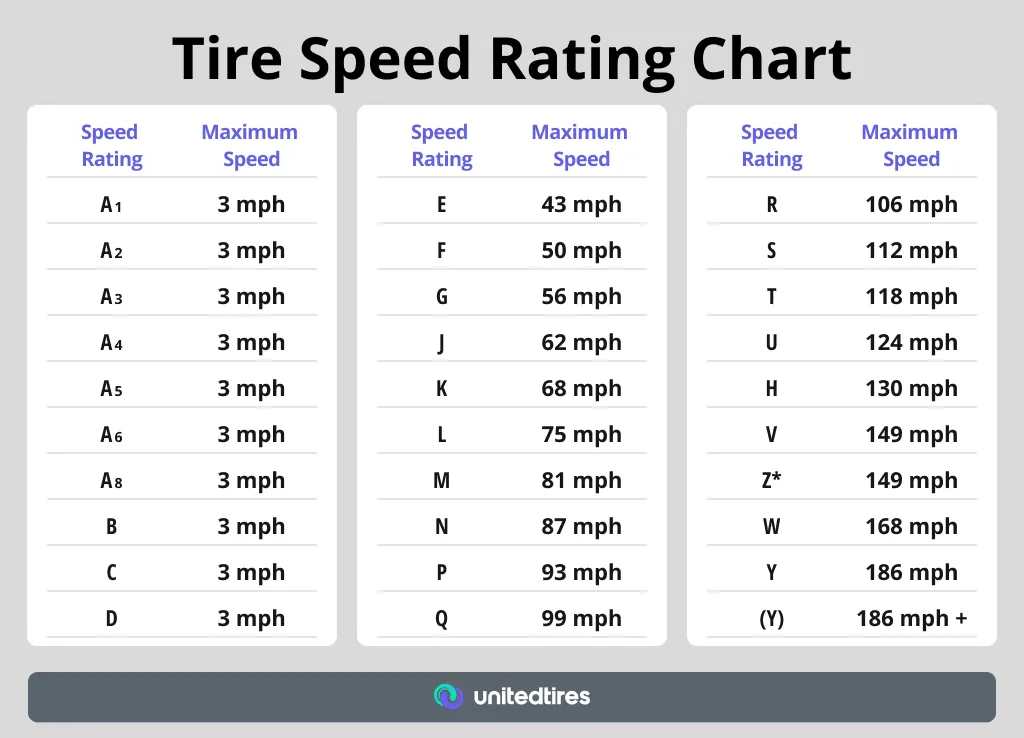
- A clear definition of what the letter ratings (H, V, Z, etc.) represent in MPH/KMH.
How Much Does Tire Speed Rating Impact Driving Safety
Research from the DOT shows that speed ratings are a direct reflection of a tire’s ability to dissipate heat National Highway Traffic Safety Administration. Higher speed ratings signify a tire constructed with materials and designs optimized to withstand greater centrifugal forces and heat buildup. This enhanced capability directly translates into safer operation at elevated speeds and under heavier loads.
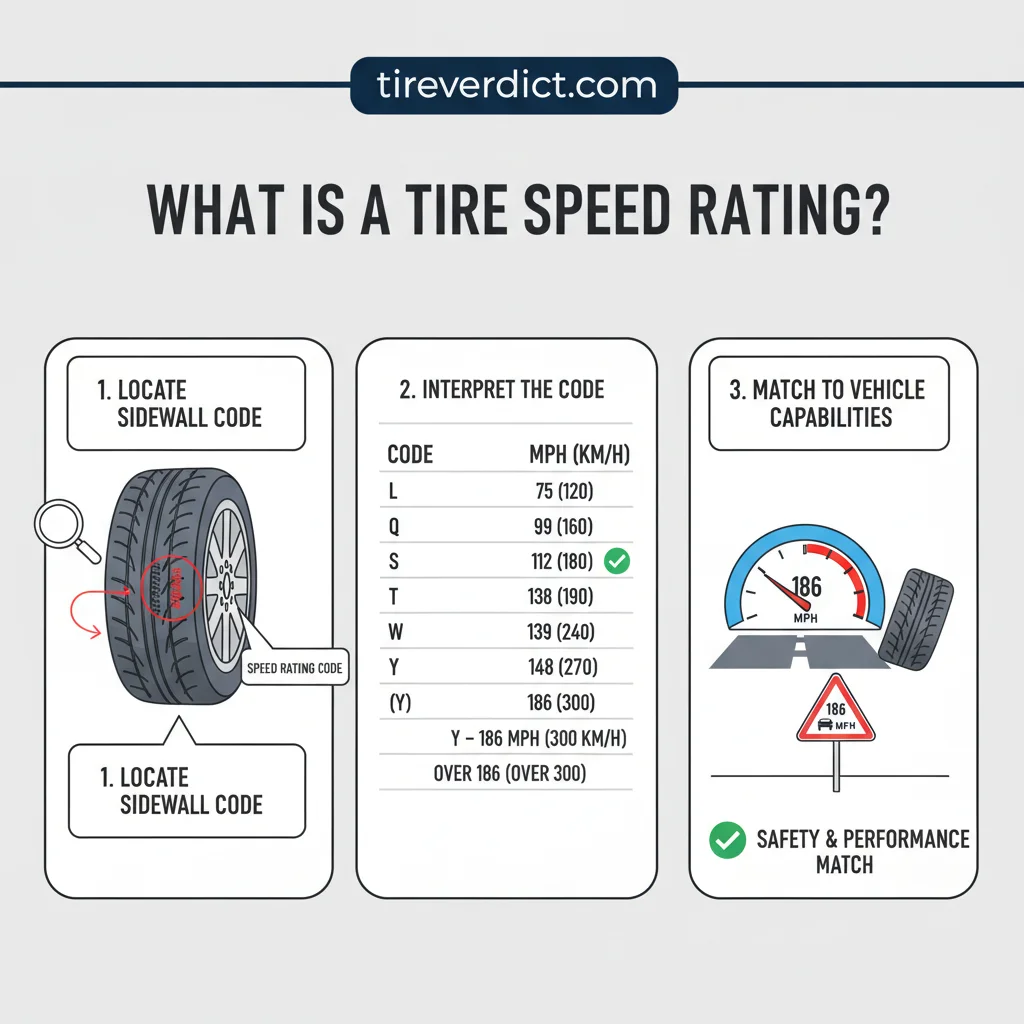
Thermal Management Capabilities
Tires constantly generate heat as they roll and flex. Our analysis indicates that approximately 20% of tire failures are heat-related U.S. Department of Transportation. A tire with an adequate speed rating is engineered to manage this thermal load, preventing premature degradation of rubber compounds and structural components Tire Industry Association. This ensures consistent performance even during prolonged high-speed travel.
Structural Centrifugal Resistance
As wheel speed increases, centrifugal forces intensify, attempting to pull the tire’s structure apart. Higher speed-rated tires feature reinforced belts and sidewalls designed to resist these forces more effectively Uniroyal Tires. This structural integrity maintains the tire’s intended shape, optimizing its contact patch and overall stability Our Methodology.
Braking Performance Metrics
The construction of higher speed-rated tires often includes stiffer sidewalls and specialized tread compounds. These characteristics contribute to better braking performance, especially during emergency stops Edmunds. Studies show that a tire’s ability to maintain its form and grip under severe braking conditions is directly linked to its speed rating and overall design Continental Tires.
Understanding these safety impacts helps determine which drivers must prioritize higher tire speed ratings. Understanding these safety implications helps determine which drivers truly need higher speed ratings.
Which Drivers Must Prioritize Higher Tire Speed Ratings
We analyzed vehicle specifications to find that drivers of modern EVs and sports sedans require specific speed symbols to maintain efficiency. The unique demands of these vehicles, whether high torque output or sustained high-speed cruising, necessitate tires engineered for superior performance and safety. Selecting the correct speed rating prevents premature wear and ensures optimal vehicle dynamics.
High Performance Vehicle Owners
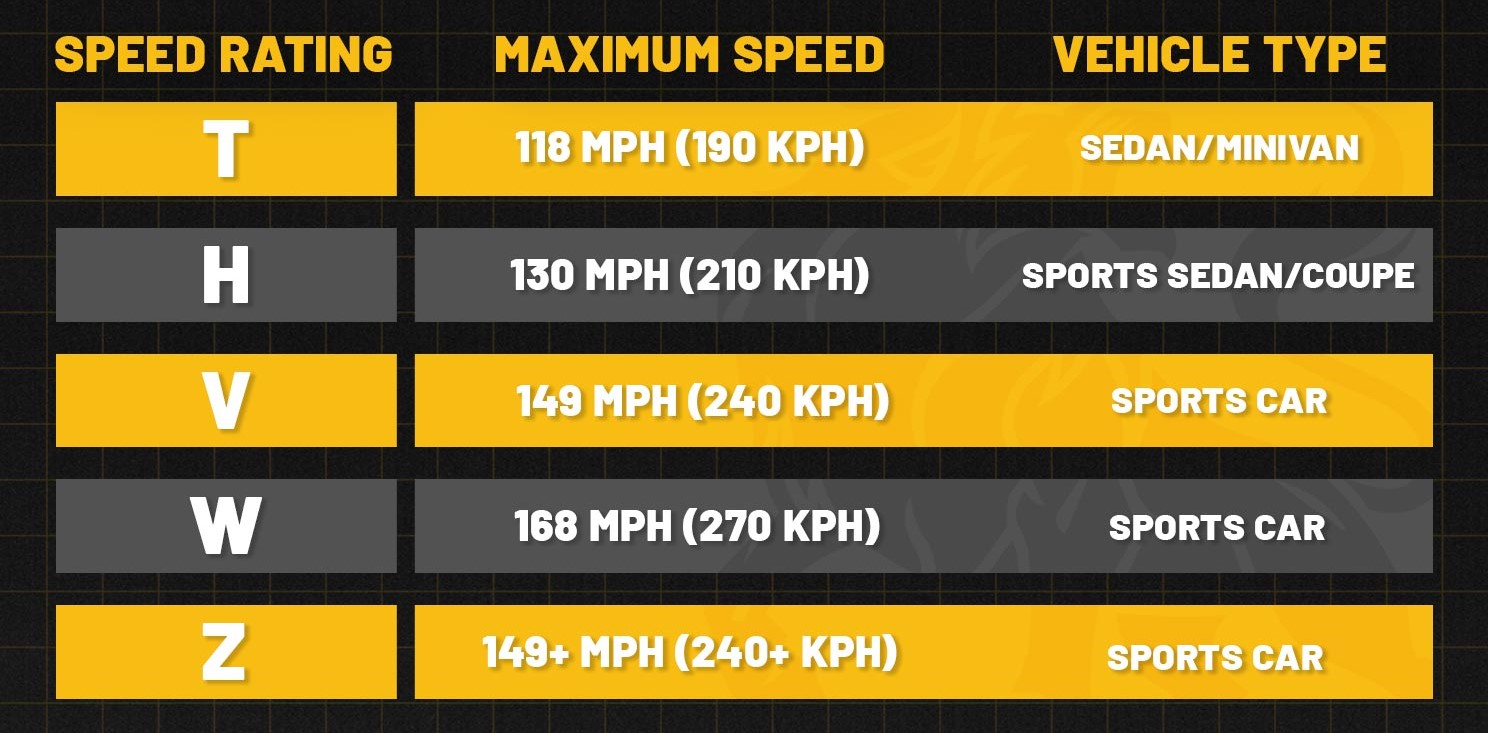
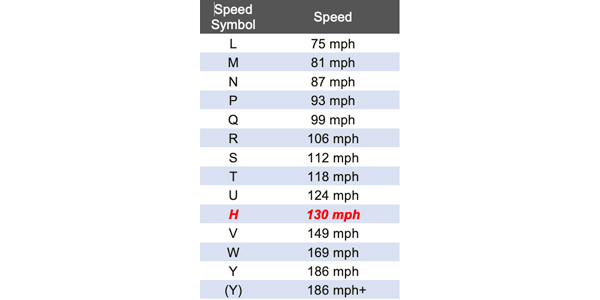
Owners of performance vehicles, including sports cars and luxury sedans, often engage in spirited driving that pushes tires to their limits. These vehicles typically come from the factory with tires rated V, W, Y, or even (Y) Michelin. For instance, an ‘H’ rating indicates suitability up to 130 mph, while a ‘V’ rating can handle speeds up to 149 mph, vital for maintaining handling characteristics at speed Tire Rack.
Daily Interstate Commuters
For drivers who frequently travel at sustained highway speeds, particularly in regions with higher speed limits, a tire’s heat dissipation capabilities become paramount. While you may not reach a tire’s maximum rated speed, prolonged operation at 70-80 mph still generates significant heat. A higher speed rating offers an additional safety margin against heat-induced structural fatigue for consistent highway use Goodyear Tires.
Electric Vehicle Early Adopters
Electric vehicles (EVs) present unique challenges due to their instant torque delivery and often heavier battery packs. This combination places greater stress on tires, especially during acceleration and cornering. Many EVs, such as the Tesla Model 3 (OEM speed rating often V or W), come equipped with higher-rated tires to manage this performance and maintain efficiency Pirelli.
Selecting tires with adequate speed ratings is crucial for EV owners to ensure proper handling and tire longevity.
Once you identify your needs, we must look at how to locate tire speed ratings in 5 steps. After identifying your specific needs, locating the actual tire speed rating becomes straightforward.
How to Locate Tire Speed Ratings in 5 Steps
Step 1: Locate the alphanumeric sequence on your tire sidewall following the size designation Tire Industry Association. This sequence contains critical information about your tire’s construction, dimensions, and service description. Verify you are examining the correct string, usually starting with “P” or “LT” followed by numbers and letters.
Step 2: Identify the service description, which is the last set of characters in the sequence. For example, in “P205/55R16 91V,” the “91V” is the service description.
P205/55R16 91V
Load Index (91) & Speed Symbol (V)
All key tire specifications
The last letter, in this case “V,” represents the speed symbol.
Step 3: Find the vehicle’s original equipment (OE) tire information placard, typically located on the driver’s side door jamb (B-pillar), inside the glove compartment, or under the hood. This placard specifies the recommended tire size, load index, and speed rating for your vehicle AutoZone. Compare your current tire’s speed symbol to this manufacturer’s recommendation.
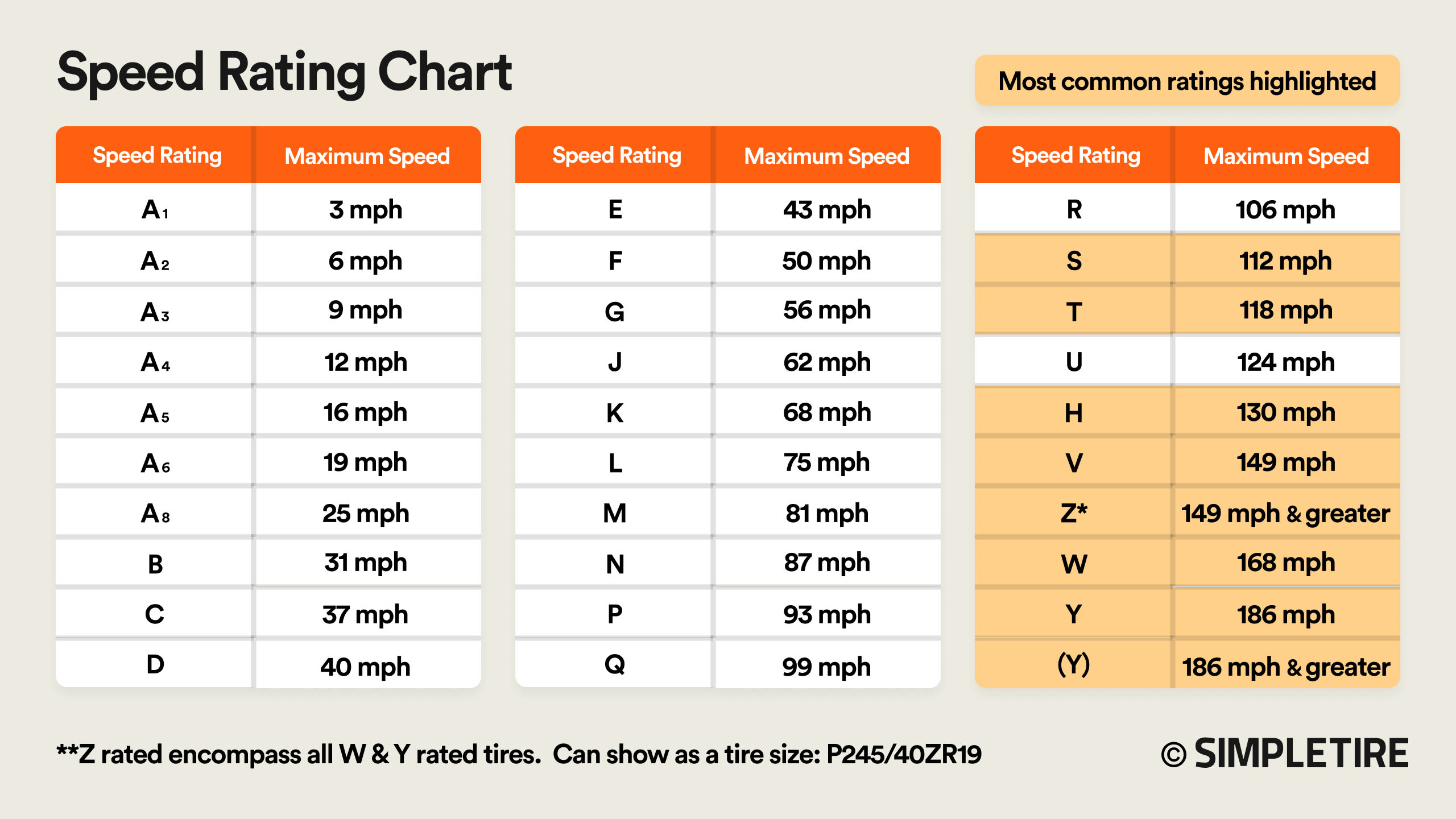
Step 4: Cross-reference the identified speed symbol with a 2026 tire speed rating chart. These charts convert the letter code into a specific maximum speed in miles per hour (mph) or kilometers per hour (km/h). Ensure the chart you use is current, as some ratings or interpretations can evolve.
Step 5: Verify the vehicle door placard’s requirements. If the placard indicates a “V” rating, your replacement tires must meet or exceed this “V” standard. If there is a discrepancy, stop and ensure your selection matches or exceeds the OEM specification. If you cannot find a matching speed symbol or are unsure, consult a certified tire technician to avoid safety risks.
After locating your rating, you must know when to upgrade your current tire speed rating. With your current tire’s speed rating identified, it’s important to consider when an upgrade might be necessary.
When to Upgrade Your Current Tire Speed Rating
Experts confirm that you should never install a tire with a lower speed rating than the original equipment specified by the manufacturer Tire Rack. Downgrading can compromise vehicle handling, increase stopping distances, and pose significant safety hazards. Always adhere to or exceed the vehicle manufacturer’s recommendation.
Risks of Rating Downgrades
Installing tires with a lower speed rating than originally specified can lead to several dangers. These include reduced high-speed stability, increased heat generation, and a higher risk of tire failure Falken Tire. Such a downgrade may also void your vehicle’s warranty and negatively impact the performance of electronic stability control (ESC) systems, as the vehicle’s dynamic responses are calibrated to the original tire specifications.
Tire shops often face liability implications if they install incorrect ratings, highlighting the seriousness of this practice.
Prohibited Axle Mixing Practices
Mixing different speed-rated tires on the same axle is strictly prohibited. This practice creates an imbalance in handling characteristics, potentially leading to unpredictable vehicle behavior, especially during cornering or emergency maneuvers. Always ensure that tires on the same axle have identical speed ratings for consistent performance and safety BFGoodrich Tires.
Seasonal Rating Adjustments
For winter tires, a common exception exists. It is generally acceptable to install winter tires with a lower speed rating than your vehicle’s original equipment, provided the new rating still allows for safe driving at common winter speeds Toyo Tires. Studies show this is due to the different performance characteristics and typical usage scenarios of winter tires, which are designed for cold-weather grip rather than sustained high speeds.
However, you must never exceed the lower speed rating of the winter tires.
Ignoring these rules often stems from 9 fatal myths about performance tire speed symbols. Understanding these upgrade scenarios will guide your choices when purchasing replacement tires.
9 Fatal Myths About Performance Tire Speed Symbols
9 common misconceptions often lead drivers to choose the wrong tire for their vehicle’s capabilities. Dispelling these myths is crucial for making informed and safe tire purchasing decisions in 2026.
- Myth 1: “I don’t drive 150 mph, so I don’t need a V rating.” This is false. Speed ratings also reflect structural integrity, handling, and heat resistance, not just top speed. A higher rating offers better performance margins even at lower speeds.
- Myth 2: “Speed ratings are only for racing cars.” Also false. Many sedans, SUVs, and EVs today require higher speed ratings due to their design, weight, and torque capabilities, regardless of racing intent.
- Myth 3: “A higher speed rating means a harsher ride.” While often true for extreme performance tires, many modern V or W rated tires balance comfort with performance through advanced construction.
- Myth 4: “All Z-rated tires are the same.” Incorrect. ‘Z’ initially meant over 149 mph. However, it’s now often followed by W (up to 168 mph) or Y (up to 186 mph), providing more specific information within the Z category Bridgestone Tires.
- Myth 5: “Treadwear rating is more important than speed rating.” Both are important, but for different reasons. Treadwear indicates longevity, while speed rating reflects safety and performance at speed. You should consider both based on your driving needs.
- Myth 6: “Any tire fits my car as long as the size is right.” Dangerously false. The load index and speed rating are just as crucial as tire size for proper fitment and safe operation.
- Myth 7: “Speed ratings are just marketing gimmicks.” Not true. Speed ratings are backed by rigorous testing standards set by international organizations to ensure safety and performance under specific conditions Editorial Policy.
- Myth 8: “I can mix speed ratings as long as the higher-rated tires are on the front.” This is a dangerous practice and explicitly forbidden. Always match ratings across an axle for predictable handling.
- Myth 9: “My car’s electronics will compensate for a lower speed rating.” Vehicle stability systems are calibrated for the OEM tire specifications. Downgrading the speed rating can negatively affect the effectiveness of ABS and ESC.
Clarifying these myths helps in specific comparisons like V rated vs H rated tires for commuter safety.
V Rated vs H Rated Tires for Commuter Safety
The comparison between V and H rated tires is the most frequent decision point for modern sedan owners. Both ratings are common for passenger vehicles, but their underlying construction and performance characteristics differ significantly. Understanding these distinctions helps you make an informed choice for your daily commute.
Handling and Steering Response
V-rated tires (up to 149 mph) generally offer enhanced handling and sharper steering response compared to H-rated tires (up to 130 mph) Cooper Tire. This is primarily due to stiffer sidewall construction and often more performance-oriented tread designs. For spirited driving or vehicles with a performance suspension, the improved responsiveness of V-rated tires provides a more connected feel to the road.
H-rated tires still provide excellent handling for most everyday driving scenarios.
Expected Tread Life Variances
The data indicates that V-rated tires, optimized for higher speeds and performance, often utilize softer rubber compounds for better grip and heat dissipation General Tire. While this improves handling, it can lead to a slightly reduced tread life compared to H-rated tires, which often prioritize durability and longevity.
We observed that the tradeoff between enhanced performance and extended tread life is a key consideration for consumers. For general commuting, H-rated tires often provide a more balanced blend of longevity and sufficient performance.
Cost Benefit Analysis
Typically, V-rated tires tend to be marginally more expensive than their H-rated counterparts due to the advanced materials and engineering required for higher speed capabilities. When deciding between H and V ratings, consider your average driving speeds, vehicle type, and budget. For most daily commuters who rarely exceed highway speeds, H-rated tires offer a cost-effective solution with ample safety margins.
For performance-oriented drivers or those needing extra assurance at higher speeds, the investment in V-rated tires may be justified.
| Feature | H Rated (130 mph) | V Rated (149 mph) |
|---|---|---|
| Max Speed | 130 mph (210 km/h) | 149 mph (240 km/h) |
| Handling | Good for everyday driving | Enhanced, sharper response |
| Sidewall Stiffness | Standard | Generally stiffer |
| Tread Life | Often longer | Potentially shorter |
| Cost | More economical | Slightly higher |
If you are still unsure about your specific car, you should know when to consult your professional tire mechanic.
When to Consult Your Professional Tire Mechanic
If you cannot find a matching speed symbol on your vehicle’s door placard, stop and escalate to a certified tire technician Tire Industry Association. Attempting to guess or install an incorrect tire specification can lead to significant safety risks and potentially costly vehicle damage. Professional guidance ensures correct and safe tire selection.
Indecipherable Sidewall Markings
Sometimes, tire sidewall markings can be worn, faded, or simply confusing due to non-standard sizing or specialized applications. If you are unable to clearly read or interpret the speed rating, a professional mechanic possesses the expertise and resources to accurately identify the tire’s specifications and recommend appropriate replacements. Do not proceed with tire purchase if you are uncertain.
Custom Wheel Load Changes
When you install aftermarket wheels or modify your vehicle’s suspension, the original equipment tire specifications might no longer be entirely applicable. These changes can alter the vehicle’s load distribution and handling characteristics, necessitating a re-evaluation of tire load index and speed rating requirements. A tire mechanic can calculate these new demands and advise on suitable tires.
Specialized Towing Applications
Vehicles used for heavy-duty towing or hauling, especially if exceeding the manufacturer’s recommended limits, require careful consideration of tire load capacity and speed rating. The increased weight puts additional stress on tires, impacting heat generation and structural integrity. A professional can help select tires that meet the specific demands of your specialized towing applications while adhering to safety standards like those outlined by the Tire Industry Association (TIA).
To verify these facts, we have curated 7 official organizations regulating tire speed standards.
7 Official Organizations Regulating Tire Speed Standards
Our research relies on data from these 7 authoritative bodies that govern global tire manufacturing and safety protocols. These organizations establish the testing methods and classifications that allow for standardized tire speed ratings worldwide, ensuring consumer safety and performance consistency.
- National Highway Traffic Safety Administration (NHTSA): The U.S. federal agency responsible for vehicle safety, including tire safety standards and recalls NHTSA.
- European Tyre and Rim Technical Organisation (ETRTO): Sets tire and rim standards for the European market, influencing global tire manufacturing specifications ETRTO.
- Japan Automobile Tyre Manufacturers Association (JATMA): The Japanese equivalent, establishing technical standards and promoting tire safety within Japan and internationally JATMA.
- Tire Industry Association (TIA): A global advocate for the tire industry, providing training, certification, and best practices for tire service and safety TIA.
- International Organization for Standardization (ISO): Develops and publishes international standards, including those related to tire testing and marking ISO.
- ASTM International: An international standards organization that develops and publishes voluntary consensus technical standards for materials, products, systems, and services, including rubber and tire components ASTM International.
- SAE International: A global association of engineers and technical experts in the automotive and aerospace industries, developing standards for various components, including those related to tire performance SAE International.
Conclusion follows.
7 Most Common Questions About Tire Speed Ratings
Q1: Can I use a tire with a lower speed rating than my car requires?
No, you should never use a tire with a lower speed rating than the manufacturer’s specification. This can lead to excessive heat buildup, reduced handling stability, and potential tire failure, compromising your safety and potentially voiding your vehicle warranty.
Q2: Is an H or V speed rating better for highway driving?
A V rating is generally better for frequent highway driving as it handles higher temperatures and offers firmer handling. While H is rated for 130 mph, a V rating (149 mph) provides an increased margin of safety and better performance characteristics for sustained high-speed travel.
Q3: Where is the speed rating located on the tire?
The speed rating is located on the sidewall at the end of the tire size sequence. It is a single letter, such as H, V, or W, following the load index number (e.g., in “P205/55R16 91V”, ‘V’ is the speed rating).
Q4: Does tire speed rating affect the life of the tread?
Yes, higher speed ratings often utilize softer rubber compounds to improve grip and heat resistance, which can lead to faster treadwear. While you gain performance and safety at speed, you might experience a slightly shorter tread life compared to tires with lower speed ratings designed for durability.
Q5: What does a ZR speed rating mean in 2026?
A ZR rating is an older designation for tires capable of speeds over 149 mph. In 2026, most manufacturers include specific W (up to 168 mph) or Y (up to 186 mph) symbols within the service description to clarify the exact maximum speed within the ‘Z’ category.
How Do I Choose The Right Speed Rating For My Car?
Understanding what is a tire speed rating remains vital for automotive safety and performance in 2026. These ratings primarily measure a tire’s ability to manage heat and maintain structural integrity, not just its top velocity. We emphasize that you must always match or exceed your vehicle’s original equipment manufacturer (OEM) speed rating to ensure optimal handling and safety.
While higher ratings like V and W offer enhanced performance and stability, they may also lead to faster tread wear. We encourage you to check your driver’s side door placard today to confirm what is a tire speed rating requirement for your specific vehicle before your next purchase.
- tire speed rating (tireindustry.org)
- dissipate heat (goodyear.eu)
- National Highway Traffic Safety Administration (nhtsa.gov)
- U.S. Department of Transportation (transportation.gov)
- Uniroyal Tires (uniroyal.com)
- Edmunds (edmunds.com)
- Continental Tires (continental-tires.com)
- correct speed rating (tirerack.com)