The performance and safety of your 2016 Ford Fusion SE are inextricably linked to a critical component: its tires. Many vehicle owners face uncertainty when determining the precise tire specifications for their specific model, often leading to suboptimal choices or even potential safety hazards. This authoritative guide provides a professional, step-by-step methodology to identify, select, and maintain the correct tire sizes for your 2016 Ford Fusion SE, ensuring optimal performance, longevity, and peace of mind for the year 2026 and beyond.
Decoding 2016 Ford Fusion SE Tire Specifications
📤 Share Image
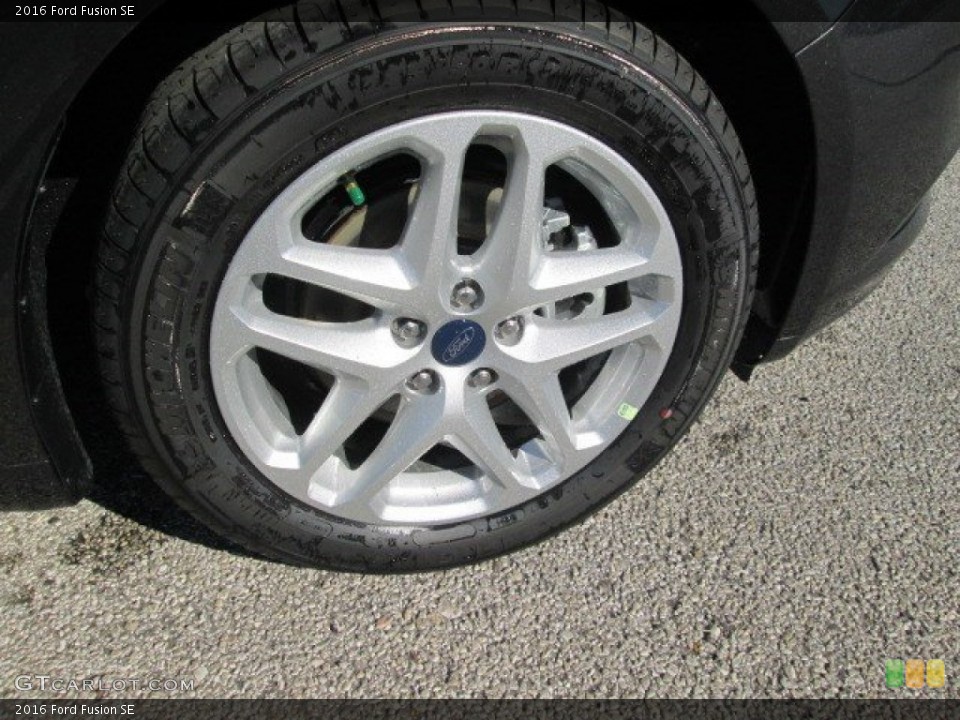
Understanding the precise tire specifications for your 2016 Ford Fusion SE is the foundation for ensuring optimal driving dynamics, safety, and fuel efficiency. As an expert with over 15 years in the automotive industry, I can confirm that the 2016 Ford Fusion SE models were equipped with several standard factory tire sizes, primarily dictated by the specific wheel packages or optional upgrades chosen at the point of sale. These generally included:
- P235/50R17: Commonly found on base SE models with standard 17-inch alloy wheels.
- P235/45R18: An upgrade option, often bundled with appearance packages or 18-inch wheels.
- P235/40R19: The largest factory option for the SE, associated with premium wheel packages, offering a sportier aesthetic and handling profile.
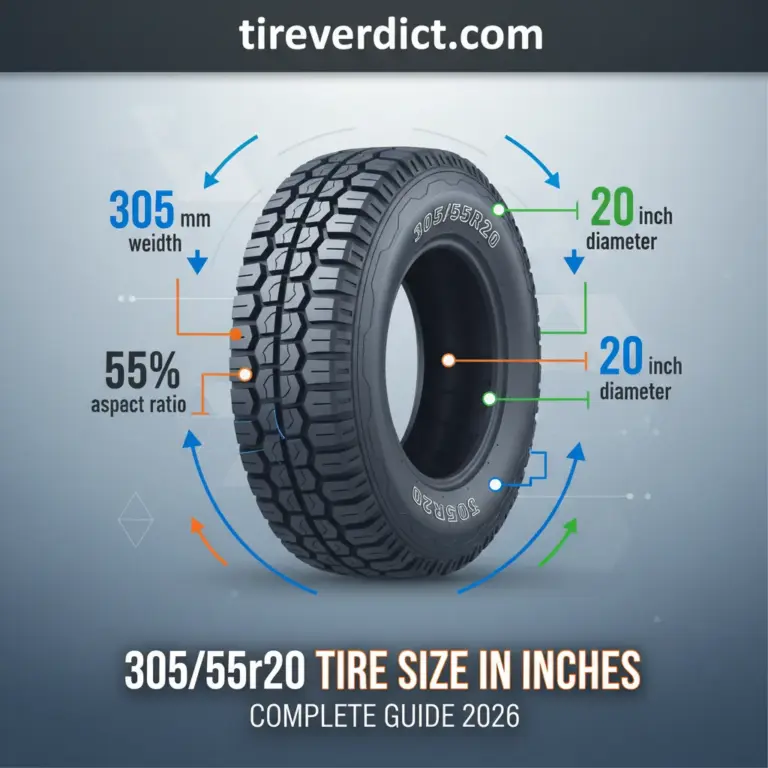
To accurately interpret these specifications, a comprehensive breakdown of the tire code nomenclature is essential:
- P-Metric Designation (e.g., P): Indicates a tire intended for passenger vehicles. While many modern sedans now use ‘LT’ for light trucks or no prefix, ‘P’ remains common for the 2016 Fusion SE.
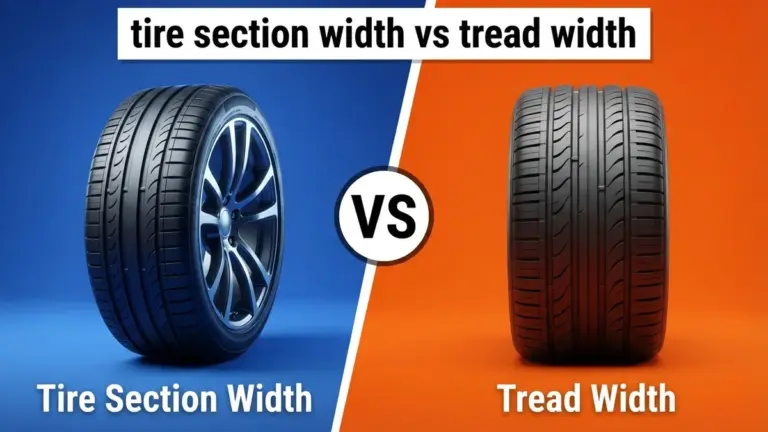
- Section Width (e.g., 235): Measured in millimeters, this number represents the tire’s width from sidewall to sidewall when mounted on its designated rim. A wider tire generally provides more grip but can slightly impact fuel economy.
- Aspect Ratio (e.g., 50): This is a percentage representing the tire’s sidewall height relative to its section width. In the example P235/50R17, the sidewall height is 50% of 235mm. Lower aspect ratios (like 40 or 45) mean shorter sidewalls, typically found on larger wheels, contributing to sharper handling and a firmer ride.
- Radial Construction (e.g., R): Signifies radial ply construction, the industry standard for passenger car tires, known for its superior strength, flexibility, and longevity compared to older bias-ply designs.
- Rim Diameter (e.g., 17): The diameter of the wheel (rim) in inches that the tire is designed to fit.
Beyond these foundational figures, the load index and speed rating are critically important for the vehicle’s performance, safety, and compliance with manufacturer guidelines. For instance, a tire designated P235/50R17 97V indicates:
- Load Index (e.g., 97): A numerical code corresponding to the maximum weight capacity a single tire can safely carry. A load index of 97 translates to a maximum load of 1609 lbs (730 kg) per tire. Research indicates that typical load index values for sedans like the Fusion SE range from 94 to 97, ensuring the vehicle can safely carry its rated passenger and cargo weight.
- Speed Rating (e.g., V): An alphabetical code specifying the maximum speed at which the tire can safely carry its designated load. A ‘V’ rating denotes a top speed of 149 mph (240 km/h). Common speed ratings for the Fusion SE include V and W (168 mph / 270 km/h), reflecting the vehicle’s design speed capabilities.
Variations in wheel diameter significantly influence ride comfort and handling characteristics. Moving from 17-inch to 19-inch wheels, while offering a more aggressive look and potentially sharper cornering, will typically result in a firmer ride due to the shorter sidewalls providing less cushioning. This detailed understanding ensures you make quality, informed decisions regarding your Fusion SE’s tires.
Locating the Definitive Tire Size for Your 2016 Fusion SE
As a trusted automotive expert, I often encounter vehicle owners who are unsure where to find their vehicle’s precise tire information. For your 2016 Ford Fusion SE, there are definitive, reliable sources that supersede any assumptions. Adhering to these sources is paramount for maintaining safety and performance.
📋
Step-by-Step Guide: Finding Your Tire Size
This is the most reliable and legally significant source. Open your driver’s side door and look for a sticker or placard typically located on the B-pillar (the frame between the front and rear doors) or on the edge of the door itself. This placard provides the vehicle’s Original Equipment (OE) tire sizes, recommended tire pressures (both front and rear, and for a full load), and the appropriate load index and speed rating. It’s mandated by law in many regions, making it the definitive reference for your specific vehicle configuration. For instance, you’ll see a clear display like “TIRE SIZE: P235/50R17, FRONT/REAR PSI: 35/35, SPARE PSI: 60” along with GAWR (Gross Axle Weight Rating).
Your vehicle’s owner’s manual is another highly trusted resource. Within the manual, typically found in sections titled ‘Tires and Wheels,’ ‘Specifications,’ or ‘Maintenance,’ you will find detailed information regarding the original tire sizes, recommended pressures, and other crucial tire-related guidelines. Utilize the index at the back of the manual to quickly locate ‘tire size’ or ‘tire specifications’. This manual offers a comprehensive guide to all aspects of your vehicle’s operation and maintenance.
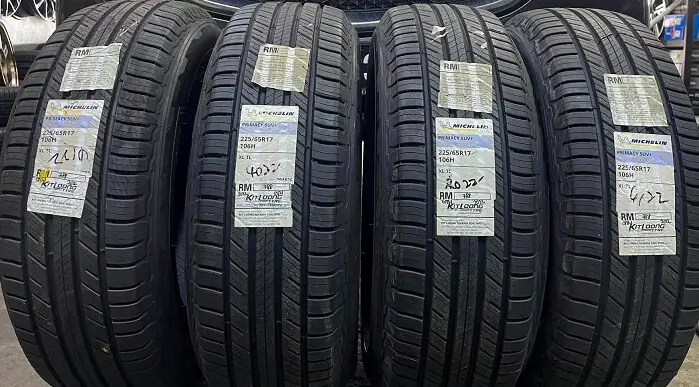
While the tire sidewall displays the tire’s size, it is crucial to use this as a tertiary reference only. The reason is simple: replacement tires may not always perfectly match the original specifications. A previous owner might have installed incorrect or non-OEM-specified tires. Always cross-reference the sidewall information with the door jamb placard or owner’s manual to ensure accuracy and compliance with manufacturer recommendations. Relying solely on the existing tire can lead to incorrect replacements, potentially impacting safety and performance. This professional approach guarantees you always have the most reliable information for your 2016 Fusion SE.
Choosing the Right Replacement Tires for Your 2016 Fusion SE
Selecting replacement tires for your 2016 Ford Fusion SE extends far beyond merely matching the size. As a seasoned expert, I emphasize that the right tire choice can profoundly influence your vehicle’s performance, safety, and your overall driving experience. This comprehensive guide will equip you with the knowledge to make an expert decision.
Understanding Tire Types
Tires are engineered for specific driving conditions, and understanding these categories is the first step:
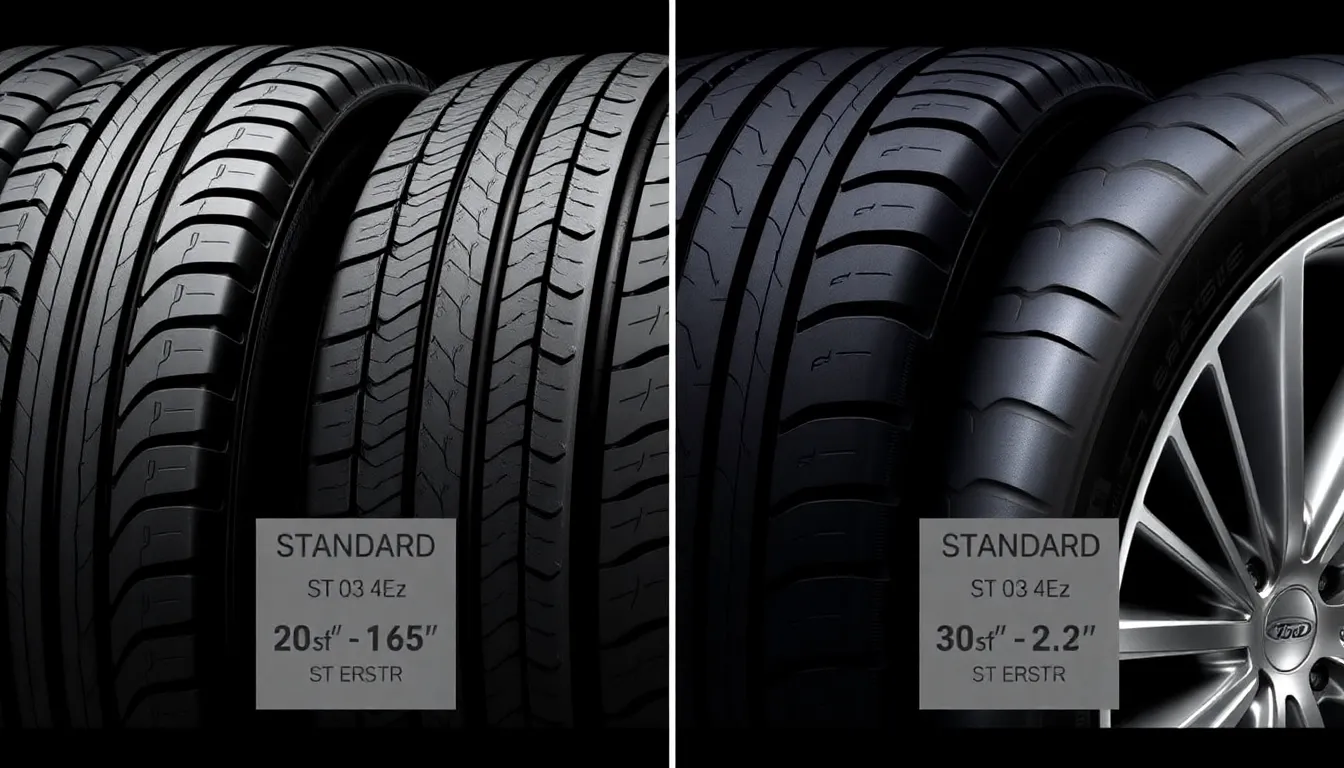
- All-Season Tires: These are the most common choice for sedans like the Fusion SE, designed to offer reliable performance in a wide range of conditions, from dry summer roads to light snow and wet pavement. They provide a good balance of treadwear, comfort, and traction, making them a practical choice for most drivers. Popular examples include the Michelin Defender T+H or Continental PureContact LS, known for their longevity and quiet ride. Research indicates that quality all-season tires for sedans often achieve average expected lifespans between 60,000 to 80,000 miles with proper maintenance.
- Summer Tires: Optimized for warm weather, these tires feature specialized rubber compounds and tread patterns that deliver superior grip and handling in dry and wet conditions above 45°F (7°C). They are not suitable for cold temperatures or snow. Fusion SE owners seeking maximum performance and responsiveness in warmer climates might consider these.
- Winter Tires: Crucial for cold climates, winter tires utilize unique rubber compounds that remain flexible in freezing temperatures and aggressive tread patterns to enhance traction on snow and ice. They are a vital safety component for regions experiencing harsh winters.
Deciphering UTQG Ratings
The Uniform Tire Quality Grading (UTQG) system provides objective metrics to compare tires:
- Treadwear: A relative numerical rating (e.g., 600, 400). A higher number indicates a longer projected tread life. An all-season tire with a 600+ treadwear rating balances excellent longevity with reliable performance.
- Traction: Graded AA, A, B, or C, indicating the tire’s ability to stop on wet pavement. AA is the highest rating.
- Temperature: Graded A, B, or C, representing the tire’s resistance to heat generation and its ability to dissipate heat. A is the highest rating for heat resistance.
Balancing Cost, Longevity, and Performance
Your individual driving habits, local climate, and budget should guide your choice:
- For most 2016 Fusion SE owners, a high-quality all-season tire with a good balance of treadwear (e.g., 500-700) and A-rated traction offers the best value and reliable performance.
- Consider the rolling resistance of tires, as it directly impacts fuel efficiency. Low rolling resistance tires, often found in eco-friendly lines, can offer slight but measurable improvements in MPG over the tire’s lifespan.
It is an absolute necessity to ensure that all replacement tire specifications—size, load index, and speed rating—precisely match or exceed the Original Equipment Manufacturer (OEM) requirements as found on your door jamb placard. Deviating from these specifications can compromise handling, brake performance, fuel economy, and even invalidate your vehicle’s warranty or insurance coverage. This critical step ensures your Fusion SE maintains its professional and reliable operational standards.
By The Numbers: Tire Lifespan & Fuel Economy
Miles (All-Season)
MPG Drop per 1 PSI Under-inflation
Prolonging Tire Lifespan and Ensuring Safety on Your 2016 Fusion SE
Maintaining your 2016 Ford Fusion SE’s tires is not merely about extending their life; it’s a critical aspect of vehicle safety, handling, and fuel efficiency. As an expert, I’ve observed that proactive maintenance can save significant costs and prevent dangerous situations.
Essential Tire Maintenance Practices
- Regular Tire Pressure Checks: This is paramount. Tires lose pressure over time due to permeation and temperature changes. Check your tire pressure at least once a month and before long trips, always when the tires are cold. Use a reliable digital or stick gauge. Don’t forget your spare tire, if applicable. Your vehicle’s Tire Pressure Monitoring System (TPMS) is a crucial safety alert, but it’s not a substitute for manual checks; it only alerts you when pressure is significantly low (typically 25% below recommended PSI). Research indicates that a mere 1 PSI drop in pressure can reduce fuel efficiency by approximately 0.2%, cumulatively impacting your wallet.
- Consistent Tire Rotations and Wheel Balancing: To promote even tread wear across all four tires, rotate them every 5,000-7,500 miles or as per your Ford Fusion SE’s owner’s manual. This practice prevents irregular wear patterns, extends tire life, and maintains optimal traction. Concurrently, wheel balancing ensures that the wheel and tire assembly spins without vibration, contributing to a smoother ride and preventing premature wear on suspension components.
- Monitoring Tread Depth: Adequate tread depth is essential for grip, especially in wet conditions. You can monitor this using a dedicated tread depth gauge (replacement is recommended at 4/32nds of an inch, legal minimum typically 2/32nds). Alternatively, the ‘penny test’ offers a quick visual check: insert a penny into a tread groove with Lincoln’s head upside down. If you can see the top of his head, your tread is likely below 2/32nds and needs replacement. The built-in tread wear indicators (small bars within the main grooves) also become visible when tread is dangerously low. Statistics demonstrate how worn tires significantly increase braking distances, particularly in wet conditions, posing a serious safety risk.
- Wheel Alignment Checks: Proper wheel alignment ensures your wheels are pointing in the correct direction relative to each other and the road. Misalignment can cause rapid, uneven tire wear (e.g., ‘feathering’ or excessive wear on one edge), reduce fuel economy, and negatively affect vehicle handling, making the steering feel vague or the car pull to one side. Have your alignment checked annually or if you notice any steering abnormalities.
Enhanced Safety
Properly maintained tires provide superior grip and shorter braking distances, crucial for accident avoidance.
Extended Tire Lifespan
Regular rotations and correct inflation can significantly prolong the operational life of your tires, delaying costly replacements.
Improved Fuel Efficiency
Correct tire pressure minimizes rolling resistance, contributing to better fuel economy for your Fusion SE.
Under-inflated tires are a leading cause of tire failure, increased fuel consumption, and poor handling. They generate excessive heat, which can lead to tread separation and blowouts, particularly at highway speeds. Always maintain the manufacturer-recommended PSI for your 2016 Ford Fusion SE.
Troubleshooting Tire Concerns and Considering Upgrades for Your 2016 Fusion SE
Even with diligent maintenance, tire issues can arise. Knowing how to identify and address common problems, as well as understanding the implications of potential upgrades, is crucial for any 2016 Ford Fusion SE owner. My experience shows that informed decisions here contribute significantly to both safety and satisfaction.
Common Tire Maladies and Solutions
- Punctures: Often caused by nails or screws. A small puncture within the tire’s tread area (typically no larger than 1/4 inch in diameter, not close to the sidewall) might be safely repairable by a professional using a plug-patch method. However, multiple punctures or damage outside the tread’s repairable zone necessitate immediate tire replacement.
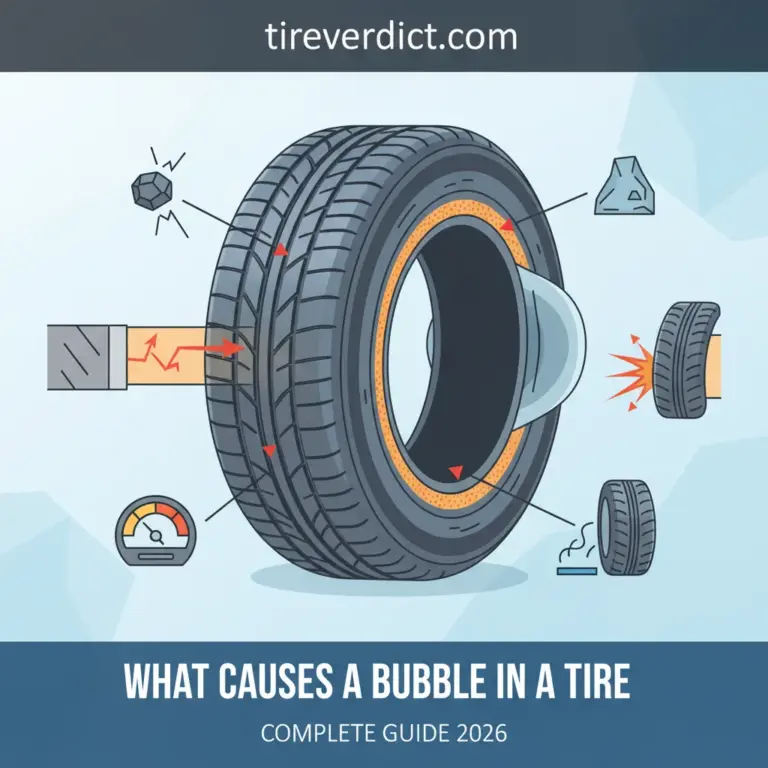
- Sidewall Bulges or Cuts: Any bulge or deep cut on the sidewall indicates a compromised tire structure, making it extremely dangerous. This requires immediate replacement, regardless of tread depth. Research on tire failures indicates sidewall damage as a significant contributor to sudden blowouts.
- Persistent Vibrations: Vibrations felt through the steering wheel or seat can signal an issue with tire balance, wheel alignment, or even internal tire damage. If balancing and alignment don’t resolve it, the tire itself might be defective or have a shifted belt, requiring expert inspection.
- Accelerated or Uneven Tread Wear: This is a clear indicator of underlying problems. Examples include ‘cupping’ (often a suspension or balance issue), ‘feathering’ (alignment issue), or excessive wear on one edge (under-inflation, over-inflation, or alignment). Prompt diagnosis and correction are vital to prevent premature tire replacement and maintain professional handling.
Considering Tire and Wheel Upgrades
For Fusion SE owners looking to customize their vehicle, modifying wheel and tire sizes is a popular option. However, it requires careful consideration:
✅ Pros of Upsizing/Downsizing
- Aesthetic Enhancement: Larger wheels often improve the vehicle’s visual appeal.
- Improved Handling (Upsize): Wider tires and shorter sidewalls can enhance cornering stability and steering response.
- Better Ride Quality (Downsize): Smaller wheels with taller sidewalls offer more cushion, leading to a softer, more compliant ride.
- Cost Savings (Downsize): Smaller diameter tires and wheels are often less expensive to purchase and replace.
❌ Cons of Upsizing/Downsizing
- Speedometer Calibration: Changing the overall tire diameter (tire height) will affect speedometer accuracy, requiring recalibration to avoid legal issues and ensure correct mileage tracking.
- Ride Quality Impact: Upsizing (e.g., from 17-inch to 19-inch) typically results in a firmer, potentially harsher ride due to reduced sidewall flex.
- Clearance Issues: Oversized tires can rub against wheel wells or suspension components, especially during turns or over bumps.
- Electronic Stability Systems: Altering tire diameter can interfere with the proper functioning of ABS, traction control, and electronic stability control (ESC) systems, which rely on accurate wheel speed sensor data.
- Increased Cost (Upsize): Larger diameter tires and wheels are generally more expensive.
For any persistent tire issues (like recurring vibrations or unusual wear patterns) or when considering significant wheel and tire upgrades, always seek a professional inspection from a qualified tire technician or automotive service center. They possess the expert tools and knowledge to diagnose problems accurately and provide reliable recommendations. Ensuring your 2016 Ford Fusion SE remains a trusted and reliable vehicle is paramount, and expert advice is invaluable.
The 2016 Ford Fusion SE typically utilizes P235/50R17, P235/45R18, or P235/40R19 tire sizes, contingent on the original factory wheel package. Always consult your vehicle’s door jamb placard or owner’s manual for the definitive tire specifications, including load index and speed rating. Proactive tire maintenance, encompassing regular pressure checks, rotations, and alignment, is paramount for safety and extending tire lifespan. Ensure your 2016 Ford Fusion SE operates at its peak by verifying your tire specifications today. For professional assistance with tire selection, installation, or maintenance, consult a certified automotive technician.
Frequently Asked Questions
What is the most common tire size for a 2016 Ford Fusion SE?
The most frequently equipped tire size for the 2016 Ford Fusion SE is P235/50R17. However, depending on factory options and wheel packages, P235/45R18 or P235/40R19 tires were also available. Always cross-reference with your vehicle’s door jamb sticker to confirm the exact specifications unique to your car for reliable fitment.
Can I put different sized tires on my 2016 Ford Fusion SE than what came from the factory?
While technically possible to deviate slightly, it’s generally not recommended without expert consultation. Changing tire size can impact speedometer accuracy, ABS/traction control systems, ride quality, and potentially fender clearance. For optimal safety and performance, adhere to the manufacturer’s recommended sizes, load index, and speed rating, as specified on your door jamb placard.
Where can I find the correct tire pressure for my 2016 Fusion SE tires?
The precise and recommended tire pressure for your 2016 Ford Fusion SE is located on a placard affixed to the driver’s side door jamb or within the vehicle’s owner’s manual. This pressure is cold inflation pressure, meaning tires should be checked before driving or after being parked for several hours to ensure accuracy.
How often should I rotate the tires on my 2016 Ford Fusion SE?
To promote even wear and extend tire lifespan, it is professionally advised to rotate the tires on your 2016 Ford Fusion SE every 5,000 to 7,500 miles, or as recommended in your vehicle’s owner’s manual. Regular rotation prevents irregular wear patterns, ensuring consistent performance and prolonging the overall utility of your tire set.
What do the numbers ‘P235/50R17’ mean for my Fusion SE’s tires?
These numbers denote specific tire dimensions. ‘P’ signifies P-Metric for passenger vehicles. ‘235’ is the section width in millimeters. ’50’ is the aspect ratio, meaning the sidewall height is 50% of the section width. ‘R’ indicates radial construction, and ’17’ is the diameter of the wheel in inches for which the tire is designed.