Beneath the intricate tread patterns that grip the road lies a crucial, yet often overlooked, component of your tire: the sidewall. Many drivers understand the importance of tread depth for traction and stopping power, but the complex engineering and critical function of the tire’s sidewall remain a mystery, despite its direct impact on safety, performance, and ride comfort. This oversight can lead to compromised vehicle dynamics and, more critically, unsafe driving conditions. This comprehensive guide will demystify the tire sidewall, explaining its anatomy, the vital information it conveys, its indispensable role in vehicle dynamics, and how proper care ensures your journey is safe and smooth, aligning with the latest industry insights for 2026.
SECTION 1: Introduction to the Tire Sidewall: An Essential Overview
📤 Share Image
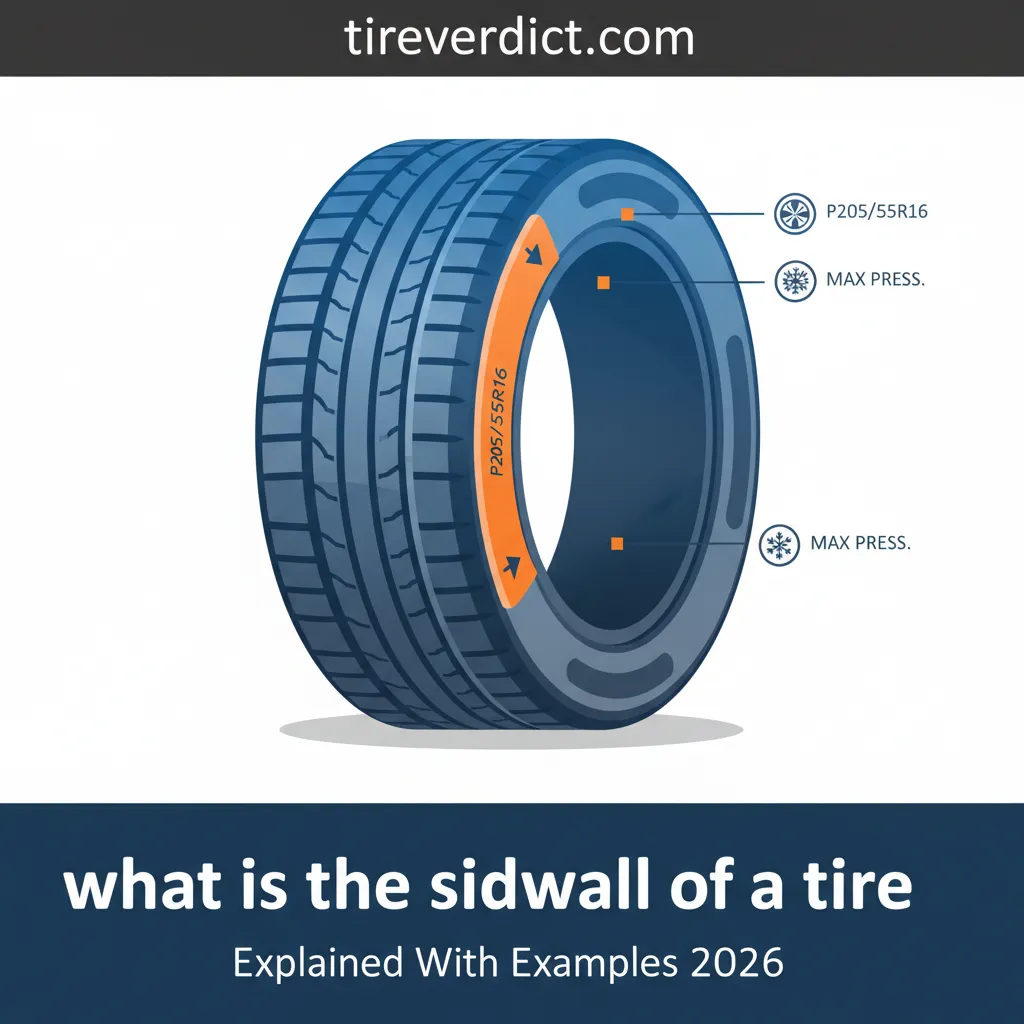
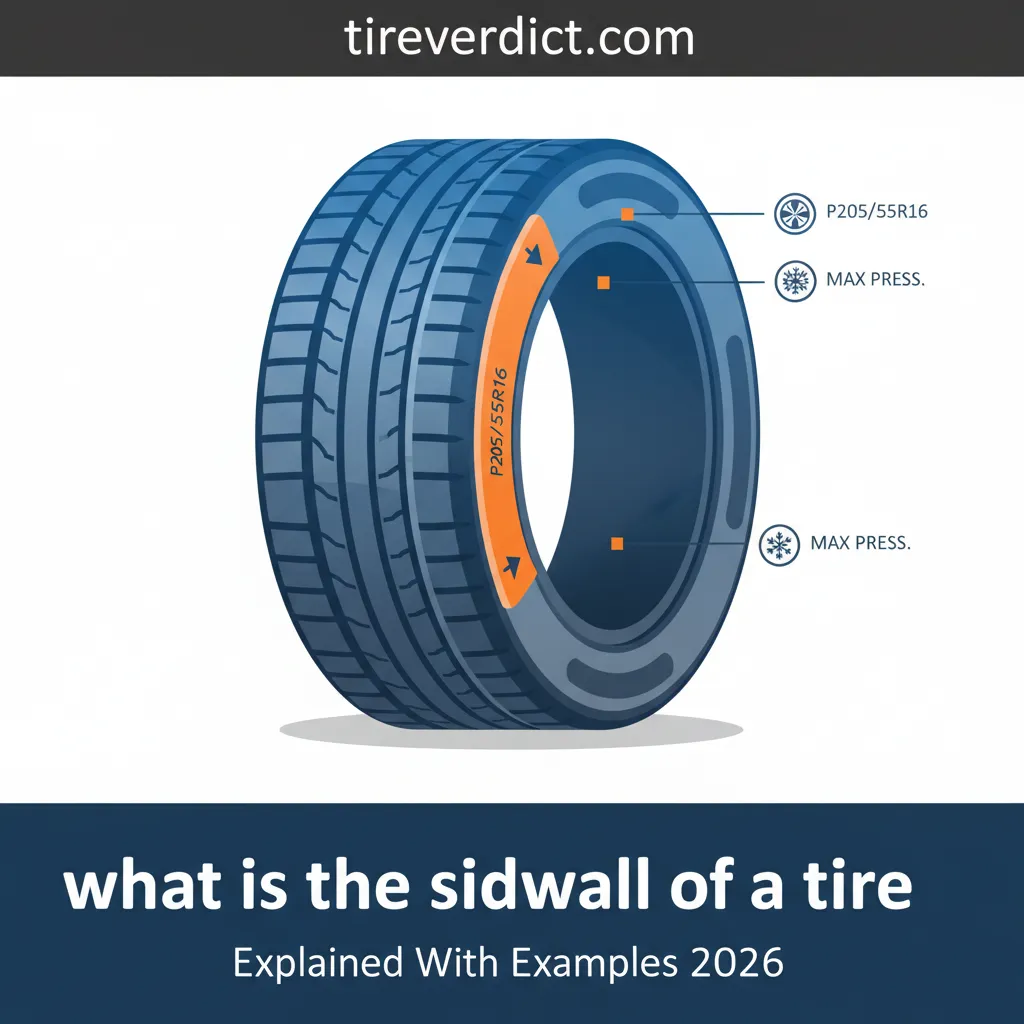
At its core, the sidewall of a tire is the critical, non-treaded section that bridges the gap between the tread, which makes contact with the road, and the bead, which seals the tire to the wheel rim. Visually, if you look at a tire mounted on a vehicle, the sidewall is the vertical, smooth expanse you see between the ground-contacting surface and the wheel itself. This component is far more than just a rubber buffer; it is an intricately designed structure with multifaceted responsibilities essential for vehicle operation.
The primary functions of the sidewall are fundamental to your driving experience and safety. Firstly, it plays a colossal role in supporting the vehicle’s load, acting as a flexible yet immensely strong column that bears the weight of the car and its occupants. Secondly, it is the tire’s primary mechanism for impact absorption, akin to a vital suspension component. As your vehicle encounters road imperfections like potholes or bumps, the sidewall flexes, dampening these shocks and contributing significantly to ride comfort. Finally, its lateral flexibility is crucial for steering response and handling, allowing the tire to deform predictably during cornering.
While the tread is engineered for grip and mileage, and the bead for airtight rim seating, the sidewall is the unsung hero, constantly flexing under load, absorbing impacts, and transmitting steering inputs. Its intricate design ensures a balance between strength and elasticity. Neglecting its health can have severe consequences; research indicates that a significant portion of tire-related issues stem from sidewall or inflation problems. Specifically, data from traffic safety analyses reveals that approximately 11% of crashes involving tire failure are due to blowouts or flats, a substantial number of which originate from compromised sidewalls. This highlights its often-overlooked, yet critical, importance for overall vehicle safety and performance.
SECTION 2: Anatomy and Composition: Understanding the Sidewall’s Internal Structure
To truly appreciate the engineering marvel that is a tire sidewall, one must look beyond the visible rubber surface and delve into its layered internal structure. This section provides an overview of the basics and fundamentals of its composition.
Rubber Compounds: Flexibility Meets Durability
The rubber compounds used in the sidewall are distinctly different from those found in the tread. Sidewall rubber is formulated for greater flexibility and resistance to aging, cracking, and ozone degradation, rather than abrasion resistance. This allows it to continuously flex without cracking, dissipate heat, and withstand environmental exposure. This elasticity is what enables the sidewall to absorb impacts effectively, a key point in understanding its function.
Ply Cords: The Backbone of Strength
Beneath the outer rubber lies a network of fabric ply cords, typically made from materials like polyester, rayon, or nylon. Unlike the steel belts found under the tread that run circumferentially, these cords in the sidewall usually run radially, from bead to bead, forming the tire’s foundational carcass. They are responsible for providing the primary structural strength and load-carrying capacity while allowing the necessary flexibility. For instance, polyester cords offer excellent adhesion and high strength-to-weight ratio, while rayon provides superior dimensional stability at higher temperatures.
The Bead and Bead Filler: Anchoring to the Rim
The lower edge of the sidewall terminates at the bead, a critical component composed of high-tensile steel wire bundles. The bead’s primary role is to create a secure, airtight seal with the wheel rim. Encasing the bead is a triangular piece of rubber known as the bead filler (or apex). This filler transitions the rigid bead structure into the flexible sidewall, contributing significantly to the sidewall’s stiffness and thus influencing handling characteristics, especially during cornering. A firmer bead filler can enhance steering response.
Chafer Strip: Rim Protection
At the very bottom of the sidewall, adjacent to the bead, is the chafer strip (sometimes called a bead protector). This extra layer of reinforced rubber or fabric prevents the bead from chafing and wearing against the metal wheel rim during mounting and dismounting, and throughout the tire’s operational life. This detail, though small, is an important aspect of durability.
Looking at a conceptual cross-section of a radial tire reveals these distinct layers. The bulk of the tire’s mass, beyond the air pressure, is a carefully balanced blend of materials. Research into tire composition reveals that a typical modern radial tire is comprised of approximately 40% rubber, 15% fabric (primarily in the sidewall and body plies), 25% carbon black, and 15% steel (for bead wires and tread belts), with the remaining percentage being various chemicals. The tensile strength of these cords is meticulously engineered; for example, industrial-grade polyester cords can withstand forces upwards of 500 Newtons per millimeter, highlighting the immense strength packed into these seemingly simple components.
SECTION 3: Decoding Sidewall Markings: Interpreting Your Tire’s Essential Information
The sidewall of your tire is a veritable library of key points and critical data, often overlooked but essential for safe driving and proper tire selection. These alphanumeric codes and symbols provide an introduction to your tire’s specifications, manufacturing details, and performance characteristics. Understanding these markings is a fundamental skill for any vehicle owner or enthusiast.
Tire Size Designation: The Foundational Code
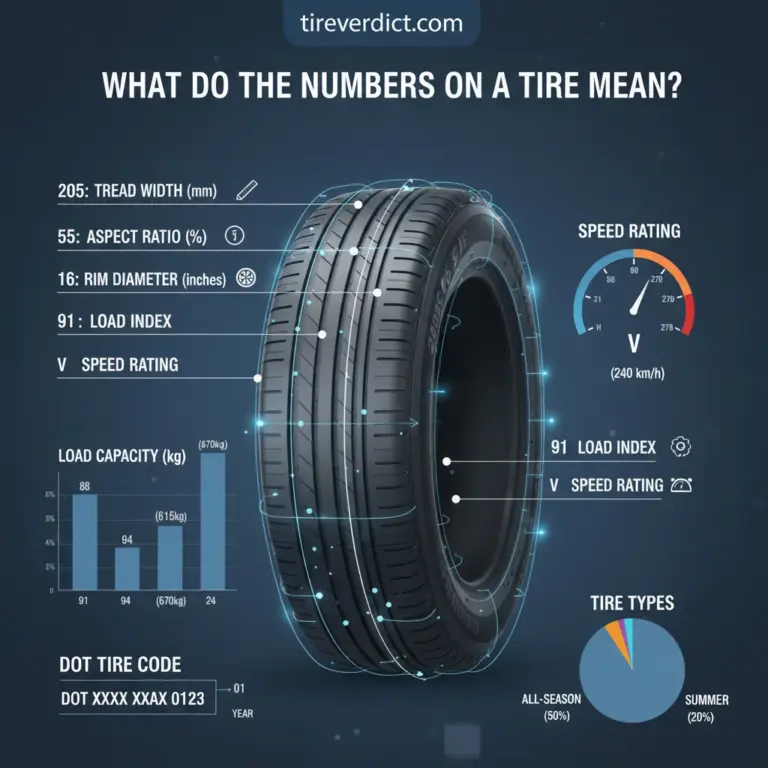
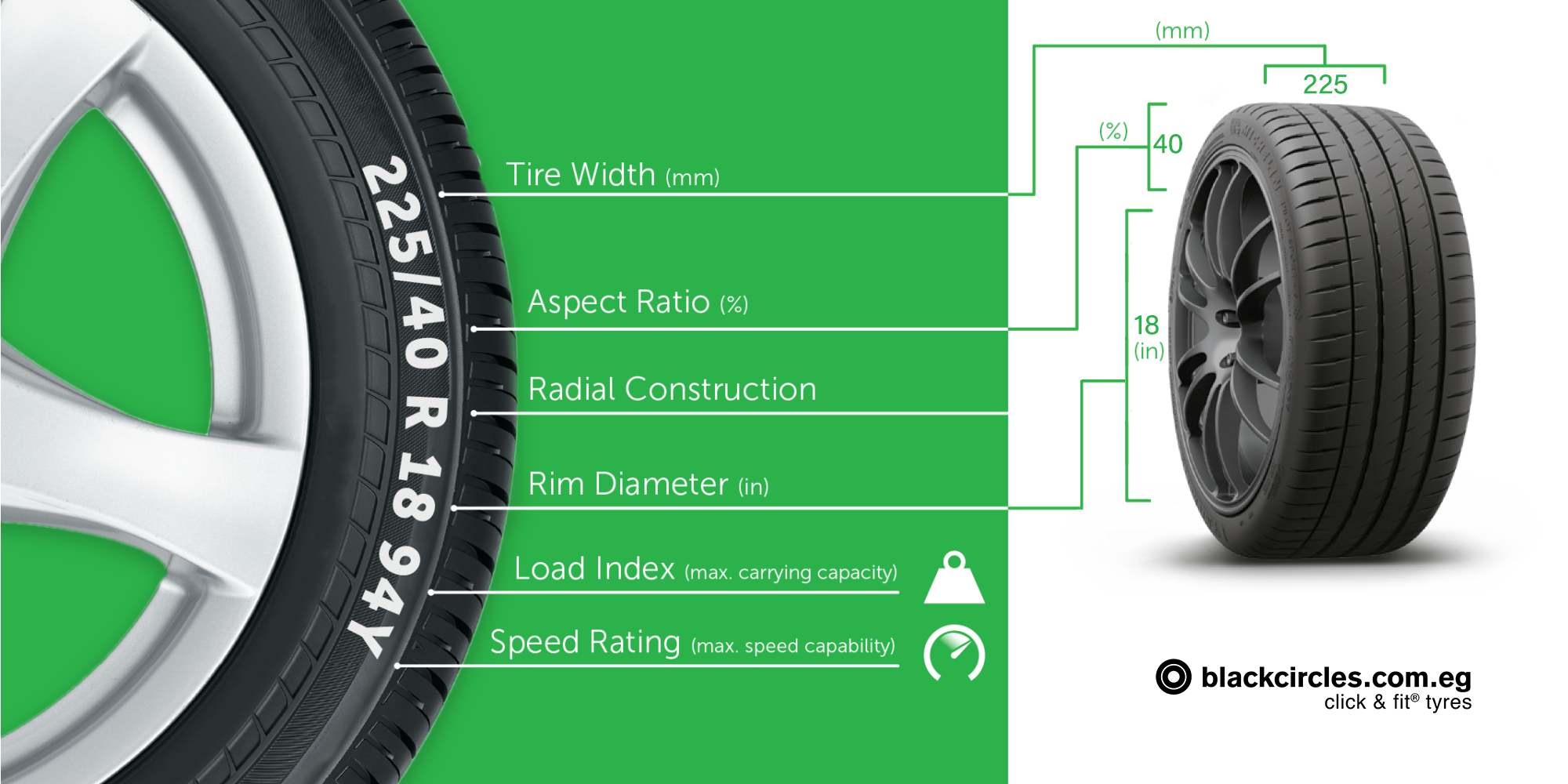
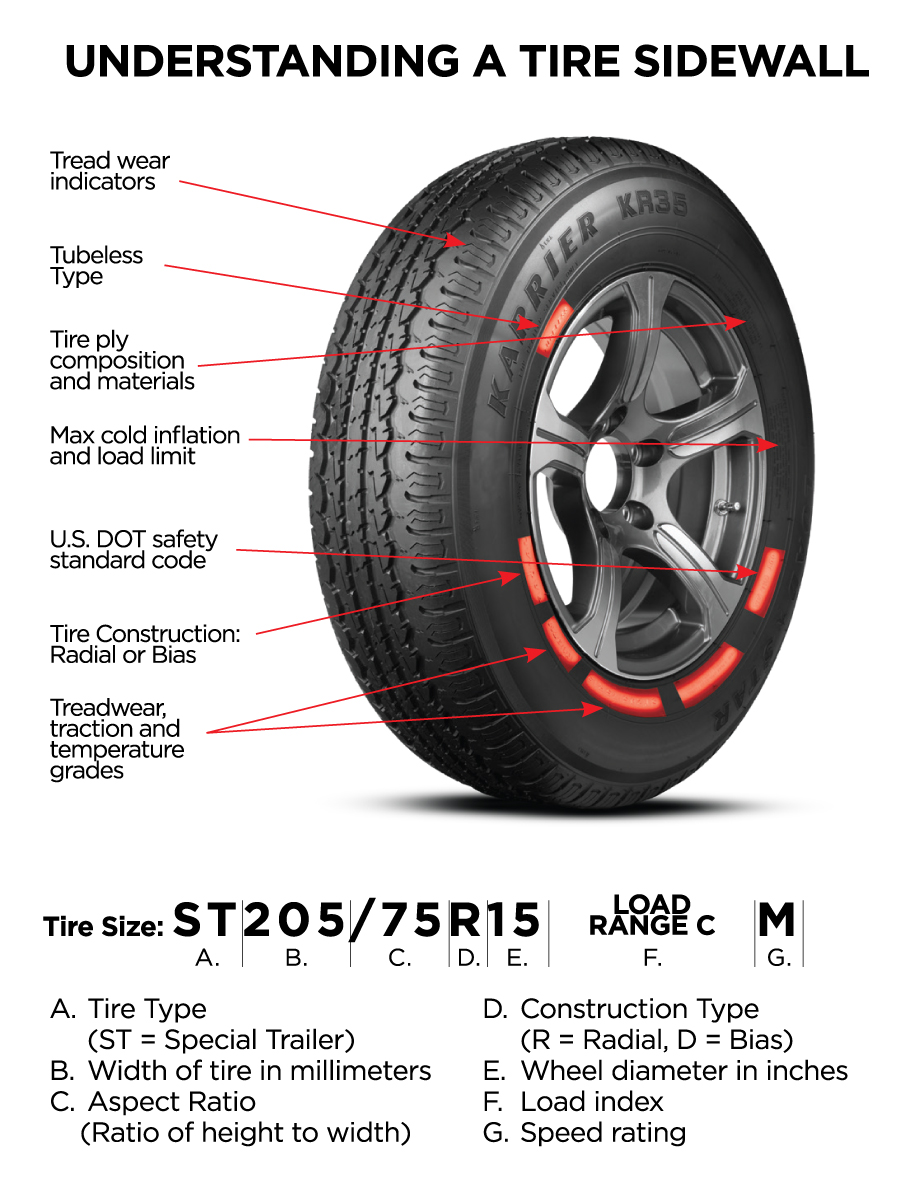
The most prominent marking is the tire size, typically in a format like P215/60R16. Let’s break down this example:
- P (Tire Type): Denotes a “P-metric” tire, designed for passenger vehicles. Other common prefixes include “LT” for Light Truck or no prefix for Euro-metric passenger tires.
- 215 (Section Width): This is the width of the tire in millimeters from sidewall to sidewall, at its widest point.
- 60 (Aspect Ratio): Represents the height of the sidewall as a percentage of the tire’s section width. In this case, the sidewall height is 60% of 215mm. A lower number indicates a shorter, stiffer sidewall, common in performance tires.
- R (Construction Type): Signifies “Radial” construction, meaning the body ply cords run radially across the tire from bead to bead. This is the dominant construction type today.
- 16 (Rim Diameter): The diameter of the wheel rim in inches that the tire is designed to fit.
Service Description: Load Index and Speed Rating
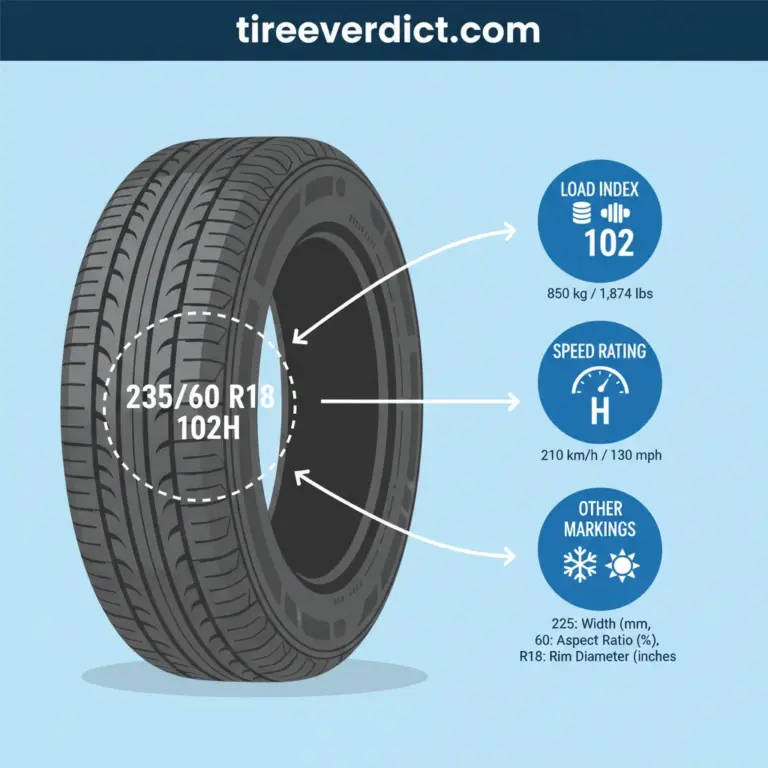
Following the size code, you’ll find the Service Description, e.g., 94H. This is paramount for vehicle compatibility and safe operation.
- Load Index (94): A numerical code indicating the maximum weight capacity a single tire can safely carry when properly inflated. This value corresponds to a specific weight in pounds or kilograms, typically found on industry-standard charts.
- Speed Rating (H): An alphabetical code indicating the maximum safe speed at which the tire can carry its rated load under specified conditions. An ‘H’ rating, for example, typically signifies a maximum speed of 130 mph (210 km/h). Always consult your vehicle’s manufacturer recommendations.
By The Numbers: Load Index & Speed Rating
Load Index (Max 1,477 lbs / 670 kg)
Speed Rating (Max 130 mph / 210 km/h)
DOT Code: Manufacturing Details and Age
The DOT (Department of Transportation) code is a series of characters beginning with “DOT,” mandated by the National Highway Traffic Safety Administration (NHTSA) in the US. It provides crucial traceability, including the tire’s manufacturing location and, most importantly, its age. This is one of the most important markings for safety, as tire compounds degrade over time, regardless of tread wear.

📋
Decoding the DOT Code (e.g., DOT XA2M 0123)
Confirms the tire meets U.S. Department of Transportation safety standards.
Two letters/numbers identifying the specific manufacturing plant (e.g., XA for Goodyear Topeka, KS).
A two-character code representing the tire’s size, used internally by the manufacturer.
The last four digits are crucial: “01” signifies the first week of the year, and “23” denotes the year 2023. A tire with “0123” was manufactured in the first week of 2023. For tires manufactured before 2000, this was a three-digit code, but since 2000, it’s always four digits.
Other Common Markings and Symbols
- UTQG (Uniform Tire Quality Grading): Found as three values – Treadwear, Traction, and Temperature. Treadwear indicates relative wear rate (higher number = longer life). Traction is graded from AA to C (AA being best) for wet braking. Temperature is graded from A to C for heat resistance.
- Maximum Inflation Pressure: This indicates the highest air pressure the tire can safely hold, not necessarily the recommended pressure for your vehicle (always check your car’s placard).
- M+S (Mud and Snow): Indicates the tire meets Rubber Manufacturers Association (RMA) guidelines for mud and snow performance.
- Snowflake Symbol (3PMSF): The “Three-Peak Mountain Snowflake” symbol signifies a tire that meets rigorous winter performance standards, superior to M+S alone.
- E-Mark/e-Mark: Indicates European Economic Community (EEC) or Economic Commission for Europe (ECE) approval, certifying compliance with European standards.
These markings provide a full understanding of your tire’s capabilities and limitations. Regularly reviewing these details is crucial for making informed decisions about tire care and replacement, ensuring you have the right tires for your driving conditions and vehicle specifications.
SECTION 4: The Critical Role of the Sidewall in Vehicle Dynamics and Safety
The sidewall, often perceived merely as a protective barrier, is an exquisitely engineered component that profoundly influences a vehicle’s handling, ride comfort, and overall safety. Its dynamic properties are central to how a car behaves on the road, contributing to several key points in performance.
Lateral Stability & Cornering Precision
The stiffness of the sidewall directly impacts steering response and body roll. A stiffer sidewall, often found in lower-aspect-ratio performance tires, reduces deflection during cornering, leading to more precise steering input and enhanced vehicle stability. This is why performance cars prioritize low-profile tires for sharper handling.
Impact Absorption & Ride Comfort
The sidewall’s inherent flexibility allows it to compress and rebound, effectively absorbing road imperfections and dampening shocks before they reach the vehicle’s suspension. This contributes significantly to ride comfort. A higher aspect ratio tire (taller sidewall) offers more cushioning, often preferred in luxury vehicles or for general commuting, akin to an additional spring in the suspension system.
Heat Dissipation
As a tire rolls and flexes, especially under load and at speed, internal friction generates heat. The sidewall’s design and material composition facilitate heat dissipation, preventing dangerous temperature buildup that can lead to tread separation or blowouts. Proper tire inflation is critical here, as underinflated tires flex excessively, generating more heat.
Structural Integrity & Blowout Prevention
The integrated ply cords within the sidewall are the primary defense against internal air pressure, resisting punctures and external forces. A structurally sound sidewall is paramount for containing the high pressures required for operation, thus preventing sudden tire failure or blowouts. This is especially relevant in modern run-flat tires, which feature significantly reinforced sidewalls to allow temporary driving after a puncture.
The relationship between aspect ratio and handling characteristics is a prime example of the sidewall’s influence. A lower aspect ratio (e.g., 35-series) translates to a stiffer, shorter sidewall, which provides superior cornering stability and steering precision—ideal for sports cars. Conversely, a higher aspect ratio (e.g., 70-series) results in a taller, more flexible sidewall that excels at impact absorption, delivering a smoother, more comfortable ride often found in sedans or SUVs. The ongoing evolution of tire technology, including advancements in run-flat tire construction, specifically focuses on reinforcing the sidewall to maintain vehicle control even with a loss of air pressure, underscoring its indispensable role in safety.
SECTION 5: Common Sidewall Issues: Diagnosis and Potential Implications
Despite its robust engineering, the tire sidewall is susceptible to various forms of damage that can severely compromise tire integrity and driving safety. Recognizing these common issues is a key point in preventative maintenance and avoiding dangerous situations.
Sidewall Cracks (Crazing)
These appear as small, often interconnected, hairline cracks on the rubber surface of the sidewall. They are typically a sign of rubber deterioration caused by age, prolonged exposure to UV radiation (sunlight), or chemical degradation from road contaminants or improper cleaning agents. While minor surface cracking might seem cosmetic, deeper or widespread crazing indicates that the rubber’s elasticity and protective qualities are significantly diminished, making the tire prone to further damage and potentially leading to air loss.
Bulges or Bubbles
One of the most alarming and dangerous forms of sidewall damage is the appearance of a bulge or bubble. This almost always indicates internal cord damage. When the internal fabric plies are broken, often from a severe impact (e.g., hitting a pothole, curb, or road debris at speed), the pressurized air inside the tire pushes outward on the weakened rubber, creating a visible bulge. This means the structural integrity of the tire has been critically compromised, and the bulge represents a high-risk area for a sudden, catastrophic blowout. A minor impact, for example, can cause enough internal damage to manifest as a bulge days or even weeks later.
Cuts and Abrasions
External cuts, gouges, or abrasions are typically caused by contact with sharp road hazards, curbing, or debris. Any cut that penetrates deeply enough to expose the internal fabric cords or compromises a significant portion of the rubber should be considered critical. Unlike tread punctures, sidewall damage is almost universally unrepairable due to the constant flexing and structural role of the sidewall. Even a seemingly minor cut can quickly propagate under dynamic stress, leading to rapid air loss or a blowout.
Uneven Wear Patterns or Feathering
While less common than tread wear, significant or localized wear patterns on the sidewall itself can occasionally emerge. This might indicate severe alignment issues, incorrect suspension settings, or prolonged improper inflation that causes the sidewall to drag or rub. For instance, extreme negative camber or constant driving with dangerously low pressure could cause excessive sidewall scuffing, adding unusual stress to its structure.
Unlike tread punctures, most sidewall damage is unrepairable because the sidewall is a highly stressed, flexible part of the tire’s structure. Any bulge, deep cut, or significant cracking compromises the tire’s integrity. Driving on a tire with visible sidewall damage, especially a bulge, poses an immediate and severe risk of catastrophic tire failure, leading to loss of vehicle control. Always seek professional assessment immediately.
The structural compromise caused by sidewall damage can rapidly escalate, turning a seemingly minor issue into a dangerous blowout. Therefore, prompt diagnosis and appropriate action are absolutely critical for safety.
SECTION 6: Maintaining Sidewall Health: Inspection, Prevention, and Best Practices
Proactive maintenance and regular inspection of your tire sidewalls are not just recommendations; they are fundamental practices for ensuring driving safety, extending tire life, and optimizing vehicle performance. With a simple, routine check, you can identify potential issues before they become critical.
Routine Visual Inspection: A Step-by-Step Guide
Make this a habit, ideally once a month and before any long journey:
📋
Sidewall Inspection Checklist
Wash off any heavy dirt or mud to ensure clear visibility. A clean surface makes subtle damage easier to spot.
Slowly rotate each wheel and carefully inspect the entire circumference of the sidewall for small hairline cracks, especially near the rim and tread edges. Use a flashlight in dimly lit conditions for better visibility of fine lines.
Run your hand along the sidewall surface. Any localized swelling or distortion is a critical sign of internal damage and warrants immediate professional inspection.
Check for any foreign objects embedded in the rubber, deep gouges, or scuffs from curb contact. Even small cuts that expose internal cords are dangerous.
Importance of Proper Tire Inflation
Correct tire inflation is the single most critical factor in preserving sidewall health. Both under- and over-inflation exert undue stress on the sidewall, accelerating wear and increasing the risk of failure:
- Under-inflation: Causes excessive sidewall flexing, leading to heat buildup, increased rolling resistance, and premature degradation of the rubber and cords. Research indicates that consistent 20% under-inflation can reduce a tire’s lifespan by 15-20% and significantly elevates the risk of blowouts.
- Over-inflation: Reduces the sidewall’s ability to absorb impacts, making it stiffer and more susceptible to sudden damage from potholes or sharp objects. It also centralizes tread wear.
Always check your tire pressure at least once a month, and before long trips, using a reliable gauge. Refer to your vehicle’s owner’s manual or the placard on the driver’s side door jamb for the recommended cold inflation pressure, not the maximum pressure listed on the tire sidewall.
Preventative Measures for Sidewall Protection
- Avoid Aggressive Curb Contact: Scuffing or hitting curbs, even at low speeds, can easily cut the sidewall or cause internal cord damage.
- Drive Carefully Over Potholes: Reduce speed and try to steer around potholes. If unavoidable, drive slowly and straight through them to minimize impact stress on one specific area of the sidewall.
- Proper Storage for Seasonal Tires: Store removed tires in a cool, dry, dark environment away from ozone-generating equipment (like electric motors) and chemicals to prevent premature rubber aging and cracking.
When to Seek Professional Inspection or Replacement
Any visible sidewall damage—be it a bulge, a deep cut exposing cords, or significant cracking—should prompt an immediate visit to a certified tire professional. What might appear as cosmetic damage could be a severe structural compromise. Tire technicians have the expertise and equipment to thoroughly assess the extent of the damage. Statistics show that proactive regular maintenance, including sidewall inspections, significantly reduces tire failure rates on the road. Do not attempt to repair sidewall damage yourself; professional assessment is paramount for your safety.
The tire sidewall is a highly engineered component crucial for vehicle support, shock absorption, and lateral stability. Sidewall markings provide essential information about tire size, load capacity, speed rating, and manufacturing details, offering an indispensable understanding of your tire’s capabilities. Regular inspection and proper inflation are paramount for preventing common sidewall issues like cracks and bulges, which severely compromise safety.
Prioritize routine sidewall inspections as part of your tire maintenance regimen. Understanding and caring for this vital component is key to maximizing tire longevity, ensuring optimal vehicle performance, and safeguarding your travels for 2026 and beyond.
Frequently Asked Questions
Can a tire sidewall be repaired if damaged?
Generally, sidewall damage is not repairable. Unlike punctures in the tread area, sidewall damage compromises the tire’s structural integrity, which cannot be reliably restored. A professional tire technician will almost always recommend replacement for any cut, bulge, or deep puncture on the sidewall to ensure safety and prevent catastrophic failure.
What causes a bulge or bubble on a tire sidewall?
A bulge or bubble on a tire sidewall is typically caused by impact damage (e.g., hitting a pothole or curb) that ruptures the internal ply cords. This allows air pressure to push the rubber outwards, creating the visible deformation. This indicates a severe structural weakness and requires immediate tire replacement.
How do tire sidewall cracks affect safety?
Sidewall cracks, also known as dry rot or crazing, indicate that the rubber is deteriorating due to age, UV exposure, or chemical contact. These cracks compromise the sidewall’s flexibility and strength, increasing the risk of air leaks or a sudden blowout, especially under stress. Tires with significant sidewall cracking should be replaced.
What is the ‘aspect ratio’ on a tire sidewall?
The aspect ratio, or profile, is the second number in the tire size code (e.g., ’55’ in P205/55R16). It represents the height of the sidewall as a percentage of the tire’s section width. A lower aspect ratio indicates a shorter sidewall, often found on performance tires for improved handling but a firmer ride.
Is the maximum inflation pressure on the sidewall the recommended pressure?
No, the ‘MAX. PRESS.’ indicated on the tire sidewall is the absolute maximum pressure the tire can safely hold under its maximum load, not the recommended operating pressure for your vehicle. Always refer to your vehicle’s owner’s manual or the placard on the driver’s side door jamb for the manufacturer’s recommended cold tire inflation pressure.