
Ensuring your 2012 Honda Civic LX is equipped with the correct tire size is not merely a matter of fitment; it’s fundamental to its safety, performance, and operational integrity. Many vehicle owners face uncertainty when identifying or replacing tires, navigating a complex array of codes and specifications that can lead to suboptimal choices or even safety hazards. This expert guide provides professional, reliable insights into the precise tire size for your 2012 Honda Civic LX, offering trusted advice on selection, maintenance, and critical considerations to ensure your vehicle performs optimally.
Understanding the Standard 2012 Honda Civic LX Tire Specifications

📤 Share Image
As a seasoned automotive expert, I can confidently state that the foundation of your 2012 Honda Civic LX’s road performance and safety lies in its original equipment manufacturer (OEM) tire and wheel specifications. Honda’s engineers meticulously selected these parameters to ensure a balanced blend of handling, comfort, fuel economy, and safety system integration. Deviating without proper understanding can compromise these critical attributes.
The OEM Tire Size: 205/55R16 Unpacked
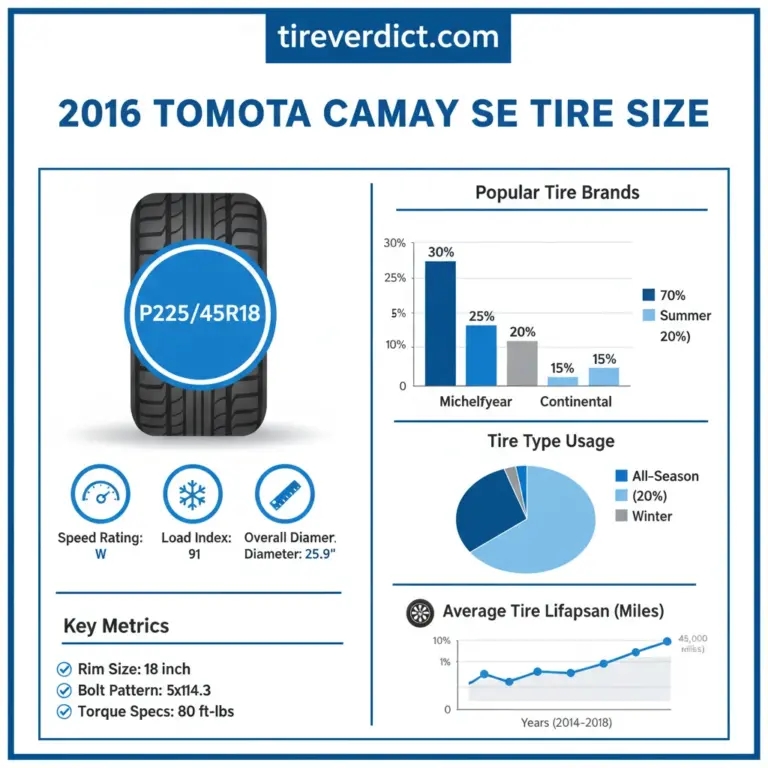
The primary OEM tire size for the 2012 Honda Civic LX is 205/55R16. Understanding this code is fundamental for any Civic owner:
- 205: Represents the section width of the tire in millimeters, measured from sidewall to sidewall. A width of 205mm provides a suitable contact patch for the Civic LX’s weight and power.
- 55: Denotes the aspect ratio, which is the height of the tire’s sidewall as a percentage of its width. In this case, the sidewall height is 55% of 205mm, contributing to the Civic’s ride comfort and handling characteristics.
- R: Indicates the tire’s internal construction, which is radial. Nearly all modern passenger vehicle tires utilize radial construction for durability and performance.
- 16: Specifies the rim diameter in inches for which the tire is designed. The Civic LX uses 16-inch wheels, providing a good balance between ride quality and responsive steering.
Beyond these primary dimensions, every tire carries a load index and speed rating. For the 2012 Civic LX, you’ll typically find a load index in the range of 89 to 91, indicating the maximum weight each tire can support. A speed rating of H is common, signifying that the tire is safely rated for speeds up to 130 mph (210 km/h). These ratings are critical for safety and performance, directly reflecting Honda’s engineering standards.
OEM Wheel Specifications for Optimal Fitment
The wheels on your Civic LX are just as important as the tires. The OEM wheel specifications are:
- Diameter: 16 inches
- Width: 6.5 inches
- Bolt Pattern: 5×114.3mm. This means there are 5 lug nuts, and they are arranged in a circle with a diameter of 114.3 millimeters. This is a crucial safety dimension for wheel mounting.
- Offset: Typically +45mm. This refers to the distance from the wheel’s mounting surface to the centerline of the wheel, affecting how far the wheel sits in or out from the vehicle body.
- Center Bore: 64.1mm. This is the diameter of the hole in the center of the wheel that fits over the vehicle’s hub. A proper fit prevents vibrations and ensures the wheel is centered correctly.
Always consult your vehicle’s door jamb placard (usually on the driver’s side) as the most reliable and authoritative source for these specifications. It provides exact details tailored to your specific vehicle configuration. Adhering to these OEM specifications ensures optimal vehicle handling, maintains fuel efficiency as designed, and guarantees compatibility with advanced safety systems like Anti-lock Braking System (ABS) and Vehicle Stability Assist (VSA), which rely on precise wheel speed and rotational data.
The door jamb placard is your vehicle’s ultimate authority for tire and wheel specifications, including recommended tire pressure. Unlike owner’s manuals, it’s specific to your VIN and any factory-installed options. Always verify tire size and pressure here before making any purchase or adjustments.

How to Accurately Determine and Select Replacement Tires for Your 2012 Honda Civic LX
Selecting replacement tires for your 2012 Honda Civic LX requires a methodical approach, balancing performance needs, budget, and driving conditions. As an expert, I advocate for an informed, professional decision-making process to ensure safety and satisfaction.

📋
Step-by-Step Guide: Locating Your Tire Size
This is the most accurate and legally binding source for your vehicle’s original tire size and recommended pressure. It’s usually located on the driver’s side B-pillar when the door is open. Look for a sticker listing tire dimensions (e.g., 205/55R16) and recommended PSI.
Locate the series of numbers and letters molded into the sidewall of your existing tires. This code (e.g., P205/55R16 89H) matches the standard format. While this confirms your current tire size, always cross-reference with the placard to ensure your existing tires are indeed the correct OEM size.
Your owner’s manual will also contain a section on tire specifications, reinforcing the information found on the door jamb placard. This can be a useful backup reference.
Choosing the Right Tire Type for Your Civic LX
The 2012 Civic LX typically comes equipped with all-season tires, which are designed for balanced performance in various conditions, including light snow. However, your specific needs might dictate a different choice:
- All-Season Tires: Ideal for year-round use in moderate climates. They offer good traction in wet and dry conditions and provide reasonable tread life. This is the go-to for most Civic LX owners seeking reliable, consistent performance.
- Touring Tires: Often an upgrade from basic all-seasons, these prioritize ride comfort, reduced road noise, and extended treadwear. Brands like Michelin Defender T+H are popular choices, known for their longevity and quiet ride, making them an excellent professional selection for long-distance drivers.
- Winter/Snow Tires: Essential for regions experiencing heavy snow and ice. They feature specialized tread compounds and patterns for superior grip in cold temperatures. Switching to a dedicated winter set significantly enhances safety.
Key Factors Influencing Tire Selection
When making a purchasing decision, consider these critical factors:
- Climate: As discussed, your local weather patterns heavily influence tire choice.
- Driving Habits: Primarily city driving? Highway commutes? Aggressive or conservative? These affect wear and desired performance attributes (e.g., handling vs. comfort).
- Noise Level: Some tires are engineered for a quieter ride, a significant consideration for a compact sedan like the Civic LX.
- Treadwear Warranty: A higher mileage warranty often indicates a more durable compound and longer-lasting tire, providing better long-term value.
- Budget: While quality shouldn’t be compromised, there’s a range of reliable options at different price points.
Enhanced Safety
Quality tires from trusted brands offer superior grip, braking performance, and stability, directly contributing to occupant safety.
Optimized Performance
These tires maintain the Civic LX’s intended handling dynamics, ride comfort, and response, aligning with Honda’s engineering.
Greater Durability & Value
Reputable brands consistently score higher in durability and often come with better warranties, offering superior value over the lifespan of the tire.
Research indicates that common tire brands consistently rated highly for durability and performance on compact sedans include Michelin, Continental, Bridgestone, and Goodyear. When considering options like a Michelin Defender T+H vs. Continental PureContact LS, both are excellent all-season/touring tires for the Civic LX. The Michelin typically excels in tread life and fuel efficiency, while the Continental often offers slightly better wet traction and quietness. Your choice should align with your priority for these nuanced performance aspects. Ultimately, I always advise consulting with a professional tire technician for personalized recommendations, ensuring selected tires meet all safety and performance criteria for your specific vehicle and driving conditions.

Critical Considerations When Deviating from OEM Tire Sizes for the 2012 Civic LX
While the idea of customizing your 2012 Honda Civic LX with different tire or wheel sizes might be appealing for aesthetic or perceived performance gains, it’s a decision fraught with potential ramifications. My 15+ years in the industry have shown me that Honda’s OEM specifications are a carefully calibrated system. Deviating from them without a thorough understanding of the engineering implications can compromise safety, performance, and the longevity of various vehicle components.
Altering tire or wheel sizes from OEM specifications without expert guidance can lead to significant safety hazards, including compromised braking, erratic stability control, and speedometer inaccuracies. These modifications may also void certain warranties.
Impact on Speedometer and Odometer Accuracy
One of the most immediate and easily overlooked consequences of changing tire diameter is the effect on your speedometer and odometer. The vehicle’s computer calculates speed and distance based on the assumed rotational speed and circumference of the OEM tires. If the new tires have a different overall diameter:
- Larger Diameter Tires: Your speedometer will read lower than your actual speed, and your odometer will under-report mileage. This can lead to inadvertently speeding or miscalculating service intervals. For instance, a typical 3% increase in tire diameter can lead to a 3 mph speedometer error at 100 mph, a difference that could result in a speeding ticket or even dangerous driving scenarios.
- Smaller Diameter Tires: Your speedometer will read higher than your actual speed, and your odometer will over-report mileage. This could lead to premature service scheduling or inaccurate resale value calculations.
Compromised Safety Systems: ABS, VSA, and TCS
Modern vehicles like the 2012 Honda Civic LX are equipped with sophisticated safety systems: Anti-lock Braking System (ABS), Vehicle Stability Assist (VSA), and Traction Control System (TCS). These systems rely on precise wheel speed sensor data to function correctly. Non-OEM tire or wheel sizes can adversely affect their functionality:
- ABS: Relies on accurate wheel speed comparisons to prevent wheel lock-up during hard braking. Inaccurate tire dimensions can confuse the system, potentially lengthening stopping distances.
- VSA/TCS: These systems intervene by applying brakes or reducing engine power when they detect a loss of traction or stability. If tire sizes are incorrect, the system’s calculations for wheel slip or yaw rate become skewed, leading to delayed, inappropriate, or even harmful interventions.
Physical Fitment Issues and Handling Degradation
Changing wheel width, offset, or tire dimensions can lead to significant physical fitment problems. Common issues include tire rubbing against fender liners, suspension components, or even brake lines, especially during steering at full lock or when the suspension compresses over bumps. This can cause:
- Tire Damage: Rubbing can quickly wear down sidewalls or tread, leading to premature tire failure and blowouts.
- Impaired Handling: Interference can restrict steering travel, reduce suspension articulation, and fundamentally alter the car’s dynamic balance, making it less predictable and potentially dangerous.
- Component Wear: Constant rubbing can damage suspension components, fender liners, and even wiring harnesses.
Furthermore, studies showing the impact of altered unsprung weight on vehicle dynamics highlight how heavier, larger wheels or tires can negatively affect ride comfort, increase braking distances, and degrade handling precision. The carefully chosen OEM setup prioritizes a balanced performance envelope that is difficult to improve upon without extensive engineering. Fuel efficiency can also suffer due to increased rolling resistance or aerodynamic drag from wider tires.
Given these complex interactions, it is paramount to consult a professional automotive specialist prior to any deviations from OEM specifications. A trusted expert can assess feasibility, calculate potential risks, and ensure that the vehicle’s structural integrity and safety systems are not compromised. Do not gamble with your safety or your vehicle’s reliability.
Optimizing Tire Performance and Longevity for Your 2012 Honda Civic LX
The longevity and optimal performance of your 2012 Honda Civic LX’s tires depend heavily on consistent, expert maintenance. From my years in the field, I’ve seen firsthand how simple, regular practices can drastically extend tire life, ensure fuel efficiency, and most importantly, contribute significantly to your vehicle’s overall safety.
Maintaining Correct Tire Pressure
This is arguably the single most important maintenance item for your tires. The correct tire pressure is specified on the door jamb placard, not on the tire’s sidewall. Both under-inflation and over-inflation have severe adverse effects:
- Under-inflation: Causes excessive flexing of the tire’s sidewalls, leading to increased heat buildup, premature wear on the outer edges of the tread (shoulder wear), reduced fuel efficiency, and a higher risk of tire failure. Studies indicate properly inflated tires can improve fuel efficiency by up to 3%.
- Over-inflation: Leads to a smaller contact patch with the road, resulting in premature wear in the center of the tread (center wear), a harsher ride, and reduced grip, especially in wet conditions.
Check your tire pressure at least once a month and before long trips, when tires are cold. A reliable tire pressure gauge is a small but invaluable tool.
Regular Tire Rotations
To promote even tread wear across all four tires and extend their lifespan, regular tire rotations are essential. Different wheel positions on your Civic LX experience varying stress and wear patterns. For FWD vehicles like the Civic, front tires typically wear faster due to steering and propulsion forces.
- Recommended Intervals: Every 5,000 to 7,500 miles or with every oil change is a good rule of thumb. Refer to your Civic’s owner’s manual for Honda’s specific recommendation.
- Benefits: Ensures that all tires wear down at a more consistent rate, maximizing their service life and maintaining balanced handling characteristics.
Wheel Balancing and Alignment Services
These services are crucial for preventing premature and uneven tire wear, as well as maintaining precise steering control and ride comfort.
- Wheel Balancing: Ensures the weight of the tire and wheel assembly is evenly distributed. Imbalanced wheels can cause vibrations in the steering wheel or seat, leading to irregular tread wear (e.g., cupping) and reduced ride comfort.
- Wheel Alignment: Adjusts the angles of the wheels to meet manufacturer specifications. Improper alignment can cause rapid, uneven wear (e.g., feathering on one side), pull the vehicle to one side, and make steering difficult. An expert professional should perform these services.
Routine Visual Inspections and Tread Depth
Make it a habit to visually inspect your tires regularly. Look for:
- Signs of Damage: Cuts, cracks, bulges (indicating internal structural damage), or punctures.
- Foreign Objects: Nails, screws, or other debris lodged in the tread.
- Uneven Wear Patterns: These are often indicators of underlying issues like incorrect pressure, imbalance, or alignment problems.
Tread depth is a critical safety factor. Legally, tires should be replaced when tread depth reaches 2/32 of an inch (1.6 mm). Many tires have built-in tread wear indicators (small bars between the tread blocks) that become flush with the tread when it reaches this minimum. For more precise measurement, a professional tread depth gauge is recommended.
By The Numbers
Fuel Efficiency Improvement with Proper Inflation
Minimum Legal Tread Depth (1.6 mm)
Miles for Tire Rotation
Professional Installation and Ongoing Tire Care for Your Civic LX
When it comes to the installation and sustained care of your 2012 Honda Civic LX’s tires, the value of professional service cannot be overstated. As an expert, I’ve witnessed the profound difference that certified technicians and specialized equipment make in ensuring vehicle safety and optimal performance. Your tires are the sole point of contact between your vehicle and the road, making their expert handling paramount.
The Critical Role of Professional Installation
Tire installation is far more intricate than simply bolting on a wheel. Professional installation involves several critical steps that directly impact safety and longevity:
- Proper Mounting: Ensuring the tire is correctly seated on the wheel rim without damage. Improper mounting can lead to bead leaks or even tire de-beading.
- Precise Balancing: Using specialized machinery to distribute weight evenly around the wheel and tire assembly. An unbalanced wheel will cause vibrations, leading to premature tire wear, steering component stress, and an uncomfortable ride. A scenario where improper balancing leads to persistent steering wheel vibrations is a common complaint that skilled technicians can quickly diagnose and rectify.
- Correct Torqueing of Lug Nuts: Lug nuts must be tightened to the manufacturer’s exact specifications (typically found in your owner’s manual). Under-torqueing can lead to loose wheels, potentially causing catastrophic wheel detachment. Conversely, over-torqueing can stretch wheel studs, making them prone to breakage, and can warp brake rotors. Research indicates that improperly torqued lug nuts are a significant cause of wheel-off incidents, highlighting the necessity of professional care.
Advanced Equipment and Expert Technicians
Certified tire technicians bring an invaluable combination of expertise and state-of-the-art equipment that goes far beyond what is available for DIY enthusiasts:
- Specialized Tools: High-precision wheel balancers, alignment machines, and tire mounting equipment are designed to handle modern low-profile tires and complex wheel designs without causing damage.
- Diagnostic Skills: Technicians are trained to identify subtle issues that might impact tire health, such as suspension wear, worn steering components, or brake problems, which are often overlooked during routine checks.
- TPMS Expertise: They possess the knowledge and tools to service and recalibrate Tire Pressure Monitoring System (TPMS) sensors, which are essential for your Civic LX’s safety features.
When selecting a professional tire shop, ask for their certifications, inquire about their equipment, and confirm their process for installation, balancing, and torqueing.
Benefits of Regular Professional Inspections
Beyond initial installation, ongoing professional inspections are crucial. A certified technician can:
- Identify Subtle Issues: Detect small punctures, early signs of uneven wear that suggest alignment problems, or internal damage not visible to the untrained eye.
- Assess Suspension and Brake Health: Often, tire wear patterns are symptoms of deeper mechanical issues. A professional can identify these before they become costly or dangerous.
- Ensure Correct Pressure: While you can check your own pressure, professional checks confirm accuracy. Over 70% of vehicles on the road have at least one improperly inflated tire, underscoring the need for expert verification.
Establishing a consistent maintenance schedule with a trusted automotive service provider for tire services ensures long-term vehicle reliability and cost-effectiveness. This partnership guarantees that your Civic LX’s tires, and the systems they interact with, are always in prime condition. The peace of mind and enhanced safety derived from knowing that your vehicle’s only contact with the road is expertly maintained and installed is an invaluable investment in your driving experience and overall vehicle integrity.
In summary, the journey of understanding, selecting, and maintaining tires for your 2012 Honda Civic LX is one that greatly benefits from expert guidance and adherence to professional best practices. Choosing quality tires, understanding their specifications, and entrusting their care to trusted professionals will unlock the full potential of your vehicle’s performance, safety, and lifespan.
Conclusion
The cornerstone of your 2012 Honda Civic LX’s safe and efficient operation is its tires. We’ve established that the standard 205/55R16 tire size, along with specific load index, speed rating, and wheel dimensions, is crucial for optimal vehicle performance, handling, and the proper function of safety systems. Always verify tire specifications with your vehicle’s door jamb placard, as it remains the most reliable and authoritative source of information. Furthermore, consistent tire maintenance, including accurate pressure checks, regular rotations, and professional wheel balancing and alignment, is vital for safety, extended tire longevity, and maintaining fuel efficiency.
Prioritize your safety and your Civic LX’s performance by confirming your tire specifications, choosing quality replacements from trusted brands, and adhering to a professional maintenance schedule. Do not hesitate to consult a trusted tire expert for personalized guidance and to ensure all services are performed with the precision and professionalism your vehicle deserves. This dedicated approach to tire care is an essential part of responsible vehicle ownership and ensures your 2012 Honda Civic LX continues to deliver a reliable and confident driving experience.
Frequently Asked Questions
What do the numbers and letters on a 2012 Honda Civic LX tire mean?
For a 2012 Honda Civic LX, a tire code like 205/55R16 89H translates as: ‘205’ is the tire’s width in millimeters; ’55’ is the aspect ratio (sidewall height as a percentage of width); ‘R’ indicates radial construction; ’16’ is the rim diameter in inches. ’89’ is the load index, signifying maximum carrying capacity, and ‘H’ is the speed rating, indicating the maximum safe speed.
Can I install a different tire size on my 2012 Honda Civic LX than the OEM recommendation?
While it’s technically possible, deviating from the OEM tire size (205/55R16) for your 2012 Civic LX is generally not recommended without expert consultation. Incorrect sizes can negatively impact speedometer accuracy, vehicle stability systems (ABS, VSA), ride comfort, and potentially cause fender rubbing. Always prioritize safety and consult a professional for reliable advice on any modifications.
How often should I rotate the tires on my 2012 Honda Civic LX?
For your 2012 Honda Civic LX, it is professionally recommended to rotate tires every 5,000 to 7,500 miles, or at every oil change interval. Regular rotations promote even tread wear across all four tires, extending their overall lifespan and maintaining balanced handling. This simple yet crucial maintenance practice contributes significantly to the reliability of your vehicle.
What is the recommended tire pressure for a 2012 Honda Civic LX?
The recommended tire pressure for your 2012 Honda Civic LX is precisely stated on the door jamb placard (typically on the driver’s side) and in your owner’s manual. Generally, it’s around 30-32 PSI for both front and rear tires, but always refer to your specific vehicle’s placard. Maintaining correct pressure is vital for optimal fuel efficiency, safety, and tire longevity, reflecting a professional approach to vehicle care.
What are the best types of tires for year-round driving for a 2012 Honda Civic LX?
For year-round driving in most climates, high-quality all-season touring tires are generally considered the most reliable and trusted choice for a 2012 Honda Civic LX. They offer a balanced blend of performance in wet, dry, and light snow conditions, good ride comfort, and extended tread life. Brands like Michelin, Continental, and Bridgestone often provide excellent options that meet or exceed OEM quality standards.