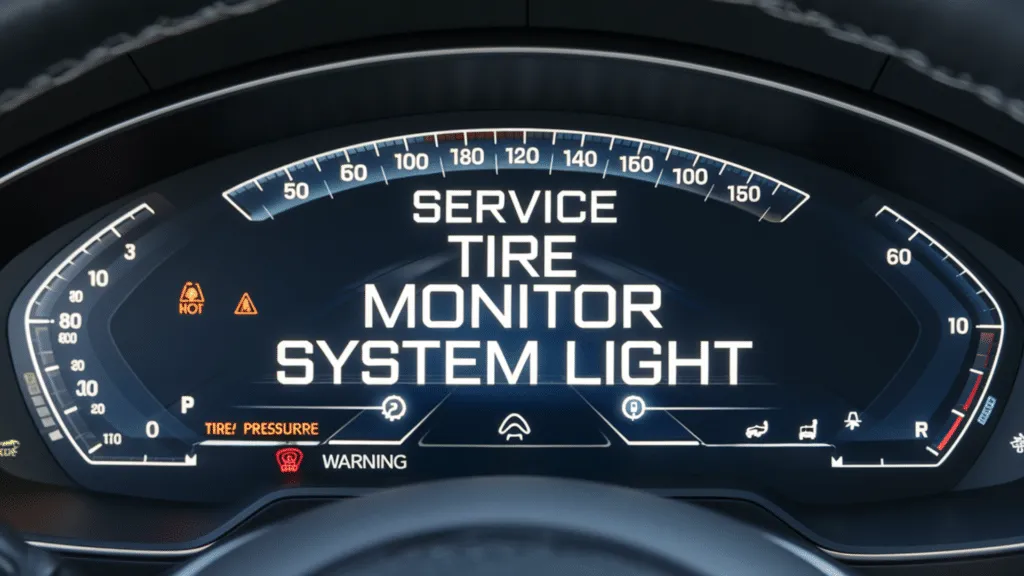
Driving safety hinges on countless sophisticated systems, yet few are as fundamental and often misunderstood as the tire monitoring system. While most drivers are familiar with the standard low tire pressure warning, the ‘Service Tire Monitor System’ light can be a source of confusion and concern, signaling an issue beyond a simple air top-up. This often leads to uncertainty about the severity of the problem and the necessary course of action. This comprehensive guide will demystify the ‘Service Tire Monitor System’ warning, explaining its meaning, underlying causes, diagnostic procedures, and providing clear steps for both initial troubleshooting and when to seek professional assistance, ensuring you maintain optimal vehicle safety and performance for 2026 and beyond.
Understanding the Service Tire Monitor System (STMS) Warning
As an automotive expert with over 15 years in the field, I’ve seen firsthand the evolution of vehicle safety systems. One area that often causes confusion for drivers is the distinction between a simple low tire pressure warning and the more comprehensive Service Tire Monitor System (STMS) indicator. While both relate to your vehicle’s tires, their implications are significantly different.
The Service Tire Monitor System (STMS) is an advanced diagnostic indicator that signals an issue with the overall health and functionality of your vehicle’s Tire Pressure Monitoring System (TPMS). It goes beyond merely detecting low tire pressure; it identifies a malfunction within the TPMS itself. A standard low tire pressure warning typically illuminates a steady, amber icon resembling a flat tire with an exclamation mark. This is a direct alert that one or more tires are below the recommended inflation pressure, requiring immediate attention to inflate the tire(s).
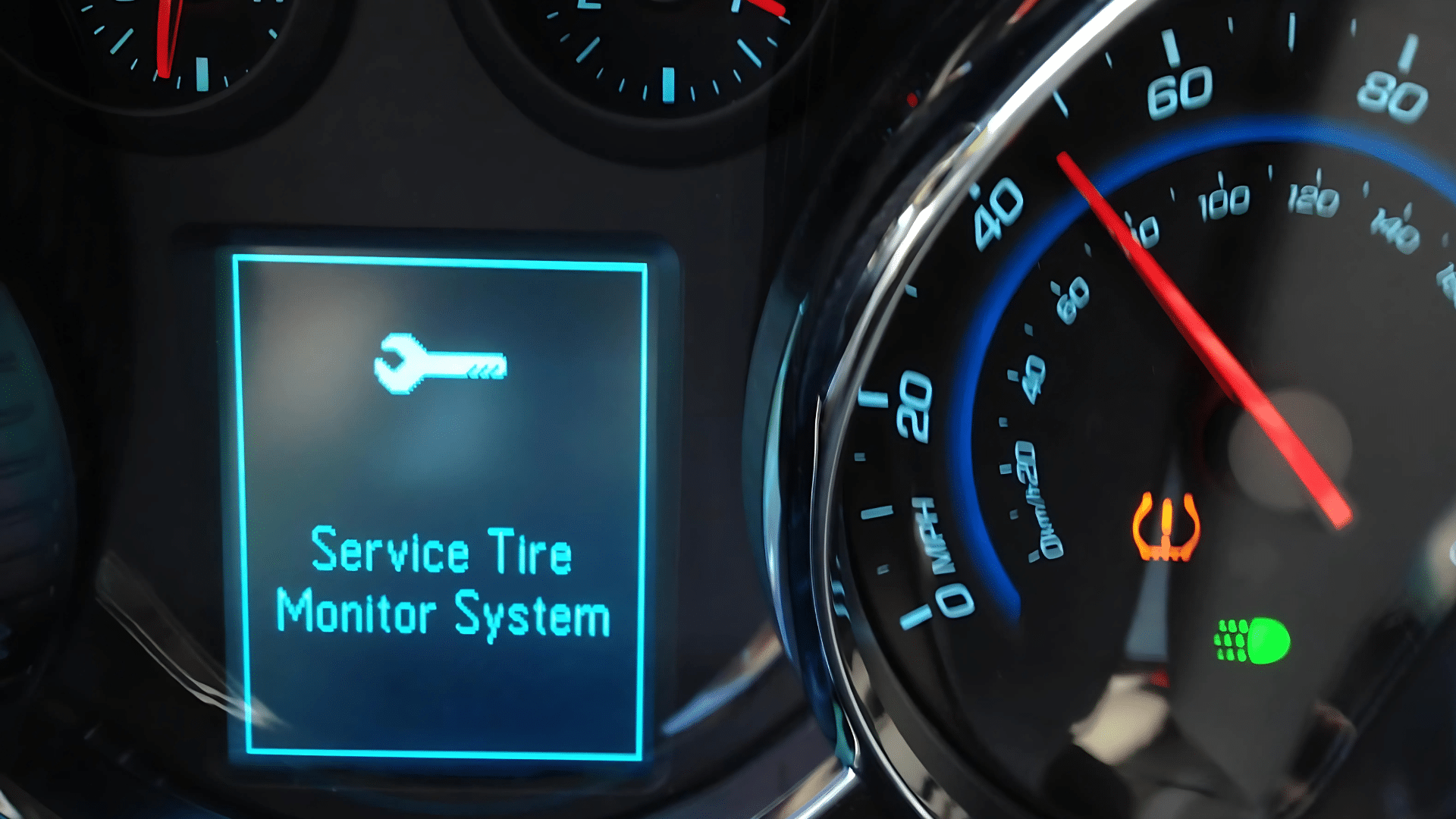
In contrast, the ‘Service Tire Monitor System’ message, or a flashing TPMS light that eventually stays solid, indicates a system fault. This might appear as a text warning on your dashboard display – for instance, “SERVICE TPMS,” “TIRE MONITOR SYSTEM FAULT,” or a similar phrasing, depending on your vehicle’s make and model. This message signifies that the system designed to monitor your tire pressure is not working correctly, rendering it unable to provide accurate pressure readings.
The implications of a non-functional TPMS, as indicated by an STMS warning, are substantial, touching upon both legal and safety aspects. The TREAD Act of 2000 and subsequent NHTSA regulations (FMVSS 138) mandated TPMS in all new passenger vehicles in the US by 2007. This regulatory push underscores the critical role TPMS plays in road safety. According to NHTSA, properly inflated tires can improve fuel efficiency by up to 3.3% and significantly reduce tire-related crashes, a testament to the system’s importance.
Driving with a compromised STMS is inherently dangerous. Without a functioning TPMS, you lose the crucial early warning system for underinflated tires. This could lead to a driver unknowingly operating with unsafe tire conditions – such as a slow leak that progresses to a significant blowout, or tires that are consistently underinflated, leading to reduced vehicle handling, increased braking distances, and premature tire wear. An STMS fault essentially means you are driving without the mandated safety net designed to protect against such scenarios. For instance, a dashboard displaying “SERVICE TIRE MONITOR SYSTEM” while the tire pressures appear normal manually, indicates a deeper understanding of the system’s health is needed, not just air pressure adjustment.
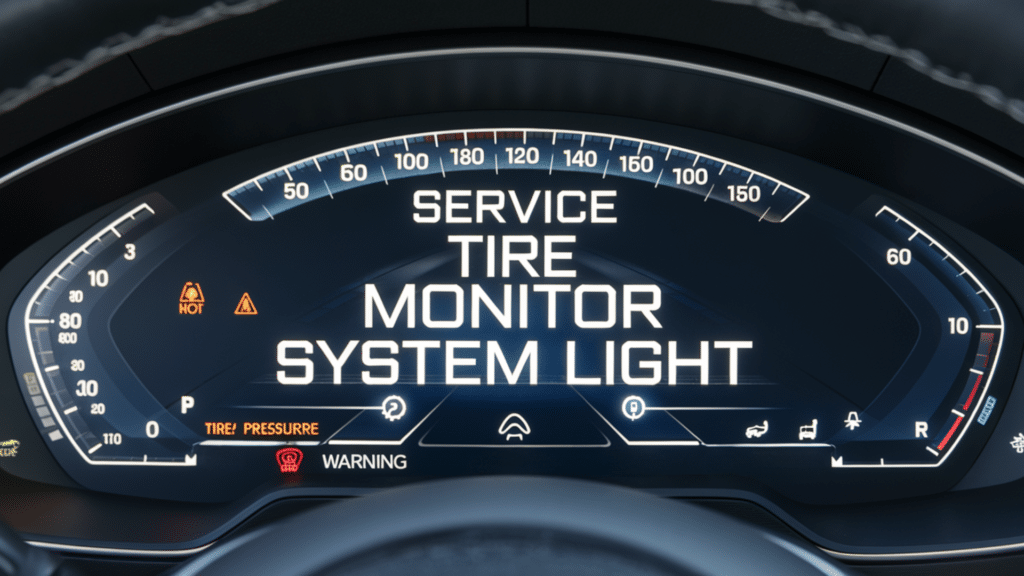
The Core Components and Operational Principles of STMS
To truly grasp the significance of an STMS warning, it’s essential to have an overview of the underlying technology. The STMS isn’t a standalone device; rather, it’s a diagnostic overlay that monitors the health of the entire Tire Pressure Monitoring System. The TPMS itself is comprised of several key components working in concert to provide accurate tire pressure data.
- Individual Tire Pressure Sensors: These are typically small, battery-powered electronic devices mounted inside each wheel, often integrated directly into the valve stem. Each sensor measures the pressure and sometimes the temperature of its respective tire.
- Receiver/Antenna: Strategically placed within the vehicle, this component picks up the wireless signals transmitted by the tire pressure sensors.
- Electronic Control Unit (ECU): This central computer module (often part of the Body Control Module or a dedicated TPMS module) processes the data received from the sensors. It compares the measured pressures against predefined thresholds (usually the vehicle manufacturer’s recommended PSI).
- Warning Indicator: This is the dashboard light or text message that alerts the driver to a tire pressure issue or a system malfunction.
Most modern vehicles utilize direct TPMS systems, which are the primary focus for STMS contexts. In a direct TPMS, each sensor directly measures the exact pressure in its tire and wirelessly transmits this data, typically via radio frequency (RF), to the vehicle’s ECU. For example, a sensor attached to a valve stem sends a signal containing the tire’s pressure every few seconds or when a significant change occurs. TPMS sensors typically operate on frequencies around 315 MHz or 433 MHz, depending on the region. The ECU continuously monitors these signals, expecting specific data packets from each sensor. If a sensor stops transmitting, sends erratic data, or if the data falls outside acceptable parameters (like a pressure drop below 25% of the recommended PSI), the ECU flags an issue.
The STMS comes into play when the ECU identifies discrepancies or communication failures that point to a system health problem rather than just low pressure. For instance, if the ECU fails to receive a signal from a particular sensor for an extended period, or if it detects that the sensor’s internal battery is low (a condition it can often diagnose before complete failure), it will trigger the ‘Service Tire Monitor System’ warning. This is a crucial distinction and a key point for understanding.
While less common in modern vehicles for critical pressure monitoring, it’s worth briefly mentioning indirect TPMS. These systems use the Anti-lock Braking System (ABS) wheel speed sensors to infer tire pressure. A low-pressure tire has a slightly smaller circumference and thus rotates faster than a properly inflated one. While indirect systems can detect significant pressure drops, they generally lack the precision and individual tire specificity of direct systems and are less likely to trigger a ‘Service Tire Monitor System’ fault, as they don’t have individual sensors to malfunction in the same way.
Always verify your vehicle uses direct or indirect TPMS. Direct systems are far more common in vehicles 2008 and newer and are the primary source of ‘Service TPMS’ warnings due to individual sensor components.
Diagnosing Common Reasons for the ‘Service Tire Monitor System’ Warning
When the ‘Service Tire Monitor System’ warning illuminates, it’s essentially your vehicle’s way of saying, “Houston, we have a problem with our tire pressure surveillance equipment.” From my experience, the causes for this diagnostic message are varied but fall into several identifiable categories. This section provides an explanation of the most common culprits, offering a basic understanding of what might be happening under the hood.
Sensor Malfunction or Failure
Individual tire pressure sensors are robust, but not indestructible. They operate in a harsh environment, exposed to temperature extremes, vibrations, and sometimes physical impact. Internal sensor damage, corrosion from moisture exposure, or even manufacturing defects can lead to incorrect readings, intermittent signals, or complete signal loss. The ECU detects this abnormality, interpreting it as a fault within the system, and triggers the STMS warning. For example, a technician’s diagnostic tool might display a specific fault code like ‘C1234 – TPMS Sensor 1 Fault,’ indicating an issue with the front left tire sensor.
Sensor Battery Depletion
This is, by far, the most frequent reason for a ‘Service Tire Monitor System’ warning. TPMS sensors are powered by small, sealed lithium-ion batteries that are designed to last for a finite period. Unlike car batteries, these are non-replaceable, meaning when the battery dies, the entire sensor unit must be replaced. Sensor batteries have a lifespan generally ranging from 5 to 10 years, varying by usage, mileage, and environmental conditions. As the battery weakens, the sensor may transmit weaker or intermittent signals, which the ECU interprets as a system fault. Research indicates that over 75% of ‘Service TPMS’ warnings are attributed to sensor battery failure. The average lifespan of a TPMS sensor battery is approximately 7 years.
System Recalibration Issues
The TPMS often requires a ‘relearn’ procedure after events like tire rotations, tire replacements, or even significant temperature changes. This procedure teaches the vehicle’s ECU the new positions of the sensors or confirms their presence. If this recalibration is unsuccessful or neglected after service, the system may register the sensors as “missing” or “not communicating,” leading to an STMS warning. Imagine a scenario where a driver has new tires installed, and the STMS light appears immediately after leaving the shop – this often points to a missed or failed relearn procedure, or perhaps sensor damage during mounting.
TPMS Module/ECU Faults
While less common than individual sensor issues, the central TPMS module or ECU itself can malfunction. This could be due to internal electronic failure, software glitches, or even physical damage. A fault in this central control unit would naturally lead to system-wide failures, triggering the ‘Service Tire Monitor System’ warning as the entire monitoring infrastructure is compromised. These issues typically require advanced diagnostic tools to pinpoint.
External Interference or Damage
Sometimes, external factors can play a role. Radio Frequency Interference (RFI) from other electronic devices, or even proximity to certain industrial equipment, can occasionally disrupt the sensor’s signal transmission. More commonly, physical damage to a sensor can occur during tire service (e.g., improper mounting/dismounting causing sensor breakage). Another frequently encountered issue is the use of certain tire sealants; these can coat the internal sensor, preventing it from accurately reading pressure or transmitting its signal, effectively disabling it. It’s an important consideration when trying to understand the warning.
By The Numbers
Avg. Sensor Battery Life
‘Service TPMS’ from Battery Failure
Tire Pressure Fluctuation
Initial Troubleshooting and Maintenance Steps for STMS Issues
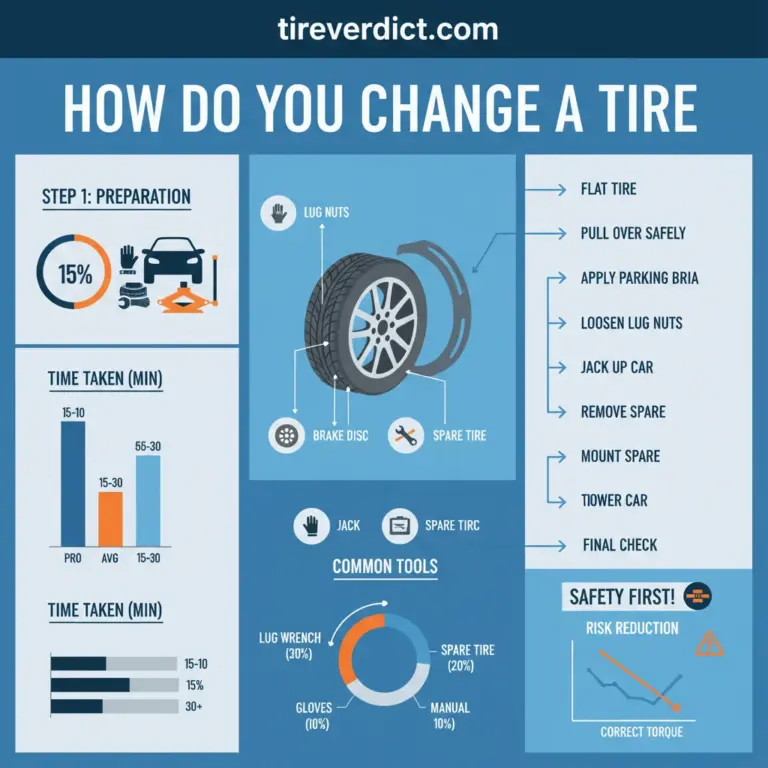
Encountering a ‘Service Tire Monitor System’ warning can be unsettling, but before rushing to a repair shop, there are several practical, actionable steps you can take. These fundamentals of troubleshooting can often resolve a temporary glitch or help you gather important information for a technician. Here’s a step-by-step introduction to addressing the issue yourself.
📋
Step-by-Step Guide
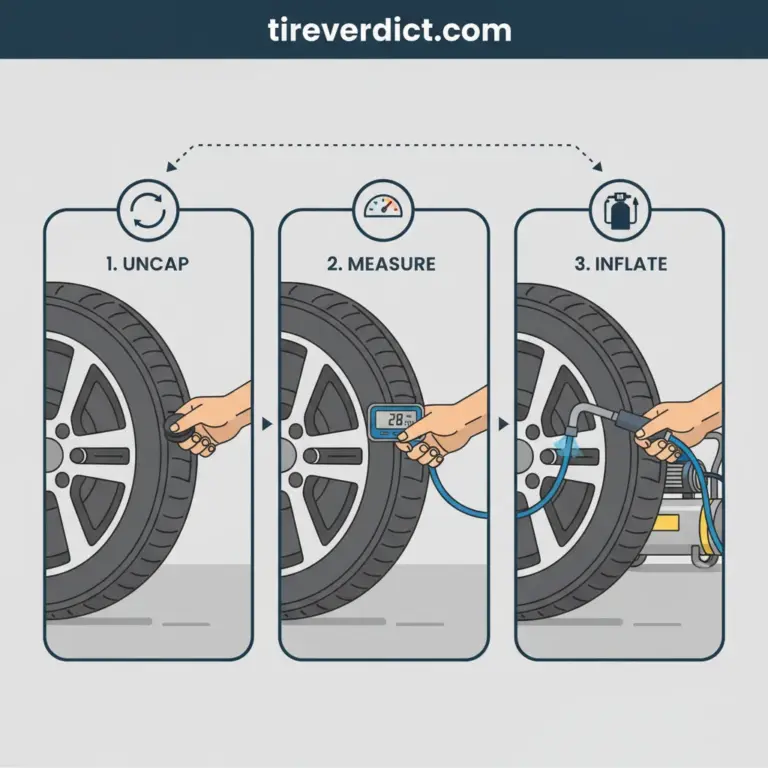
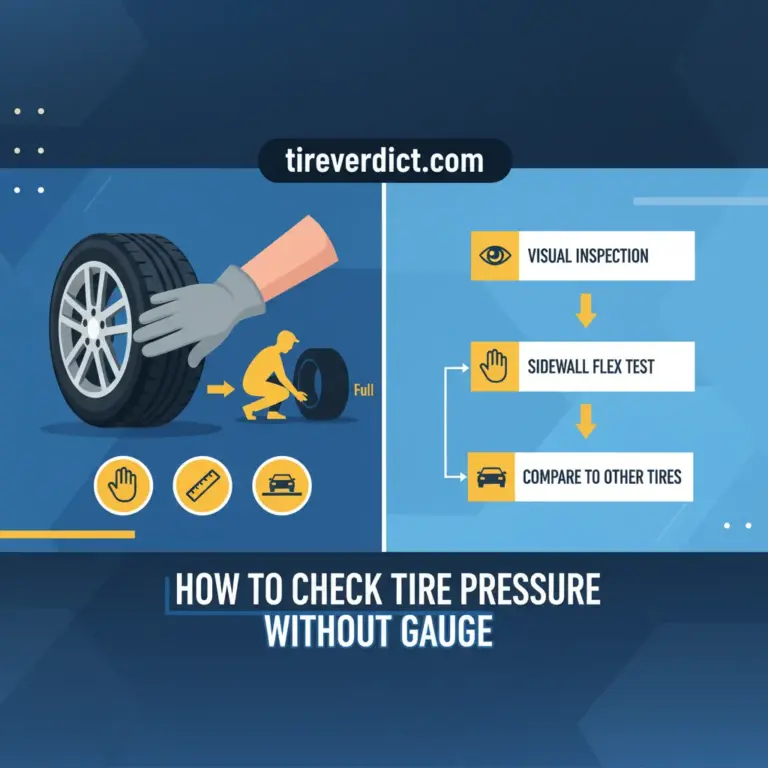
Even if the STMS warning isn’t a low-pressure alert, always start by using a reliable, calibrated tire pressure gauge to verify the PSI in all four tires. Also, don’t forget to check your spare tire if it is TPMS-equipped. Ensure all tires are inflated to the manufacturer’s recommended PSI, usually found on a sticker inside the driver’s door jamb. This simple action rules out actual low pressure, which sometimes can confuse the system if the differential is too great.
Many vehicles produced after 2008 have a TPMS reset button or a menu option within the infotainment system. Consult your owner’s manual for vehicle-specific instructions. A common procedure might involve: 1) Ensuring all tires are at the correct pressure. 2) Turning the ignition to the ON position (engine off). 3) Pressing and holding the TPMS reset button (often located under the steering wheel or in the glove box) until the TPMS light flashes three times. 4) Driving the vehicle above 25 mph for 10-20 minutes to allow the system to relearn. This can often clear a temporary glitch.
Carefully inspect the visible parts of your valve stems for any signs of physical damage, corrosion, or bending. If you’ve recently had tire service, it’s possible a sensor was inadvertently damaged during the process. A bent or corroded valve stem could indicate a compromised sensor beneath, requiring a closer look. This is a crucial practical insight.
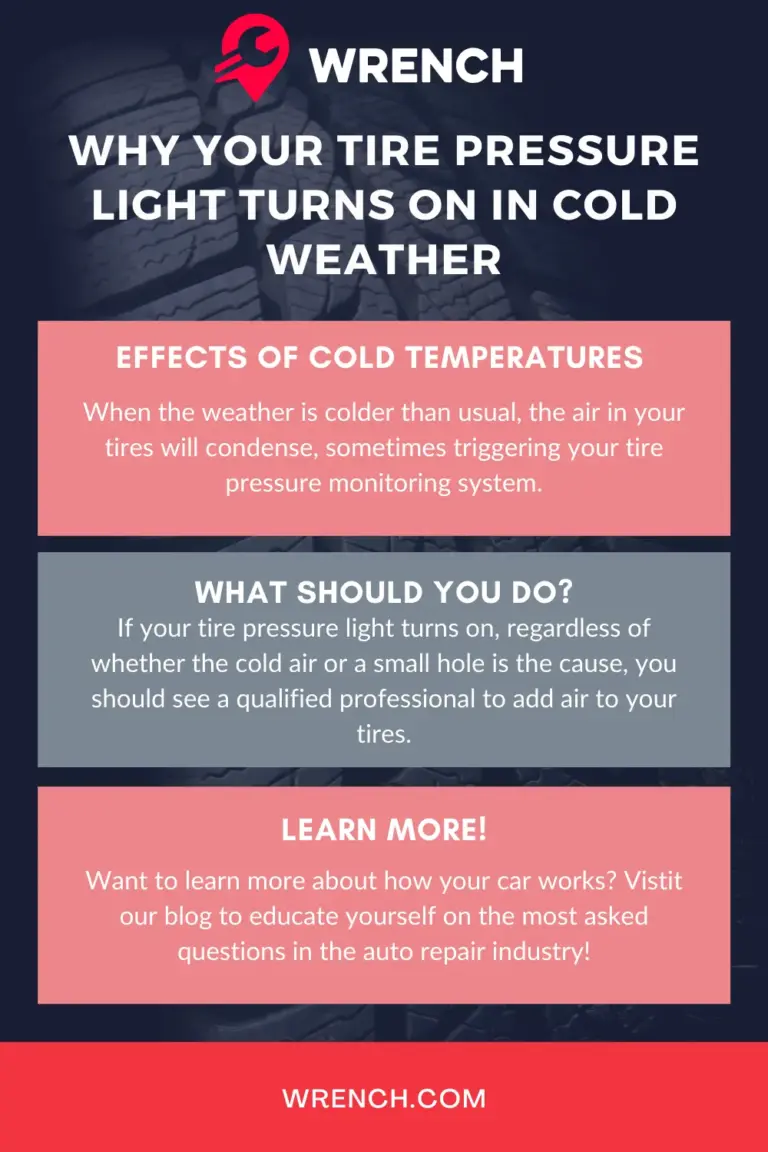
Tire pressure can fluctuate by approximately 1 PSI for every 10-degree Fahrenheit change in ambient temperature. A significant drop in temperature, such as during a cold snap, can cause tire pressures to fall below the acceptable threshold. While this typically triggers a low-pressure warning, if the system struggles to compensate or recalibrate, it might trigger an ‘STMS’ light. Often, driving for a while, allowing tires to warm up and pressures to rise, or simply topping off the air, can resolve these temperature-induced issues, sometimes even clearing a ‘service’ light.
When Professional Intervention for STMS Repair is Necessary
While initial troubleshooting steps can often resolve minor TPMS issues, there are clear indicators that signal the need for professional intervention. From my years of hands-on experience, attempting complex DIY repairs on an STMS can often lead to further damage or incomplete solutions. This section outlines when it’s time to seek expert help, aligning with the “what if it still doesn’t work” intent.
Persistent Warning After Basic Troubleshooting
If the ‘Service Tire Monitor System’ light remains illuminated, or reappears shortly after you’ve performed manual pressure checks and attempted a system reset, it’s a strong sign that a deeper issue exists. These persistent warnings indicate a problem that requires more than just basic maintenance, hinting at component failure or a fundamental system error. This is a critical key point to remember for safety.
Diagnostic Tool Requirement
Most internal STMS faults generate specific Diagnostic Trouble Codes (DTCs) that can only be read by specialized OBD-II scanners with TPMS functionality. These tools allow technicians to communicate directly with the TPMS ECU, identify which sensor (or component) is failing, and diagnose the nature of the fault (e.g., “Front Right Sensor, Battery Low”). Without such a tool, pinpointing the exact problem is largely guesswork. This capability is beyond the basics of what most DIY enthusiasts possess.
Sensor Replacement and Relearn Procedures
If a sensor battery is depleted or the sensor is physically damaged, it needs to be replaced. This process often requires specialized equipment to safely break the tire bead and access the sensor inside the wheel without damaging the tire or rim. After replacement, a new ‘relearn’ procedure is mandatory. This involves programming the new sensor’s unique ID to the vehicle’s ECU using specialized TPMS relearn tools, often wirelessly. This ensures the ECU recognizes and communicates with the new sensor. Most professional TPMS sensor replacements cost between $50-$150 per sensor, including parts and labor, excluding the ‘relearn’ procedure which can be an additional fee. Industry data suggests that over 90% of TPMS faults that cannot be resolved by air pressure adjustment require sensor replacement.
TPMS Module or Wiring Issues
More complex problems, such as a fault within the central TPMS control unit (ECU/module) or issues with its wiring harness, are virtually impossible for the average vehicle owner to diagnose and repair. These require advanced automotive electrical diagnosis skills and specialized schematics to trace circuits and identify failures. These are not fundamentals but rather deep-level system diagnostics.
Never ignore a persistent ‘Service Tire Monitor System’ warning. A malfunctioning TPMS means you lack a vital safety feature, potentially leaving you unaware of dangerous tire conditions. Prompt professional diagnosis is essential for your safety and compliance.
Advanced Considerations and the Evolution of Tire Monitoring Technology
The journey of tire monitoring technology, including the STMS, is far from over. As vehicles become more sophisticated and autonomous, the role of detailed, reliable tire data only grows in importance. An overview of future developments highlights the trajectory of this important safety system.
Integration with Vehicle Safety Systems
Today’s STMS data isn’t just for your dashboard. It’s increasingly integrated with other critical vehicle safety systems. For instance, stability control (ESC) and traction control systems rely on accurate wheel speed data, which can be affected by tire pressure. In advanced vehicles, TPMS data can inform these systems, allowing for more precise adjustments. High-end models from brands like Mercedes-Benz and BMW already display granular tire information, such as individual tire pressure and temperature, directly on their infotainment screens, providing drivers with comprehensive understanding of tire health.
Smart Tire Technology
The next frontier is ‘smart tires’ themselves. Prototypes and early models are emerging with internal sensors that go beyond just pressure and temperature. These advanced sensors can monitor tread depth, analyze tire wear patterns, and even assess road conditions (e.g., grip levels, hydroplaning risk). This real-time data can be communicated to the vehicle’s central computer, or even directly to a smartphone app, offering an unprecedented understanding of tire performance and safety. The global market for TPMS is projected to exceed $7.5 billion by 2026, driven by continuous innovation and regulatory pressures, indicating a robust future for this technology.
Over-the-Air (OTA) Updates and Predictive Maintenance
Future STMS systems are expected to leverage vehicle connectivity for Over-the-Air (OTA) software updates, allowing for system improvements and bug fixes without a shop visit. More remarkably, advancements in predictive analytics could enable STMS to anticipate sensor failures before they occur. By analyzing trends in sensor performance, battery voltage, and signal strength, the system could alert drivers or service centers of an impending component failure, shifting from reactive repairs to proactive maintenance. This is a game-changer in understanding and maintaining vehicle health.
Impact on Autonomous Driving
For fully autonomous vehicles, reliable tire monitoring isn’t just a convenience – it’s a fundamental safety requirement. Self-driving cars need continuous, accurate tire data to make safe decisions regarding speed, braking, and steering, especially in varying road conditions. A compromised STMS in an autonomous vehicle could pose significant risks, underscoring the critical role this technology will play in the safety and development of future mobility solutions. The basics of tire pressure monitoring are becoming a cornerstone of advanced driving assistance.
In summary, the ‘Service Tire Monitor System’ light indicates a fault within the TPMS itself, distinct from a simple low-pressure warning. Common causes include sensor battery depletion, sensor malfunction, or system calibration issues. Initial troubleshooting involves manual pressure checks and basic resets, but professional diagnosis is often required for persistent warnings. Maintaining a functional STMS is crucial for driving safety, fuel efficiency, and compliance with vehicle regulations. Do not ignore a ‘Service Tire Monitor System’ warning. Ensure your vehicle’s safety by promptly addressing the issue through initial troubleshooting or consulting a certified technician for accurate diagnosis and repair. Prioritize your safety on the road.
Frequently Asked Questions
What is the difference between a TPMS light and a ‘Service Tire Monitor System’ light?
A standard TPMS light (often a horseshoe with an exclamation mark) typically illuminates when one or more tires are significantly underinflated. Conversely, a ‘Service Tire Monitor System’ light, often a text message or a flashing TPMS icon, indicates a fault within the TPMS hardware or software itself, such as a dead sensor battery or system malfunction, rather than just low pressure.
Can I drive with the ‘Service Tire Monitor System’ light on?
While driving short distances might be possible, it is not recommended to ignore a ‘Service Tire Monitor System’ light. The system is compromised, meaning you won’t receive warnings for dangerously low tire pressure. This can lead to unsafe driving conditions, premature tire wear, and reduced fuel efficiency. It’s best to address the issue promptly for your safety.
How long do TPMS sensor batteries last?
TPMS sensor batteries are sealed units and are designed to last between 5 to 10 years, depending on usage, driving conditions, and vehicle model. Once depleted, the entire sensor typically needs replacement, as the batteries are not individually serviceable. This is a common reason for the ‘Service Tire Monitor System’ warning.
Do I need to replace all TPMS sensors if one goes bad?
Not necessarily. While it’s common practice for technicians to recommend replacing all sensors simultaneously, especially if they are all around the same age, you typically only need to replace the specific faulty sensor. However, replacing all can be a proactive measure to avoid subsequent failures and additional labor costs in the near future.
How do I reset the ‘Service Tire Monitor System’ light after tire service?
After tire service or pressure adjustments, many vehicles require a TPMS relearn procedure. This can range from a simple manual reset button press, driving at a certain speed for a period, or requiring a specialized TPMS scan tool to program new sensors to the vehicle’s ECU. Consult your vehicle’s owner’s manual for the precise steps, or have a professional perform it.