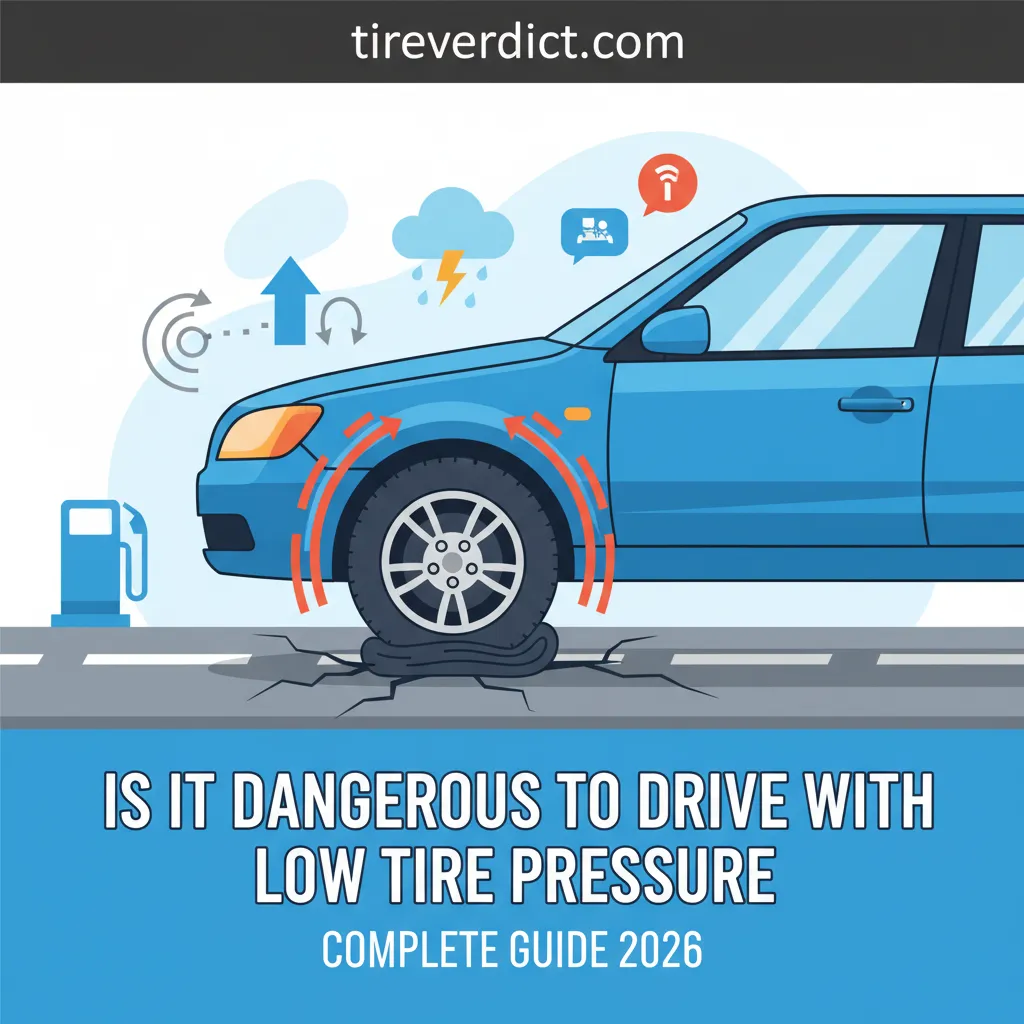
Imagine driving at highway speeds when suddenly, your steering feels unresponsive, or worse, a tire gives out. The silent culprit could be something as simple as underinflation. While many drivers understand the basic concept of tire pressure, the profound safety implications and extensive dangers of driving with underinflated tires are often underestimated or misunderstood. Is it truly dangerous, and if so, what are the exact risks? This expert guide will meticulously detail why driving with low tire pressure is a significant hazard, outlining the immediate and long-term consequences. You will gain professional knowledge on identifying causes, implementing effective solutions, and preventing future occurrences, ensuring your safety and maximizing your vehicle’s performance into 2026 and beyond.
Understanding Tire Pressure: Essential Concepts for Vehicle Performance and Safety
📤 Share Image
As a seasoned expert in automotive maintenance, I’ve seen firsthand how fundamental tire pressure is to a vehicle’s overall performance and, crucially, its safety. Proper tire inflation refers to maintaining the specific Pounds per Square Inch (PSI) recommended by your vehicle’s manufacturer. This critical specification is typically found on a placard located on the driver’s side door jamb, in the glove compartment, or within your owner’s manual. It’s not on the tire’s sidewall, which lists the maximum cold inflation pressure, not the recommended operating pressure.
The PSI determines the shape and rigidity of the tire, which directly dictates the tire’s contact patch with the road—the area of rubber truly gripping the surface. Think of it like a basketball: a properly inflated ball bounces true and offers predictable handling. An underinflated ball flattens, becoming sluggish and difficult to control. Similarly, a properly inflated tire maintains an optimal, even contact patch, ensuring maximum grip for steering response, acceleration, and braking capability. When pressure is low, the contact patch deforms, often becoming wider at the edges and narrower in the center, leading to uneven stress distribution and compromised control.
Modern vehicles manufactured since 2007 (in the U.S.) are equipped with a Tire Pressure Monitoring System (TPMS). This vital safety feature uses sensors within each tire to monitor pressure and alerts the driver with a dashboard warning light if one or more tires fall significantly below the recommended PSI. While TPMS is a reliable indicator of low pressure, it’s important to understand its limitations; it generally only triggers when pressure drops by about 25% below the recommended level, which can still be dangerously low. The National Highway Traffic Safety Administration (NHTSA) estimates that TPMS prevents approximately 9,600 injuries and 120 fatalities annually, underscoring its importance. However, it’s not a substitute for manual checks.
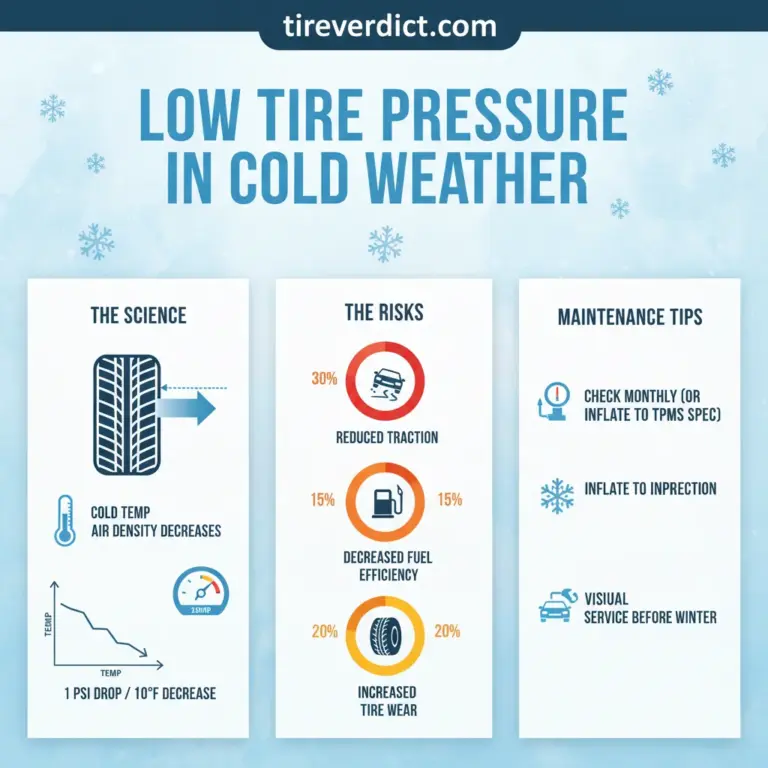
Various factors subtly influence tire pressure. Ambient temperature changes are a primary culprit; as a rule of thumb, a 10-degree Fahrenheit drop in outside temperature typically lowers tire pressure by 1 PSI. Altitude changes also play a role, with pressure decreasing as altitude increases. These dynamic factors necessitate regular, proactive pressure checks, ensuring your tires consistently provide optimal support and a reliable contact patch, which is crucial for safety and performance.

The Immediate and Long-Term Dangers of Underinflated Tires on Road Safety
Driving with underinflated tires is not merely an inconvenience; it presents a cascade of critical safety hazards that can have immediate and devastating consequences. My 15 years in the field have repeatedly shown that this often-overlooked maintenance item is a silent saboteur of vehicle safety and longevity.
Compromised Handling and Stability
When a tire lacks adequate air pressure, its sidewalls lose their critical rigidity. This directly translates to vague steering response, as the tire’s structure cannot efficiently transmit steering inputs to the road. You’ll experience increased body roll during turns, making the vehicle feel spongy and unstable. In an emergency evasive maneuver, such as swerving to avoid an obstacle at highway speeds, the diminished control can mean the difference between a near-miss and a severe accident. The tire essentially wallows, reducing its ability to maintain its intended shape under lateral stress.
Increased Braking Distances
An underinflated tire’s altered contact patch reduces the effective friction between the tire and the road. Instead of an evenly distributed pressure across the tread, the load is often concentrated on the tire’s shoulders, leading to less grip overall. This directly results in longer stopping distances. Consider an emergency braking scenario on a wet surface: a vehicle with optimal tire pressure can stop several feet shorter than one with significantly underinflated tires. Those crucial feet can prevent a collision, highlighting the profound danger of neglecting proper inflation.
Elevated Risk of Tire Failure (Blowouts)
Perhaps the most critical danger of underinflation is the elevated risk of catastrophic tire failure, including blowouts. When a tire is underinflated, its sidewalls flex excessively as it rotates. This constant over-flexing generates tremendous heat internally, far beyond what the tire is designed to withstand. This excessive heat can lead to a breakdown of the tire’s internal structure, causing tread separation or a sudden, explosive deflation—a blowout. A blowout at highway speeds can cause a complete loss of vehicle control, often with tragic consequences. It’s a risk no driver should ever take.
Accelerated Tire Wear and Structural Damage
Underinflation causes uneven wear patterns, typically concentrating wear on the outer edges (shoulders) of the tire tread. This accelerated and uneven tire wear significantly reduces the tire’s lifespan, costing you money and necessitating premature replacement. Beyond tread wear, the increased stress and heat can cause internal structural damage that may not be visible externally, making the tire more vulnerable to punctures or sudden failure. Studies show that a tire underinflated by just 6 PSI can reduce its lifespan by 15%.
Reduced Fuel Efficiency
While not a direct safety hazard, reduced fuel efficiency impacts your wallet and the environment. An underinflated tire flattens and deforms more, increasing its rolling resistance against the road surface. This increased resistance means your engine has to work harder to maintain speed, consuming more fuel. This leads to increased fuel consumption by up to 3% for every few PSI below optimal. Over time, this adds up to significant wasted fuel and higher operating costs for your vehicle.
By The Numbers
Traffic Accidents Annually (NHTSA)
Tire Lifespan Reduction (from 6 PSI low)
Fuel Consumption Increase
Fatalities Prevented Annually by TPMS

What Causes Low Tire Pressure: Diagnosing the Root Issues
Understanding the causes of low tire pressure is the first step toward effective prevention and maintaining a reliable, trusted vehicle. While a sudden flat tire is obvious, many instances of underinflation are subtle and gradual, making regular checks even more vital.
Natural Air Permeation
Even a brand-new, perfectly sound tire will gradually lose air over time. This is due to the inherent porosity of tire rubber. Air molecules are small enough to slowly escape through the rubber compound. This natural permeation is often the primary cause of slow, seemingly unexplained pressure loss. A typical tire can lose 1-3 PSI per month due to natural permeation alone, even without any puncture or defect. This is why monthly checks are non-negotiable.
Punctures and Leaks
While natural permeation is constant, more significant pressure drops often point to a specific leak. Common culprits include nails, screws, or other sharp objects embedded in the tread. Beyond foreign objects, leaks can occur at the valve stem, which can degrade or become damaged. The bead seal, where the tire meets the wheel rim, can also be compromised by dirt, corrosion on the rim, or improper mounting. Even hairline cracks in the wheel itself can lead to pressure loss. A professional inspection is essential to identify these specific leak sources.
Temperature Fluctuations
The relationship between temperature and pressure is governed by Gay-Lussac’s Law, which states that for a fixed mass of gas at constant volume, the pressure is directly proportional to its absolute temperature. In practical terms, this means that as ambient temperatures drop, the air inside your tires contracts, and pressure decreases. Conversely, rising temperatures cause the air to expand, increasing pressure. This effect is why tire pressure readings change more drastically between summer and winter. For every 10°F change in ambient temperature, tire pressure fluctuates by approximately 1 PSI. This phenomenon often triggers TPMS warnings during the first cold snap of autumn, even if no air has actually “leaked out.”
Overloading the Vehicle
Exceeding your vehicle’s recommended load capacity can exacerbate existing pressure loss or temporarily mask underinflation. When a vehicle is overloaded, the tires bear a greater weight than they are designed for, causing increased deflection and stress on their structure. Even if the tires are technically at the recommended PSI for an unladen vehicle, they may be effectively underinflated for the heavy load. This additional stress can accelerate air loss and increase the risk of heat buildup and failure, making it crucial to consult your vehicle’s payload specifications, usually found in the owner’s manual or on the door jamb.

How to Effectively Address and Prevent Low Tire Pressure: A Professional’s Guide
Maintaining optimal tire pressure is a simple yet critical component of vehicle safety and performance. As an expert, I advocate for a proactive, disciplined approach. This guide outlines the essential steps to address and prevent low tire pressure, ensuring your vehicle remains reliable and safe.
📋
Step-by-Step Guide
Use a quality tire pressure gauge (digital gauges often offer better accuracy than stick gauges, which can have up to 5 PSI measurement error). Always check tires when they are “cold,” meaning the vehicle hasn’t been driven for at least three hours or more than a mile. Compare your readings to the vehicle’s recommended PSI on the door jamb placard. Don’t forget to check your spare tire if applicable. Many automotive experts recommend checking tire pressure at least monthly and before long trips.
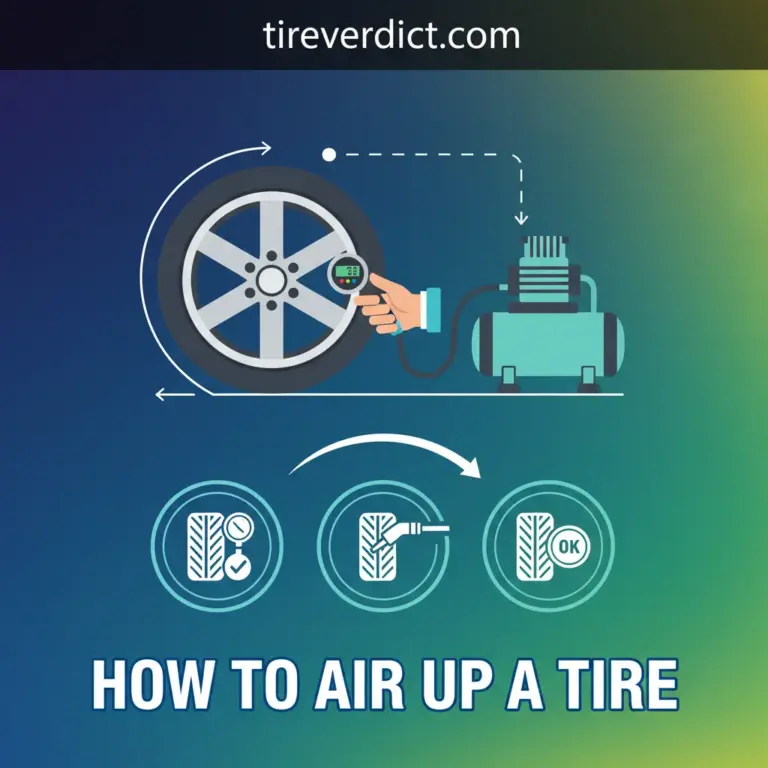
If pressure is low, use an air compressor (either a home unit or at a gas station) to add air. Attach the hose firmly to the valve stem. Inflate in short bursts and recheck the pressure frequently until it matches the recommended PSI. Avoid over-inflation, as this can also compromise safety by reducing the contact patch, leading to harsher rides, and potentially making tires more susceptible to impact damage. Always replace the valve stem caps; they prevent dirt and moisture from entering the valve and help seal against minor air leaks.
Alongside pressure checks, routinely perform a visual inspection of your tires. Look for embedded objects (nails, screws), bulges, cracks, or signs of uneven wear. Catching a slow leak or damage early can prevent a more serious issue. Scheduled tire rotations (typically every 5,000-8,000 miles) help promote uniform tread wear across all four tires, maximizing their lifespan and maintaining balanced performance.
If your TPMS light illuminates, consider it an immediate call to action. Do not ignore it. Safely pull over and check all tire pressures as soon as possible. If a tire is significantly low, reinflate it. If the light remains on after inflation, or if it flashes initially before staying solid, it could indicate a TPMS system malfunction requiring professional diagnosis. Always remember, the TPMS light means check your tires NOW.
For anything beyond simple inflation, seek expert assistance. Professional tire technicians can accurately diagnose complex issues like elusive leaks, perform proper tire repairs, balance tires to prevent vibrations, and conduct wheel alignments to ensure even wear and optimal handling. Regular professional inspections provide a deeper level of quality assurance for your tire health.
What If Tire Pressure Issues Persist? Troubleshooting and Professional Intervention
Even with diligent checks, you might encounter persistent tire pressure issues. This is where a more advanced approach, often requiring professional expertise, becomes necessary. As a trusted expert, I always advise recognizing the limits of DIY solutions for complex problems to ensure both safety and effective resolution.
Diagnosing Persistent Slow Leaks
If a tire consistently loses pressure despite no obvious puncture, you likely have a slow, elusive leak. A common DIY method is the spray bottle test: fill a spray bottle with soapy water and spray it over the valve stem, around the bead seal, and across the entire tire tread. Bubbles will form where air is escaping. For more challenging cases, a professional might submerge the tire in a water tank to pinpoint tiny leaks. Rim corrosion, common on older wheels, can also cause slow leaks at the bead and requires professional cleaning or repair.
Addressing TPMS Malfunctions
A persistent TPMS warning light, even after verifying and correcting tire pressures, indicates a system malfunction. This could be due to a faulty sensor, a dead sensor battery (which typically lasts 5-10 years), or a need for system recalibration after tire service. While the tire itself might be properly inflated, a non-functional TPMS means you’ve lost a crucial safety monitor. A professional automotive technician has the specialized diagnostic tools to identify the exact cause of the TPMS issue and perform the necessary repairs or replacements, ensuring your system is fully operational for your ongoing safety.
The Limits of DIY Repair
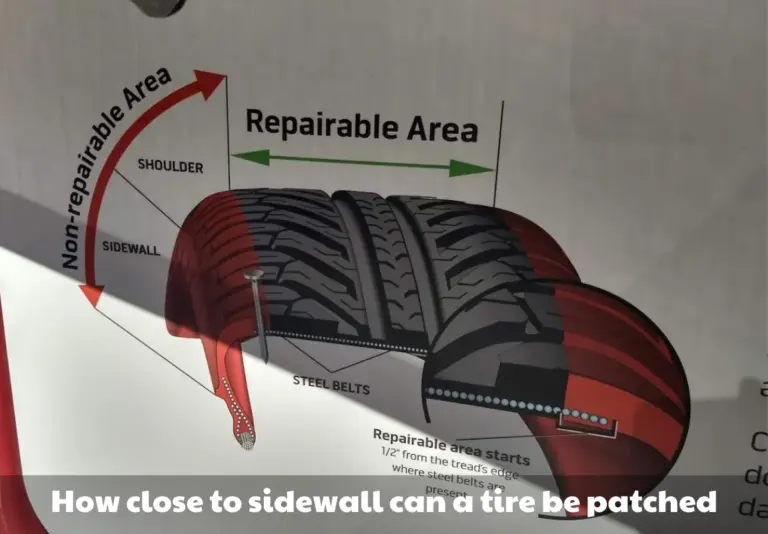
Not all tire damage is repairable, and attempting to fix certain types of damage yourself can be extremely dangerous. NHTSA mandates that any tire repair must not exceed a 1/4-inch diameter in the tread area. Punctures larger than this, or any damage to the sidewall or shoulder of the tire, typically cannot be safely repaired and require complete tire replacement. Internal structural damage, often caused by severe underinflation or impacts, also necessitates replacement. Tire plugs or sealants are often only temporary solutions and should always be followed by a professional patch and inspection to ensure structural integrity.
The Role of Professional Tire Technicians
For any complex tire issue, the expertise of certified professional tire technicians is indispensable. They possess the specialized equipment and comprehensive knowledge to:
- Accurately diagnose hidden leaks and internal damage.
- Perform safe, industry-standard tire repairs (patching from the inside, not just plugging).
- Execute precise tire mounting, balancing, and rotation.
- Conduct wheel alignments, which are crucial for even tire wear and proper vehicle handling.
- Ensure compliance with manufacturer and safety guidelines.
Many tire manufacturers will void warranties if tires are repaired incorrectly or damaged due to severe underinflation, underscoring the importance of professional service.
Investment in Quality Tires
Finally, the foundation of reliable tire performance begins with your initial investment. Choosing reputable, quality tires designed for your specific vehicle and driving conditions can significantly enhance safety and minimize future issues. While cheaper tires might save money upfront, they often compromise on durability, handling, and resistance to wear and damage. Consult with a professional to select tires that offer the best balance of performance, longevity, and safety for your needs, providing peace of mind for the road ahead in 2026 and beyond.
Driving with low tire pressure critically compromises vehicle safety, handling, and braking performance, significantly increasing accident risk. Underinflation leads to accelerated tire wear, reduced fuel efficiency, and a heightened probability of dangerous tire blowouts due to heat buildup. Regular, accurate tire pressure checks and prompt attention to TPMS warnings are fundamental preventative measures for maintaining vehicle integrity. Understanding common causes and knowing when to seek professional intervention ensures reliable tire performance and extends tire longevity. Prioritize your safety and vehicle longevity: make monthly tire pressure checks a non-negotiable part of your vehicle maintenance routine. Consult a trusted, professional automotive service provider for any persistent tire pressure issues or required repairs to ensure expert care and optimal road performance.
Frequently Asked Questions
How low is too low for tire pressure?
Generally, a tire pressure that is 25% or more below the manufacturer’s recommended PSI (found on your vehicle’s door jamb or owner’s manual) is considered dangerously low. Even a drop of 5-10 PSI below recommended levels can begin to significantly impair handling, increase rolling resistance, and generate excessive heat, warranting immediate attention. Always refer to your specific vehicle’s guidelines.
Can low tire pressure cause a blowout?
Yes, low tire pressure is a leading cause of tire blowouts. Underinflation causes the tire sidewalls to flex excessively, generating significant internal heat. This heat can degrade the tire’s structural integrity, leading to tread separation or a sudden, catastrophic failure, especially at highway speeds. Maintaining correct pressure is crucial to preventing this dangerous scenario.
How often should I check my tire pressure?
As a reliable professional standard, tire pressure should be checked at least once a month and always before long road trips. Additionally, check your tires following significant temperature fluctuations, such as seasonal changes, as ambient temperature directly impacts internal tire pressure. Regular checks ensure consistent safety and performance.
Does temperature affect tire pressure?
Absolutely. Tire pressure is directly affected by ambient temperature. For every 10-degree Fahrenheit change in air temperature, your tire’s pressure will typically fluctuate by approximately 1 PSI. Cold weather causes pressure to drop, while hot weather causes it to increase. This necessitates more frequent checks during seasonal transitions to maintain optimal levels.
What is TPMS and how does it help with low tire pressure?
TPMS (Tire Pressure Monitoring System) is a professional safety feature that uses sensors to continuously monitor the air pressure inside each tire. When a tire’s pressure drops significantly below the recommended level, typically 25%, the system illuminates a warning light on your dashboard. TPMS acts as an early warning system, alerting drivers to potential underinflation issues before they become critical safety hazards.