What Is Tread On A Tire: Explained With Examples 2026
Every journey begins and ends with your tires, and at the heart of their performance lies a critical, yet often overlooked, component: the tread. While many drivers understand that tires are crucial for vehicle operation, there’s often a lack of comprehensive understanding about what tire tread is, how it functions, and its profound impact on safety and overall vehicle dynamics. This detailed guide, tailored for 2026, will demystify tire tread, providing an authoritative overview of its anatomy, operational principles, diverse patterns, and essential maintenance, ensuring you grasp its foundational role for optimal driving performance and safety.
Understanding Tire Tread: Definition and Foundational Importance
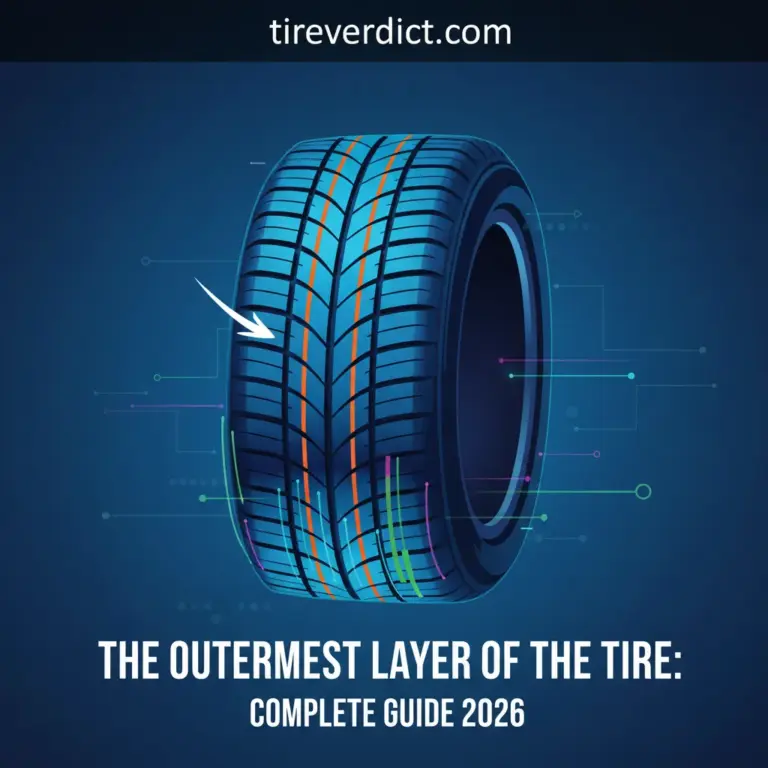
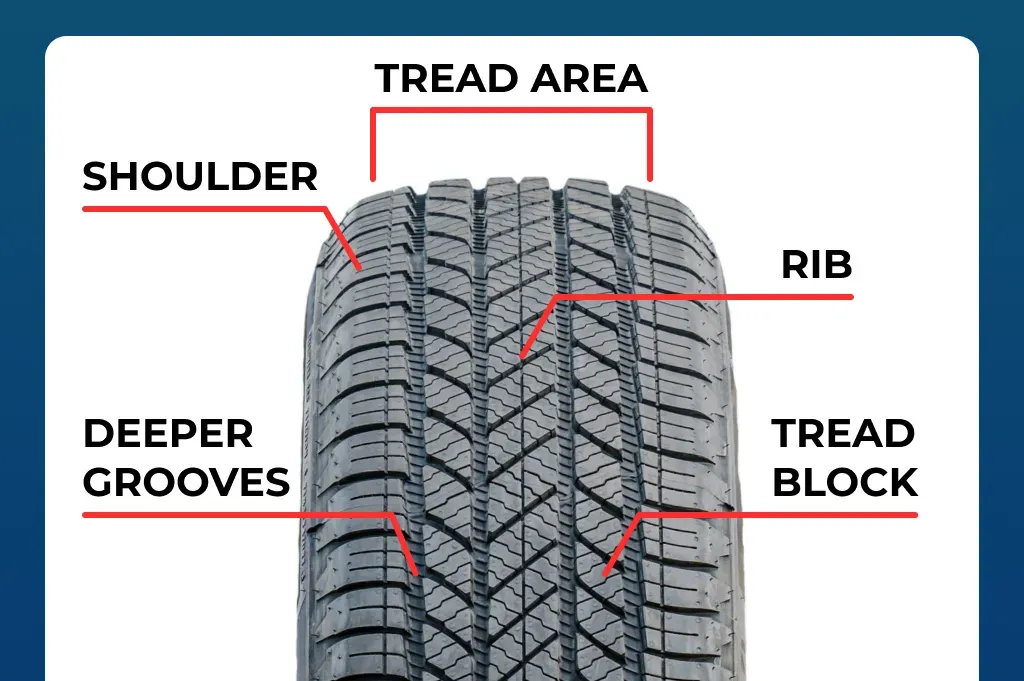
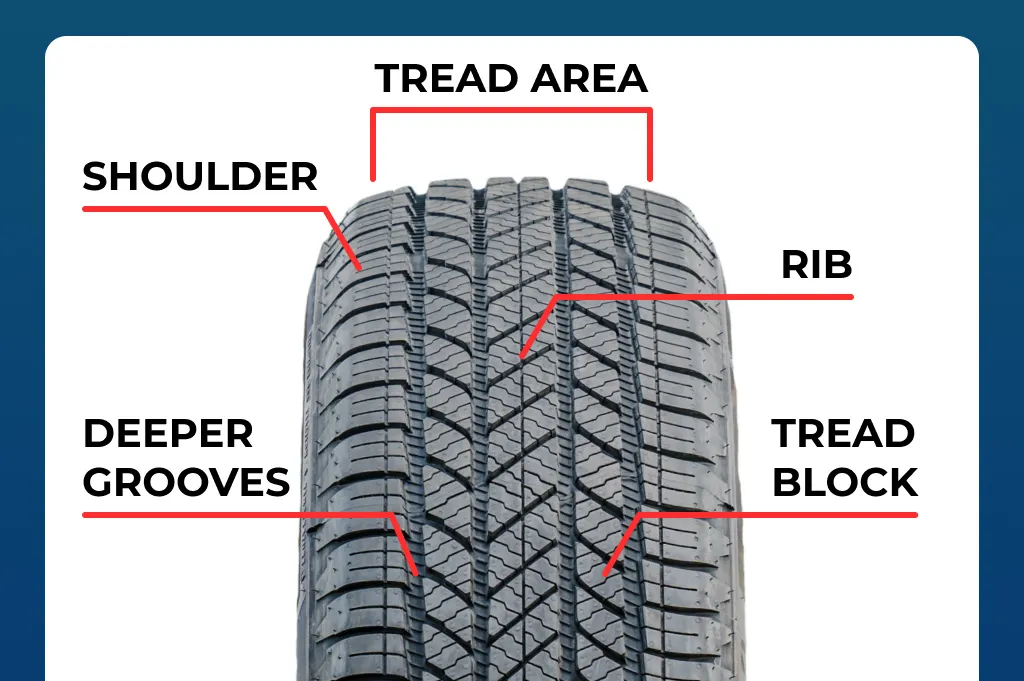
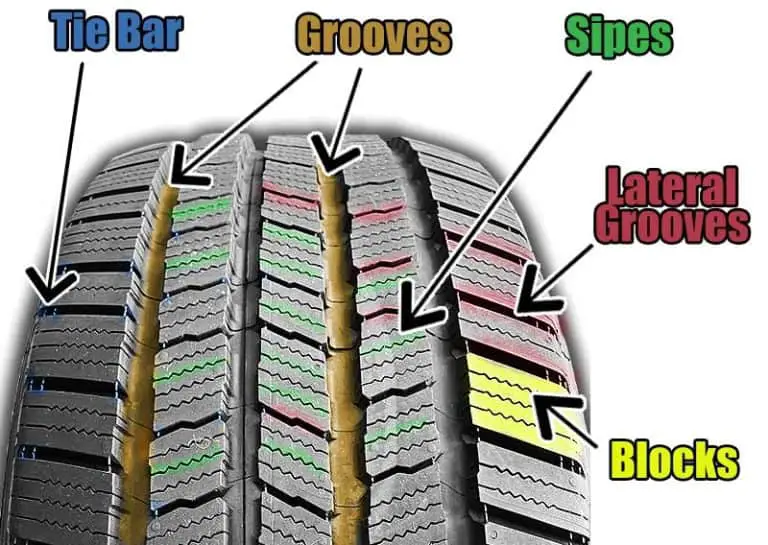
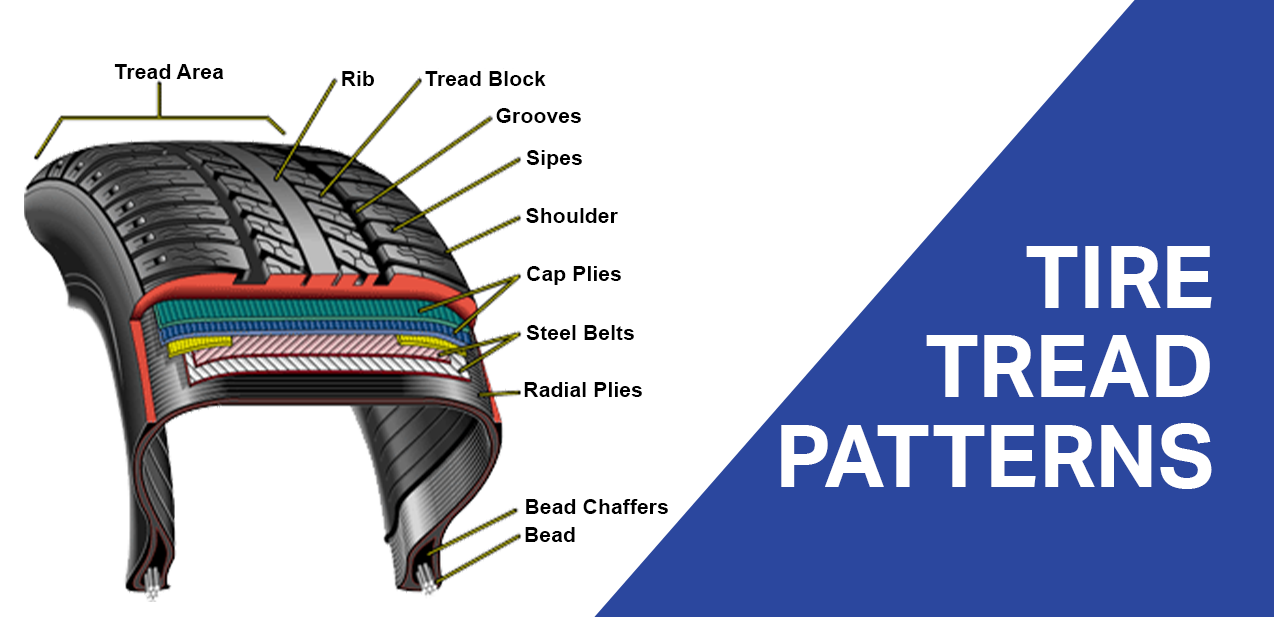
At its core, tire tread is the outermost patterned rubber layer that encompasses the circumference of a tire. It represents the interface between your vehicle and the diverse road surfaces it encounters, serving as the sole point of contact. This seemingly simple rubber surface is, in fact, an intricately designed component, comprising a complex arrangement of tread blocks, circumferential grooves, lateral grooves, and sipes. Each element is meticulously engineered to achieve specific functional objectives.
The primary functions of tire tread are multifaceted and critical for safe driving. Firstly, it generates traction (grip), essential for controlled acceleration, efficient braking, and precise cornering. Secondly, it plays a vital role in efficiently evacuating water from beneath the tire’s contact patch, a crucial mechanism for preventing the dangerous phenomenon of hydroplaning. Thirdly, the design contributes to dissipating heat generated during continuous operation, protecting the tire’s structural integrity. Beyond these direct safety functions, the sophisticated engineering of tread design directly influences a vehicle’s handling characteristics, fuel efficiency, ride comfort, and even cabin noise levels. The global tire market, as research indicates, places immense emphasis on advanced tread technologies for improved safety and efficiency, making tread a critical engineering component that constantly evolves.
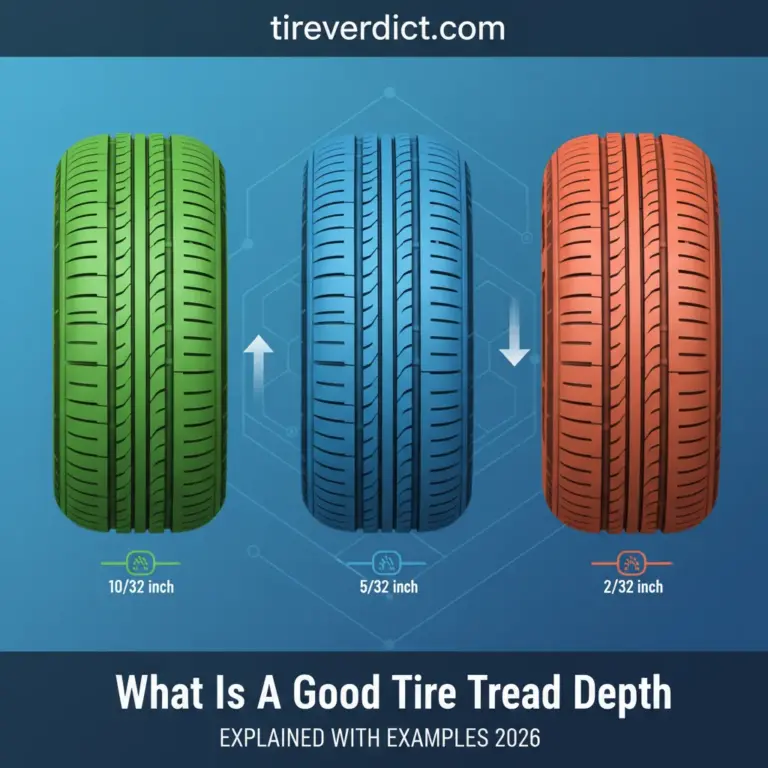
To grasp its fundamental importance, consider the stark visual contrast: a new tire’s robust, deeply patterned tread offers maximum grip and water channeling, forming a stable ‘contact patch’ with the road. Conversely, a bald tire, with its tread worn away, provides negligible grip, especially on wet surfaces, turning even minor precipitation into a significant hazard. Studies consistently show a direct correlation between adequate tread depth and reduced accident risk, particularly in challenging wet conditions, underscoring its foundational role in vehicle safety for 2026 and beyond.
Anatomy of Tire Tread: Deconstructing Blocks, Grooves, and Sipes
To truly understand tire tread, an in-depth examination of its individual structural components is essential. Each element contributes uniquely to the tire’s overall performance profile, demonstrating a nuanced understanding of tire engineering.
- Tread Blocks: These are the raised rubber segments that form the primary interface with the road surface. Their shape, size, and rigidity are meticulously engineered to provide mechanical grip, allow for precise steering response, and offer stability during critical maneuvers like acceleration and braking. Different block designs contribute to varied performance, from large, robust blocks for off-road traction to smaller, interlocking patterns for improved handling and reduced noise on pavement.
- Circumferential Grooves: These are the prominent longitudinal channels that run continuously around the tire’s circumference. Their primary and indispensable role is to rapidly evacuate water from beneath the tire’s contact patch. By efficiently channeling water, they significantly reduce the risk of hydroplaning, ensuring the rubber maintains direct contact with the road. These grooves also contribute to heat dissipation. New passenger vehicle tires typically feature circumferential grooves between 8-12/32nds of an inch deep, a critical dimension for wet weather performance.
- Lateral Grooves: Often called shoulder grooves, these are smaller channels or slots that run across the tread blocks, typically from the center of the tread towards the tire’s shoulders. They work in conjunction with circumferential grooves to further enhance water expulsion and provide additional biting edges for improved grip on wet or snowy surfaces.
- Sipes: These are tiny, thin, razor-like slits cut into the tread blocks, distinct from the larger lateral grooves. Sipes are engineered to open and close as the tire rolls, creating a multitude of additional micro-edges. These micro-edges ‘bite’ into slippery surfaces like snow and ice, dramatically enhancing traction. On wet roads, sipes act like tiny squeegees, wiping away residual water. The density and design of sipes vary dramatically between all-season, summer, and winter tires, optimizing performance for specific environmental conditions.
Understanding the interplay of these components is key to appreciating the complex engineering behind every tire. For instance, imagine how sipes on a winter tire operate like thousands of miniature claws, gripping packed snow and ice without compromising the stability of the larger tread blocks. This detailed anatomy forms the basis of effective tire performance, especially as driving conditions become more demanding.
The Functional Mechanics of Tire Tread: Principles of Grip, Water Evacuation, and Braking
The engineering of tire tread is a masterclass in physics and material science, enabling vehicles to perform safely and efficiently across diverse driving conditions. Its operational effectiveness stems from a sophisticated integration of design principles.
Generating Traction (Grip)
Traction, or grip, is fundamental to vehicle control. Tread blocks, through their interaction with the road surface, are designed to deform and create friction. This deformation allows for mechanical interlock, where the rubber physically engages with the microscopic irregularities of the road. Simultaneously, the specific rubber compound’s adhesion properties further enhance grip, particularly on dry pavement, much like how a sticky substance adheres to a surface. This combined mechanical and adhesive action provides the necessary force for acceleration and maintaining directional stability.
Hydroplaning Prevention
One of the most critical safety functions of tire tread is its ability to prevent hydroplaning. The intricate network of circumferential and lateral grooves acts as a sophisticated drainage system. As the tire rotates, these grooves rapidly channel water away from the tire’s contact patch, effectively pumping it outwards. This action maintains direct rubber-to-road contact even in heavy rain, a scenario where a smooth tire would lose contact and ‘float’ on a layer of water. At speeds as low as 35 mph, severe hydroplaning can occur with insufficient tread depth in heavy rain, highlighting the absolute necessity of effective water evacuation.
Optimizing Braking Performance
Effective braking is a direct outcome of well-designed tire tread. The patterns, particularly the leading edges of tread blocks and the presence of sipes, are engineered to maximize the friction coefficient during deceleration. This specialized design ensures that the tire can efficiently convert kinetic energy into heat through friction, significantly reducing stopping distances on both dry and wet surfaces. Consider a scenario where a vehicle with optimal tread can stop safely in wet conditions, while the same vehicle with worn tread may see its braking distance increase by a critical 20-30%, as detailed in our statistics below.
Heat Dissipation and Durability
Beyond grip and water management, the grooves and overall tread design also facilitate air circulation. This aids in the dissipation of heat generated during continuous operation, especially at highway speeds. Preventing excessive temperature buildup is vital, as high temperatures can degrade the rubber compound, accelerate wear, and significantly shorten tire life, compromising the tire’s integrity over time.
By The Numbers
Tread depth where wet braking degrades significantly
Increased wet braking distance for tires at 4/32″ vs. new
Minimum speed at which severe hydroplaning can occur with worn tread
Typical new tire circumferential groove depth
Exploring Tire Tread Types: Directional, Asymmetrical, and Symmetrical Designs
The world of tire tread is diverse, with designs tailored for specific performance needs, vehicles, and driving environments. Understanding these types is crucial for making informed tire choices.
Detailed Overview of Tread Types:
- Symmetrical Tread Patterns: These are the most common and feature an identical design across the entire tread surface. They are generally quiet, offer good longevity, and allow for versatile rotation patterns, making them a cost-effective and reliable choice for everyday driving. Over 70% of new passenger vehicles in North America are equipped with all-season tires, many of which feature symmetrical or mildly asymmetrical patterns for balanced performance across various conditions.
- Directional Tread Patterns: Characterized by a distinctive V-shaped or arrow-like pattern, these tires are designed to rotate in a single, specified direction. This design excels at water evacuation, with the V-grooves efficiently pushing water outwards from the center of the tire, significantly boosting hydroplaning resistance and high-speed stability. They are commonly found on performance cars and dedicated winter tires, where maximum wet and snow traction is paramount.
- Asymmetrical Tread Patterns: These tires are engineered with distinct inner and outer tread designs, each optimized for different conditions. The inner side typically features more open grooving for enhanced wet grip and water dispersal, while the outer side boasts larger, more rigid tread blocks to provide superior dry grip and cornering stability. This intelligent design allows asymmetrical tires to deliver a balanced performance profile, popular on high-performance and touring vehicles that demand both wet and dry handling prowess.
Application-Specific Tread Designs
Beyond these general categories, tread patterns are meticulously tailored for highly specific uses:
- For off-road and mud terrain vehicles, aggressive block patterns with wide voids are used to provide maximum traction in loose surfaces.
- Dedicated winter tires feature a dense concentration of sipes and specialized rubber compounds that remain flexible in extreme cold, allowing them to increase traction on ice by an impressive 25-50% compared to all-season tires.
- For fuel-efficient vehicles, low-rolling-resistance designs minimize friction to reduce energy consumption.
This deep dive into tread types underscores the continuous innovation in tire technology, ensuring there’s an optimal design for virtually every driving requirement and environment in 2026.
Tread Wear and Its Ramifications: Safety, Maintenance, and Longevity
While tire tread is designed for durability, it is subject to wear over time. Understanding and monitoring this wear is not merely a maintenance chore; it is a critical safety imperative for 2026 drivers.
Tread Wear Indicators (TWIs)
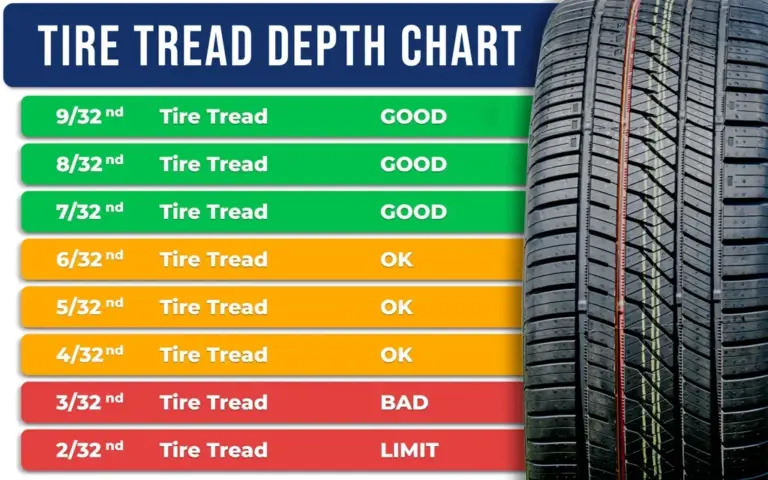
Modern tires incorporate built-in safety features known as Tread Wear Indicators (TWIs). These are small, raised bars molded into the main circumferential grooves of a tire. When the tire’s tread wears down to be flush with these bars, it serves as a visual signal that the tire has reached its legal minimum depth, typically 2/32nds of an inch (1.6 mm), and must be replaced immediately. Ignoring TWIs is not just a safety risk; it can also be a legal infraction in many jurisdictions.
Methods for Measuring Tread Depth
Drivers have several practical options for regularly assessing tread depth:
📋
Step-by-Step Tread Depth Check
For the most accurate measurement, a specialized tread depth gauge can be purchased inexpensively. Insert the probe into a tread groove, pressing the shoulder of the gauge flat against the tread block. The reading will indicate the precise depth in 32nds of an inch or millimeters.
This is a quick and commonly used method. Insert a U.S. penny into a tread groove with Abraham Lincoln’s head facing downwards and towards you. If you can see the top of Lincoln’s head, your tread is likely below 2/32nds of an inch and the tire requires replacement. If Lincoln’s head is partially obscured, you have at least 2/32nds of an inch remaining. For added safety, many experts recommend the ‘quarter test,’ where if you can see the top of George Washington’s head, your tread is below 4/32nds of an inch, signifying a significant reduction in wet performance.
Impact of Worn Tread on Safety
The dangers of driving on severely worn tread cannot be overstated. It drastically reduces wet traction, significantly increasing the risk of hydroplaning and extending braking distances to dangerous levels. Furthermore, worn tread compromises handling and stability, especially in adverse weather conditions like heavy rain or light snow. While the legal minimum tread depth in the U.S. remains 2/32nds of an inch, many tire experts recommend replacing tires when tread reaches 4/32nds of an inch, particularly in areas prone to significant rainfall or snow, as performance degrades considerably beyond this point.
While 2/32nds of an inch is the legal minimum, it’s widely considered the point of critically reduced performance, especially in wet conditions. Prioritize replacing tires at 4/32nds of an inch to maintain a robust safety margin, particularly for vehicles frequently driven in rain or snow.
Common Causes of Uneven Tread Wear
Uneven tread wear is a clear indicator of underlying issues that can shorten tire life and compromise safety. Common culprits include:
- Improper Tire Inflation: Under-inflation leads to excessive wear on the outer edges (shoulder wear), while over-inflation causes wear down the center of the tread (center wear).
- Wheel Misalignment: Incorrect wheel angles (camber, caster, toe) can cause rapid and irregular wear patterns, such as feathering or sawtooth edges, as the tire drags rather than rolls smoothly.
- Unbalanced Tires: An imbalance can lead to irregular wear patches, often visible as flat spots, and can cause vibrations.
- Worn Suspension Components: Damaged shocks, struts, or bearings can lead to erratic contact with the road, resulting in choppy or cupping wear patterns.
Maintenance Practices for Optimal Tread Life
Proactive maintenance is key to maximizing tire lifespan and ensuring optimal performance:
- Regular Tire Rotations: Rotating tires every 5,000-7,500 miles helps distribute wear evenly across all four tires, promoting longer overall tread life.
- Maintaining Correct Tire Pressure: Check tire pressure monthly, referring to your vehicle’s owner’s manual or the placard on the driver’s side door jamb. Proper inflation ensures the entire tread surface makes optimal contact with the road.
- Routine Wheel Alignments: Have your vehicle’s wheel alignment checked annually or whenever you notice unusual wear patterns or steering issues.
- Proper Vehicle Suspension Maintenance: Address any worn suspension components promptly to prevent their impact on tire wear and vehicle handling.
By adhering to these practices, drivers can significantly extend the life of their tires and maintain the high level of safety and performance engineered into the tread.
Conclusion
In summary, tire tread is far more than just a rubber pattern on your wheels. It is the sophisticated, intricately designed surface essential for establishing reliable contact with the road, directly impacting virtually every aspect of your driving experience. Its complex architecture, comprising blocks, grooves, and sipes, dictates critical functions such as generating grip, efficiently dispersing water, and optimizing braking efficiency. Furthermore, the selection of different tread patterns—symmetrical, directional, or asymmetrical—is a deliberate engineering choice to optimize performance for specific driving conditions and vehicle types. Ultimately, regular monitoring and proactive maintenance of tread depth are paramount for ensuring vehicle safety, sustaining optimal performance, and extending tire longevity. Empower your driving decisions by regularly inspecting your tire tread, understanding its function, and prioritizing timely replacements. For professional assessments and comprehensive maintenance, always consult a certified automotive technician to ensure your vehicle remains safe and performs optimally for 2026 and beyond.
Frequently Asked Questions
What is the legal minimum tread depth in the US?
The legal minimum tread depth in the United States is 2/32nds of an inch. Driving with tread below this limit is unsafe and can result in fines and compromised vehicle control, particularly in adverse weather conditions. Tread wear indicator bars, molded into the main grooves of the tire, serve as a visual reference for this minimum depth.
How does tire tread prevent hydroplaning?
Tire tread prevents hydroplaning by efficiently channeling water away from the tire’s contact patch. The network of circumferential and lateral grooves creates pathways for water to escape, allowing the rubber to maintain direct contact with the road surface. This ensures continuous traction and control, even when driving through puddles or heavy rain.
Can different tread patterns be mixed on a vehicle?
Generally, it is strongly advised against mixing different tread patterns on a vehicle, especially on the same axle. Mixing patterns can lead to uneven handling characteristics, reduced stability, and compromised braking performance. Each tread design offers distinct grip and water dispersion properties, and combining them can disrupt the vehicle’s dynamic balance.
How often should I check my tire tread depth?
You should check your tire tread depth at least once a month, ideally during your routine tire pressure checks. Consistent monitoring allows for early detection of wear patterns, which can indicate underlying issues like improper alignment or inflation, and ensures your tires remain within safe and legal operating limits for continued safety.
What are tread wear indicators?
Tread wear indicators (TWIs) are small rubber bars molded horizontally into the main grooves of a tire. When the tire’s tread wears down to be flush with these bars, it signifies that the tread depth has reached the legal minimum of 2/32nds of an inch. At this point, the tire has lost significant performance capabilities and requires immediate replacement.