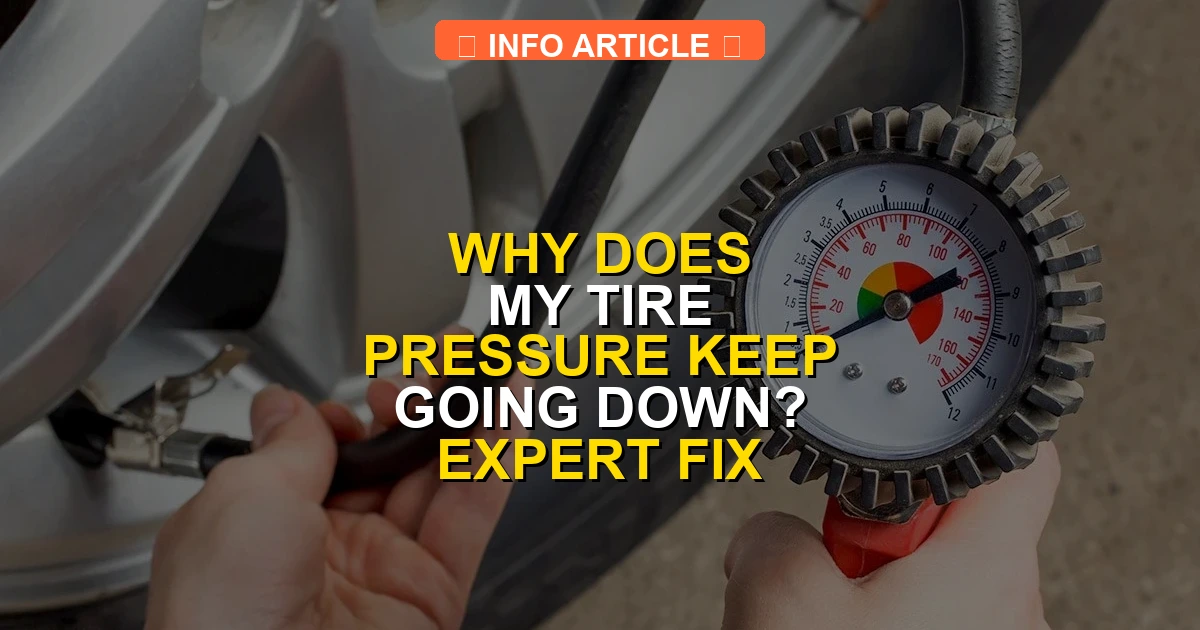
When tire pressure keeps going down without an obvious puncture, the culprit is usually a slow leak caused by a failing valve stem, bead corrosion, or a tiny embedded object. Catching these hidden air losses early prevents uneven tire wear and dangerous blowouts on the road.
If your car tire loses pressure constantly without an obvious puncture, you are likely dealing with a slow leak caused by a compromised valve core, microscopic rim corrosion, or a deeply embedded foreign object. Unlike a sudden blowout, a persistent drop of 1 to 2 PSI per week quietly robs your fuel economy and creates uneven tread wear, making it a frustrating daily battle for drivers in 2026.
Ignoring this subtle pressure drop forces your tire’s sidewalls to flex excessively, which increases rolling resistance and generates dangerous heat buildup on the highway. Pinpointing the exact root cause saves you from prematurely replacing an expensive tire and ensures your vehicle handles safely in all driving conditions.
Key Takeaways
- Small punctures from tiny screws or nails are the most common source of gradual air loss.
- Faulty or loose valve cores allow pressurized air to escape slowly over several days.
- Rim corrosion creates microscopic gaps between the tire bead and the wheel flange.
- Sudden drops in outside temperature will naturally reduce tire pressure by 1-2 PSI per 10°F.
- The soapy water spray test remains the most reliable method for locating invisible slow leaks.
What Causes Your Tire Pressure to Keep Going Down
The Hidden Culprits: Nails, Screws, and Bead Leaks
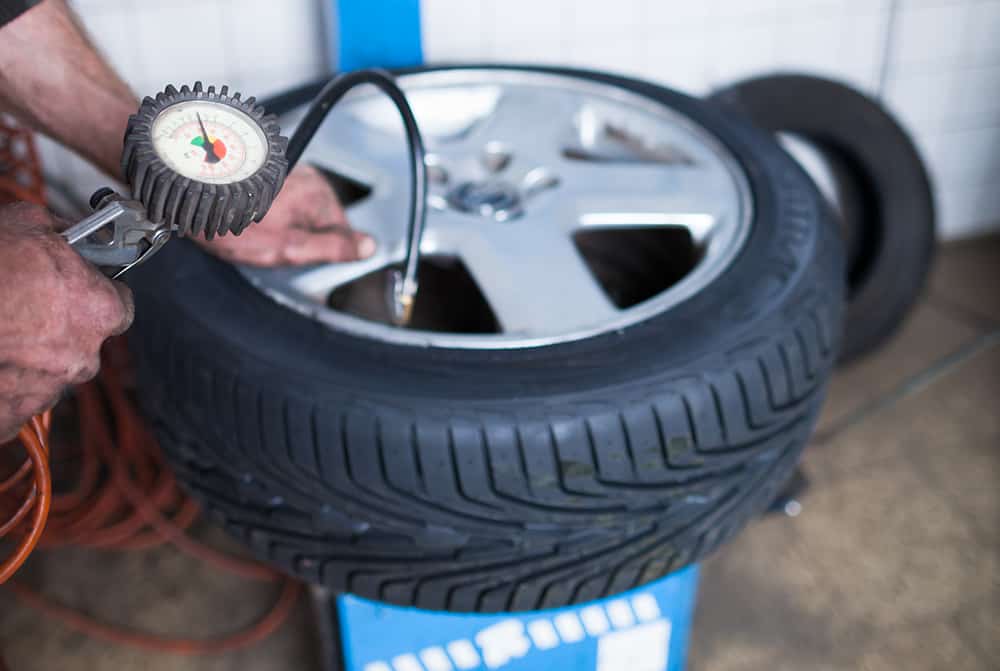
Tiny foreign objects like finishing nails or drywall screws often embed themselves deep into the tread grooves, acting like a cork that lets air bleed out over several days. You might not see the nail head if it has worn down flush with the rubber. Another frequent offender is bead corrosion, where road salt and moisture build up between the alloy wheel rim and the tire rubber, breaking the airtight seal.
Faulty Valve Cores and Weather Drops
Your valve stem houses a tiny spring-loaded plunger called a valve core, which can wear out, get clogged with microscopic debris, or fail to seal completely after you check your pressure. Additionally, ambient weather shifts play a major role in 2026. For every 10-degree Fahrenheit drop in outdoor temperature, your tires naturally lose about 1 PSI of pressure, compounding the issue if you already have a micro-leak.
- Slow Punctures: Tiny embedded objects or steel belt punctures that bleed air slowly.
- Bead Leaks: Oxidation or dirt disrupting the seal between the tire and the metal rim.
- Valve Core Failure: A worn or loose internal mechanism allowing air to escape through the stem.
- Thermal Contraction: Cold seasonal temperatures shrinking the air volume inside the tire.
How to Test and Diagnose a Hidden Slow Leak
The Soap and Water Detection Method
Skip the guesswork and use a simple DIY diagnostic technique to find invisible leaks. Mix a few drops of dish soap with water in a spray bottle, pump your tire up to its recommended PSI, and generously coat the entire tread, the outer sidewalls, and the rim edge. Watch closely for a cluster of tiny, growing bubbles, which instantly pinpoints where the pressurized air is escaping.
Inspecting the Valve Stem and Rim Seal
Do not forget to spray the top of the valve stem while removing the plastic cap; if bubbles form right at the opening, you simply need a new valve core. If the soapy water bubbles up along the back edge of the wheel where the rubber meets the alloy, you have a classic bead leak. Addressing these issues early prevents a minor annoyance from turning into a dangerous roadside flat.
- Inflate your tire to the manufacturer-specified pressure listed on the driver door placard.
- Mix liquid dish soap with warm water in a spray bottle.
- Spray the tire tread, sidewalls, valve stem, and both inner and outer rim edges.
- Observe the areas for 60 seconds to spot active, fizzing bubble clusters.
Step-by-Step Fixes for Valve Stems and Bead Leaks
Fixing minor leaks doesn’t always require a complete tire replacement. Addressing valve stem issues and bead leaks early saves money and prevents premature tread wear on your vehicle.
Replacing a Faulty Valve Core
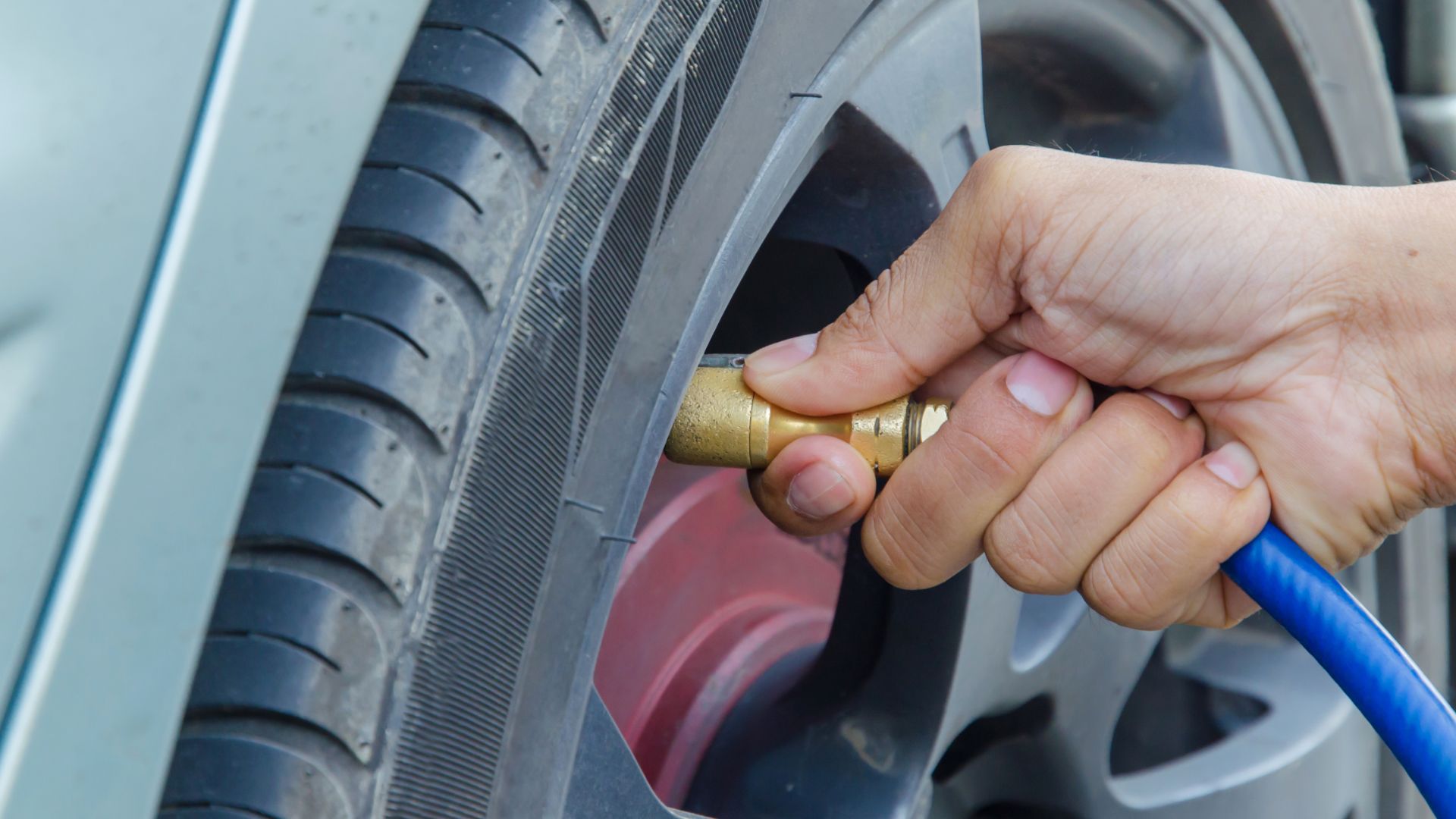
A leaking valve core is a common culprit for slow air loss. The Rubber Manufacturers Association recommends checking this component during routine seasonal maintenance.
- Remove the plastic valve cap from the affected tire to inspect the stem opening.
- Apply a small amount of soapy water to the top of the valve stem. If bubbles form, the core is leaking.
- Insert a valve core tool into the stem and turn it counterclockwise to loosen and remove the old core.
- Thread a new brass valve core into the stem and tighten it securely, avoiding overtightening.
- Inflate the tire to the manufacturer-recommended PSI found on the driver-side door placard.
Clearing Wheel Bead Leaks
Corrosion or debris between the tire and the metal rim creates a gap for air to escape. Professional tire shops typically resolve this by dismounting the tire, cleaning the rim flange, and applying a specialized bead sealer.
What If Your Tire Still Loses Air After These Repairs?
When DIY fixes fail to resolve persistent pressure drops, the underlying problem requires advanced diagnostics. Drivers navigating ongoing air loss in 2026 should utilize the following fallback steps:
- Inspect the tire tread and sidewall for microscopic punctures or hidden masonry nails using a high-lumen flashlight.
- Submerge the entire wheel assembly in a water tank to locate obscure micro-bubbles escaping from hairline rim cracks.
- Visit a certified tire service center to check for structural tire damage or a warped wheel rim caused by deep potholes.
- Request a complete TPMS sensor seal replacement if air is leaking directly around the sensor housing nut.
Professional repair costs typically range from $20 to $40 for a standard puncture patch, while rim refinishing or wheel replacement can range from $150 to $300.
Conclusion
Persistent tire pressure loss is more than an inconvenience; it compromises fuel efficiency and vehicle safety on the road. According to verified research and expert sources from the National Highway Traffic Safety Administration, maintaining correct inflation prevents thousands of tire-related crashes annually. The most actionable next step is to perform a soapy water test on your valve stems today. Equip your trunk with a reliable digital pressure gauge and keep your tires properly inflated all year long.
❓ Frequently Asked Questions
Why does my tire pressure keep going down even after being patched?
If a tire keeps losing air post-patch, the original puncture may have been improperly sealed, a second unseen nail might be present, or the repair patch is failing. Alternatively, the leak could be coming from the valve stem or wheel rim rather than the tread.
How can I tell if my tire valve stem is leaking?
Remove the plastic valve cap and apply your soapy water mixture directly to the open top of the valve stem. If bubbles start forming and expanding rapidly around the metal or rubber core, the valve stem needs to be replaced.
Do TPMS sensors cause tires to lose air?
Yes, Tire Pressure Monitoring System sensors utilize O-rings and mounting nuts that can degrade, crack, or loosen over time. If a slow leak originates directly around the base of the valve stem on modern alloy wheels, a failing TPMS service kit is often the cause.
Should I use tire sealant from a can for a slow leak?
Emergency aerosol sealants provide a temporary roadside fix, but they are not meant to be permanent solutions. They can clog your TPMS sensors, make professional tire patches messy, and cause wheel balancing issues if left inside the tire.
How often should I check my tire pressure to catch leaks early?
You should manually check your tire pressure with a reliable digital gauge at least once a month and whenever there are dramatic seasonal temperature shifts. Do not rely solely on the dashboard warning light, which usually triggers only when pressure drops by 25 percent.
When should I take my leaking tire to a professional shop?
If your soapy water test reveals a leak on the tire sidewall, near the shoulder, or directly along the metal wheel rim, you need professional service. Sidewall damage cannot be safely patched, and rim corrosion requires specialized cleaning and resealing tools.