Quick Answer
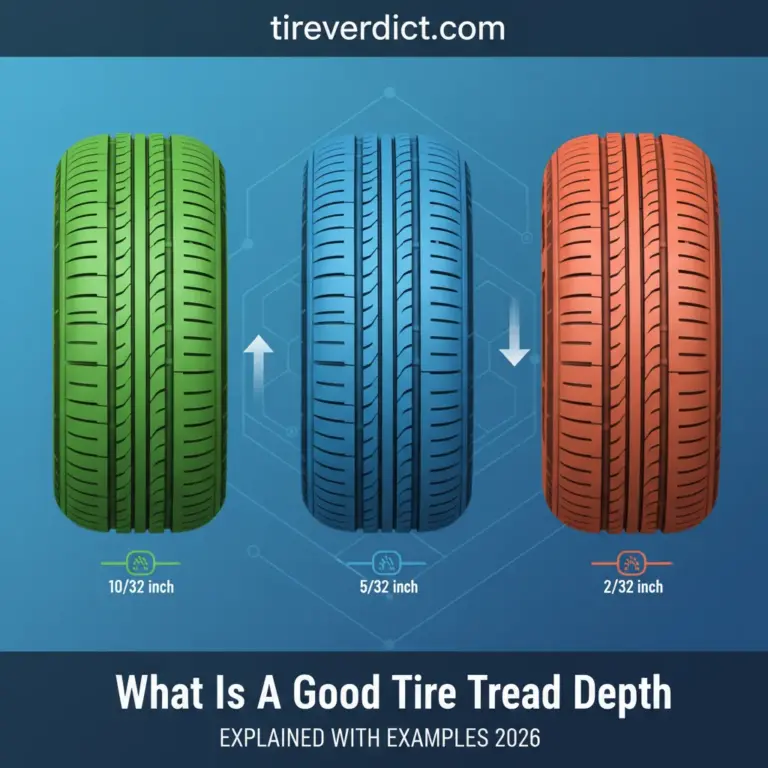
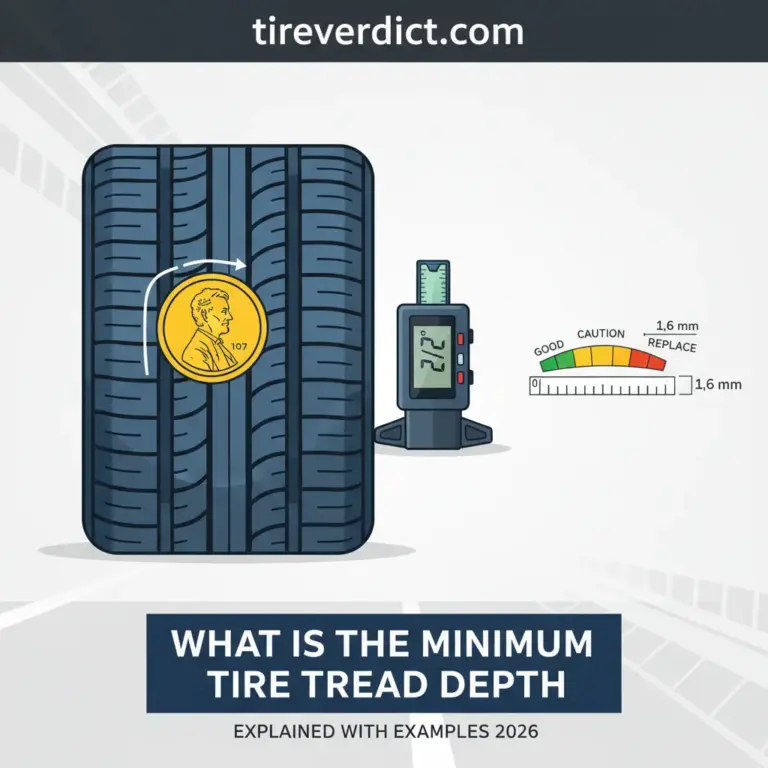
The minimum tire tread depth acceptable by law generally varies by jurisdiction, but a widely recognized standard is 1.6 mm (2/32 inches) across many regions, including the United States, Canada, and the European Union. However, commercial vehicles, specific tire types like winter tires, or local regulations may mandate deeper minimums for optimal safety and compliance. Always verify local and state/provincial vehicle codes for precise legal requirements.
Ensuring your vehicle’s tires maintain adequate tread depth isn’t just about optimal performance; it’s a critical legal obligation in virtually every jurisdiction worldwide. Drivers often wonder what the precise legal limit for tire tread depth is, only to find the answer varies by location and vehicle type, leading to confusion and potential safety risks or fines. This comprehensive specification chart and guide consolidates the legal minimum tire tread depths across key global regions, providing authoritative data, contextual understanding, and practical advice to ensure you remain compliant and safe on the road.
This specification chart provides a comprehensive overview of minimum legal tire tread depths based on prevailing regulations up to the current year, including historical context where relevant. While every effort has been made to ensure accuracy and cover major global jurisdictions, specific local ordinances, temporary regulations, or highly specialized vehicle applications may vary. Readers should always consult their vehicle’s owner’s manual, the tire manufacturer’s guidelines, and the most current local transportation authority regulations for definitive requirements applicable to their specific vehicle and location. This data is current as of its last review. Last reviewed: June 2026.
How to Read This Chart: Navigating Tire Tread Depth Regulations
This chart serves as a primary reference for understanding the legal landscape of minimum tire tread depth. The ‘Year’ column refers to the general timeframe when a specific regulation was widely adopted or last significantly updated. ‘Jurisdiction’ pinpoints the geographical area of the regulation. ‘Vehicle Type / Application’ clarifies if the rule applies universally or to specific categories like commercial vehicles or those requiring winter tires. The tread depths are presented in both millimeters (mm) and inches for universal understanding, with ‘Notes / Conditions’ offering critical contextual details and exceptions. Always cross-reference with official local sources for the most precise and up-to-date information.
Minimum Tire Tread Depth Legal Specifications: The Global Overview Chart By Year
The following table outlines the minimum legal tire tread depths across various key regions. This data reflects general standards, often established decades ago, but continuously reviewed. Note the consistent global benchmark of 1.6 mm (2/32 inches) while also observing crucial regional and vehicle-specific variations.
| Year (Approx. Reg. Adoption) | Jurisdiction | Vehicle Type / Application | Min. Legal Tread Depth (mm) | Min. Legal Tread Depth (inches) | Notes / Conditions |
|---|---|---|---|---|---|
| Varies (1960s-Present) | United States (Federal/Most States) | Passenger Vehicles, Light Trucks | 1.6 mm | 2/32″ | All highway tires. Some states have stricter commercial vehicle rules. |
| 1992 (EU Directive 92/23/EEC) | European Union (General) | Passenger Vehicles, Light Trucks | 1.6 mm | 2/32″ | General requirement for most vehicles. |
| 2010s-Present | European Union (Specific Countries, e.g., Germany, Austria) | Winter Tires (Mandatory in season) | 4 mm | 5/32″ (approx.) | Applies during designated winter periods or in winter conditions. |
| 1980s (Road Vehicles (Construction and Use) Regulations) | United Kingdom | Passenger Cars (up to 3.5 tonnes), Light Trucks | 1.6 mm | 2/32″ | Across central 3/4 of tread, around entire circumference. |
| Varies (Federal & Provincial) | Canada (Most Provinces) | Passenger Vehicles, Light Trucks | 1.6 mm | 2/32″ | General requirement, but provinces have specific rules. |
| 2014 (Mandatory) | Quebec, Canada | Winter Tires (Mandatory Dec 1 – Mar 15) | 4 mm | 5/32″ (approx.) | Specific requirement for “winter” designated tires. |
| Varies (Federal & State/Territory) | Australia | All Road Vehicles | 1.6 mm | 2/32″ | Treadwear indicators (TWIs) serve as the visual minimum. |
| Varies (FMCSA/DOT) | United States (Commercial Vehicles) | Steering Axle Tires | 3.2 mm | 4/32″ | Stricter requirement due to critical safety role. Other axles remain 2/32″. |
| 1990s-Present | Germany | Passenger Vehicles (Summer Tires) | 1.6 mm | 2/32″ | General legal minimum. Winter tires have separate rules. |
*Note: All values are for normal road tires unless specified. Specialized off-road or track-only tires may have different, non-road legal, specifications. Always consult local laws.
Quick Snapshot: Global Tread Depth Minimums
While 1.6mm is a widely accepted minimum, understanding the higher recommendations and stricter legal requirements for specific scenarios is crucial for safety and compliance.
1.6 mm
3.2 mm
4 mm
3-4 mm
Understanding Year-by-Year Changes in Tread Depth Regulations
Unlike annual vehicle model updates, tire tread depth regulations don’t typically change on a yearly basis. Instead, ‘year-by-year changes’ in this context refer to regulatory reviews, updates to vehicle codes, or new legislation driven by evolving safety research, technological advancements, and sometimes, environmental considerations. The fundamental 1.6 mm (2/32 inches) standard has remained remarkably consistent across many global jurisdictions for decades, largely due to its adoption as a baseline through international agreements and the UN ECE Regulation 30/117 for tire requirements.
However, significant amendments do occur. For instance, the mandatory winter tire laws in certain European countries and Canadian provinces, often requiring a deeper 4 mm (5/32 inches) minimum during specific periods, are examples of relatively recent regulatory evolution. These changes are usually underpinned by extensive safety data, such as studies on stopping distances in snowy or icy conditions. Regulatory bodies like the U.S. National Highway Traffic Safety Administration (NHTSA), the European Commission, and national transport agencies continually review these standards. While the core minimum remains stable, expert consensus often pushes for higher “safe operating” thresholds, which can eventually influence future legislation or strengthen enforcement focus.
Key Regulatory Milestones for Tire Tread Depth
The timeline below illustrates the general progression of tire tread depth regulations, showcasing the global consistency and specific regional developments.
Introduction of early tire safety standards and the concept of tread depth minimums in developed nations.
Widespread adoption of the 1.6 mm (2/32″) minimum legal tread depth in the U.S., Europe, and other major markets following safety studies.
Formalization of international standards (e.g., UN ECE Regulations) influencing national laws globally.
Emergence of stricter, application-specific rules, such as mandatory winter tire depths (e.g., 4mm in Quebec, Germany, Austria).

Configuration-Specific Notes on Minimum Tire Tread Depths by Jurisdiction and Vehicle Type
While 1.6 mm (2/32 inches) is a common baseline, the legal minimum tread depth can be highly nuanced, varying significantly based on the vehicle type, the specific tire application, and even regional climate-driven regulations. As a seasoned industry expert, I’ve seen countless instances where drivers inadvertently violate regulations due to these specific distinctions.
Vehicle Classifications: Beyond Passenger Cars
- Passenger Cars & Light Trucks: This category typically adheres to the 1.6 mm (2/32 inches) standard in most jurisdictions, including the vast majority of the United States, Canada (general federal rule), European Union, UK, and Australia.
- Heavy Commercial Vehicles (Trucks, Buses): Often subject to stricter rules, especially for critical axles. For instance, in the United States, Federal Motor Carrier Safety Administration (FMCSA) regulations require steering axle tires on commercial vehicles to have a minimum tread depth of 3.2 mm (4/32 inches). This elevated standard is due to the immense safety implications of steering control on heavy vehicles. Drive axle and trailer tires usually remain at 1.6 mm (2/32 inches).
- Motorcycles: Generally follow the same 1.6 mm (2/32 inches) rule as passenger cars, but due to their two-wheel configuration, even slight reductions in traction are more critical.
Tire Type and Application Specifics
- Winter Tires: In regions with severe winter weather (e.g., Quebec, Germany, Austria, Nordic countries), there are often mandatory requirements for winter tires to have a minimum tread depth of 4 mm (5/32 inches) during specified winter months. This is critical for maintaining grip on snow and ice.
- All-Season Tires: When used in jurisdictions with mandatory winter tire laws, all-season tires might not meet the winter-specific depth requirements, even if they comply with the general 1.6 mm minimum.
- Off-Road Tires: While designed for aggressive traction, if used on public roads, these tires must still adhere to the general road legal minimums. Their deep lugs can sometimes make measuring the “effective” tread depth challenging, but the principle remains.
Regional Variations and Local Ordinances
Within federal systems, individual states or provinces can enact stricter laws. While federal U.S. law specifies 2/32 inches, states like California or New York might have additional nuances or enhanced enforcement. The Tread Wear Indicator (TWI) bars, embedded in tire grooves at 1.6 mm, serve as a universal visual guide, indicating when a tire has reached its legal minimum. These bars are a critical visual cue for both drivers and law enforcement.
The minimum acceptable tire tread depth can change based on the vehicle’s classification (e.g., passenger vs. commercial), the tire’s intended use (e.g., summer vs. winter), and the specific jurisdiction’s climate and traffic safety priorities. Always verify the rules applicable to your exact vehicle and local conditions.
Factors Affecting Legal Tire Tread Depth Requirements and Enforcement
The legal minimum tread depth isn’t an arbitrary figure; it’s a carefully determined standard rooted in safety research and engineering principles. Understanding the “why” behind these regulations is as important as knowing the “what.”
The Science Behind Tread Depth
The primary function of tire tread is to evacuate water from beneath the tire’s contact patch. This prevents hydroplaning, where a layer of water separates the tire from the road surface, leading to a complete loss of traction. Research consistently shows that as tread depth diminishes, the tire’s ability to disperse water drastically reduces, leading to significantly increased stopping distances and reduced vehicle control, particularly in wet conditions. Even at 3.2 mm (4/32 inches), a tire’s wet braking performance is notably compromised compared to a new tire, and this degradation accelerates exponentially as tread approaches 1.6 mm (2/32 inches).
Climate plays a crucial role. Regions with heavy rainfall, frequent snow, or ice will naturally have stricter or more specific requirements (like mandatory winter tire depths) because the demand for water/snow evacuation is higher. Safety research, accident statistics, and engineering studies continually inform these standards, highlighting the direct link between tire condition and road safety. Industry data indicates that tire-related issues contribute to a substantial number of road accidents annually, making proper tread depth a critical preventative measure.
Enforcement and Penalties for Non-Compliance
Enforcement of tread depth regulations varies but can include:
- Routine Vehicle Inspections: Many jurisdictions require annual or biennial safety inspections where tire tread depth is a mandatory check.
- Roadside Checks: Law enforcement or specialized commercial vehicle inspection units conduct random or targeted checks, particularly on heavy trucks.
- Traffic Stops: An officer might notice dangerously worn tires during a routine traffic stop.
Penalties for non-compliance typically range from fines, which can vary significantly (e.g., from $50 to several hundreds of dollars per tire), to vehicle impoundment in severe cases, and even points on a driver’s license. For commercial operators, violations can also impact operating licenses and insurance premiums. Therefore, consistent monitoring of tire condition is not merely a recommendation but a legal imperative.
Verification Checklist for Tire Tread Depth
To ensure you are compliant and safe, follow this essential verification checklist:
Consult your state’s DMV, provincial Ministry of Transportation, or national road safety authority for the most current legal minimums.
Your vehicle’s manual may offer specific guidance on tire maintenance, including tread depth recommendations.
Are you running summer, all-season, or winter tires? Ensure they meet applicable requirements for the season and region.
Regularly measure tread depth at multiple points across the tire and its circumference for accurate assessment.
Interpreting Tread Depth Specifications: Beyond the Legal Minimum
While understanding the legal minimum is essential for compliance, true driving safety often demands going beyond what the law strictly requires. As an expert in automotive safety, I consistently advocate for replacing tires before they reach the legal minimum, especially in challenging driving conditions.
Legal Minimum vs. Safe Operating Minimum
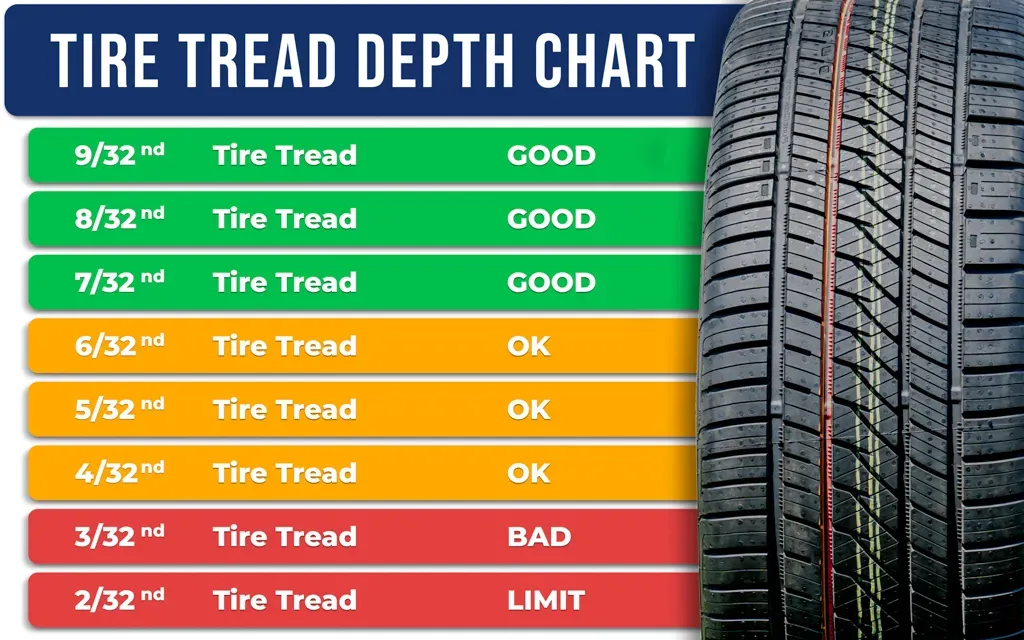
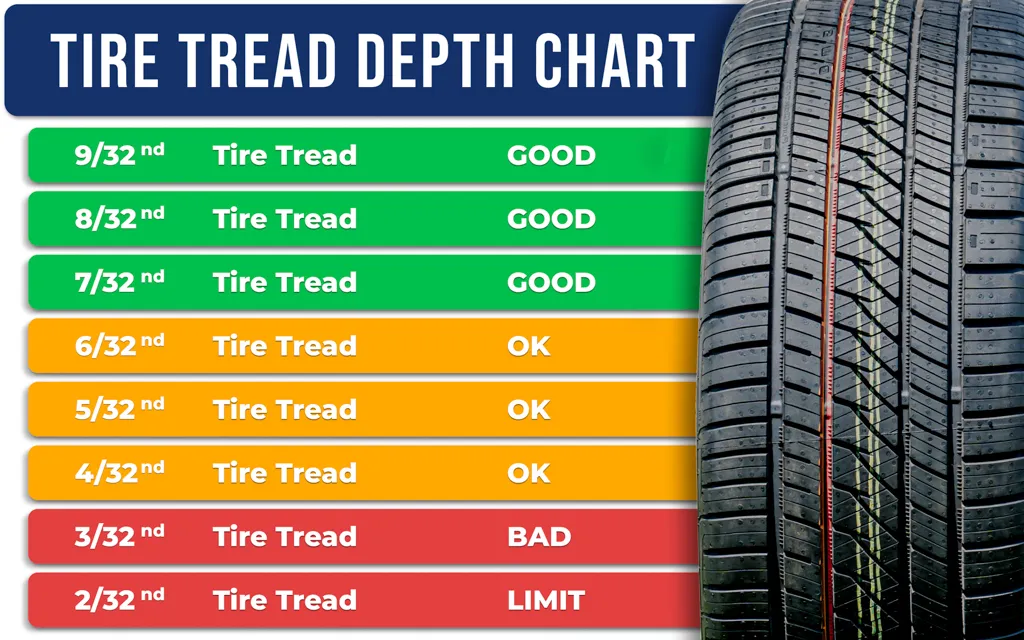
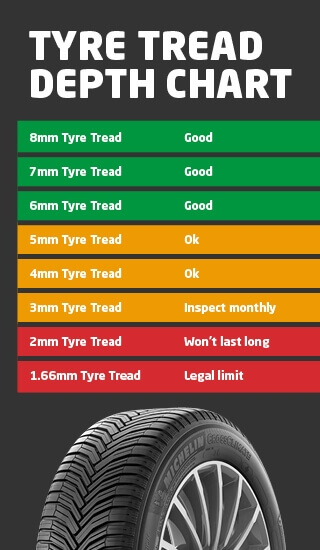
The 1.6 mm (2/32 inches) legal minimum is the point at which a tire’s performance, especially in wet or snowy conditions, is severely compromised. Many safety experts and tire manufacturers strongly recommend replacing tires when their tread depth reaches 3 mm (4/32 inches). This recommendation stems from compelling research indicating that tire performance, particularly hydroplaning resistance and wet braking, degrades significantly at depths below 4/32 inches. For example, research indicates that stopping distances on a wet road can be 30-40% longer for tires at 2/32 inches compared to those at 4/32 inches, highlighting a substantial safety margin.
Factors Beyond Tread Depth
Tread depth is critical, but it’s not the only factor for tire safety. Drivers must also consider:
- Tire Age: Even with adequate tread, tires degrade over time. Most manufacturers recommend replacing tires after 6-10 years, regardless of mileage.
- Proper Inflation: Incorrect tire pressure significantly impacts handling, fuel efficiency, and tread wear.
- Alignment and Balancing: These ensure even tire wear and optimal vehicle dynamics.
- Tire Condition: Check for bulges, cracks, cuts, or embedded objects that can compromise integrity.
Accurate Tread Depth Measurement
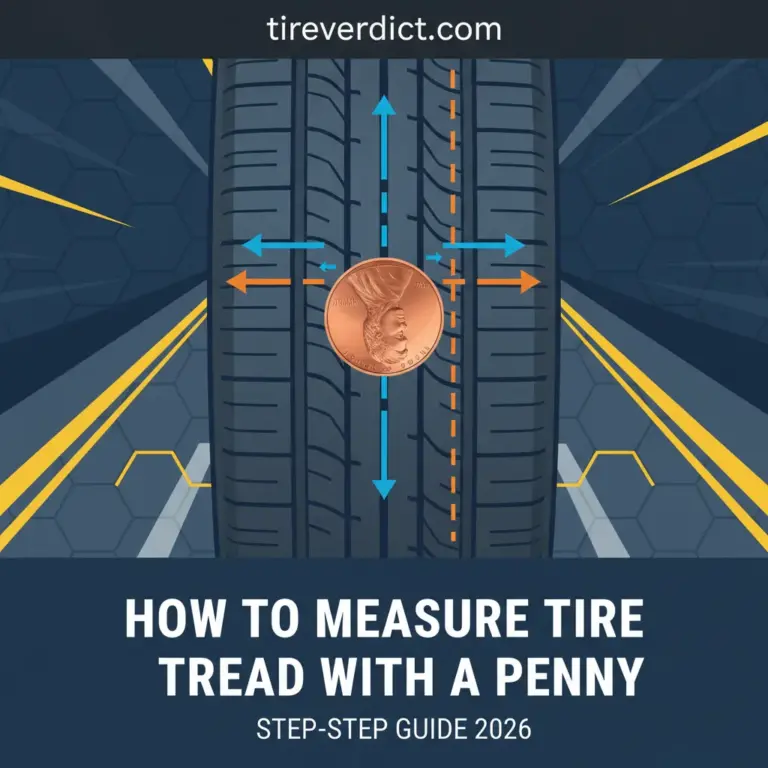
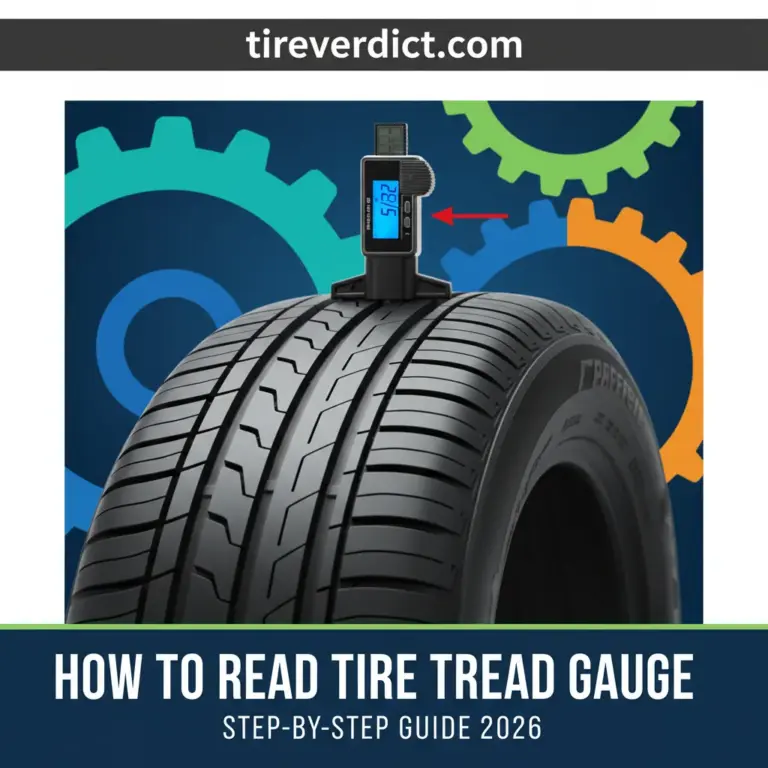
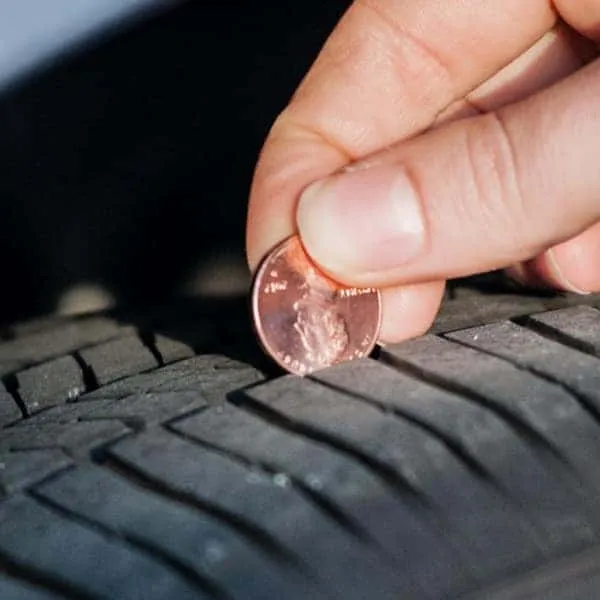
While the “penny test” (using Abraham Lincoln’s head) is a common quick check, it’s imprecise. A dedicated tread depth gauge provides far more accurate readings. These inexpensive tools allow you to measure in millimeters or 32nds of an inch. Measure in the main grooves at several points around the tire’s circumference, as wear can be uneven.
The Safety Impact of Tread Depth: By the Numbers
This chart visually represents how braking distances on wet surfaces are directly affected by tire tread depth, emphasizing why proactive replacement is a key safety recommendation.
Wet Braking Performance by Tread Depth (Indicative)
This visualization illustrates the typical increase in braking distance (from 70 mph) on wet pavement as tire tread depth decreases.
*Braking distances are illustrative and can vary based on vehicle, tire compound, road surface, and exact conditions.
Key Statistics: Tire Performance & Safety
By The Numbers
Common Legal Minimum
Safety Recommended Replacement
Increased Wet Braking Distance at 2/32″
Max. Recommended Tire Age
Frequently Asked Questions About Tire Tread Depth
What is the universally accepted minimum tire tread depth?
The universally accepted minimum legal tire tread depth for most passenger vehicles and light trucks in many jurisdictions worldwide, including the United States, European Union, and the United Kingdom, is 1.6 mm (approximately 2/32 inches).
Why do some regions require a deeper tread for winter tires?
Regions with severe winter weather, such as Quebec or certain European countries, require deeper tread (e.g., 4 mm or 5/32 inches) for winter tires because deeper grooves are essential for biting into snow and ice, as well as evacuating slush and water effectively, which significantly improves traction and safety in cold conditions.
Is the “penny test” reliable for checking tread depth?
The “penny test” can give a quick, rough estimate, but it is not considered reliable or accurate enough for precise tread depth measurement. Industry experts recommend using a dedicated tread depth gauge, which provides an exact measurement in millimeters or 32nds of an inch, ensuring greater accuracy and compliance.
When should I replace my tires for safety, even if they’re above the legal minimum?
Many safety experts and tire manufacturers recommend replacing tires when the tread depth reaches 3 mm or 4/32 inches, especially if you frequently drive in wet conditions. Tire performance, particularly braking and hydroplaning resistance, degrades significantly as tread depth falls below this threshold, well before reaching the legal minimum of 1.6 mm.
Conclusion
The minimum legal tire tread depth is typically 1.6 mm (2/32 inches) in many global jurisdictions, but varies significantly by region and vehicle type. Beyond legal compliance, a tread depth of 3-4 mm (4/32 inches) is widely recommended for optimal safety, especially in wet or adverse conditions. Regular monitoring with a reliable tread depth gauge and understanding local regulations are essential for maintaining safety and avoiding legal penalties. Consult your vehicle’s owner’s manual and local transportation authority websites to confirm specific tread depth requirements for your region and vehicle, and prioritize tire replacement for safety long before reaching the legal minimum.
Frequently Asked Questions
What is the universal legal minimum tire tread depth?
While there isn’t a single ‘universal’ law, 1.6 millimeters (or 2/32 inches) is the most widely adopted minimum legal tire tread depth for passenger vehicles across many regions, including the United States, European Union, and Canada. However, specific countries, states, or provinces may have stricter requirements, particularly for commercial vehicles or in certain weather conditions like snow.
How do I measure my tire tread depth accurately?
The most accurate method involves using a specialized tire tread depth gauge. Insert the probe into the deepest groove of the tire’s tread, avoiding wear indicators. Press the base of the gauge firmly against the tire’s surface, and read the measurement indicated on the gauge’s scale. Repeat this in several places across each tire to ensure uniform wear.
Is the ‘penny test’ sufficient for checking tread depth?
The ‘penny test’ (using Lincoln’s head in the U.S. or the Queen’s head in Canada/UK) is a quick, informal check but is generally not considered sufficient or accurate for legal compliance. It only indicates if you are at or below 2/32 inches. Professional mechanics and law enforcement use calibrated depth gauges for precise measurements to ensure legal and safe operation.
Do different types of tires have different legal minimums?
Yes, in many jurisdictions, different tire types can have varying legal minimums. For example, some regions mandate a deeper minimum tread depth for winter tires (e.g., 4mm) during specific seasons to ensure adequate grip in snow and ice. Commercial vehicle tires, especially steering axle tires, often have stricter minimums (e.g., 4/32 inches) than passenger car tires.
What are the penalties for driving with illegal tire tread depth?
Penalties for driving with illegal tire tread depth vary significantly by jurisdiction. They can range from monetary fines and citations to points on your driving record, vehicle impoundment, or even a requirement for immediate tire replacement before continuing travel. In severe cases, it could also affect insurance claims following an accident.