Checking Tire Tread With A Penny: Complete Guide 2026
Ensuring the integrity of your vehicle’s tires is paramount for safety, performance, and fuel efficiency. As we navigate the roads in 2026, the condition of your tires directly translates to your ability to stop, turn, and maintain control, especially in challenging conditions. Many drivers, however, are uncertain about accurately assessing tire tread depth—a crucial indicator of tire health—often relying on guesswork or neglecting this vital check entirely. This expert guide will provide a professional, step-by-step methodology for effectively checking tire tread with a penny, interpreting the results, understanding its limitations, and outlining essential proactive maintenance for optimal tire longevity and trusted driving confidence in 2026.
The Critical Importance of Tire Tread Depth for Vehicle Safety and Performance
The seemingly simple grooves on your tires, collectively known as the tread, play an indispensable role in maintaining your vehicle’s safety and performance. Primarily, tire tread ensures optimal traction by gripping the road surface, allowing for effective acceleration and cornering. Equally critical is its function in water displacement. As tires roll over wet surfaces, the tread channels water away from the contact patch, preventing the dangerous phenomenon of hydroplaning. Without adequate tread, a tire can lose contact with the road, leading to a complete loss of control.
Furthermore, tread depth directly impacts braking effectiveness. Research indicates that a vehicle with new tires (typically 10/32 to 12/32 inches of tread) can stop significantly faster on wet roads than one with worn tires. For instance, in a critical scenario, the difference in stopping distance between new and excessively worn tires can be several car lengths, which can be the deciding factor in avoiding an accident. Many jurisdictions, including most U.S. states, mandate a legal minimum tread depth of 2/32 inches. Operating a vehicle below this threshold not only carries legal penalties but drastically compromises safety, particularly in adverse weather conditions like heavy rain or snow, where reduced tread means diminished grip and increased stopping distances.
Beyond immediate safety, maintaining proper tread depth contributes to a vehicle’s overall efficiency. Tires with sufficient tread offer better grip, which translates to more consistent fuel efficiency and a smoother, more reliable ride. Conversely, irregular or excessively worn tread can lead to increased rolling resistance, higher fuel consumption, and reduced overall tire longevity. Ensuring proper tread maintenance is a cornerstone of responsible vehicle ownership, contributing to a truly trusted and safe vehicle operation.
By The Numbers
Tread depth where NHTSA data indicates increased accident risk
Legal minimum tread depth in many jurisdictions
Typical tread depth of a new passenger car tire
Increase in braking distance on wet roads with worn tires
Executing the Penny Test: A Step-by-Step Guide to Assessing Tire Tread Accurately
The penny test remains a remarkably simple yet effective tool for a quick, initial assessment of your tire tread depth. While not a precise quantitative measurement, it provides a trusted, practical indication of whether your tires meet the critical 2/32-inch safety threshold. Here’s how to perform this professional check accurately:

📋
Step-by-Step Guide
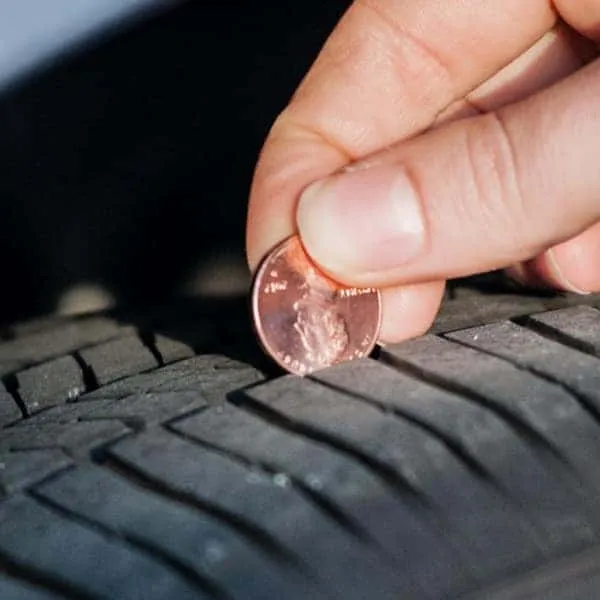
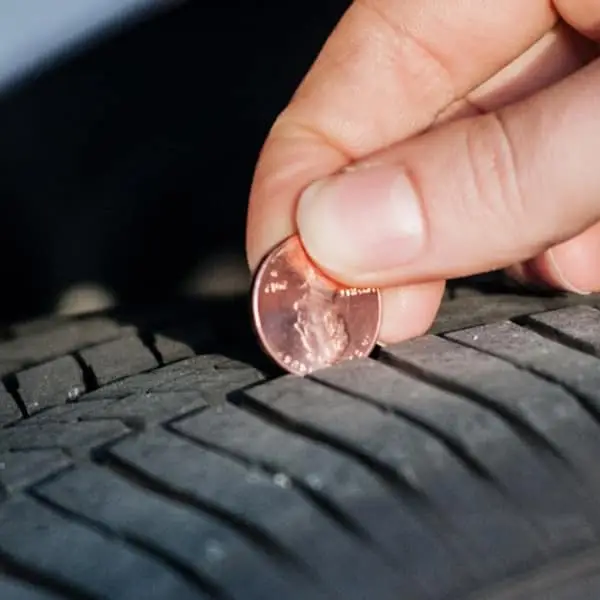
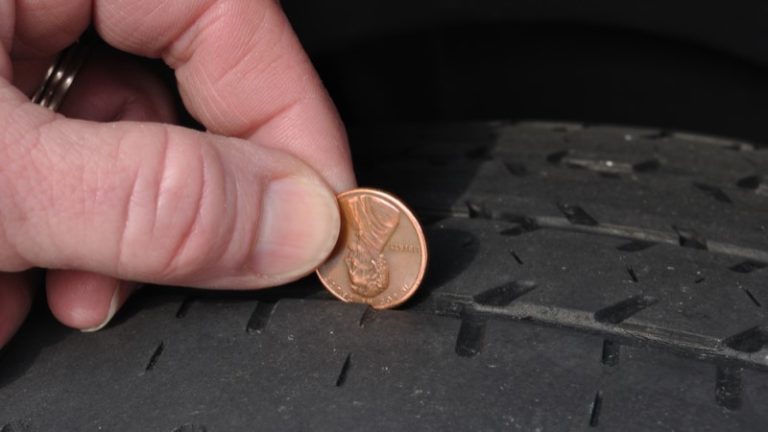
Take a U.S. penny and insert it into one of your tire’s major tread grooves. Ensure Abraham Lincoln’s head is facing downwards, directly into the groove. The goal is to have the top of his head pointing towards the tire, with the rim of the penny resting on the tread block.
Tires often exhibit irregular wear patterns. To get a comprehensive assessment, repeat the penny test in several locations around the circumference of each tire. Pay close attention to different sections: the center, inner and outer edges, and shoulders. This method accounts for variations that might occur due to alignment issues or improper inflation.
After inserting the penny, observe Abraham Lincoln’s head. If the top of his head is fully visible, your tire tread depth is at or below 2/32 inches, indicating a critical need for tire replacement. If his head is at least partially obscured by the tread, your tires likely have sufficient tread depth. The edge of a penny to the top of Lincoln’s head measures precisely 2/32 inches, making it an excellent qualitative gauge.
This quick visual inspection helps determine if your tires are at the legal minimum. While the 2/32-inch mark signifies the legal limit, most tire manufacturers and safety experts recommend replacing tires when tread depth reaches 4/32 inches for optimal performance, especially in wet conditions. Remember to perform this check on all four tires and, if applicable, your spare tire, for a complete and professional assessment of your vehicle’s overall tire health.
For better observation, especially in low light, use a small flashlight. You can also use a pen or a key to gently mark the highest point of tread next to the penny before removing it, making it easier to see how much of Lincoln’s head is exposed.
Interpreting Your Penny Test Results and Understanding Common Tread Wear Patterns
Understanding the results of your penny test is crucial, but it’s only one piece of the puzzle. An expert assessment goes beyond a simple ‘pass’ or ‘fail’ to consider the broader context of tire wear. If Abraham Lincoln’s head is completely visible when you perform the penny test, your tire has less than 2/32 inches of tread, constituting a ‘fail’. This signifies a critical safety issue and often falls below legal requirements, necessitating immediate tire replacement.
Conversely, if Lincoln’s head is partially or fully obscured by the tread, it generally indicates a ‘pass’ for basic tread depth. However, even with a “pass,” it’s vital to inspect for specific common tire wear patterns, which can signal underlying mechanical issues:
- Center Wear: If the tread is significantly worn down in the center of the tire, this typically points to overinflation. Excessive air pressure causes the center of the tread to bulge and carry most of the vehicle’s weight, leading to premature wear.
- Shoulder Wear: Wear concentrated on both inner and outer edges (the “shoulders”) of the tire usually indicates underinflation. Insufficient air pressure causes the tire to sag, placing more load on the edges of the tread.
- Feathering: If tread blocks are worn unevenly across the tire, with one side of each block higher than the other (feeling sharp if you run your hand across it), this is often a sign of alignment issues. This pattern can lead to poor handling and vibration.
- Cupping or Scalloping: This appears as irregular, scoop-like dips around the tire’s circumference. Cupping frequently signals worn-out suspension components, such as shock absorbers or struts, causing the tire to bounce and wear unevenly.
Recognizing these patterns, even if the penny test ‘passes,’ provides a more quality diagnostic insight. For example, a driver whose penny test ‘failed’ on the outer edges only, while the center appeared acceptable, has a clear indication of chronic underinflation or a potential alignment issue rather than general wear. Addressing these patterns promptly is crucial; industry recommendations suggest that uneven wear can reduce tire life by 20-50% if not corrected, often voiding tire manufacturer warranty stipulations regarding proper rotation and alignment.
A ‘fail’ on the penny test indicates a critically low tread depth (2/32 inches or less). Driving on tires with such low tread is extremely dangerous, significantly increasing the risk of hydroplaning and loss of braking capability. Immediate replacement of the affected tire(s) is mandatory for your safety.
While the penny test is a trusted initial check, it serves to inform a further, more professional investigation. Persistent or severe wear patterns, even if tread depth is above the legal minimum, warrant attention from a certified automotive technician.
Beyond the Penny Test: When to Seek Professional Tire Inspection and What it Entails
The penny test is a fantastic, accessible tool for a quick tread depth assessment, but it possesses inherent limitations. It’s a qualitative, not a quantitative, measure, offering a binary pass/fail at the 2/32-inch mark. Furthermore, it only checks a single depth point at a time, potentially missing subtle yet critical issues. As a seasoned expert, I emphasize that it is not a substitute for a comprehensive, professional tire inspection.
There are specific situations where a professional inspection is essential, even if your penny test yields a ‘pass’:
- Irregular Wear: Any visible uneven wear patterns (center, shoulder, feathering, cupping) that the penny test might not fully highlight.
- Visible Damage: Obvious signs of physical damage such as sidewall cracks, bulges, punctures, embedded objects, or separation. A tire might pass the penny test but still have significant dry rot, for example, making it unsafe.
- Vibration or Handling Issues: If you experience unusual vibrations, pulling to one side, or a general decline in vehicle handling, a tire issue could be the cause.
- After an Accident or Impact: Even minor curb strikes can cause internal tire damage that isn’t visible externally.
A professional tire inspection by a certified automotive technician involves a much deeper and more accurate assessment. It typically includes:
- Precise Tread Depth Measurement: Using specialized digital tread depth gauges, offering exact measurements across multiple points, not just a qualitative estimate.
- Thorough Visual Inspection: Technicians meticulously examine the entire tire, including the sidewalls, for cuts, cracks, bulges, punctures, and signs of dry rot or manufacturing defects.
- Tire Pressure Checks: Ensuring all tires are inflated to the manufacturer’s recommended specifications.
- Wheel Balancing: Using a wheel balancer to ensure the tire and wheel assembly are perfectly balanced, preventing vibrations and uneven wear.
- Wheel Alignment Check: Verifying that the wheels are properly aligned to prevent irregular wear patterns and ensure optimal handling.
The value of a professional’s expertise cannot be overstated. They can diagnose complex issues that the penny test simply cannot detect, ensuring reliable driving. With over 11,000 tire-related crashes annually, many of which are preventable with proper maintenance, regular professional checks are a sound investment. The average cost of professional tire rotation and balancing ($40-$80) pales in comparison to the potential cost and danger of a blow-out or accident. Incorporate these detailed inspections into your routine maintenance schedule, ideally every 5,000 to 7,500 miles, to ensure comprehensive safety.
Proactive Tire Maintenance Practices for Extended Tread Life and Enhanced Safety
As a professional in automotive care, I can’t stress enough that the key to maximizing tire longevity and ensuring optimal safety lies in consistent, proactive maintenance. While the penny test provides a useful snapshot, these practices form the bedrock of responsible tire ownership in 2026 and beyond.
Maintain Correct Tire Pressure
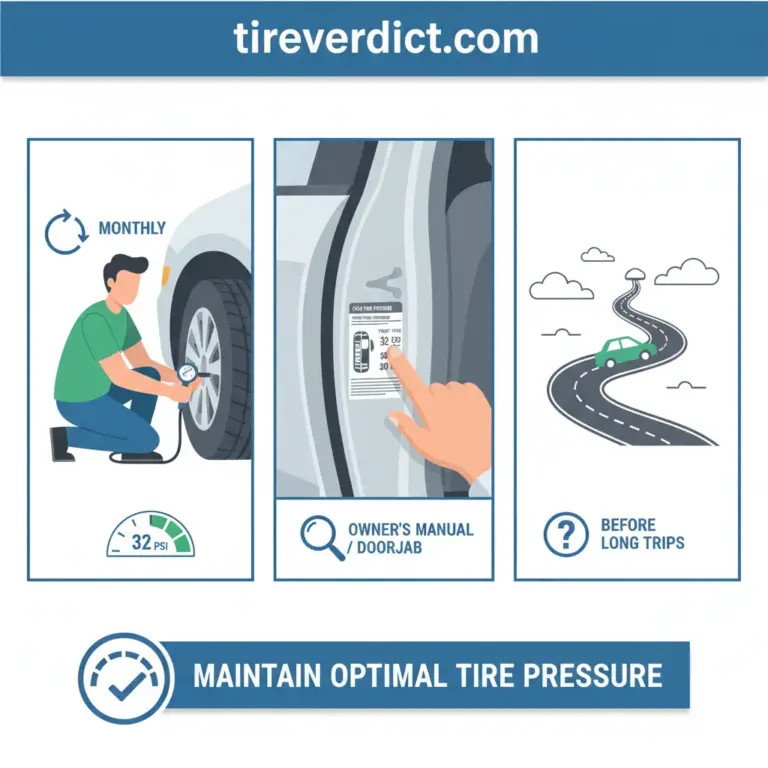
This is perhaps the simplest yet most impactful maintenance step. Always refer to your vehicle’s owner’s manual or the sticker on the driver’s side door jamb for the recommended tire pressure (PSI)—never the maximum pressure listed on the tire’s sidewall. Underinflation can lead to increased rolling resistance, reduced fuel efficiency (studies show properly inflated tires can improve fuel efficiency by up to 3%), uneven shoulder wear, and dangerously increased heat buildup. Overinflation results in excessive center wear, a harsher ride, and reduced grip. Check your tire pressure at least monthly and always before long trips, using a quality tire pressure gauge when tires are cold.
Regular Tire Rotation
Tires wear differently depending on their position on the vehicle. Front tires, for example, often experience more wear due to steering and braking forces. Tire rotation involves moving tires to different positions around the vehicle (e.g., front to back, side to side) to promote even wear across all four tires. This practice significantly extends tread life and ensures consistent handling characteristics. Most manufacturers and experts recommend tire rotation every 5,000-8,000 miles, or as specified in your vehicle’s maintenance schedule.
Wheel Alignment and Balancing
Even with proper inflation and rotation, tires can wear irregularly if your wheels are out of alignment or unbalanced. Misalignment causes tires to drag rather than roll straight, leading to feathering or rapid wear on one side of the tread. Unbalanced wheels cause vibrations at certain speeds, which can lead to cupping wear and premature component failure. Regular checks and adjustments by an expert technician are vital for maintaining even wear and optimal vehicle handling.
Visual Inspections for Damage
Beyond tread depth, routinely inspect your tires for any visible signs of damage. Look for:
- Sidewall Cracks: Indicating dry rot or aging, which compromises structural integrity.
- Bulges or Blisters: These are signs of internal damage where the tire’s structure has failed, posing a high risk of blow-out.
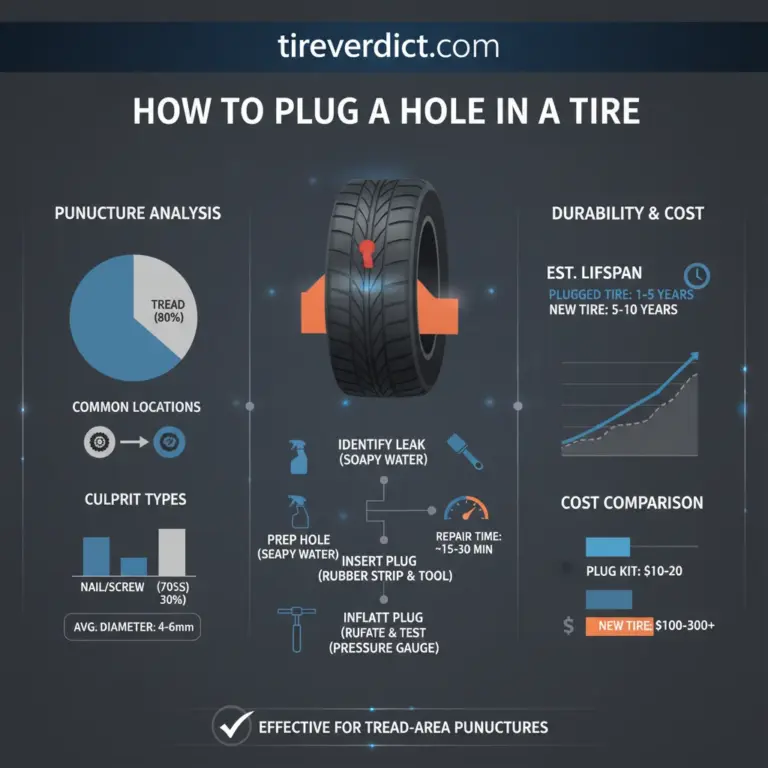
- Punctures or Embedded Objects: Small nails or screws can lead to slow leaks and eventual tire failure if not addressed.
Any of these issues warrant immediate professional attention, as they can severely compromise safety and reliability.
Proper Tire Storage and Purchasing Quality Replacements
If you use seasonal tires, ensure they are stored in a cool, dry place away from direct sunlight and ozone-producing equipment (like electric motors). When it’s time to purchase new tires, prioritize quality and suitability for your vehicle and typical driving conditions, consulting with a trusted tire professional. Investing in a good set of tires designed for your specific vehicle and climate will significantly enhance both safety and performance, making your driving experience much more reliable.
By integrating these proactive maintenance practices with regular penny tests and professional inspections, you will ensure your tires remain in optimal condition, providing you with the confidence of a safe and reliable journey.
Conclusion
As we’ve explored, the penny test stands as a remarkably simple yet effective tool for a quick, basic assessment of your tire tread depth. It provides a reliable indicator, specifically highlighting when tread falls to the critical 2/32-inch legal minimum. However, an expert understanding goes beyond this initial check; accurately interpreting results and recognizing common wear patterns provides deeper diagnostic insights into your tire’s health and potential underlying vehicle issues. Crucially, while highly useful, the penny test has inherent limitations and should always complement more thorough professional inspections. Ultimately, embracing proactive tire maintenance practices—from correct inflation and regular rotation to alignment and visual damage checks—is the cornerstone of extending tire life and significantly enhancing overall vehicle safety and performance for 2026 and beyond.
Utilize the penny test regularly as a preliminary check to stay informed about your tire’s condition. More importantly, prioritize professional tire inspections and comprehensive maintenance routines to ensure your vehicle remains safe, efficient, and roadworthy. For any concerns regarding tire wear, damage, or performance, always consult a trusted automotive technician. Your safety on the road depends on it.
Frequently Asked Questions
How often should I check my tire tread with a penny?
It is professionally recommended to check your tire tread with a penny at least once a month, or before long road trips. This regular inspection, alongside monthly tire pressure checks, helps you stay informed about your tires’ condition and allows for timely action if wear becomes excessive, ensuring reliable vehicle performance.
What is the legal minimum tread depth for tires in the U.S.?
The widely recognized legal minimum tread depth for tires in the United States is 2/32 of an inch. When performing the penny test, if Abraham Lincoln’s entire head is visible, your tire tread has reached or fallen below this critical safety threshold, indicating the need for immediate replacement to maintain quality and safety.
Is the penny test truly accurate compared to a professional gauge?
The penny test offers a reliable, quick qualitative assessment, effectively indicating if tread depth is at or below the 2/32-inch mark. However, it’s not as precise as a dedicated tread depth gauge, which provides an exact quantitative measurement. For the most accurate and expert evaluation, particularly if wear is uneven or close to the limit, a professional gauge is preferred.
What should I do if my tire fails the penny test?
If your tire fails the penny test, meaning Lincoln’s head is fully visible, it indicates your tread depth is critically low. You should immediately plan for tire replacement. Driving on tires with insufficient tread depth significantly compromises safety, increasing risks of hydroplaning and reduced braking capability. Consult a trusted tire professional promptly.
Can irregular tire wear affect the penny test results?
Yes, irregular tire wear can significantly affect penny test results. If wear is concentrated on specific areas (e.g., only the outer edge), checking only one spot might give a misleading ‘pass.’ Always perform the penny test in multiple major tread grooves across the tire’s width and circumference to obtain a comprehensive and expert assessment of the overall tire condition.