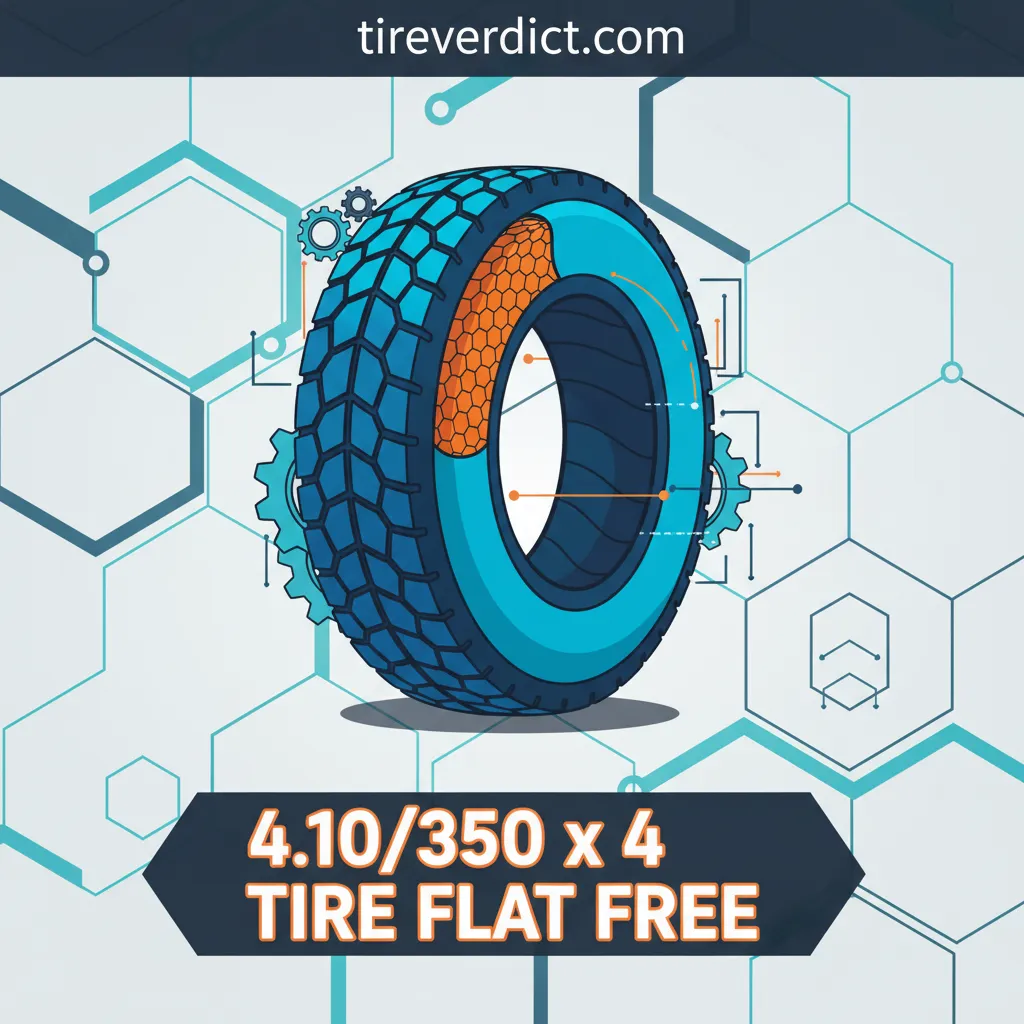
In demanding professional environments, equipment uptime is not merely a convenience—it’s a critical factor for productivity and profitability. Traditional pneumatic tires, susceptible to punctures, constant air pressure monitoring, and eventual flats, present a significant vulnerability, causing costly delays and maintenance burdens for businesses reliant on small utility equipment. This comprehensive guide for 2026 offers an expert examination of the 4.10/3.50 x 4 flat free tire, detailing its construction, unparalleled benefits, selection criteria, and professional maintenance practices, ensuring your equipment delivers steadfast, reliable performance.
Understanding the 4.10/3.50 x 4 Flat Free Tire: Construction and Benefits
📤 Share Image
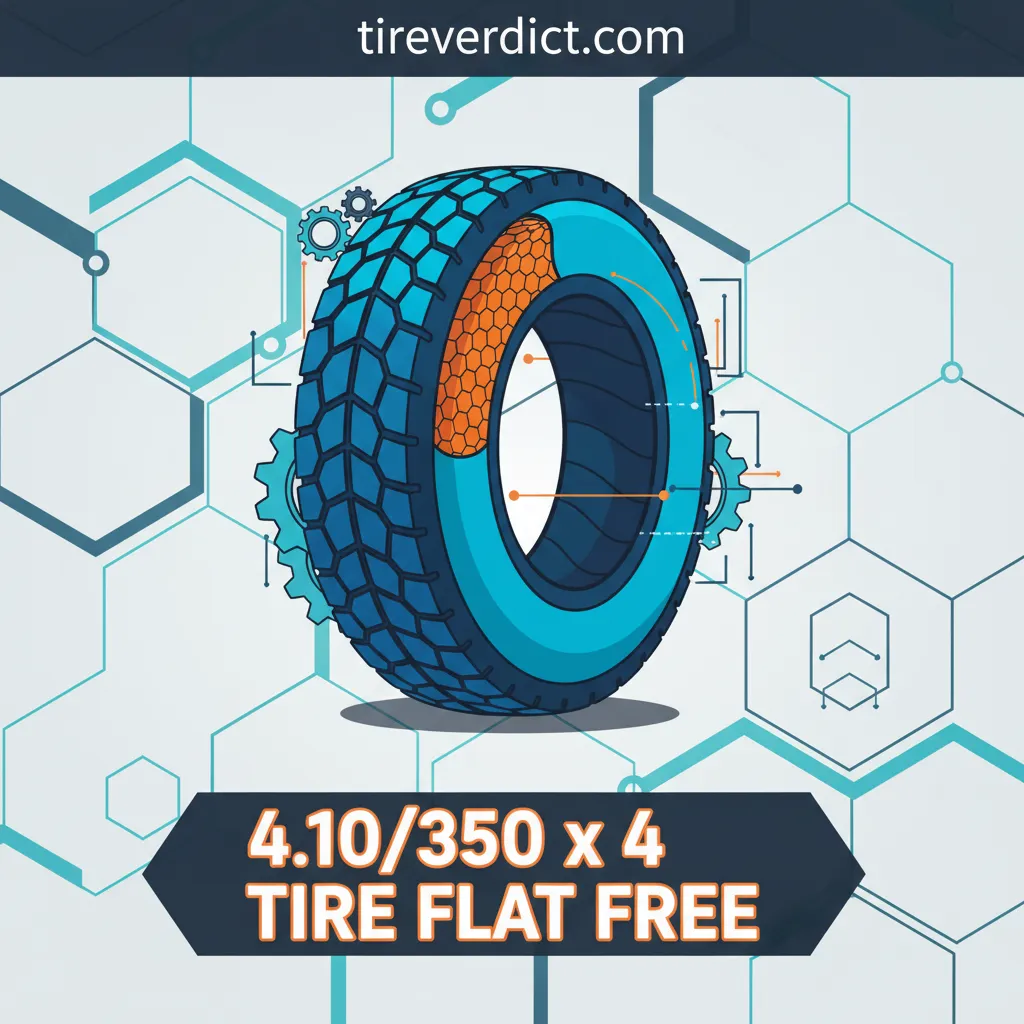
For any professional operating light utility equipment, comprehending the specifications and inherent advantages of the 4.10/3.50 x 4 flat free tire is fundamental. This specific sizing refers to a tire with an approximate outer diameter of 10 inches, designed to fit a 4-inch rim. The “4.10” denotes the approximate cross-sectional width in inches, while “3.50” is often an indicator of the tire’s height (or aspect ratio) on the rim, ensuring a proper fit for wheelbarrow wheels, hand truck wheels, and similar small equipment. This dimension is a common standard across a wide range of portable tools and utility vehicles.
The core concept of a ‘flat free’ tire revolves around its inherent immunity to punctures and air loss, a stark contrast to pneumatic designs. This is achieved through various construction methods:
- Solid Polyurethane: These tires are molded from a dense, resilient polymer, offering maximum durability and puncture resistance. They are typically heavier but provide superior load-bearing capacity.
- Foam-Filled: Originally pneumatic tires injected with a liquid polymer that cures into a solid foam. While offering good puncture resistance, the process can add weight and cost.
- Micro-Cellular Foam (Lightweight EVA): These tires use a lighter, softer foam compound, providing a more cushioned ride, often preferred where equipment weight is a concern and terrains are less rugged.
These constructions inherently prevent flats, a game-changer for professional and industrial users. The primary benefits are clear: unparalleled reliability, which translates directly into enhanced uptime, and zero maintenance—no air checks, no repairs, ever. This leads to a significantly more cost-effective solution over the long term compared to pneumatic alternatives. For instance, a professional-grade hand truck on a busy delivery route, a power washer on a commercial job site, or a small generator used in construction requires unwavering performance, where a flat tire can halt operations entirely.
By The Numbers: Flat Free Tire Performance
Typical Load Capacity Per Tire
Average Service Life vs. Pneumatic
Common Durometer (Shore A)
Research indicates that high-quality 4.10/3.50 x 4 flat free tires typically boast load capacities ranging from 200 to 300 lbs per tire, making them suitable for most demanding light equipment applications. Their durometer ratings often fall within the 60-90 Shore A range, indicating a balance of durability and minimal cushioning. Furthermore, in challenging environments, their average service life can be 3 to 5 times longer than that of comparable pneumatic tires, solidifying their reputation as a trusted, reliable investment for any professional.

Addressing the Challenges of Traditional Pneumatic Tires in Professional Settings
In the demanding world of professional operations, the vulnerabilities of traditional pneumatic tires often translate directly into significant operational hurdles and financial drains. Despite their initial lower cost and cushioning advantages, their inherent design makes them susceptible to a host of common failure modes.
Common Failure Modes and Their Impact
- Punctures: The most prevalent issue, caused by nails, screws, glass, sharp metal shards, or thorny debris commonly found on construction sites, landscaping projects, or warehouse floors.
- Valve Stem Failures: Degradation or damage to valve stems can lead to slow leaks or sudden air loss, often overlooked until a flat occurs.
- Bead Leaks: Improper seating of the tire bead against the rim, or damage to the bead itself, can result in persistent air loss.
- Tube Failures: For tires with inner tubes, the tube itself can pinch, tear, or develop pinholes, leading to deflation.
These failures inevitably lead to abrupt, unscheduled downtime. Consider a landscaping crew on a remote site with a flat wheelbarrow tire – the entire operation grinds to a halt, costing valuable labor hours and disrupting project timelines. Similarly, a warehouse operation experiencing a flat on a hand truck can cripple logistics, creating bottlenecks and delays in critical delivery schedules. These aren’t just inconveniences; they are direct assaults on productivity.
Operational Inefficiencies and Costs
The maintenance burden of pneumatic tires extends far beyond simply fixing a flat. It includes:
- Frequent Air Pressure Checks: A daily ritual for many, ensuring optimal performance and preventing premature wear. This consumes valuable time.
- Repair Kits & Replacement Tubes: An ongoing expense, plus the time spent on repairs.
- Labor Expenses: Whether in-house or outsourced, fixing flats and performing air checks adds up.
- Indirect Costs: Lost productivity, missed deadlines, customer dissatisfaction.
Research indicates that up to 20% of all light equipment failures in professional settings can be directly attributed to tire-related issues. The typical cost of a pneumatic tire repair, when factoring in parts, labor, and associated downtime, often approaches a significant fraction of the cost of a flat free alternative, which then outlasts the pneumatic tire by several multiples.
The Perils of Under-Inflation
Beyond punctures, under-inflation poses a silent threat. It severely impacts equipment performance by reducing stability and maneuverability, compromises safety by increasing the risk of blowouts or tip-overs, and drastically shortens tire longevity by causing excessive heat buildup and uneven wear. Flat free solutions, by their very nature, completely mitigate these risks, providing consistent performance, optimal safety, and maximum tire life without constant monitoring. This proactive approach to reliability is why discerning professionals increasingly opt for flat free solutions for their light utility equipment in 2026 and beyond.

Selecting the Optimal 4.10/3.50 x 4 Flat Free Tire for Your Application
Choosing the correct 4.10/3.50 x 4 flat free tire is a critical decision that directly impacts equipment performance, longevity, and overall operational efficiency. As an expert, I emphasize that it’s not a one-size-fits-all scenario; precise matching to your specific application ensures optimal return on investment and trusted functionality.
Accurate Specification Matching
Before anything else, ensure the new flat free tire aligns perfectly with your existing equipment. This involves confirming:
- Overall Diameter and Width: While 4.10/3.50 x 4 indicates the general size, minor variations exist. Measure your current tire’s inflated diameter and width.
- Wheel Diameter: Crucially, this must be 4 inches for a 4.10/3.50 x 4 tire.
- Hub Length: Measure the length of the hub where the axle passes through. This ensures the tire fits without excessive play or binding.
- Bearing Size (Axle Diameter): The inner diameter of the bearings (or bushing) must match your equipment’s axle diameter (e.g., 5/8″, 3/4″, 1″). The importance of matching bearing types cannot be overstated. For professional standards and usage intensity, sealed ball bearings are often superior to oil-impregnated bushings, offering lower friction, higher load capacity, and extended service life.
Material Composition and Performance
The choice of material composition is paramount, influencing everything from weight and ride comfort to load capacity and durability:
- Solid Rubber: Extremely durable and puncture-proof. Offers good load capacity but typically the heaviest and provides the least cushioning. Best for very rough, industrial environments where rigidity is prioritized.
- Solid Polyurethane Foam: A popular choice for a balanced approach. Lighter than solid rubber, excellent puncture resistance, good load capacity (often 250-300 lbs per tire), and some degree of shock absorption. Their durometer ratings (e.g., 70-80 Shore A) dictate their firmness and cushioning.
- Lightweight EVA Foam (Micro-Cellular): Significantly lighter, offering superior cushioning and a more “air-like” feel. Ideal for applications where ride comfort or lighter equipment weight is crucial, though typically with slightly lower load capacities (e.g., 200-250 lbs) and potentially less resistance to extreme abrasion.
Unparalleled Reliability
Eliminates flats, ensuring continuous operation and preventing costly downtime on demanding job sites.
Zero Maintenance
No air checks or repairs needed, freeing up valuable time and labor for other critical tasks.
Long-Term Cost Savings
Higher initial investment recouped through extended lifespan and elimination of repair and downtime costs.
Tread Pattern for Terrain
The tread pattern should be matched to your operating environment to maximize traction and prolong tire life:
- Ribbed Tread: Features continuous ribs or grooves. Excellent for hard, flat surfaces like concrete warehouse floors, asphalt, or paved paths, providing good rolling efficiency and lateral stability.
- Knobby Tread: Characterized by aggressive, raised lugs. Essential for off-road applications, loose soil, mud, grass, gravel, or uneven construction sites, offering superior grip and traction.
- Sawtooth/Turf Tread: A hybrid, less aggressive than knobby but more grip than ribbed. Good for mixed surfaces or turf protection.
For example, selecting a solid polyurethane tire with a knobby tread is the ‘right tool for the job’ for a construction site wheelbarrow, providing the necessary durability and traction. Conversely, a lighter EVA foam tire with a ribbed tread is ideal for indoor warehouse carts, prioritizing a smooth ride and easy maneuverability. Making informed choices based on these professional guidelines ensures that your 4.10/3.50 x 4 flat free tires deliver optimal performance and a superior professional experience.

Professional Installation and Long-Term Performance of Flat Free Tires
While flat free tires eliminate the complexities of air pressure management, their proper installation and understanding of their unique performance characteristics are crucial for maximizing their lifespan and ensuring consistent, trusted functionality. As an expert, I can attest that even the most robust tire can underperform if improperly installed.
The Proper Installation Process
Correct installation ensures the tire runs true, minimizes friction, and distributes load evenly. Always prioritize safety protocols, including wearing appropriate PPE and securing the equipment:
📋
Step-by-Step Installation Guide for a Typical Hand Truck Wheel
Clean the axle thoroughly. If reusing the axle, ensure it’s free of rust or debris. For new wheels, inspect the bearings for proper seating; apply a thin layer of appropriate grease (e.g., lithium-based) to the axle to reduce friction and prevent corrosion, especially for ball bearing axles.
Carefully slide the new flat free wheel onto the axle. Ensure any necessary spacers are positioned correctly on either side of the wheel’s hub to prevent rubbing against the equipment frame and to centralize the wheel. The wheel should spin freely with minimal lateral play.
Depending on the axle type, secure the wheel using an axle wrench to tighten the nut, or insert a new cotter pin through the axle hole. For nuts, apply sufficient torque to prevent loosening but avoid over-tightening, which can bind bearings or deform bushings. Refer to manufacturer torque specifications if available.
Rotate the wheel by hand to ensure it spins freely without wobble or binding. Check for proper axle alignment and that the wheel is centered. Re-check all fasteners for tightness and security. This ensures the structural integrity of the wheel and hub assembly, preventing premature failure.
Minimal Maintenance, Maximum Longevity
One of the key advantages of flat free tires is their minimal maintenance. Unlike pneumatics, there are no air pressure checks, no punctures to repair. However, “minimal” does not mean “zero”:
- Periodic Inspection: Visually inspect tires for signs of wear (e.g., significant tread loss, cracking, material degradation), damage (e.g., deep cuts, gouges), or embedded debris that could compromise the tire structure or axle. Check the wheel hub and bearings for play or unusual noise.
- Cleaning: For optimal traction and appearance, regularly clean the tires, especially after use in muddy or dusty conditions. This prevents dirt buildup that can obscure potential damage.
Unique Performance Characteristics
Flat free tires offer distinct performance traits:
- Firmer Ride Quality: Generally, flat free tires provide a firmer ride than fully inflated pneumatic tires. While some advanced foam compounds offer cushioning, they rarely match the shock absorption of air-filled tires. This firmness, however, directly contributes to consistent load support and stability, especially under heavy use.
- Increased Rolling Resistance: Due to their solid nature, flat free tires can exhibit slightly higher rolling resistance compared to optimally inflated pneumatic tires. Research shows that rolling resistance coefficients for solid polyurethane typically range from 0.015 to 0.025, compared to 0.005 to 0.01 for perfectly inflated pneumatics. While noticeable over long distances or on large equipment, for the typical short-distance, heavy-load applications of 4.10/3.50 x 4 tires, the benefit of reliability far outweighs this minor increase.
By understanding and accounting for these characteristics, professionals can leverage the full benefits of flat free tires, enjoying their robust, reliable performance without unexpected compromises.
Troubleshooting and Maximizing the Lifespan of Your Flat Free Tires
Even the most robust 4.10/3.50 x 4 flat free tires, built for professional reliability, can benefit from proactive care and informed troubleshooting. Understanding potential issues and implementing best practices will significantly extend their service life and uphold their trusted performance.
Identifying and Diagnosing Common Issues
While flats are a non-issue, other forms of wear and damage can occur:
- Uneven Wear Patterns: If one side of the tread wears faster than the other, it often indicates an issue with axle alignment, bent axles, or excessive side loading. This requires inspection of the equipment’s chassis and axle assembly.
- Material Degradation: Cracking, hardening, or softening of the tire material can be a sign of prolonged exposure to extreme UV radiation, certain chemicals (oils, solvents), or simply material fatigue over many years. This is a common indicator that the tire’s structural integrity is compromised.
- Damage to the Wheel Hub/Bearings: Wobbling wheels, excessive play, or grinding noises point to worn bearings or a damaged hub. This isn’t a tire issue per se, but rather a wheel assembly problem that impacts the tire’s effective lifespan and equipment safety.
Professional diagnostic methods involve a thorough visual inspection, manual rotation to check for concentricity, and checking for lateral play in the wheel. Differentiating between normal wear and tear versus premature degradation caused by overloading or improper storage is crucial for accurate assessment.
Mitigating Wear and Tear
Proactive measures can significantly extend the lifespan of your flat free tires:
- Proper Load Distribution: Always adhere to the equipment’s and tire’s specified load capacities. Overloading accelerates wear and can cause structural stress on both the tire and wheel assembly.
- Avoid Harsh Environments: While flat free tires are robust, prolonged exposure to harsh chemicals (strong acids, petroleum products) or extreme, direct UV sunlight can degrade the polymer compounds over time. For equipment stored outdoors, covering tires with a UV-resistant material can provide significant protection.
- Regular Cleaning: Removing embedded debris (small stones, metal fragments) from the tread can prevent gradual damage to the tire surface.
- Tire Rotation (where applicable): On multi-wheeled equipment where some tires experience more wear (e.g., steering wheels on a cart), rotating them periodically can ensure more balanced usage and extend the overall set’s life.
For equipment used seasonally or stored for extended periods, ensure the tires are clean and stored in a cool, dry place away from direct sunlight. This simple step can prevent material embrittlement or softening, preserving the tire’s integrity for its next use.
When to Replace Your Flat Free Tire
Knowing when to replace a flat free tire is key to maintaining safety and performance. Don’t wait for a catastrophic failure. Professional maintenance standards dictate replacement when:
- Significant Tread Loss: When the tread pattern is worn smooth, traction is severely compromised, especially on uneven or slippery surfaces. Expected wear rates for high-quality flat free tires are minimal (e.g., less than 1mm of tread loss per 100 hours of operation under standard conditions), so significant loss indicates excessive use or a specific issue.
- Deep Cracking or Gouges: Any cracks extending deep into the tire’s material, or large gouges that compromise its structural integrity, warrant immediate replacement.
- Compromise to Wheel or Hub Assembly: If the tire is permanently deforming, or if the wheel rim itself is bent, cracked, or the bearings are seized/severely worn beyond repair, the entire assembly should be replaced.
Well-maintained, high-quality 4.10/3.50 x 4 flat free tires can easily last five years or more in standard professional use, often outliving the equipment they are mounted on. Adhering to these expert guidelines ensures you fully capitalize on the robust, reliable, and long-lasting benefits that flat free technology offers.
In summary, 4.10/3.50 x 4 flat free tires eliminate the constant vulnerabilities of pneumatic alternatives, offering superior reliability, unparalleled uptime, and significantly reduced maintenance for light utility equipment. Strategic selection based on material composition, load capacity, tread pattern, and precise equipment fit is crucial for optimizing performance across diverse professional applications. While requiring minimal attention, periodic inspection and adherence to proper usage protocols ensure maximum lifespan and an exceptional return on your investment.
Evaluate your operational needs and consider integrating high-quality 4.10/3.50 x 4 flat free tires into your equipment fleet to achieve unmatched reliability and enhanced productivity for years to come. This professional upgrade is a steadfast choice for any business aiming for peak efficiency in 2026 and beyond.
Frequently Asked Questions
What specific equipment benefits most from 4.10/3.50 x 4 flat free tires?
Equipment operating in harsh, debris-strewn environments, such as construction sites, landscaping operations, and warehouses, benefits significantly. This includes hand trucks, power washers, generators, air compressors, and various utility carts. The consistent performance and elimination of flats ensure uninterrupted workflow, vital for professional-grade reliability and efficiency where downtime is costly.
Are 4.10/3.50 x 4 flat free tires heavier than pneumatic tires of the same size?
Yes, flat free tires are generally heavier than their pneumatic counterparts due to their solid or foam-filled construction, which replaces air with dense material. This increased weight can slightly impact equipment maneuverability for some users but is a trade-off for their superior durability, puncture resistance, and the complete elimination of air pressure concerns, reinforcing their trusted, professional utility.
Do flat free tires offer the same cushioning as pneumatic tires?
No, flat free tires typically provide a firmer ride compared to pneumatic tires. While advanced foam compounds can offer some shock absorption, they cannot replicate the air-cushioned effect of an inflated tire. This can affect handling over very uneven terrain, though for most applications of 4.10/3.50 x 4 tires, the enhanced stability and load-bearing capacity are considered a professional advantage.
What is the typical lifespan of a quality 4.10/3.50 x 4 flat free tire?
A high-quality 4.10/3.50 x 4 flat free tire, under normal operating conditions and with proper care, can last significantly longer than a pneumatic tire, often ranging from three to five years or more. Factors like material composition, usage intensity, environmental exposure, and load consistency all influence its overall lifespan, providing excellent long-term value for a professional investment.
Can I install a 4.10/3.50 x 4 flat free tire myself, or is professional installation recommended?
While many individuals with basic mechanical skills can install a flat free tire, particularly if it’s a pre-mounted assembly, professional installation or careful adherence to manufacturer guidelines is recommended. Ensuring proper bearing seating, axle alignment, and secure fastening is crucial for safety and maximizing the tire’s performance and longevity, upholding professional standards for quality and reliable operation.