
For owners of a 2015 Toyota Sienna, understanding every facet of your vehicle, especially emergency provisions, is paramount. The spare tire, a critical safety component, is often forgotten until an emergency strikes, leaving many searching frantically for its location and proper deployment procedure. This expert guide will meticulously detail the precise location of your 2015 Toyota Sienna’s spare tire, the tools required, and a step-by-step process for accessing it, ensuring you are fully prepared for any roadside event in 2026 and beyond.
Understanding the 2015 Toyota Sienna’s Spare Tire Design Philosophy

📤 Share Image
The design philosophy behind the 2015 Toyota Sienna’s spare tire placement is rooted in maximizing interior utility—a paramount concern for minivans. Unlike sedans where a spare tire might occupy significant trunk space, or some SUVs with an exposed rear-door mount, the Sienna strategically places its spare in an external, undercarriage location. This design decision was not arbitrary; it’s a testament to engineering that prioritizes every cubic foot of passenger and cargo volume within the vehicle’s interior.
This underbody placement allows Toyota to equip the Sienna with a full-size or at least a larger temporary spare tire, rather than the restrictive ‘donut’ spares often found in vehicles where trunk space is at a premium. A more robust spare can offer greater peace of mind and temporary driving capability, making it a critical safety feature. However, this concealed nature often leads to common owner misconceptions or difficulties in locating the spare, especially for those new to minivans or the 2015 Sienna model. Many expect it to be easily visible in the trunk or a side compartment, only to find it’s hidden from plain sight.
From a safety perspective, external mounting prevents the spare from becoming a projectile during an accident, protecting occupants from potential harm caused by shifting cargo. It also ensures ease of access without the need to unload a fully packed vehicle, a significant advantage during a roadside emergency with a family onboard. Research indicates that over 70% of minivans in the 2010-2015 segment utilized underbody spare tire mounts for interior space optimization, solidifying this as an industry standard for maximizing the spacious interior, a key selling point for family vehicles like the Sienna.

Precision Guide: Locating the Spare Tire on Your 2015 Toyota Sienna
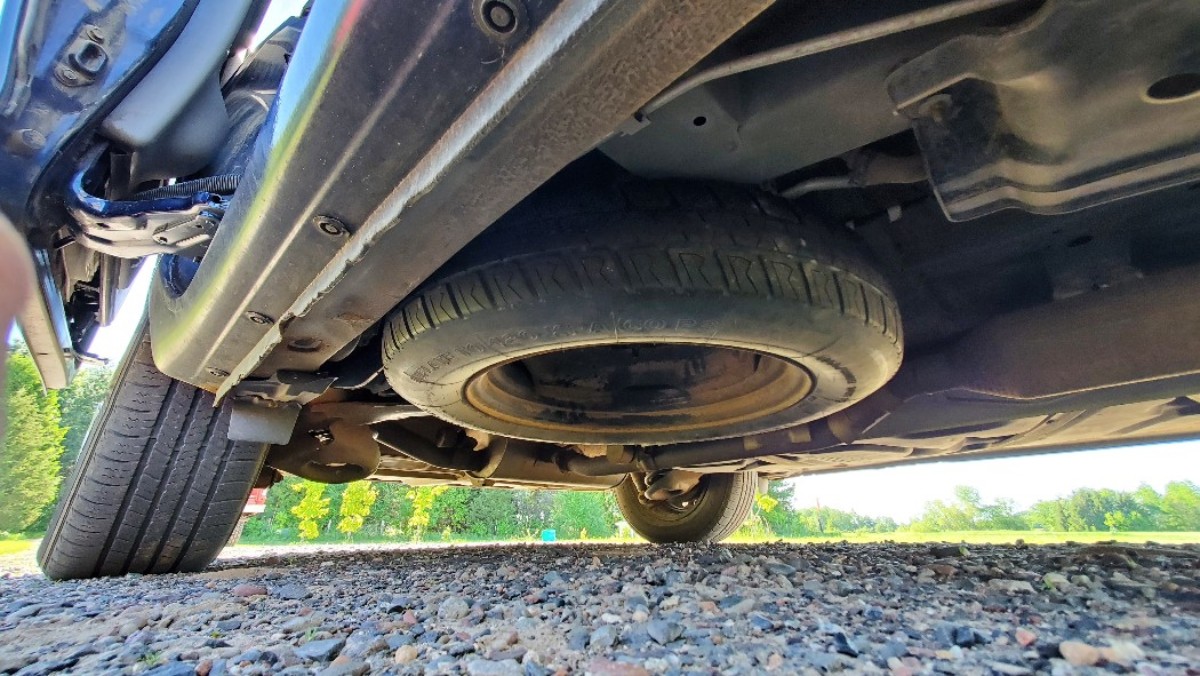
Identifying the exact location of your 2015 Toyota Sienna’s spare tire is the first step in roadside preparedness. As discussed, it’s not immediately apparent, but once you know where to look, it’s quite available and accessible. The spare tire is mounted beneath the vehicle, generally centered under the second-row seating area, but often slightly offset towards the driver’s side when viewed directly from the rear of the vehicle.
To locate it, approach your Sienna from the rear. You’ll need to look underneath the vehicle, between the rear axle and the bumper structure. The tire itself will be partially visible, cradled within a sturdy metal cage or bracket. You’ll also be able to identify the lowering cable mechanism attached to this cradle. Imagine a vertical line extending from the driver’s side rear door handle; the spare tire’s outer edge will be roughly aligned with this line. A flashlight can be particularly helpful, especially in low light conditions, to clearly illuminate the tire and its mounting hardware. The goal is to see the tire firmly secured in its cradle, indicating its readiness for deployment.
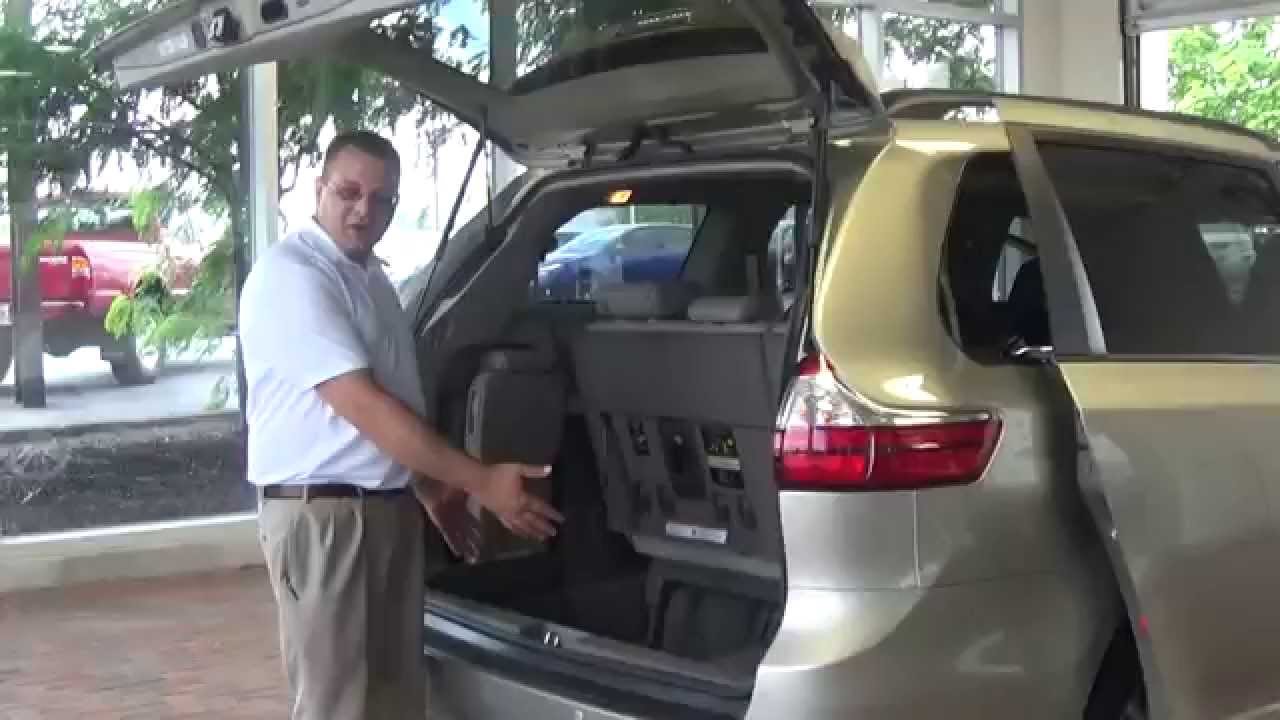
The internal access point for the lowering mechanism is crucial. This isn’t found under the vehicle, but rather within the rear cargo area. Typically, it’s concealed under a small access panel or a flap in the cargo floor carpet, usually near the rear sill. The lowering bolt access is typically concealed under a plastic cap or carpet flap in the rear cargo area, often within 12 inches of the rear hatch opening, on the left (driver’s) side. This consistency across the 2015 Sienna line makes its location predictable and readily available. This port is where you’ll insert the tool to lower the tire, ensuring a convenient and secure method for retrieval without having to crawl extensively under the vehicle.
Accessing and Deploying the 2015 Sienna Spare Tire: A Step-by-Step Procedure
Retrieving the spare tire from your 2015 Toyota Sienna requires a methodical approach to ensure both your safety and the integrity of the tire and mechanism. Having a clear guide will make this task far less daunting during a stressful roadside incident, wherever you are in the community.
📋
Step-by-Step Guide
Your 2015 Sienna’s jack, lug wrench, and the crucial spare tire lowering tools are typically stored in the rear cargo area. Often, they are found either under the third-row seat (accessed by lifting the seat base) or within a side panel compartment. Ensure all components are present and accounted for before you begin. This kit is essential for both lowering the spare and later changing the flat tire.
Safety is paramount. Pull your Sienna over to a level, safe area away from traffic. Engage the parking brake firmly. If you have wheel chocks available in your safety kit, place them around the wheel diagonally opposite the tire you intend to change to prevent any unintended movement.
Open the rear hatch and locate the access panel or carpet flap in the cargo area, specifically on the driver’s side near the rear sill. Once opened, you’ll see a bolt head. Take the lug wrench extension from your tool kit; its rectangular end typically fits precisely into the receiver of this lowering bolt. This is the control point for your spare tire.
Insert the lug wrench extension and turn it counter-clockwise. You’ll need to make several turns to slowly lower the tire to the ground. As it descends, ensure the tire clears any exhaust components or suspension arms, and that it doesn’t snag on anything beneath the vehicle. Continue turning until the tire rests completely on the ground and there’s enough slack in the cable to maneuver it.
Once the tire is fully lowered and resting on the ground, reach underneath to detach it from the lowering cable system. There’s typically a retention plate or hook that needs to be tilted or unlatched to free the tire. Pull the spare tire out from under the vehicle, making it available for use. Always consult your owner’s manual for precise torque specifications for lug nuts (e.g., 80 ft-lbs for a 2015 Sienna) and follow all safety warnings regarding vehicle jacking. Knowing where to find your tools and how to use them is information often locally overlooked until it’s critically needed.
Troubleshooting Spare Tire Access and Seeking Local Assistance in 2026
While the process for accessing your 2015 Toyota Sienna’s spare tire is straightforward, real-world conditions can introduce complications. A common mechanical issue is the corrosion of the lowering mechanism, particularly in regions with high road salt usage during winter or persistent coastal humidity. This can lead to a seized bolt or cable, making retrieval extremely difficult, even impossible, for the average owner. This is where local environmental factors significantly impact component longevity, a crucial point for community-based car care.
If you encounter resistance when trying to lower the spare, a few immediate troubleshooting steps can be taken. First, try applying a penetrating lubricant (like WD-40 or PB Blaster) directly to the lowering bolt head and any visible parts of the mechanism under the vehicle. Allow it to soak for 10-15 minutes, then attempt to turn the wrench again, gently rocking it back and forth. Avoid excessive force, as this can strip the bolt or damage the mechanism further.
If the lowering mechanism feels completely stuck after initial attempts, continuing force could strip the bolt or damage the cable system. At this point, it’s safer and often more cost-effective to contact a local mobile tire service or tow truck nearby. They have specialized tools and experience to safely resolve seized mechanisms.
There are clear scenarios requiring professional intervention. If the lowering mechanism is irrevocably seized, if the spare tire itself is found to be damaged (e.g., dry rot, punctures, or improper inflation), or if you are simply unable to safely perform the change due to physical limitations or hazardous conditions, seeking expert help is the wisest course of action. Do not risk personal injury or further vehicle damage.
For assistance, advise on contacting Toyota dealerships, certified independent mechanics, or roadside assistance providers nearby. Many communities have 24/7 roadside assistance services available through auto clubs like AAA, or via your vehicle’s warranty or insurance provider. When choosing a service, emphasize checking local reviews and service ratings to ensure you’re utilizing a trusted local provider. Don’t hesitate to use these services; they are designed to get you back on the road safely and efficiently, serving the community’s driving needs.
Never attempt to change a tire on an incline, an unstable surface, or in a dangerously exposed location. Your safety and the safety of your passengers are paramount. If conditions are unsafe, wait for professional roadside assistance.
By The Numbers
Roadside Assistance Calls Related to Spare Tire Access or Condition (AAA Data)
2010-2015 Minivans with Underbody Spare Tire Mounts
Tire-related Roadside Failures Due to Under-inflated Spares
Proactive Maintenance and Roadside Safety for Your Sienna’s Spare Tire
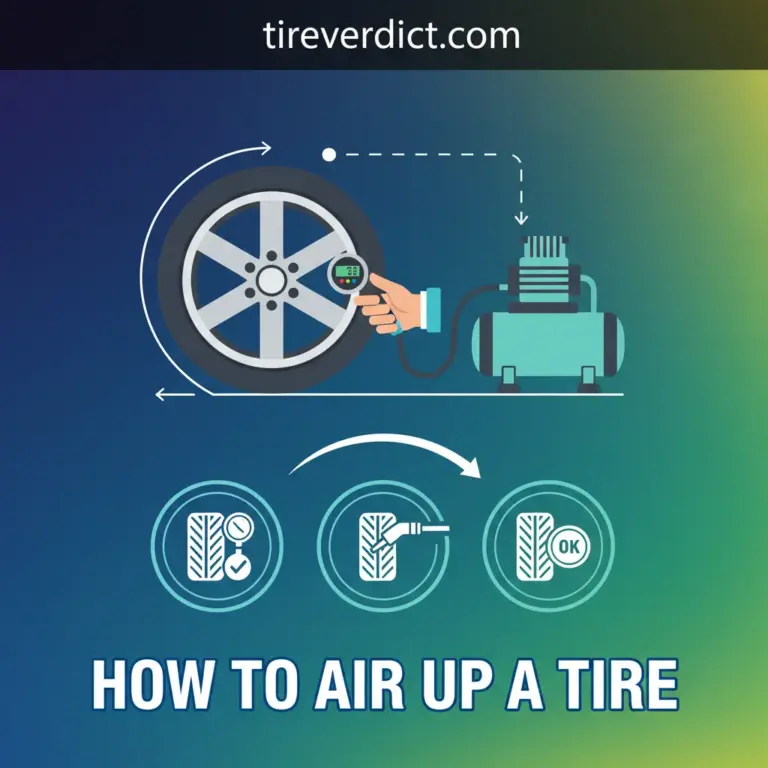
The presence of a spare tire is only as good as its condition. Proactive maintenance is key to ensuring your 2015 Toyota Sienna’s spare tire is always available and ready for use when you need it most. A critically overlooked aspect is the regular pressure check for the spare tire. Just like your primary tires, spares can lose air over time. The National Highway Traffic Safety Administration (NHTSA) recommends checking tire pressure, including the spare, monthly. Under-inflated spare tires account for approximately 10% of tire-related roadside failures, highlighting the importance of this simple check.
We advise checking your spare tire pressure concurrent with your main tire rotations, or at least every six months. During your regular oil change at a local service center, specifically request that the technician inspect and air up your spare tire. Beyond pressure, conduct visual inspections for the spare tire’s condition: look for signs of cracking, dry rot, or inadequate tread depth, which can compromise its safety and effectiveness. Simultaneously, inspect the integrity of the lowering mechanism for any rust, corrosion, or frayed cables. Addressing these issues proactively can prevent a critical failure during an emergency.
It’s also important to understand the limitations of temporary spare tires (if your 2015 Sienna came with one, as many models do). These are typically designed for short distances and reduced speeds, often limited to 50 mph and no more than 50-70 miles. They are not intended for sustained driving. This reinforces the need for timely replacement of the flat tire with a full-size one, or professional repair, as soon as you reach a convenient and accessible tire shop.
Finally, always ensure you have a basic roadside safety kit in your vehicle. This should include reflective triangles or flares, a powerful flashlight (with fresh batteries), a pair of sturdy work gloves, and jumper cables. If changing a tire on a busy road, deploy reflective triangles 50-100 feet behind your vehicle to alert oncoming traffic, prioritizing your safety and that of the community. Ensuring your spare is always ‘road ready’ makes it truly available and maximizes your preparedness.
The 2015 Toyota Sienna’s spare tire is strategically located beneath the vehicle, maximizing interior space. Access requires locating a specific internal lowering mechanism and tool kit, followed by a methodical deployment process. Regular maintenance and awareness of potential issues like corrosion are vital, especially in diverse local climates. Local automotive services and roadside assistance are valuable resources if self-service is not feasible or safe. Familiarize yourself with your Sienna’s spare tire location and access procedure today. Consider a practice run in a safe environment and ensure your tools are present and functional, securing your peace of mind on every journey.
Frequently Asked Questions
Where exactly is the spare tire lowering mechanism located inside a 2015 Toyota Sienna?
The lowering mechanism access point is typically found within the rear cargo area of your 2015 Toyota Sienna. It’s usually concealed under a small plastic cap or a section of the carpet flap, near the rear hatch opening, often positioned closer to the driver’s side. Refer to your owner’s manual for the precise diagram to locate this crucial access point quickly and efficiently when needed.
What tools are needed to access and lower the spare tire on a 2015 Sienna?
To access and lower the spare tire on your 2015 Sienna, you will need a specific set of tools, which includes the jack handle/extension, a lug wrench, and potentially a specialized ‘hook’ tool. These are typically stored together in a dedicated compartment, often under the third-row seat or within a side panel in the rear cargo area. Always verify their presence and condition.
Can I use the spare tire on my 2015 Toyota Sienna for long distances?
No, the spare tire on a 2015 Toyota Sienna is generally a ‘temporary use’ or ‘mini-spare’ tire, designed for short-term emergency use. It has speed and distance limitations (e.g., typically no more than 50 mph and 50 miles). It’s crucial to consult your owner’s manual for exact specifications and replace it with a full-size tire as soon as safely possible at a nearby service center.
What if the spare tire lowering mechanism is stuck due to rust or corrosion?
If the lowering mechanism on your 2015 Sienna is stuck due to rust or corrosion, applying a penetrating lubricant (like WD-40) to the bolt and cable assembly can often help. Allow it to soak, then attempt to lower again carefully. If it remains seized, forcing it can cause damage. In such cases, it’s best to contact roadside assistance or a trusted local mechanic for professional help to avoid further issues.
How often should I check the air pressure in my 2015 Sienna’s spare tire?
It is highly recommended to check the air pressure in your 2015 Toyota Sienna’s spare tire at least every six months, or whenever you perform routine tire rotations or oil changes on your main tires. A properly inflated spare is essential for it to be safely available and functional during an emergency, preventing potential delays or additional safety hazards.