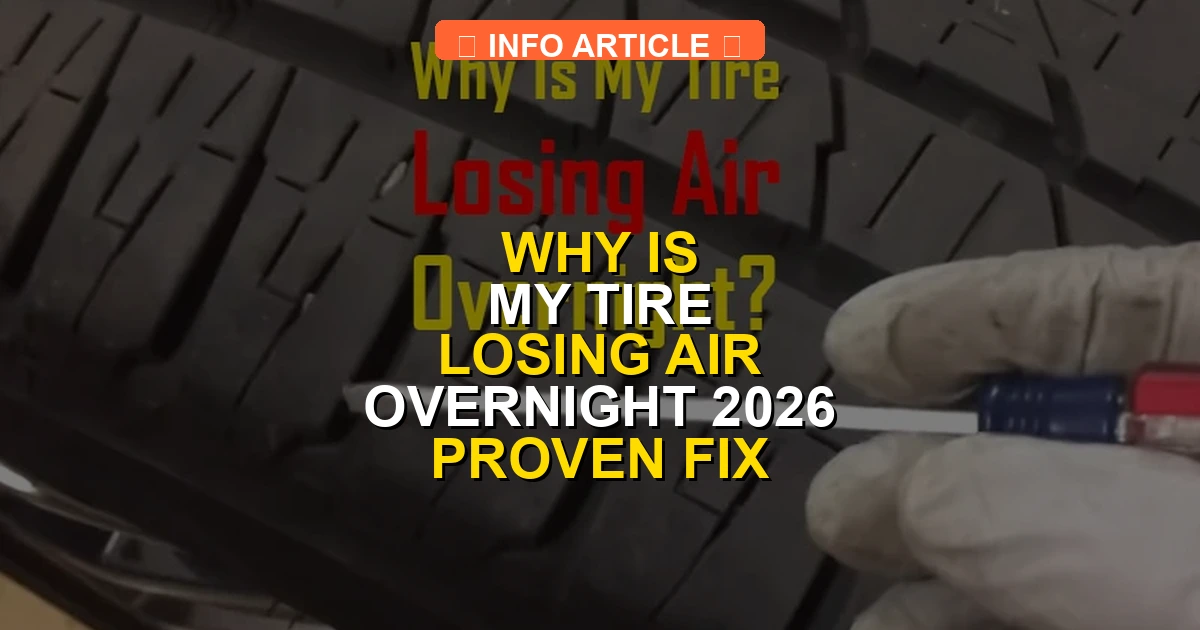
If your car tire is losing pressure every night, you likely have a slow leak caused by a puncture, faulty valve stem, or bead corrosion. Ignoring a daily pressure drop risks tire failure, but most leaks can be diagnosed at home using simple tools.
A slow overnight tire leak usually means you have a small puncture, a failing valve core, or a microscopic gap in the wheel seal that allows air to escape while your vehicle sits stationary. As you prepare for your morning commute in 2026, noticing a tire drop by 3 to 5 PSI overnight is more than just an annoyance; it points to a progressive mechanical failure that demands immediate troubleshooting.
Ignoring this slow bleed forces you to constantly reinflate your tires, leading to uneven tread wear and drastically reduced fuel economy. Pinpointing the exact source of air loss before it turns into a dangerous blowout takes less than fifteen minutes with the right diagnostic technique.
Key Takeaways
- Small punctures from nails or screws are the most frequent cause of overnight air loss.
- A faulty valve stem or loose core regularly causes slow, steady pressure drops.
- Temperature drops overnight naturally lower tire pressure, sometimes exposing existing slow leaks.
- The soapy water spray test is the best DIY method to pinpoint hidden air leaks.
- Professional patches or valve replacements offer a permanent fix for persistent slow leaks.
Common Reasons Your Tire Is Losing Air Overnight
The Puncture and Foreign Object Culprit
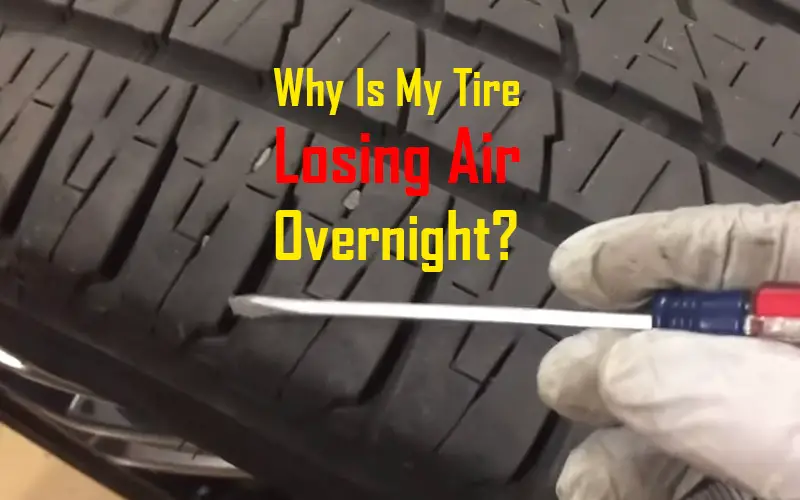
Nails, screws, and sharp glass shards are the leading causes of overnight pressure drops. These objects often wedge into the tread blocks and plug the hole just enough while you drive, but micro-gaps open up as the tire cools and contracts overnight. You might lose exactly 4 PSI by morning while the car is parked, yet the tire holds steady during a short afternoon drive.
Valve Stem and Bead Leaks
Air does not only escape through the tread. The rubber valve stem connecting to your TPMS (Tire Pressure Monitoring System) sensor deteriorates over time, developing tiny cracks that leak air overnight. Alternatively, corrosion on the wheel rim prevents the rubber tire bead from sealing tightly against the metal wheel. This creates a slow leak that worsens during cold weather drops.
Temperature-Induced Pressure Loss
Physics plays a major role in your morning tire warning light. For every 10-degree Fahrenheit drop in ambient overnight temperature, your tire pressure drops by about 1 PSI. If a cold front hits overnight, a properly sealed tire can trigger a low-pressure light purely due to thermal contraction, though persistent overnight air loss usually indicates an underlying mechanical leak.
How to Find the Leak Using the Soapy Water Test
Preparing the Diagnostic Spray and Inspecting the Tread
You do not need an expensive diagnostic machine to find a slow leak. Mix a few drops of dish soap with water in a standard spray bottle and shake it until you get a rich lather. Before spraying, visually inspect the tread and sidewalls for embedded nails, stones, or visible bulges.
Applying the Solution and Reading the Bubbles
To execute the test correctly, follow these steps:
- Inflate your tire back to its recommended PSI to maximize pressure against the leak.
- Spray the entire tread area generously with your soapy water mixture.
- Spray around the outer and inner rim where the rubber tire meets the metal wheel.
- Spray the valve stem and tighten the valve core inside using a small valve tool.
- Watch the sprayed areas closely for 60 seconds. Active leaks will rapidly blow expanding soap bubbles or foam up continuously.
If you spot a growing column of foam on the tread, you have found a puncture. If bubbles form around the rim edge, your wheel bead needs cleaning and resealing at a local shop.
Step-by-Step Guide to Fixing Your Leaking Tire
Once you identify the root cause of the pressure drop using a soapy water test, applying the correct fix is vital for safe driving in 2026. Different issues require specific repair methods outlined by the Rubber Manufacturers Association.
How to Fix a Puncture with a Plug and Patch
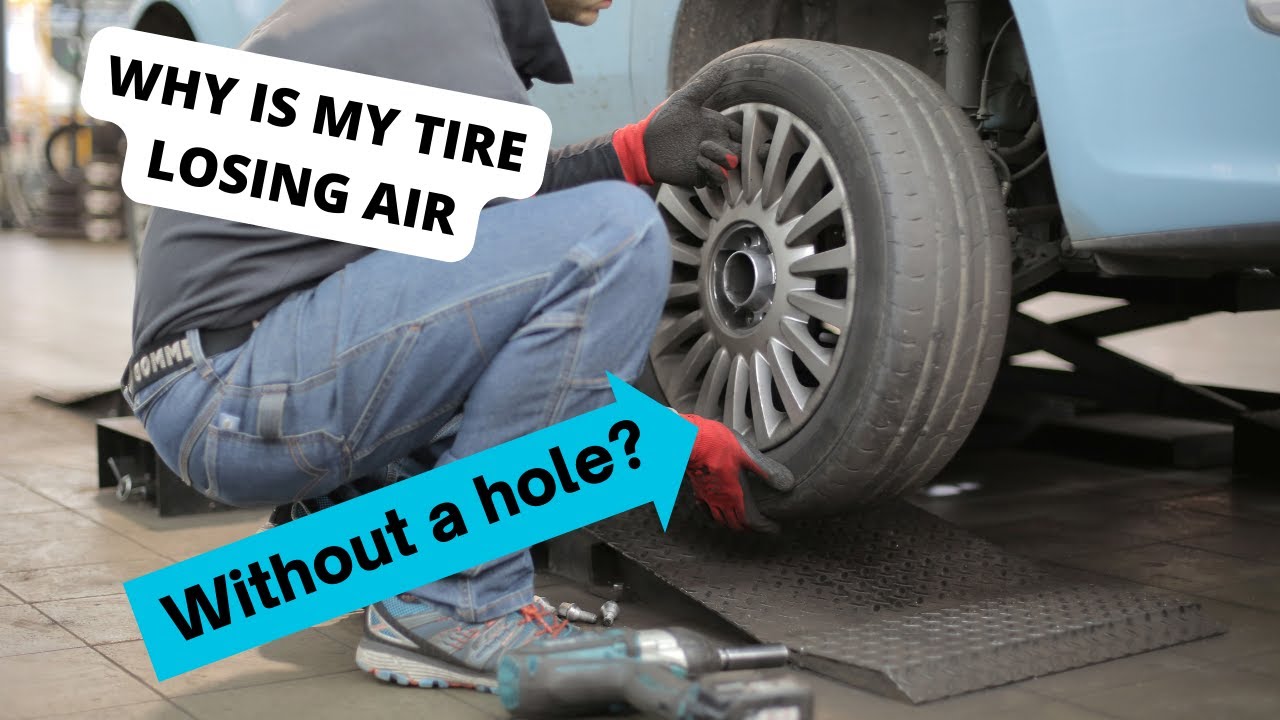
- Park the vehicle on flat ground, engage the emergency brake, and loosen the lug nuts before lifting the car with a hydraulic jack.
- Remove the wheel entirely and locate the foreign object using your previously marked soapy water spray.
- Extract the nail or screw carefully using a pair of heavy-duty pliers.
- Ream the puncture hole with the spiral rasp tool included in your tire repair kit to clean and rough up the inner channel.
- Insert a rubber cement-coated string plug into the insertion tool, push it halfway through the puncture, and pull the tool straight out to leave the plug securely in place.
- Trim the excess plug material flush with the outer tread using utility snips.
How to Fix Valve Stem and Bead Leaks
For a leaking valve core, use a specialized valve core tool to tighten the internal component, or replace the entire core if it is damaged. If you detect a bead leak caused by corrosion, deflate the tire, break the bead from the rim, apply a dedicated bead sealer, and reinflate to the manufacturer-recommended PSI.
What If It Still Doesn’t Work?
If your tire continues to lose air overnight despite a fresh plug or valve replacement, underlying structural damage is likely present. According to National Highway Traffic Safety Administration (NHTSA) tire safety guidelines, DIY exterior plugs are strictly temporary and cannot address complex sidewall or shoulder damage.
- Inspect the wheel rim carefully for hairline cracks or severe internal corrosion that prevents an airtight seal.
- Take the wheel to a certified tire service center for a professional interior patch-plug combination, which is the industry standard for permanent repairs.
- Ask the technician to perform a complete immersion tank test to check for multiple pinhole leaks or porous alloy wheel casting.
- Expect to pay between $20 and $40 for a professional interior patch-plug repair at most major automotive service chains.
- Budget for a full tire replacement if the puncture resides within the shoulder or sidewall area, as industry safety standards prohibit repairs in these high-stress zones.
Conclusion
A tire losing air overnight points to an underlying issue like a puncture, faulty valve core, or wheel rim corrosion. Ignoring this gradual pressure loss compromises vehicle handling and accelerates tread wear. According to verified research and expert sources from the Rubber Manufacturers Association, addressing leaks promptly restores fuel efficiency and prevents catastrophic blowouts. Your next step is to inspect the tire with soapy water tonight so you can apply the correct repair before your next morning commute.
❓ Frequently Asked Questions
What causes a tire to lose two to three PSI every single night?
A consistent nightly drop of a few PSI typically points to a very small embedded object like a staple, a leaking valve core, or corrosion along the wheel rim bead.
Could cold weather alone cause my tire to lose air overnight?
Yes, temperature drops cause air to contract. For every ten-degree drop in Fahrenheit, tire pressure drops by about one PSI, though a healthy tire should not lose significant pressure consistently.
How do I check if my valve stem is leaking air?
Remove the plastic valve cap and apply a few drops of soapy water directly to the top opening of the stem. If bubbles start expanding, the internal valve core is faulty and needs replacement.
Can I use tire sealant from a can to fix an overnight leak?
Aerosol tire sealants can temporarily seal minor punctures to get you to a repair shop, but they can ruin tire pressure sensors and make professional patches messy.
What is a bead leak and how does it happen?
A bead leak occurs when air escapes from the gap between the rubber tire and the metal wheel rim, often caused by rust, dirt, or impact damage to the wheel.
When is a tire puncture too severe to repair?
Punctures located on the tire sidewall or shoulder, as well as holes larger than a quarter-inch, cannot be safely patched and require full tire replacement.