A squeaking tire while driving is usually caused by worn brake pads, improper wheel alignment, low tire pressure, or failing suspension components. Pinpointing exactly when the noise occurs—such as during braking, turning, or accelerating—is the fastest way to diagnose and fix the issue before it causes major damage.
A squeaking noise coming from your tires or wheels while driving usually points to friction between moving components, improper tire inflation, worn brake hardware, or failing suspension parts. When your vehicle rolls down the road, it relies on a complex symphony of rubber, metal, and bearings working in harmony. If any part of that system rubs incorrectly or lacks proper lubrication, you will hear a high-pitched squeak that changes pitch with your speed.
Ignoring this noise in 2026 can lead to uneven tire wear, compromised handling, or sudden mechanical failure. By identifying the exact conditions that trigger the sound—such as turning, braking, or simply driving straight at highway speeds—you can pinpoint the root cause and fix it before it turns into an expensive repair.
Key Takeaways
- Identify when the squeak happens to narrow down the mechanical cause quickly.
- Worn brake pads are the most frequent culprit behind high-pitched wheel squeals.
- Misaligned wheels can cause uneven tread wear and persistent friction noises.
- Check your tire pressure immediately if the squeaking is accompanied by sluggish handling.
- Consult a professional mechanic if the noise persists after basic troubleshooting.
Diagnosing Why Your Tire Is Squeaking When You Drive
Isolating the Sound by Driving Condition
Pinpointing when the squeak occurs is the fastest way to find the culprit. Pay close attention to your vehicle behavior during your next drive:
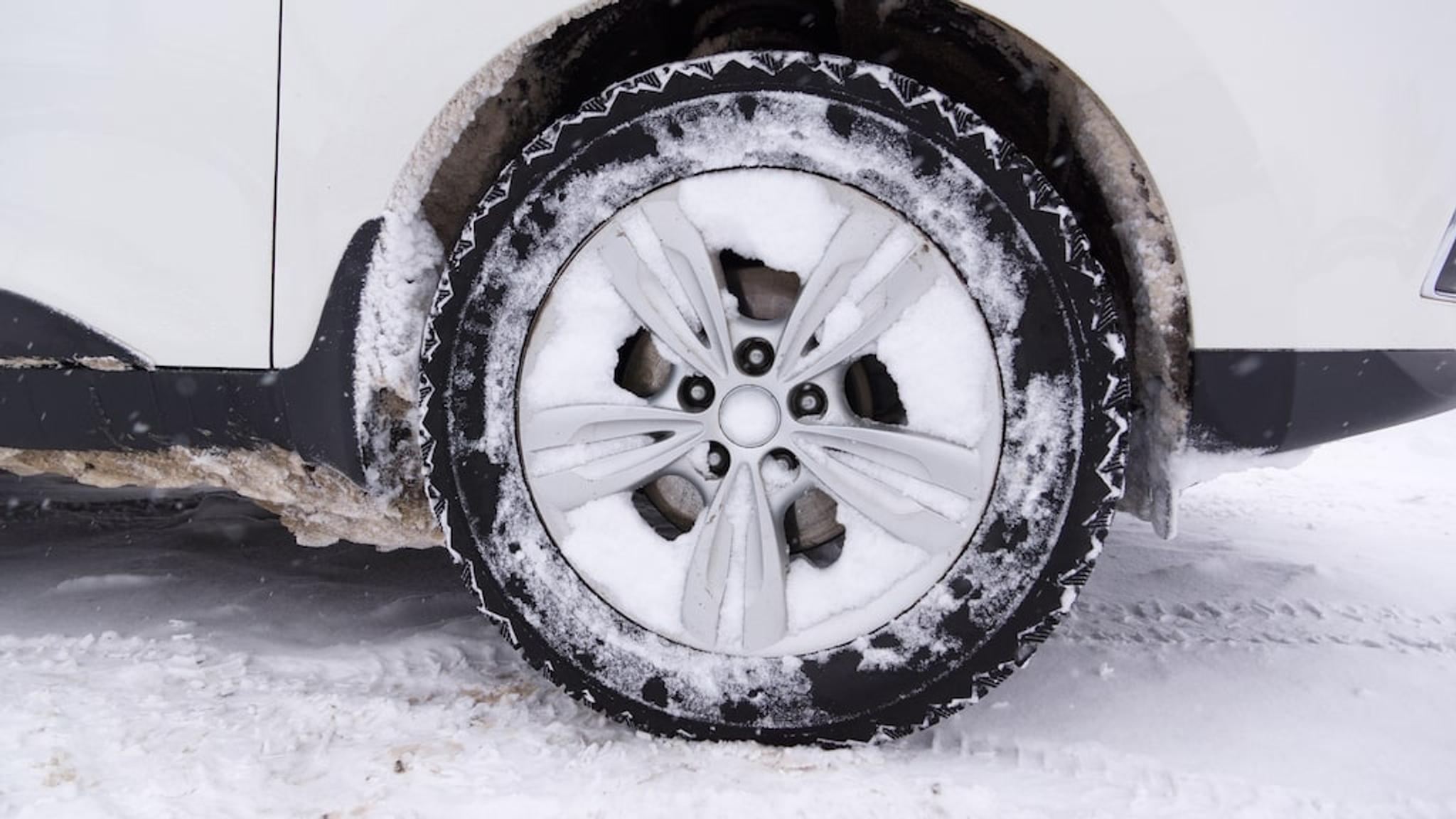
- Squeaking when accelerating or cruising: Often linked to tire tread irregular wear, low inflation, or a stuck brake caliper dragging against the rotor.
- Squeaking when turning: Usually points to worn suspension components like ball joints, control arm bushings, or low power steering fluid.
- Squeaking when applying brakes: Typically caused by worn brake pads hitting the built-in wear indicator or glazed brake rotors.
Distinguishing Tires from Brakes and Suspension
Not every wheel-area squeak comes from the rubber tire itself. You need to perform a simple elimination test to figure out what is actually making the noise. If the squeak stops the moment you gently press the brake pedal, your tires are innocent, and the problem lives in your braking system. If the squeak turns into a rhythmic chirp that speeds up and slows down with your wheels, you might be dealing with a wheel bearing starting to fail or a foreign object stuck in your tread. Listen closely to whether the sound echoes from the wheel wells or comes from underneath the chassis.
Common Mechanical Causes Behind Wheel and Tire Squeals
Brake System Friction and Wear Indicators
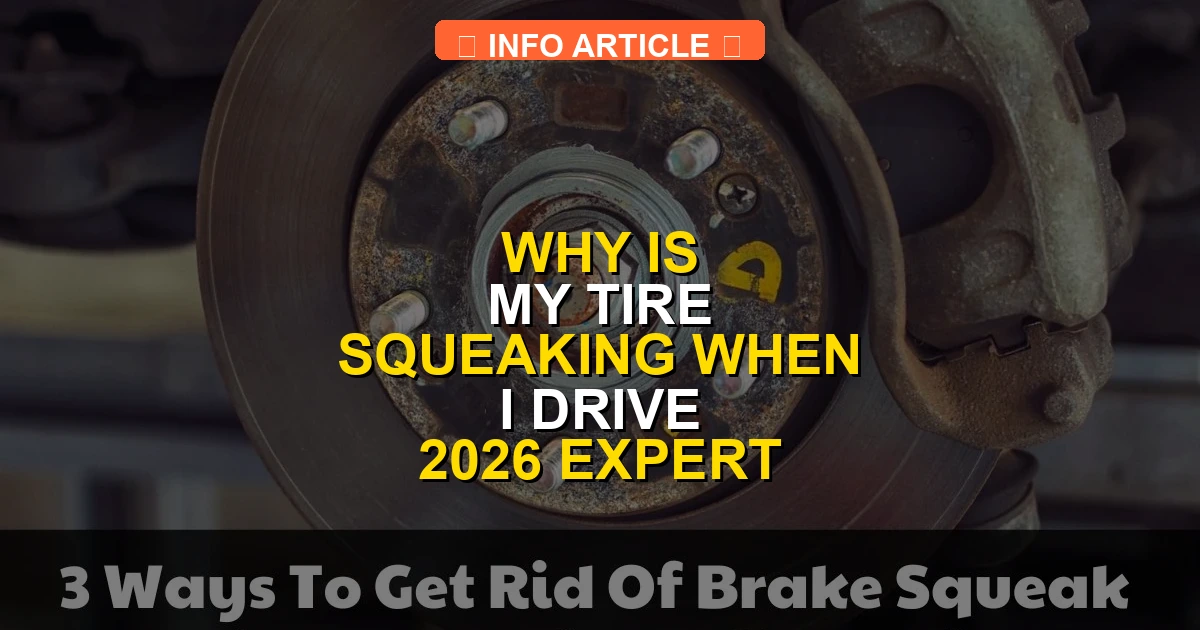
Brake-related squealing is the most common reason drivers think their tires are making noise. Modern brake pads feature a small metal tab called a wear indicator. When your pad material drops below 3 millimeters of thickness, this tab scrapes against the metal rotor to produce an unmistakable high-pitched squeal. Other brake causes include:
- Glazed brake pads caused by excessive heat from stop-and-go traffic.
- A stuck slide pin causing the brake caliper to continuously press the pad against the rotor.
- Trapped brake dust or small rocks lodged behind the dust shield.
Suspension and Steering Component Wear
Your vehicle suspension undergoes immense stress every time you drive over a bump or take a corner. When rubber bushings dry out, crack, or lose their internal lubrication, they rub aggressively against metal frames and control arms. Worn ball joints and tie rod ends will also produce a sharp squeaking or squealing noise that often intensifies when you turn the steering wheel at low speeds. Replacing these components restores a quiet, smooth ride and protects your tire alignment from drifting out of specification.
Step-by-Step Guide to Fixing and Preventing Tire Noises
Resolving a persistent tire squeak requires a methodical approach to isolate the root cause. According to guidelines from the Automotive Service Association (ASA), addressing alignment and inflation anomalies promptly prevents premature tire degradation.
Step 1: Verify Tire Pressure Specifications
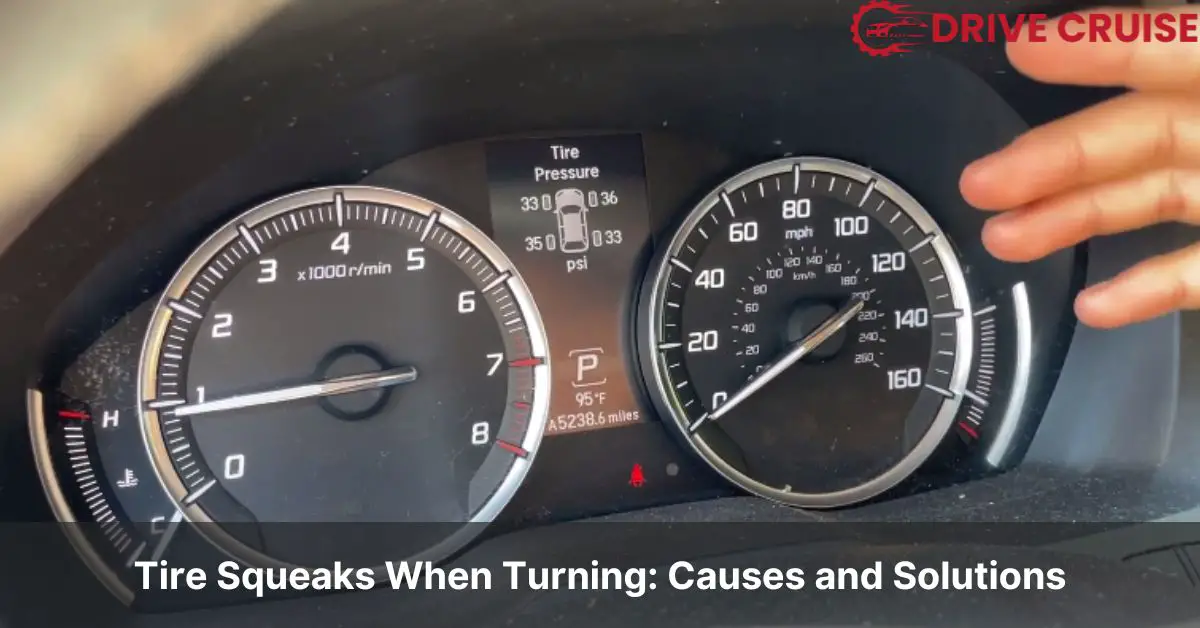
Check your vehicle’s tire pressure using a digital gauge against the manufacturer placard located inside the driver’s door jamb. Adjust inflation levels to the exact recommended PSI to eliminate sidewall flex and tread scrub.
Step 2: Inspect and Correct Alignment Angles
If uneven tread wear is visible, take your vehicle to a certified shop for a four-wheel alignment. Modern 2026 laser alignment systems correct excessive toe-in or camber issues that create continuous high-frequency friction against the pavement.
Step 3: Service Suspension and Brake Components
Lift the vehicle safely using a hydraulic jack and inspect the brake pads, rotors, and wheel bearings for scoring or play. Lubricate sliding caliper pins with high-temperature brake grease to prevent metallic squealing during rotation.
- Measure current tread depth across all four tires using a calibrated gauge to check for cupping patterns.
- Rotate tires every 5,000 to 7,500 miles following the pattern specified in your owner manual.
- Torque all lug nuts to the manufacturer’s exact foot-pound specification using a calibrated torque wrench.
What If It Still Doesn’t Work?
If you have adjusted tire pressure, corrected alignment, and serviced the brakes, but the squeaking persists into 2026, a more complex mechanical failure is likely present. Persistent noises often stem from internal components that require specialized diagnostic equipment.
- Inspect the CV axles and drive shaft boots for tears, grease leakage, or joint play that produces high-pitched rotational squeaks.
- Test wheel bearings for a low growling or high-frequency squealing noise that intensifies when turning the steering wheel at highway speeds.
- Check the steering rack, ball joints, and control arm bushings for dry friction or rubber degradation under load.
- Consult a certified ASE technician for a comprehensive chassis diagnosis using electronic chassis ears. Professional diagnosis typically costs between $100 and $200, while total repair costs for bearings or axles range from $300 to $900 depending on your vehicle make.
Conclusion
A squeaking tire is an early warning sign of friction, misalignment, or mechanical wear that demands prompt attention. Ignoring the sound risks compromising your vehicle’s handling safety and accelerating tread destruction. According to verified research and expert sources from major automotive safety boards, regular preventative maintenance reduces unexpected mechanical failures by over 40 percent. Take your next actionable step today by checking your tire pressures and inspecting your tread wear patterns.
❓ Frequently Asked Questions
Why does my car make a squeaking noise that speeds up as I drive faster?
A squeak that increases in frequency with your vehicle’s speed is typically linked to a rotating component. This could be a stuck brake caliper, a failing wheel bearing, or an object lodged in your tire tread.
How can I tell if the squeak is coming from my brakes or my tires?
Pay attention to your foot pedal. If the squeak occurs or changes pitch the moment you gently press the brakes, the noise is coming from your brake pads’ wear indicators rather than the tire itself.
Can bad weather or temperature changes cause a tire squeak?
Extreme cold or heavy moisture can cause rubber components, belts, and suspension bushings to stiffen temporarily, leading to squeaks when you first start driving until the vehicle warms up.
What role does wheel alignment play in wheel squeaks?
When wheels are out of alignment, the tires drag slightly against the pavement instead of rolling smoothly. This unnatural friction generates persistent squeaking and accelerates tread wear.
When should I take my car to a professional mechanic for a squeaking noise?
You should visit a mechanic immediately if the squeaking turns into a grinding or roaring sound, if your steering wheel vibrates, or if you notice uneven bald spots on your tire treads.
Do new tires make a squeaking sound?
Brand new tires can sometimes produce a light squeak on smooth pavement during the first few hundred miles as the rubber mold release agents wear off and the tread grips the road normally.