Investing in new tires is a significant decision for any vehicle owner, directly impacting safety, performance, and fuel efficiency. However, the intricate world of tire warranties often leaves consumers feeling confused, uncertain about what protection they truly have, and how to navigate the complex terms and conditions. This expert guide will demystify tire warranties, providing a professional and authoritative breakdown of common coverage types, exclusions, and the claims process, empowering you to understand and leverage your tire protection effectively through 2026 and beyond.
Understanding the Fundamentals of Tire Warranties and Their Purpose
At its core, a tire warranty is a contractual guarantee provided by the manufacturer or seller regarding the performance, quality, and durability of a tire. This essential document isn’t merely fine print; it’s a critical assurance protecting your investment in one of your vehicle’s most vital components. As a seasoned expert with over 15 years in the automotive industry, I’ve seen firsthand how a clear understanding of these guarantees can save consumers significant expense and provide invaluable peace of mind.
The primary objectives of a tire warranty are multi-faceted: firstly, to protect consumers from unforeseen manufacturing defects; secondly, to ensure the product’s reliability and adherence to specified performance standards; and thirdly, to offer confidence in a purchase that is directly linked to vehicle safety and operational integrity. Tires are not just rubber; they are engineered components crucial for traction, handling, and braking, making their quality paramount.
It’s crucial to distinguish between a manufacturer’s warranty and a retailer’s warranty. The manufacturer’s warranty primarily covers defects in materials and workmanship, ensuring the tire was built to specification. On the other hand, retailers often offer supplemental warranties, such as road hazard protection or extended plans, which cover damage not attributable to manufacturing flaws. For example, a consumer purchases a set of premium tires. The manufacturer’s warranty covers structural defects, like belt separation, while the retail store offers an additional road hazard policy for punctures from road debris. This layered protection is a cornerstone of a reliable tire ownership experience.
Several factors influence a warranty’s validity, most notably proper installation, regular maintenance, and adherence to vehicle specifications. Neglecting routine tire rotations, balancing, and maintaining correct inflation pressure can jeopardize a claim. The Department of Transportation (DOT) plays a significant role in setting tire safety and quality standards, which inherently underpins warranty compliance. Their regulations ensure a baseline of product integrity, reducing risks. Research indicates that tire-related issues, such as blowouts or tread separation, are a factor in a significant percentage of road accidents. According to NHTSA data, approximately 11,000 tire-related crashes occur annually in the U.S., underscoring the critical need for quality tires and comprehensive warranty protection.

Decoding Specific Types of Tire Coverage: Mileage, Road Hazard, and Defects
Navigating the specifics of tire warranties requires a professional understanding of various coverage types. As an expert, I can tell you that while the overarching goal is consumer protection, the nuances of each warranty type dictate what is genuinely covered and what remains your responsibility. For 2026, these categories remain largely consistent, offering distinct layers of assurance.
Manufacturer’s Workmanship & Material Defects Warranty
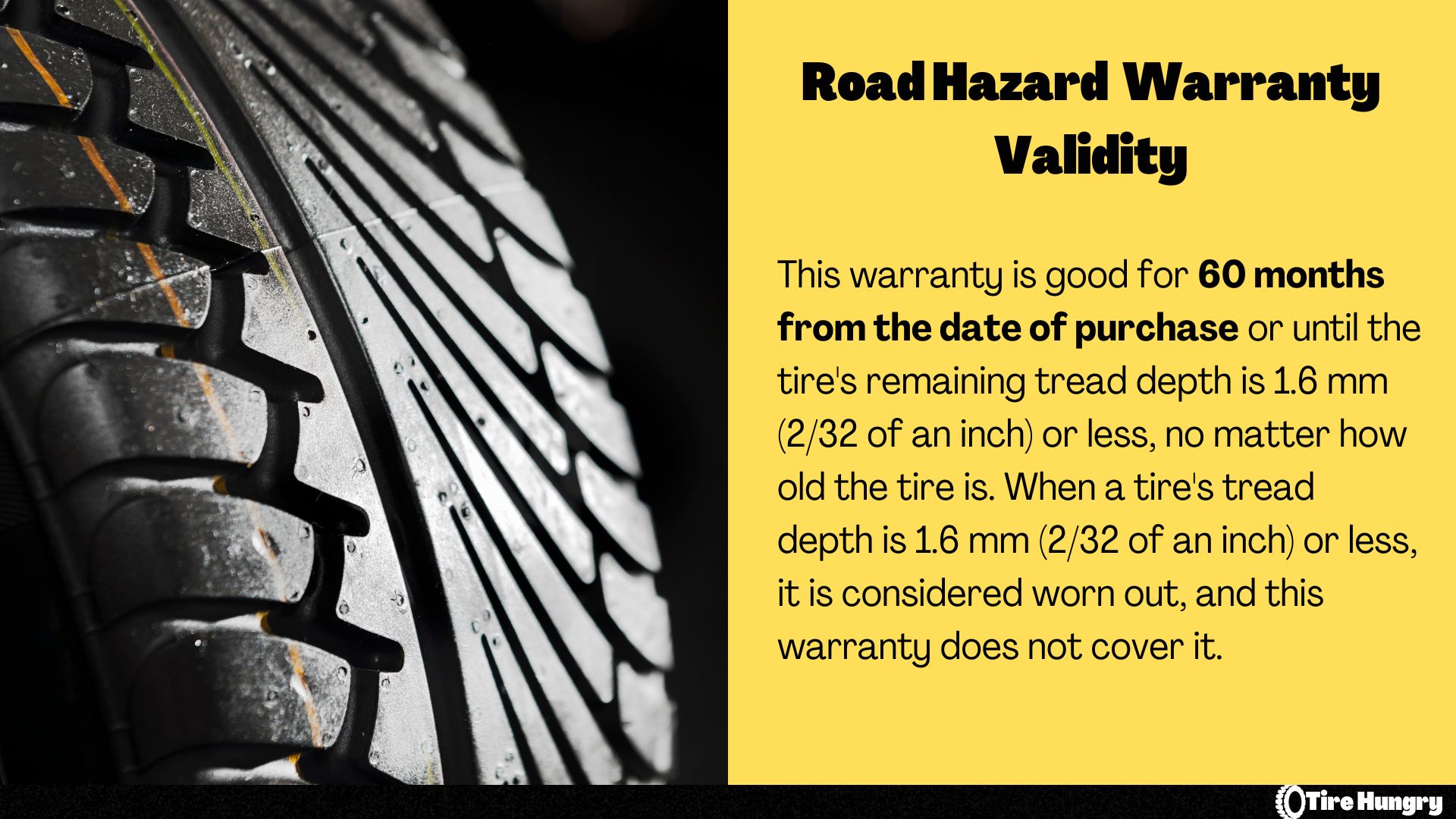
This is the fundamental coverage, addressing flaws in the tire’s construction or materials. It typically includes issues such as internal belt separation, ply separation, sidewall bulges not caused by impact, and bead damage resulting from a manufacturing error. This warranty is generally valid for 4-6 years from the purchase date or the tire’s manufacturing date, whichever comes first, and often extends until the tire wears down to 2/32″ of tread depth.
Tread Life/Mileage Warranty
A popular and often misunderstood warranty, the mileage warranty guarantees a specific mileage range before the tire wears out. Should the tire fail to reach its guaranteed mileage, compensation is typically prorated based on the remaining tread depth. For example, if a tire with a 60,000-mile warranty wears out at 30,000 miles (half its guaranteed life), the customer would pay 50% of the replacement cost for a new tire, receiving a 50% credit. Average mileage warranties range from 40,000 to 80,000 miles for passenger vehicles, with premium tires sometimes offering up to 100,000 miles, making proper selection crucial for long-term value.
Road Hazard Warranty
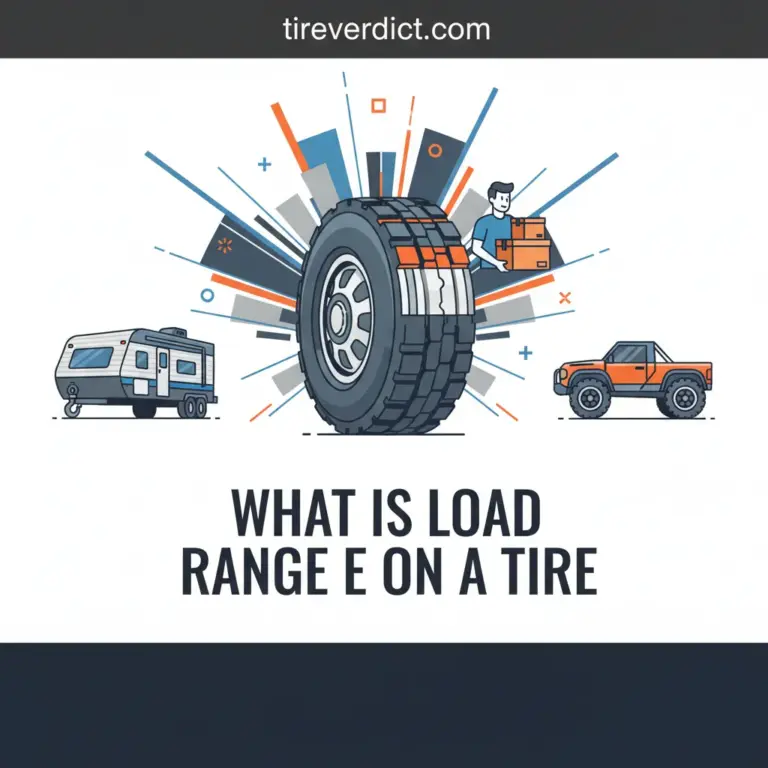
This coverage is invaluable for real-world driving. A road hazard warranty covers non-repairable damage resulting from road debris like nails, glass, or potholes. While some basic road hazard protection might be included by manufacturers, comprehensive plans are typically an add-on purchased from the retailer. These plans differentiate themselves by covering damages that are explicitly excluded by manufacturer defect warranties. Coverage usually includes repair or replacement, sometimes with no deductible for the first year. Road hazard warranty costs often range from 10-15% of the tire’s price, offering significant peace of mind against unpredictable road conditions.
Uniformity Warranty
This specific warranty addresses ride disturbances (vibrations or wobbles) caused by tire imperfections that are not due to improper balancing or mounting, but rather an inherent flaw in the tire’s construction (e.g., being ‘out-of-round’). This coverage is typically very limited, often only valid for the first 1/32″ or 2/32″ of tread wear, as any further wear could mask or exacerbate the initial issue.
Adjustments and Prorated Credit
Most tire warranties operate on a prorated basis for replacements. This means that if a tire fails under warranty, you receive a credit towards a new tire based on the percentage of usable tread remaining, rather than a full free replacement. For instance, a customer with a 70,000-mile warranty discovers their tires are bald at 40,000 miles due to manufacturing issues. If the original tire had 10/32″ of tread and is now at 2/32″ (the legal minimum), 8/32″ has been used. This means 2/32″ (or 25%) remains, so the warranty might offer 25% credit towards a new tire. This system reflects the value already extracted from the tire before the claim.
By The Numbers: Tire Warranties
Average Mileage Warranty (miles)
Typical Road Hazard Cost (of tire price)
Common Defect Warranty Lifespan
Premium Mileage Warranties (miles)
Navigating Tire Warranty Exclusions and Void Conditions for Informed Decisions
Understanding what a tire warranty covers is only half the battle; knowing what it doesn’t cover and what can void it is equally crucial for making informed decisions. As a trusted guide in the industry, I frequently encounter consumers whose claims are denied due to overlooked exclusions or actions that inadvertently void their coverage. Avoiding these common pitfalls is key to a positive warranty experience, especially as we look towards 2026 with evolving tire technologies.
Common Exclusions
- Repairable Punctures: Unless you have a specific road hazard warranty, small, repairable punctures are typically not covered for free replacement.
- Improper Inflation/Overloading: Damage stemming from consistently underinflated or overinflated tires, or carrying loads exceeding the tire’s weight rating, is almost always excluded.
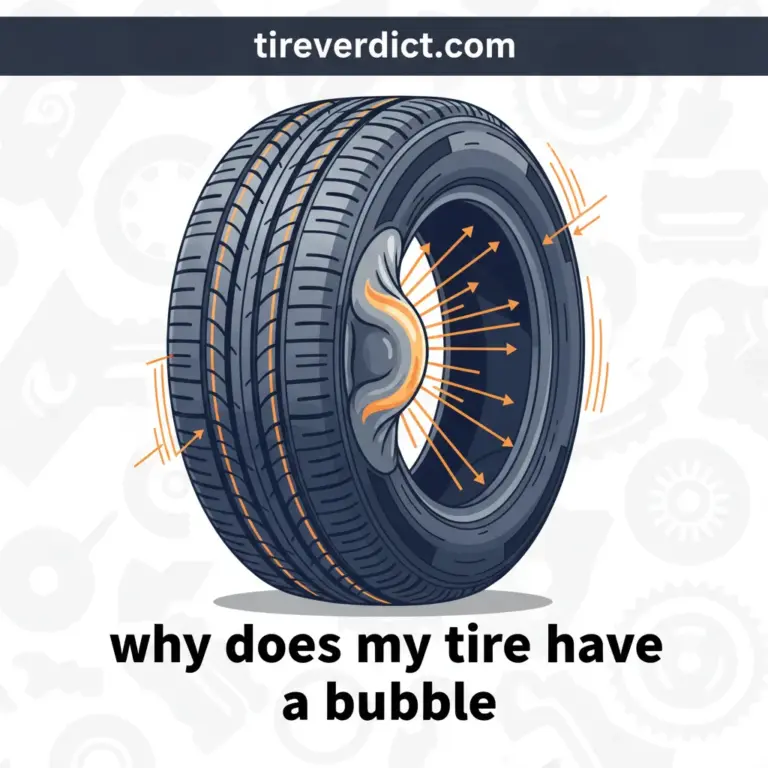
- Accidental Damage: This includes curb damage, impacts with road hazards (like deep potholes, unless covered by road hazard), collisions, racing, or off-road use. For instance, a tire is damaged by hitting a deep pothole at high speed, causing a sidewall bubble. This is typically excluded as impact damage unless a specific road hazard warranty is in place.
- Vandalism, Fire, or Chemical Exposure: Damage from external, non-road-related sources is not a manufacturing defect.
Wear & Tear Not Covered
Normal aging, cosmetic imperfections, and general wear and tear beyond the warranted mileage are standard exclusions. Tires are consumables; they are designed to wear down. A warranty protects against premature or irregular wear due to defects, not the natural lifecycle of the product.
Conditions that Void a Warranty
Many actions, often unknowingly performed by drivers, can invalidate a warranty:
- Insufficient Tire Pressure: Running tires with pressure outside the vehicle manufacturer’s recommendation causes irregular wear and can lead to structural damage. A professional survey showed that over 30% of drivers do not regularly check their tire pressure, a leading cause of premature wear and warranty voidance.
- Improper Wheel Alignment or Balancing: These mechanical issues cause uneven wear, which negates mileage warranties. Scenario: A driver fails to rotate their tires for 30,000 miles, leading to severe shoulder wear. Their mileage warranty claim is denied due to neglected maintenance.
- Unapproved Repairs: Any repairs not performed according to industry standards or using non-manufacturer-approved methods can void the warranty.
- Alteration of the Tire: Re-grooving, adding sealants not approved by the manufacturer, or using tire dressing that degrades rubber can void coverage.
- Failure to Follow Maintenance Schedules: Neglecting regular tire rotations, as outlined by the manufacturer, is a common reason for denied claims.
Misconceptions about ‘Lifetime’ Warranties
The term ‘lifetime’ in a tire warranty is often misleading. It typically refers to the useful life of the tire – meaning until it reaches the legal minimum tread depth (industry standard is 2/32 of an inch) or a maximum age (e.g., 6 to 10 years from the manufacturing date), whichever comes first. It does not mean the lifetime of the vehicle or the owner.
Neglecting regular tire maintenance, such as proper inflation and rotations, is the single most common reason for warranty claim denials. Always verify your vehicle’s recommended tire pressure and adhere to rotation schedules to keep your warranty valid.
The Importance of Proof of Purchase and Maintenance Records
This cannot be stressed enough: documentation is paramount. Lack of verifiable proof of purchase and a consistent maintenance history (especially rotations and balancing) is a primary reason for denied claims. Retailers and manufacturers require this evidence to confirm that the tire has been properly cared for and that the claim isn’t due to neglect.
Maintain a dedicated digital or physical folder for all tire-related documents: purchase receipts, installation records, and service invoices for rotations and alignments. This meticulous record-keeping is your strongest ally should a warranty claim become necessary.
The Tire Warranty Claim Process: A Step-by-Step Guide for Consumers
When a tire issue arises and you suspect it might be warranty-related, knowing the correct steps to take can significantly influence the success of your claim. As an industry professional, I’ve guided countless individuals through this process. Here’s a clear, actionable guide to navigating a tire warranty claim effectively and reliably.
📋
Step-by-Step Guide
As soon as you notice a potential warranty issue, document it thoroughly. Take clear photos and videos of the damage, note the date, time, and any contributing factors (e.g., mileage at the time of discovery). Crucially, locate your original proof of purchase and any maintenance records. Example: A tire shows unusual bulges after 18 months of use. The driver immediately photographs it, locates their purchase receipt, and prepares their service history.
Your initial point of contact should almost always be the professional retailer or dealer where you purchased and had the tires installed. They are equipped to handle the first stage of the claim. Explain the issue clearly, present all your documentation, and inquire about their specific claim procedure and expected timeline.
The tire will undergo a detailed inspection by a certified technician. They will assess the type of damage, measure tread depth at multiple points, and examine the DOT codes (manufacturing plant and date) to determine eligibility under the warranty terms. For defect claims, they confirm it’s not due to external impact or neglect. For mileage claims, they verify the tread depth against the guaranteed mileage.
If approved, the outcome will typically be a repair (for road hazard), a full replacement (rare for defects early on), or a prorated credit towards a new tire. Discuss replacement options with your retailer – ideally, you’ll receive the same tire or a comparable model. If denied, request a detailed explanation, including specific measurements or policy clauses, for your expert understanding. Example: A claim is denied due to insufficient tread remaining for a mileage warranty; the customer asks for the specific measurement data that led to the denial.
If you believe your claim was unfairly denied and have compelling evidence to support it, you can escalate the matter. Your next step is usually to contact the tire manufacturer directly. Provide them with all collected evidence, previous communication with the retailer, and a clear, concise summary of your case. Be professional and persistent. The average time for a tire warranty claim resolution can range from a few days to several weeks, depending on the complexity and manufacturer processes, so patience is key.
Maximizing Your Tire Warranty Benefits and Ensuring Longevity
As a seasoned expert, I consistently advise clients that the best warranty claim is the one you never have to make. Proactive measures and a clear understanding of your tire’s lifecycle are paramount to maximizing your warranty benefits and extending the usable life of your investment. This section provides practical advice for 2026 to ensure you get the most out of your tires and their professional coverage.
Proactive Tire Maintenance
Diligent maintenance is the bedrock of tire longevity and warranty validity:
- Regular Tire Rotations: Perform rotations every 5,000-7,500 miles, or as recommended by your vehicle and tire manufacturers. This ensures even wear across all four tires.
- Proper Inflation: Check tire pressure monthly, and always when there’s a significant temperature change. Proper inflation, according to your vehicle’s specifications (found on the door jamb placard or in the owner’s manual), is critical. Proper tire inflation can improve fuel efficiency by up to 3% and extend tire life by thousands of miles. Sadly, only 17% of drivers correctly check their tire pressure, emphasizing the need for regular checks.
- Consistent Wheel Balancing: Have your tires balanced when installed and re-checked if you notice vibrations. Unbalanced tires lead to irregular wear.
- Professional Alignment Checks: Periodically check your vehicle’s wheel alignment, especially after hitting a significant pothole or curb. Misalignment causes rapid, uneven tread wear.
Enhanced Safety
Well-maintained tires provide optimal grip and braking performance, crucial for driving safety.
Extended Tire Life
Regular maintenance significantly prolongs tread life, delaying the need for costly replacements.
Improved Fuel Efficiency
Properly inflated tires reduce rolling resistance, leading to better gas mileage.
Warranty Validity
Adhering to maintenance schedules keeps your tire warranty active and valid for claims.
Record Keeping
As emphasized earlier, maintaining meticulous records is non-negotiable. Keep all tire purchase receipts, installation records, and invoices for every rotation, balancing, and alignment service. A dedicated digital file or physical folder ensures easy access. Scenario: A driver schedules tire rotations with every oil change and keeps all service records. When a subtle tread separation begins after 3 years, their well-documented maintenance ensures a smooth warranty claim.
Reading Your Warranty Document
It sounds obvious, but many consumers skip this vital step. Thoroughly review your specific warranty terms, conditions, and exclusions immediately after purchase. Pay close attention to clauses regarding transferability, specific claim procedures, and definitions of what constitutes a “defect” or “road hazard.” This knowledge is your professional edge.
Understanding DOT Codes
The DOT code on your tire is a critical piece of information. It’s usually a string of letters and numbers, with the last four digits indicating the week and year of manufacture (e.g., “1525” means the 15th week of 2025). This is crucial for verifying age-related warranty eligibility, as many warranties expire a set number of years from the manufacturing date, regardless of tread wear.
Choosing the Right Retailer
Your choice of retailer profoundly impacts your ownership and warranty experience. Opt for reputable, professional retailers who offer strong after-sales support, clear warranty assistance, and have certified technicians. These trusted establishments simplify claims, offer transparent pricing, and can be invaluable allies should a warranty issue arise. Example: A buyer compares warranty terms between two tire brands and retailers before purchase, prioritizing one with a clearer road hazard policy for their frequent long-distance driving, ensuring a more reliable partnership.
Tire warranties offer crucial protection against manufacturing defects, premature wear, and road hazards, though coverage specifics can vary significantly between brands and retailers. Understanding specific warranty types—such as mileage, road hazard, and defect—and being aware of common exclusions and void conditions is vital for informed ownership. Proactive maintenance, diligent record-keeping of purchases and services, and knowing the step-by-step claims process are key to maximizing your warranty benefits and ensuring the longevity of your tire investment. For optimal peace of mind and the full value of your investment, always review your specific warranty documentation thoroughly upon purchase and adhere strictly to recommended maintenance schedules. Your due diligence today ensures reliable, trusted performance for your tires through 2026 and beyond.
Frequently Asked Questions
Are all tire warranties the same?
No, tire warranties vary significantly. While most manufacturers offer coverage for workmanship and material defects, mileage warranties differ based on tire model, and road hazard coverage is often a separate, optional purchase from a retailer. Always consult the specific warranty document for the tires you own or intend to purchase to understand the precise terms and conditions, including duration and claim processes.
What voids a tire warranty?
Several factors can void a tire warranty, including improper inflation, neglect of regular maintenance (like rotations and alignments), damage from road hazards not covered by a specific plan, vehicle misuse (e.g., racing, off-roading), unapproved tire alterations, or damage from accidents. Always adhere to manufacturer guidelines and keep detailed service records to maintain warranty validity.
How do mileage warranties work?
A mileage warranty guarantees a tire will last for a specified number of miles under normal operating conditions. If the tire wears out before reaching that mileage due to a manufacturing issue, the warranty typically offers a prorated credit towards a new tire. This credit is calculated based on the remaining tread depth compared to the original, allowing for compensation proportional to the unused life.
Is road hazard coverage included in all tire warranties?
No, road hazard coverage is not universally included. While some premium tire lines or retailers may offer basic road hazard protection as part of a package, it is more commonly an optional, additional purchase. This supplemental warranty specifically covers damage from potholes, nails, glass, or other road debris that would typically be excluded from a standard manufacturer’s defect warranty. Verify your specific coverage.
What documentation do I need to make a warranty claim?
To make a successful tire warranty claim, you’ll typically need your original purchase receipt or invoice, which includes the date, location, and tire details. Additionally, comprehensive records of regular tire maintenance, such as rotations, balancing, and alignment services, are crucial. Photos of the damage and the tire’s DOT serial number are also often required to facilitate a professional assessment and expedited resolution.