Experiencing a flat tire is a common roadside inconvenience, often mitigated by the presence of a temporary spare—commonly known as a ‘donut tire’. However, a critical question often arises: exactly how long can this smaller, specialized tire safely support your journey? Many drivers underestimate the inherent limitations of these temporary solutions. This expert guide will thoroughly detail the longevity, operational parameters, and essential safety protocols associated with donut tires, providing you with reliable, professional insights to confidently navigate a tire emergency in 2026.
Understanding the Anatomy and Purpose of Temporary Spare Tires
📤 Share Image
A common misconception among vehicle owners is that a spare tire is merely a backup. While true in function, the specific type of spare—especially a ‘donut tire’—carries distinct limitations. Officially termed a temporary spare tire, it stands in stark contrast to a full-size spare. Its primary role is not to replace a standard tire permanently but to serve as a stop-gap solution for roadside emergencies, enabling you to reach a service center for a proper repair or replacement.
Construction and Material Differences
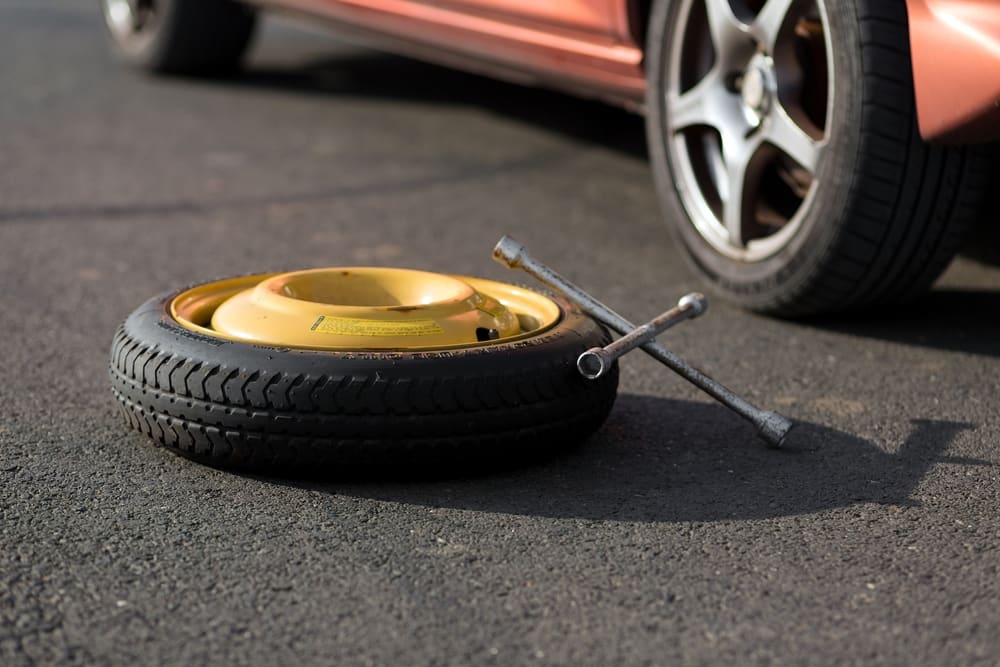
The engineering behind a donut tire prioritizes space-saving and weight reduction. Compared to a conventional tire, it is significantly smaller in diameter, features a narrower tread, and is constructed with specific rubber compounds designed for minimal, short-duration stress. This lighter weight—often 20-30 lbs lighter than a full-size spare—contributes to better fuel efficiency and allows manufacturers to integrate it more easily into vehicle designs, such as stowing it in a trunk well or undercarriage without consuming excessive cargo space.
You’ll notice distinctive sidewall markings on these tires, often stating ‘T-Type,’ ‘Temporary Use Only,’ or ‘Max. Speed 50 MPH’. This is a crucial indicator of its limited capability. Unlike regular tires designed for dynamic load fluctuations and sustained heat, the rubber compound in a donut tire is less robust. It typically requires a higher inflation pressure, often around 60 PSI, to compensate for its smaller air volume and maintain rigidity during its brief operational period.
Design Limitations and Functional Intent
The inherent design limitations are not flaws but deliberate engineering choices for its intended purpose. A temporary spare is not engineered for:
- Sustained high-speed driving: The narrow tread and specialized construction are not suitable for dissipating heat or providing stable traction at speeds exceeding manufacturer recommendations.
- Long distances: The rubber compound and tread depth are minimal, designed to wear out quickly under normal conditions, let alone emergency use.
- Heavy loads or towing: Its reduced load capacity can be quickly exceeded, leading to structural failure.
Automakers decide to include or exclude temporary spares based on various factors, including vehicle type, target market, and weight-saving mandates. As a trusted expert, I advise understanding that its inclusion is a convenience, not a license for extended use.

Key Factors Influencing Donut Tire Durability and Service Life
Understanding how long a donut tire can last involves more than just mileage limits; it’s about the interplay of various factors that degrade its integrity over time and during use. As of 2026, the fundamental principles governing tire wear and material degradation remain consistent, heavily influencing a donut tire’s extremely limited durability.
Driving Conditions and Road Hazards
The environment in which a donut tire is used plays a significant role. Driving on an unpaved, gravel road with a donut tire, for instance, subjects its delicate structure to far greater stress and abrasion than a smooth highway. Potholes, sharp debris, and aggressive maneuvers significantly increase the risk of sidewall damage, tread separation, or puncture. Adverse weather conditions, such as heavy rain or snow, dramatically reduce the already limited traction of a narrow temporary spare, compromising vehicle stability and control. This places additional strain on the tire’s construction.
Speed and Distance Limitations
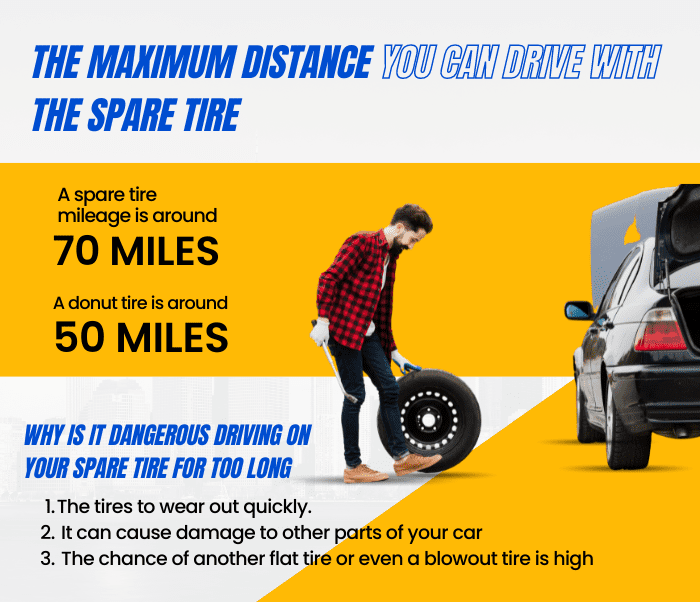
The industry standard for temporary spare tires, consistently recommended by manufacturers, is a maximum speed of 50 mph and a maximum distance of 50-70 miles. This isn’t an arbitrary figure; it’s based on critical engineering rationales:
- Heat Buildup: The smaller size and unique rubber compound generate heat rapidly at higher speeds, leading to accelerated wear and increased risk of blowout.
- Traction Limitations: The narrow tread provides minimal contact patch with the road, reducing grip, especially in wet conditions.
- Structural Integrity: The tire is simply not built for sustained high-speed forces. Exceeding these parameters by even 10-20% can exponentially increase the risk of catastrophic failure, a point reinforced by numerous internal safety studies.
Load Capacity and Vehicle Dynamics
Overloading a vehicle while on a donut tire—especially with passengers or heavy cargo—can compromise its structural integrity. The tire’s narrower profile also significantly alters vehicle dynamics, affecting handling, stability, and braking. Aggressive driving, sudden braking, or sharp turns place undue stress on this already compromised system, making it a critical safety concern. The stability control systems (like ABS and traction control) in modern vehicles are calibrated for four matching tires, and a donut spare can sometimes confuse these systems, leading to unexpected handling characteristics or warning light activations.
Tire Pressure and General Maintenance
Proper tire pressure is paramount, even for a stored donut tire. Research indicates that underinflation is the leading cause of premature wear and failure for all tire types, and temporary spares are no exception. An underinflated donut tire heats up faster, reduces load capacity, and degrades rapidly. Checking and maintaining its recommended pressure (often 60 PSI) every few months, even if never used, is a simple yet crucial step to ensure its reliability when needed.
By The Numbers
Max Recommended Distance
Max Recommended Speed
Avg. Lifespan (from Mfg. date)
Typical Inflation Pressure
Professional Protocols for Deploying and Operating a Donut Tire Safely
The immediate aftermath of a flat tire can be stressful, but adhering to precise professional protocols for deploying and operating a temporary spare is crucial for your safety and the integrity of your vehicle. As a seasoned expert, I emphasize that the process is as important as the product itself.
📋
Step-by-Step Guide: Safe Donut Tire Installation & Operation
Before mounting, always verify the donut tire’s condition. Look for visible cracks, cuts, or bulges, especially on older tires. Most critically, check its inflation pressure using a reliable gauge. Ensure it matches the high PSI (e.g., 60 PSI) indicated on the sidewall or in your vehicle’s manual. A significantly underinflated donut tire is a severe safety hazard.
Park on a level, safe surface, engage the parking brake, and place chocks. Consult your vehicle-specific manual for exact jack point locations. Loosen lug nuts slightly before jacking the vehicle. Once the wheel is off the ground, remove the flat, install the donut, and hand-tighten lug nuts. Lower the vehicle, then torque the lug nuts to the manufacturer’s precise specifications using a torque wrench. Improper lug nut torque is a leading cause of wheel separation and is critically important for reliable installation.
Once installed, your vehicle’s handling will be noticeably different. The smaller diameter and narrower tread of the donut tire affect traction, braking performance, and overall stability. Braking distances can increase by up to 10-15%. Drive cautiously, adhere strictly to the 50 mph speed limit, and avoid sudden acceleration, harsh braking, or aggressive turns. Be aware that dashboard warning lights (e.g., ABS, traction control, TPMS) may illuminate due to the mismatched wheel size and rotational speed difference; this is normal but reinforces the need for reduced speed and increased vigilance.
After driving a short distance (e.g., 5-10 miles), pull over safely and recheck the lug nut tightness. Wheels can settle onto the hub, and initial driving vibrations can cause lug nuts to loosen slightly. This final verification is a crucial step that is often overlooked but contributes significantly to overall safety and system quality.
Never attempt to repair a donut tire yourself. Its thin construction and specialized materials are generally not suitable for conventional tire repair techniques. Furthermore, driving on a repaired donut tire negates its intended temporary safety function and can be highly dangerous.
Assessing Donut Tire Condition and Strategic Replacement
The longevity of a donut tire isn’t solely dictated by mileage; its age and storage conditions are equally critical. As an expert in automotive maintenance, I consistently advise drivers to not only inspect their donut spare after each use but also proactively assess its condition during routine vehicle checks, even if it has never touched the road. This professional approach ensures its readiness and reliability when you need it most.
Post-Use Inspection
After any period of use, no matter how brief, a temporary spare requires a thorough inspection before being stored again. Look for:
- Tread Wear: The minimal tread depth of a donut tire wears quickly. Any significant reduction, especially to the point of being slick, means it’s compromised.
- Sidewall Damage: Check for cuts, gouges, bulges, or separation, which can lead to immediate failure.
- Punctures: Even if it held air during use, inspect for any foreign objects embedded in the tread or sidewall.
- Overall Structural Integrity: Look for any signs of distortion or cracking, particularly around the bead area.
Even a hairline crack on the sidewall of an older donut tire, though it may appear minor, can be a symptom of severe internal degradation and a precursor to failure. It is imperative to treat such findings seriously.
Age-Related Degradation
The most overlooked factor in donut tire longevity is age. Rubber compounds degrade over time due to exposure to oxygen, ozone, and temperature fluctuations, a process known as dry rot. This occurs regardless of whether the tire has been used or stored. Research indicates that rubber degradation can occur at a rate of 10-15% per year even in ideal storage conditions. This means that a donut tire, even if seemingly pristine, becomes unreliable and unsafe after a certain period.
As of 2026, most tire manufacturers and automotive safety organizations recommend replacing any tire, including unused spare tires, after 6 years from its manufacturing date. Some extend this to 8 years in optimal conditions, but 6 years is a more conservative and safer benchmark. The manufacturing date (DOT code) is typically stamped on the sidewall, indicating the week and year of production (e.g., ‘1418’ means the 14th week of 2018).
Seeking Professional Assessment
If you have any doubts about the condition or age of your donut tire, or if it shows any signs of wear or damage, consult a trusted automotive technician immediately. Professionals possess the experience and sometimes specialized equipment to detect internal damage not visible externally. They can provide a comprehensive inspection and a professional recommendation on whether your temporary spare remains a viable emergency solution. This expert advice is invaluable for maintaining vehicle safety and reliability.
Don’t forget about your spare tire during routine vehicle maintenance. Make it a habit to check its pressure and inspect for age or damage every time you rotate your main tires or get an oil change. A well-maintained temporary spare is a reliable safety net.
Strategic Replacement Considerations
When it’s time to replace a compromised or aged donut tire, you have a few options:
- Sourcing a New Temporary Spare: The most straightforward option is to purchase a new temporary spare tire specifically designed for your vehicle. Ensure it matches the exact specifications (size, load rating) outlined in your owner’s manual.
- Considering a Full-Size Spare: For some vehicles, it might be possible to fit a full-size spare tire. While this offers greater peace of mind and full driving capabilities, it requires more storage space and adds significant weight, potentially impacting fuel economy. This is a choice for discerning owners seeking maximum preparedness.
- Tire Repair Kit/Sealant: Many newer vehicles omit physical spare tires in favor of tire repair kits or sealants. While convenient, these are often only effective for small punctures and cannot address sidewall damage or blowouts. They also have an expiration date.
Ultimately, your decision should prioritize safety and preparedness. A functional temporary spare provides an indispensable layer of security for any driver.
Donut tires are strictly temporary, designed for limited mileage and speed, not permanent replacements. Factors like driving conditions, speed, and maintenance significantly impact their short-term durability. Proper installation and adherence to strict safety protocols are paramount when using a temporary spare. Regular inspection and prompt professional replacement of both the temporary and punctured tire are crucial for safety. For your safety and optimal vehicle performance, always treat a donut tire as an immediate, temporary solution. Consult a professional automotive service expert at the earliest opportunity to replace your damaged tire and, if necessary, your temporary spare.
Frequently Asked Questions
Can I drive on a donut tire in the rain or snow?
Driving on a donut tire in adverse weather conditions like rain or snow is strongly discouraged. Its narrower tread and different rubber compound significantly reduce traction and braking effectiveness compared to a standard tire. This increased risk of hydroplaning or losing control underscores the need for extreme caution and reduced speeds, making it far less reliable in challenging conditions. Professionals advise minimizing travel until a proper tire is installed.
Does a donut tire affect my vehicle’s ABS or traction control systems?
Yes, a donut tire can significantly affect your vehicle’s Anti-lock Braking System (ABS) and traction control. Due to its smaller diameter, different rotational speed, and altered grip characteristics compared to the other tires, these sophisticated systems may become confused or trigger warning lights. This compromise in system functionality can reduce the effectiveness of critical safety features, necessitating careful, professional driving and swift replacement.
How often should I check the air pressure in my unused donut tire?
Even if unused, your donut tire’s air pressure should be checked regularly, ideally every month or at least quarterly, alongside your other tires. Temporary spares often require a higher inflation pressure (e.g., 60 PSI) to maintain their structural integrity during storage and ensure readiness for emergency use. Maintaining correct pressure is a quality assurance step that ensures the tire is reliable when you need it most.
Is it safe to repair a punctured donut tire?
No, it is generally not safe or recommended to repair a punctured donut tire. These tires are designed with minimal tread depth and thinner sidewalls, making them unsuitable for patching or plugging. Any damage compromises their already limited structural integrity. A trusted professional will almost always advise replacement rather than repair to ensure your safety and maintain the tire’s temporary functionality.
What is the maximum speed I should drive with a donut tire?
The maximum recommended speed when driving with a donut tire is typically 50 mph (80 km/h). Exceeding this limit significantly increases the risk of tire failure, overheating, or loss of vehicle control due to the tire’s reduced size, narrower tread, and less robust construction. Adhering to this professional guideline ensures optimal safety and the temporary spare’s limited reliability on your journey.