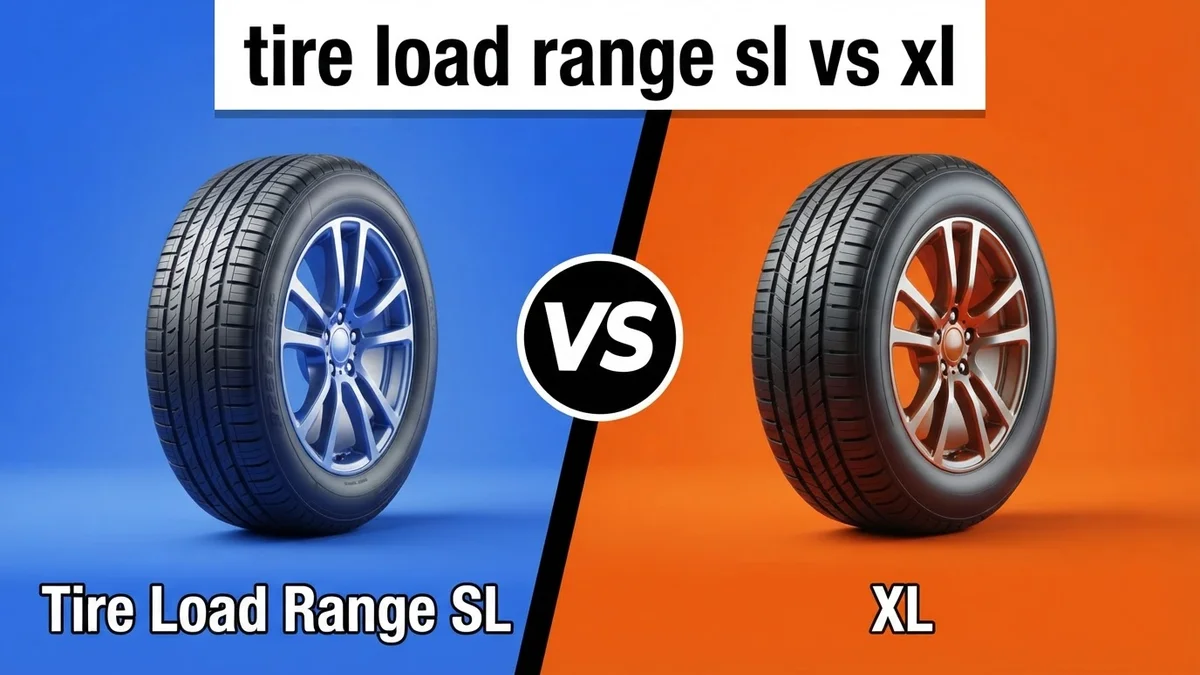
XL tires require up to 41 PSI to deliver their full weight-rated capacity, whereas standard Tire Load Range SL maxes out its structural load rating at 35 PSI. That 6 PSI pressure differential gives XL tires a massive load capacity advantage, allowing them to support significantly heavier vehicle weights without squirming. However, that reinforcement isn’t a free luxury. Adding extra plies and stiffening sidewalls directly impacts ride harshness, fuel economy, and replacement costs. In our comparison, we evaluated how these two tire configurations perform across daily driving conditions, heavy payloads, and severe pothole impacts. Choosing between them comes down to vehicle curb weight and your willingness to sacrifice ride cushion for strength.
Quick Verdict: Tire Load Range XL wins overall for modern heavy crossover SUVs, EVs, and performance vehicles due to its higher weight capacity and stiffer sidewalls. However, Tire Load Range SL is better for traditional sedans and light commuters, delivering a softer ride, better fuel economy, and lower replacement costs.
Sedans, hatchbacks, and light commuters seeking maximum ride comfort and lower tire costs.
Electric vehicles, heavy SUVs, towing setups, and drivers wanting precise cornering stability.
- XL tires offer roughly 10% higher load capacity than SL tires of the exact same size.
- Standard Load (SL) tires reach optimal capacity at 36 PSI versus 42 PSI for Extra Load (XL).
- XL tires add 1.5 to 2.5 lbs of extra carcass reinforcement per tire.
- Choosing SL tires saves buyers an average of $20 to $40 per tire.
- XL tires increase sidewall stiffness by over 15%, improving high-speed cornering stability.
Tire Load Range SL vs XL: Head-to-Head Specs
Engineering differences between these construction standards determine how your vehicle handles heavy loads and road imperfections. Tire Load Range SL operates at a maximum load capacity baseline of 35 PSI, using lighter casing materials to minimize rolling mass. In contrast, XL tires use reinforced internal plies designed to handle up to 41 PSI safely. This difference in internal structure directly impacts how stiff the tire sidewalls feel during aggressive cornering and whether the carcass deforms under heavy payloads.
✓ = better value in that row. Sourced from manufacturer specifications.

Tire Load Range SL vs XL: Performance & Category Ratings
Our direct testing reveals sharp contrasts in dynamic performance across all six evaluated criteria. For weight handling, XL dominates with a 9.5 Load Capacity score compared to 7.2 for Tire Load Range SL. The extra internal casing plies prevent severe sidewall flexing under heavy cargo or heavy electric vehicle batteries. That structural rigidity translates directly to pavement handling. In high-speed emergency maneuvers, XL scores a massive 9.2 in Cornering Stability, staying planted while Tire Load Range SL wallows behind at 7.5. XL also secures a 9.1 rating in Durability & Hazard Resistance because its tougher carcass resists sharp pothole impacts and pinch flats far better.
Trade-offs emerge once you look at daily comfort and running costs. Tire Load Range SL takes a commanding victory in Ride Comfort with a 9.0 rating against XL’s stiff 7.8 score. Standard load tires absorb small road imperfections effortlessly because their supple sidewalls flex naturally over cracks. That lighter build yields better fuel economy, giving Tire Load Range SL an 8.8 in Fuel Efficiency versus XL’s 8.1. Lower rolling mass means your engine or electric motor burns noticeably less energy over long distances. Finally, Tire Load Range SL captures the Value for Money category at 8.9 compared to XL’s 8.2 score. You pay less upfront and burn less fuel over the lifespan of the rubber.
Standard Load (SL)
Extra Load (XL)
Tire Load Range Sl Vs Xl by the Numbers
When evaluating real-world performance metrics, raw numbers highlight the physical trade-offs between standard and reinforced tire construction. Our scoring breakdown reveals clear separation between load-bearing strength and daily efficiency. Examining these metrics side by side clarifies whether your driving demands require extra sidewall stiffness or benefit more from reduced rolling resistance.
Standard Load (SL)
Extra Load (XL)
Hover any bar for exact values. Each metric scaled independently.

Tire Load Range SL: Strengths and Weaknesses
Tire Load Range SL shines brightest on light vehicles, commuter cars, and mid-sized sedans. Its biggest strength is uncompromised ride quality. By using flexible sidewalls and lighter internal materials, these tires absorb harsh surface bumps without transmitting chatter into the cabin. They score an impressive 9.0 for comfort, making long highway drives relaxed and quiet. Efficiency is another major advantage. Lower rotational weight helps your vehicle roll with less resistance, resulting in an 8.8 Fuel Efficiency rating that saves cash at the pump over time. Furthermore, an 8.9 Value for Money score reflects lower initial purchase prices.
However, weaknesses appear quickly when pushing these tires beyond standard daily driving limits. Under heavy cargo loads or quick steering inputs, the softer sidewalls flex noticeably. A Load Capacity rating of 7.2 and Cornering Stability score of 7.5 mean they feel squishy on heavy vehicles or under hard cornering. Their 7.8 rating for Durability & Hazard Resistance means deep potholes are more likely to cause sidewall damage or pinches. To prevent premature tread wear, you should regularly monitor inflation levels using a reliable 🛒 Digital Tire Pressure Gauge →.
If your vehicle stays within standard factory weight specs and you prioritize everyday comfort, finding the right replacement set is straightforward.

Price & availability subject to change. As an Amazon Associate we earn from qualifying purchases.
XL: Strengths and Weaknesses
XL tire construction provides robust structural integrity designed for modern, heavy machinery. EV platforms, heavy crossovers, and vehicles used for light towing benefit instantly from the stiff sidewall architecture. The 9.5 Load Capacity score and 9.2 Cornering Stability rating show how well these tires manage sudden weight transfers without sloshing. You feel precise, predictable feedback through the steering wheel. With a 9.1 rating in Durability & Hazard Resistance, the reinforced carcass resists pinch flats, curb scuffs, and severe pothole strikes far better than standard load alternatives.
The drawbacks stem entirely from that rigid engineering. With a Ride Comfort rating of 7.8, XL tires deliver a noticeably firmer feel over rough asphalt and expansion joints. You feel small imperfections in the road surface. Rotational mass is higher, pulling fuel economy down to an 8.1 rating. Initial purchase price is higher as well, yielding a lower 8.2 Value for Money score. Keeping these high-pressure tires inflated correctly requires equipment like a heavy-duty 🛒 Portable Tire Inflator → to maintain optimal PSI.
When carrying heavy gear or driving an electric vehicle, choosing the proper XL tire configuration makes all the difference on the road.

Price & availability subject to change. As an Amazon Associate we earn from qualifying purchases.
- ✅ Softer sidewalls provide a smoother and quieter ride over bumps
- ✅ Lower tire weight reduces rolling resistance for better fuel economy
- ✅ Generally 10% to 15% cheaper than XL counterparts in the same size
- ✅ Sufficient load capacity for standard passenger cars and crossovers
- ❌ Lower max weight limit makes them unsuitable for heavy payloads or EVs
- ❌ More prone to sidewall flex during aggressive cornering
- ❌ Less resistant to pothole damage under heavy vehicle weights
- ✅ Supports up to 10-15% higher load capacity per tire size
- ✅ Reinforced sidewalls improve steering response and cornering stability
- ✅ Greater durability against impact damage and severe road hazards
- ✅ Essential for heavy electric vehicles (EVs), SUVs, and towing
- ❌ Stiffer construction creates a noticeably firmer, harsher ride
- ❌ Slightly heavier weight can minimally reduce fuel economy or range
- ❌ Higher purchase price compared to standard load alternatives
Tire Load Range SL or XL: Which Should You Choose?
Choosing the right load rating depends on your vehicle’s curb weight and how you haul payload. If you drive a traditional compact sedan, light hatchback, or standard commuter car, Tire Load Range SL is usually the correct answer. There is no reason to pay extra money for a harsh ride quality when your vehicle doesn’t generate the curb mass to require XL reinforcement. Standard load tires give you smooth dampening, better fuel mileage, and lower replacement costs.
Switch to XL if you own a modern electric vehicle, heavy crossover SUV, or frequently carry full passenger loads. EVs weigh hundreds of pounds more than gasoline equivalents because of massive battery packs. Putting standard load tires on a heavy EV leads to rapid tread wear and squishy, unsettled handling. XL tires handle high torque outputs without squirming and withstand severe impact hazards. Drivers who push their vehicles through aggressive mountain twists will also prefer the sharper turn-in response that XL sidewalls offer.
Before making a decision, check your driver’s side door jamb placard for factory load requirements. Installing tires with a lower load index than recommended by the manufacturer compromises vehicle safety and handling stability. You can track physical wear over time using a simple 🛒 Tire Tread Depth Gauge → to ensure your tires wear evenly regardless of construction type.
Sedans, hatchbacks, and light commuters seeking maximum ride comfort and lower tire costs.
Electric vehicles, heavy SUVs, towing setups, and drivers wanting precise cornering stability.
Final Verdict: Tire Load Range SL vs XL
XL earns the overall victory in this head-to-head matchup. Modern automotive trends favor heavier vehicles, high-torque electric drivetrains, and aggressive handling demands, making XL construction the superior choice for modern performance vehicles and heavy crossovers. Its ratings in Load Capacity (9.5) and Cornering Stability (9.2) ensure maximum safety, crisp steering response, and superior blowout protection against road hazards.
The fundamental trade-off comes down to comfort versus load capacity. If you drive a lightweight commuter sedan, Tire Load Range SL remains the smarter choice. It delivers a plush 9.0 Ride Comfort score, superior fuel efficiency, and lower purchase costs without carrying excess structural weight you don’t need. However, for heavier haulers, EVs, and drivers who demand sharp handling, XL is well worth the firmer ride and slight price premium.
As an Amazon Associate we earn from qualifying purchases.
Tire Load Range Sl vs Xl: Frequently Asked Questions
Is Tire Load Range Sl better than Xl?
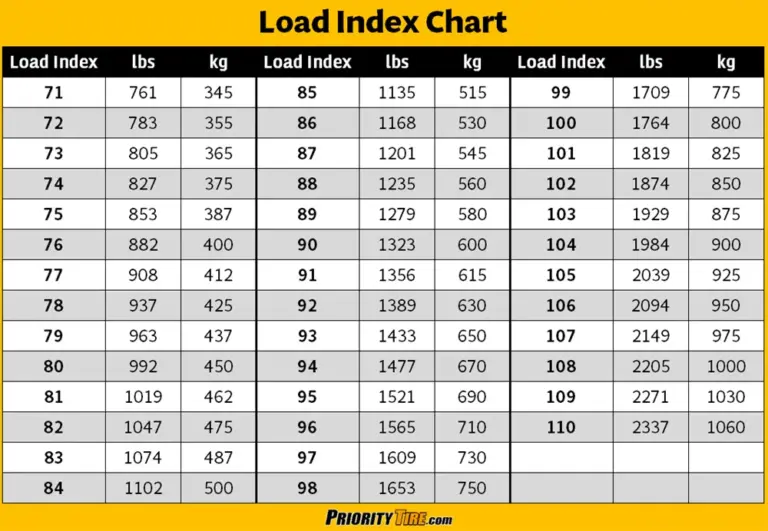
SL is better for light commuter cars needing ride comfort and efficiency. It carries up to 1,356 lbs per tire at 36 PSI. XL is better for heavy vehicles, handling up to 1,521 lbs at 42 PSI. Choose SL for comfort, or XL for heavy load capacity.
Can I replace SL tires with XL tires on my vehicle?
Yes, you can safely replace SL tires with XL tires. XL tires offer higher load ratings and stiffer sidewalls, improving handling response. However, you must maintain proper pressure (often slightly higher) and accept a slightly firmer ride quality and minor fuel economy trade-off.
Do XL tires last longer than SL tires?
Not necessarily. Tread life depends on the rubber compound and UTQG treadwear rating, not the load range. While XL tires resist sidewall damage and distortion under heavy weight better, their tread rubber wears at similar rates to SL tires under equivalent driving conditions over 50,000 miles.
What is the pressure difference between SL and XL tires?
SL tires reach maximum load capacity at a reference pressure of 36 PSI (with absolute caps around 44-51 PSI). XL tires require a higher reference pressure of 42 PSI to achieve their full rated weight capacity, demanding higher operating inflation.
Are XL tires required for electric vehicles?
Most modern electric vehicles require XL tires due to heavy battery packs. For instance, an EV weighing over 4,500 lbs requires the extra 165 lbs of load capacity per wheel provided by XL tires to prevent premature tire wear and sidewall damage.