For owners of the dependable 2019 Dodge Grand Caravan, understanding your vehicle’s specific tire requirements is paramount to ensuring safety, optimal performance, and efficiency. Navigating the myriad of tire specifications, maintenance protocols, and replacement options can often be complex, leading to uncertainty about selecting the correct tires or ensuring their longevity. This expert guide will provide a professional and authoritative resource, meticulously detailing the standard tire sizes, decoding vital tire markings, offering quality replacement recommendations, and outlining essential maintenance practices, enabling you to make informed, reliable decisions for your Grand Caravan’s tires.
Understanding the Standard 2019 Dodge Grand Caravan Tire Sizes by Trim
As a seasoned industry expert, I can confidently state that for any vehicle, understanding its Original Equipment Manufacturer (OEM) tire specifications is the foundational step in ensuring optimal performance and safety. For the 2019 Dodge Grand Caravan, a popular and reliable minivan, the factory-fitted tire sizes are meticulously chosen to complement its design, weight distribution, and driving dynamics. The primary OEM tire sizes provided for this model year are the common 225/65R17 and the slightly larger 235/60R17 dimensions.
These tire sizes correlate directly with the various trim levels available for the 2019 Grand Caravan. For instance, the base SE trim often came equipped with 225/65R17 tires. These tires were typically mounted on 17×6.5-inch steel wheels. As you moved up the trim hierarchy, such as to the SXT and especially the GT trim, you would frequently find the 235/60R17 tires. The GT trim, with its enhanced features, typically showcased these larger tires on more aesthetically pleasing 17×7-inch aluminum wheels, offering a slightly wider contact patch and often a marginally sportier ride characteristic.
The critical impact of adhering to these OEM specifications cannot be overstated. Deviating from these factory-set parameters can compromise vehicle dynamics, leading to unpredictable handling, especially during evasive maneuvers. Furthermore, incorrect tire sizes can adversely affect fuel efficiency, as the rolling resistance and overall gearing are calibrated for specific dimensions. Perhaps most importantly, speedometer accuracy can be significantly altered, leading to incorrect speed readings and potential legal or safety issues. It’s also important to note that factory options and packages might have influenced tire size variations. For example, an appearance package on an SE Plus might have included different wheels and thus a different tire size than a standard SE Plus model upon original purchase.
2019 Dodge Grand Caravan OEM Tire Size by Trim

Decoding Your 2019 Grand Caravan’s Tire Information Placard and Sidewall Data
Understanding your specific vehicle’s tire requirements goes beyond general trim levels; it requires consulting the definitive source: your vehicle’s tire information placard. This placard is your go-to guide for precise tire size, recommended inflation pressures, and other critical specifications unique to your 2019 Dodge Grand Caravan.

📋
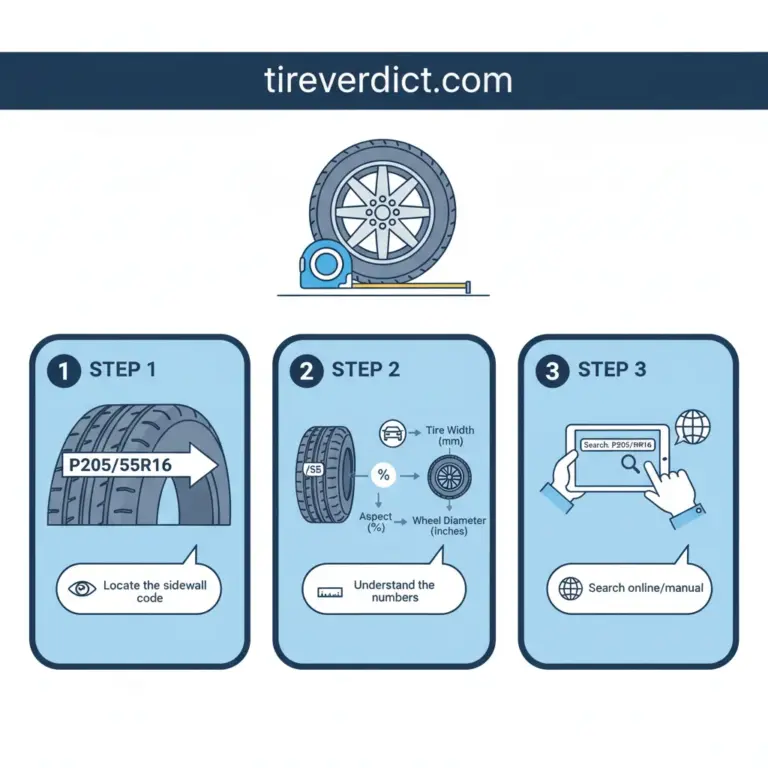
Step-by-Step Guide: Locating and Interpreting Your Tire Information
The most accurate and vehicle-specific data is found on the tire information placard. For the 2019 Dodge Grand Caravan, this is typically located on the driver’s side door jamb, specifically on the B-pillar when the door is open. In some rare cases, it might be inside the glove compartment or fuel filler door, but the door jamb is the primary location for this crucial sticker.
A standard tire size designation will appear like P225/65R17 100T. Let’s break it down:
- P: The ‘P’ denotes a Passenger car tire, indicating it’s designed for light-duty vehicles.
- 225: This is the tire’s width in millimeters from sidewall to sidewall.
- 65: This is the aspect ratio, meaning the sidewall height is 65% of the tire’s width (225mm).
- R: Indicates Radial construction, the most common tire construction type.
- 17: This is the rim diameter in inches that the tire is designed to fit.
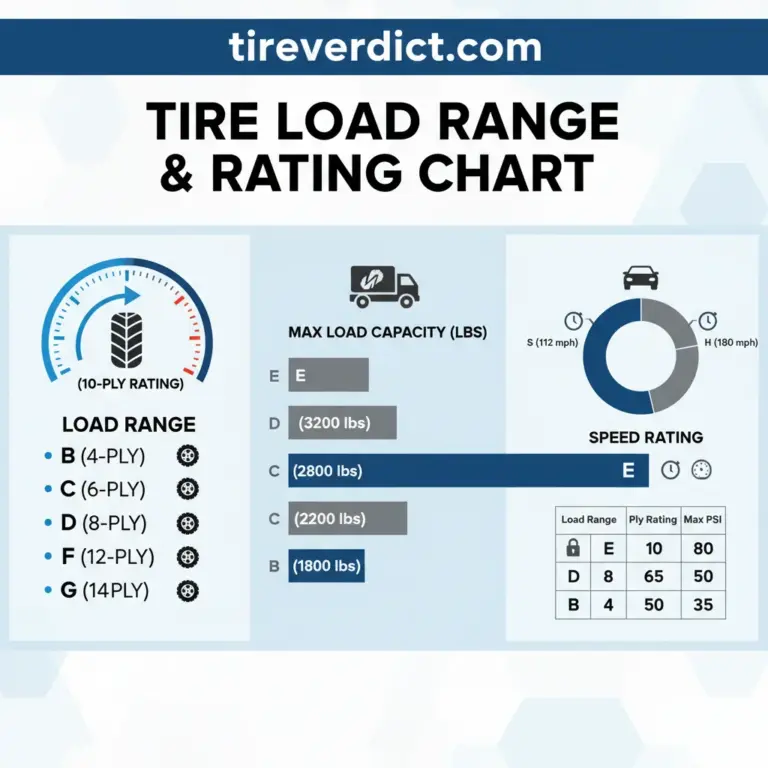
- 100: This is the load index. A load index of ‘100’ indicates a maximum load capacity of 1,764 lbs per tire. It’s crucial for maintaining the vehicle’s gross vehicle weight rating.
- T: This is the speed rating, signifying the maximum safe speed the tire can maintain. A ‘T’ rating corresponds to speeds up to 118 mph (190 km/h).
The placard will also list the recommended tire pressure for optimal performance, safety, and longevity for both front and rear tires, typically in cold conditions. This is often different from the “MAX PRESS” or “Maximum Inflation Pressure” printed on the tire sidewall, which is merely the highest pressure the tire can safely hold, not the recommended operating pressure for your vehicle. Always follow the placard’s recommendation.
While the placard is primary, your owner’s manual serves as a professional secondary source for detailed tire information, especially for understanding specific vehicle features related to tire maintenance, such as the Tire Pressure Monitoring System (TPMS).

Expert Guidance for Selecting Replacement Tires for Your 2019 Dodge Grand Caravan
When the time comes to replace the tires on your 2019 Dodge Grand Caravan, making an informed choice is crucial for maintaining the vehicle’s integrity and your family’s safety. As a professional, my primary recommendation is unequivocal: always replace tires with the exact OEM size, load index, and speed rating specified on your vehicle’s placard. This ensures that the replacement tires align perfectly with the engineering parameters of your Grand Caravan, preserving its intended handling, braking, and stability control systems.
Choosing the Right Tire Type
Beyond adhering to size specifications, consider the type of tire best suited for your driving conditions:
- All-Season Tires: These are the most common OEM fitment and offer a balanced performance across various conditions – dry, wet, and light snow. They are ideal for drivers in temperate climates who don’t experience extreme winter weather.
- Touring Tires: Often a sub-category of all-season, touring tires prioritize ride comfort, low noise, and a longer tread life, making them an excellent choice for a family minivan like the Grand Caravan, especially for long-distance travel.
- Winter/Snow Tires: If you reside in an area with consistent snowfall and icy conditions, dedicated winter tires are a superior choice. They feature specialized tread compounds and patterns designed for enhanced grip and braking performance in cold temperatures and snow. For example, while all-season tires are suitable for occasional light snow, specialized winter tires are a necessity for snowy climates, offering significantly improved traction and shorter stopping distances.
While it might be tempting to consider ‘plus-sizing’ (larger rim diameter) or ‘minus-sizing’ (smaller rim diameter) for aesthetic reasons or perceived performance gains, such alterations come with significant caveats. Incorrect tire sizing can lead to speedometer errors of 5% or more, affecting both safety and legality. It can also disrupt your vehicle’s Anti-lock Braking System (ABS) and Electronic Stability Control (ESC) systems, as these are calibrated for specific tire dimensions. Furthermore, improper sizing can cause fender clearance issues or premature wear on suspension components. Always consult with a professional tire expert before considering any deviation from OEM specifications.
Evaluating Tire Quality and Performance
Beyond size and type, evaluate a tire’s quality and performance metrics. Look for the Uniform Tire Quality Grading (UTQG) system ratings:
- Treadwear: This rating indicates the tire’s expected tread life relative to a control tire. A higher number signifies a longer-lasting tire. For example, a tire with a ‘600 AB’ rating will generally last longer than one with a ‘400 AA’ rating, assuming similar driving conditions.
- Traction: Graded AA, A, B, or C, this measures a tire’s ability to stop on wet pavement. AA is the best.
- Temperature: Graded A, B, or C, this indicates the tire’s resistance to heat generation. A is the best.
Consult trusted expert reviews and professional insights to select reliable tires that offer superior performance and durability, providing better value over their lifespan. Investing in a reputable, high-quality brand often translates to better handling, shorter braking distances, and a more comfortable, quiet ride compared to a generic, budget alternative.
When replacing tires, always replace all four at once for consistent handling and performance. If only two are replaced, ensure the new tires are installed on the rear axle to prevent oversteer, especially in wet conditions, providing enhanced stability and control for your minivan.
Maintaining Your 2019 Grand Caravan’s Tires for Optimal Performance and Extended Lifespan
Proper tire maintenance is not just about longevity; it’s fundamental to the safety, fuel efficiency, and overall driving experience of your 2019 Dodge Grand Caravan. Implementing a consistent, professional maintenance regimen can significantly extend your tires’ lifespan and prevent costly issues down the road.
Routine Tire Pressure Checks
The single most impactful maintenance task is routinely checking tire pressure. It is imperative to check your tires at least monthly, and always when the tires are cold – meaning the vehicle hasn’t been driven for at least three hours or more than a mile. Use a quality pressure gauge and inflate to the precise PSI (pounds per square inch) recommended on your vehicle’s door jamb placard, not the maximum pressure listed on the tire sidewall. Research indicates that under-inflated tires can decrease fuel efficiency by 0.2% for every 1 PSI drop in pressure and significantly increase tire wear, leading to premature replacement and potential safety hazards.
Tire Rotation
Regular tire rotation is essential for promoting even tread wear across all four tires. For the front-wheel-drive 2019 Grand Caravan, a professional rearward cross pattern is typically recommended, moving front tires to the rear in a straight line, and rear tires to the opposite front. Aim for rotation intervals of every 5,000-7,500 miles, or as recommended in your owner’s manual. This practice helps equalize wear patterns, ensuring that no single tire wears out significantly faster than others, thereby extending the overall life of your tire set. Properly maintained tires can extend their lifespan by up to 10,000-15,000 miles.
Wheel Balancing and Alignment
To prevent uneven tire wear, vibrations, and steering issues, regular wheel balancing and alignment services are critical. Wheels can become unbalanced over time due to normal driving, minor impacts, or tire repairs. Symptoms like steering wheel vibration at highway speeds indicate a need for balancing. Similarly, improper wheel alignment, often caused by hitting potholes or curbs, can lead to uneven tread wear patterns (e.g., feathering, cupping) and cause the vehicle to pull to one side. Professional alignment ensures your wheels are parallel to each other and perpendicular to the ground, guaranteeing a smooth and reliable driving experience.
Visual Inspections and Tread Depth
Make it a habit to visually inspect your tires regularly for any signs of wear, damage, or embedded objects. Look for:
- Cuts, cracks, or bulges in the sidewall.
- Foreign objects (nails, screws) lodged in the tread.
- Unusual or uneven wear patterns across the tread.
Also, routinely check your tread depth using a tread depth gauge or by observing the built-in tread wear indicators. When the tread reaches the same level as these indicators (typically around 2/32 inch), it’s a clear signal that professional tire replacement is warranted for safety, especially in wet conditions.
By The Numbers: Tire Maintenance Impact
Fuel Efficiency Drop per 1 PSI Under-inflation
Miles Extended by Proper Maintenance
Minimum Safe Tread Depth
Addressing Common Tire-Related Challenges for 2019 Dodge Grand Caravan Owners
Even with diligent maintenance, tire-related issues can arise. Knowing how to expertly address these challenges can save you time, money, and ensure continuous safety for your 2019 Dodge Grand Caravan.
Puncture Management
For tire punctures or slow leaks, assess the damage. Temporary sealants can offer a short-term fix to get you to a service center. Professional patch and plug repairs are viable for punctures within the main tread area, but sidewall damage or large punctures typically render a tire irreparable and necessitate full replacement.
Vibrations & Pulling
Persistent steering wheel vibration at highway speeds (e.g., 50-70 mph) is a classic symptom of tire imbalance. If your Grand Caravan pulls to one side, it indicates potential misalignment. Both require timely professional diagnosis and correction to prevent uneven tire wear and reduced fuel economy. Driving on severely unbalanced tires can reduce fuel economy by up to 2.5%.
Spare Tire Preparedness
Ensure your spare tire (if equipped) is always properly inflated and in good condition. Understand its limitations; many Grand Caravans come with a “donut” spare, which is designed for temporary use only, typically with speed limits of 50 mph and distance limits of 50-70 miles. It’s an emergency tool, not a permanent solution.
Tire Age Degradation
Even tires with seemingly adequate tread can degrade over time due to environmental exposure, especially UV light and ozone. The rubber hardens and develops micro-cracks (dry rot), reducing grip and increasing the risk of failure. Most tire manufacturers recommend replacing tires that are six years old, irrespective of mileage, and definitely by 10 years, due to rubber degradation. Always check the DOT manufacturing date on the sidewall.
Being proactive about these common issues and seeking professional guidance when necessary will contribute significantly to the long-term reliability and safety of your 2019 Dodge Grand Caravan.
To summarize, always verify your 2019 Grand Caravan’s precise tire size and specifications on the driver’s door jamb placard. Prioritize quality OEM-matching replacement tires for optimal performance, safety, and compliance with manufacturer standards. Lastly, implement consistent tire maintenance, including pressure checks, rotation, and balancing, to maximize tire lifespan and overall vehicle reliability. Ensure the continued safety and performance of your 2019 Dodge Grand Caravan by regularly consulting your tire placard and engaging with a trusted, professional tire service provider for all your maintenance and replacement needs.
Frequently Asked Questions
What is the most common tire size for a 2019 Dodge Grand Caravan?
The most common tire sizes for the 2019 Dodge Grand Caravan are 225/65R17 and 235/60R17. The exact size depends on the specific trim level, such as the SE or GT models. Always consult the tire information placard on your vehicle’s driver’s side door jamb for the definitive original equipment size recommended by the manufacturer to ensure reliable and safe operation.
Where can I find the correct tire pressure for my 2019 Grand Caravan?
The correct tire pressure for your 2019 Dodge Grand Caravan is clearly indicated on the tire information placard. This label is typically located on the driver’s side door jamb, or occasionally inside the fuel filler door. It specifies the recommended cold tire inflation pressure for both front and rear tires, which is crucial for optimal handling, fuel efficiency, and tire longevity. Do not use the maximum pressure listed on the tire sidewall.
Can I put different sized tires on my 2019 Dodge Grand Caravan?
While it is technically possible to fit different sized tires on your 2019 Grand Caravan, it is generally not recommended without professional consultation. Deviating from the OEM specifications can negatively impact speedometer accuracy, antilock braking system (ABS) function, electronic stability control (ESC), and overall vehicle handling. Consult a trusted tire expert if considering any alternative sizing to ensure safety and compliance.
How often should I rotate the tires on my 2019 Dodge Grand Caravan?
For optimal tread wear and extended tire lifespan, it is professionally recommended to rotate the tires on your 2019 Dodge Grand Caravan every 5,000 to 7,500 miles, or as specified in your owner’s manual. Regular rotation ensures even wear across all four tires, promoting better performance, consistent handling, and contributing to overall vehicle reliability and safety.
What do the numbers on a 2019 Grand Caravan tire mean (e.g., 225/65R17)?
The numbers on a 2019 Grand Caravan tire, such as 225/65R17, represent key specifications. ‘225’ is the tire’s width in millimeters, ’65’ is the aspect ratio (sidewall height as 65% of the width), ‘R’ denotes radial construction, and ’17’ is the diameter of the wheel in inches. These details are critical for ensuring you select the correct and quality replacement tires.