As temperatures plummet, the invisible threat to your vehicle’s safety and performance often lies beneath its surface: your tire pressure. Many drivers are unaware that cold weather significantly impacts tire pressure, leading to underinflation that compromises handling, fuel efficiency, and tire longevity. Understanding the correct ‘cold inflation pressure’ for winter is not merely a recommendation; it’s a critical safety measure. This expert guide provides a professional and reliable blueprint for managing your tire pressure in winter 2026, ensuring your vehicle remains safe, efficient, and responsive on the road. We will delve into the science, the risks, and precise, actionable steps to maintain optimal tire performance.
Understanding Tire Pressure Dynamics in Cold Weather
📤 Share Image
As an industry expert with over 15 years in automotive maintenance, I’ve seen countless drivers overlook a fundamental principle that governs tire performance in colder months: the relationship between temperature and pressure. This dynamic is best understood through the lens of the Ideal Gas Law, specifically its component known as Charles’s Law, which states that for a fixed amount of gas at constant volume, pressure is directly proportional to its absolute temperature.
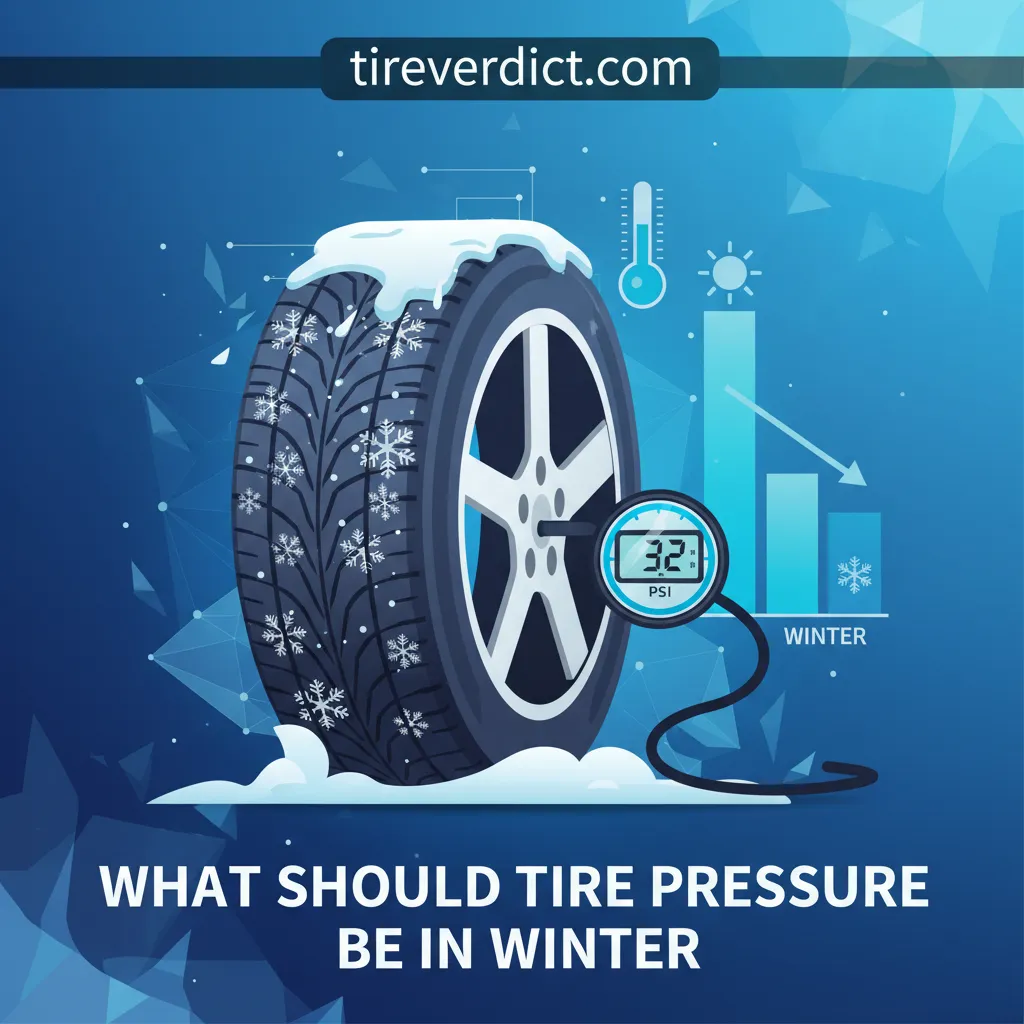
In simpler terms, as the ambient temperature drops, the air molecules inside your tire lose kinetic energy and move less frequently. This reduction in molecular activity translates directly into a lower force exerted on the tire’s inner walls, resulting in a decrease in measured tire pressure. This isn’t air escaping your tire; it’s a natural physical phenomenon. Research, corroborated by organizations like the Rubber Manufacturers Association (RMA) and NHTSA, consistently indicates an approximate pressure drop rate of 1 PSI for every 10°F (5.6°C) decrease in temperature. This benchmark is critical for understanding why winter adjustments are necessary.
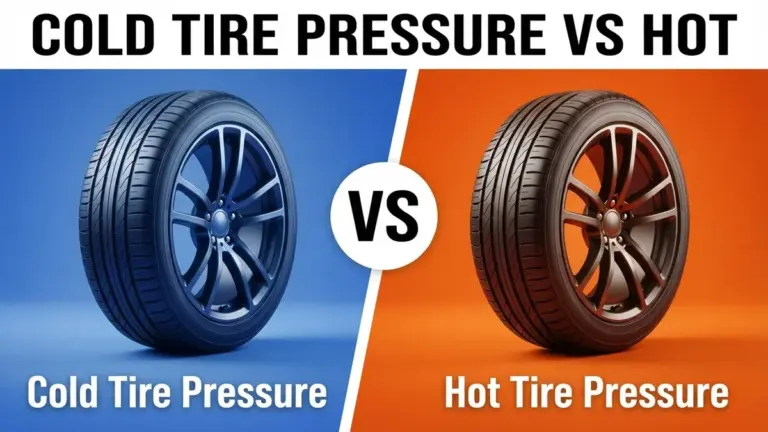
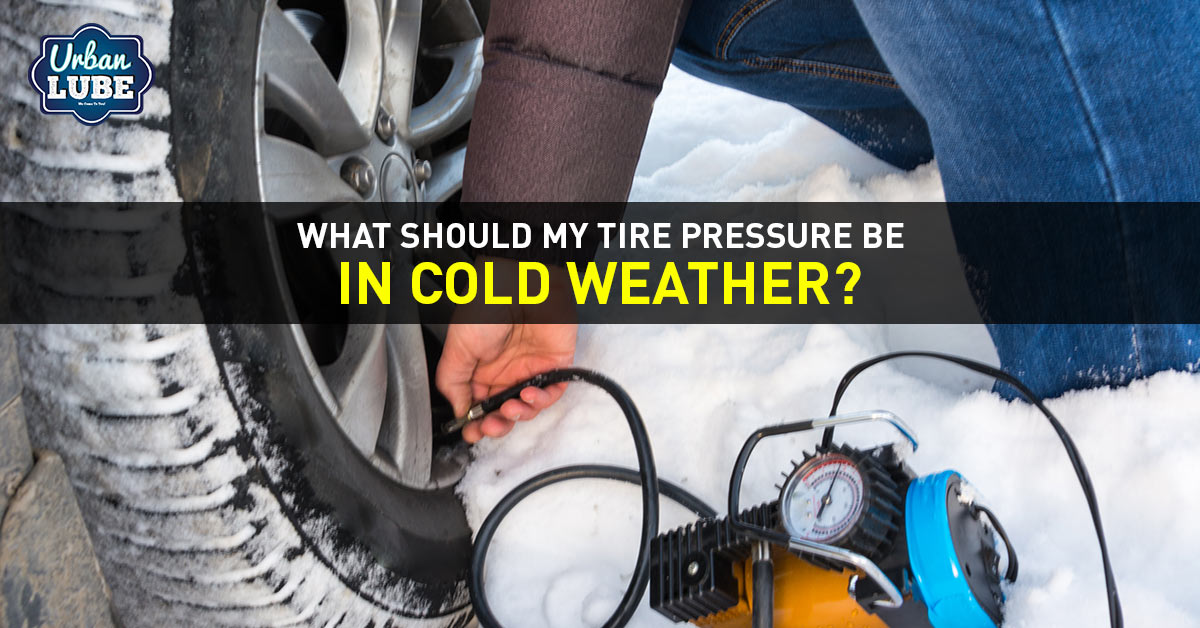
Consider this scenario: A tire perfectly inflated to its recommended 35 PSI at 70°F (21°C) in the autumn. When winter arrives, and the outdoor temperature drops to 40°F (4°C), that same tire will now read approximately 32 PSI. This 3 PSI drop significantly impacts performance. It’s crucial to distinguish between ‘cold inflation pressure’ and ‘hot inflation pressure.’ Manufacturers’ recommended PSI values are always for ‘cold’ tires – meaning the vehicle has been parked for at least three hours or driven for less than a mile. As a tire rolls, friction generates heat, increasing the kinetic energy of the air molecules and thus, the pressure. This ‘hot’ pressure is higher but not the target for accurate inflation, making cold readings essential for precision and reliable adjustment.
The Critical Importance of Correct Winter Tire Pressure
Maintaining optimal tire pressure during colder months transcends mere maintenance; it’s a fundamental aspect of vehicle safety, performance, and economic efficiency. From an expert perspective, the implications of incorrect tire pressure, particularly underinflation, are far-reaching and often underestimated by the general public.
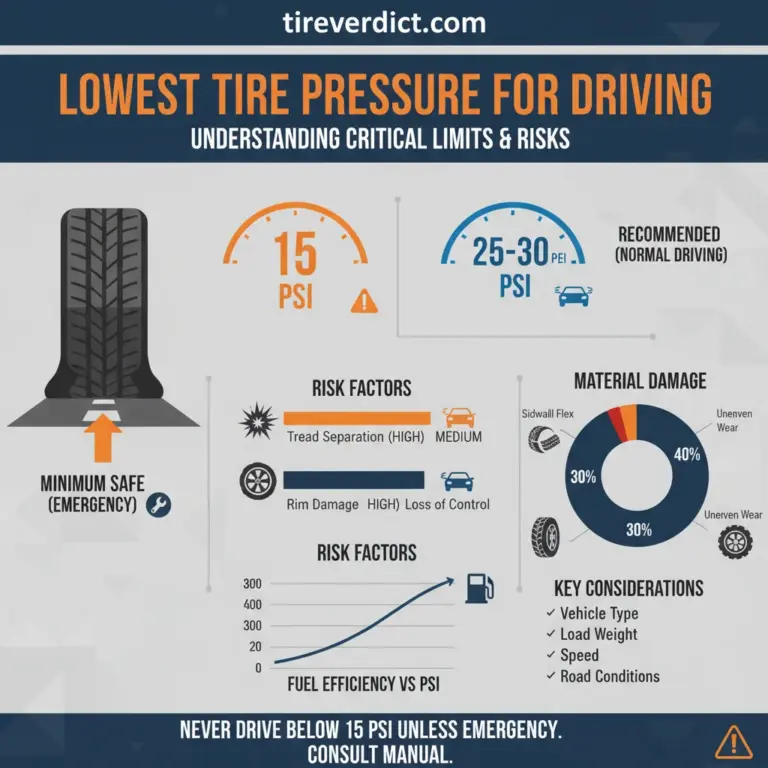
Firstly, underinflated tires severely compromise vehicle handling and stability, a critical concern on slippery winter surfaces like ice and snow. The tire’s contact patch – the portion of the tire touching the road – deforms inefficiently when underinflated, reducing grip and making the vehicle less responsive to steering inputs. This can significantly increase stopping distances and the risk of skidding. Furthermore, underinflation increases rolling resistance, forcing the engine to work harder. Studies from organizations like AAA and major tire manufacturers, including Michelin and Goodyear, consistently show that a mere 1 PSI drop below recommended pressure can lead to a 0.3% loss in fuel economy. This seemingly small percentage accumulates over a winter season, diminishing fuel efficiency and escalating operational costs.
Incorrect pressure also leads to accelerated and uneven tire wear patterns, drastically shortening tire lifespan. Underinflated tires exhibit excessive wear on the outer shoulders due to increased flexing, while overinflated tires wear predominantly in the center. Both scenarios necessitate premature tire replacement, representing a significant financial outlay. More critically, underinflation increases the risk of tire failure, including dangerous blowouts or delamination. The excessive flexing generates abnormal heat buildup, weakening the tire’s structural integrity over time. From a modern vehicle perspective, proper tire pressure is integral to the effectiveness of advanced driver-assistance systems (ADAS). Features like Electronic Stability Control (ESC) and Anti-lock Braking Systems (ABS) rely on stable vehicle dynamics and consistent tire-to-road contact to function optimally. A car with 20% underinflated tires, for instance, can experience a 10-15% reduction in fuel economy and a significant decrease in braking performance, potentially adding several crucial feet to stopping distances on icy roads compared to correctly inflated tires. Over a winter season, proactive pressure management is a trusted investment in safety and savings.
By The Numbers
Approx. Pressure Drop
Fuel Economy Loss per 1 PSI
Fuel Economy Reduction (20% underinflated)
Typical TPMS Trigger Threshold

How to Accurately Check and Adjust Tire Pressure in Winter Conditions
Accurate tire pressure checks are foundational to safe winter driving. As a professional, I emphasize that consistency and correct methodology are paramount, especially when dealing with fluctuating winter temperatures. Here’s your expert guide to this critical maintenance task:
📋
Step-by-Step Guide
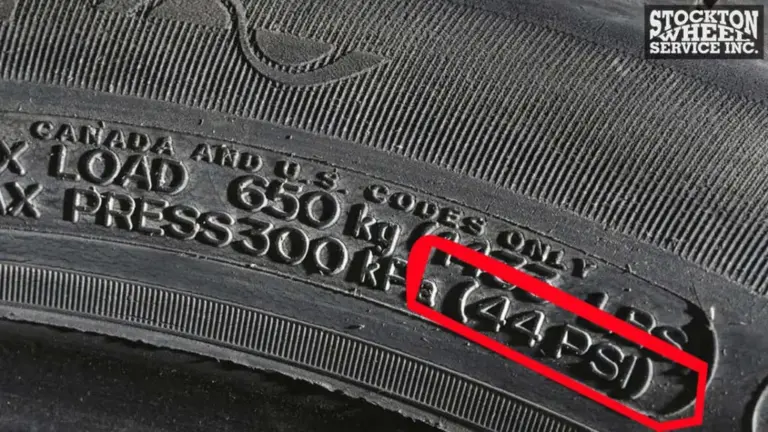
Your vehicle’s specific recommended tire pressure (PSI) is not on the tire itself, but on a placard typically found on the driver’s side door jamb. It can also be in your owner’s manual. This value is for ‘cold’ tires – a critical distinction. For instance, it might state “Front: 35 PSI, Rear: 35 PSI.” Adhering to this manufacturer-specified pressure is a professional best practice.
For reliable, trusted readings, invest in a quality digital tire gauge. While stick gauges are inexpensive, digital gauges offer superior accuracy and are easier to read in cold, low-light conditions. Ensure your chosen gauge is well-maintained and provides consistent measurements.
The industry standard for ‘cold’ means your vehicle has been parked for at least three hours or driven for less than a mile at moderate speed. Remove the valve stem cap, press the gauge firmly and squarely onto the valve stem until the hiss of air stops and the reading stabilizes. Note the measurement. Repeat for all four tires, and don’t forget your spare tire if applicable.
If your tire pressure is below the recommended PSI (e.g., you measured 28 PSI and the target is 35 PSI), use an air compressor (home unit or gas station) to add air in short bursts, rechecking after each addition until you reach the target. If overinflated, use the small knob on the back of most gauges or a small tool to press the valve stem pin and release air, rechecking until correct. Always replace the valve stem caps securely.
Perform these checks at least monthly throughout winter, and ideally before any long trips or after significant temperature drops. A reliable routine ensures consistent, optimal performance. Remember to check your spare tire’s pressure periodically as well, so it’s ready if needed.
Maintaining Optimal Tire Performance Beyond PSI Adjustments
While correct tire pressure is foundational, a truly comprehensive approach to winter tire maintenance extends to several other crucial areas. As a professional, I advocate for a holistic view to ensure your tires deliver peak performance and safety when it matters most.
Tread Depth: Your Winter Grip Factor
Tread depth is arguably as critical as pressure, especially in snowy or icy conditions. While the legal minimum is often 2/32 inch, for winter driving, I confidently recommend a minimum of 4/32 inch. This deeper tread provides essential biting edges and channels for displacing snow and slush. You can check this easily with the “penny test”: insert a penny head-first into the tread groove. If Lincoln’s head is fully visible, your tread is too shallow for winter conditions. A dedicated tread depth gauge provides a more precise and professional reading.
Regular Tire Rotation for Even Wear
Tire rotation promotes even wear across all four tires, extending their lifespan and maintaining balanced performance. The typical interval is every 5,000-8,000 miles. In winter, consistent wear is vital for predictable handling and traction, as unevenly worn tires can compromise stability, particularly on low-friction surfaces.
Visual Inspections for Damage
Cold temperatures can exacerbate tire vulnerabilities. Regularly inspect your tires for any signs of damage: sidewall cracks, bulges, punctures, or embedded objects like nails or sharp debris. Pay close attention to the sidewalls, as cold rubber can become less pliable, making it more susceptible to cracking if the tire is underinflated or old. Addressing these issues promptly is crucial for preventing unexpected failures and ensuring continued reliability.
Dedicated Winter Tires: The Ultimate Cold Weather Solution
For severe cold climates, dedicated winter tires are an unparalleled investment. Unlike all-season tires, winter tires feature specialized rubber compounds that remain flexible below 45°F (7°C), along with unique tread patterns designed for superior grip on snow, ice, and cold, wet pavement. Research from organizations like Consumer Reports consistently demonstrates their significant performance advantage, showing 20-30% shorter stopping distances on snowy and icy surfaces compared to all-season tires. This critical difference can be life-saving.
Professional Tire Inspections
While DIY checks are excellent, regular professional tire inspections can identify latent issues that might be missed by the untrained eye. An expert technician can spot subtle structural damage, uneven wear indicative of alignment issues, or early signs of aging rubber, providing invaluable, trusted assessment and ensuring your tires are truly winter-ready.
When switching to dedicated winter tires, remember that their optimal pressure should still align with your vehicle manufacturer’s cold PSI recommendations. While the tire construction is different, the vehicle’s required load capacity and handling characteristics dictate the fundamental pressure requirement. Do not use the maximum pressure listed on the tire’s sidewall.
Addressing Common Tire Pressure Issues and TPMS Warnings
In the modern vehicle landscape, the Tire Pressure Monitoring System (TPMS) has become a ubiquitous safety feature. However, winter often brings a surge in TPMS light illuminations, leading to confusion and concern among drivers. Understanding why this happens and how to respond professionally is key to maintaining your vehicle’s safety and your peace of mind.
Why Your TPMS Light Comes On in Cold Weather
The most common reason for a TPMS light to illuminate in winter is the natural pressure drop discussed earlier. The system is designed to trigger when a tire’s pressure falls below a factory-set threshold, which is typically 25% under the manufacturer’s recommended cold inflation pressure. So, if your recommended PSI is 35, the light will likely come on around 26 PSI. A sudden cold snap can cause this pressure drop quickly, activating the warning light even if your tires had been correctly inflated the day before.
Consider this scenario: You inflated your tires to 35 PSI at 50°F (10°C). Overnight, the temperature plummets to 20°F (-6°C). This 30°F drop could lower your tire pressure by approximately 3 PSI, bringing it down to 32 PSI. If your vehicle’s TPMS threshold is set at 26 PSI, this might not trigger the light. However, if your tires were already slightly underinflated at 32 PSI and the temperature drops by 30°F, they could reach 29 PSI. Another similar drop, or a slow leak, could easily push it below the 25% threshold, activating the warning. The crucial point is that a lit TPMS warning requires immediate attention.
Resetting Your TPMS Light
After adjusting your tire pressure to the correct specifications, the TPMS light usually won’t turn off immediately. Most systems require you to drive the vehicle for a specific distance (e.g., 5-10 miles) at a certain speed to allow the sensors to transmit new readings to the receiver. Some vehicles also have a manual reset button, usually found under the dashboard or in the glove compartment, which can be engaged after inflation. Always consult your owner’s manual for your vehicle’s specific reset procedure for the most reliable information.
Troubleshooting Persistent Warnings
If your TPMS light remains on despite correctly inflating all tires and driving to reset the system, it suggests a more persistent issue. This could indicate a slow leak (e.g., from a small puncture, a faulty valve stem, or a compromised tire bead), a malfunctioning TPMS sensor (sensor battery failure is common, with batteries typically lasting 5-10 years or 50,000-100,000 miles), or a faulty TPMS receiver. In such cases, professional assistance is highly recommended. An expert can accurately diagnose the problem using specialized diagnostic tools.
Limitations of TPMS
It’s important to remember that TPMS is a warning system, not a comprehensive tire monitoring tool. While it alerts you to critically low pressure, it does not indicate optimal pressure. A tire can be slightly underinflated, impacting performance and fuel economy, without triggering the TPMS light. This reinforces the need for regular, manual tire pressure checks with a reliable gauge, regardless of whether the light is on or off. A trusted, proactive approach to tire maintenance is always superior to relying solely on warning systems.
Never ignore a TPMS warning light. Even if you suspect it’s due to cold weather, low tire pressure can rapidly escalate into a dangerous situation, affecting steering, braking, and overall vehicle control. Always check and adjust your tire pressure promptly and investigate any persistent warnings with a qualified professional.
Cold temperatures directly reduce tire pressure, necessitating regular checks. Correct winter tire pressure is vital for safety, fuel economy, and tire lifespan. Always inflate tires to the manufacturer’s recommended ‘cold’ PSI, typically found on the door jamb. Beyond pressure, monitor tread depth, rotation, and overall tire condition for winter readiness. Address TPMS warnings promptly and seek professional advice for persistent issues. Prioritize your safety and vehicle longevity this winter by making regular tire pressure checks a professional habit. Consult your owner’s manual and consider a quality tire gauge for accurate, trusted readings.
Frequently Asked Questions
Does tire pressure increase or decrease in winter?
Tire pressure consistently decreases in winter due to the significant drop in ambient temperatures. For every 10°F (5.6°C) decrease, tire pressure typically drops by approximately 1 PSI. This phenomenon is governed by the ideal gas law, making regular checks crucial for maintaining safety and performance during colder months.
What is the ideal PSI for winter driving?
The ideal PSI for winter driving is precisely the same as your vehicle’s manufacturer-recommended cold inflation pressure, found on the driver’s side door jamb placard or in the owner’s manual. It’s not a higher or lower value, but rather ensuring you maintain *that* specific pressure, accounting for temperature drops during your checks.
Should I inflate my tires higher in winter?
No, you should not intentionally inflate your tires higher than the manufacturer’s recommended cold PSI in winter. While pressure drops in cold, overinflation can compromise traction, accelerate center tread wear, and stiffen the ride. Always aim for the specified PSI; if it drops, bring it back up to the recommended level.
How often should I check tire pressure in cold weather?
In cold weather, it is a professional best practice to check your tire pressure at least once a month, and ideally more frequently if there are significant temperature fluctuations. Always check tires when they are ‘cold’ – meaning the vehicle has been parked for several hours or driven less than a mile.
Why does my TPMS light come on when it’s cold?
Your Tire Pressure Monitoring System (TPMS) light illuminates in cold weather because the drop in ambient temperature causes the tire pressure to fall below the manufacturer’s pre-set minimum threshold. This is a normal and reliable indicator that your tires are underinflated and require immediate attention and adjustment.