For any vehicle owner, the question ‘How much is a car tire?’ is a fundamental concern, directly impacting safety, performance, and financial planning. Navigating the complexities of tire pricing, understanding the factors that drive costs, and identifying hidden fees can be a daunting task, often leaving consumers uncertain about their investment. This complete guide for 2026 will demystify car tire costs, providing clear price projections, a detailed breakdown of influencing factors, insights into the full financial commitment, and strategies to optimize your purchase while prioritizing quality, reliability, and professional service.
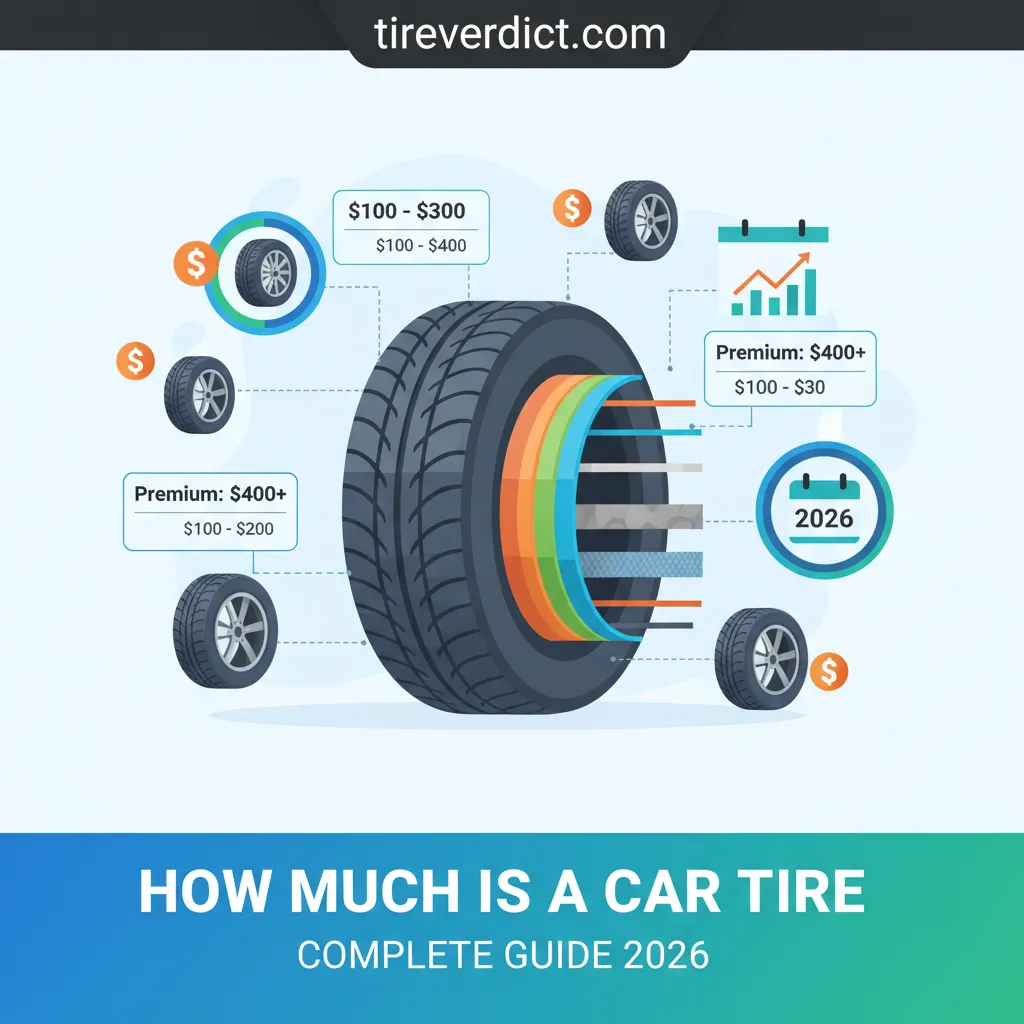
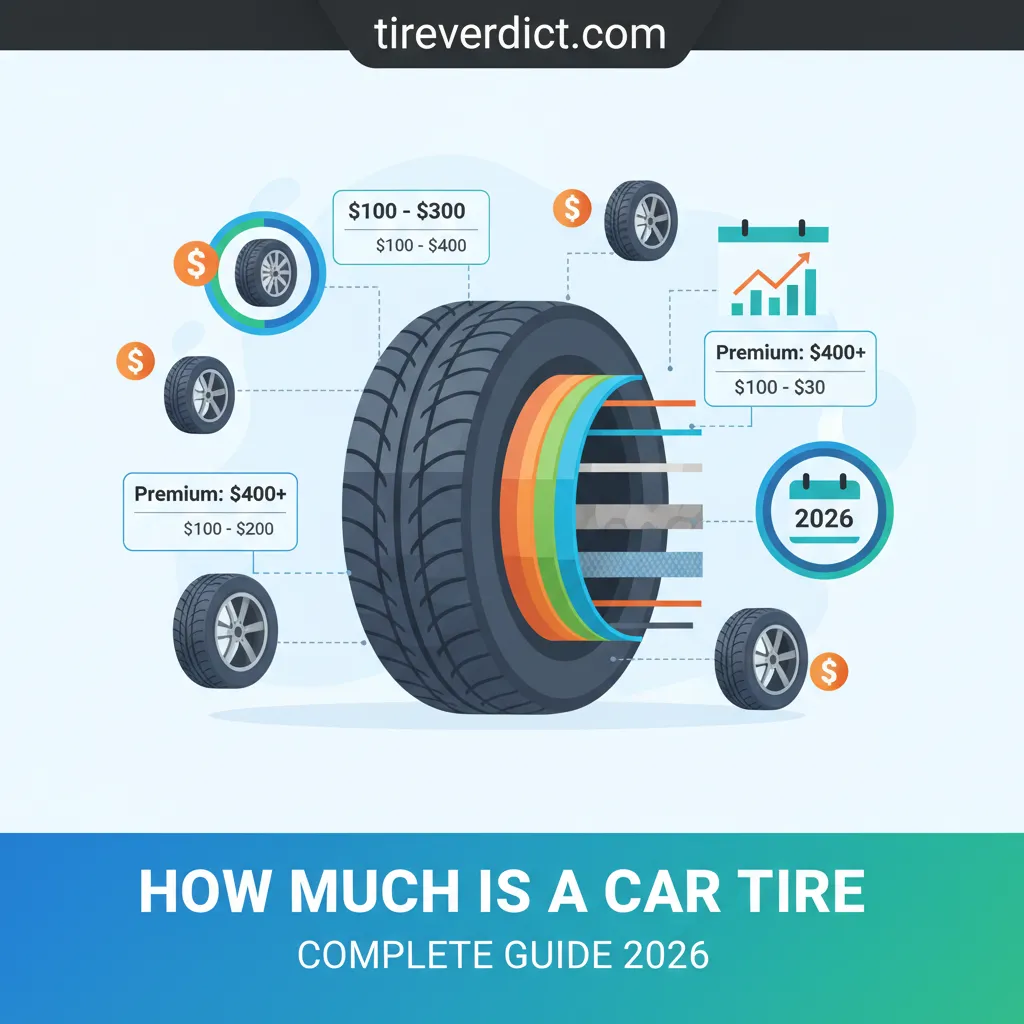
Average Car Tire Costs by Vehicle Type and Quality Tier (2026 Projections)
📤 Share Image
Understanding car tire costs begins with categorizing them by quality and the vehicle they serve. As a seasoned expert with over 15 years in the automotive industry, I’ve observed consistent trends, and industry projections for 2026 anticipate continued moderate price escalation. Market data indicates a 3-5% annual increase in tire prices over the last five years due to material costs and technological advancements. This section provides a comprehensive breakdown, offering direct financial benchmarks for your planning.
Economy Tires (Budget-Friendly)
These entry-level tires are designed to be the most affordable option, suitable for daily commuters or older vehicles where cost is the primary concern. They offer basic performance and generally shorter tread life compared to higher tiers. While they fulfill the fundamental requirement of mobility, they often trade off in terms of wet weather grip, noise levels, and overall longevity.
- Price Range: For sedans, compacts, and smaller SUVs, expect to pay between $60 and $100 per tire in 2026.
- Example: A set of four economy tires for a Honda Civic might cost $250-$400, excluding installation.
Mid-Range Tires (Balanced Value)
Mid-range tires strike a balance between cost, performance, and durability, making them a popular choice for many drivers seeking optimal value. These tires, often from reputable but not ultra-premium brands, offer improved traction, reduced road noise, and a longer expected tread life than economy options.
- Price Range: For standard sedans, mid-size SUVs, and light trucks, prices typically range from $120 to $200 per tire.
- Example: Mid-range all-season tires for a Toyota RAV4 could range from $500-$800 for a set of four, before installation.
Premium Tires (High-Performance & Luxury)
Representing the pinnacle of tire engineering, premium tires offer superior performance, advanced safety features, and often come with longer warranties. These are typically from top-tier brands and are designed for luxury vehicles, sports cars, or heavy-duty applications where optimal handling, braking, and comfort are paramount. Their advanced tread compounds and reinforced construction justify the higher investment.
- Price Range: For luxury sedans, sports cars, and heavy-duty trucks, expect to pay between $200 and $500+ per tire.
- Example: Premium performance tires for a BMW 3 Series or heavy-duty truck tires might exceed $1000-$1600 per set, excluding services.
Specialty Tires (Winter, All-Terrain, Run-Flat)
Specialized tires command a higher price due to their specific design, advanced materials, and targeted performance capabilities. These are not general-purpose tires but are engineered for particular driving conditions or vehicle requirements.
- Winter Tires: Featuring unique tread patterns and rubber compounds for cold weather grip, expect $150-$350+ per tire.
- All-Terrain Tires: Designed for off-road capability and on-road comfort, often with robust sidewalls, these can cost $180-$400+ per tire, especially for larger SUVs and trucks.
- Run-Flat Tires: Engineered to allow continued driving for a limited distance after a puncture, their complex construction makes them pricier, typically ranging from $250-$500+ per tire.
Remember that these tire prices are for the rubber alone. In 2024, the average tire installation cost ranged from $15-$45 per tire, excluding balancing and disposal fees. Always factor these service charges into your total budget for a more accurate financial outlook.

Key Factors Influencing Car Tire Pricing and Value
The price tag on a car tire is not arbitrary; it’s a reflection of numerous factors influencing its design, materials, and expected performance. As an expert in this field, I can attest that understanding these variables is crucial for making an informed decision that goes beyond just the initial cost.
Tire Size and Type
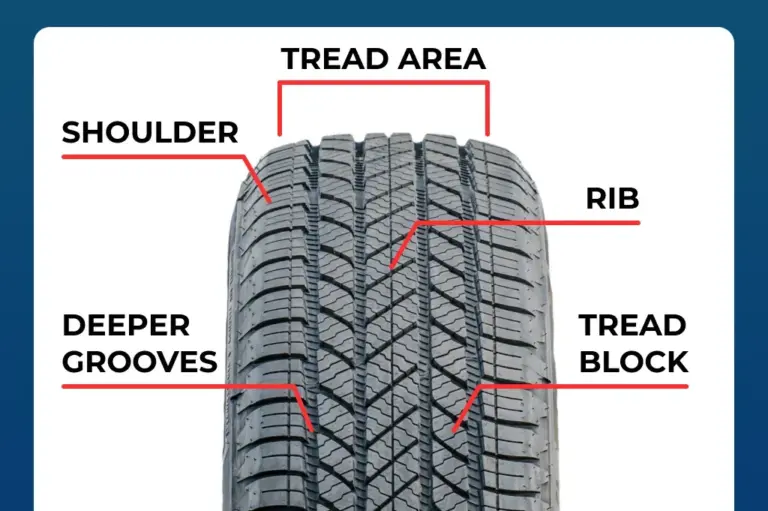
The dimensions of a tire—its width, aspect ratio, and rim diameter—directly correlate with the amount of material used and the engineering complexity involved. Larger tires, or those with unique aspect ratios, inherently cost more. Furthermore, the tire’s functional type significantly impacts price. All-season tires, designed for general use, are typically less expensive than specialized summer performance tires (optimized for dry/wet grip in warm weather) or winter tires (featuring specialized compounds for snow/ice). All-terrain tires, built for rugged conditions, also sit at a higher price point due to their reinforced construction. For instance, a 15-inch tire for a compact car is significantly less expensive than a 20-inch tire for an SUV.
Brand Reputation and Technology
Established brands like Michelin, Goodyear, and Pirelli command higher prices due to their extensive research and development, proprietary technologies, and a long-standing reputation for quality and reliability. These companies invest heavily in innovations such as noise reduction technologies, compounds that improve fuel efficiency, and advanced wet grip capabilities. For example, Michelin’s Primacy MXM4 often costs more than a store-brand equivalent due to advanced noise-reducing technology and superior tread life, reflecting a commitment to superior engineering and consumer satisfaction.
Tread Life Warranty and Speed/Load Rating
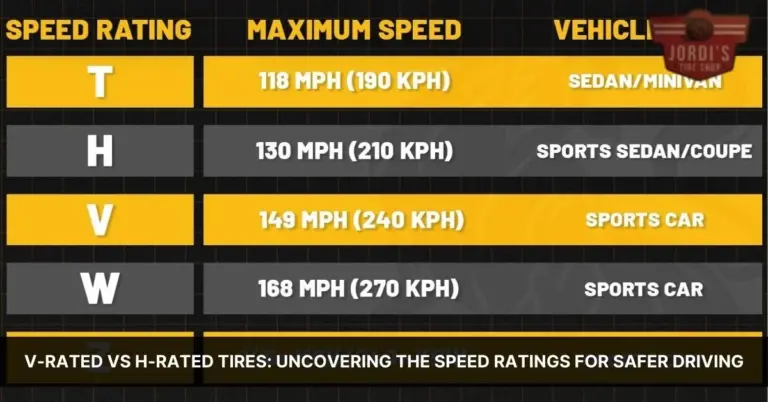
A longer tread life warranty (e.g., 60,000-80,000 miles) signifies a manufacturer’s confidence in the tire’s durability and often correlates with higher-quality materials and construction. Similarly, higher speed ratings (e.g., V, W, Y for performance vehicles) and load ratings (for heavier vehicles or towing) require more robust internal structures and specialized rubber compounds, increasing manufacturing costs. These assurances speak to a manufacturer’s trusted commitment to product performance and longevity. Research indicates that a tire with a V-speed rating (up to 149 mph) typically uses different construction and compounds than one with an S-speed rating (up to 112 mph), leading to a price differential of 15-30%.
Material Composition and Manufacturing Processes
The core of a tire’s performance and price lies in its materials and how it’s made. Advanced rubber compounds, often infused with silica for improved wet traction and fuel efficiency, are more expensive to produce. Reinforced sidewalls for enhanced handling and complex, multi-layered tread patterns designed for specific performance characteristics also add to the production costs and, consequently, the retail price.
Market Dynamics and Regional Variances
Global economic factors play a significant role. Raw material costs, particularly for natural rubber and steel, directly impact production. Supply chain efficiencies, import duties, and even regional demand can cause price fluctuations across different geographical markets. These dynamic factors are constantly at play, influencing the final price you see at the retailer.
By The Numbers: Tire Cost Influencers
Annual Price Increase (last 5 years)
Price Diff. (S vs. V Speed Rating)
Vehicle Operating Costs (Tires)

Understanding the Total Investment: Beyond the Tire’s Sticker Price
When budgeting for new tires, it’s a common oversight to focus solely on the tire’s sticker price. As a seasoned professional, I consistently advise clients that the total investment extends significantly beyond that initial figure. Overlooking these ancillary costs can lead to unexpected expenses. Here’s a transparent breakdown of what to expect for a truly reliable service:
Installation and Mounting Fees
Tire shops charge for the labor involved in physically removing your old tires, cleaning the wheel, and mounting the new ones onto the rims. This is a non-negotiable step. The average cost for mounting typically ranges from $15-$30 per tire.
Wheel Balancing
This critical service ensures the weight of the tire and wheel assembly is evenly distributed. Proper balancing prevents vibrations, uneven tire wear, and premature suspension component failure, contributing directly to vehicle safety and ride quality. Balancing typically costs an additional $10-$25 per tire.
New Valve Stems
Whenever tires are replaced, it is standard practice, and often a necessity, to install new valve stems. If your vehicle has a Tire Pressure Monitoring System (TPMS), the sensors are usually integrated into the valve stem, requiring careful handling or replacement. While nominal, this cost (typically $2-$10 per tire, more for TPMS components) is essential for maintaining proper tire pressure.
Tire Disposal Fees
Due to environmental regulations, old tires cannot simply be thrown away. A small fee is charged to cover the cost of proper, eco-friendly disposal and recycling. Expect to pay around $2-$5 per tire for this.
TPMS Relearn/Recalibration
For vehicles equipped with TPMS, after tire replacement, the system often needs to be “relearned” or recalibrated. This ensures the sensors accurately communicate tire pressure to your vehicle’s computer. This process requires specialized diagnostic tools and expert knowledge, adding $20-$100 per vehicle to the total cost, depending on system complexity.
Wheel Alignment (Recommended)
While not always mandatory with a tire purchase, a wheel alignment is highly recommended after installing new tires. It ensures all four wheels are properly aligned with each other and the road, preventing premature and uneven tire wear, improving handling, and enhancing fuel efficiency. A four-wheel alignment typically costs between $80-$150 and is a wise investment to protect your new tires. Many trusted service centers offer bundled pricing for tires and alignment.
Example: A single tire listed at $120 might actually cost $160-$180 after factoring in mounting, balancing, a new valve stem, and disposal. For a set of four, the additional service charges could easily add $60-$180+ to the overall bill, illustrating why these ‘hidden’ costs are so important to consider.
Always request a detailed quote that itemizes all services to avoid surprises. The average combined cost for mounting, balancing, and disposal ranges from $20-$50 per tire. A transparent provider will make these costs clear upfront.
Strategies for Optimizing Your Tire Investment and Ensuring Longevity
As an automotive industry expert, I’ve seen firsthand how proactive management can significantly extend tire life and yield substantial savings. Optimizing your tire investment is about smart shopping and diligent maintenance, ensuring you get the most out of your reliable purchase.
Strategic Purchasing During Sales and Promotions
Timing your tire purchase can lead to considerable savings. Many tire manufacturers and professional retailers offer seasonal sales and promotions, often coinciding with holidays (e.g., Black Friday, Labor Day) or changes in driving seasons (Spring/Fall). Look for “Buy 3, Get 1 Free” deals, manufacturer rebates ($50-$100+), or bundled installation packages. Planning ahead can dramatically reduce your overall cost.
Proper Tire Maintenance Practices
The longevity of your tires is largely in your hands. Adhering to a strict maintenance schedule is paramount:
- Regular Tire Rotations: Rotate your tires every 5,000-8,000 miles, or with every other oil change. This ensures even wear across all four tires, significantly extending their lifespan. Proper rotation can extend tire life by up to 20%.
- Consistent Tire Pressure Monitoring: Check your tire pressure at least once a month and before long trips. Under-inflated tires can reduce fuel efficiency by up to 0.6% for every 1 PSI drop in pressure and shorten tire life by 15-20%.
- Timely Wheel Alignments: As mentioned, proper alignment prevents uneven wear patterns and ensures optimal vehicle handling, protecting your tire investment.
Understanding and Utilizing Warranties
Tires often come with several types of warranties. Familiarize yourself with them:
- Tread Life Warranty: Guarantees a certain mileage before the tire wears out. If it wears prematurely, you may be eligible for a pro-rated replacement.
- Road Hazard Protection: Often an optional purchase, this covers damage from punctures, cuts, or impacts that are not covered by the standard warranty. Purchasing road hazard protection might cover a puncture replacement that would otherwise cost hundreds.
- Workmanship and Materials Warranty: Covers defects in manufacturing.
Selecting the Right Tire for Your Driving Needs
Choosing tires that perfectly match your vehicle, driving habits, and local climate is crucial. An all-season tire might suffice for varied climates with mild winters, but if you face heavy snow, dedicated winter tires are a safer, more effective choice. Selecting the wrong tire can lead to premature wear and compromised performance. An expert can assist in this selection, guiding you to the optimal choice for your specific circumstances.
Comparing Quotes from Multiple Reputable Providers
Always obtain detailed, itemized quotes from several trusted tire centers. Ensure each quote includes the tire price, installation, balancing, valve stem replacement, and disposal fees. This transparent approach allows for a true comparison of the total cost and helps identify the best value and most professional service.
Proactive maintenance, especially regular tire rotations and pressure checks, is the single most effective way to extend the life of your tires and defer significant replacement costs.
The Critical Role of Tire Quality and Professional Installation for Safety and Performance
In my 15+ years of experience, if there’s one message I consistently emphasize, it’s that compromising on tire quality and professional installation is a false economy. The tires are your vehicle’s only contact with the road, making them paramount for your safety, driving performance, and ultimately, your long-term financial prudence. This is a trusted fact in automotive safety.
Safety Implications of Tire Quality
Higher-quality tires are engineered with advanced compounds and tread patterns that provide superior grip, shorter braking distances, and enhanced stability. This is particularly crucial in adverse weather conditions like rain or snow, where the difference between a premium and an economy tire can be life-saving. The National Highway Traffic Safety Administration (NHTSA) links tire-related issues to hundreds of fatalities and thousands of injuries annually, underscoring the direct correlation between tire quality and accident risk. A vehicle with economy tires might take 10-15 feet longer to stop in wet conditions compared to a vehicle with quality, brand-name tires—a difference that can prevent a collision.
Impact on Vehicle Performance and Fuel Efficiency
Beyond safety, premium tires contribute significantly to the overall driving experience. They often feature designs that reduce road noise, enhance steering response, and optimize rolling resistance. Lower rolling resistance means your engine expends less energy to keep the vehicle moving, translating into improved fuel economy. This blend of comfort, handling, and efficiency makes high-quality tires a wise investment. An expert will always recommend this for discerning drivers.
Durability and Longevity as a Value Proposition
The initial higher cost of quality tires is often offset by their enhanced durability and longer service life. Advanced materials and superior construction lead to greater resistance against punctures, cuts, and irregular wear patterns, which often plague cheaper alternatives. This means fewer replacements over time, providing a better return on your investment and greater peace of mind. Surveys show 70% of drivers prioritize safety when purchasing tires, making quality a key driver of choice, and longevity a secondary but significant benefit.
The Necessity of Professional Installation
Even the best tires will underperform, or worse, become a safety hazard if not installed correctly. Professional installation involves precise mounting, accurate balancing using specialized equipment, and proper torqueing of lug nuts. Incorrect installation can lead to vibrations, premature wear, and even catastrophic failure. An improperly balanced tire can cause premature suspension wear and steering issues. Trusted dealerships and independent tire shops invest heavily in training and equipment to ensure correct installation, which is fundamental to a tire’s reliable performance.
Understanding Tire Specifications and Fitment
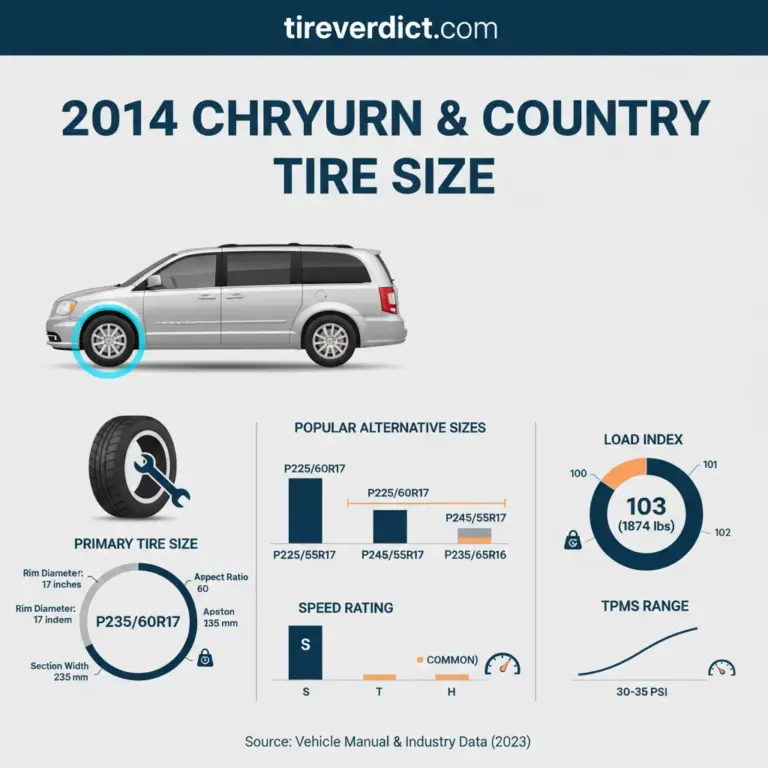
Adhering to your vehicle manufacturer’s recommended tire specifications (size, speed rating, load index) is critical. These specifications are chosen to optimize your vehicle’s handling, braking, and stability. Deviating from these can compromise safety and void warranties. Seeking expert advice from a tire professional ensures proper fitment and performance. Properly inflated and balanced tires can improve vehicle stability by up to 25%.
Never compromise on tire quality or professional installation to save a few dollars. The potential safety risks, reduced vehicle performance, and ultimately higher long-term costs associated with premature wear or damage far outweigh any perceived short-term savings.
In summary, car tire prices vary significantly based on vehicle type, size, quality, and brand, with a typical range of $60-$500+ per tire. The total tire investment extends beyond the sticker price, including essential services like installation, balancing, disposal, and potentially TPMS recalibration and alignment. Strategic purchasing, diligent maintenance, and prioritizing quality and professional installation are paramount for safety, longevity, and long-term value.
To make the most informed decision for your vehicle, consult with a trusted tire expert to assess your specific needs and driving conditions. This will ensure you select the optimal tires and services for reliable performance and safety. Furthermore, regularly inspect your tires and adhere to maintenance schedules for maximum lifespan and to safeguard your investment.
Frequently Asked Questions
What is the average lifespan of a car tire?
The average lifespan of a car tire is typically between 40,000 to 60,000 miles or about 3 to 5 years, though this can vary significantly. Factors such as driving habits, road conditions, tire type, and consistent maintenance (rotations, alignments, proper inflation) play a critical role in a tire’s longevity. Premium tires with longer treadwear warranties often offer extended service life.
Does tire brand significantly affect the price?
Yes, tire brand significantly affects pricing. Established, **trusted** brands like Michelin, Goodyear, Pirelli, and Continental generally command higher prices due to their investment in research and development, advanced technology, superior materials, and robust warranties. Conversely, lesser-known or private-label brands typically offer more budget-friendly options, though sometimes with trade-offs in **quality** and performance metrics like grip or tread life.
Are higher-priced tires always better?
While higher-priced tires often indicate superior engineering, advanced features, and better **quality** materials, ‘better’ is subjective and depends on individual needs. A premium tire might offer exceptional performance, safety, and longevity. However, for a casual driver with a standard commute, a mid-range tire might offer sufficient **reliability** and performance at a more economical price point. It’s crucial to match tire specifications to your vehicle and driving style.
What are the hidden costs of buying new tires?
Beyond the tire’s sticker price, common hidden costs include mounting and balancing fees (typically $15-$45 per tire), new valve stems ($2-$10 each), tire disposal fees ($2-$5 per tire), and potentially TPMS (Tire Pressure Monitoring System) recalibration ($20-$100 per vehicle). A wheel alignment, highly recommended after new tire installation for optimal **quality** and longevity, is an additional cost, usually $80-$150.
How often should tires be replaced, regardless of tread depth?
Even if tread depth appears acceptable, most **expert** manufacturers and **professional** organizations recommend replacing tires that are 6 years old or older, and definitely no more than 10 years old from their manufacturing date (found on the sidewall’s DOT code). Over time, rubber compounds degrade due to exposure to elements, losing elasticity and grip, irrespective of visible wear, impacting safety and **reliability**.