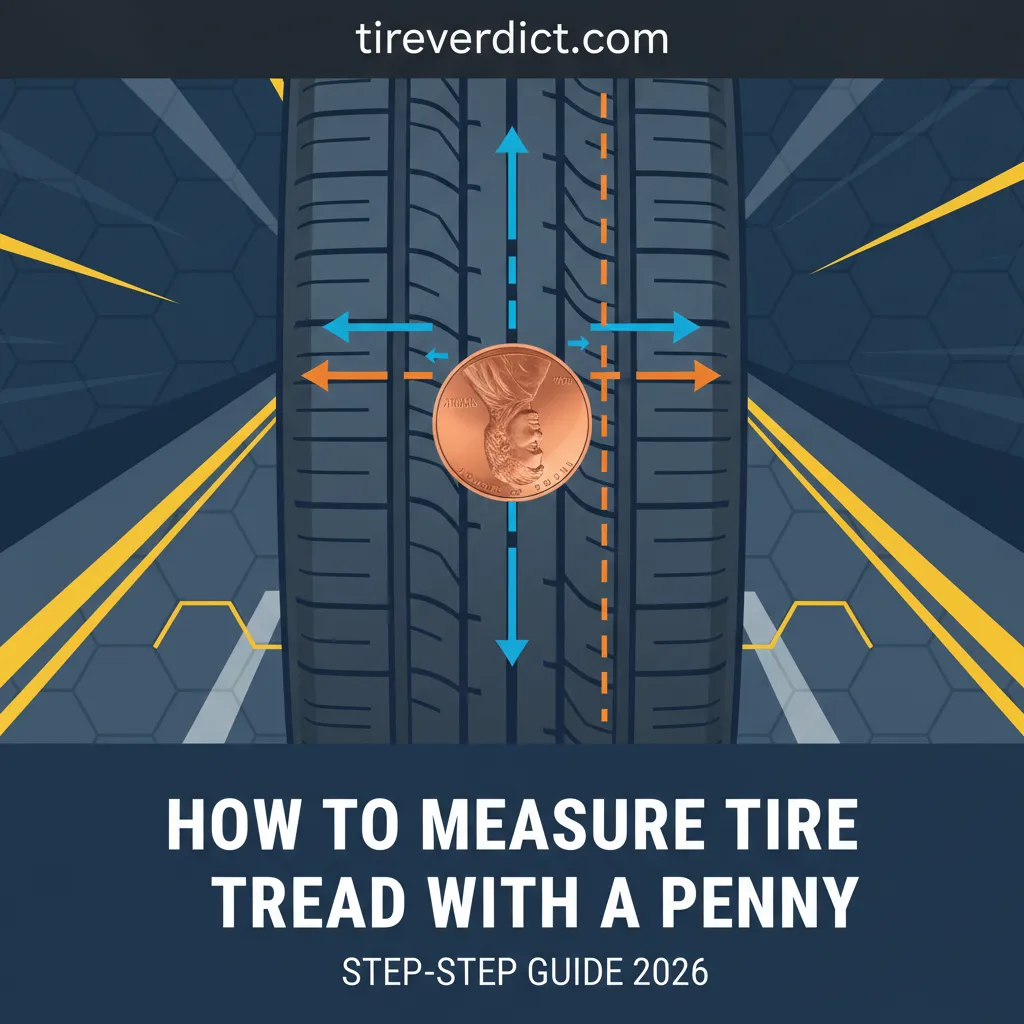
The silent guardian of your journey often goes unnoticed: your tires. These four crucial contact points between your vehicle and the road dictate everything from braking distance to handling, especially in adverse conditions. Yet, a staggering number of motorists neglect this fundamental check, unknowingly compromising their safety and risking legal penalties. Poorly maintained tires are a leading cause of preventable accidents. This comprehensive guide will empower you to understand, master, and effortlessly assess your tire health. Discover how to measure tire tread with a penny, a simple yet essential technique, ensuring your vehicle remains safe and compliant in 2026 and beyond.
Overview
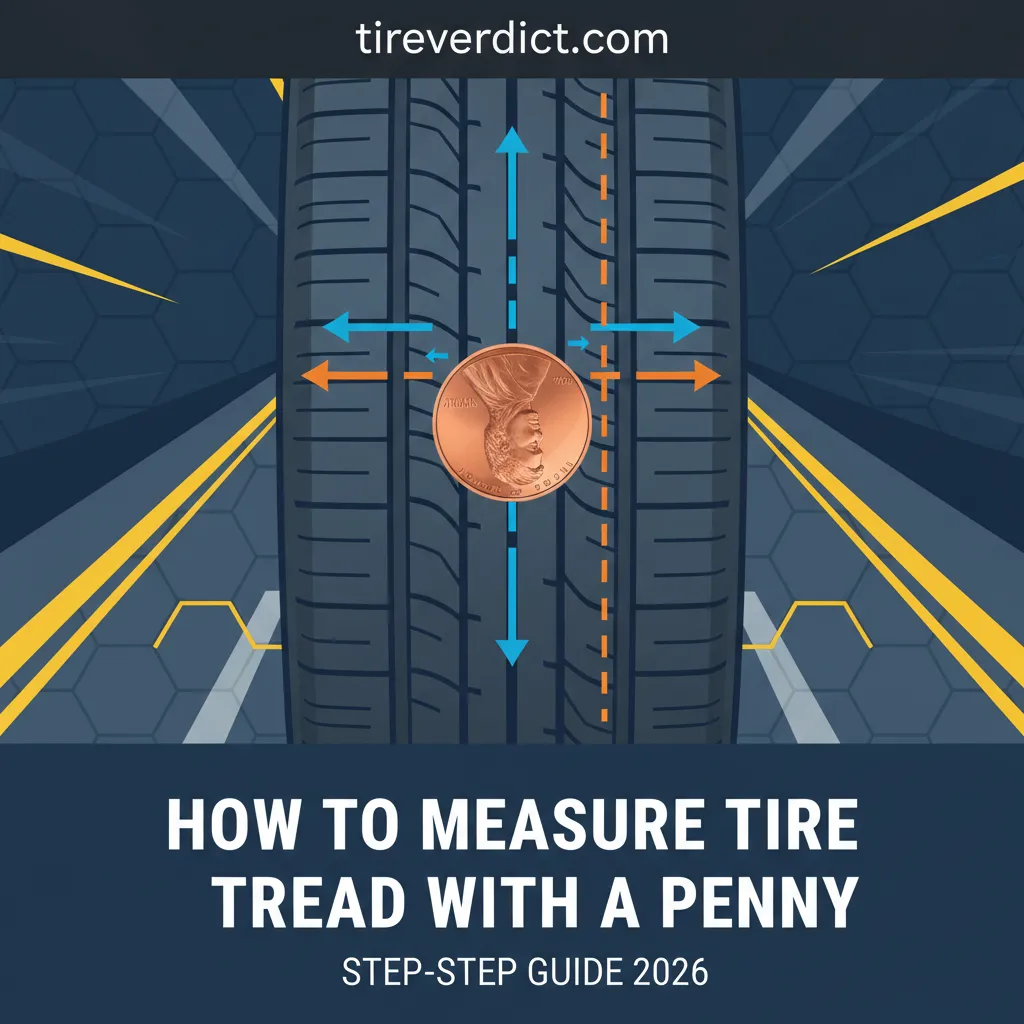
📤 Share Image
Tire tread is more than just a pattern on your rubber; it’s a meticulously engineered system designed to provide grip, displace water, and ensure stable contact with the road surface. As a seasoned expert with over 15 years in automotive maintenance and safety, I can attest that adequate tread depth is paramount for vehicle safety and performance. The grooves and sipes within the tread pattern are crucial for channeling water away from the tire’s contact patch, preventing dangerous hydroplaning, and maintaining traction, especially in wet or slippery conditions.
According to industry standards and regulations enforced across most of North America and many other regions, the minimum legal tread depth for passenger vehicles is 2/32 of an inch. While some manufacturers and safety organizations recommend replacing tires when they reach 4/32 of an inch for optimal wet weather performance, 2/32 of an inch is the benchmark where tires are officially considered unsafe and illegal. Operating a vehicle with tread below this threshold significantly increases the risk of accidents and can lead to fines or penalties, depending on local jurisdiction in 2026.
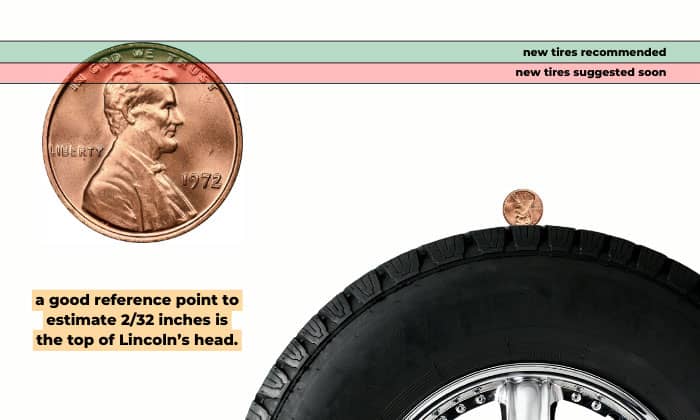
The penny test is a remarkably simple, yet effective, diagnostic tool for quickly assessing if your tires have reached this critical 2/32-inch minimum. It leverages the standard dimensions of a U.S. penny, specifically the distance from the edge of the coin to the top of Abraham Lincoln’s head. When inserted upside down into a tire groove, if the top of Lincoln’s head is fully visible, it means your tread depth has fallen below the 2/32-inch safety margin. This method provides an accessible, no-cost way for any driver to perform a routine safety check.
By The Numbers
Minimum Legal Tread Depth
Increased hydroplaning risk below 4/32″
Vehicles with dangerously worn tires (Research 2025)
DIY Accessibility of Penny Test
Key Benefits
The penny test, while basic, offers significant advantages for any driver aiming to maintain vehicle safety without specialized tools or professional assistance. Its utility extends beyond mere convenience, embodying principles of proactive maintenance that every driver should embrace. As an industry veteran, I’ve seen countless instances where this simple check has prevented serious incidents.
Unparalleled Accessibility
You don’t need a specific tool or a trip to a mechanic. Almost everyone has a penny readily available, making this a universal and instant check that can be performed anywhere, anytime. This ease of access significantly lowers the barrier to regular tire maintenance.
Remarkable Simplicity
The process is intuitive and requires no technical expertise. With a few straightforward steps, even a beginner can accurately assess their tire tread. This simplicity encourages more frequent checks, leading to safer driving habits.
Zero Cost Maintenance
As a free method, the penny test removes any financial barrier to conducting vital safety checks. This allows drivers to save money on professional inspections while still ensuring their tires meet critical safety standards.
Crucial Early Detection
This test serves as an excellent first line of defense, helping drivers identify dangerously worn tires before they become a severe hazard or incur legal penalties. It facilitates timely tire replacement, thereby enhancing overall road safety.
How It Works
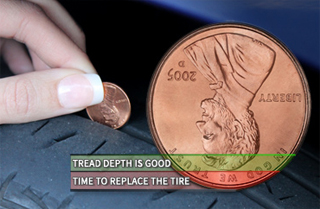
At its core, the penny test is a practical application of a common measurement: the distance from the rim of a U.S. penny to the top of Abraham Lincoln’s head is approximately 2/32 of an inch. This dimension precisely matches the widely accepted minimum legal tread depth. When you insert a penny upside down into a tire groove, the visibility of Lincoln’s head directly correlates to whether your tire tread meets or falls below this critical safety threshold.
If the top of Lincoln’s head remains fully visible above the tread, it signifies that your tire’s main grooves are shallower than 2/32 of an inch. This indicates dangerously low tread, significantly compromising your vehicle’s ability to grip the road, especially in wet conditions. Research indicates that tires below 4/32 of an inch exhibit a dramatically reduced ability to channel water, leading to a three-fold increase in hydroplaning risk compared to new tires, and this risk escalates further as tread wears down to 2/32 of an inch.
Conversely, if the top of Lincoln’s head is partially or completely obscured by the tread, your tires still have at least 2/32 of an inch of depth, indicating they are within the legal and generally safe limits. However, it’s crucial to understand that while the penny test confirms legal compliance, it doesn’t provide a precise measurement of remaining tread. For optimal safety, particularly for driving in regions with frequent rain or snow, many experts recommend considering tire replacement when tread depth approaches 4/32 of an inch.
Penny Test vs. Other Methods
While the penny test is an excellent first-line assessment, it’s one of several methods available for checking tire tread. Understanding its place among these tools helps you master comprehensive tire care.
- Tread Depth Gauge: These small, inexpensive tools provide a precise numerical measurement of your tread depth, typically in 32nds of an inch or millimeters. They offer greater accuracy than the penny test, allowing you to track wear more effectively and make informed decisions about replacement before reaching the absolute minimum.
- Built-in Tread Wear Indicators (TWIs): All modern tires come with small raised bars, usually found in the main grooves at specific intervals around the tire’s circumference. When your tire tread wears down to be flush with these bars, it signals that you have reached the 2/32-inch minimum legal depth. TWIs are a quick visual check, but they only tell you when the minimum has been met, not how much tread you have left before that point.
Getting Started: Your Step-By-Step Guide for 2026
This section will guide you through the precise steps to perform the penny test. Even though it’s simple, mastering the correct procedure ensures accurate results, which are vital for your safety and compliance with 2026 regulations. Let’s explore how to execute this essential maintenance task.
📋
Step-by-Step Guide
Ensure your vehicle is parked on a level, firm surface and the parking brake is engaged. This prevents any accidental movement. Gather your penny and ensure it’s a standard U.S. penny. It’s often beneficial to have a small flashlight ready if you’re checking in low light conditions or inside wheel wells.
Identify the deepest circumferential grooves of your tire. These are the primary channels that run around the tire’s circumference, not the smaller lateral grooves or decorative patterns on the shoulders. These main grooves are where tread depth is critical for water displacement and traction. Ensure you’re not placing the penny on a tread wear indicator.
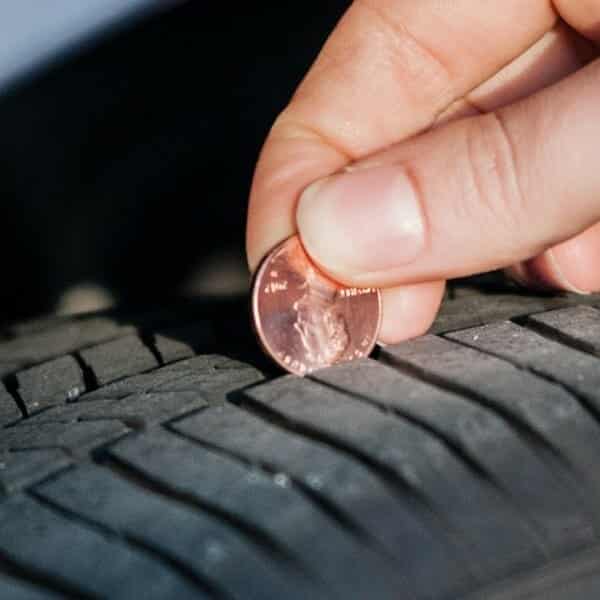
Take your penny and place it into one of the main tread grooves with Abraham Lincoln’s head upside down and facing you. Push it down firmly until the edge of the penny rests against the bottom of the tread groove. The orientation is crucial for an accurate reading.
Observe how much of Lincoln’s head is visible:
- If you can see the very top of Lincoln’s head (the area above his hair), your tread depth is at or below the 2/32-inch minimum. Your tires are considered unsafe and illegal, requiring immediate replacement.
- If the top of Lincoln’s head is partially or completely obscured by the tread, your tires still have sufficient tread depth (above 2/32 of an inch) and are currently safe for use.
Tires rarely wear evenly. To get a comprehensive understanding of your tire’s condition, repeat the penny test in at least three different locations around each tire’s circumference. Also, check grooves on both the inner and outer edges of the tread, as alignment issues can cause uneven wear across the tire’s width. This multi-point inspection is essential for a complete assessment.
Note down the results for each tire. If any single point on any tire fails the penny test, it’s a clear indication that tire replacement is necessary. Even if only one tire shows critical wear, it’s often advisable to replace tires in pairs (front or rear axle) for balanced handling and safety. Schedule a professional inspection or tire replacement promptly.
Always check your tires when they are cold. Tires expand slightly when heated from driving, which can slightly alter tread depth readings. Additionally, make it a habit to check your spare tire’s tread depth periodically, especially if it’s a full-sized spare that might be used for extended periods.
Understanding Your Results
After performing the penny test, you’ll fall into one of two categories:
- Passed the Test: If Lincoln’s head is always at least partially obscured, your tires are within the legal limits. However, this doesn’t mean you can forget about them. Continue monitoring your tread depth regularly, ideally monthly, and be mindful of your driving conditions. Remember, optimal performance in challenging weather often requires more than just the legal minimum tread.
- Failed the Test: If at any point Lincoln’s head is fully visible, your tires are below the 2/32-inch threshold. This isn’t just a recommendation; it’s a safety imperative. Worn tires significantly increase stopping distances, reduce traction, and elevate hydroplaning risk. Immediately plan for tire replacement. If only one tire shows significant wear or wear patterns are inconsistent across the tire, it could indicate alignment issues or improper tire inflation, which should be addressed by a professional alongside tire replacement.
While the penny test is excellent for identifying the 2/32-inch critical minimum, it does not tell you if your tires are at the 4/32-inch recommendation for optimal wet weather performance. Industry experts, including tire manufacturers and safety organizations, generally advise replacing tires at 4/32-inch, especially for vehicles frequently driven in rain or snow, as braking performance degrades significantly below this point. The penny test is a safety net, not an optimal performance indicator.
Common Pitfalls and Advanced Tips
Even with a simple tool like a penny, certain mistakes can lead to inaccurate readings or a false sense of security. Learn to avoid these common pitfalls and discover some advanced tips to elevate your tire inspection routine.
- Not Checking Enough Spots: Relying on a single measurement per tire is a significant oversight. Tires can wear unevenly due to alignment issues, improper inflation, or suspension problems. Always check at least three points around the circumference and across the width of the tread.
- Confusing Grooves: Only the main, deepest circumferential grooves count for tread depth measurement. Don’t measure sipes (small, thin slits) or decorative shoulder blocks, as these do not contribute to the legal minimum tread depth.
- Neglecting Your Spare: If you have a full-size spare tire, it’s just as susceptible to aging and wear if used. Don’t forget to include it in your regular inspection routine.
- Ignoring Tire Age: Tread depth isn’t the only factor. Tires typically have a lifespan of 6-10 years, regardless of mileage, due to rubber degradation. Check the DOT code on the sidewall to understand your tire’s age.
✅ Pros of the Penny Test
- Incredibly quick to perform.
- Absolutely free, requiring no special tools.
- Universally accessible; nearly everyone has a penny.
- Effectively identifies critically worn, unsafe tires.
- Empowers drivers to take immediate action.
❌ Cons of the Penny Test
- Less precise than a dedicated tread depth gauge.
- Only indicates the 2/32-inch minimum, not remaining tread.
- Does not account for uneven wear across the tire’s width if not checked thoroughly.
- Can provide a false sense of security if drivers don’t understand the 4/32-inch recommendation.
- Cannot detect other tire issues like cracking or bulges.
To truly master tire health, consider using the penny test as your primary, quick assessment tool, but supplement it with a digital tread depth gauge every few months for more precise readings. This dual approach ensures you not only avoid the legal minimum but also maintain optimal safety margins.
Conclusion
In summary, the penny test stands as an invaluable, simple, and accessible method for every driver to assess their tire tread depth. It directly addresses the critical 2/32-inch legal minimum, ensuring your vehicle remains safe and compliant on the roads of 2026. Regular application of this technique empowers you to identify dangerously worn tires proactively, preventing potential accidents and costly penalties. While not as precise as a dedicated gauge, its ease of use makes it an essential component of routine vehicle maintenance. Don’t overlook the foundation of your vehicle’s safety. Take two minutes today to conduct the penny test on all four of your tires. Prioritize this fundamental check and drive confidently, knowing you’ve taken a crucial step towards a safer journey for yourself and others on the road.