
A punctured tire is a common and often frustrating occurrence, capable of disrupting travel plans and compromising vehicle safety. For many drivers, the immediate concern shifts to whether a quick, effective repair is possible or if a complete tire replacement is necessary, leading to uncertainty about the best course of action. This professional guide aims to demystify the process of tire plugging. By adhering to our detailed, step-by-step instructions, you will learn how to competently assess, prepare, and execute a tire plug repair, ensuring you understand its limitations and when professional intervention is paramount. Discover the essential tools and techniques to effectively manage minor tire damage, potentially saving you time and expense.
Assessing Tire Puncture Damage: Is Plugging a Viable Solution?
Before attempting any tire repair, a thorough assessment of the damage is paramount. Not all punctures are suitable for plugging, and an incorrect repair can compromise safety, leading to catastrophic tire failure. The initial step is to accurately differentiate between various puncture types and, critically, their location on the tire.

📤 Share Image
Understanding Puncture Suitability and Location
Punctures caused by a nail, screw, or similar sharp objects that create a clean hole are generally the best candidates for an external plug. However, the location of this damage is the most critical determinant. Industry standards, as set forth by organizations like the Tire Industry Association (TIA), are very clear on this. For a plug-only repair to be considered, the damage must be:
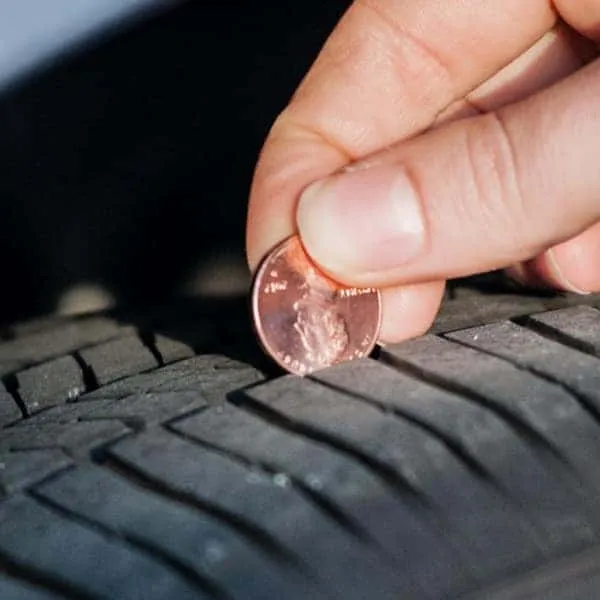
- Within the Tread Area (Crown): This is the flat, reinforced part of the tire that makes contact with the road. Research indicates that roughly 95% of all punctures occur within this region, making it the primary target for temporary repairs.
- Smaller than ¼ inch (approximately 6mm) in diameter: This maximum acceptable diameter ensures that the plug can adequately seal the hole without compromising the tire’s structural integrity around the puncture site. Larger perforations, or those with irregular shapes (like cuts or tears), are unsuitable.
Conversely, damage to the sidewall or the shoulder (the curved transition area between the tread and sidewall) is unequivocally never a candidate for a plug repair. These areas experience immense dynamic flexing during vehicle operation, and any repair here, especially a simple plug, cannot reliably hold. The structural integrity of the tire is maintained by complex cords and layers in these regions, which a plug cannot restore. A visible cut on the sidewall, for instance, immediately signals an irreparable tire that requires full replacement for safety.
Temporary vs. Permanent Repair
It is crucial to understand the distinction between an external plug and a professional repair. An external plug, inserted from the outside, is typically considered a temporary solution. While it can effectively seal a small hole in the tread, it does not allow for a comprehensive inspection of the tire’s internal structure, which might have sustained hidden damage. A truly permanent repair, performed by tire professionals, involves removing the tire from the wheel, inspecting the interior, cleaning the puncture channel, and then installing a combination patch-plug from the inside. This ensures both a robust seal and structural reinforcement, complying with most tire manufacturer warranties and TIA standards for long-term safety.
By The Numbers
Punctures in Tread Area
Maximum Repairable Diameter

Gathering Your Kit: Essential Tools and Materials for Tire Plugging
Successful tire plugging begins with having the right equipment. A well-stocked and high-quality tire repair kit is an essential item for any vehicle, providing the means for an effective roadside repair. Understanding each component’s function is key to mastering the process.
Standard Tire Repair Kit Components
A standard kit typically includes the following:
- Spiral Reamer Tool: This tool features a barbed, spiral-shaped tip designed to clean, deburr, and slightly enlarge the puncture channel. Its rough surface helps to prepare the hole for optimal adhesion of the rubber plug.
- Plug Insertion Tool: Equipped with a split eye or needle-like opening, this tool is used to thread and force the rubber plug into the prepared puncture hole.
- Self-Vulcanizing Rubber Plugs (Strings/Strips): These are sticky, pliable strips of butyl rubber, often covered in a protective layer. When inserted and compressed, they chemically bond with the tire rubber and seal the puncture. High-quality butyl rubber plugs offer superior elasticity and sealing properties, crucial for a reliable repair.
- Rubber Cement/Sealant: A small tube of specialty adhesive is included to lubricate the plug for easier insertion and to facilitate the cold vulcanization process, creating a chemical bond with the tire’s internal rubber. Proper storage of rubber cement in a sealed container is crucial, as exposure to air can reduce its vulcanizing effectiveness by up to 30%.
Auxiliary Tools for a Comprehensive Repair
Beyond the core kit, several auxiliary tools are critical for a safe and effective repair:
- Pliers or Nippers: Indispensable for safely removing the foreign object (nail, screw) from the tire.
- Air Compressor or Pump: Essential for re-inflating the tire to its recommended pressure after the repair.
- Reliable Tire Pressure Gauge: For accurate inflation and monitoring.
- Chalk or Marker: To precisely mark the puncture location.
- Safety Glasses and Protective Gloves: To guard against debris and chemicals during the repair process.
- Sharp Utility Knife or Razor Blade: For trimming excess plug material flush with the tire tread.
It’s important to distinguish between a structural plug repair and temporary tire sealant products like ‘Slime’. While sealants can offer a very short-term emergency solution by coating the inside of a tire, they are not designed for structural repair and should only be considered a last resort to get to a service center. A plug, when applied correctly, provides a more robust and direct seal for the puncture channel.
Always check the expiration date on your rubber cement or ensure it hasn’t dried out. A fresh, pliable plug and effective cement are critical for a lasting seal. Old, brittle plugs or dried cement severely reduce repair efficacy.

Precision Repair: How To Plug A Car Tire Step-By-Step
With the right tools at hand, you can now master the art of plugging a car tire. This section provides clear, sequential instructions to guide you through the process, ensuring safety and effectiveness. Remember, precision in each step is crucial for a successful outcome.
📋
Step-by-Step Guide
First, ensure your safety and the stability of your vehicle. Safely park the car on a firm, level surface, engage the parking brake, and put on your safety glasses and protective gloves. Carefully locate the foreign object causing the puncture (e.g., a nail embedded in the tread). Using pliers or nippers, firmly grip the object and remove it straight out. Mark the exact puncture point with chalk or a marker for clear visibility.
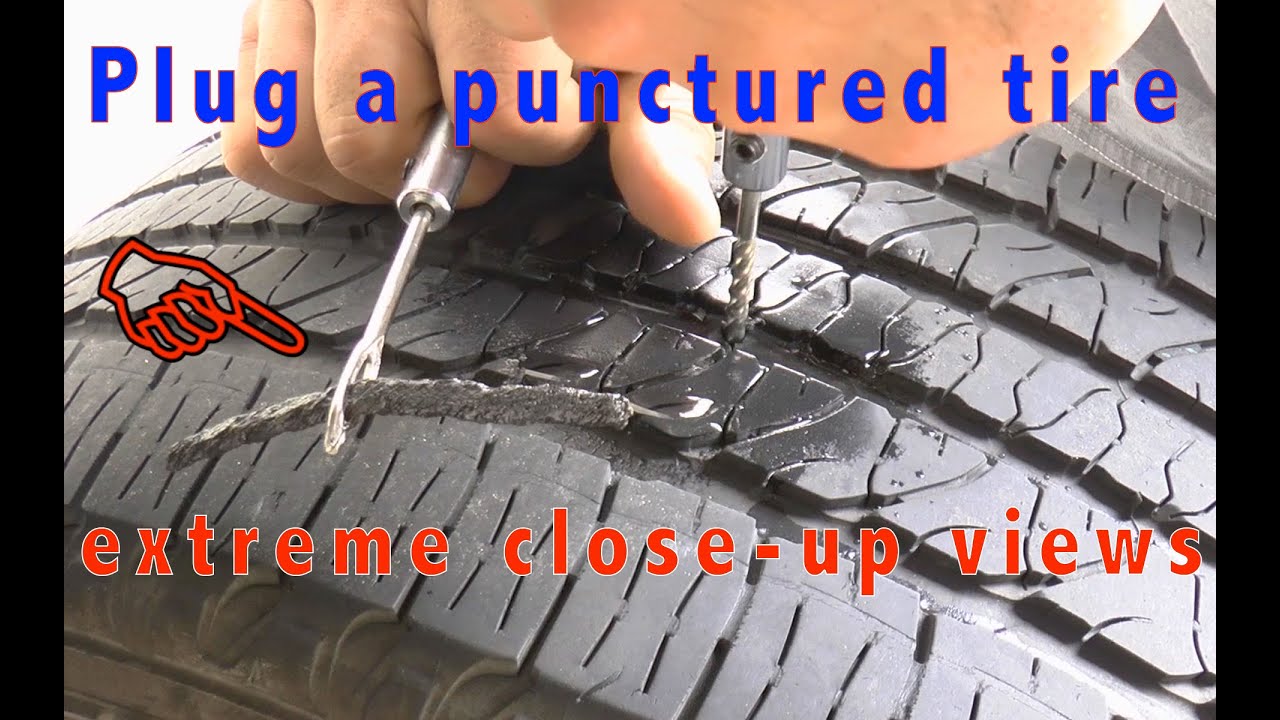
Take the spiral reaming tool and forcefully insert it into the puncture hole. Push it in and out repeatedly, twisting it as you go. The goal is to clean out any debris, smooth the edges of the hole, and create a rough inner surface that will allow the rubber plug to bond effectively. Ensure you ream at the same angle at which the foreign object entered to maintain the original channel.
Thread one self-vulcanizing rubber plug halfway through the eye of the insertion tool. Apply a generous amount of rubber cement to the exposed portion of the plug. This lubricant aids insertion and initiates the cold vulcanization process. Forcefully push the insertion tool, with the plug, into the reamed hole until approximately half an inch of the plug remains visible protruding from the tire surface.
Once the plug is properly seated, twist the insertion tool a quarter turn and then pull it out of the tire with a swift, firm motion, ensuring the plug remains firmly in place. The force required to insert a plug can range from 10-30 lbs depending on tire construction. Carefully use a sharp utility knife or razor blade to trim any excess plug material flush with the tire tread, leaving a clean, low-profile repair. Properly applied rubber cement creates a chemical bond, also known as cold vulcanization, essential for a durable seal.
Using your air compressor, inflate the tire to the manufacturer’s recommended pressure, typically found on a placard inside your driver’s side door jamb. To confirm the repair, apply a solution of soapy water (or even just spit) to the repaired area. Observe for any air bubbles, which would indicate a persistent leak. No bubbles mean a successful seal, allowing you to discover if the repair was effective.
Ensuring Longevity: Post-Plug Procedures and Monitoring Your Tire Repair
The act of plugging a tire is only the first part of a successful temporary repair. What follows is a series of critical post-repair procedures and diligent monitoring that will ensure immediate safety and help you explore the nature and limitations of your repair effectively.
Immediate Post-Repair Actions
Once you’ve confirmed no immediate leaks with the soapy water test, several steps are crucial:
- Verify Tire Pressure: Immediately re-check and adjust the tire pressure to the precise specifications recommended by your vehicle’s manufacturer. This information is typically found on a sticker inside the driver’s side door jamb, in the owner’s manual, or sometimes on the fuel filler flap. Correct tire pressure is vital for vehicle handling, fuel efficiency, and tire longevity.
- Test Drive and Re-Check: Drive the vehicle for a short, cautious distance, avoiding high speeds. This allows the plug to settle and warm up, further promoting vulcanization. After this short drive, re-check the tire pressure.
Ongoing Monitoring and Professional Recommendation
A plugged tire, even if seemingly airtight, requires continuous vigilance. You must consistently monitor the repaired tire for any signs of pressure loss or plug dislodgement over the subsequent days and weeks. This is especially important before and after driving, as changes in temperature and road conditions can affect the plug’s seal. Modern vehicles with Tire Pressure Monitoring Systems (TPMS) can aid in constant vigilance by alerting you to significant pressure drops, making continuous monitoring easier for drivers in 2026 and beyond.
Despite the immediate success of an external plug, it’s critical to reiterate that such a repair is generally considered temporary. While a properly installed plug can maintain air pressure for several thousand miles under ideal conditions, the Tire Industry Association (TIA) and most tire manufacturers strongly recommend a professional internal patch-plug combination for maximum safety and longevity. This allows for a thorough internal inspection of the tire for hidden damage and provides a more robust, long-term repair that fully restores the tire’s structural integrity. Plan to visit a reputable tire service center at your earliest convenience for this comprehensive assessment and permanent repair.
Considerations for Wheel Balancing
If your tire was significantly deflated for an extended period, or if you experience noticeable vibrations or performance issues post-repair, it may be necessary to have the wheel re-balanced. Significant changes in tire pressure or an unevenly distributed repair can affect the rotational balance of the wheel assembly, leading to premature wear and compromised handling.
When the Plug Fails: Troubleshooting and Knowing When to Seek Expert Help
Even with meticulous application, tire plugs can sometimes fail. Understanding why a plug might fail and recognizing the signs of failure is a comprehensive aspect of tire maintenance, crucial for safety. Knowing when to seek professional help can prevent dangerous situations.
Common Reasons for Plug Failure
Several factors can contribute to a plug’s inability to maintain a seal:
- Improper Installation: This is the most common culprit. It can include insufficient reaming, which prevents proper plug adhesion; not applying enough rubber cement or using dried-out cement; or incorrect plug insertion, such as not pushing it deep enough or not centering it correctly in the puncture.
- Unsuitable Puncture Type or Location: Attempting to plug a puncture larger than ¼ inch, an irregularly shaped cut, or any damage outside the defined tread area will almost certainly lead to failure. Sidewall or shoulder repairs are inherently unsafe and will fail.
- Low-Quality Materials: Cheap, brittle rubber plugs or ineffective cement will not form a durable, airtight seal. Always invest in a reputable tire repair kit.
- Subsequent Damage: New road debris impacting near the repaired area or excessive flexing of the tire can dislodge even a well-installed plug.
Symptoms of a Failed Plug
Be vigilant for these clear indicators that your tire plug has failed:
- Continued Slow Air Leak: If the tire persistently loses pressure after the repair, even a small amount over a day, the plug is not sealing effectively.
- Audible Hissing Sound: A distinct hissing sound emanating from the repair site indicates air escaping.
- Visible Plug Degradation: The plug appears cracked, shrunken, or begins to visibly push out of the tire.
- Soapy Water Test Failure: Repeating the soapy water test and observing bubbles confirms a leak.
When Professional Tire Service is Imperative
There are specific circumstances where attempting further DIY repairs is unsafe and professional intervention is unequivocally required:
- Persistent Leaks: If the tire continues to lose air pressure after one or two plugging attempts, it’s time for professional help.
- Sidewall or Shoulder Damage: As previously emphasized, any damage to these areas necessitates tire replacement.
- Punctures Exceeding the ¼ inch Limit: Larger holes compromise the tire’s structural integrity beyond a plug’s capability.
- Multiple Punctures in Close Proximity: Several small punctures close together can weaken the tire’s casing, requiring a professional assessment.
- Damage from ‘Run-Flat’ Driving: If you drove on a severely underinflated or flat tire, even for a short distance, the internal structure may have suffered irreversible damage, making any external repair unsafe.
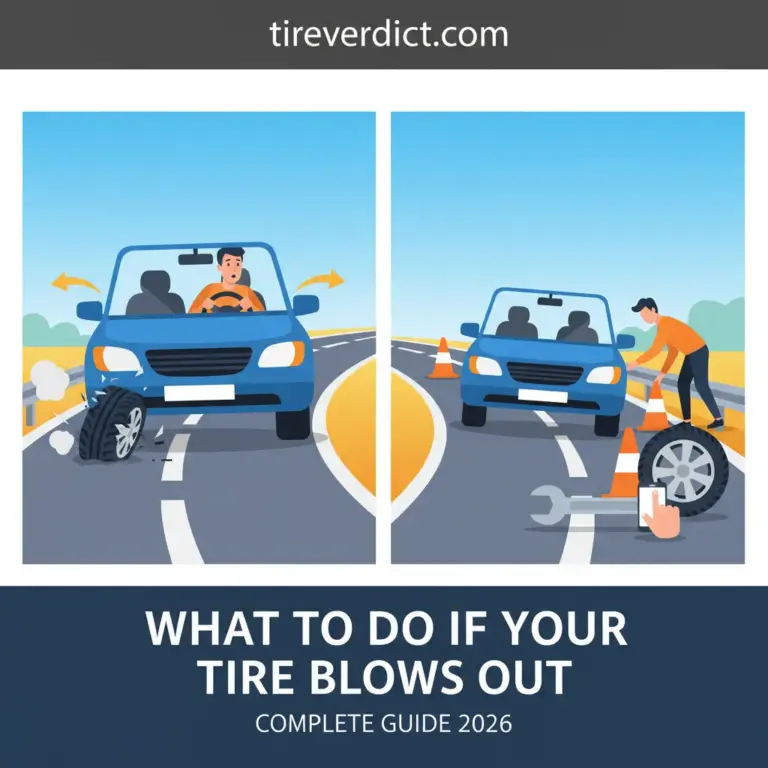
Driving on an improperly repaired or structurally compromised tire poses significant safety risks. This includes the potential for sudden blowouts, which can lead to a complete loss of vehicle control, especially at highway speeds. Furthermore, driving on an underinflated tire can reduce tire life by up to 15% and increase fuel consumption. Over 17,000 crashes annually are attributed to tire-related issues, underscoring the critical importance of proper repair and maintenance. Always prioritize your safety and the safety of others by seeking expert advice when in doubt.
Tire plugging offers a practical, temporary solution for specific tread-area punctures, demanding precision and adherence to proper procedures. Always verify the integrity of the repair post-installation through rigorous pressure checks and leak detection. Recognize the temporary nature of external plugs and prioritize professional internal patch-plug repairs for long-term safety and tire longevity. Successfully plugging a car tire provides a practical, often necessary, temporary solution for specific types of tread-area punctures. Remember, precision in locating the damage, thorough preparation of the puncture channel, and correct insertion of the plug are paramount for achieving an airtight seal. While this guide empowers you to manage minor tire damage efficiently, it is crucial to continually monitor the repair and explore professional tire services for a comprehensive assessment or permanent patch. Prioritize your vehicle’s safety and optimal performance by performing this repair judiciously and seeking expert advice when uncertainty arises.
Frequently Asked Questions
Is plugging a car tire a permanent fix?
While a properly installed tire plug can effectively seal a puncture and hold air for an extended period, it is generally considered a temporary repair. Industry standards, such as those from the Tire Industry Association (TIA), recommend a professional internal patch-plug combination for a truly permanent solution. This combination addresses both the external breach and internal structural integrity, offering superior long-term reliability and safety.
Can I plug a tire if it’s on the sidewall?
No, tire plugs are unequivocally unsuitable for punctures located on the tire’s sidewall or shoulder. These areas experience significant flexing during vehicle operation, and a plug cannot maintain a secure seal under such dynamic stress. Attempting to repair a sidewall puncture with a plug compromises the tire’s structural integrity, posing a severe safety risk that could lead to a catastrophic tire failure. Professional inspection is mandatory.
How long can I drive on a plugged tire?
The duration for which you can safely drive on a plugged tire varies, but it’s best viewed as an emergency or temporary solution. While some plugs can last for thousands of miles, it is highly recommended to have the tire professionally inspected and properly repaired with an internal patch-plug as soon as feasible. Regularly monitor the tire pressure and observe for any signs of leakage; prompt professional assessment mitigates safety risks.
Do I need to remove the tire from the rim to plug it?
No, a significant advantage of external tire plugging is that it can typically be performed without removing the tire from the rim, making it a convenient roadside repair. However, for a professional internal patch-plug repair, the tire must be dismounted to allow access to the inner liner for proper cleaning, scuffing, and application of the patch. This distinction highlights the temporary nature of an external plug.
What is the maximum puncture size that can be plugged?
According to established automotive guidelines, a tire plug is suitable for punctures no larger than ¼ inch (approximately 6mm) in diameter. These small perforations must also be located strictly within the tread area. Any puncture exceeding this size or situated near the tire’s shoulder or sidewall requires professional assessment, as attempting to plug larger or improperly located damage can severely compromise the tire’s safety and structural integrity.