Discovering an unusual bulge or bubble on your vehicle’s tire sidewall can be an alarming sight for any driver. This seemingly minor anomaly, however, is a critical indicator of severe internal structural damage that profoundly impacts your vehicle’s safety and performance. This comprehensive guide for 2026 will meticulously explain why these bubbles form, outline the inherent dangers, detail immediate corrective actions, and provide expert strategies for prevention, ensuring you understand this vital aspect of tire maintenance.
Understanding Tire Bubbles: An Overview of Sidewall Bulges and Their Formation
📤 Share Image
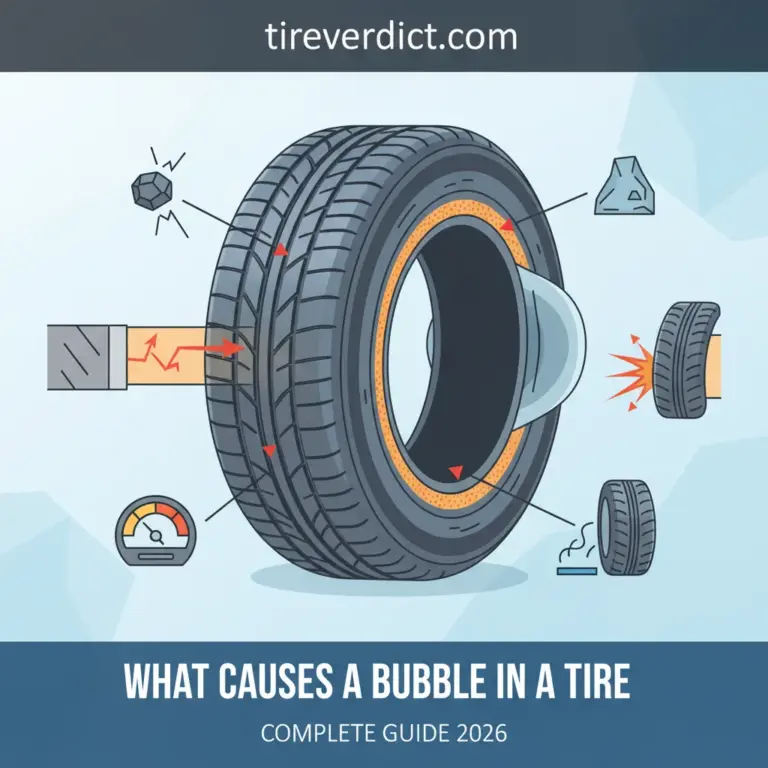
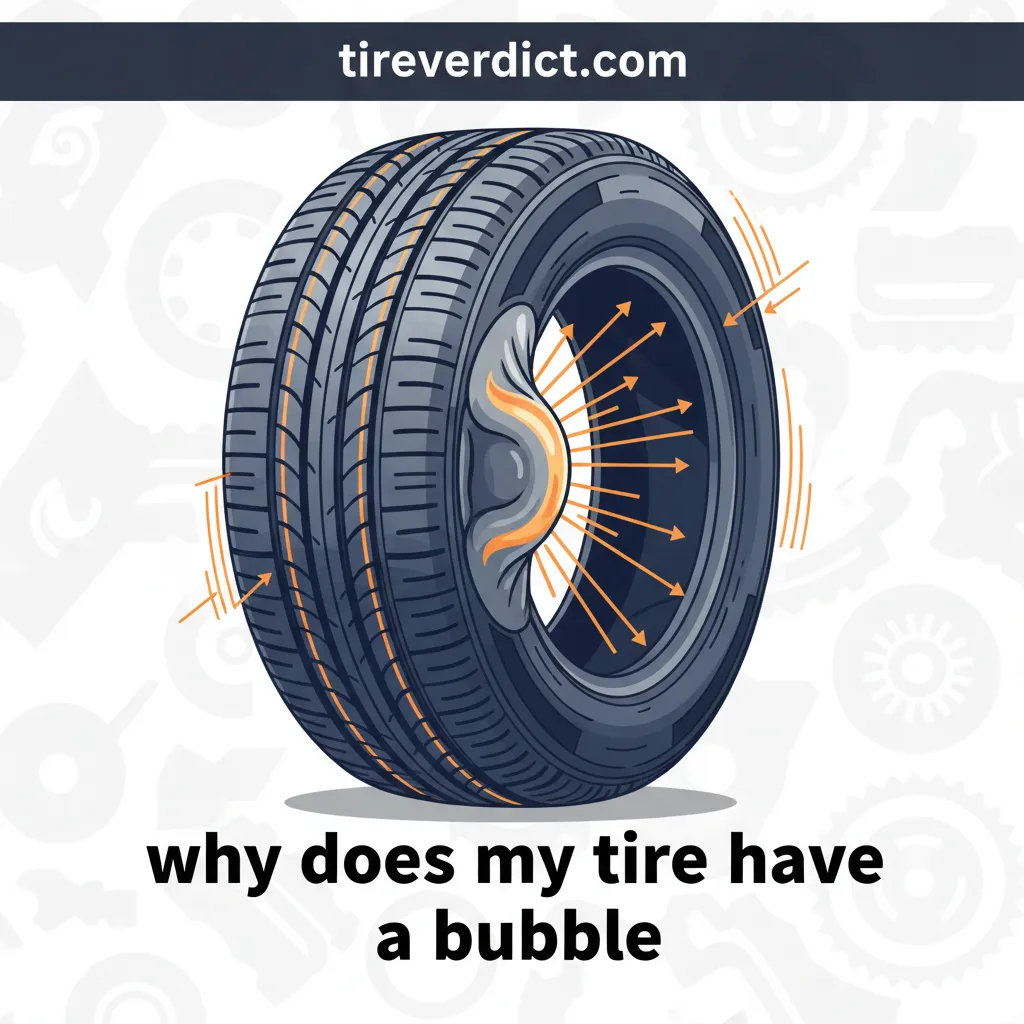
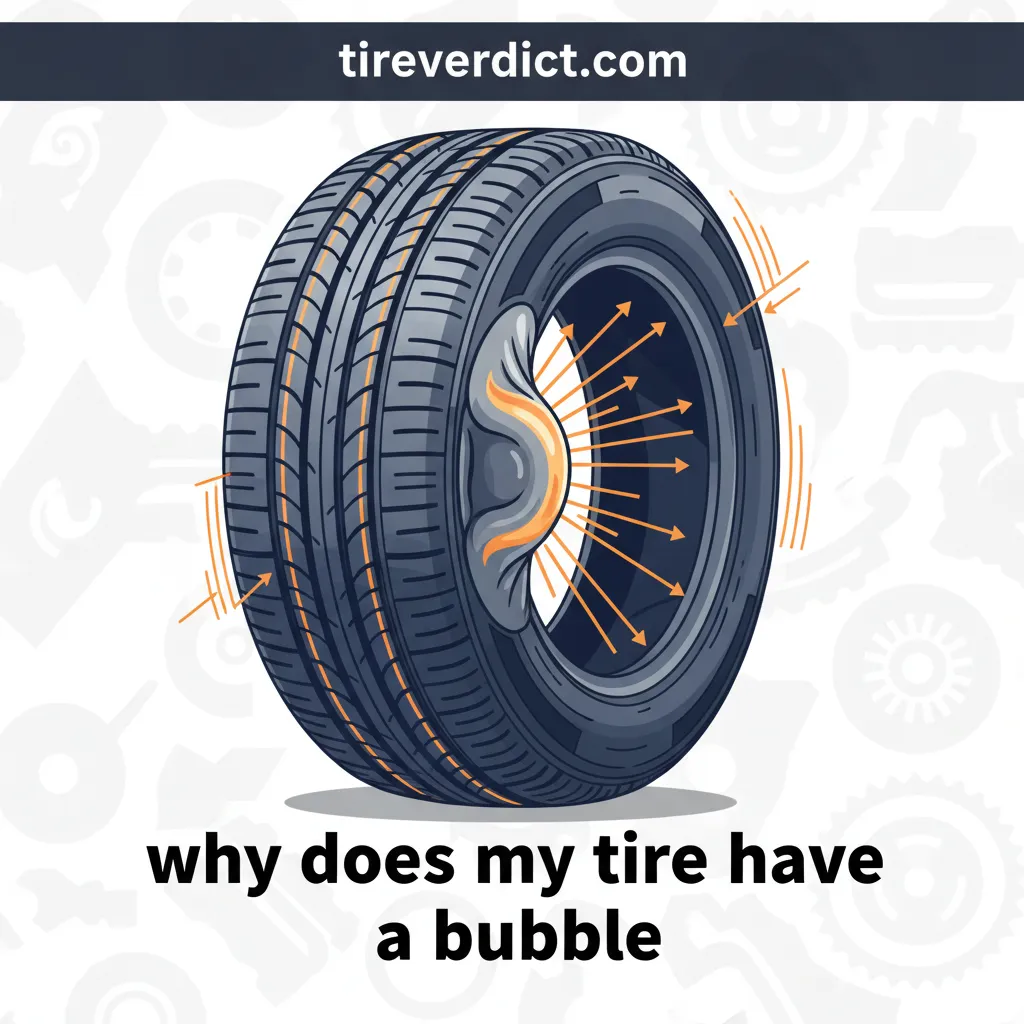
A tire bubble, often referred to as a sidewall bulge, is a clear indicator of significant internal damage within the tire’s structure. It manifests as a visible outward deformation on the tire’s surface, typically on the sidewall, which should otherwise be smooth and consistent. This anomaly is not a minor cosmetic flaw; it is fundamentally a visible sign of internal air pressure escaping through damaged cords, pushing the rubber outwards to create a blister-like appearance.
To grasp the severity of a tire bubble, an understanding of tire construction fundamentals is crucial. Modern radial tires are complex composites, engineered with multiple layers, or casing plies, made from strong materials like polyester, nylon, or steel. These plies, running perpendicularly to the tread (in radial tires), form the tire’s carcass and are encased in rubber. Their primary role is to withstand the immense internal air pressure, maintain the tire’s shape, and transmit driving forces. They are, in essence, the structural backbone of the tire, akin to the rebar in concrete.
The mechanism of bubble formation is straightforward: impact damage. When a tire encounters a sudden, forceful event—such as striking a significant pothole, curbing a wheel, or hitting road debris—the internal casing plies can be severed or compromised. This damage creates a localized weak point in the tire’s internal structure. The constant, high internal air pressure then exploits this weakness, forcing its way between the intact outer rubber layer and the damaged internal plies. This pressure pushes the rubber outwards, forming the characteristic bubble. For instance, consider a scenario where a vehicle recently hit a significant pothole; a few days later, a bulge might appear as the internal damage propagates. While tire sidewalls are designed to be flexible and endure normal road stresses, they are not engineered to withstand localized, high-impact internal stress without structural compromise. Industry consensus is unequivocal: any visible bulge indicates internal damage that compromises the tire’s integrity.

What Causes a Tire Sidewall Bubble: Diagnosing the Root of Structural Damage Explained
Pinpointing the exact cause of a tire bubble is essential for understanding its nature and preventing future occurrences. While the immediate cause is almost always internal cord separation, the incident leading to this separation can vary. Here, we delve into the primary culprits responsible for these critical structural damages.
Impact Damage
The overwhelming majority of tire sidewall bubbles stem from impact damage. This occurs when the tire experiences a sudden, concentrated force that crushes the sidewall against the wheel rim or a sharp object. Common scenarios include hitting deep potholes at speed, striking curbs (especially while parking or turning), or encountering sharp road debris. This forceful compression can shear or break the tire’s internal casing plies—the vital threads that provide structural integrity—without necessarily puncturing the outer rubber. The external rubber may appear intact, but the internal framework is severely compromised. A case study might involve a vehicle hitting a curb at low speed, causing instantaneous damage that manifests as a bubble later, versus repeated minor impacts on rough, unmaintained roads that cumulatively weaken the sidewall.
Improper Inflation
Both chronic underinflation and overinflation can weaken a tire’s sidewalls over time, making them far more susceptible to impact damage. Underinflation causes excessive flexing and heat buildup in the sidewall, degrading the cord materials and adhesive layers. Overinflation, conversely, puts the tire under constant, unnatural tension, reducing its ability to absorb impacts effectively and increasing stiffness, which can lead to cord fatigue when struck. While neither directly causes a bubble, they act as significant predisposing factors, severely compromising the tire’s ability to withstand minor impacts that an properly inflated tire would easily shrug off.
Manufacturing Defects
Though rare, manufacturing defects can occasionally be the root cause. These typically involve faulty construction, such as inadequate bonding between internal layers, misaligned plies, or material weaknesses introduced during the production process. Such defects can lead to premature sidewall separation or delamination, even without a significant external impact. Reputable tire manufacturers maintain stringent quality controls, making these instances uncommon, but they do occur. A tire technician’s detailed examination can often differentiate between impact damage and a manufacturing anomaly.
Aging and Wear
Over time, tires undergo a natural process of aging and wear. Prolonged exposure to UV radiation, extreme temperatures, road chemicals, and general use can degrade the rubber compounds and internal structures. This degradation can lead to cracking, hardening, and reduced flexibility in the sidewall. While not a direct cause of a bubble, an aged tire with degraded materials is significantly more vulnerable to the impact forces that can sever internal cords. An illustration of tire aging indicators would include micro-cracking on the sidewall, often referred to as “dry rot,” which indicates reduced elasticity and increased fragility.
By The Numbers
Sidewall Bubbles from Impact Damage
Tire Failures Annually (NHTSA)
From Improper Inflation
Research indicates that impact damage accounts for over 80% of sidewall bubble occurrences not directly related to manufacturing defects. Furthermore, according to NHTSA, tire failures contribute to a significant number of accidents annually, with structural damage being a leading factor.

The Critical Dangers of a Tire Bubble: Understanding the Risks to Vehicle Safety
Driving with a tire bubble is not merely an inconvenience; it is a critical safety hazard that demands immediate attention. The visible bulge is a stark warning sign that the tire’s structural integrity is compromised, paving the way for catastrophic failure. Understanding these inherent risks is paramount for any driver.
Increased Risk of Blowout
The primary and most dangerous threat posed by a tire bubble is the increased risk of a sudden blowout. With the internal casing plies severed, the tire’s sidewall can no longer reliably contain the intense internal air pressure. Any additional stress—such as hitting a minor bump, sustained high-speed driving, or even the natural forces of cornering—can cause the weakened area to rupture catastrophically. This results in an instantaneous loss of air, often accompanied by a loud bang and immediate deflation. Visuals of blown-out tires frequently show shredded sidewalls, a direct consequence of this structural failure.
Loss of Vehicle Control
A sudden blowout, particularly at highway speeds, can lead to an immediate and dramatic loss of vehicle control. When a tire fails, the vehicle’s balance is drastically altered, pulling sharply towards the side of the compromised tire. This can cause the driver to lose steering control, leading to swerving, veering off the road, or even hydroplaning if conditions are wet. Imagine a driver experiencing a sudden blowout on a busy highway: the unexpected jolt and change in vehicle behavior can be terrifying and incredibly difficult to manage, especially without prior experience.
Compromised Handling and Stability
Even before a complete blowout, a bulging tire significantly compromises vehicle handling and stability. The deformed sidewall creates an uneven contact patch with the road, affecting grip and responsiveness. Drivers may notice a spongy or vague steering feel, increased vibration, or the vehicle pulling subtly to one side. Braking efficiency can be reduced, and the vehicle’s overall stability, especially during turns or emergency maneuvers, is severely diminished. This constant instability adds stress to other vehicle components and reduces the driver’s ability to react safely to road conditions.
Associated Component Damage
In the event of a high-speed blowout, the consequences extend beyond just the tire. The rapid disintegration of the tire can cause significant collateral damage to other vehicle components. This includes scratching or bending the wheel rim, damaging brake lines or calipers, and even tearing into the vehicle’s wheel well lining, fender, or other bodywork. Such repairs can be far more costly and extensive than simply replacing the tire.
A 2021 study by the AAA Foundation for Traffic Safety indicated that tire-related problems contribute to approximately 11,000 crashes and 200 fatalities annually. The risk of a blowout increases by an estimated 3% for every 1 psi underinflation, exacerbating the risks of pre-existing sidewall damage. Driving on a bubbled tire is an extremely dangerous gamble with potentially fatal consequences. Prioritize safety: act immediately.

What to Do When You Discover a Tire Bubble: Immediate Actions and Solutions for Safety
Upon discovering a tire bubble, your immediate reaction and subsequent actions are critical to ensuring your safety and the safety of others on the road. There’s no room for delay or casual disregard; a bubbled tire signifies an imminent threat.
📋
Step-by-Step Guide: Addressing a Tire Bubble
As soon as you notice a bubble, safely pull your vehicle over to the side of the road or into a parking lot. Activate your hazard lights to alert other drivers. Avoid sudden braking or steering inputs. Your priority is to minimize further stress on the compromised tire and get to a safe location.
Under no circumstances should you continue driving on a tire with a bubble, even for short distances to a repair shop. The risk of a catastrophic blowout is extremely high. Continuing to drive will almost certainly lead to tire failure, potentially causing an accident and additional damage to your vehicle. This is an explicit instruction for your safety and the safety of others.
If you have a spare tire (either a full-size or a compact Temporary Use Spare Tire, TUST), install it carefully following your vehicle’s owner’s manual. Be aware of the limitations of TUSTs: they are typically designed for short distances and lower speeds (e.g., max 50 mph for 50 miles). They are not meant for prolonged use or high-speed travel. If you don’t have a spare or are uncomfortable changing it, call for roadside assistance.
A tire with a sidewall bubble almost always necessitates tire replacement. Repairing sidewall damage, especially cord damage, is rarely a safe or viable option due to the immense stress the sidewall endures. Tire industry standards, such as those from the Rubber Manufacturers Association (RMA), classify sidewall bubbles as irreparable damage. Seek a professional tire technician’s assessment immediately to confirm the damage and recommend appropriate action, which will almost invariably be replacement.
When replacing a bubbled tire, it’s crucial to select one that matches your existing tires in size, type (e.g., all-season, performance), and ideally, tread depth. Mismatched tires can lead to tire uniformity issues, affecting handling, braking, and stability, potentially causing stress on drivetrain components, especially in all-wheel-drive vehicles. Consult with your tire professional to ensure proper tire matching for maintaining your vehicle’s performance and safety.
While one tire may show a bubble, it’s wise to have all your tires thoroughly inspected. The incident that caused damage to one tire might have also caused less visible, incipient damage to others, particularly if you hit a pothole spanning multiple tires.
Preventing Tire Bubbles: Best Practices for Tire Longevity and Sidewall Protection
While accidents can happen, many tire bubbles are preventable with diligent maintenance and careful driving habits. Adopting these best practices will not only safeguard your tires against bubbles but also contribute to their overall longevity, enhance vehicle safety, and potentially improve fuel efficiency.
Regular Tire Pressure Monitoring
Maintaining manufacturer-recommended inflation pressure is the single most important factor in preventing premature tire failure and sidewall stress. The correct pressure, found on your vehicle’s door jamb placard or owner’s manual (never solely rely on the tire sidewall max pressure), ensures the tire flexes as designed and distributes impact forces evenly. Proper tire inflation can improve fuel efficiency by up to 3% and significantly reduce tire wear by preventing excessive heat buildup and stress on the casing plies. A 2023 survey indicated that only 19% of drivers regularly check their tire pressure, highlighting a common oversight that directly contributes to tire issues, including susceptibility to bubbles.
Vigilant Driving Practices
Proactive driving is your best defense against impact-related damage. Make a conscious effort to avoid potholes, curbs, and road debris. Scan the road ahead for hazards, especially at night or in unfamiliar areas. When encountering unavoidable obstacles, slow down to minimize the impact force. For instance, a driver proactively slowing down and carefully maneuvering around a visible pothole is far less likely to incur internal tire damage than one who hits it head-on at speed.
Routine Tire Inspections
Perform quick but thorough visual inspections of your tires monthly, or before long trips. Look for any signs of damage, such as cuts, cracks, bulges (even small ones), embedded objects, or uneven wear patterns. Pay close attention to the sidewalls, as bubbles can start subtly. This proactive approach helps in identifying potential issues early, before they escalate into dangerous failures. A simple monthly checklist would include checking for proper inflation, tread depth, and any visual abnormalities on the tread and sidewalls.
Proper Tire Maintenance
Adhering to a schedule of tire rotation, balancing, and alignment ensures even wear across all tires and prevents undue stress on specific components. Rotations equalize wear, balancing prevents vibrations that can stress tire structures, and proper alignment ensures tires roll true, avoiding uneven loading and friction. Consult your vehicle owner’s manual for specific tire care guidelines and recommended intervals for these maintenance tasks.
Selecting Quality Tires
The choice of tires plays a role in their resilience. Opt for reputable tire brands and types that offer robust sidewall construction suitable for your driving conditions and vehicle type. While budget tires might be tempting, investing in quality tires from established manufacturers often translates to better materials, engineering, and overall durability, providing greater resistance to impacts and wear over time. Discuss your driving habits and road conditions with a trusted tire professional to select the best tires for your needs.
Even with good tread, tires older than six years from their manufacturing date (found in the DOT code on the sidewall) should be professionally inspected or considered for replacement, as rubber compounds degrade over time, increasing susceptibility to internal damage and bubbles.
Tire bubbles signify critical internal structural damage, primarily from impact, compromising tire integrity and increasing blowout risk. Driving on a bubbled tire is extremely dangerous, leading to potential loss of control and component damage; immediate action is required. Prevention through proper inflation, vigilant driving, and regular inspections is key to avoiding these severe safety hazards. Prioritize your safety: inspect your tires regularly, address any bubbles immediately by seeking professional assistance for replacement, and adhere to recommended maintenance practices to ensure optimal vehicle performance and security on the road.
Frequently Asked Questions
Is a tire bubble repairable, or does it always require replacement?
A tire bubble, or sidewall bulge, almost invariably indicates irreparable structural damage to the tire’s internal casing plies. These cords are crucial for the tire’s integrity. Industry standards and safety protocols deem such damage unrepairable because the weakened structure cannot be reliably restored, making immediate replacement the only safe and recommended solution to prevent a catastrophic blowout.
How quickly can a tire bubble lead to a blowout?
The timeframe for a tire bubble to lead to a blowout is unpredictable and can vary significantly. Factors like driving speed, road conditions, ambient temperature, and the severity of the internal damage all play a role. A tire with a bubble is inherently compromised and could fail at any moment, even at low speeds, making it an immediate and severe safety hazard that requires urgent attention.
Can improper tire pressure cause a tire bubble?
While improper tire pressure doesn’t directly cause a bubble to form spontaneously, it significantly exacerbates the risk. Chronic underinflation or overinflation weakens the tire’s sidewall over time, making it far more susceptible to sustaining structural damage from impacts like potholes or curbs. This weakened state allows internal air pressure to more easily force through damaged cords, creating a visible bulge.
What is the difference between a tire bubble and a lump on the tread?
A tire bubble (sidewall bulge) occurs on the tire’s side, indicating internal structural cord damage. A lump on the tread, conversely, can signify tread separation, often due to manufacturing defects or extreme wear, where the tread layer detaches from the casing. Both are serious issues requiring immediate tire replacement, but they originate from different types of internal failure locations.
Should I replace one bubbled tire or all four tires?
If only one tire has a bubble, it must be replaced immediately. Whether to replace just one or more depends on the remaining tread depth of the other tires and if your vehicle is all-wheel drive (AWD). For AWD vehicles, it’s often recommended to replace tires in pairs or even all four to maintain driveline integrity, especially if there’s a significant tread depth difference, to prevent damage to the differential.