The subtle sensation of a tire wobbling at low speeds is often more than just a minor inconvenience; it’s a critical signal from your vehicle’s intricate systems. Many drivers experience this unsettling phenomenon, unsure of its origin or potential consequences, often dismissing it until the problem escalates into a more significant, and potentially costly, issue. This professional guide will expertly decode the common causes of low-speed tire wobble, outline precise diagnostic steps, and detail reliable, quality solutions, empowering you to maintain optimal vehicle safety and performance throughout 2026.
Understanding Low-Speed Tire Wobble: Professional Diagnosis and Common Causes
📤 Share Image
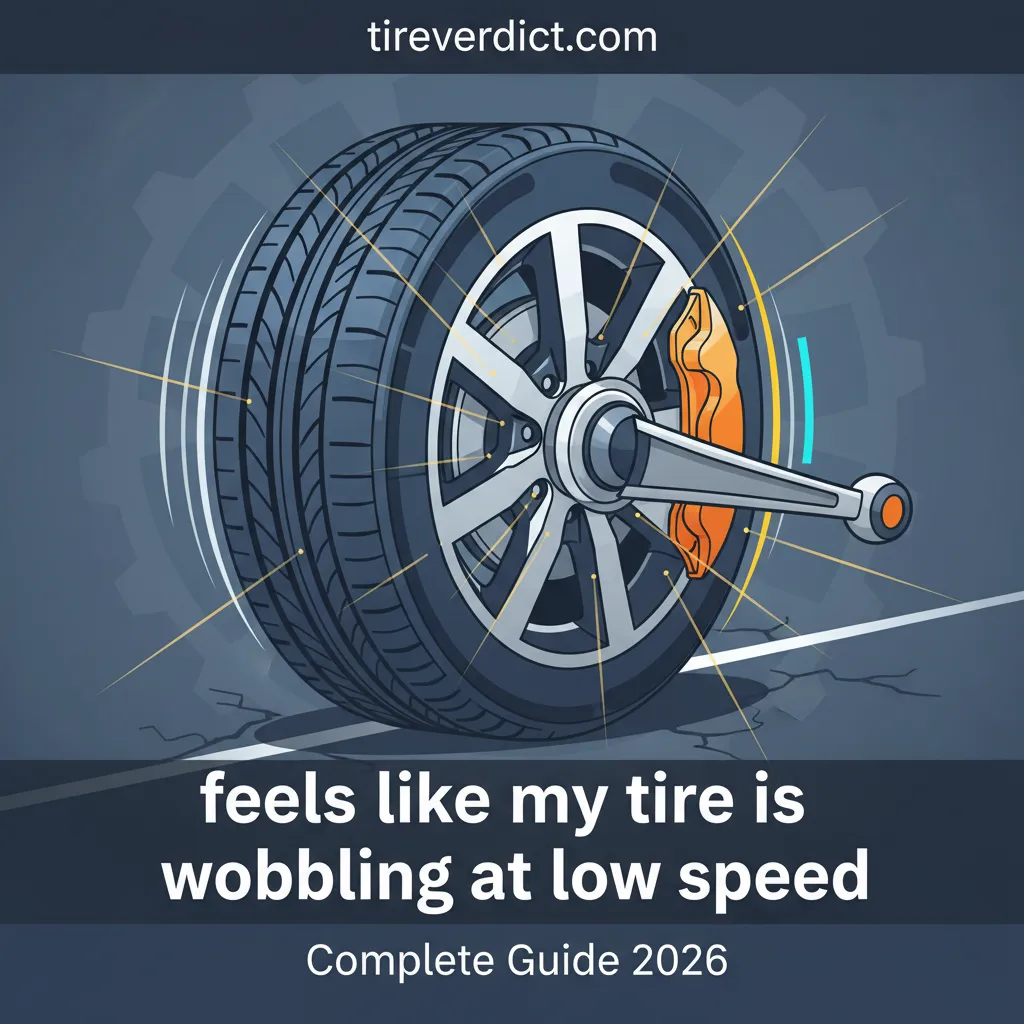
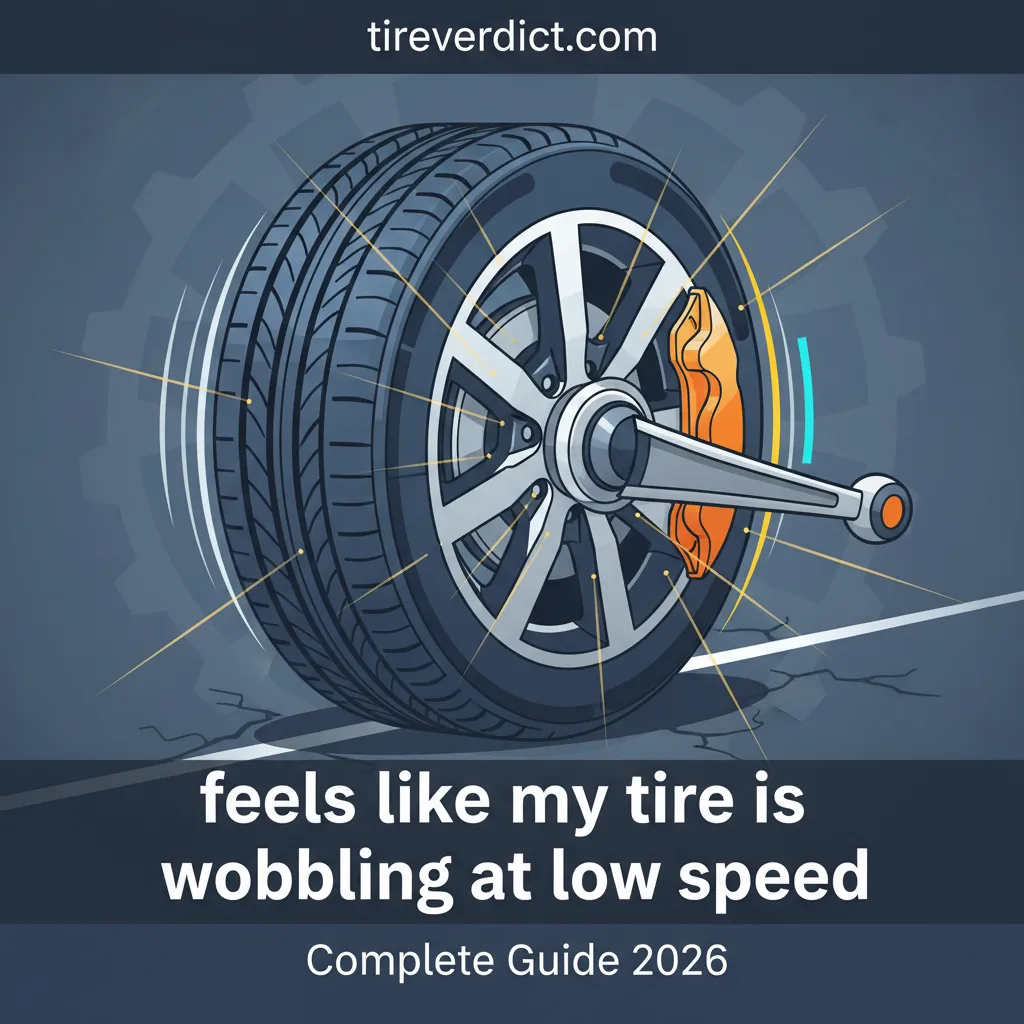
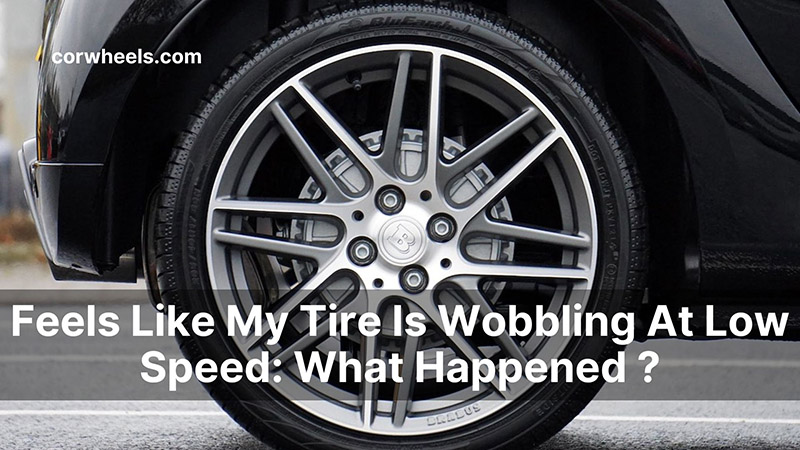
A low-speed tire wobble presents as a distinct, often rhythmic side-to-side motion that is typically felt in the steering wheel or as a noticeable body shake. Critically, this sensation is most pronounced when driving below 30 mph, and may become particularly evident during acceleration or braking at these lower velocities. This differs significantly from high-speed vibrations, which tend to manifest at higher speeds (e.g., 50-70 mph) and are often a result of less severe imbalances or alignment issues. When you perceive a tire wobbling at low speed, it signals a more fundamental mechanical concern requiring professional attention.
The primary culprits behind low-speed wobbles are often directly related to the wheel and tire assembly. Foremost among these is wheel/tire imbalance. Even a minor weight discrepancy can translate into significant rotational force at the wheel. Research by trusted tire manufacturers indicates that approximately 70% of tire-related vibrations are attributed to imbalance or structural defects. Furthermore, a single gram of imbalance can exert over 5 lbs of force at 60 mph, though its effects are often felt as a more pronounced wobble at much lower speeds.
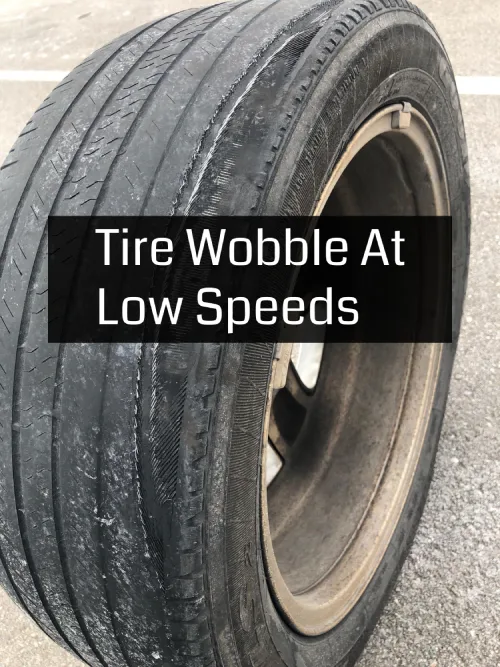
Beyond simple imbalance, structural tire damage is a critical consideration. This can include issues such as tire delamination, belt separation, or bulges on the sidewall or tread. A visual example would be a tire with a distinct bulge on its sidewall, which is a clear indicator of potential belt separation—a dangerous condition. Similarly, a bent or damaged wheel rim can create an uneven rolling surface, leading directly to a wobble. Another crucial, yet often overlooked, cause is loose wheel lug nuts. Proper torque specifications for lug nuts are absolutely crucial; undertorqued nuts can not only lead to wobble but potentially wheel separation, while overtorqued nuts can damage studs or distort the wheel.
Initial observational checks are vital for a quality assessment. Visually inspect all four tires for any signs of deformation, such as bulges, flat spots, or uneven wear. Examine the wheel rims for visible bends, cracks, or curbing damage. Most importantly, ensure all lug nuts are securely fastened to manufacturer specifications. A common scenario we encounter in our professional experience is a wobble that began immediately after a recent tire service, such as a rotation. This often suggests an imbalance or improper installation, underscoring the need for a trusted technician.
Always consider recent events. Did you hit a pothole, curb your wheel, or have recent tire work done? These can be direct triggers for a low-speed wobble and should be immediately communicated to your service professional for a more efficient and accurate diagnosis.
Professional Procedures to Resolve Low-Speed Tire Wobble: Expert Solutions
When a low-speed tire wobble manifests, it’s imperative to engage qualified technicians and specialized equipment for reliable, lasting solutions. Simply guessing at the cause can lead to prolonged issues and unnecessary expense. Our professional approach begins with a systematic diagnostic process.
Dynamic Wheel Balancing
The cornerstone of resolving tire-related wobbles is dynamic wheel balancing. Unlike static balancing, which only corrects balance on one plane, dynamic balancing uses specialized equipment to identify and correct imbalances on both the inner and outer planes of the wheel assembly. This precision is critical for quality performance and for eliminating even subtle wobbles. Modern high-speed balancers can simulate road conditions, rotating the wheel at speeds up to 100 mph to precisely locate imbalance points, allowing technicians to add corrective weights with pinpoint accuracy. This expert procedure not only resolves wobble but also contributes to tire longevity and improved driving dynamics. Precision wheel balancing can improve fuel efficiency by up to 2% and extend tire life by as much as 10-15%.
Tire Inspection and Replacement Criteria
A thorough tire inspection by an expert is non-negotiable. This involves a detailed examination for internal damage, which might not be visible externally, irregular wear patterns (e.g., cupping, feathering, or flat spots), and signs of structural compromise like bulges or tread separation. Industry standards for tire repair are stringent: The Rubber Manufacturers Association (RMA) advises against repairing tires with punctures larger than 1/4 inch in the tread area or any sidewall damage. Sidewall damage or belt separation necessitates full tire replacement over repair for paramount safety and reliability.
Wheel Rim Assessment and Repair/Replacement
Bent or damaged wheel rims are a frequent cause of low-speed wobble. A trusted garage will use precision tools like runout gauges to measure radial (up and down) and lateral (side to side) runout on a wheel rim. Industry standards for wheel runout typically specify a maximum of 0.030 inches (0.76mm) for radial runout and 0.040 inches (1.0mm) for lateral runout on steel wheels, with tighter tolerances for alloy wheels. If a rim falls outside these specifications, a professional can determine if it can be safely reconditioned by specialized repair shops, or if replacement is the only viable option for a truly reliable fix.
Checking Lug Nut Torque and Wheel Hub Integrity
Before concluding any tire or wheel service, ensuring proper lug nut torque is a fundamental step. Using a calibrated torque wrench, technicians verify that all lug nuts are tightened to the vehicle manufacturer’s precise specifications. Furthermore, an inspection of the wheel hub integrity is crucial. This involves checking for wear or damage on wheel studs, the hub flange itself, and ensuring the wheel seats properly. Any play or corrosion in these components can compromise the secure mounting of the wheel, directly contributing to low-speed wobble. This meticulous attention to detail is a hallmark of quality professional service.
By The Numbers
Vibrations from Imbalance/Defects
Tire Life Extension from Balancing
Max Radial Runout for Steel Wheels
Max Tread Puncture for Repair (RMA)
Beyond Tires: Advanced Diagnostics for Low-Speed Wobble in Suspension and Steering Systems
While tire and wheel issues are the most common culprits, sometimes a persistent low-speed wobble indicates deeper problems within the vehicle’s suspension and steering systems. If primary tire diagnostics—balancing, inspection, and rim checks—fail to resolve the wobble, an expert mechanical assessment of these interconnected components becomes critical for a reliable diagnosis.
Worn Wheel Bearings
Worn wheel bearings are a frequent cause of a sensation resembling tire wobble. As bearings wear, they develop excessive play, leading to an unstable wheel and often accompanied by grinding, humming, or roaring noises, particularly when turning. A common professional diagnostic method involves lifting the vehicle and manually ‘rocking the wheel’—grasping it at the 12 and 6 o’clock positions, then at 3 and 9 o’clock. Any noticeable play indicates worn bearings or other steering/suspension components. The average lifespan of quality wheel bearings is typically 85,000 to 100,000 miles, though it can be significantly reduced by impacts, off-road driving, or harsh conditions.
Damaged Steering Components
Compromised steering components can also manifest as a low-speed wobble. Worn tie rod ends, ball joints, or control arm bushings introduce excessive play into the steering linkage and suspension, leading to imprecise steering and a noticeable wobble. This is particularly discernible during low-speed maneuvers, when traversing uneven surfaces, or sometimes during gentle braking. An expert technician will again perform the wheel-rocking test, combined with a visual inspection of all boots and linkages, looking for tears, leaks, or visible looseness. A scenario where new tires and balancing didn’t fix the wobble, and a subsequent expert inspection revealed severely corroded or loose control arm bushings, perfectly illustrates this point. According to automotive experts, steering and suspension component failures are significant contributors to a percentage of vehicle handling issues, including wobble.
Issues with Suspension Components
The vehicle’s suspension components play a vital role in maintaining tire contact with the road and absorbing impacts. Worn shock absorbers or struts, or even compromised spring integrity, can lead to inadequate damping or uneven load distribution. While not directly causing a wobble, these issues can significantly exacerbate an existing one or create a feeling of instability that mimics a wobble. For instance, a collapsed spring on one side could cause the vehicle to sit unevenly, affecting handling and potentially leading to a perceived wobble. Premature wear of suspension components can reduce tire life by up to 20-30% due to improper contact with the road surface, highlighting the interconnectedness of these systems.
Brake System Anomalies
Finally, brake system anomalies can often be misinterpreted as a tire wobble, especially at low speeds. Warped brake rotors are the most common culprit, causing a noticeable pulsation or shudder in the steering wheel or brake pedal when the brakes are applied. This sensation can feel very much like a wobble and typically occurs only when braking. Noticing a distinct shudder or wobble that occurs exclusively when the brakes are applied at low speeds is a strong indicator of warped rotors, necessitating a professional brake system diagnosis.
Ignoring a low-speed wobble, regardless of its origin, can lead to accelerated wear on other vehicle components, compromise steering control, and significantly increase the risk of a tire blowout or component failure, posing serious safety hazards. Always seek expert advice promptly.
Proactive Tire Maintenance: Preventing Low-Speed Wobble and Ensuring Longevity
Preventing a low-speed tire wobble is far more desirable than addressing its symptoms. Implementing a regimen of proactive, quality tire maintenance practices is paramount for extending the lifespan of your tires and vehicle components, thereby minimizing the likelihood of future wobble issues and ensuring professional, reliable performance. This is a critical investment in your vehicle’s safety and your driving experience.
Regular Tire Pressure Monitoring
Maintaining manufacturer-recommended PSI (pounds per square inch) is fundamental for even wear, optimal stability, and fuel efficiency. Under-inflation can lead to excessive heat buildup and increased rolling resistance, while over-inflation reduces the tire’s contact patch and ride comfort. Both scenarios compromise stability and can contribute to premature or irregular wear that could eventually cause a wobble. Using a digital tire gauge weekly to ensure all tires are at the correct PSI is a simple yet impactful habit. Under-inflated tires by just 6 PSI can reduce tire life by 15% and decrease fuel efficiency by 3%. A general estimate suggests that a high percentage of vehicles on the road have at least one tire improperly inflated, significantly impacting safety and performance.
Routine Tire Rotation
Routine tire rotation, typically every 5,000-7,500 miles, is essential to promote uniform wear across all four tires. Vehicle weight distribution and driving forces cause tires to wear differently depending on their position. Rotating them regularly ensures that wear is balanced, preventing localized damage, flat spots, or irregular wear patterns that can lead to wobble. A technician demonstrating a standard cross-rotation pattern for a front-wheel-drive vehicle illustrates how it balances wear, ensuring a reliable ride. Properly rotated and balanced tires can last up to 20% longer than those neglected, representing significant cost savings and improved reliability.
Periodic Professional Inspections
Advocating for regular visits to a trusted service center for comprehensive checks is a cornerstone of quality preventative maintenance. These inspections go beyond simple visual checks, incorporating expert evaluation of tires, wheels, and suspension components. This is particularly crucial after significant impacts (e.g., hitting a large pothole) or if you notice any subtle changes in your vehicle’s handling. An annual alignment check by a professional, even without visible issues, is highly recommended to catch subtle changes from everyday driving and maintain optimal geometry, preventing conditions that foster wobble.
Driving Habits and Road Hazard Awareness
Your driving habits significantly influence tire and wheel health. Practicing defensive driving techniques to actively avoid potholes, curbs, and road debris is paramount. Sudden impacts can cause immediate damage like bent rims or tire bulges, while repetitive impacts contribute to gradual wear and tear on suspension components. Being mindful of these hazards protects your investment and minimizes the risk of developing a wobble. This awareness, coupled with the aforementioned maintenance, forms a robust strategy for professional vehicle care.
Extended Tire Life
Proper maintenance can extend tire longevity by up to 20%, saving you money.
Improved Fuel Economy
Correct tire pressure and balance can yield up to 3% better fuel efficiency.
Enhanced Safety
A stable, well-maintained vehicle significantly reduces accident risk.
Low-speed tire wobble is a critical indicator of underlying issues such as imbalance, structural tire damage, bent rims, or deeper suspension and steering wear, all requiring expert attention. Prompt and professional diagnosis is essential to prevent escalating damage, ensure vehicle safety, and achieve a reliable, long-term solution. Ultimately, regular preventative maintenance, including precise balancing, accurate alignment, and comprehensive tire inspections, is key to preventing wobble and extending the lifespan of your tires and critical vehicle components. Do not ignore persistent tire wobble. Consult with a trusted automotive professional immediately for a thorough inspection and quality resolution, safeguarding your driving experience and the integrity of your vehicle.
Frequently Asked Questions
Can I continue driving with a wobbling tire?
Driving with a wobbling tire is not recommended. It can progressively worsen, leading to increased wear on tires and suspension components, reduced handling stability, and significantly elevated safety risks, especially at higher speeds or during emergency maneuvers. Prompt professional inspection is always advised for reliable safety.
How much does it cost to fix a wobbling tire?
The cost varies widely depending on the underlying cause. Simple rebalancing might cost $20-$50 per wheel, while a new tire could be $100-$300+. Repairing a bent rim or replacing suspension components could range from $150-$800+, making accurate diagnosis by a quality technician crucial for a trusted repair.
Is tire wobble more dangerous at low or high speeds?
While often felt more acutely at low speeds, tire wobble can be significantly more dangerous at high speeds. At higher velocities, it compromises vehicle stability, steering precision, and braking effectiveness, greatly increasing the risk of loss of control and accidents. Address the issue promptly, regardless of speed, by seeking expert assistance.
How often should I have my tires balanced and aligned?
Industry experts recommend tire balancing every 5,000-7,500 miles or with every tire rotation, and alignment checks annually or whenever you replace tires or significant suspension work is performed. These proactive measures ensure optimal performance, extended tire life, and prevent wobble, demonstrating quality vehicle care.
Can road hazards cause immediate tire wobble?
Yes, hitting potholes, curbs, or other significant road hazards can immediately cause tire wobble. Such impacts can bend rims, damage tire cords, or even knock suspension components out of alignment, leading to sudden onset of wobble. A professional inspection is essential after such incidents for a quality assessment and reliable repair.