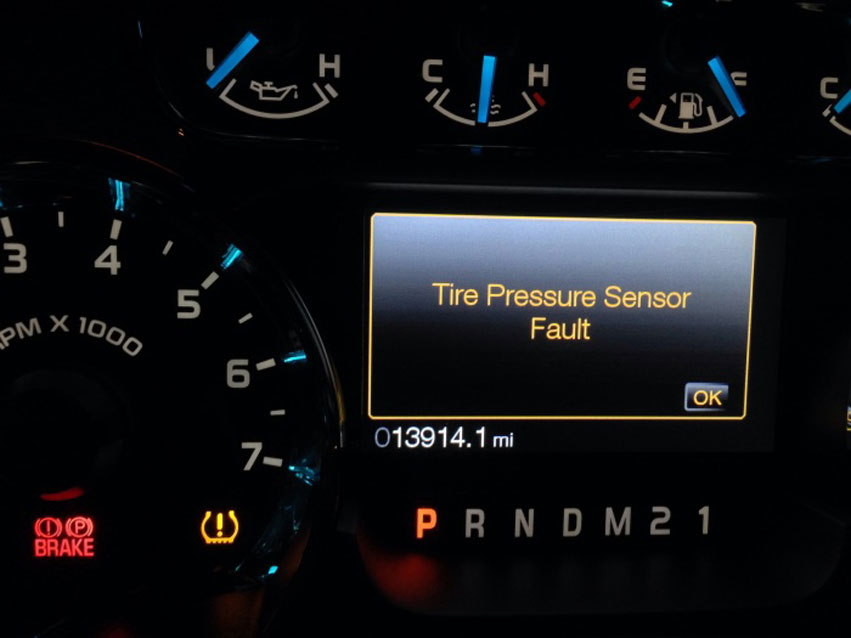
The sudden illumination of a dashboard warning light can send shivers down any driver’s spine. Among these, the Tire Pressure Monitoring System (TPMS) light is increasingly common, often leading to confusion. While frequently mistaken for a simple low-pressure indicator, a persistently lit or flashing TPMS light can signal a more intricate “tire pressure sensor fault.” This isn’t merely an inconvenience; it represents a potential compromise to your vehicle’s safety, efficiency, and overall performance. As a seasoned automotive expert with over 15 years in the field, I’ve seen firsthand how these issues evolve and impact vehicle owners. This comprehensive guide will illuminate precisely what a tire pressure sensor fault entails, delve into its various causes, and provide you with actionable, expert-backed solutions to diagnose, troubleshoot, and fix it, ensuring your vehicle remains safe and compliant with 2026 standards.
Overview
📤 Share Image
The Tire Pressure Monitoring System (TPMS) has been a standard safety feature on all new passenger vehicles in the United States since 2007, and similar mandates exist globally. Its primary purpose is to warn drivers when a tire is significantly underinflated, helping to prevent accidents, improve fuel efficiency, and extend tire life. However, when the TPMS warning light illuminates and stays on, or flashes, even after you’ve manually checked and adjusted tire pressures, you’re likely dealing with a tire pressure sensor fault.
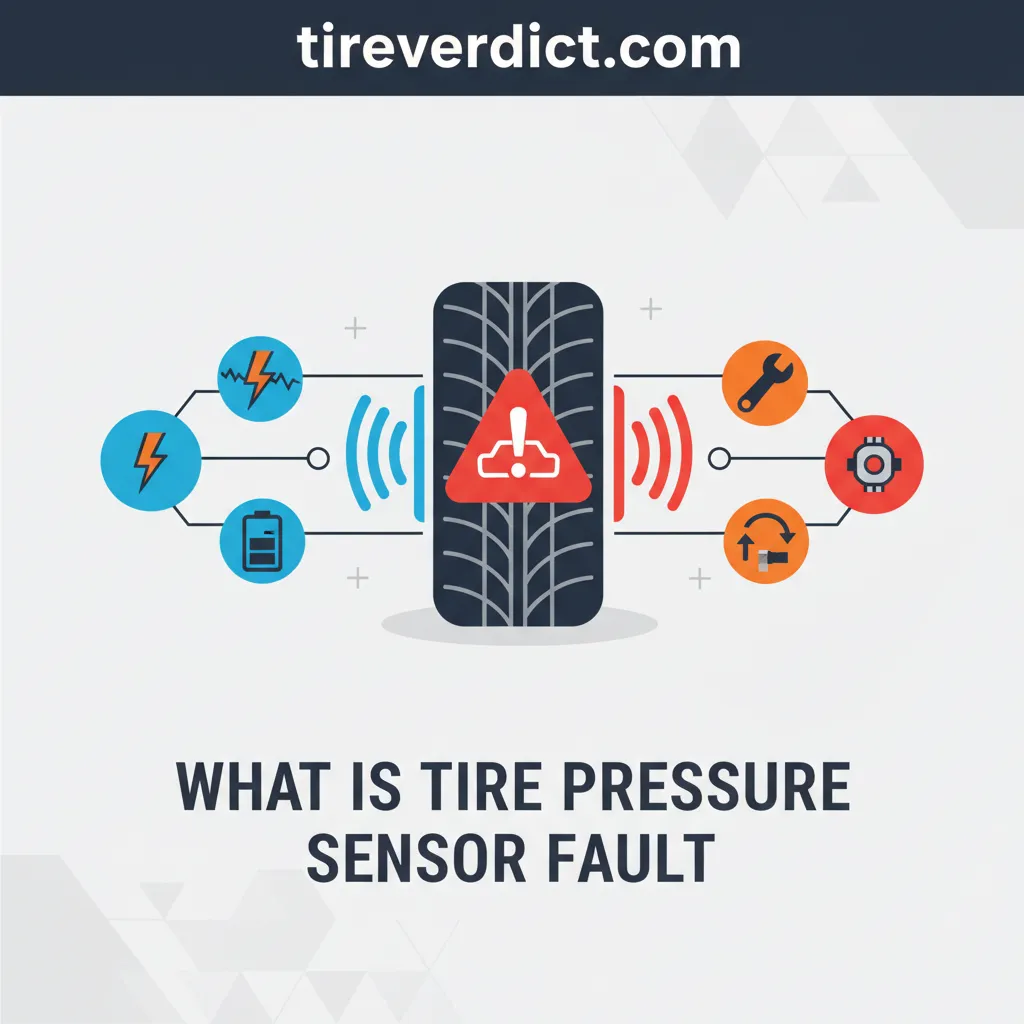
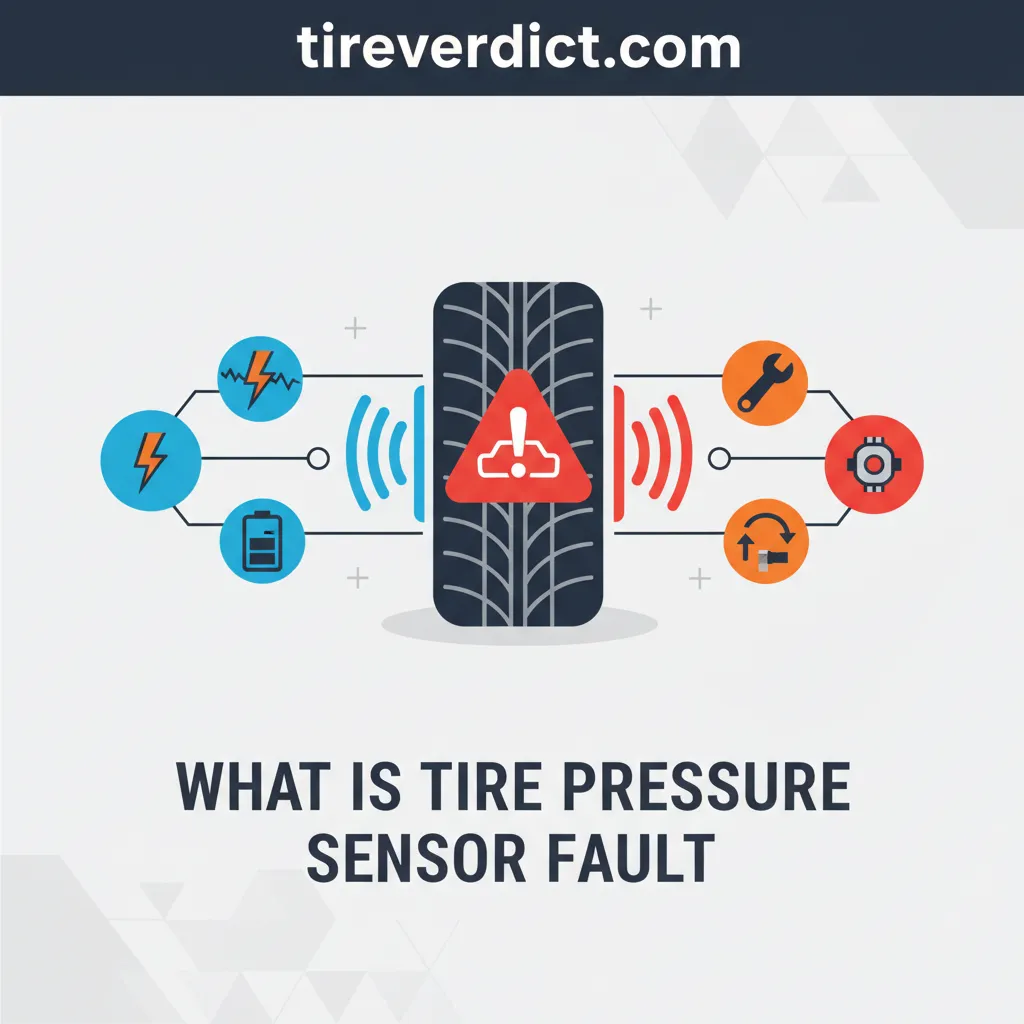
A sensor fault indicates a problem with the TPMS hardware or software, not necessarily the tire’s air pressure itself. Modern vehicles, including 2026 models, primarily utilize Direct TPMS, where individual sensors are mounted inside each wheel, usually attached to the valve stem. These sensors constantly measure tire pressure and temperature, transmitting this data wirelessly to the vehicle’s onboard computer (ECU or TPMS control module).
When a fault occurs, it means one or more of these critical components—the sensor, its internal battery, the wireless communication, or the control module—is malfunctioning. This renders the system unable to provide accurate tire pressure information, essentially neutralizing a vital safety feature. Neglecting such a fault can have serious repercussions, from compromised handling and increased stopping distances to potentially catastrophic tire blowouts, directly impacting your safety and that of others on the road.

Key Benefits
Understanding and promptly resolving a TPMS sensor fault goes beyond just turning off a dashboard light. It restores crucial functionalities that contribute significantly to your driving experience and vehicle longevity. As an automotive expert, I emphasize that these benefits are non-negotiable for modern vehicles, especially given the advanced safety systems integrated into 2026 models.
Enhanced Safety Assurance
A functional TPMS provides real-time alerts for underinflation, which is a major cause of tire failures and accidents. Resolving a fault ensures this critical safety net is fully operational, preventing dangerous situations like blowouts and loss of vehicle control.
Optimal Vehicle Performance
Correct tire pressure is fundamental to handling, braking, and steering response. Fixing a TPMS fault allows for accurate monitoring, guaranteeing your tires maintain their optimal contact patch with the road for peak performance and a comfortable ride.
Improved Fuel Efficiency
Underinflated tires increase rolling resistance, forcing your engine to work harder and consume more fuel. By ensuring your TPMS is functional, you enable consistent proper inflation, leading to noticeable savings at the pump and reduced carbon emissions.
Extended Tire Lifespan
Incorrect tire pressure is a primary contributor to uneven and premature tire wear. A working TPMS helps you maintain optimal pressure, thereby extending the lifespan of your expensive tires and reducing replacement frequency.
Regulatory Compliance & Resale Value
A functional TPMS is a regulatory requirement for vehicles in many regions. Ignoring a fault can lead to failed inspections. Furthermore, a fully operational TPMS contributes positively to your vehicle’s resale value, reflecting well-maintained safety features.
How It Works
To truly understand a tire pressure sensor fault, we must first grasp how the system functions. Direct TPMS, prevalent in nearly all vehicles manufactured for 2026, relies on a network of sophisticated electronic components to continuously monitor your tires.
Direct TPMS Explained
- Sensor Module: Each wheel, including often the spare, contains a small, battery-powered sensor. These are typically integrated into the valve stem or strapped to the wheel rim. Each module contains a pressure transducer, a temperature sensor, a small internal battery, and a radio frequency (RF) transmitter.
- Data Transmission: These sensors wake up and transmit data (tire pressure, temperature, and a unique ID) at regular intervals or when motion is detected. This RF signal is picked up by one or more receivers located within the vehicle.
- TPMS Control Module (ECU): The receiver(s) forward the sensor data to the vehicle’s TPMS control module (often part of the Body Control Module or a standalone unit). This module processes the data, compares it against manufacturer specifications (e.g., cold inflation pressure), and determines if a tire is underinflated or if there’s a system malfunction.
- Dashboard Indicator: If a discrepancy or fault is detected, the module triggers the TPMS warning light on your dashboard, and sometimes displays specific messages on the multi-information display.
Causes of TPMS Sensor Faults
Several factors can lead to a tire pressure sensor fault, ranging from simple wear-and-tear to more severe damage. Identifying the specific cause is the first step toward a proper solution.
- Battery Depletion: This is by far the most common cause. TPMS sensor batteries are sealed units designed to last between 5 to 10 years, depending on usage and climate. Research indicates that vehicles reaching their 7-8 year mark, like many 2018-2019 models now in service, frequently experience battery-related sensor failures. As we approach 2026, more vehicles will be in this replacement cycle. Once the battery dies, the sensor can no longer transmit data, triggering a fault.
- Physical Damage: Sensors are robust but not indestructible. Impacts from potholes, curb strikes, or even improper mounting during tire changes can physically damage the sensor housing, antenna, or internal electronics. Industry data suggests that roughly 20% of sensor failures occur during or shortly after tire servicing due to improper handling or installation techniques.
- Corrosion: Exposure to road salt, chemicals, and moisture can lead to corrosion on the sensor’s external components, especially the valve stem. This can disrupt electrical connections or compromise the sensor’s seal, allowing moisture intrusion.
- Sensor Malfunction/Internal Failure: Like any electronic component, a TPMS sensor can simply fail internally due to manufacturing defects or wear. This might involve the pressure transducer, temperature sensor, or the RF transmitter ceasing to function correctly.
- TPMS Module or ECU Failure: While less common than sensor failures, the central TPMS control module or even the vehicle’s main ECU can develop issues, leading to system-wide faults. This often requires professional diagnoses with advanced scan tools.
- Incorrect Sensor Installation/Relearn Issues: After tire rotation or replacement, sensors sometimes need to be “relearned” to the vehicle’s system. If this procedure is skipped or done incorrectly, the system may report a fault, as it cannot properly identify the sensors or their positions.
- Valve Stem Issues: Since many sensors are integrated with the valve stem, a damaged, corroded, or incorrectly tightened valve stem can lead to pressure leaks or sensor communication problems, acting as a direct cause for a fault.
Symptoms of a TPMS Fault
Recognizing the symptoms is key to understanding when you have a genuine sensor fault versus just low tire pressure:
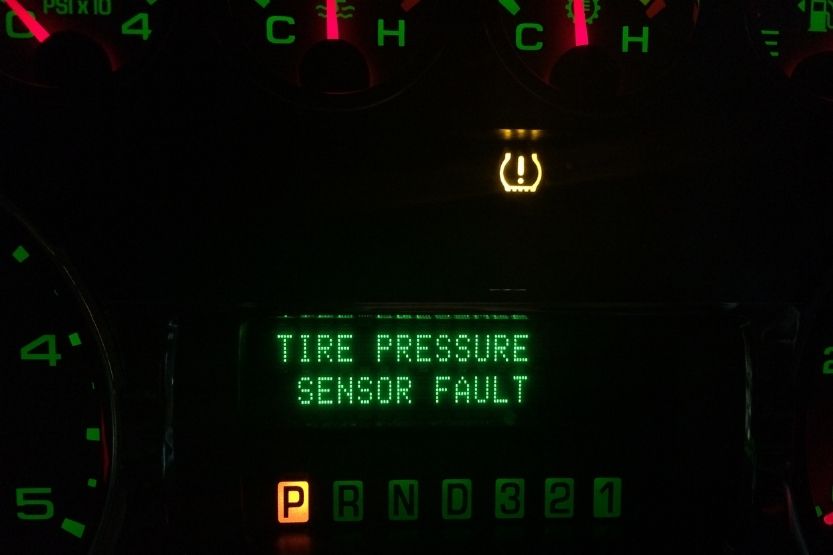
- Flashing TPMS Light: If the TPMS light flashes for a period (e.g., 60-90 seconds) upon starting the vehicle and then remains solid, this almost universally indicates a system malfunction or a dead sensor battery. This is the clearest indicator of a debug scenario for the system itself.
- Solid TPMS Light (after manual pressure check): If you’ve checked all tire pressures with a reliable gauge, inflated them to the correct PSI, and the light remains solid, it points towards a sensor or system fault rather than underinflation.
- Specific Dashboard Messages: Many modern vehicles provide textual warnings like “Service TPMS,” “Tire Sensor Fault,” “Check Tire System,” or even indicate which specific tire sensor has an issue.
- Inconsistent or Missing Readings: On vehicles with individual tire pressure displays, you might notice one tire showing “—” or an abnormally low/high reading that doesn’t match a manual gauge, indicating a sensor communication problem.
- Diagnostic Trouble Codes (DTCs): A professional OBD-II scanner with TPMS capabilities will reveal specific DTCs (e.g., C0051 for sensor internal fault, C006A for sensor battery low) that pinpoint the exact nature and location of the problem.
Getting Started
When faced with a TPMS warning light indicating a sensor fault, a methodical approach is essential to efficiently diagnose and repair the issue. Don’t jump to conclusions; start with the basics.
Initial Diagnosis
- Manual Pressure Check: Even if you suspect a sensor fault, always start by manually checking all tire pressures, including the spare if your system monitors it. Use a reliable tire pressure gauge. Inflate to the PSI specified on your vehicle’s door jamb placard. Sometimes, the sensor is simply reporting a very low tire, not malfunctioning itself.
- Reset Procedure (if applicable): Some vehicles have a manual TPMS reset button (often located under the dash or in the glove compartment). Consult your owner’s manual. This is usually for resetting the light after adjusting pressures, not for clearing sensor faults, but it’s a quick initial workaround.
- OBD-II Scan: The most definitive step is to connect an OBD-II scanner with TPMS capabilities. Basic scanners might only show generic powertrain codes, but specialized TPMS tools or advanced professional scanners can communicate directly with the TPMS control module. This will allow you to read specific Diagnostic Trouble Codes (DTCs), identify which sensor is faulty, and even read sensor ID numbers and battery status. Common TPMS DTCs typically start with ‘C’ (e.g., C1290 – Front Left Sensor Malfunction).
Troubleshooting Common Faults
Based on the initial diagnoses, you can narrow down the potential issues:
- Flashing TPMS Light: As mentioned, this almost always points to a system malfunction or dead sensor battery. Research suggests that for vehicles over 7 years old, approximately 70% of flashing TPMS lights are attributable to a depleted sensor battery. The next step is usually pinpointing the specific sensor via an OBD-II scan to confirm battery status or general malfunction.
- Solid TPMS Light (after manual check confirms correct pressure): This indicates the system thinks there’s a problem, but it’s not low pressure. This could be a dead sensor, a communication issue, or a problem with the TPMS module. An OBD-II scan is crucial here to debug.
- Post-Tire Rotation or Replacement: If the fault appeared immediately after tire service, it’s highly probable the sensors need a relearn procedure. The vehicle’s ECU may have lost track of which sensor is in which wheel position.
Always inform your tire technician that your vehicle has TPMS. Many facilities now have specialized equipment and trained personnel to service TPMS components without damaging them. A quick conversation can prevent a costly sensor replacement later.
Repair and Solution Strategies
Once you’ve identified the cause of the fault, you can proceed with the appropriate solution. Most TPMS sensor faults require physical intervention.
📋
Step-by-Step Guide: Resolving a TPMS Fault
If the diagnoses indicate a dead battery, physical damage, or internal sensor failure, replacement is necessary. This requires dismounting the tire from the rim. Always replace the valve stem service kit (nut, grommet, cap) when installing a new sensor. You have options for replacement sensors: OEM sensors (direct fit, often pricey) or aftermarket programmable/clonable sensors. Industry data for 2026 indicates that high-quality aftermarket programmable sensors can reduce repair costs by 30-50% compared to OEM parts while offering comparable reliability.
After any sensor replacement or tire rotation, the vehicle’s TPMS control module must learn the new sensor IDs and their locations. This “relearn” process varies significantly by manufacturer and model year.
- Auto-Learn: Some vehicles (e.g., certain Honda, Nissan models) automatically relearn after driving for a period (e.g., 10-20 minutes above 20 mph).
- Manual-Learn: Other vehicles (e.g., many GM models) require a specific sequence of actions (e.g., turning ignition on/off, pressing brake pedal) to enter learn mode, then using a TPMS activation tool to trigger each sensor.
- OBD-II Learn: Many vehicles, especially newer European and some Asian models (e.g., Toyota, Ford), require an advanced OBD-II scanner to communicate with the TPMS module and upload new sensor IDs directly. This is the most common method for 2026 vehicles.
Proper execution of the relearn is crucial to resolve the fault and extinguish the light.
If sensor replacement and relearn don’t resolve the fault, the problem might lie with the TPMS control module itself. This is a more complex diagnoses and repair, typically requiring a professional automotive technician with specialized diagnostic equipment. These modules are generally robust but can fail due to electrical issues or internal component malfunction. Always exhaust sensor-related solutions first, as module failures are less common.
For systems using external receivers or specific wiring harnesses connecting the module, a physical inspection for damaged wires, loose connections, or corrosion can be beneficial. While often a last resort, it’s a critical step in thorough troubleshooting, particularly in vehicles that have been involved in accidents or show signs of rodent damage.
Prevention and Maintenance
Proactive measures can significantly reduce the likelihood of encountering a TPMS sensor fault:
- Regular Manual Tire Pressure Checks: Don’t solely rely on the TPMS. Manual checks help catch slow leaks before they trigger an alert and confirm your sensors are reading accurately.
- TPMS-Aware Tire Service: Always ensure that any technician working on your tires (mounting, balancing, rotating) is aware of the TPMS sensors and uses appropriate tools to avoid damage.
- Replace Valve Stems: Whenever tires are replaced, it’s good practice to replace the TPMS valve stem service kit (grommet, washer, nut, and valve cap). These components are inexpensive and critical for maintaining the sensor’s seal and protecting it from corrosion.
- Proactive Sensor Replacement: Consider replacing all TPMS sensors when you purchase a new set of tires, particularly if your current sensors are approaching or have exceeded their typical 7-10 year lifespan. This can be a cost-effective solution as the tire is already dismounted.
By The Numbers: TPMS Faults & Impact
Typical TPMS Battery Lifespan
Flashing TPMS lights (over 7 yrs) due to battery
Sensor failures due to improper tire service
Fuel economy loss per 1 PSI underinflation
Never ignore a flashing or solid TPMS light. While it might be a sensor fault, it could also signal rapidly decreasing tire pressure that could lead to dangerous driving conditions. Always verify tire pressure manually before continuing your journey.
By following these systematic troubleshooting and repair steps, you can effectively resolve most tire pressure sensor faults. This knowledge empowers you to make informed decisions, whether you’re performing the solution yourself or entrusting your vehicle to a professional.
A tire pressure sensor fault, while seemingly minor, points to a disruption in a fundamental safety system of your vehicle. Understanding its nuances, from the underlying cause to the systematic repair process, is crucial for any conscientious driver of a modern vehicle. We’ve explored that the fault often signifies more than just low pressure, instead indicating a malfunction in the sensor itself, its battery, or the communication network. Effective diagnoses, typically involving an OBD-II scanner, is the cornerstone of pinpointing the exact problem. Ultimately, addressing these faults through sensor replacement, proper relearn procedures, and diligent maintenance not only resolves the dashboard warning but critically restores your vehicle’s intended safety, optimizes its performance, and enhances fuel efficiency.
Do not defer addressing a TPMS fault. Take immediate action to troubleshoot and fix the issue. If you’re uncomfortable performing these steps yourself, consult a qualified automotive technician without delay to ensure your vehicle remains safe, compliant, and performs at its best on the road, well into 2026 and beyond.