For vehicle owners, understanding the logistics of tire maintenance is crucial, and one of the most common questions revolves around the time commitment for tire installation. Beyond the financial investment, many drivers need to plan their day around service appointments, making an accurate estimation of installation duration essential for minimizing disruption and ensuring optimal vehicle uptime. This expert guide provides a definitive answer to ‘How Long Does Tire Installation Take,’ detailing the average timelines, exploring critical factors influencing duration, outlining the professional installation process, and offering insights to optimize your service experience for 2026 and beyond.
Understanding Standard Tire Installation Timelines for Vehicles
📤 Share Image
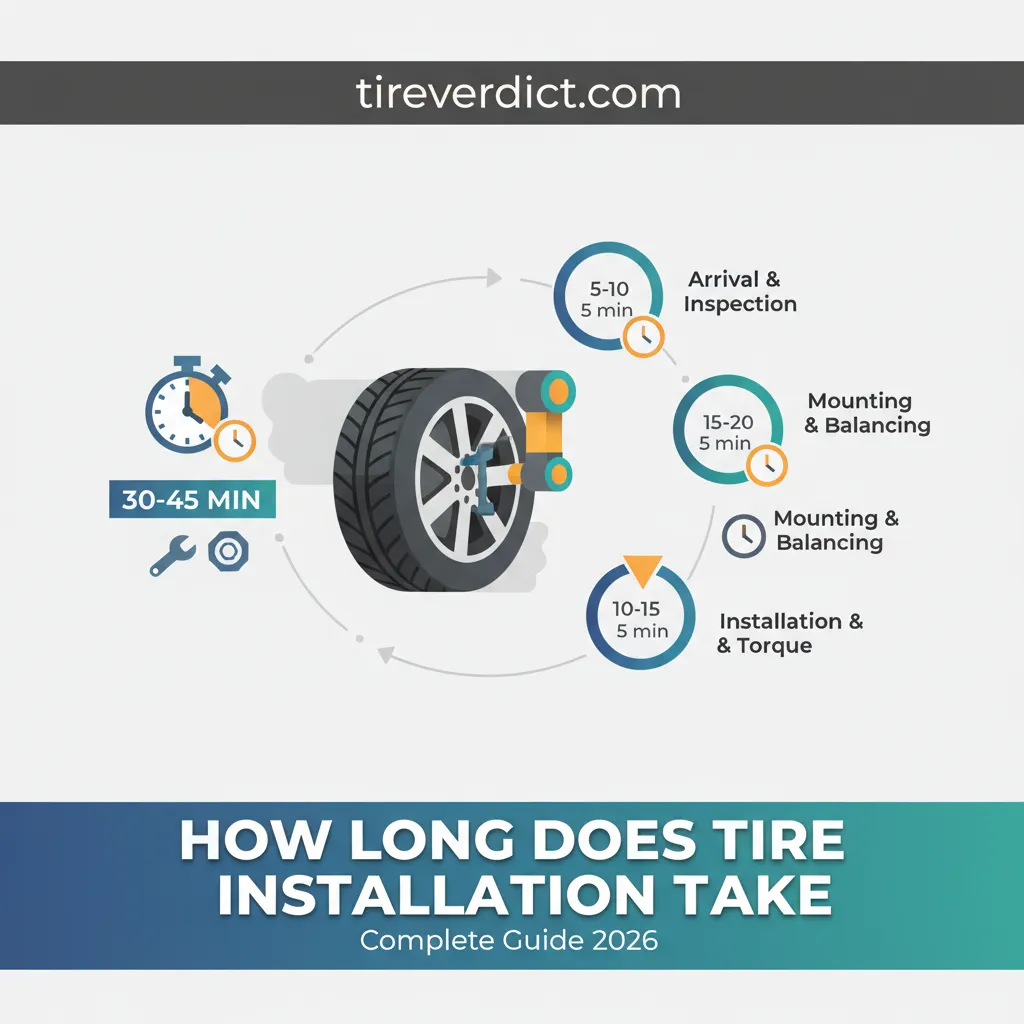
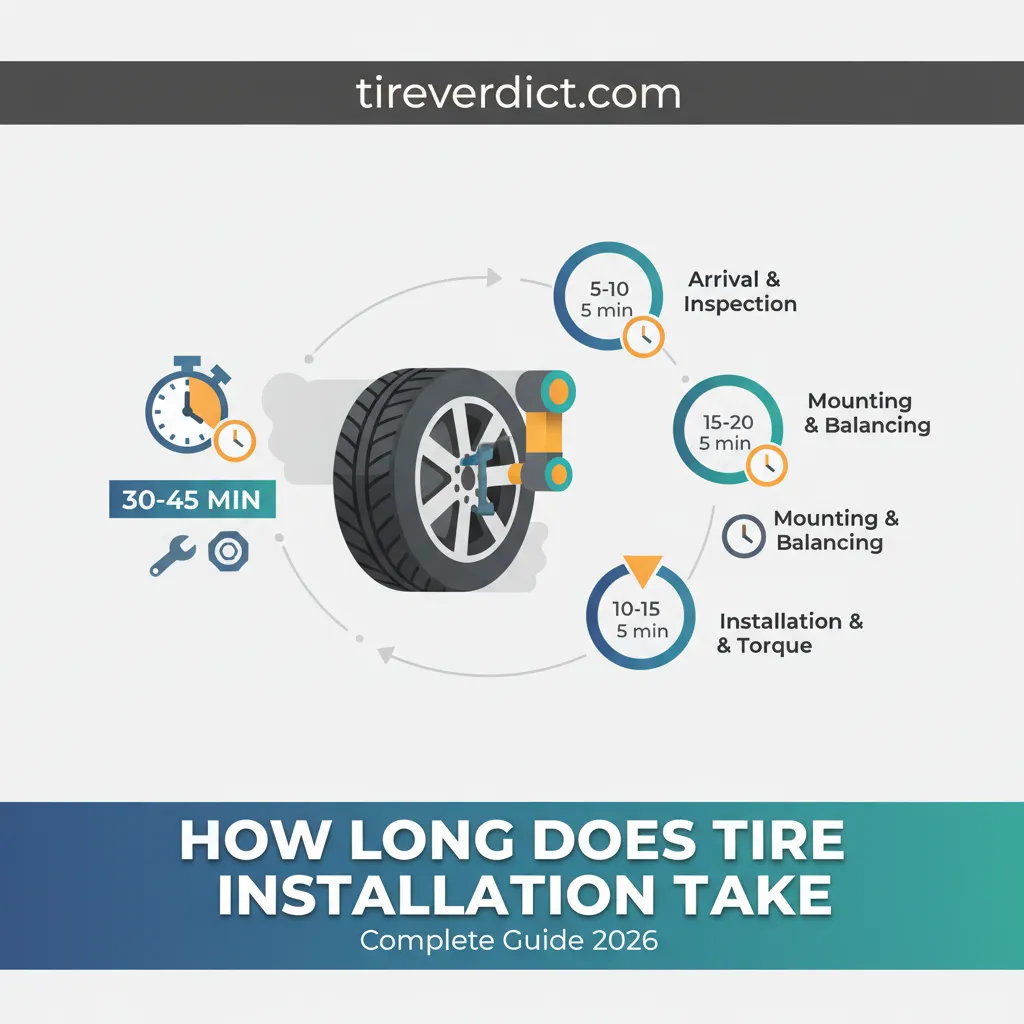
As an industry veteran with over 15 years of experience, I can confidently state that for the majority of passenger vehicles, the complete installation of a new set of four tires typically falls within a 45 to 90-minute window. This estimate covers the core tasks essential for a quality and safe tire change: unmounting the old tires, mounting the new ones onto the existing rims, performing precision wheel balancing, and finally, reinstalling the wheels onto the vehicle.
To break it down further, industry averages for full-service bay occupancy during a standard tire swap indicate that a skilled technician typically requires 15 to 20 minutes per wheel, including the necessary setup and breakdown time. This calculation usually encompasses jacking the vehicle, removing lug nuts, changing the tire on the machine, balancing, and re-torqueing.
Initial considerations can slightly alter these standard timelines. For instance, installing four tires on a compact sedan, such as a Honda Civic or Toyota Corolla, might often be completed closer to the 60-minute mark. Conversely, a larger SUV like a Ford Explorer or a light truck such as a Ram 1500, with heavier wheels and potentially different lift requirements, could push the total time towards 75-90 minutes. Quick-lube services or dedicated tire centers often optimize their processes for speed, yet they must never compromise on the professional standards required for safety and performance.
Key Factors Influencing Tire Installation Duration: What Causes Variation
While a baseline duration exists, numerous variables can significantly impact how long a tire installation ultimately takes. Understanding these factors is key to setting realistic expectations and appreciating the complexity involved in providing reliable service.
Vehicle Type and Wheel Complexity
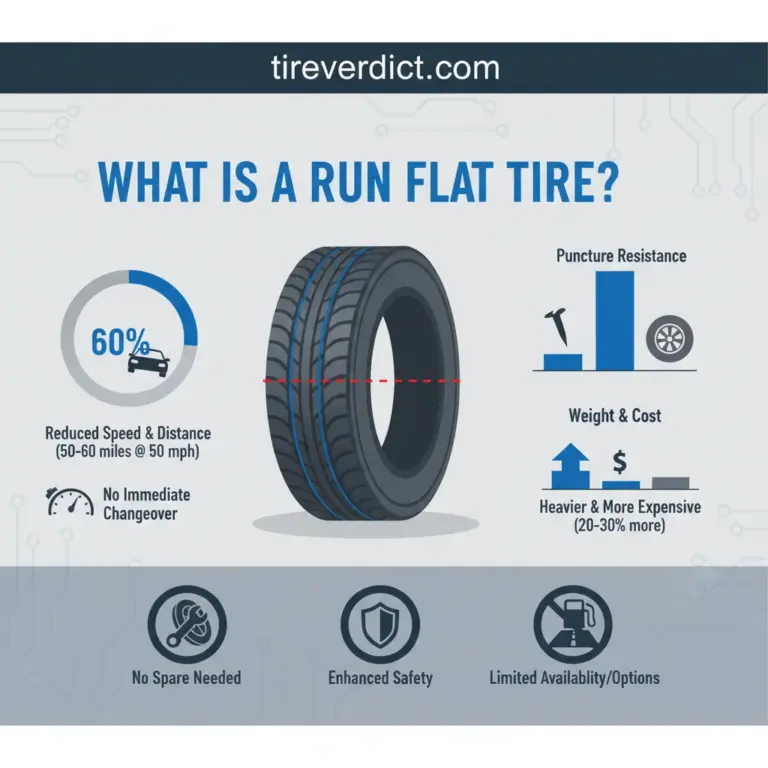
The make and model of your vehicle play a substantial role. Standard passenger vehicles (e.g., sedans) generally have straightforward wheel designs. However, luxury vehicles often feature intricate multi-piece wheels, specific jacking points, or larger diameters that demand specialized handling. Light trucks and heavy-duty SUVs, with their larger, heavier tires and robust suspension systems, inherently require more effort and specialized lifting equipment. Furthermore, tires like run-flats or those with very low profiles are stiffer and more challenging to mount, often requiring specific tire-changing machines and more delicate technique, extending the time per wheel.
Condition of Existing Components
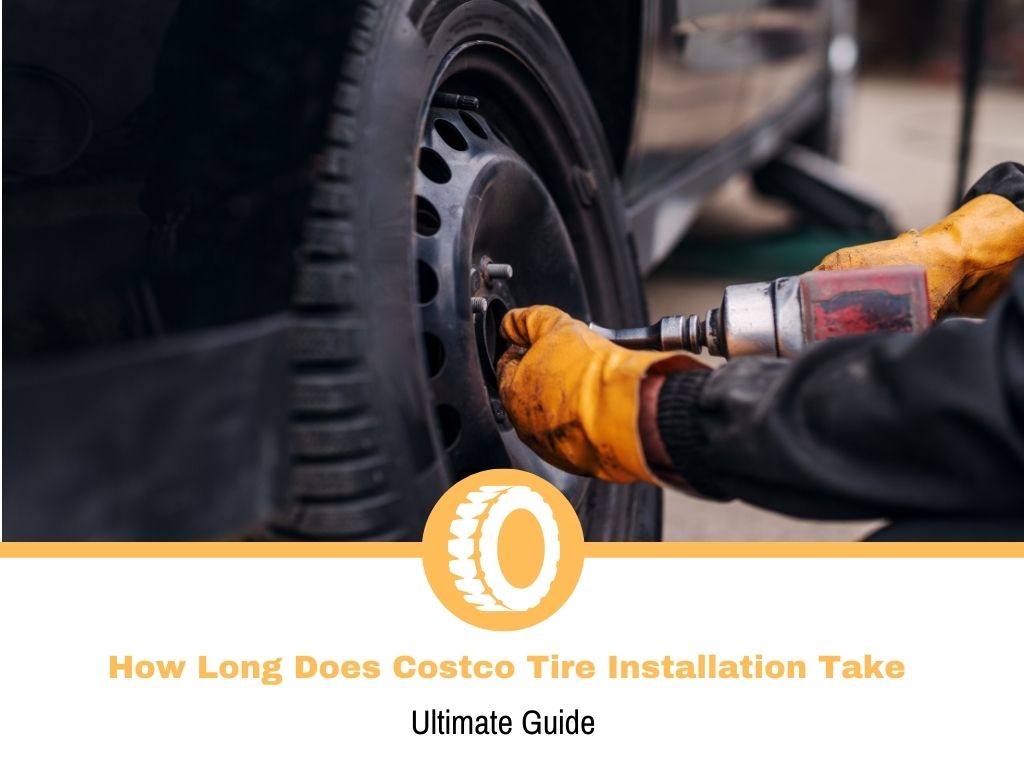
The state of your vehicle’s existing hardware can be a significant time sink. Rust is a common culprit; seized lug nuts or a wheel that’s corroded onto the hub can transform a two-minute removal into a frustrating 15-minute struggle, often requiring penetrating oil, heat, or even impact tools. Similarly, damaged wheel studs or the presence of non-standard, aftermarket components that don’t fit perfectly can introduce unexpected delays. A trusted technician will address these issues meticulously to prevent future problems.
Shop Equipment and Technician Proficiency
The right tools in the right hands make all the difference. Modern, well-maintained equipment—such as automatic tire changers that minimize physical effort, or advanced laser balancers that offer unparalleled precision—streamline the process considerably. More importantly, the proficiency of the technician is paramount. An expert, seasoned technician can navigate common challenges efficiently, while an inexperienced staff member or an outdated garage might face delays, affecting the overall quality of the installation. Research indicates that high-volume shops, due to optimized processes and expert staff, often complete installations 10-20% faster than smaller operations.
Additional Services Requested
Beyond the basic install, additional services will naturally extend the appointment. The most common is Tire Pressure Monitoring System (TPMS) recalibration or sensor replacement. TPMS sensor replacement/recalibration alone can add 15-30 minutes per wheel set, as it often involves specific programming or driving cycles. Other services, such as a full wheel alignment (highly recommended with new tires), tire rotation, or even brake inspection, will also add to the overall duration. Always discuss these needs upfront during your consultation.
By The Numbers: Tire Installation
Standard 4-Tire Install
Per Wheel (Avg.)
Additional for TPMS Service (per set)
Faster at High-Volume Shops
The Professional Tire Installation Process: A Step-by-Step Breakdown
A professional tire installation is more than just swapping rubber; it’s a meticulous process designed to ensure your vehicle’s safety, performance, and the longevity of your new tires. Here’s a detailed look at the steps a trusted service center will follow:
📋
Step-by-Step Guide
The process begins with safely lifting your vehicle on a hoist. Lug nuts are loosened, and the wheels are removed. An expert technician will perform a preliminary visual inspection of the wheels, brakes, and suspension components. This is a critical step where signs of damage, like bent rims or worn brake pads, can be identified and brought to your attention, ensuring a holistic vehicle health check.
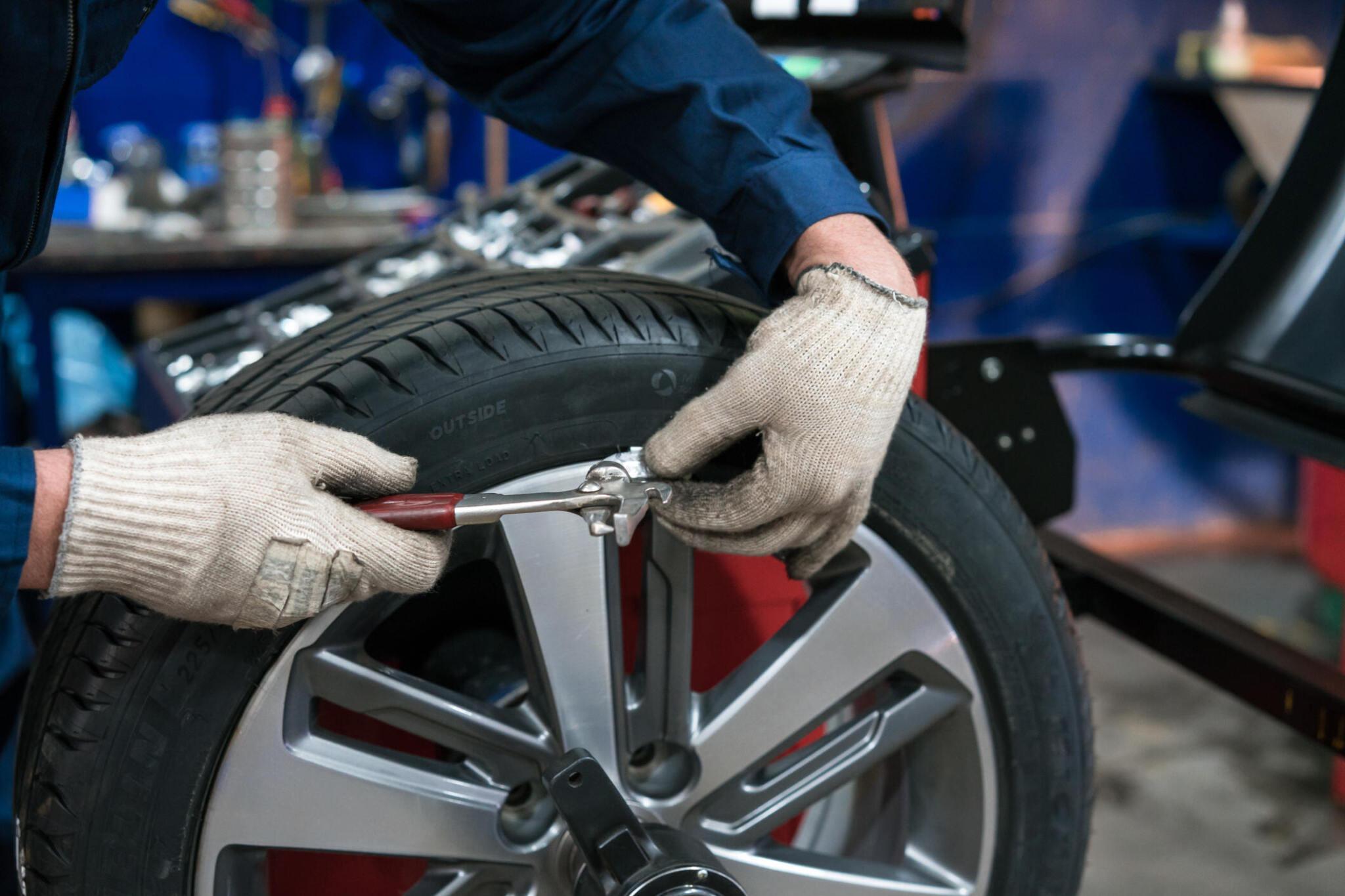
Using a specialized tire changing machine, the old tire is carefully unmounted from the rim, taking care not to damage the wheel. The valve stem is replaced, and then the new tire is precisely mounted onto the rim. This requires skill to avoid damage to the tire bead or wheel, ensuring a proper, airtight seal. The tire is then inflated to the manufacturer’s specified pressure, seating the beads securely.
This is a critical step for vehicle performance and safety. Each wheel and tire assembly is placed on a highly accurate wheel balancer. The machine detects any imbalances, and small weights are affixed to the rim to achieve even weight distribution. Modern balancing machines can achieve precision up to 0.25 ounces. Dynamic balancing, which accounts for both static and rotational imbalance, is preferred by expert professional technicians to eliminate vibrations and prevent premature tire wear.
If your vehicle has a TPMS, the sensors are inspected and, if necessary, serviced or recalibrated to ensure they communicate accurately with your vehicle’s system. The wheels are then reinstalled onto the vehicle. Crucially, the lug nuts are tightened using a torque wrench set to the manufacturer’s specific specifications. Incorrect torque, often varying by make and model, can lead to wheel damage or, in severe cases, wheel separation. Proper torque specifications are critical and often within +/- 5 ft-lbs of the OEM specification.
After reinstallation, a final visual inspection confirms everything is secure. Some trusted shops may even perform a short road test to ensure the tires are performing as expected and there are no immediate issues like vibrations. The customer is then briefed on the work completed, advised on initial break-in procedures for new tires, and reminded about future maintenance, such as lug nut re-torquing after 50-100 miles, regular pressure checks, and tire rotations.
Addressing Potential Complications and Ensuring a Quality Installation
Even in the hands of the most expert professional, tire installation can occasionally present unforeseen challenges. A reliable service center is equipped not just to perform the standard tasks but also to efficiently diagnose and resolve these complications, ensuring a quality outcome every time.
Dealing with Corroded or Seized Components
As mentioned, rust and corrosion are common enemies. A seized lug nut or a wheel stuck to the hub can be incredibly stubborn. Expert technicians employ various strategies: applying penetrating oil, carefully using heat, or utilizing specialized tools like hub savers to free components without causing damage. Patience and precision are paramount here. For example, trying to force a seized wheel without proper technique can damage wheel studs, leading to far more extensive and costly repairs. This careful approach is a hallmark of quality service.
TPMS System Challenges
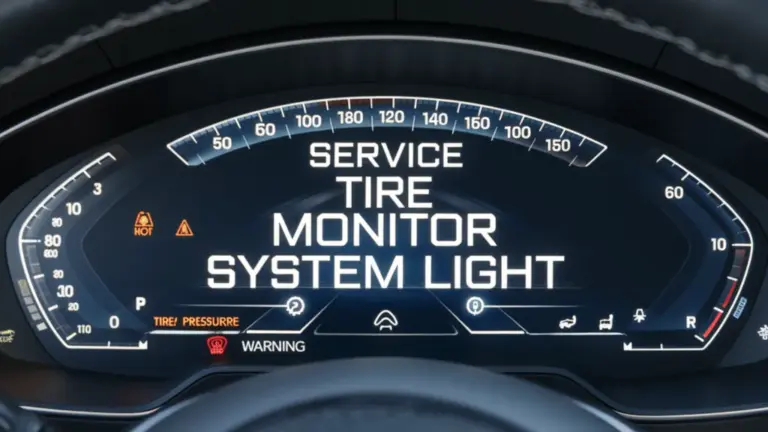
Tire Pressure Monitoring Systems are designed for safety but can introduce complexities during installation. Issues can range from a dead TPMS sensor battery to a sensor that simply won’t recalibrate with the vehicle’s system. A professional shop will have specific diagnostic equipment to test sensors, replace faulty units, and perform the necessary programming or ‘relearn’ procedures. Ensuring compatibility between new tires/wheels and existing TPMS is vital for avoiding persistent dashboard warning lights. Research highlights that approximately 5-10% of tire installations encounter minor complications, with TPMS glitches being a frequent contender.
Never ignore a dashboard warning light for your TPMS after new tire installation. While it might resolve after a short drive, a persistent light indicates a problem that needs immediate attention from a professional to ensure proper tire pressure monitoring and overall safety.
Wheel Damage and Repair Considerations
During the initial inspection or unmounting phase, a technician might discover existing damage to your wheels, such as bends, cracks, or excessive corrosion. A professional service will immediately inform you of these findings. While some minor bends might be correctable by specialized wheel repair services, severe damage often necessitates wheel replacement for safety reasons. This transparent communication is crucial for informed decision-making.
Post-Installation Issues and Follow-Up
Occasionally, a vehicle might exhibit minor vibrations or pulling after new tires are installed. A trusted service center understands that these can occur and offers prompt follow-up. They will perform a re-balance check, re-inspect tire seating, and potentially a re-check of lug nut torque. Expert technicians are equipped to resolve 95% of these issues on-site without significant delays or additional parts, turning a potential concern into a quick adjustment. This commitment to post-service support is a hallmark of reliable professional service.
Choosing Professional Service and Maximizing Your Tire Investment
Your tires are your vehicle’s only contact with the road, making their quality installation and ongoing maintenance paramount for safety and performance. Choosing the right service provider and adhering to best practices will maximize your tire investment.
Selecting a Reputable Tire Service Center
When selecting a provider, prioritize quality service over the absolute lowest price. Look for:
- Certified Technicians: Ensure staff are ASE-certified or equivalent.
- State-of-the-Art Equipment: Modern tire changers and balancers are crucial for precise work.
- Transparent Pricing: A trusted shop provides clear, itemized quotes.
- Positive Customer Reviews: Online reviews are a good indicator of reliable service.
- Warranty and Guarantees: Inquire about warranties on both tires and installation.
A professional service center invests in its equipment and staff, ensuring an expert level of care for your vehicle.
Pre-Installation Consultation and Scheduling
To manage expectations and ensure a smooth process, have a detailed discussion with your service provider beforehand. Confirm that your specific tire size and type are available. Discuss any additional services you might need, such as TPMS servicing or an alignment. This proactive information exchange helps the shop allocate appropriate time and resources, contributing to an efficient and reliable installation.
Always ask if the installation cost includes crucial services like new valve stems, balancing, and disposal of old tires. Some shops itemize these, while others offer an all-inclusive package. Clarity upfront prevents surprises.
Post-Installation Care and Maintenance
The installation isn’t the end of the journey for your new tires. Proper post-installation care is vital:
- Re-torque Lug Nuts: Return to the shop after 50-100 miles for a complimentary re-torque. This ensures lug nuts remain properly tightened after initial settling.
- Regular Pressure Checks: Maintain correct tire pressure as per your vehicle’s placard. This is crucial for safety, fuel efficiency, and tire longevity.
- Scheduled Rotations and Alignments: Follow manufacturer recommendations (typically every 5,000-8,000 miles) for tire rotations and check alignment annually.
Statistics show that properly maintained tires (correct pressure, regular rotation, alignment) can last 20-30% longer than neglected tires. A study found that professional installation, combined with diligent post-installation care, significantly reduces the likelihood of immediate post-installation issues (e.g., vibrations) compared to DIY attempts or substandard services.
Understanding Your Warranty and Service Guarantees
A reputable tire dealer will provide warranties for the tires themselves (manufacturer’s warranty) and often a guarantee for their installation service. Understand what’s covered for road hazards, tread wear, and installation defects. This provides peace of mind and ensures accountability, reinforcing the value of choosing a trusted provider for your tire needs.
Standard tire installation for four tires averages 45-90 minutes, subject to various factors. Key determinants include vehicle type, shop equipment, technician expertise, and additional services. A professional, multi-step process ensures precision balancing and proper installation for safety and longevity. Choosing a reputable service center and adhering to post-installation care are paramount for maximizing tire performance and investment. For reliable, quality tire installation, consult a trusted professional service center. Plan your visit by considering the factors discussed, and proactively schedule necessary post-installation checks to ensure lasting performance and safety.
Frequently Asked Questions
Does tire installation time vary for different types of tires?
Yes, specialized tires like run-flats, low-profile tires, or those on larger truck/SUV wheels often take longer to install. Their stiffer sidewalls or increased mass require more effort and specialized equipment, typically adding 10-20 minutes per tire compared to standard passenger vehicle tires. Always inform your service provider about your specific tire type.
Is TPMS recalibration included in the standard installation time?
TPMS recalibration is often a separate, additional service and may not be fully factored into the initial ‘installation time’ estimate. While basic sensor inspection is part of the process, recalibration can add 15-30 minutes for a full set. Confirm with your service provider whether this crucial safety step is included in their quoted installation duration.
How long does it take to balance a single tire?
Balancing a single tire typically takes about 5-10 minutes once the tire is on the balancing machine. This includes mounting the wheel, running the diagnostic spin, identifying imbalances, and applying the necessary weights. For a set of four tires, the total balancing time would be approximately 20-40 minutes within the overall installation process.
Can I wait at the shop while my tires are being installed?
Yes, most professional tire service centers offer waiting areas for customers. Given that a standard installation for four tires usually takes 45-90 minutes, it’s a manageable duration to wait. However, for more complex vehicles or additional services, consider confirming the estimated waiting time with the shop beforehand.
What happens if tire installation takes longer than expected?
If tire installation takes longer than the initial estimate, it’s often due to unforeseen complications like corroded wheel components, damaged lug nuts, or issues with TPMS sensors. A professional technician will communicate any delays and explain the cause, ensuring the work is completed correctly rather than rushed, upholding quality and safety standards.