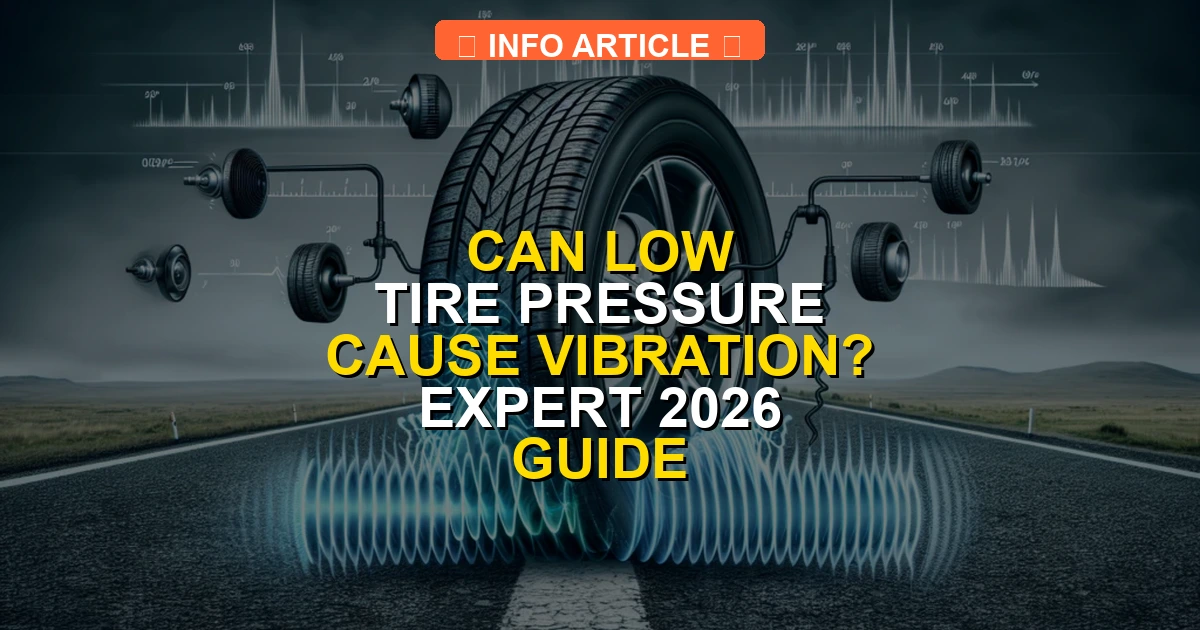
Yes, low tire pressure can directly cause steering wheel and vehicle vibration due to increased sidewall flexing and distorted contact patches. When tires lack proper air, they deform under the vehicle’s weight, creating a noticeable shaking sensation particularly at higher speeds.
Yes, low tire pressure can directly cause your car and steering wheel to vibrate. When your tires lack the proper amount of air, their structural integrity shifts, leading to uneven contact with the road and noticeable shaking while you drive.
As vehicle technology advances into 2026, modern cars feature highly sensitive suspension systems that quickly transmit these tire anomalies right into the cabin. Ignoring a slight shimmy today can turn into a dangerous blowout tomorrow, making it essential to understand the direct link between underinflated tires and vehicle vibration.
Key Takeaways
- Underinflated tires distort shape and cause noticeable high-speed vehicle vibrations.
- Check tire pressure using a reliable gauge when tires are cold.
- Reinflating tires to manufacturer-recommended PSI often resolves pressure-induced shaking.
- Unbalanced wheels or alignment issues can mimic low-pressure vibration symptoms.
- Driving on severely low tires risks blowouts and permanent sidewall damage.
Does Low Tire Pressure Cause Vibration? The Mechanics Explained
The Physics of Sidewall Flex and Tread Squirm
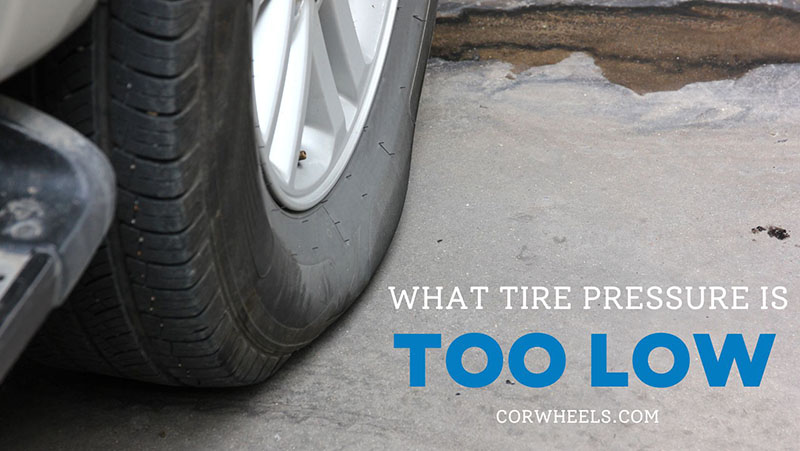
When a tire loses air pressure, the weight of your vehicle causes the rubber sidewalls to flex more than they were engineered to do. This excessive flexing creates a rolling wave effect, generating internal heat and changing the shape of the contact patch. Instead of a flat, stable footprint, an underinflated tire sags, causing tread blocks to squirm unevenly against the pavement. This constant distortion is what your hands feel as a rhythmic vibration through the steering column.

Speed Thresholds and Structural Flat Spotting
You will usually notice low-pressure vibrations start at specific speed ranges, typically between 45 to 65 miles per hour. At these speeds, the centripetal force acts on the compromised tire structure to amplify the imbalance. Furthermore, if your vehicle has been parked overnight in cold weather, a severely underinflated tire can temporarily take on a flat spot where the rubber bears the vehicle’s weight against the cold ground, causing a heavy thumping and shaking sensation during the first few miles of your morning commute.
Step-by-Step Fix to Diagnose and Correct Low Tire Pressure Shaking
How to Test If Low Pressure Is the Real Culprit
To confirm whether low pressure is causing your specific vibration, you need to perform a quick diagnostic routine:
- Park your car on a flat surface and let the tires cool down for at least three hours.
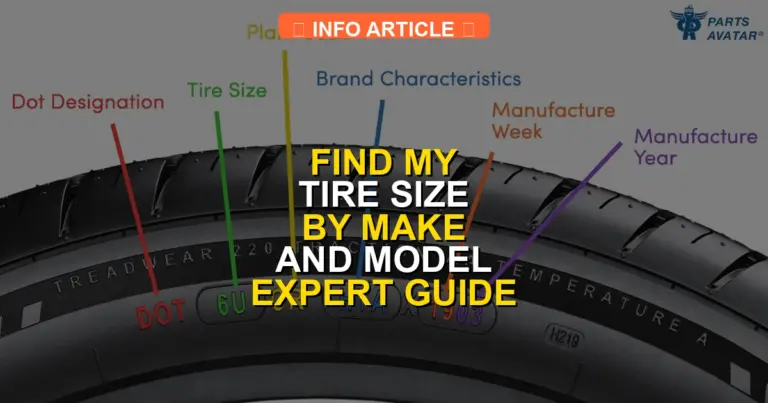
- Use a reliable digital tire pressure gauge to check the PSI on all four tires, comparing the readings to the placard sticker located inside your driver’s door jamb (do not rely on the maximum PSI printed on the tire sidewall).
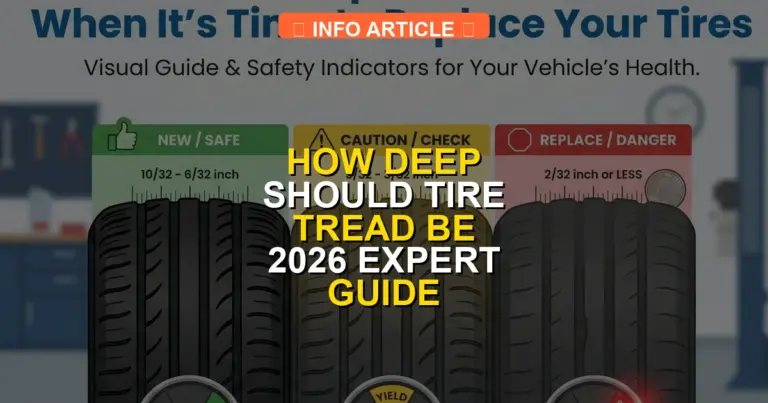
- Inspect the tread for irregular wear patterns, cupping, or bulges that indicate structural damage caused by prolonged low pressure.
- Note if your dashboard 2026 TPMS (Tire Pressure Monitoring System) warning light is illuminated, though keep in mind that a tire can be low enough to vibrate before triggering some older sensor thresholds.
Reinflating and Verifying the Results
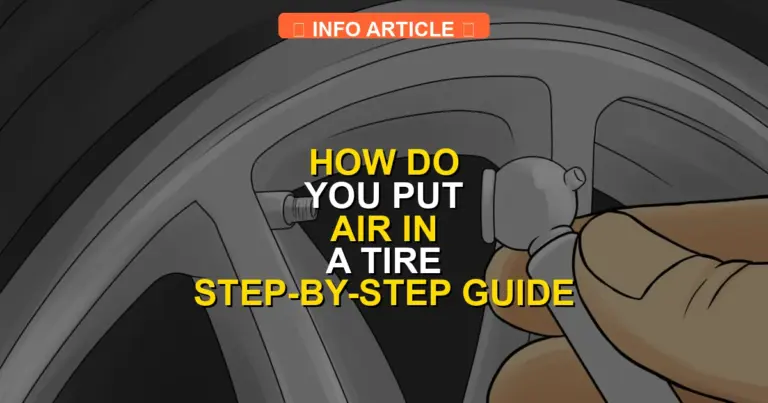
Once you identify an underinflated tire, take immediate action to resolve the shaking. Head to a local service station or use a portable digital air compressor to inflate the affected tire to the exact manufacturer-recommended PSI. Drive the vehicle at highway speeds for five to ten minutes. If the vibration completely disappears, low tire pressure was the sole issue. If a minor steering wheel shimmy or cabin hum persists, the underinflation may have already caused permanent internal belt separation, or your wheels simply need a standard balance and alignment.
How to Distinguish Low Pressure from Wheel Imbalance and Alignment Issues
Not every steering wheel shimmy stems from underinflation. Drivers often confuse low tire pressure symptoms with other mechanical failures. Understanding the unique frequency and rhythm of the vibration helps pinpoint the exact culprit before visiting a 2026 automotive service center.
Recognizing Underinflation Vibrations
Underinflated tires create a soft, rolling bounce. The vibration usually feels constant or intensifies gradually as highway speeds increase. Because low pressure allows the tire carcass to flex excessively, it generates a low-frequency hum. This sensation often disappears or changes tone when driving on smooth versus rough asphalt.
Differentiating from Balance and Alignment Problems
Wheel imbalance creates a distinct vertical hop or steering wheel oscillation that typically peaks within a narrow speed range, such as 55 to 65 miles per hour. According to data from the Tire Industry Association, thrown wheel weights are the primary cause of high-speed vibration. Conversely, alignment issues pull the vehicle persistently to one side while producing a rhythmic scrubbing sensation, even with properly inflated tires.
What to Do If Vibration Persists After Adjusting Tire PSI
Adjusting tire pressure to the manufacturer placard specification should resolve inflation-induced vibration. If the shaking continues, a deeper mechanical inspection is required. Drivers navigating this issue in 2026 can follow systematic troubleshooting steps to isolate the remaining fault.
- Inspect for Tire Damage: Look for bulging sidewalls, tread separation, or embedded foreign objects caused by running on low pressure. Internal structural failure requires immediate tire replacement.
- Check Wheel Balance: Visit a local tire shop to have all four wheels re-balanced on a dynamic spin balancer. Professional balancing typically costs between $15 and $25 per wheel.
- Examine Suspension Components: Check tie rods, ball joints, and control arm bushings for excessive play. Worn suspension parts amplify minor tire irregularities into violent steering vibrations.
- Perform a Wheel Alignment: Schedule a four-wheel alignment check if the steering wheel remains off-center. Standard alignment services range from $75 to $150 depending on the vehicle type.
What If It Still Doesn’t Work?
If adjusting tire pressure, balancing wheels, and checking alignment fail to eliminate the vibration, a more complex mechanical failure is likely present. Drivers facing persistent shaking should utilize these advanced troubleshooting fallback steps:
- Inspect Brake Rotors: Warped brake rotors cause heavy steering wheel vibration specifically when applying the brakes. Brake service and rotor resurfacing or replacement generally costs $150 to $400 per axle.
- Check Drivetrain and Axles: Worn CV joints or a bent drive shaft create severe acceleration-dependent vibrations. Professional drivetrain diagnostics average $100 to $200.
- Test Wheel Bearings: A failing wheel bearing produces a distinct roaring or grinding noise that worsens around turns. Replacement costs range from $250 to $600 per corner.
- Consult a Certified Technician: Seek professional help at a licensed repair facility if vibrations persist above 70 miles per hour, as unresolved high-speed shakes accelerate wear on steering components.
Conclusion
Can low tire pressure cause vibration? Yes, underinflation alters the tire footprint, causing structural flexing and noticeable steering wheel shimmy. The most reliable fix is restoring your tires to the recommended PSI found on the driver-side door placard. According to verified research and automotive safety sources, maintaining correct tire pressure eliminates rolling resistance, prevents uneven wear, and ensures optimal vehicle control. Take action today by grabbing a digital pressure gauge and checking all four tires before your next drive.
❓ Frequently Asked Questions
Can low tire pressure cause vibration?
Yes, low tire pressure is a very common cause of vehicle and steering wheel vibration. When a tire lacks sufficient air, its sidewalls flex too much, and the tread distorts against the road surface, creating an uneven rotation that translates into physical shaking.
How can I tell if my vibration is from low tire pressure or a bad wheel balance?
Low pressure often causes a softer, less rhythmic vibration that may disappear after driving for a few minutes as tires warm up slightly. Wheel imbalance typically causes a persistent vibration at specific highway speeds that does not change based on tire temperature.
Can driving on low tire pressure ruin my tires?
Yes, driving on underinflated tires causes excessive heat buildup, accelerated tread wear on the outer edges, and potential structural damage to the internal sidewalls. This drastically shortens the lifespan of the tire and increases blowout risk.
Why does my tire pressure warning light come on when it gets cold outside?
Ambient temperature drops cause air molecules to condense, leading to a loss of approximately 1 to 2 PSI for every 10-degree Fahrenheit drop in temperature. This frequently triggers the TPMS dashboard warning light during seasonal changes.
What should I check if reinflating my tires does not stop the shaking?
If correcting your tire pressure does not resolve the vibration, you should inspect your wheels for physical damage, check wheel balancing, look for uneven tread wear indicating alignment issues, or examine brake rotors for warping.
Is it safe to drive on a tire that keeps losing pressure?
Driving on a tire that continually loses pressure is unsafe because it risks sudden failure or a blowout at high speeds. You should inspect the tread for embedded nails, check the valve stem, or visit a professional tire shop for repair.