Navigating the specialized world of automotive tires, particularly when aiming for a specific aesthetic or performance upgrade, often introduces a lexicon that can be initially perplexing for vehicle owners. One common and critical query revolves around deciphering what ’33-inch tires’ truly mean in the context of standard metric sizing, and how to accurately identify equivalent options without compromising vehicle integrity, performance, or safety. This comprehensive guide will demystify the ’33-inch’ tire designation, provide a professional framework for calculating metric equivalents, outline critical considerations for ensuring optimal fitment, and offer expert insights for responsible vehicle upgrades in 2026 and beyond.
Understanding Tire Sizing Terminology and the ’33-inch’ Standard
📤 Share Image
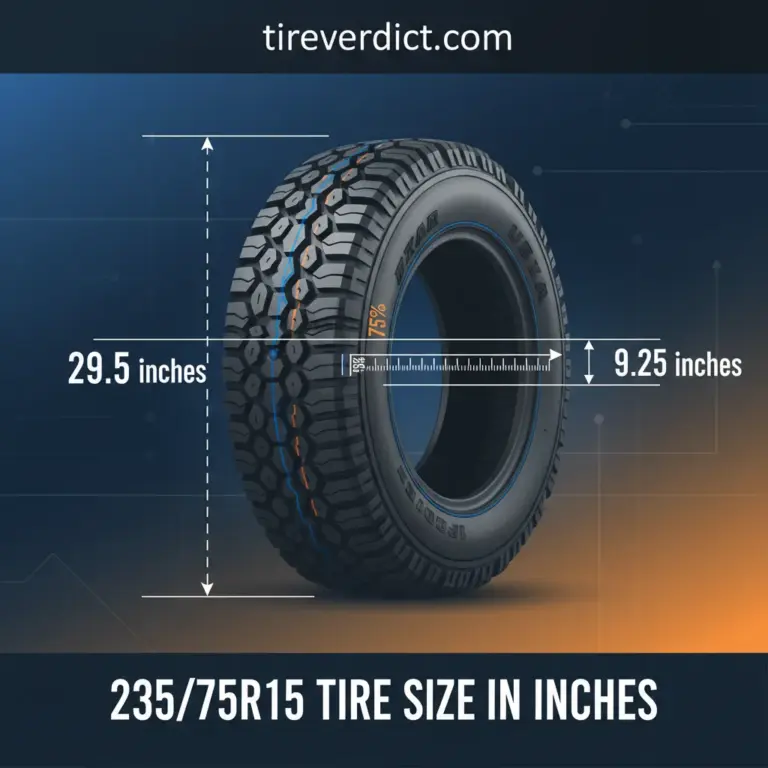
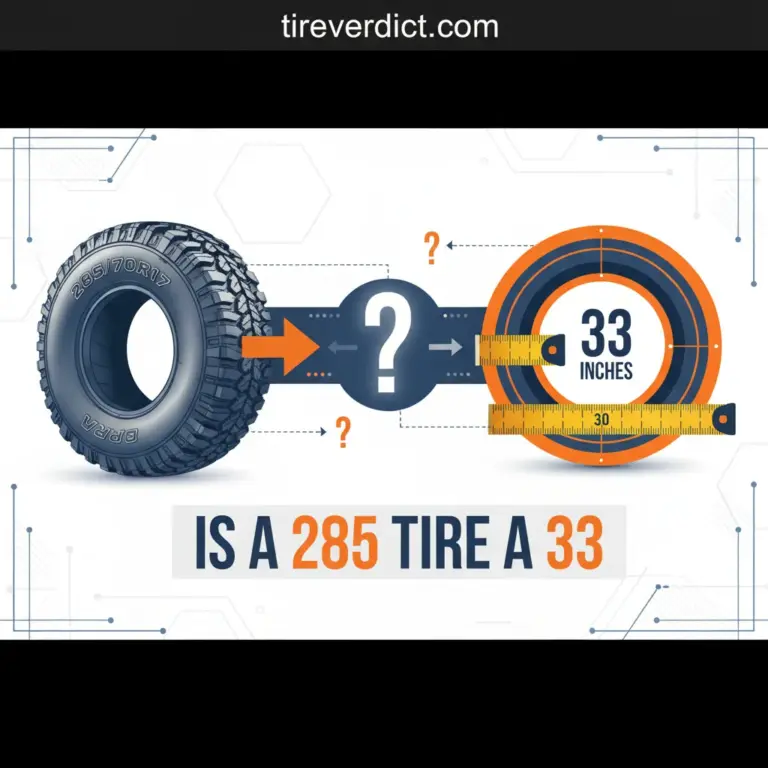
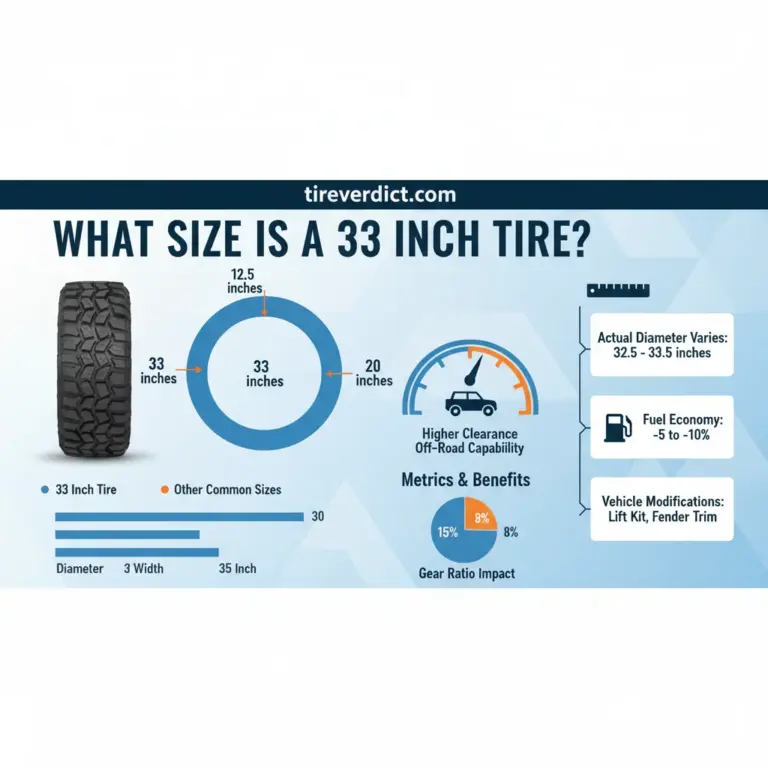
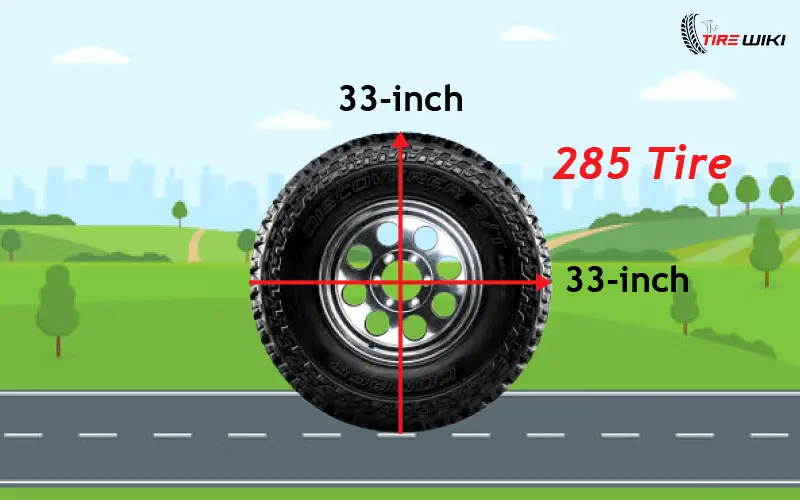
The phrase ’33-inch tire’ has become an industry standard, particularly within the off-road and aftermarket communities, to denote a tire with an approximate overall diameter of 33 inches. It’s crucial to understand that this measurement is a nominal, approximate overall diameter, not a precise, universally exact dimension. This imperial sizing convention, often seen in formats like 33×12.50R15, offers a quick, albeit less precise, reference point for enthusiasts.
Detailed Breakdown of Metric Tire Sizing
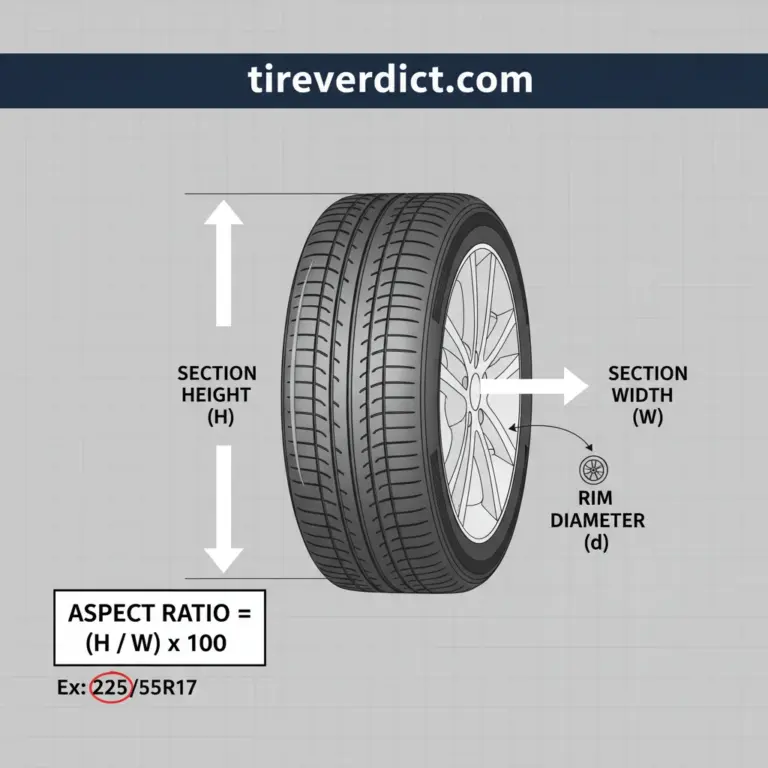
In contrast to the imperial system, the metric tire sizing system provides significantly more detail, which is vital for accurate fitment. A common metric size, for instance, 285/75R16, breaks down as follows:
- 285: This represents the Section Width of the tire in millimeters. It’s the widest point of the tire from sidewall to sidewall, excluding any lettering or tread pattern.
- 75: This is the Aspect Ratio, expressed as a percentage. It indicates that the height of the sidewall is 75% of the tire’s section width (285mm). This is a critical factor influencing ride comfort and off-road flex.
- R: This denotes the tire’s Construction Type, with ‘R’ standing for Radial. Most modern passenger and light truck tires are radial construction due to their superior performance characteristics.
- 16: This is the Wheel Diameter in inches, indicating the size of the wheel the tire is designed to fit.
Imperial vs. Metric: Practical Differences
While the imperial system (e.g., 33×12.50R15) directly states the nominal diameter (33 inches) and width (12.50 inches), it lacks the precise sidewall height information inherent in the aspect ratio of metric sizing. This makes metric sizing invaluable for calculating true overall diameter and understanding critical performance characteristics. For instance, a 33×12.50R15 is straightforward but doesn’t immediately tell you its exact sidewall height, whereas a 285/75R16 clearly defines it. The shift towards metric sizing reflects a global push for more detailed and precise tire specifications, benefiting both manufacturers and consumers seeking quality information.
Variability in ’33-inch’ Tire Diameters
Despite the ’33-inch’ label, real-world measurements often reveal discrepancies. Research indicates that the actual measured diameter of a nominal 33-inch tire can range from 32.5 inches to 33.5 inches, sometimes even further, depending on inflation pressure, vehicle load, manufacturer specifications, and tread design. For example, two tires marketed as “33-inch” from different brands might have vastly different tread patterns—one an aggressive mud-terrain with large lugs, the other a more conservative all-terrain—leading to slight variations in their true mounted diameter. This variability underscores why relying solely on the nominal imperial designation can be misleading for precise fitment, emphasizing the need for professional measurement and conversion.
Calculating Metric Tire Equivalents for a 33-Inch Diameter
To accurately identify a metric tire equivalent to a 33-inch diameter, a precise calculation is necessary. This ensures you move beyond nominal designations to actual dimensions, which is critical for proper fitment and performance. The fundamental principle is converting the metric components into inches and summing them to determine the total diameter.
The Standard Diameter Formula
The formula for calculating the overall tire diameter from metric sizing is robust and widely utilized within the industry:
`Diameter (inches) = (Section Width (mm) Aspect Ratio (%) 2 / 25.4) + Wheel Diameter (inches)`
Here, the conversion factor of 1 inch = 25.4 millimeters is paramount. It’s also essential to remember that the Aspect Ratio is a percentage of the section width, not a direct height in millimeters; hence, it must be divided by 100 for the calculation.

📋
Step-by-Step Guide: Calculating Tire Diameter
Take a metric tire size, for example, 285/75R16. Here: Section Width = 285 mm, Aspect Ratio = 75%, Wheel Diameter = 16 inches.
Multiply the Section Width by the Aspect Ratio (as a decimal): 285 mm 0.75 = 213.75 mm. This is the height of one sidewall.
Divide the sidewall height in millimeters by 25.4: 213.75 mm / 25.4 = 8.415 inches (approximately).
Multiply the sidewall height in inches by 2 (since there are two sidewalls), then add the wheel diameter: (8.415 inches 2) + 16 inches = 16.83 inches + 16 inches = 32.83 inches.
Acceptable Tolerance Ranges for ’33-inch’ Equivalents
When searching for a ’33-inch equivalent,’ perfect 33.00-inch tires are rare. A practical tolerance range of +/- 0.5 inches, or a 1-2% deviation from the target diameter, is generally considered acceptable. This margin accounts for manufacturing variances and real-world differences. For example, a tire measuring 32.7 inches or 33.3 inches would typically be classified and function as a ’33-inch’ equivalent.
Practical Examples of Metric Equivalents:
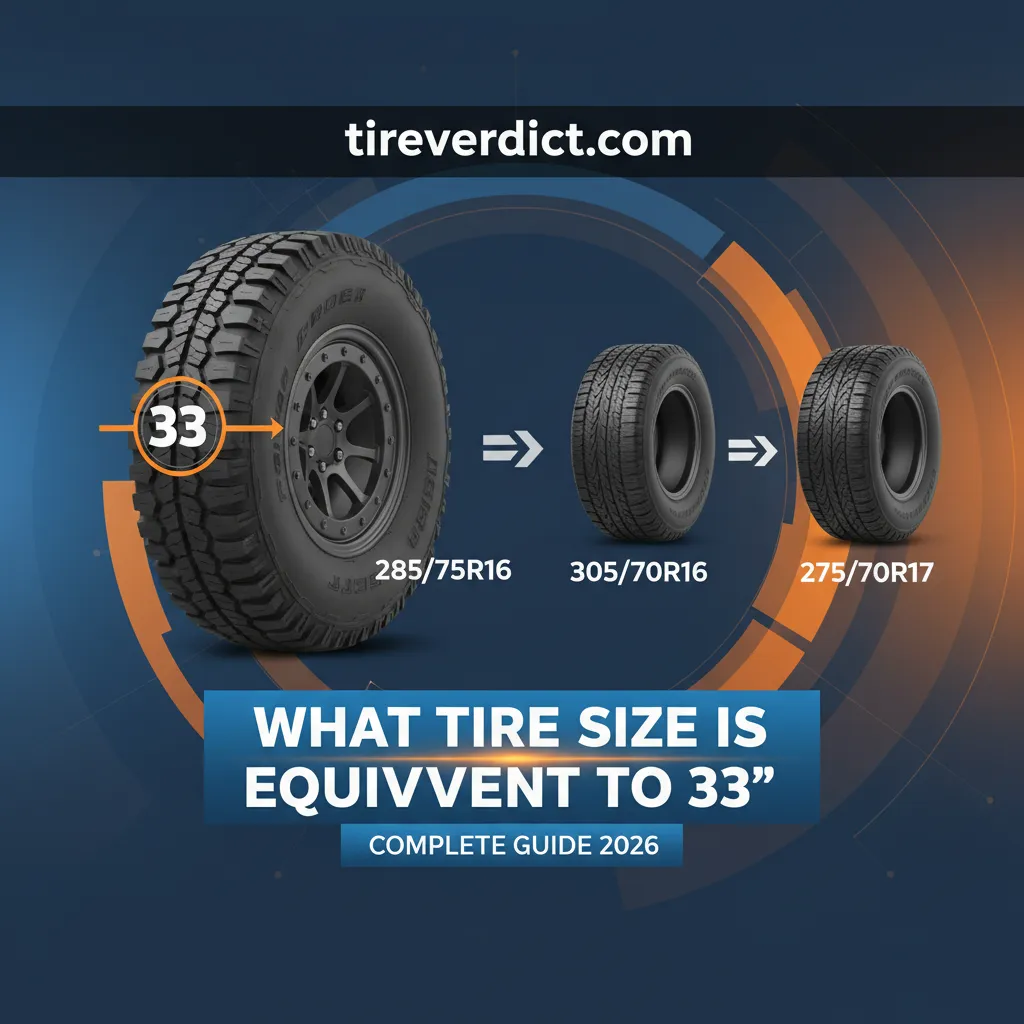
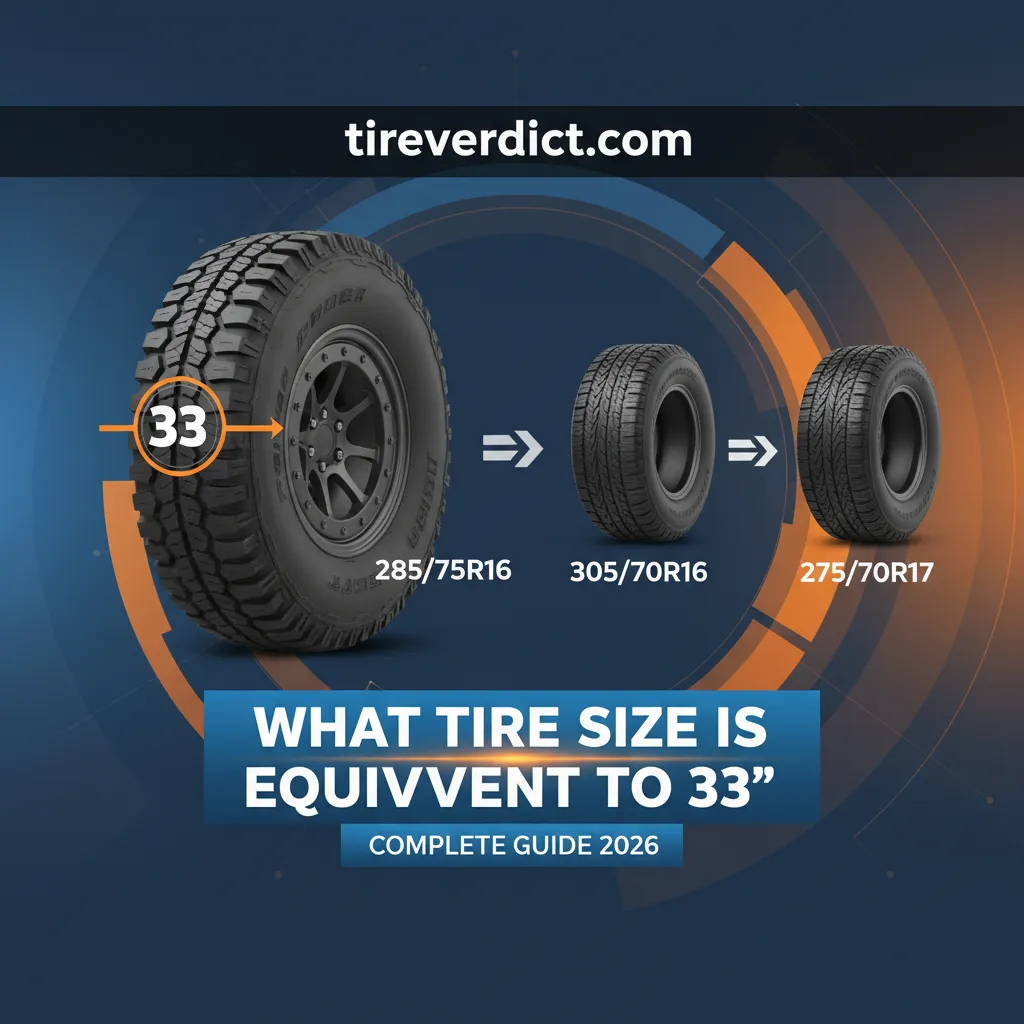
- 285/75R16: Calculating this gives approximately 32.8 inches. A highly popular choice for its balance.
- 285/70R17: This calculates to approximately 32.7 inches. A common modern upgrade.
- 295/70R17: This yields approximately 33.3 inches. A slightly larger and wider option often preferred for a more aggressive stance.
- 275/65R20: This measures approximately 34.1 inches. While often considered close, it technically surpasses the 33-inch mark by a significant margin for precise applications.
While manual calculation provides foundational understanding, reputable online tire calculators and conversion tools are invaluable aids for quick assessment. However, a professional always understands the underlying manual process for a truly expert assessment of fitment and performance implications.

Critical Considerations Beyond Diameter: Aspect Ratio, Width, and Wheel Fitment
While achieving the desired 33-inch diameter is a primary goal, simply matching this dimension is often insufficient for optimal and safe vehicle integration. A holistic approach, incorporating tire width, aspect ratio, and wheel specifications, is paramount for ensuring proper fitment, maintaining performance, and preventing potential issues. As experienced professionals, we emphasize these critical interconnected factors.
Tire Width (Section Width)
The tire’s section width significantly impacts how it interacts with your vehicle. A wider tire (e.g., 12.50 inches or 315mm) will inherently require more clearance than a narrower one (e.g., 10.50 inches or 265mm), even if both share a 33-inch diameter. Critical considerations include:
- Fender Well Clearance: Wider tires can rub against the inner fender liners, especially during turns or suspension compression.
- Suspension Component Proximity: Excessive width can lead to contact with control arms, sway bars, or coil springs.
- Steering Interference: At full lock, wider tires are more prone to rubbing against chassis components.
For instance, a 33×12.50R17 tire is substantially wider than a 285/75R17, despite potentially similar diameters, and will almost certainly demand more aggressive wheel backspacing or offset modifications to prevent rubbing.
Aspect Ratio and Sidewall Characteristics
The aspect ratio directly dictates the sidewall height, influencing several key characteristics:
- Ride Comfort: Taller sidewalls (higher aspect ratio) generally provide a more compliant ride as they offer more cushioning.
- Off-Road Capability: A larger sidewall allows for greater tire flex, which is beneficial for airing down on trails and increasing the tire’s contact patch for better traction. It also offers more rim protection.
- Aesthetics: Lower aspect ratios (shorter sidewalls) are often favored for a more “sporty” or “modern” look, especially with larger diameter wheels.
Wheel Diameter, Backspacing, and Offset
The wheel itself plays a critical role in tire fitment. Backspacing (the measurement from the wheel’s mounting surface to the back edge of the wheel) and Offset (the distance from the wheel’s mounting surface to the wheel’s centerline) are crucial parameters. These dictate how far the tire sits inward or outward relative to the vehicle’s hub. Improper backspacing or offset can lead to:
- Fender Rubbing: Too much negative offset or too little backspacing can cause the tire to protrude too far and rub against fender flares.
- Frame/Suspension Rubbing: Too much positive offset or too much backspacing can cause the tire to sit too far inward, rubbing against the frame, inner fender liner, or suspension components (e.g., control arms, tie rods) during turns or articulation.
- Altered Handling: Changes in scrub radius due to incorrect offset can negatively impact steering feel, stability, and handling characteristics.
A general rule of thumb for maximizing clearance with wider tires often involves decreasing wheel backspacing or increasing negative offset. However, this must be balanced to avoid excessive tire protrusion and fender rubbing.
Load and Speed Ratings
Beyond physical fitment, ensuring the equivalent tire’s Load and Speed Ratings meet or exceed the vehicle’s Original Equipment Manufacturer (OEM) specifications is paramount for safety and compliance. A lower load rating could lead to tire failure under load, while an insufficient speed rating might compromise high-speed stability and safety. Always consult your vehicle’s door jamb sticker for OEM specifications.
Tire Type and Tread Pattern
The specific tire type (e.g., All-Terrain (AT), Mud-Terrain (MT)) and its tread pattern also influence actual dimensions and clearance. Aggressive MT tires often feature large, blocky shoulder lugs that can extend beyond the nominal section width, requiring additional clearance that might not be immediately apparent from the size number alone. This is a critical nuance an expert would always consider.
When considering a 33-inch equivalent, always review the manufacturer’s specific measured dimensions for that exact tire model. Many manufacturers publish “mounted overall diameter” and “section width” data, which can vary by up to half an inch from theoretical calculations due to tread design, construction, and recommended inflation pressures.
Common 33-Inch Tire Equivalents and Their Applications by Wheel Size
Understanding the theoretical calculations is one thing; identifying popular, practical metric equivalents for a 33-inch tire is another. The optimal choice often depends on the intended wheel diameter and the vehicle’s specific application. Here’s a categorized look at common 33-inch equivalents in 2026, alongside their typical uses.
For 15-inch Wheels
While less common on newer vehicles, 15-inch wheels remain a classic choice for dedicated off-roaders due to their ability to accommodate a very large sidewall. The most direct imperial equivalent, 33×12.50R15, is dominant here. With an approximate calculated diameter of 33 inches, these tires offer immense sidewall flex, which is highly beneficial for rock crawling and airing down on challenging terrain. They are often found on older generation Jeep Wranglers (TJ, YJ) and custom-built rigs, providing excellent ride quality over uneven surfaces due to the ample cushioning.
For 16-inch Wheels
The 16-inch wheel size bridges the gap between classic off-road utility and modern vehicle upgrades. The most popular 33-inch equivalent for 16-inch wheels is 285/75R16. This size calculates to approximately 32.8 inches in diameter. It provides a generous sidewall for comfort and off-road performance, making it a favored choice for many older model trucks and SUVs, including early 2000s Toyota Tacomas, 3rd Gen 4Runners, and various Ford F-Series trucks looking for a balanced upgrade without going too large on wheel diameter.
For 17-inch Wheels
17-inch wheels are perhaps the most popular choice for modern truck and SUV upgrades seeking a 33-inch equivalent, offering an excellent balance of sidewall height and a contemporary aesthetic. Common choices include:
- 285/70R17: Calculating to approximately 32.7 inches, this is an extremely popular size for modern platforms like the Jeep JL Wrangler, Toyota Tacoma (3rd Gen), and Ford F-150. It offers a capable sidewall for off-roading while maintaining good on-road manners.
- 295/70R17: This size yields approximately 33.3 inches. It’s slightly wider and taller, often chosen for a more aggressive look and increased ground clearance on vehicles like modified Jeep Wranglers or Toyota Tundras, often paired with a 2-3 inch suspension lift.
For 18-inch Wheels
With 18-inch wheels, the sidewall starts to diminish slightly compared to 16- or 17-inch options, emphasizing a more road-oriented or OEM+ aesthetic. Popular 33-inch equivalents include:
- 275/70R18: This computes to approximately 33.2 inches. It’s a reliable choice for full-size SUVs and trucks like Chevrolet Silverados or GMC Sierras seeking a subtle diameter increase with a functional sidewall.
- 285/65R18: Calculating around 32.6 inches, this offers a slightly wider footprint with a similar diameter. Often found on Ford F-150s or Ram 1500s.
For 20-inch Wheels and Larger
As wheel diameters increase, the aspect ratio must decrease significantly to maintain a 33-inch overall diameter, resulting in a minimal sidewall. These combinations are primarily driven by aesthetic preference and often compromise off-road performance and ride quality. Examples include:
- 285/55R20: This calculates to approximately 32.3 inches. While slightly under 33 inches, it’s a common ‘large wheel’ option.
- 285/60R20: Yielding approximately 33.5 inches, this is a closer 33-inch equivalent, often chosen for modern lifted Ram 2500s or large luxury SUVs where appearance is key. However, the limited sidewall provides less cushioning and is more susceptible to damage off-road.
A 33-inch nominal tire is often chosen for a 2-3 inch suspension lift on many truck/SUV platforms to ensure adequate clearance without excessive modification, though this is a general guideline and varies by vehicle. For instance, a 5th Gen Toyota 4Runner often requires a body mount chop for wider 33-inch tires, even with a lift, highlighting vehicle-specific nuances.
By The Numbers: Common 33-inch Metric Equivalents
285/75R16
285/70R17
295/70R17
275/70R18
Professional Installation and Verification for Optimal Fitment
The journey to correctly identifying and fitting a 33-inch equivalent tire culminates in expert installation and verification. Even with thorough research and calculations, the nuances of vehicle-specific clearances, suspension dynamics, and wheel geometry necessitate the involvement of a trusted professional. This is where practical insights from hands-on experience truly shine, safeguarding your investment and ensuring a reliable outcome.
The Necessity of Professional Test-Fitting
For non-standard or upsized tires, a professional test-fitting is indispensable. This isn’t just about static clearance; it involves physically mounting the tires and wheels, then cycling the suspension through its full range of articulation and turning the steering wheel lock-to-lock. This process meticulously identifies potential rubbing points under dynamic conditions that are impossible to predict with theoretical measurements alone. An expert can assess clearance around:
- Inner fender wells and body mounts
- Control arms, sway bars, and other suspension components
- Brake lines and wiring harnesses
The Role of Trusted Professional Installers
A reputable tire and alignment shop offers invaluable expertise. Their technicians can accurately assess potential rubbing, recommend appropriate wheel offset/backspacing adjustments (e.g., advising on wheel spacers if necessary), and ensure proper balancing for optimized driving dynamics. Post-installation, a professional alignment is crucial, especially after changing tire size or modifying suspension, to prevent uneven wear and maintain handling stability. Research indicates that professional alignment should always follow a tire size change to prevent uneven wear and maintain handling stability.
Potential Issues from Incorrect Tire Sizing
Ignoring the critical aspects of professional fitment can lead to a cascade of problems:
- Rubbing: The most immediate issue, leading to tire damage, fender damage, and noise.
- Speedometer Inaccuracy: An increase in tire diameter will cause your speedometer to read lower than your actual speed. For example, an increase of 1 inch in diameter on a 30-inch OEM tire can result in a ~3.3% speedometer error, which can have legal and safety implications.
- Altered Handling Characteristics: Changes in tire size, width, and offset can negatively impact steering response, stability, and braking performance.
- Increased Stress on Components: Larger, heavier tires can accelerate wear on wheel bearings, steering components, and suspension parts, potentially voiding certain vehicle warranties.
- Premature Tire Wear: Improper alignment or rubbing can cause rapid and uneven tire wear, significantly reducing tire lifespan.
Improper tire and wheel fitment can compromise vehicle safety systems, including ABS and traction control, leading to unpredictable handling. Always confirm that your chosen tire’s load rating meets or exceeds your vehicle’s requirements to prevent dangerous tire failures under load, and be aware that certain modifications may void vehicle warranties.
Consulting Vehicle-Specific Requirements and Regulations
Always refer to your vehicle’s owner’s manual and OEM specifications for maximum recommended tire sizes. Be mindful of local legal regulations regarding tire protrusion beyond fender flares, as non-compliance can lead to fines. An expert installer will be familiar with these specific requirements and can provide a quality, professional, and reliable installation solution.
The ’33-inch’ tire is a nominal diameter requiring precise metric conversion for accurate identification. Beyond diameter, critical factors like tire width, aspect ratio, wheel offset, and load ratings are paramount for safe and effective fitment. Leveraging professional expertise for installation and verification is indispensable for optimizing vehicle performance, handling, and longevity with equivalent tire sizes. Armed with this professional understanding, we recommend consulting a trusted tire specialist to confirm the ideal 33-inch equivalent for your specific vehicle, ensuring a meticulously precise fitment that elevates both aesthetics and driving dynamics.
Frequently Asked Questions
Why is a ’33-inch’ tire often not exactly 33 inches when measured?
The ’33-inch’ designation is a nominal, approximate overall diameter. Actual measurements can vary by manufacturer due to specific tread patterns, carcass construction, and aspect ratio, as well as manufacturing tolerances. When mounted and inflated, the true diameter often falls within a close range, typically between 32.5 to 33.5 inches, depending on the brand and model.
How does tire width influence selecting a 33-inch equivalent?
Tire width is a critical factor influencing vehicle clearance. A 33-inch equivalent tire can come in various widths (e.g., 10.5, 11.5, 12.5 inches). Selecting an equivalent must account for sufficient inner clearance to suspension components and outer clearance to fender wells. Insufficient width can lead to rubbing, especially during turns or suspension compression.
Do I always need a lift kit to install 33-inch equivalent tires?
Not always, but it is highly vehicle-dependent. Many trucks and SUVs can accommodate narrower 33-inch equivalents with minimal or no lift, possibly requiring minor trimming of fender liners. However, wider 33s or vehicles with tighter tolerances often necessitate a leveling kit or a moderate suspension lift to prevent rubbing and ensure full suspension articulation during daily driving and off-road use.
How do I correct my speedometer after changing to 33-inch equivalent tires?
When the overall diameter of your tires changes from the factory specification, your vehicle’s speedometer and odometer will become inaccurate. Correction typically involves reprogramming the vehicle’s onboard computer (PCM/ECU) using specialized tuning devices, or having a qualified automotive technician perform a calibration adjustment. This ensures accurate speed readings and mileage tracking.
What are the disadvantages of choosing a very large wheel diameter (e.g., 20-inch) for a 33-inch equivalent tire?
Choosing a larger wheel diameter for a 33-inch equivalent tire inherently means a lower aspect ratio (shorter tire sidewall). This can result in a harsher ride quality, increased susceptibility to wheel damage on rough terrain or potholes, reduced tire flex for off-road articulation, and often higher replacement costs for tires designed for larger wheels. It’s a trade-off between aesthetics and functional performance.