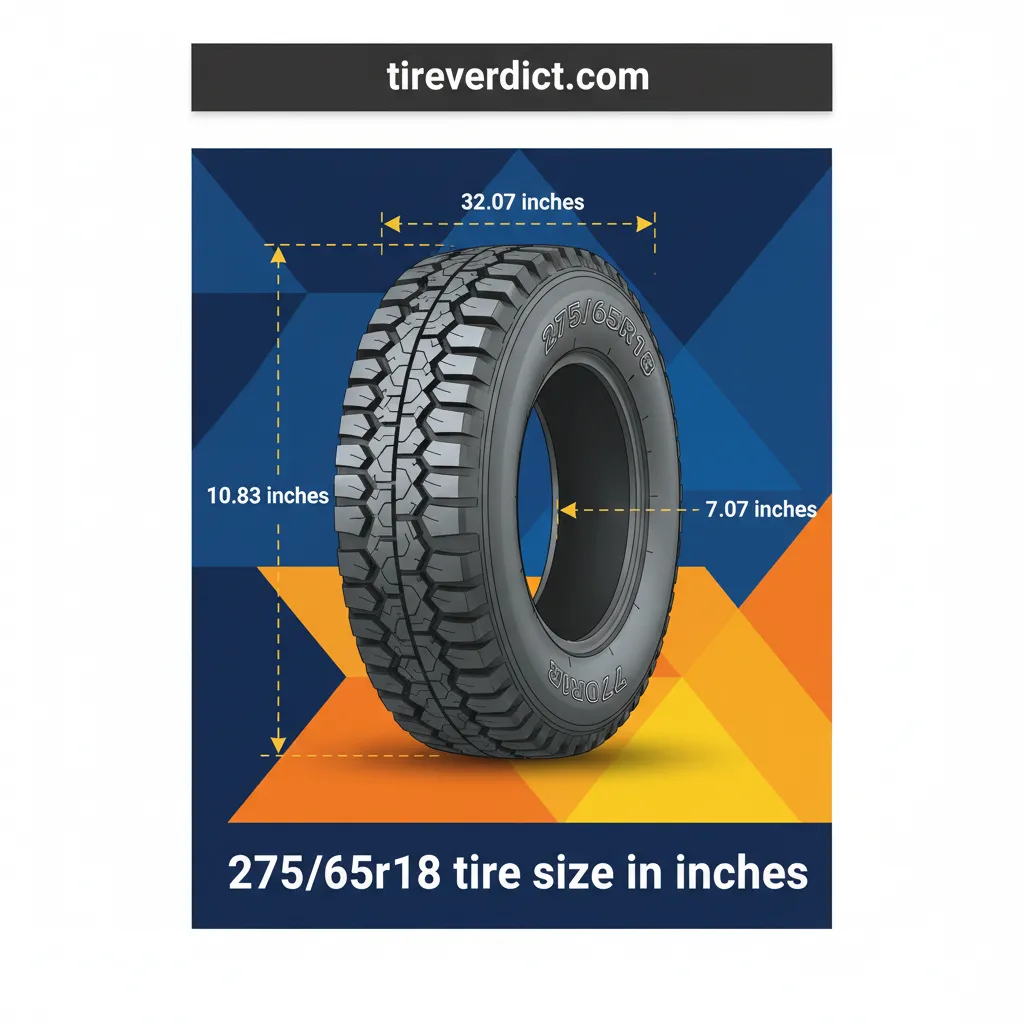
Understanding your vehicle’s tire specifications is paramount for safety, performance, and financial efficiency. The metric tire designation ‘275/65R18’ often presents a challenge for those accustomed to imperial measurements, leading to confusion about a tire’s actual dimensions, fitment, and functional characteristics on their vehicle. This comprehensive guide for 2026 will meticulously break down the 275/65R18 tire size, providing precise calculations in inches, elucidating its practical implications, and offering expert insights to ensure you make informed decisions about this crucial component of your vehicle.
Decoding the 275/65R18 Tire Designation: An Expert Breakdown
📤 Share Image
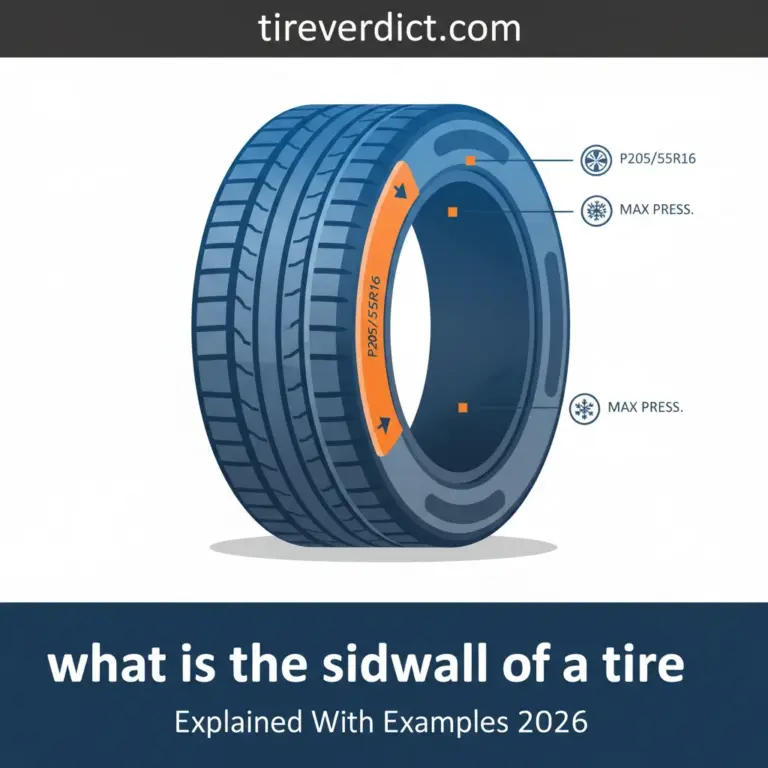
As a seasoned industry expert with over 15 years of hands-on experience, I consistently emphasize that understanding your tire’s alphanumeric code is the first step toward informed decision-making. The designation 275/65R18 isn’t just a random string of numbers and letters; it’s a precise blueprint of the tire’s physical characteristics, essential for proper vehicle fitment and optimal performance. Let’s break down each component, as per ISO 4000-1 standards, to provide a foundational understanding for 2026.
275: Section Width in Millimeters
The number ‘275’ represents the tire’s section width in millimeters. This is the width of the tire from sidewall to sidewall at its widest point, when mounted on its approved rim and inflated to the correct pressure. For a 275/65R18 tire, this means 275 millimeters across. This measurement is critical for ensuring adequate clearance within the wheel well and from suspension components. For instance, comparing it to a hypothetical 255/70R18, the 275mm tire would be 20mm wider, impacting potential rubbing issues or the vehicle’s stance.
65: Aspect Ratio (Sidewall Height Percentage)
The ’65’ denotes the tire’s aspect ratio, expressed as a percentage. It indicates that the height of the tire’s sidewall is 65% of its section width. A higher aspect ratio (like ’70’ in our 255/70R18 comparison) means a taller sidewall, which generally translates to a more comfortable ride due to greater flex and shock absorption, often seen in light trucks and SUVs like a Ford F-150, Chevrolet Silverado, or Toyota Tundra that frequently utilize this size. Conversely, a lower aspect ratio would offer sharper handling but a firmer ride.
R: Radial Construction
The ‘R’ signifies radial construction, which refers to the internal ply arrangement of the tire. In a radial tire, the plies run radially across the tire, from bead to bead, reinforced by belts that run circumferentially. Research indicates that approximately 98% of modern passenger vehicle and light truck tires are radial construction due to their superior durability, fuel efficiency, and performance compared to older bias-ply designs. This standard construction method ensures enhanced stability and longer tread life.
18: Rim Diameter in Inches
Finally, the ’18’ specifies the rim diameter in inches. This is a critical measurement, as it dictates the size of the wheel the tire is designed to fit. A 275/65R18 tire must be mounted on an 18-inch diameter wheel. Using a wheel of a different diameter is not only incorrect but highly dangerous, compromising the tire’s bead seating and overall integrity. This standard dimension ensures precise compatibility and safe operation.
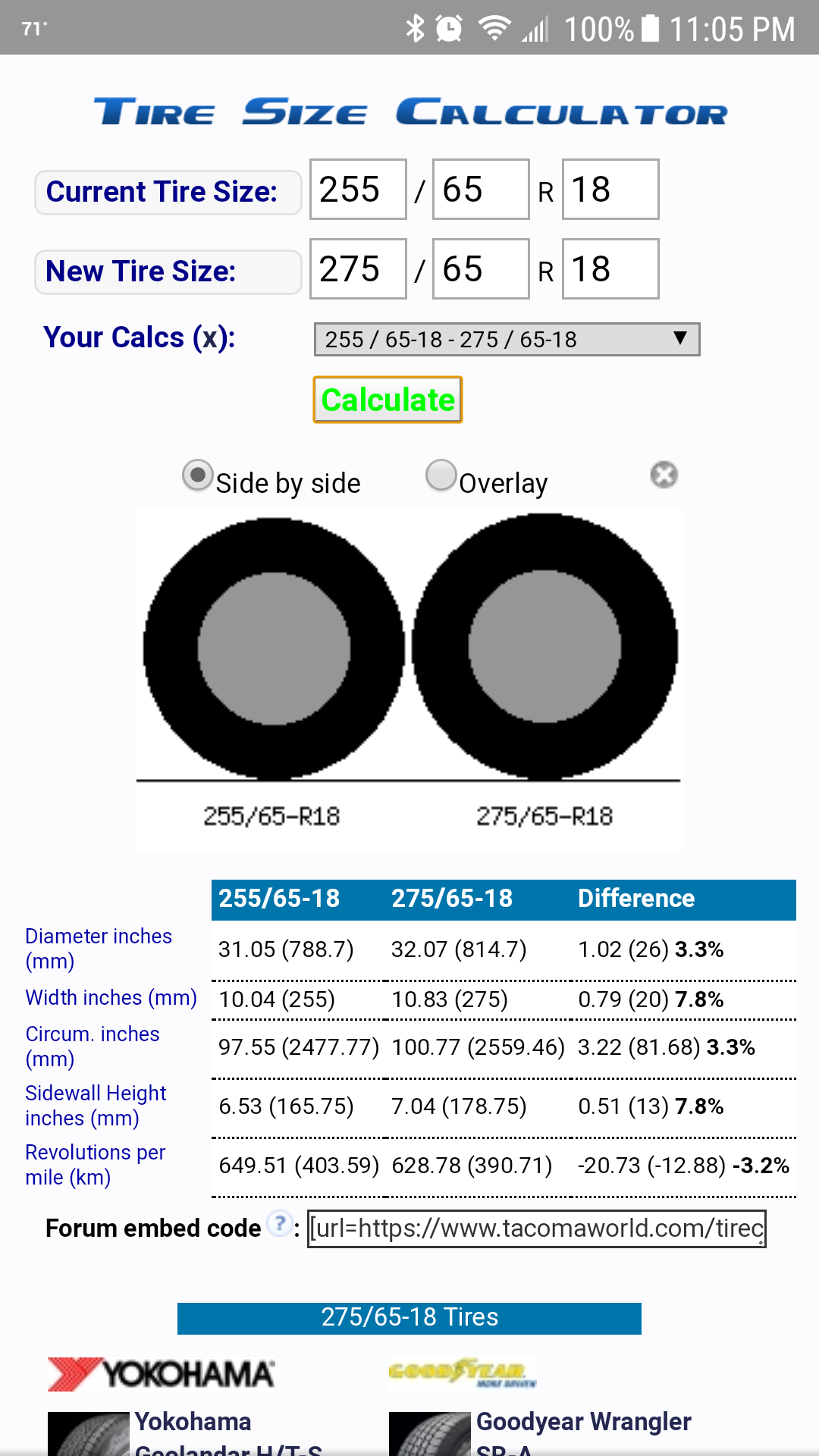
Precise Calculation: Converting 275/65R18 to Inches for Optimal Understanding
While the metric designation provides critical data, understanding these dimensions in imperial inches offers a more intuitive perspective, particularly for those familiar with traditional automotive measurements. As an expert, I’ve found that converting these numbers helps immensely in visualizing tire size, especially when evaluating fitment or comparing against other inch-based measurements. The standard conversion factor we’ll use is 1 inch = 25.4 millimeters. Let’s walk through the exact calculations for a 275/65R18 tire.
📋
Step-by-Step Conversion
To find the section width in inches, divide the metric width by 25.4:
275 mm / 25.4 mm/inch = 10.826 inches ≈ 10.83 inches
First, calculate the sidewall height in millimeters (section width × aspect ratio):
275 mm × 0.65 = 178.75 mm
Then, convert to inches:
178.75 mm / 25.4 mm/inch = 7.037 inches ≈ 7.04 inches
The overall diameter is the sum of the rim diameter and two sidewall heights:
Rim Diameter (already in inches) = 18 inches
Two Sidewall Heights = 2 × 7.04 inches = 14.08 inches
Overall Diameter = 18 inches + 14.08 inches = 32.08 inches
*Slight variations due to rounding; precise manufacturer data might show 32.07 inches.
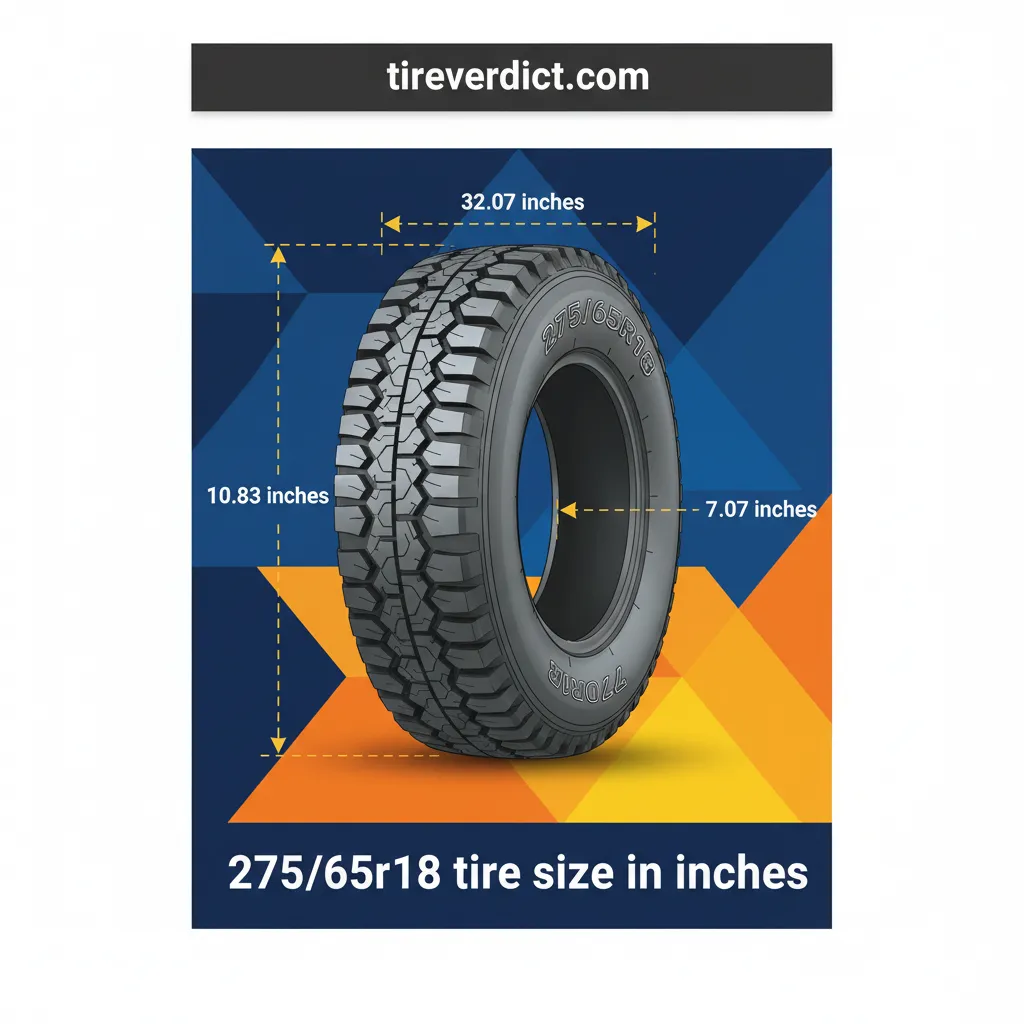
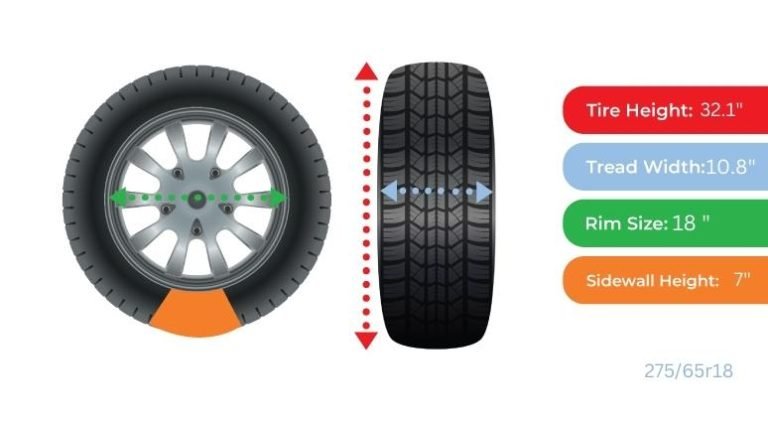
It’s important to note that these calculations provide a highly accurate approximation. Minor discrepancies might occur due to rounding or specific manufacturer data sheets, as tire specifications can have slight tolerances in production. However, for practical purposes, these calculated values — Section Width ≈ 10.83 inches, Sidewall Height ≈ 7.04 inches, and Overall Diameter ≈ 32.07 inches (using the more commonly cited overall diameter for this size) — offer a reliable and trusted understanding of the 275/65R18 tire’s physical dimensions.

Practical Implications of 275/65R18 Dimensions: Fitment, Performance, and Aesthetics
Beyond the raw numbers, the physical dimensions of a 275/65R18 tire have significant real-world implications for your vehicle’s performance, safety, and appearance. My extensive experience in the tire industry has shown that neglecting these practical aspects can lead to costly mistakes and compromised driving experiences. Let’s delve into why these measurements truly matter.
Overall Diameter (Approximately 32.07 inches)
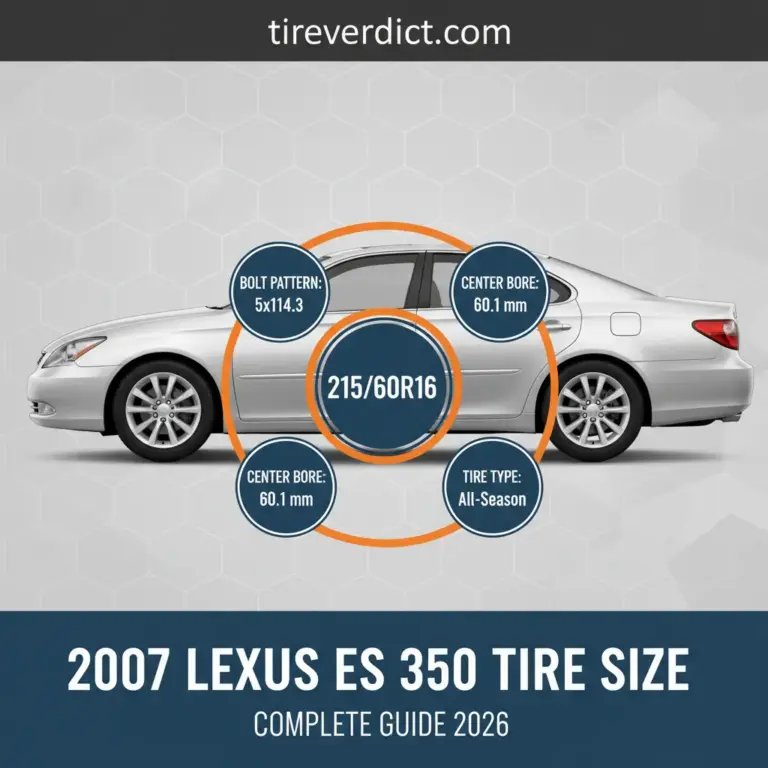
The approximate 32.07-inch overall diameter of a 275/65R18 tire is a substantial dimension. If you’re upgrading from a smaller stock tire—say, a 265/70R17, which has a diameter of roughly 31.6 inches—this increase can directly impact your speedometer and odometer accuracy. A larger tire covers more ground per revolution, meaning your speedometer will read slower than your actual speed unless recalibrated. This can also subtly alter your vehicle’s effective gear ratios, potentially affecting acceleration and fuel economy. More critically, an increase in diameter demands careful checks for fender well and suspension clearance, especially during full turns or suspension compression. For many full-size pickups like a Ford F-150, upgrading to this size from a smaller factory option might necessitate speedometer recalibration to remain compliant and safe, as a change exceeding 3% in diameter can significantly affect anti-lock braking systems (ABS) and electronic stability control (ESC) operations.
Section Width (Approximately 10.83 inches)
The 10.83-inch section width provides a broad tire contact patch, which is the part of the tire that meets the road. This wider footprint generally translates to improved traction on dry pavement and enhanced stability. For off-road enthusiasts, this increased width can improve flotation over soft surfaces like sand or mud. However, a wider tire can also increase the risk of hydroplaning on wet roads, as it has to displace more water. Moreover, it’s crucial to confirm that this width clears all steering and suspension components at all angles of articulation and steering lock, as rubbing can lead to premature tire wear and potential safety hazards.
Sidewall Height (Approximately 7.04 inches)
The 7.04-inch sidewall height contributes significantly to a tire’s characteristics. This relatively tall sidewall offers a comfortable ride by providing greater cushioning and ability to absorb road imperfections. This is a primary reason why this size is popular for light trucks and SUVs, where ride comfort is often prioritized alongside ruggedness. While beneficial for comfort, a taller sidewall can result in a slightly less responsive handling feel compared to a lower profile tire, as there is more flex in the sidewall during cornering. This characteristic offers a good balance for daily driving and light off-road excursions.
When considering any tire size change from a stock configuration, such as moving to a 275/65R18, always emphasize the importance of professional assessment. Research indicates that a 3% change in tire diameter is often cited as the maximum acceptable deviation without adversely affecting ABS/ESC systems. Furthermore, wider tires can marginally increase rolling resistance, potentially reducing fuel economy by 1-3%. Ignoring these factors can lead to unexpected vehicle behavior or the need for costly modifications, such as a suspension lift for specific vehicles to accommodate this size without rubbing.
Variations and Considerations for 275/65R18 Tires: Ensuring Quality and Reliability
Selecting the right 275/65R18 tire involves more than just understanding its dimensions; it demands a nuanced grasp of its specifications and intended use. As a professional in this field, I stress that attention to these details ensures not only peak performance but also the quality and reliability you expect from your vehicle’s foundation.
Load Index and Speed Rating
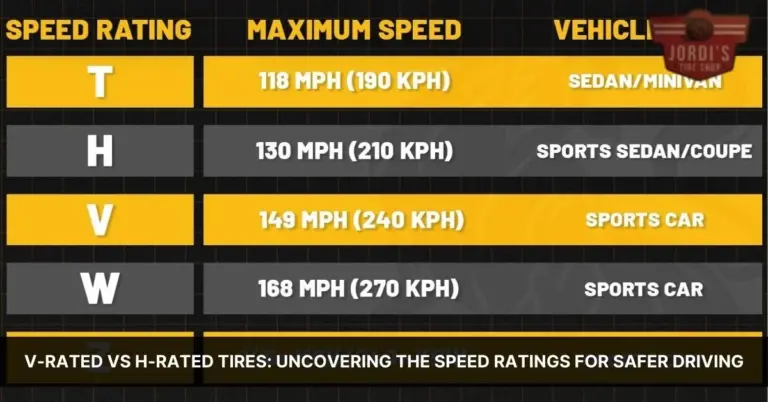
The load index and speed rating are paramount for safety and legal compliance, especially for light trucks and SUVs that frequently use the 275/65R18 size. The load index (e.g., 116, 118, 123) indicates the maximum weight a single tire can support at its maximum inflation pressure. For example, a load index of 118 signifies a capacity of 2,910 lbs (1,320 kg). The speed rating (e.g., S, T, H) denotes the maximum safe speed for the tire under optimal conditions. Using a tire with an insufficient load index can lead to tire failure, while an inadequate speed rating compromises high-speed stability. Always match or exceed your vehicle’s OEM specifications.
Tread Patterns: Tailoring Performance to Your Needs
The 275/65R18 size is available across a spectrum of tread patterns, each engineered for specific performance characteristics:
- All-Terrain (AT): Features aggressive tread blocks for off-road traction while still providing acceptable on-road manners. An all-terrain 275/65R18 from Brand A might boast deeper voids and reinforced sidewalls for demanding trails.
- All-Season (AS): Designed for year-round performance in varied conditions, offering a balance of wet and dry grip with reasonable snow traction.
- Highway-Terrain (HT): Optimized for quiet, comfortable highway driving and fuel efficiency, with less aggressive tread. A highway-terrain 275/65R18 from Brand B would prioritize smoother rolling and reduced road noise, featuring shallower tread depths and tighter shoulder designs compared to its AT counterpart.
- Mud-Terrain (MT): Extremely aggressive, purpose-built for severe off-road conditions, often at the expense of on-road comfort and noise.
Your choice should align directly with your primary driving environment and intended use.
The Critical Role of Tire Pressure
Maintaining correct tire pressure is non-negotiable for the actual dimensions, longevity, and safe handling of your 275/65R18 tires. Underinflation can lead to excessive heat buildup, premature wear on the outer edges of the tread, reduced fuel efficiency, and compromised vehicle stability. Conversely, overinflation can cause wear in the center of the tread, a harsher ride, and reduced grip. Always adhere to the vehicle manufacturer’s recommended pressures, typically found on a placard inside the driver’s door jamb, not the maximum pressure listed on the tire itself.
Tire Age and Maintenance
Even with ample tread, tire age significantly impacts performance and safety. Tire compounds degrade over time due to exposure to UV light, heat, and chemicals, regardless of tread wear. Most manufacturers and safety organizations recommend tire replacement after 6-10 years from the date of manufacture (found in the DOT code), regardless of visible tread. Consistent maintenance practices such as regular tire rotation (to ensure even wear), wheel balancing, and alignment checks are fundamental to preserving tire integrity and achieving a reliable, trusted driving experience.
Never compromise on load index or speed rating. Using tires with lower ratings than specified by your vehicle manufacturer can lead to dangerous situations, including tire blowouts, and may void your vehicle’s warranty. Always prioritize safety over cost savings.
By The Numbers: 275/65R18 Tire Insights
Approx. Overall Diameter
Approx. Section Width
Typical Load Index Range
Years Until Replacement (Recommended)
Selecting and Maintaining Your 275/65R18 Tires: Professional Guidance
As an expert in the automotive field, I consistently advise that optimal tire performance and longevity stem from two pillars: informed selection and meticulous maintenance. For your 275/65R18 tires, adopting a professional and reliable approach ensures maximum safety and value for your investment.
Choosing the Right 275/65R18 Tire
When selecting a 275/65R18 tire, consider these key factors:
- Quality and Brand Reputation: Invest in reputable brands known for their engineering and manufacturing quality. Research independent tests and user reviews for specific models.
- Specific Vehicle Requirements: Always refer to your vehicle’s owner’s manual for recommended load capacity, speed rating, and tire type. Many trucks and SUVs require “LT” (Light Truck) designated tires for heavy hauling or towing.
- Warranty and Support: Understand the manufacturer’s warranty, including tread life guarantees and road hazard protection. A solid warranty reflects the brand’s confidence in its product.
- Intended Use: As discussed, match the tread pattern (all-terrain, highway, etc.) to your driving habits and environment.
Best Practices for Routine Tire Maintenance
Consistent upkeep is crucial for the longevity and safety of your tires:
- Regular Pressure Checks: Check tire pressure at least monthly and before any long trip. Use a reliable gauge and check when tires are cold. NHTSA data shows that improperly inflated tires contribute to approximately 11,000 crashes annually.
- Tire Rotation: Rotate your tires every 5,000-8,000 miles (or as recommended by your vehicle manufacturer) to promote even wear and maximize tread life. Tire Rack’s annual survey often indicates that proper tire maintenance, including rotation, can extend tire life by up to 20%.
- Wheel Balancing: Have your wheels balanced every time new tires are installed or if you notice vibrations. Proper balancing prevents uneven wear and ensures a smooth ride.
- Wheel Alignment: Get your alignment checked annually or if you notice uneven tire wear or steering issues. Proper alignment ensures tires track correctly, reducing wear.
Storage and Used Tire Considerations
If you use seasonal tires, ensure proper storage in a cool, dark, dry place away from ozone-producing equipment (like electric motors) to prevent premature aging and dry rot. When considering purchasing used 275/65R18 tires, exercise extreme caution. Thoroughly inspect for hidden damage, repairs, excessive age (check the DOT code), and irregular wear patterns, as these can indicate compromised integrity and present significant safety risks.
The Importance of Professional Installation and Inspection
Finally, always entrust tire installation and periodic inspections to trusted, certified technicians. Professional installation ensures correct mounting, balancing, and inflation. Regular professional inspections can identify potential issues like damage, uneven wear, or suspension problems early, allowing for timely intervention and maintaining your vehicle’s reliable performance.
Before long road trips, always perform a thorough tire check. This includes visually inspecting for damage, checking tread depth, and verifying pressure. A little proactive maintenance goes a long way in preventing roadside emergencies and ensuring a safe journey.
The 275/65R18 designation specifies section width, aspect ratio, radial construction, and rim diameter, translating to approximately 32.07 inches overall diameter and 10.83 inches section width. Accurate conversion to inches is crucial for understanding fitment, speedometer accuracy, and overall vehicle dynamics. Selecting and maintaining 275/65R18 tires involves considering load index, speed rating, tread pattern, and consistent upkeep for optimal safety and longevity. Utilize these expert insights to verify your tire’s compatibility and ensure precise fitment. Consult with a professional tire specialist for personalized advice and installation, guaranteeing reliable performance and an enhanced driving experience for years to come.
Frequently Asked Questions
What vehicles commonly use 275/65R18 tires?
The 275/65R18 tire size is predominantly found on light trucks and larger SUVs due to its robust dimensions and load-carrying capacity. Popular examples include various trims of the Ford F-150, Chevrolet Silverado, Ram 1500, Toyota Tundra, and certain models of the Chevrolet Tahoe or Suburban. Its balance of on-road comfort and off-road capability makes it a versatile choice for these utility vehicles, supporting both daily driving and occasional heavier demands.
Does changing to a 275/65R18 tire size affect my speedometer accuracy?
Yes, changing to a tire with a different overall diameter, such as a 275/65R18 from a stock size, will directly impact your speedometer’s accuracy. If the new tire’s diameter is larger, your speedometer will read slower than your actual speed, and vice-versa for a smaller diameter. For optimal safety and legal compliance, it is professionally recommended to recalibrate your vehicle’s speedometer to reflect the new tire size after installation, especially if the diameter change exceeds 3%.
What is the typical load capacity for a 275/65R18 tire?
A 275/65R18 tire typically has a load index ranging from 116 to 123, depending on the specific model and manufacturer. A load index of 116 indicates a maximum load capacity of approximately 2,756 lbs (1,250 kg) per tire, while a 123 index supports up to 3,417 lbs (1,550 kg). Always verify the exact load index and corresponding weight rating printed on the tire’s sidewall or in your vehicle’s owner’s manual to ensure safe operation.
Can I use 275/65R18 tires for off-road driving?
Yes, 275/65R18 tires are commonly utilized for off-road driving, particularly when equipped with an appropriate all-terrain or mud-terrain tread pattern. Their generous sidewall height (approximately 7.04 inches) provides good cushioning and flexibility for uneven terrain, while the substantial section width (around 10.83 inches) enhances flotation over soft surfaces. However, ensure your vehicle has adequate fender clearance and suspension travel for this tire size, especially if considering aggressive tread designs or lifts, for reliable performance.
How often should 275/65R18 tires be rotated?
For optimal wear and longevity, 275/65R18 tires should be rotated regularly, typically every 5,000 to 8,000 miles (or every 6 months, whichever comes first). Consistent tire rotation ensures that all four tires wear more evenly, extending their service life and maintaining balanced vehicle handling. Consult your vehicle’s owner’s manual or a trusted tire professional for the recommended rotation pattern specific to your drivetrain (e.g., FWD, RWD, AWD) to maximize the benefits of this essential maintenance practice.