The intricate alphanumeric codes etched onto your tires’ sidewalls contain vital information, often overlooked, yet crucial for your vehicle’s performance and safety. For many vehicle owners, deciphering these codes, particularly identifying what number indicates the tire’s width, remains a significant challenge, leading to potential misinterpretations and suboptimal tire choices. This comprehensive guide will meticulously demystify tire sizing, specifically pinpointing the number that represents tire width, explaining its measurement, and detailing its profound implications for vehicle dynamics, fuel efficiency, and safe operation in 2026 and beyond.
Decoding Tire Sidewall Markings: The Foundation of Understanding Tire Dimensions
As an expert with over 15 years in the tire industry, I’ve observed that understanding tire specifications begins with deciphering the code imprinted on its sidewall. This code, a standardized nomenclature, provides a wealth of information about the tire’s characteristics. The two prevalent systems you’ll encounter are the P-Metric and Metric (or Euro-Metric) systems, primarily distinguishing tires for passenger vehicles and light trucks in North America from those used globally.
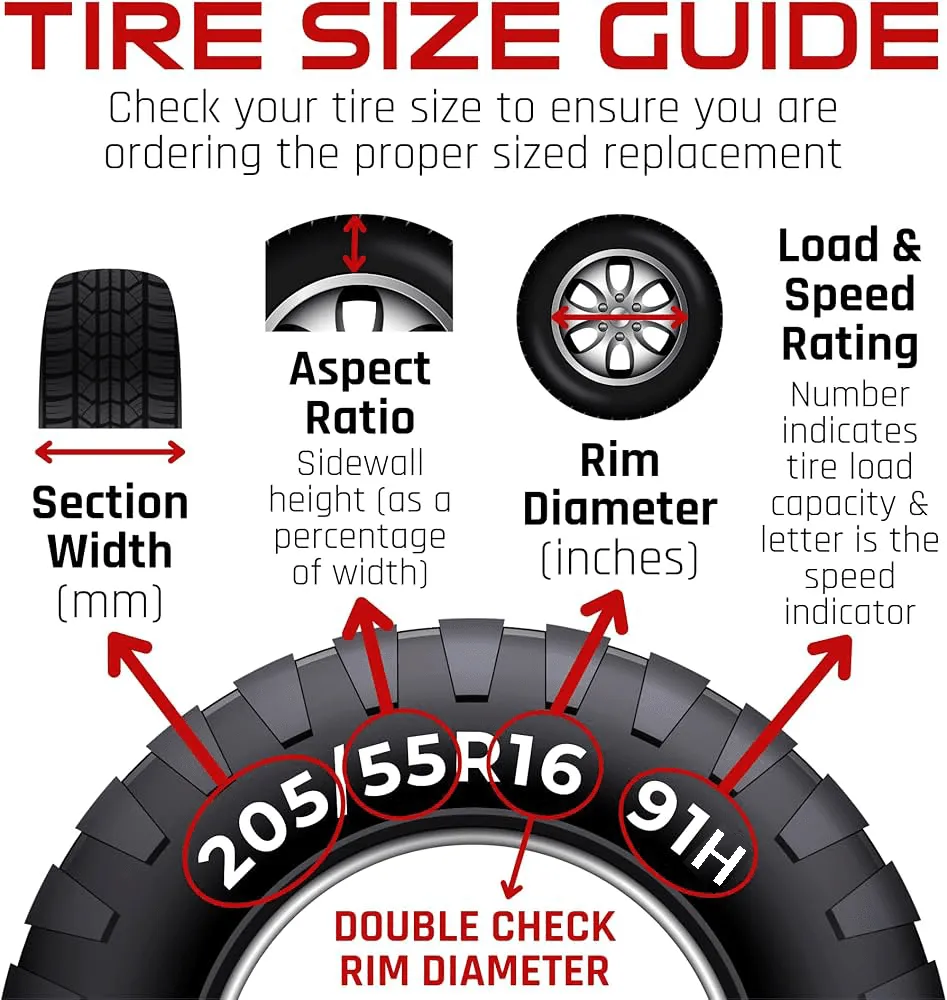
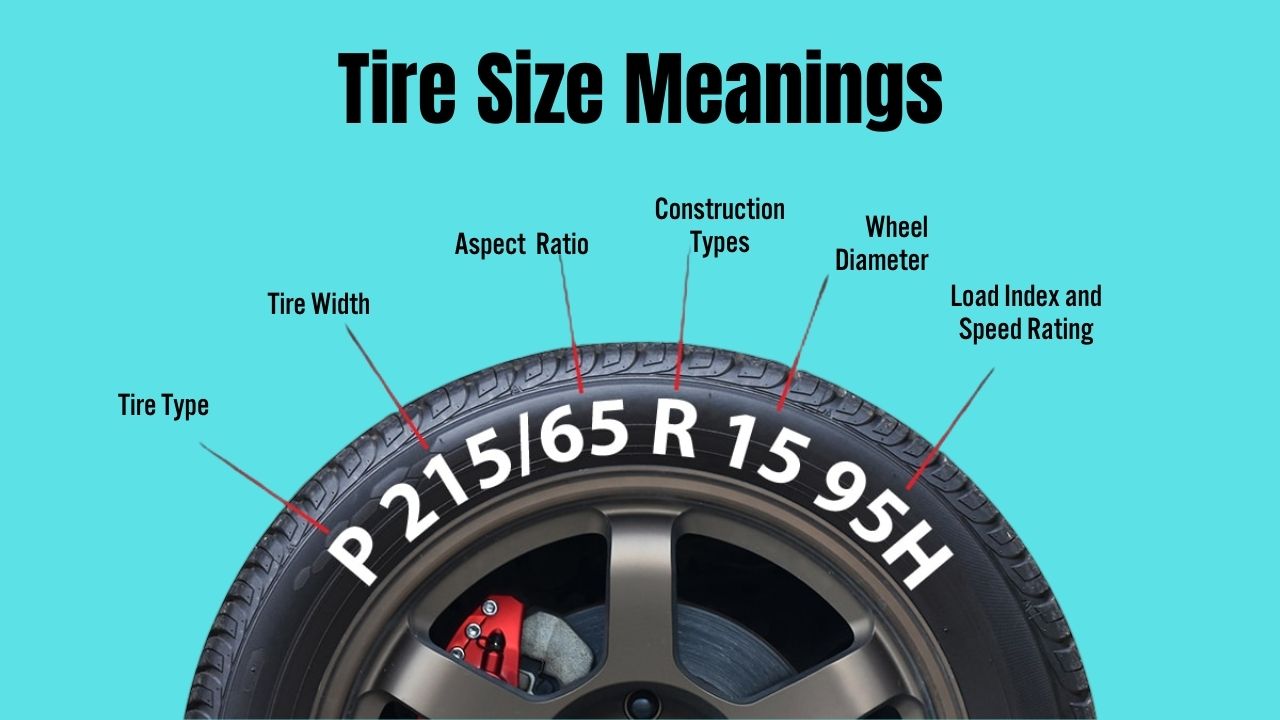
In the P-Metric system, common in North America, a tire size might appear as P205/55R16. Here, the ‘P’ denotes a passenger car tire. Conversely, a light truck tire might be marked LT265/75R16, with ‘LT’ signifying its heavier-duty application. The Metric system, widely adopted internationally, often omits the ‘P’ prefix, presenting the same passenger car tire as 205/55R16. Regardless of the prefix, the sequence of numbers and letters maintains a consistent structure, detailing the tire’s core dimensions and construction.
Beyond these primary codes, a tire sidewall carries a host of auxiliary markings, each serving a critical role in comprehensive tire selection:
- Load Index: A numerical code indicating the maximum weight the tire can support when properly inflated.
- Speed Rating: An alphabetical code denoting the maximum speed the tire is certified to carry a load safely.
- Uniform Tire Quality Grading (UTQG): Comprising Treadwear, Traction, and Temperature ratings, offering insights into tire longevity, stopping power, and heat resistance.
- Department of Transportation (DOT) Codes: An alphanumeric sequence indicating the manufacturing plant, tire size, and date of manufacture.
These markings are not arbitrary. Research indicates that standardization by key industry bodies like the Tire and Rim Association (TRA) in North America and the European Tyre and Rim Technical Organisation (ETRTO) ensures global consistency and reliability in these markings. This expert standardization is crucial for consumer safety and compatibility across diverse vehicle platforms, making tire selection a truly professional and reliable process.

Pinpointing Tire Width: Interpreting the First Metric on the Sidewall
To directly address the core question: the number that represents the width of a tire is the first three-digit numerical value found on its sidewall. For instance, in the common tire size P205/55R16, the “205” explicitly denotes the tire’s nominal section width. This is the primary identifier for how wide your tire is.
This width is universally expressed in millimeters (mm). It represents the distance between the tire’s outermost sidewalls when the tire is mounted on its approved measuring rim and inflated to its recommended pressure. It’s crucial to understand that this measurement refers to the entire cross-section of the tire, not just the tread width that makes contact with the road. While related, the section width is a broader measurement encompassing the bulging sidewalls.
Consider a tire marked P215/60R16. The “215” signifies that the tire has a nominal section width of 215 millimeters. To make this tangible, a quick conversion reveals that 215mm is approximately 8.46 inches. This metric measurement is a global standard, ensuring clarity regardless of your location.
It’s important to distinguish between the nominal (advertised) width and the actual measurement. While the 215mm figure is a precise manufacturing target, minor variations can occur. These can be attributed to several factors:
- Manufacturing Tolerances: Minor deviations inherent in the production process.
- Specific Rim Width: The exact width of the wheel on which the tire is mounted can slightly stretch or compress the sidewalls, affecting the final section width.
- Tire Pressure: Under or over-inflation can also subtly alter the tire’s profile and thus its actual measured width.
Despite these minor actual variations, the nominal width indicated on the sidewall serves as the reliable and trusted reference point for fitment and performance characteristics. The industry relies on this figure, ensuring that when you select a 205mm tire, you’re getting a tire designed to perform within that specification. This precision is a hallmark of quality tire engineering.
By The Numbers
Typical Width for Compact Vehicles
Width for High-Performance Sports Cars
The Interplay of Tire Width with Aspect Ratio and Rim Diameter
It’s a common misconception that tire width is an isolated dimension. In reality, it’s intricately linked with other key specifications, particularly the aspect ratio and rim diameter, to collectively define a tire’s overall physical characteristics and its crucial fitment to your vehicle. Understanding this relationship is vital for any professional or enthusiast looking for optimal performance.
Understanding Aspect Ratio (Series)
The second number in the tire code, immediately following the section width, defines the aspect ratio, also known as the series. For example, in 205/55R16, the “55” indicates that the tire’s sidewall height is 55% of its section width (205mm). This is not an absolute measurement in millimeters, but a percentage relationship. A lower aspect ratio number signifies a shorter sidewall, while a higher number indicates a taller sidewall.
Impact on Sidewall Height and Overall Diameter
The interplay here is critical. If you increase the section width while keeping the aspect ratio constant, you directly increase the sidewall height and, consequently, the tire’s overall outer diameter. For instance, comparing a 205/55R16 with a 225/55R16: both have a 55% aspect ratio, but the 225mm wide tire will have a sidewall that is 55% of 225mm (123.75mm), whereas the 205mm tire’s sidewall is 55% of 205mm (112.75mm). The wider tire, therefore, has a taller sidewall and a larger overall diameter.
Rim Diameter Compatibility and Width Influence
The last number in the primary code, such as “16” in 205/55R16, represents the tire’s internal diameter in inches, which must precisely match the wheel’s diameter. Beyond this, the rim’s width plays a profoundly important role. Industry guidelines from organizations like TRA and ETRTO provide charts detailing permissible rim width ranges for specific tire section widths. For a 205mm wide tire, an appropriate rim width might be 5.5 to 7.5 inches. Mounting a tire on a rim outside its recommended width can:
- Compromise handling and stability by distorting the tire’s intended profile.
- Lead to uneven tread wear.
- Increase the risk of bead separation or other structural failures.
This critical relationship underscores why a quality professional approach to tire selection considers all these dimensions in concert, not just the width in isolation.

Strategic Considerations for Tire Width Selection and Its Performance Implications
Choosing the correct tire width is not merely a matter of fitment; it profoundly impacts your vehicle’s performance, safety, and operational costs. Drawing from years of hands-on experience, I can attest that optimal tire width selection is a strategic decision that balances numerous factors.
Adherence to Original Equipment Manufacturer (OEM) Specifications
The paramount importance lies in following your vehicle manufacturer’s recommendations. OEMs invest significant resources in engineering vehicles to perform optimally with specific tire sizes. Deviating from these specifications can upset the delicate balance of handling, braking, and compatibility with sophisticated electronic stability control (ESC) and anti-lock braking systems (ABS). For example, a sports sedan might come with a 225/45R17 tire as standard, a choice optimized for its specific chassis dynamics and safety systems.
Performance Impact
Tire width directly influences key driving dynamics:
- Traction: Wider tires generally provide a larger contact patch, leading to enhanced dry grip, superior cornering stability, and often shorter dry braking distances. This is why high-performance vehicles frequently feature wider tires (e.g., 255mm+) to maximize adhesion. However, this advantage can become a disadvantage in wet conditions; wider tires are more susceptible to hydroplaning as they struggle to displace water efficiently. Research indicates that wider tires generally show shorter dry braking distances but longer wet braking distances compared to narrower alternatives.
- Steering Responsiveness: Wider tires, especially those with lower aspect ratios, often offer sharper steering response due to less sidewall flex.
Fuel Efficiency and Ride Comfort Trade-offs
The benefits of wider tires often come with trade-offs:
- Fuel Economy: Wider tires increase rolling resistance and present a larger frontal area, leading to greater aerodynamic drag. Studies indicate that a 10% increase in tire width can lead to a 1-2% decrease in fuel economy. Economy cars typically utilize narrower tires (e.g., 185mm) to optimize fuel efficiency.
- Ride Comfort and Road Noise: Wider tires, especially when combined with lower aspect ratios, can transmit more road imperfections, leading to a firmer ride and potentially increased road noise.
Clearance and Fitment Challenges
Significant deviations from OEM tire width specifications can lead to practical issues:
- Fender Clearance: Wider tires may rub against fender liners or bodywork during turns or suspension compression.
- Suspension Interference: Contact with struts, control arms, or other suspension components.
- Turning Radius: Interference can limit steering angle, affecting the vehicle’s turning circle.
A reliable and trusted professional understands these nuances, guiding customers towards quality choices that maintain vehicle integrity and safety.
Advanced Scenarios: Modifying Tire Width and What to Consider for Optimal Functionality
While adherence to OEM specifications is generally the safest approach, there are legitimate reasons for modifying tire width. However, these changes must be approached with expert knowledge and careful consideration to ensure continued optimal functionality and safety. This section explores common modification scenarios and their critical implications.
“Plus Sizing” and its Rationale
“Plus sizing” is a popular modification where the rim diameter is increased, typically by one or more inches, while concurrently selecting a wider tire with a lower aspect ratio to maintain an overall tire diameter as close as possible to the original. For example, a vehicle originally fitted with 205/55R16 tires might be “plus-sized” to 225/40R18. The rationale behind this is often twofold:
- Aesthetics: Larger wheels with thinner sidewalls can enhance a vehicle’s sporty appearance.
- Performance Upgrades: A wider tire with a stiffer, shorter sidewall can offer improved dry handling, steering response, and cornering stability.
This requires careful calculation to ensure the new overall diameter remains within acceptable limits, typically +/- 3% of the original, to avoid disrupting vehicle systems.
Winter Tire Width Strategy
A common and highly effective professional practice is to utilize narrower tires for winter conditions. Unlike the logic for dry grip, narrower winter tires are advantageous because they:
- Increase Ground Pressure: A smaller contact patch exerts more pressure per square inch on the driving surface.
- Cut Through Snow and Slush: This increased pressure allows the tire to more effectively cut through soft snow or slush to find grip on the pavement below, rather than floating on top.
For instance, a vehicle running 205mm all-season tires might be equipped with 185mm winter tires for superior traction in snow and ice.
Off-Road and Truck Tire Width Considerations
For light trucks and SUVs, especially those used off-road, wider tires are often selected for different reasons:
- Enhanced Flotation: In soft terrain like sand or mud, a wider tire’s larger contact patch helps distribute the vehicle’s weight more broadly, preventing it from sinking.
- Increased Grip: Coupled with aggressive tread patterns, wider tires provide more surface area for biting into uneven, loose surfaces.
Modifying tire width without proper professional guidance can lead to severe issues. A deviation exceeding 3% in overall tire diameter, for example, can significantly impact speedometer accuracy (e.g., a speedometer reading 60 mph when actual speed is 62 mph) and potentially disrupt transmission shift points. Moreover, it can cause malfunctions in Anti-lock Braking System (ABS) and Traction Control System (TCS) calibration, lead to premature suspension component wear, and even raise legality concerns regarding fender protrusion in some regions. Always consult a trusted tire expert.
The journey from understanding “what number is the width of a tire” to making informed choices is complex but rewarding. The first three-digit number on a tire’s sidewall reliably indicates its nominal section width in millimeters. This tire width is intrinsically linked with aspect ratio and rim diameter, collectively influencing overall tire dimensions and vehicle dynamics. Proper tire width selection, ideally aligning with OEM specifications, is critical for optimizing performance, safety, and fuel efficiency. Modifying tire width requires professional assessment to avoid adverse effects on vehicle systems and handling.
For precise and reliable tire selection or modification, always consult your vehicle’s manufacturer specifications or a certified tire professional. Ensuring the correct tire width contributes significantly to a safer, more efficient, and enjoyable driving experience.
Frequently Asked Questions
Is a wider tire always better for performance?
Not necessarily. While wider tires often provide greater dry traction and improved cornering stability due to a larger contact patch, they can increase hydroplaning risk in wet conditions, reduce fuel efficiency, and negatively impact steering feel. Optimal performance is achieved by balancing these factors according to vehicle design and intended use, often adhering to OEM specifications.
Can I change my tire’s width without changing the rim?
Within certain limits, yes. Each rim width has an approved range of tire section widths it can safely accommodate. Deviating too far can lead to improper tire bead seating, uneven wear, or compromised handling. Always consult a tire professional or manufacturer specifications to ensure compatibility and safety before making any changes.
How does tire width affect fuel economy?
Generally, wider tires increase rolling resistance and aerodynamic drag. This requires more engine power to maintain speed, leading to a decrease in fuel efficiency. While the impact might be subtle for minor changes, significantly wider tires can result in a noticeable reduction in miles per gallon compared to narrower, OEM-specified sizes.
What is the difference between nominal section width and tread width?
Nominal section width, represented by the first number in the tire size (e.g., 205mm), is the overall width of the tire’s sidewall when mounted on its recommended rim. Tread width, conversely, refers specifically to the width of the tire’s contact patch that meets the road. These are distinct measurements, though generally correlated.
Why are winter tires often narrower than all-season or summer tires?
Narrower winter tires exert more pressure per square inch on the road surface. This increased pressure helps the tire cut through snow and slush more effectively to reach the pavement, enhancing traction. It also reduces the amount of snow displacement required, which can improve grip and reduce hydroplaning risk in severe winter conditions.