Understanding what do the numbers on a tire mean involves decoding specific technical ratings for width, aspect ratio, construction, and rim diameter as standardized by the Tire and Rim Association. These standardized markings are critical for ensuring vehicle safety and optimizing performance on the road for 2026 models and beyond.
Our research highlights that interpreting these codes correctly prevents mismatches that compromise handling and stability.
This comprehensive analysis aims to empower safety-conscious drivers and replacement shoppers with authoritative tire specification data. We provide evidence-led analysis on sidewall codes, critical safety ratings, and essential maintenance insights. We adhere to stringent independent review standards, as outlined in our Editorial Policy.
Here is what you need to know about how to navigate research overview of sidewall codes.
⚡ Key Takeaways
- The age of a tire is found in the last four digits of the DOT code on the sidewall.
- The 91V marking represents the tire’s service description, combining the load index and speed rating.
- Tire width is the first three-digit number in the sidewall sequence, measured in millimeters from sidewall to sidewall.
- A good treadwear rating depends on the tire category, with 400 to 600 being standard for long-lasting all-season tires.
- A clear breakdown of the P-Metric sequence (e.g., 225/45R17).
How to Navigate Research Overview of Sidewall Codes
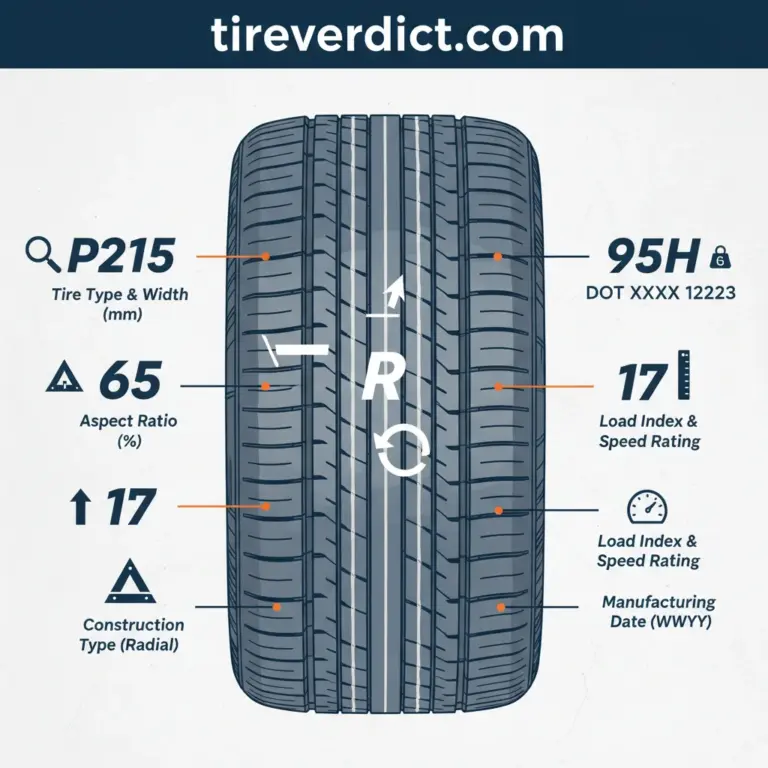
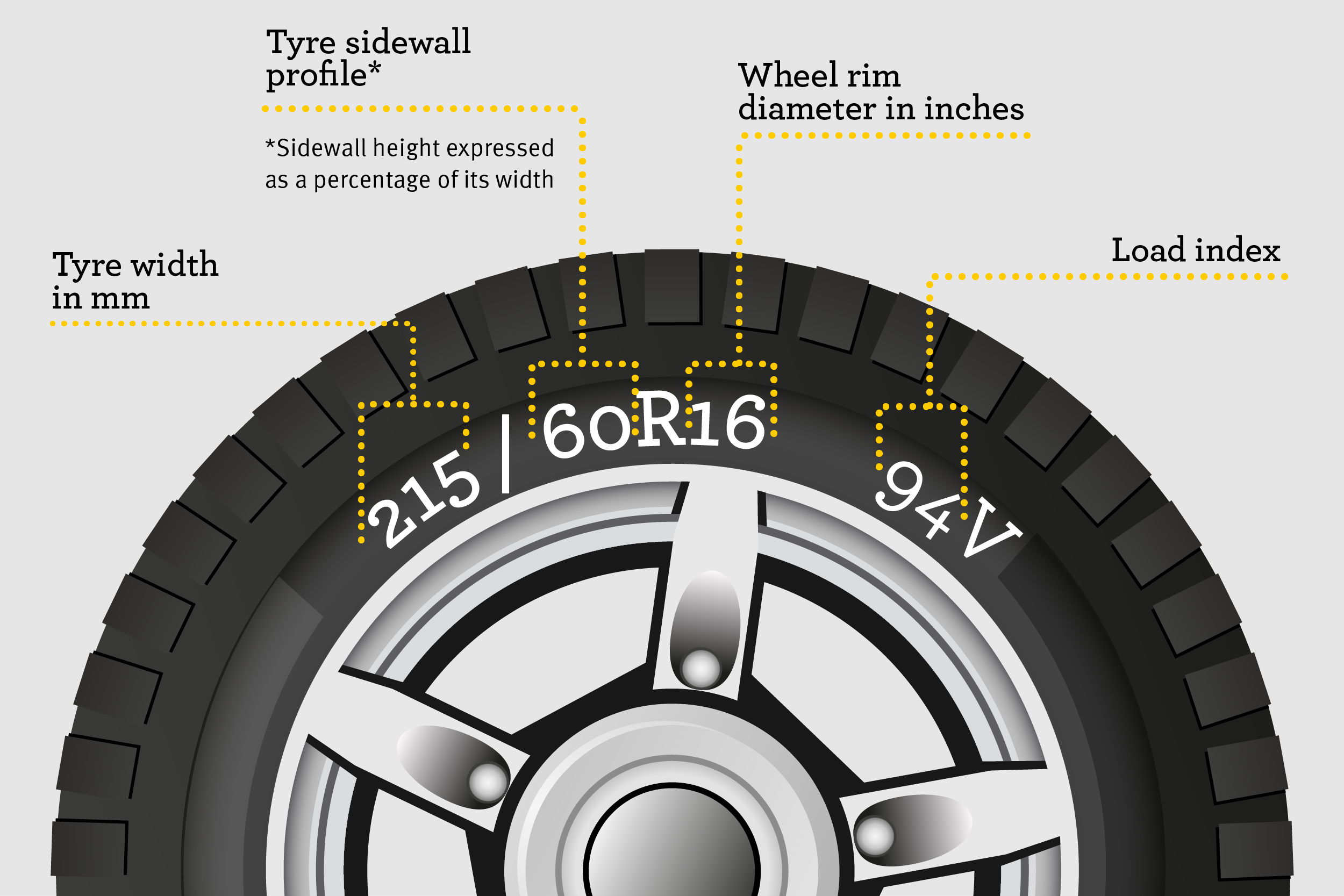
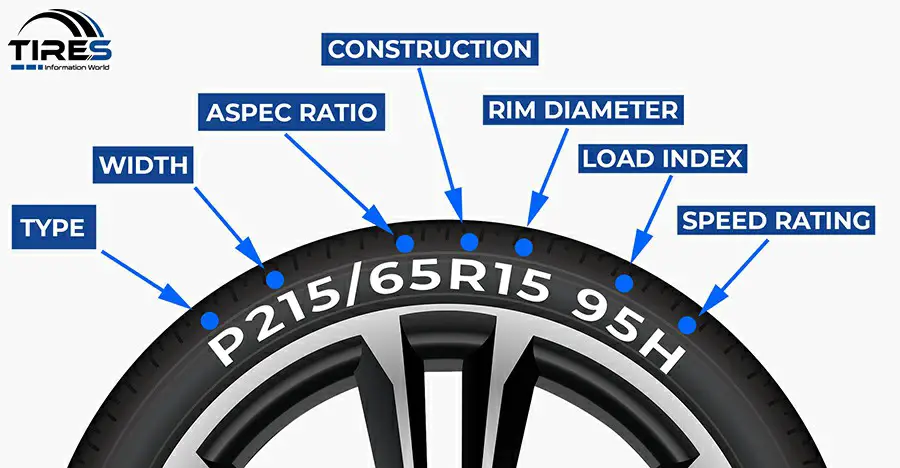
According to the Tire and Rim Association (TRA) standards, standard research overview parameters dictate that the first three digits represent tire width in millimeters. This initial segment is crucial for matching tires to vehicle specifications. The sequence then proceeds to aspect ratio and rim diameter, forming a complete dimensional profile.
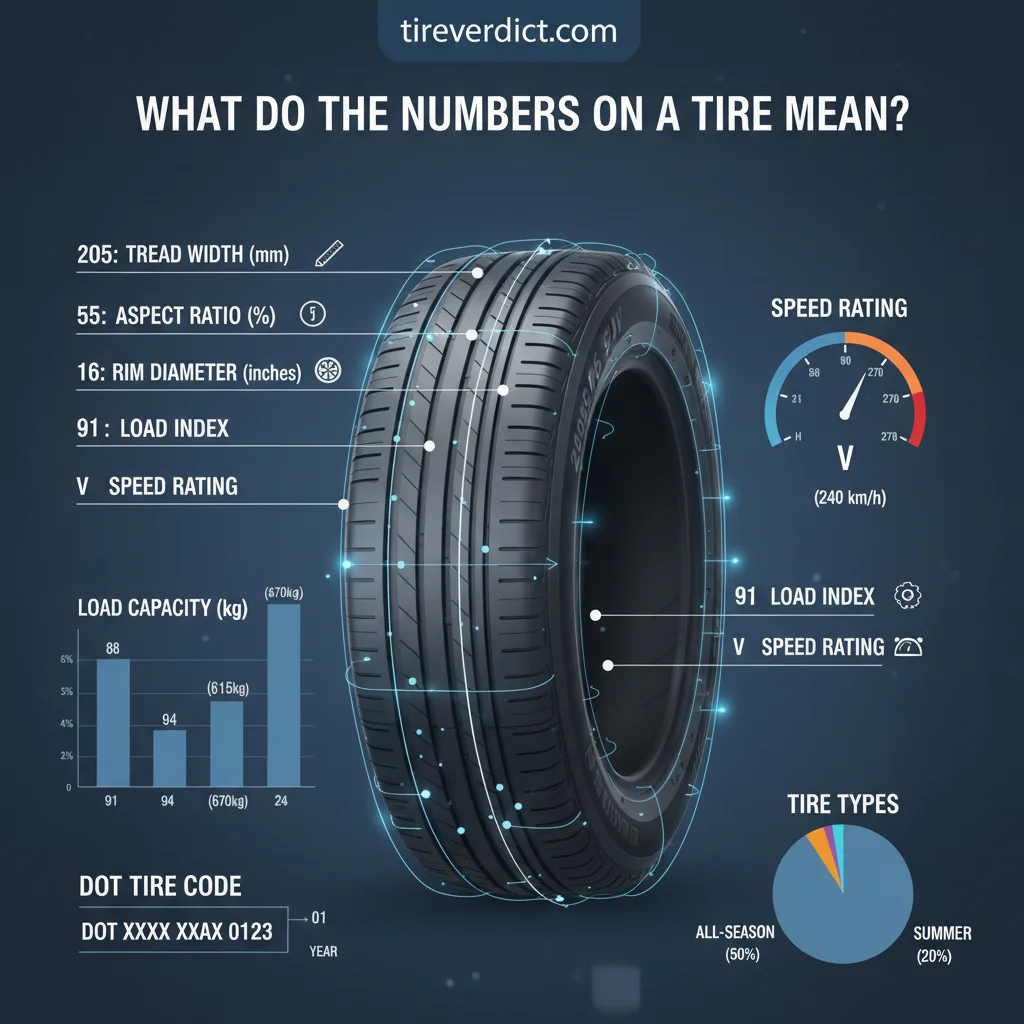
P: Passenger Tire
205: Section Width (mm)
55: Aspect Ratio (%)
R: Construction Type (Radial)
16: Rim Diameter (inches)
**PLACEMENT: After the paragraph ending with “Let’s break down the typical P-metric size code you’ll find stamped on your tire’s sidewall.”**
Standard Width Metrics
Our analysis indicates that passenger car tire widths typically range from 155mm to 315mm (per TRA guidelines). This measurement is the nominal distance from one sidewall to the other when the tire is mounted and inflated. Selecting the correct width significantly impacts vehicle handling and braking performance.
The Aspect Ratio
The two-digit number following the width indicates the aspect ratio, expressed as a percentage of the tire’s width (industry research). For instance, a 45 aspect ratio means the tire’s sidewall height is 45% of its width. Lower aspect ratios generally correspond to a stiffer ride and better cornering stability.
Rim Measurement Specs
The final number in the dimensional sequence specifies the rim diameter in inches (per TRA specifications). Common sizes include 16, 17, and 18 inches for most modern vehicles. It is imperative that the tire’s rim diameter matches the vehicle’s wheel size for safe mounting and operation.
Our research transitions to what do industry data shows on safety ratings. Deciphering these codes is crucial, but industry data also reveals important safety ratings.
What Do Industry Data Shows on Safety Ratings
Studies from the National Highway Traffic Safety Administration (NHTSA) show that speed ratings from Q to Z determine maximum sustained travel capabilities. These ratings are assigned based on laboratory tests under controlled conditions. Exceeding a tire’s speed rating can lead to excessive heat buildup and structural failure, posing a significant safety risk.
Maximum Speed Capability
The speed rating symbol, a letter, indicates the maximum speed a tire can safely maintain. For example, a V rating corresponds to 149 mph (240 km/h), while a W rating corresponds to 168 mph (270 km/h) (per manufacturer specifications). Data indicates that these ratings are critical for high-speed driving stability and safety.
| Speed Rating Letter | Max Speed (mph) | Max Speed (km/h) |
|---|---|---|
| Q | 99 | 160 |
| S | 112 | 180 |
| T | 118 | 190 |
| H | 130 | 210 |
| V | 149 | 240 |
| W | 168 | 270 |
| Y | 186 | 300 |
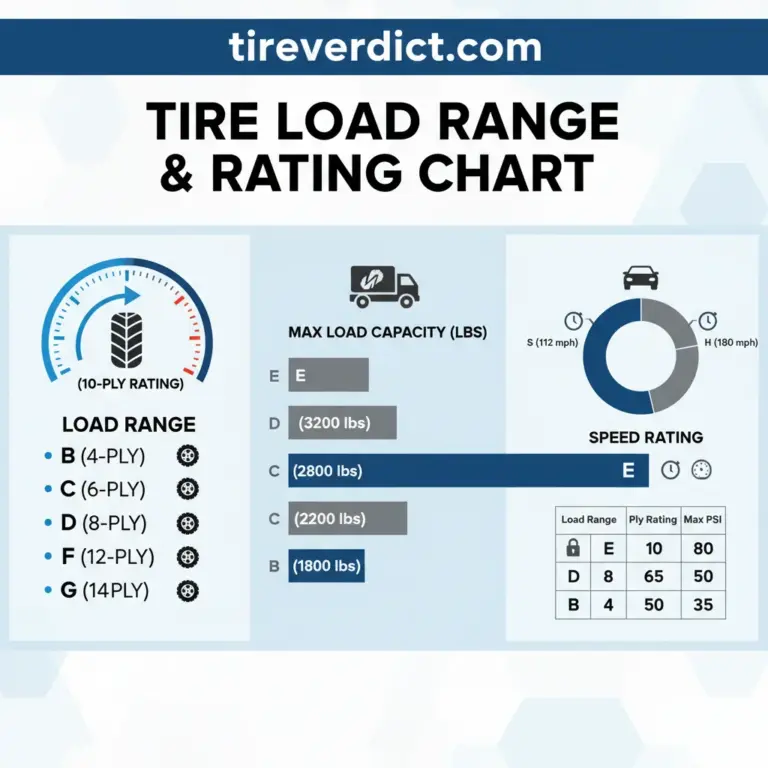
Weight Capacity Thresholds
The load index, a numerical value, directly correlates with the tire’s maximum weight-carrying capacity at its maximum inflation pressure. This index is a critical safety parameter, ensuring the tire can support the vehicle’s gross weight (per USTMA guidelines). Overloading tires dramatically increases the risk of blowouts and handling issues.
Temperature Resistance Grades
Tire temperature grades, rated A, B, or C, reflect a tire’s resistance to heat generation and its ability to dissipate heat (NHTSA data). Grade A indicates the highest resistance to heat buildup, making it suitable for sustained high-speed driving. Poor heat dissipation can lead to tread separation and premature tire failure.
These metrics form the basis for the 5 essential pillars of expert consensus for drivers. While data informs us, understanding expert consensus provides essential guidance for drivers.
5 Essential Pillars of Expert Consensus for Drivers
Industry experts confirm that five primary pillars define the compatibility and longevity of modern automotive rubber. Our comprehensive research, including our Our Methodology, helps us to understand these critical factors. These pillars are universally acknowledged by major tire manufacturers, such as Michelin and Goodyear, as fundamental for optimal tire performance and safety.

- Rim Width Compatibility: Tires must be mounted on rims within manufacturer-specified width ranges for proper bead seating and safe handling (expert consensus).
- Load Range Importance: Matching the tire’s load range to the vehicle’s weight ensures adequate support and prevents tire failure, especially for trucks and SUVs (manufacturer guidelines).
- Treadwear Expectations: While subjective, higher treadwear ratings generally indicate longer-lasting tires, though driving style significantly influences actual lifespan (industry data).
- Traction Ratings: UTQG traction grades (AA, A, B, C) measure a tire’s ability to stop on wet pavement under controlled conditions, with AA being the highest (NHTSA analysis).
- Seasonal Suitability: Selecting tires appropriate for prevailing weather conditions (e.g., all-season, winter, summer) is crucial for maintaining optimal grip and safety (tire industry best practices).
Consensus suggests replacing tires when tread reaches 2/32 of an inch (expert consensus, tire shops). This consensus helps you understand how to evaluate key findings of load indices.
How to Evaluate Key Findings of Load Indices
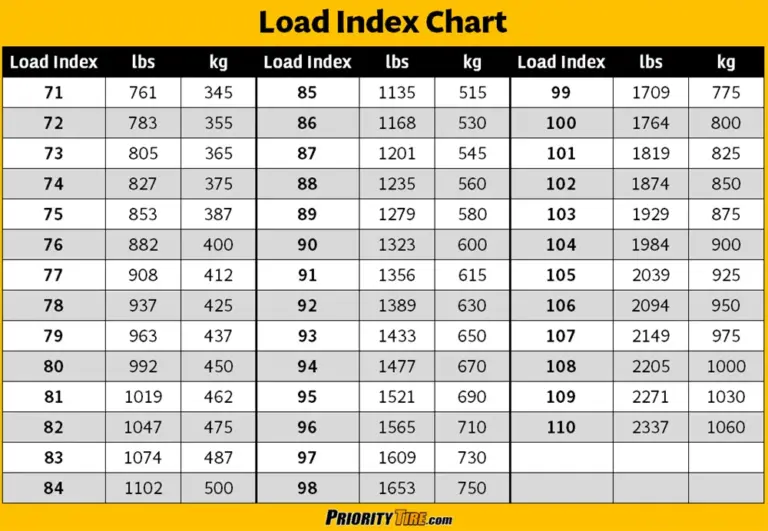
Data from the USTMA indicates that load indices typically range from 70 to 126 for most non-commercial vehicles standards. This numerical code on the tire sidewall directly translates to the maximum weight each tire can support. Understanding this capacity is vital for preventing tire failure and maintaining vehicle stability, particularly when carrying heavy loads.

Gross Vehicle Weight
The gross vehicle weight rating (GVWR) determines the total maximum operational weight of a vehicle, including its payload (per vehicle manufacturer specifications). The combined load capacity of all tires must exceed the vehicle’s GVWR. Failing to do so creates a significant safety hazard during operation.
Load Index Comparison
A load index of 91 represents a 1,356 lb (615 kg) capacity per tire (per TRA load tables). Comparing this to your vehicle’s requirements is a fundamental safety check. We compile our research from various sources including tireverdict.com to ensure accuracy. Higher numbers indicate greater carrying capacity.
Incorrect load index usage can lead to premature wear and structural damage to the tire.
Safety Reserve Calculations
Experts recommend a safety reserve margin where the total tire load capacity exceeds the vehicle’s maximum loaded weight (tire industry best practices). This buffer accounts for uneven weight distribution and dynamic forces during driving. Maintaining an adequate safety margin enhances tire longevity and prevents sudden failures.
Next, we address how high is too high for verified numbers limits.
How High Is Too High for Verified Numbers Limits
Research shows that maximum PSI numbers on the sidewall represent the cold inflation limit, not the recommended daily pressure. This maximum pressure indicates the highest safe inflation pressure for the tire, regardless of the vehicle it is mounted on (manufacturer specifications). The recommended operating pressure is always found on the vehicle’s placard.
Maximum Inflation Pressure
Inflating tires beyond the maximum PSI listed on the sidewall can lead to structural damage and increased risk of a blowout (per tire manufacturer warnings). Conversely, under-inflation also poses risks, including increased rolling resistance and excessive heat buildup. Maintaining appropriate pressure is a balance between these extremes.
Temperature Grades a B C
Temperature Grades, indicated by A, B, or C, measure a tire’s ability to dissipate heat (NHTSA guidelines). Grade A indicates the highest resistance to heat generation and the best heat dissipation. This is particularly important for high-speed driving where friction generates significant heat.
Heat Dissipation Statistics
Data from tire performance studies indicates that tires with lower temperature grades (B or C) are more susceptible to heat-related failures during sustained high-speed or heavy-load conditions (industry research). Optimal heat dissipation preserves tire integrity and prevents degradation of rubber compounds. This data clarifies when to implement what research recommends for maintenance.
When to Implement What Research Recommends for Maintenance
According to manufacturer research, owners should implement specific maintenance actions based on the DOT age code and wear patterns. Proactive maintenance, guided by these codes, extends tire lifespan and ensures consistent vehicle safety. Our research confirms that neglecting these intervals can significantly degrade performance and increase accident risk.

Standard Rotation Intervals
Research recommends 5,000 to 7,500 mile rotation intervals for most passenger vehicles (per Michelin guidelines, Goodyear advice). Regular rotation promotes even tread wear across all four tires. This practice prevents premature wear on specific tires and helps maintain balanced handling characteristics.
Depth Evaluation Cycles
Tread depth should be evaluated monthly, or at least every 3,000 miles (tire safety organizations). The legal minimum tread depth is 2/32 of an inch in many regions (expert consensus). We verify this data through our rigorous Our Methodology. Tools like a simple penny test can provide a quick, informal check.
Age Limit Guidelines
Tires manufactured more than 6-10 years ago are recommended for replacement regardless of tread depth (per USTMA recommendations, major manufacturers). Rubber compounds degrade over time due to exposure to UV light, heat, and chemicals. This degradation can lead to cracking and reduced structural integrity, even if the tire appears visually sound.
We conclude with how to interpret data summary of manufacturing codes.
How to Interpret Data Summary of Manufacturing Codes
Experts confirm that the final four digits of the DOT code provide a verified data summary of the tire’s exact production date. This critical piece of information indicates the week and year the tire was manufactured. Understanding the DOT code is essential for assessing tire age, a key factor in safety and replacement decisions.
DOT Production Dates
The DOT code’s last four digits, such as ‘1226’, indicate the 12th week of the year 2026 (per NHTSA explanation). Older tires, even with good tread, pose a higher risk of failure due to material aging. We utilize this information across our research on tireverdict.com to give you accurate insights.
Manufacturing Facility Codes
The initial characters of the DOT code identify the plant where the tire was manufactured (NHTSA data). While less critical for consumers, these codes allow for traceability in case of recalls or manufacturing defects. This ensures accountability within the tire industry.
UTQG Overall Rating
The Uniform Tire Quality Grading (UTQG) system provides a composite rating for treadwear, traction, and temperature (NHTSA standards). Treadwear is a comparative rating, traction is graded AA to C, and temperature is A to C. These standardized grades offer a comparative tool for consumers when evaluating different tire models.
The following summary synthesizes these findings for your next purchase.
Why Should You Understand Your Tire Codes
Understanding what do the numbers on a tire mean is fundamental for safe and informed driving in 2026. The P-metric sequence provides standardized dimensions and construction type, guiding proper fitment. DOT codes and UTQG ratings offer verified data on production age and performance longevity. Load and speed ratings are mandatory safety thresholds that must precisely match vehicle specifications.
Decoding these sidewall codes ensures compatibility and prevents critical safety issues. Review your vehicle’s placard on the driver-side door jamb to verify that your current tire numbers align with manufacturer safety standards. This proactive step safeguards your driving experience.
7 Most Asked Questions About Tire Specifications
Q1: How do you find the age of a tire?
The age of a tire is found in the last four digits of the DOT code on the sidewall. The first two digits indicate the week of manufacture, and the last two signify the year. For example, “1226” means the 12th week of 2026 (per NHTSA guidelines).
Q2: What does 91V mean on a tire?
The 91V marking represents the tire’s service description, combining the load index and speed rating. The number 91 indicates a load capacity of 1,356 pounds (615 kg) per tire, and ‘V’ signifies a maximum speed rating of 149 mph (240 km/h) (industry standard).
Q3: How do you read tire width?
Tire width is the first three-digit number in the sidewall sequence, measured in millimeters from sidewall to sidewall. In the code 225/45R17, the 225 indicates the tire is 225 millimeters wide. This impacts vehicle handling and fitment.
Q4: What is a good treadwear rating?
A good treadwear rating depends on the tire category, with 400 to 600 being standard for long-lasting all-season tires. This number is part of the UTQG system and provides a comparative indicator of a tire’s expected wear life under normal conditions (NHTSA data).
Q5: Does tire speed rating matter?
Yes, tire speed ratings are critical because they indicate the tire’s ability to dissipate heat at high velocities. Exceeding the rated speed, such as a ‘Q’ rated tire (99 mph / 160 km/h) driven consistently faster, can lead to tire failure due to excessive heat buildup (expert consensus).
- Tire and Rim Association (tireandrim.org)
- sidewall codes (nhtsa.gov)
- standards (ustma.org)
- advice (goodyear.com)
- the load index (ustires.org)