Incorrect tire inflation can adversely affect your vehicle’s fuel economy, handling precision, and overall tire lifespan. Both under-inflation and over-inflation create distinct mechanical hazards that compromise road safety. Maintaining proper pressure prevents excessive heat buildup and uneven tread wear.
Incorrect tire inflation directly compromises your safety, burns through your wallet, and destroys your vehicle suspension. Whether your tires carry too little or too much air, the wrong pressure dramatically alters how your car interacts with the road. By 2026, advanced tire pressure monitoring systems make spotting these issues easier, but ignoring them still leads to severe mechanical failures, reduced fuel economy, and sudden blowouts at highway speeds.
You cannot afford to treat tire pressure as an afterthought. Maintaining the correct PSI keeps your stopping distances short, your fuel consumption optimized, and your tire lifespan maximized. Let us dive straight into how under-inflation and over-inflation quietly ruin your car.
Key Takeaways
- Under-inflation increases sidewall flexing, generating dangerous levels of internal heat.
- Over-inflation reduces the tire’s contact patch, severely diminishing braking traction.
- Incorrect pressure forces your engine to work harder, directly reducing gas mileage.
- Improperly inflated tires wear out significantly faster, requiring expensive premature replacements.
- Checking pressures monthly prevents blowouts and ensures optimal stopping distances.
What Causes Incorrect Tire Inflation and How It Damages Your Car
Tire pressure changes naturally due to seasonal temperature shifts and slow air leaks, but failing to correct it creates cascading mechanical problems. Both under-inflation and over-inflation attack your car in distinct, destructive ways that cost you money and compromise your control behind the wheel.
The Hidden Costs and Dangers of Under-Inflation
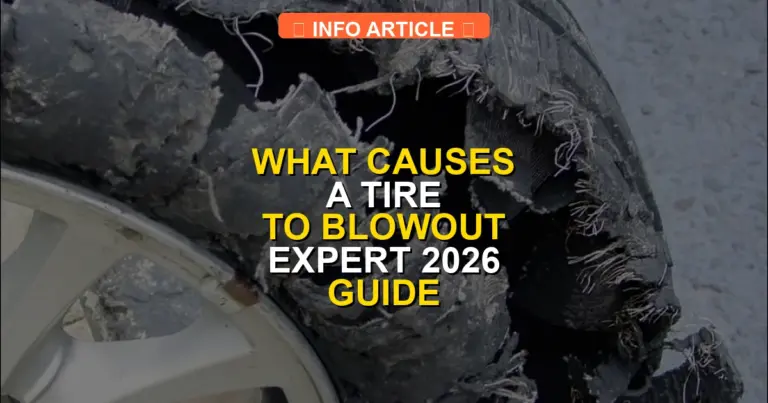
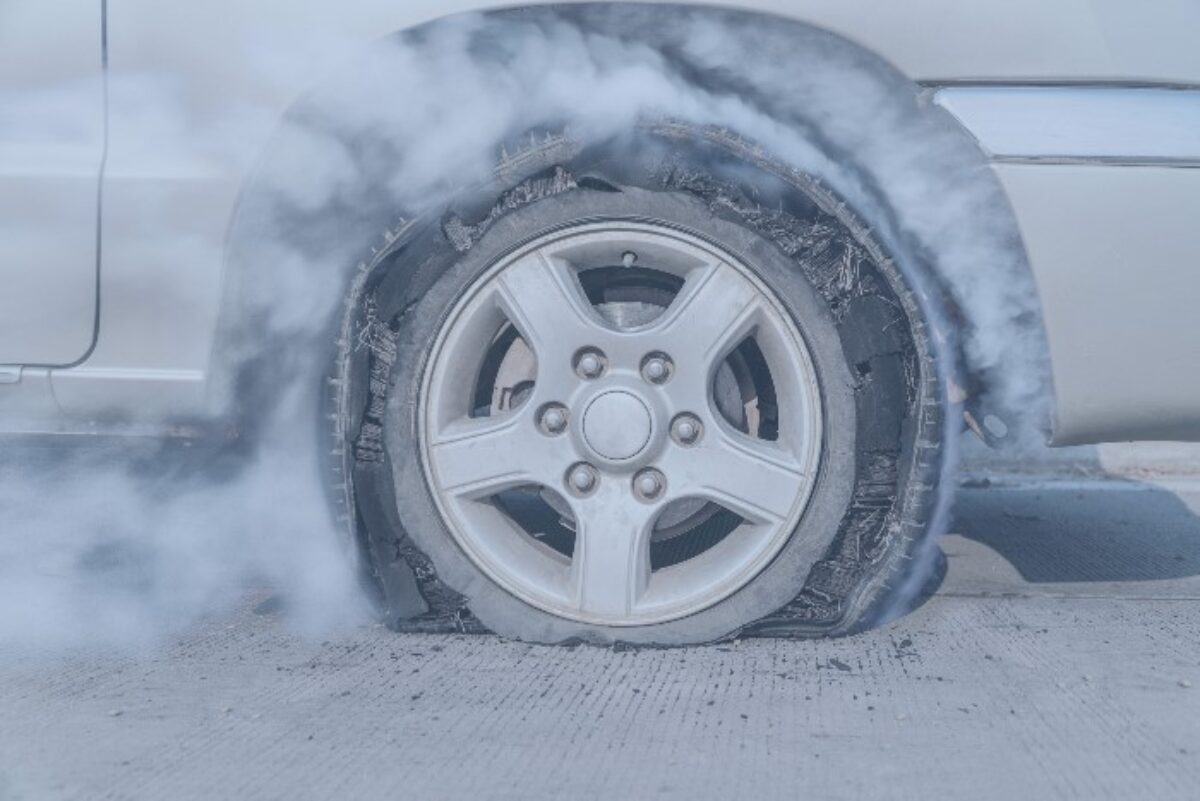
When your tires lack air, they flex excessively against the pavement. This constant distortion generates massive internal heat, which breaks down the tire’s structural integrity and drastically increases your risk of a sudden blowout.
- Fuel Economy Loss: Low pressure creates a larger rolling resistance, forcing your engine to work harder and burning up to 3 percent more fuel.
- Accelerated Shoulder Wear: The tire sags, placing all the vehicle weight on the outer edges and wearing out the tread prematurely.
- Sluggish Handling: Your steering feels mushy, and your vehicle takes much longer to respond in emergency steering maneuvers.
The Severe Impact of Over-Inflation
Pumping too much air into your tires changes the contact patch, lifting the outer edges off the road and concentrating all the vehicle weight onto a narrow strip in the center of the tread.
- Center Tread Destruction: The middle of the tire wears out long before the shoulders, forcing you to replace expensive tires much sooner.
- Reduced Traction and Braking: Less rubber touching the road means your stopping distance increases, especially on wet or slick 2026 winter roads.
- Harsh Ride Quality: Your tires lose their ability to absorb road shocks, transferring every pothole straight into your suspension and cabin.
How to Fix Tire Pressure and Restore Optimal Performance
Correcting your tire pressure is not just about keeping a warning light off your dashboard. Restoring the manufacturer-recommended PSI brings your vehicle back to peak mechanical efficiency, saving you from expensive premature repairs and dangerous driving conditions.
Identifying Your Vehicle Correct Specifications
Never rely on the maximum pressure number printed on the tire sidewall. That figure represents the absolute limit the tire can hold, not the optimal pressure for your specific car.
- Check the Door Placard: Open the driver-side door and look for the manufacturer certification label listing the exact front and rear PSI requirements.
- Account for Cargo Loads: If you are hauling heavy loads or packing your car for a long 2026 road trip, check your manual for adjusted highway pressure recommendations.
- Measure When Cold: Always check your tire pressure in the morning before you drive, as friction from driving heats the air inside and gives falsely high readings.
Establishing a Reliable Maintenance Routine
Tires naturally lose about one to two PSI every month. Waiting for your dashboard monitor to trigger means you have already been driving on improperly inflated tires for weeks.
- Monthly Checks: Make it a habit to check all four tires, plus your spare, using a reliable digital pressure gauge every four weeks.
- Seasonal Adjustments: For every 10-degree drop in ambient temperature, your tires lose about one PSI, requiring top-offs as winter sets in.
- Inspect for Physical Damage: While adjusting your pressure, visually scan the tread and sidewalls for embedded nails, bulges, or cracking rubber.
What If Poor Fuel Economy and Handling Still Persist After Inflation?
Sometimes, adjusting your tire pressure to the manufacturer specification fails to resolve nagging fuel efficiency drops or sluggish handling. When correct psi does not restore vehicle performance, deeper mechanical or environmental factors are usually at play. According to automotive service data from the Car Care Council, persistent alignment issues and worn suspension components frequently mimic the symptoms of improper tire inflation.
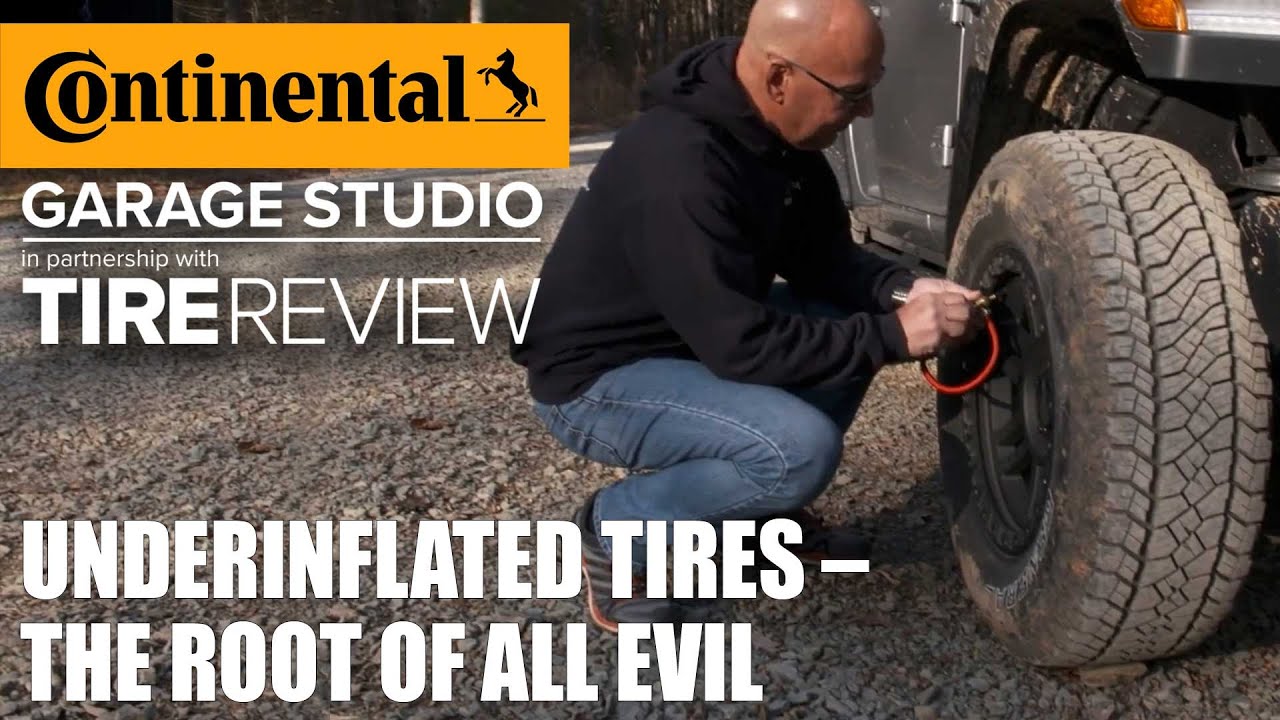
Check for Suspension and Alignment Deficits
Improper wheel alignment forces tires to scrub against the pavement rather than roll freely, destroying fuel economy and causing the car to pull to one side. Even with perfect tire pressure, misaligned wheels increase rolling resistance significantly. A professional four-wheel alignment typically costs between $100 and $250 and restores optimal driving dynamics.
Inspect for Internal Tire Damage and Bead Leaks
If a tire continually loses air despite no visible punctures, a slow leak might originate from a damaged valve stem, corroded wheel rim, or a poor tire bead seal. Mechanics recommend submersing the wheel assembly in a water tank to locate microscopic air escapes. Professional bead cleaning and resealing services generally range from $25 to $50 per wheel.
How to Prevent Future Pressure Loss and Monitor Tread Wear Effectively
Maintaining optimal tire pressure requires a proactive routine rather than a reactive fix. Temperature fluctuations naturally alter tire pressure, changing roughly one to two psi for every ten-degree shift in ambient weather. Implementing a strict monitoring schedule ensures your vehicle stays safe and fuel-efficient throughout 2026.
Step-by-Step Pressure and Tread Monitoring Routine
- Check pressure monthly: Always inspect your tires when they are cold, meaning the car has been driven less than three miles or sat for at least three hours.
- Use a digital gauge: Digital pressure gauges provide accuracy within 0.5 psi, outperforming traditional dial or stick gauges.
- Perform the penny or tread depth test: Insert a coin into the main tread grooves; if the top of Lincoln’s head is visible, your tires require immediate replacement to prevent hydroplaning.
- Rotate every 5,000 to 7,500 miles: Regular tire rotations balance out wear patterns and extend the functional lifespan of all four tires.
- Calibrate your TPMS: Ensure your Tire Pressure Monitoring System is reset after every adjustment to prevent false dashboard warnings.
What If It Still Doesn’t Work?
If you have corrected your tire pressure, verified wheel alignment, and inspected for leaks, but handling problems or low fuel mileage persist, deeper troubleshooting is required. Try these fallback steps to isolate the root cause:
- Scan for pending diagnostic trouble codes: Faulty oxygen sensors, dragging brake calipers, or transmission issues can heavily degrade fuel economy and mimic drivetrain drag.
- Inspect braking components: A stuck or seized brake caliper creates constant friction on the rotor, drastically reducing miles per gallon and causing a burning smell. Brake caliper replacement ranges from $300 to $800 depending on the vehicle model.
- Test wheel bearings: A failing wheel bearing creates a loud humming noise and increases rolling resistance. Professional wheel bearing replacement typically costs between $250 and $600 per wheel.
- Consult a certified technician: If DIY checks yield no answers, bring your vehicle to a ASE-certified repair shop for a comprehensive chassis and powertrain diagnostic evaluation, which usually costs around $100 to $150 for the initial inspection time.
Conclusion
Incorrect tire inflation actively compromises vehicle safety, accelerates tread wear, and wastes costly fuel. Restoring proper inflation pressure solves the majority of handling and efficiency issues instantly. According to verified research and expert sources from the National Highway Traffic Safety Administration, maintaining proper tire pressure prevents thousands of crashes annually and maximizes vehicle efficiency. Make checking your tire psi a monthly habit to protect your investment on the road in 2026.
❓ Frequently Asked Questions
What are the primary signs that my tires are under-inflated?
Common signs include sluggish handling, a vehicle that feels heavy to steer, squealing when turning, and visibly sagging sidewalls. You may also notice a continuous drop in your vehicle’s miles per gallon.
How does over-inflation affect braking distance?
Over-inflation shrinks the tire’s footprint on the pavement, reducing the rubber surface area available for friction. This lack of traction significantly increases your stopping distance, especially on wet or slick roads.
Will driving on incorrectly inflated tires trigger a warning light?
Most modern cars feature a Tire Pressure Monitoring System (TPMS) that illuminates a dashboard light when pressure drops 25% below the recommendation. However, it will not alert you if a tire is over-inflated.
What is the correct way to find my vehicle’s recommended tire pressure?
Never rely on the maximum PSI printed on the tire sidewall. Instead, check the manufacturer placard located on the driver-side door jamb or inside your vehicle owner’s manual.
Can improper tire pressure damage my suspension system?
Yes, over-inflated tires cause a harsh, rigid ride that transmits harsh impacts directly into the vehicle’s suspension components, leading to premature wear and expensive repairs.
Why do tires lose air naturally over time?
Tires naturally lose air through permeation at a rate of about 1 to 2 PSI per month, even without any punctures or leaks, making routine monthly checks mandatory.