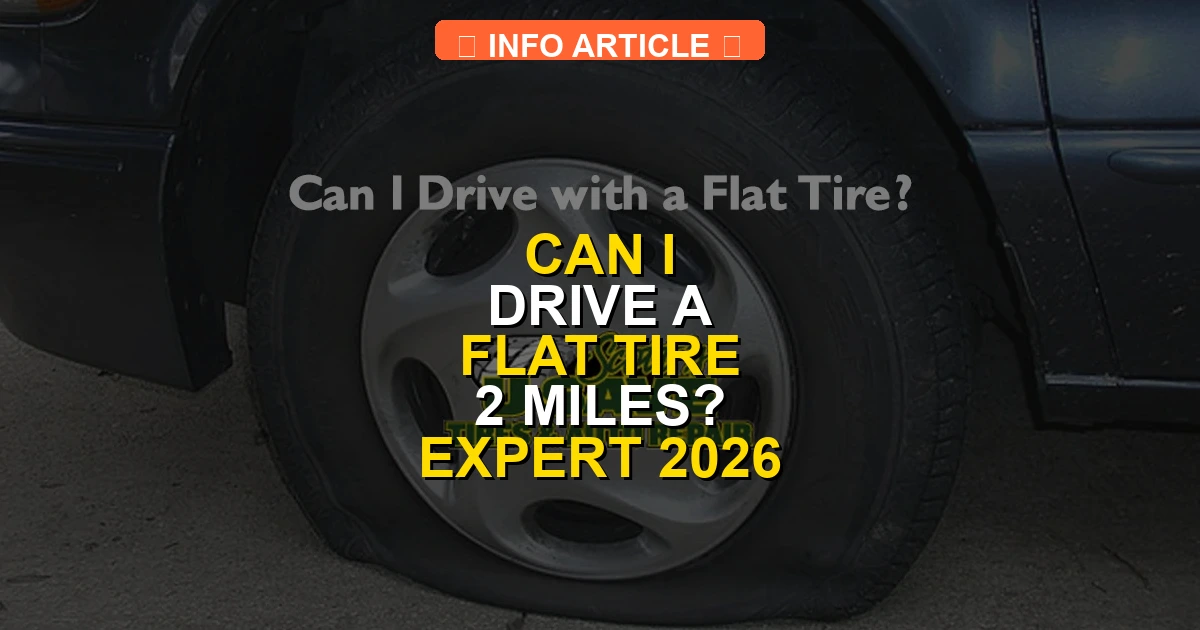
Driving on a flat tire for 2 miles is strongly discouraged because it will completely destroy the tire, likely ruin your expensive metal rim, and create a severe steering hazard. If you must attempt it in an extreme emergency, keep your speed under 15 mph with hazard lights on, but expect costly wheel damage.
The short answer is no. You should not drive a flat tire for 2 miles unless you are facing an immediate physical danger. Pushing your vehicle that distance on zero pressure will completely destroy the tire, likely bend or crack your expensive alloy wheel rim, and severely compromise your steering and braking control.
As drivers navigate the roads in 2026, roadside assistance times and modern vehicle configurations make risking a 2-mile drive an expensive gamble. Even though you might save a few minutes upfront, you are virtually guaranteed to turn a simple tire repair into a thousand-dollar wheel and suspension repair bill.
Key Takeaways
- Driving 2 miles on a flat will destroy the tire casing completely.
- Metal rims often crack or warp when driven on without air pressure.
- Steering control and braking performance drop drastically on a flat tire.
- Using a spare tire or temporary inflator kit prevents expensive rim damage.
- Calling roadside assistance is the safest choice if you cannot change the tire.
What Happens When You Drive on a Flat Tire
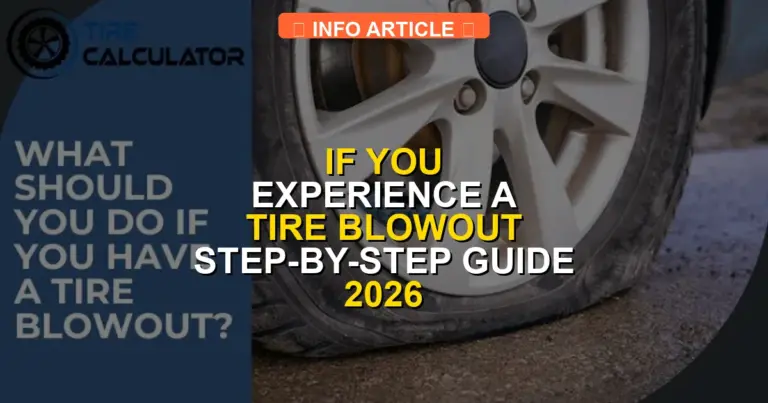
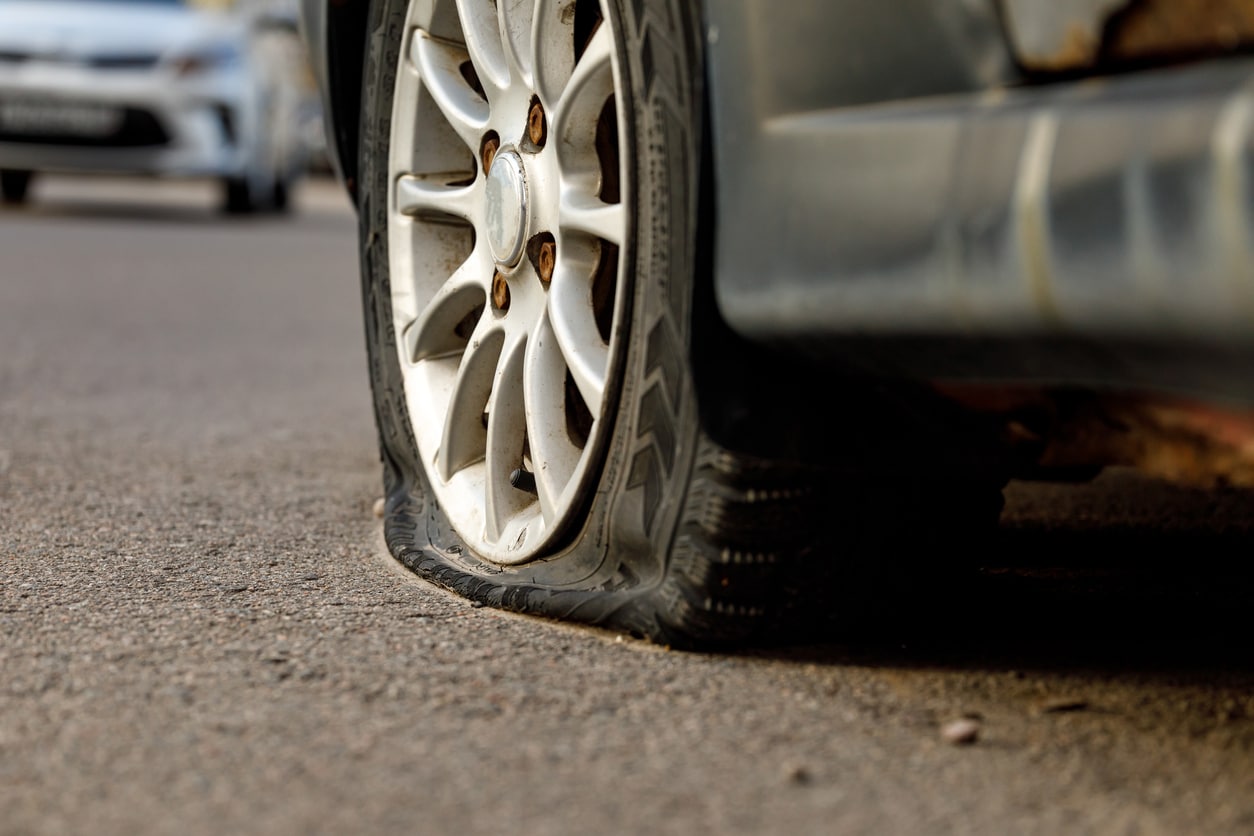
When all the air escapes your tire, the weight of your vehicle rests entirely on the thin rubber sidewall. As the wheel turns, the heavy rim crushes that rubber against the asphalt. Within just a few hundred feet, the structural integrity of the tire disintegrates completely.

Internal Damage and Destruction
Driving even a short distance on a completely flat tire generates extreme internal friction and heat.
- Complete Tread Separation: The rubber tread will literally shred apart and detach from the casing.
- Sidewall Shredding: The sidewalls will fold under the rim, slicing the rubber into ribbons.
- Zero Repairability: A tire driven flat for 2 miles cannot be patched or plugged; it is instant scrap metal.
Rim and Suspension Destruction
Once the rubber barrier is gone, your metal wheel rim makes direct, grinding contact with the pavement.
- Bent or Cracked Rims: Hitting a pothole or a turn with metal-on-asphalt will bend steel wheels and crack alloy rims.
- Alignment Damage: The severe imbalance and impact shock transfer directly into your steering knuckles and suspension components.
- Brake Line Risks: Debris from the shredded tire can wrap around your brake lines or ABS sensors, causing secondary failures.
How to Safely Change a Flat Tire Step-by-Step
Since driving 2 miles on a flat is a recipe for disaster, your best option is to pull over safely and change the tire. Modern 2026 vehicles typically feature a compact spare or a temporary inflation kit in the trunk.
Preparation and Securing the Vehicle
Never attempt to change a tire on an active traffic lane or a narrow shoulder.
- Find a Safe Spot: Coast into a well-lit parking lot or pull as far away from traffic as possible on a flat, stable surface.
- Engage Safety Measures: Turn on your hazard lights immediately, set your parking brake firmly, and place wheel chocks against the tires diagonal from the flat one.
- Gather Your Tools: Retrieve your jack, lug wrench, and spare tire from the trunk before lifting the vehicle.
Lifting and Swapping the Wheel
Execute the mechanical steps methodically to avoid injury or vehicle damage.
- Loosen the lug nuts a quarter-turn counterclockwise while the tire is still touching the ground.
- Position your vehicle’s jack under the designated frame pinch weld and raise the car until the flat tire clears the ground by about six inches.
- Remove the lug nuts completely, pull the flat tire straight off the wheel bolts, and mount your spare tire onto the hub.
- Hand-tighten the lug nuts in a star pattern, lower the vehicle back to the ground, and fully torque the nuts with your wrench.
What If It Still Doesn’t Work or You Have No Spare
Driving on a completely flat tire for two miles is never recommended by automotive engineers, but sometimes motorists find themselves stranded without a functional spare, a working jack, or roadside assistance coverage. If modern sealant kits fail or you are facing a dangerous roadside hazard in 2026, you must know your alternative options to protect your vehicle and your safety.
When standard emergency fixes are unavailable, following a strict protocol minimizes mechanical damage and personal risk. Modern vehicles feature advanced suspension and braking systems that are easily compromised by structural tire failure.
Alternative Options When Stranded
If you cannot change the tire and cannot drive safely, adhere to these procedural recovery steps:
- Activate hazard lights immediately: Pull as far onto the shoulder as safely possible to alert oncoming traffic, especially during low-visibility conditions.
- Call professional roadside assistance: Contact your auto insurance provider, vehicle manufacturer hotline, or an independent towing service to request a flatbed truck rather than a wheel-lift tow.
- Evaluate slow-roll possibilities: If you are blocking active lanes of high-speed traffic and must move the vehicle, idle in neutral or first gear at a walking pace of less than 5 miles per hour for the absolute minimum distance required to reach safety. Expect total destruction of the tire and potential wheel rim damage costing upward of $300 to $600 to replace.
- Secure safe shelter: Exit the vehicle on the side away from traffic, move behind a guardrail if available, and wait for professional help rather than attempting to walk along busy 2026 highway corridors.
Professional towing services typically charge between $75 and $150 for a standard local hookup, which remains significantly cheaper than replacing a ruined alloy wheel, shattered brake calipers, or a bent suspension control arm caused by forcing a flat tire down the road.
Conclusion
Attempting to drive a flat tire two miles destroys the tire casing, damages the wheel rim, and risks a complete loss of vehicle control. According to verified research and expert sources from major automotive safety organizations, motorists should always utilize a temporary spare, an inflation kit, or professional towing services instead of rolling on zero pressure. Review your roadside assistance policy today to ensure you are fully prepared for unexpected tire emergencies on the road.
❓ Frequently Asked Questions
How far can you drive on a flat tire before total destruction?
A flat tire is typically destroyed within a few hundred feet of driving. Continuing for two miles means you will likely be driving entirely on the bare metal rim.
Will insurance cover rim damage caused by driving on a flat?
Most standard auto insurance policies do not cover damage caused by knowingly driving on a flat tire, classifying it as wear and tear or driver negligence.
Can I ruin my car’s suspension by driving on a flat tire?
Yes, the uneven height and severe impact of driving without a cushioned tire can damage suspension components, alignment, and wheel bearings.
What is the best alternative to driving on a flat tire?
Installing your compact spare tire, using an emergency tire sealant kit, or calling a tow truck are far safer and cheaper alternatives.
How long does it take to change a flat tire?
Replacing a flat tire with a spare typically takes between 15 and 30 minutes if you have a jack, lug wrench, and a safe flat surface.
Can a flat tire be repaired after being driven on?
If a tire has been driven on while completely flat, the internal sidewalls are usually crushed and shredded, making repair impossible and requiring a full replacement.