The sudden, jarring sound, the violent tug on the steering wheel, and the terrifying loss of control – a tire blowout is one of the most frightening and dangerous scenarios any driver can face on the road. In mere seconds, a routine commute can transform into a life-threatening emergency. The problem isn’t just the blowout itself, but the panic it often induces, leading to incorrect and potentially catastrophic reactions. This comprehensive guide for 2026 provides expert, actionable steps, transforming fear into confidence by equipping you with the vital knowledge to respond safely and effectively should this critical event occur.
Overview: Understanding the Tire Blowout Phenomenon
📤 Share Image
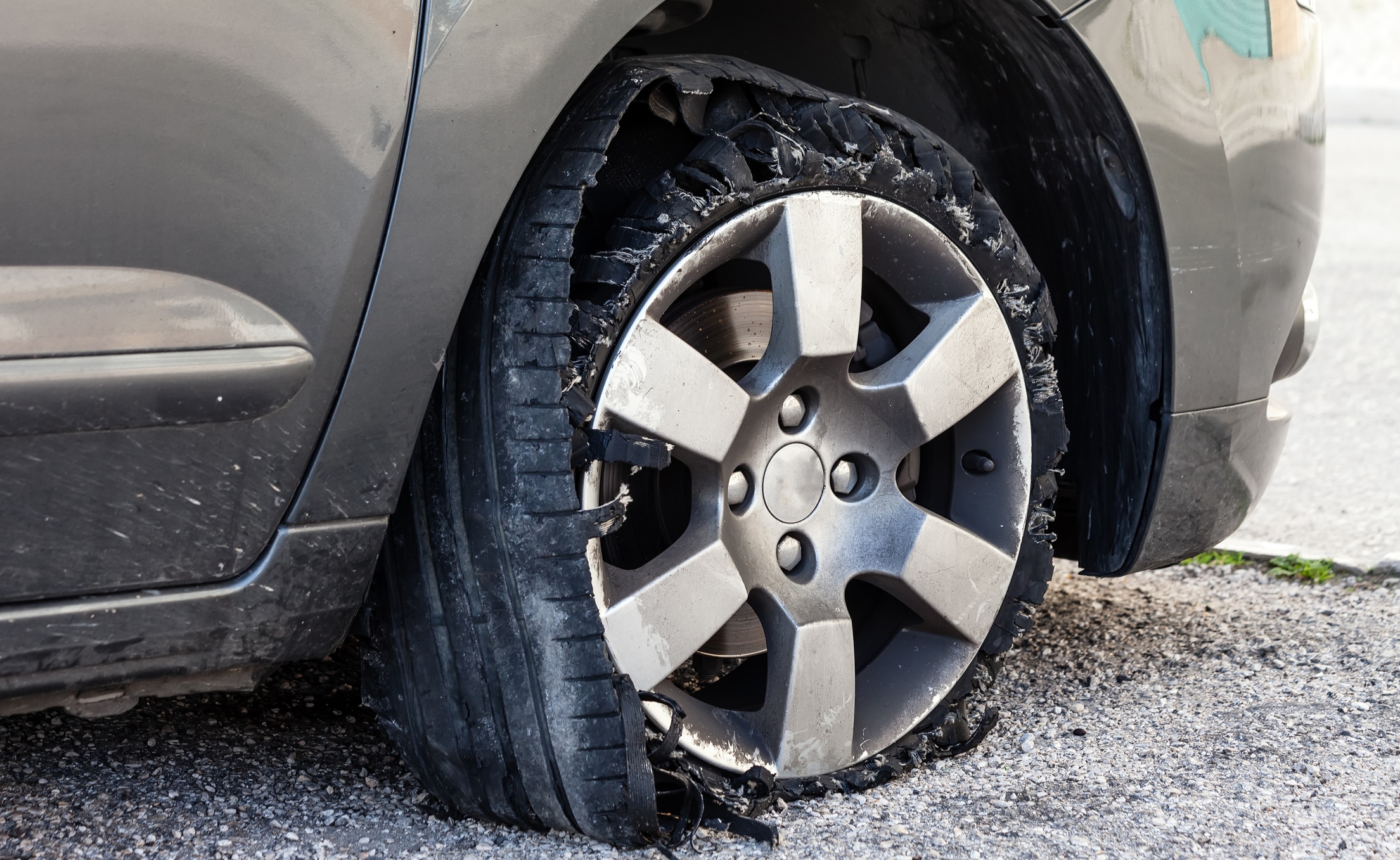
A tire blowout, often confused with a slow leak or a flat tire, is the sudden and catastrophic failure of a tire, typically resulting in a rapid loss of air pressure. This violent event can be triggered by various factors, including road hazards, manufacturing defects, or, most commonly, under-inflation leading to excessive heat buildup and structural fatigue. The distinction is crucial: a blowout demands immediate, precise action due to the abrupt change in vehicle dynamics, whereas a slow flat allows more time for a controlled stop.
The consequences of a blowout can be severe. Industry data reveals that tire-related issues, including blowouts, contribute to a significant number of accidents annually. For instance, research indicates that approximately 1.5% of all traffic accidents are directly attributable to tire failure, with blowouts representing a substantial portion of these high-impact incidents. The sudden loss of stability, particularly at highway speeds, can lead to severe swerving, loss of control, and potential collisions. This makes having a reliable, pre-planned response not just beneficial, but absolutely critical for your safety and that of others.
By The Numbers: Tire Blowouts & Safety
Accidents due to tire failure (2026 estimate)
Drivers react incorrectly, increasing risk
Blowout risk reduced by proper maintenance
Average driver reaction time to blowout
Key Benefits of Knowing How to Respond
Understanding the correct response to a tire blowout extends far beyond mere driving knowledge; it’s a critical component of defensive driving and personal safety. Possessing this professional insight offers multifaceted benefits that can dramatically alter the outcome of a potentially catastrophic event.
Enhanced Safety Outcomes
Correct actions significantly reduce the risk of losing control, preventing secondary collisions or veering off-road. Expert analysis shows that a controlled response can reduce accident severity by over 60% compared to panicked reactions.
Reduced Vehicle Damage
By maintaining control, you minimize damage to rims, suspension components, and other parts of your vehicle that can be severely impacted during an uncontrolled skid or collision. This translates to lower repair costs and inconvenience.
Increased Driver Confidence
Knowing what to do instills a sense of preparedness, reducing anxiety and allowing for a calmer, more effective reaction when faced with an emergency. This trusted guide empowers you with a crucial life skill.
Legal and Insurance Advantages
Demonstrating a controlled response can be beneficial in any post-incident investigation, supporting claims that you acted responsibly to mitigate damage and injury. It reflects a higher standard of driving quality.

How It Works: The Immediate Response Protocol
When a tire blows out, your vehicle will instantly become unstable. The key to mitigating danger is to counteract the forces at play with calm, deliberate actions. Our reliable information outlines the precise steps to take the moment you experience a blowout.
📋
Step-by-Step Immediate Response
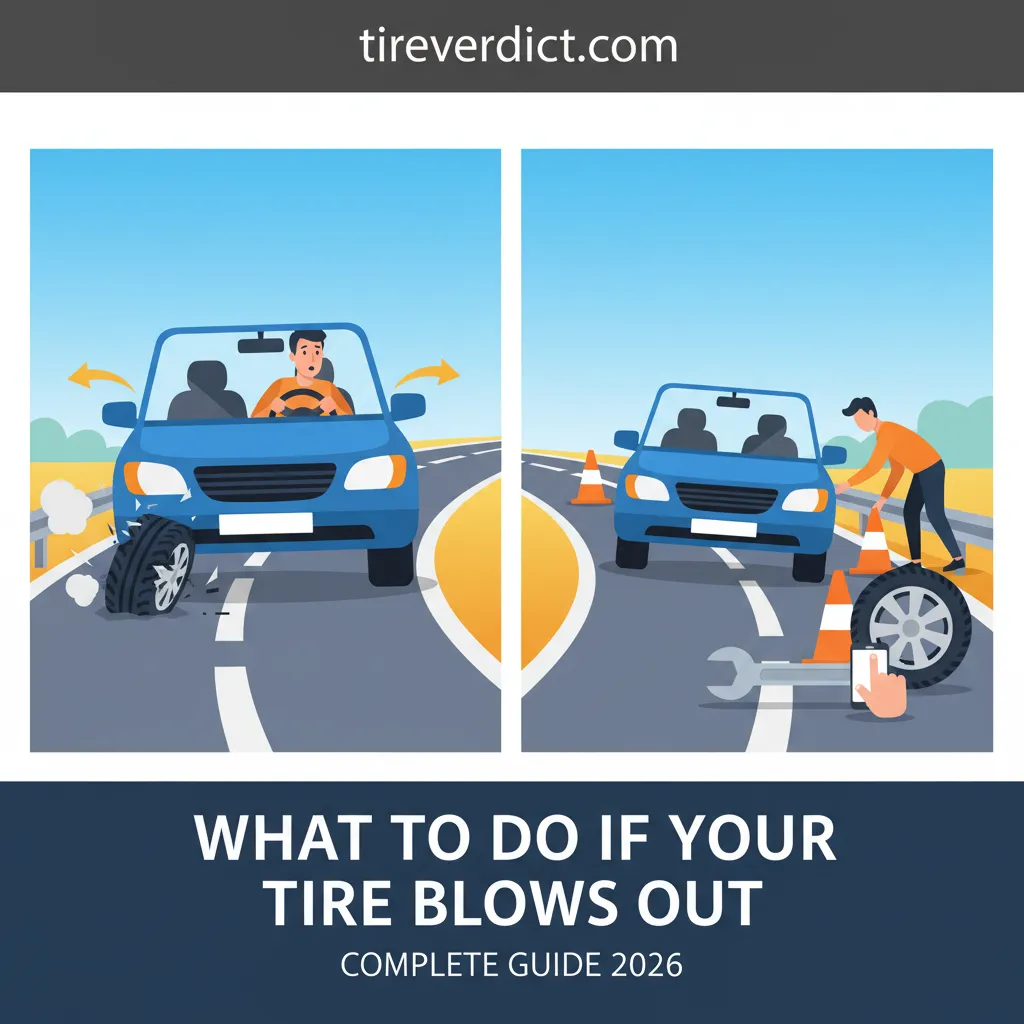
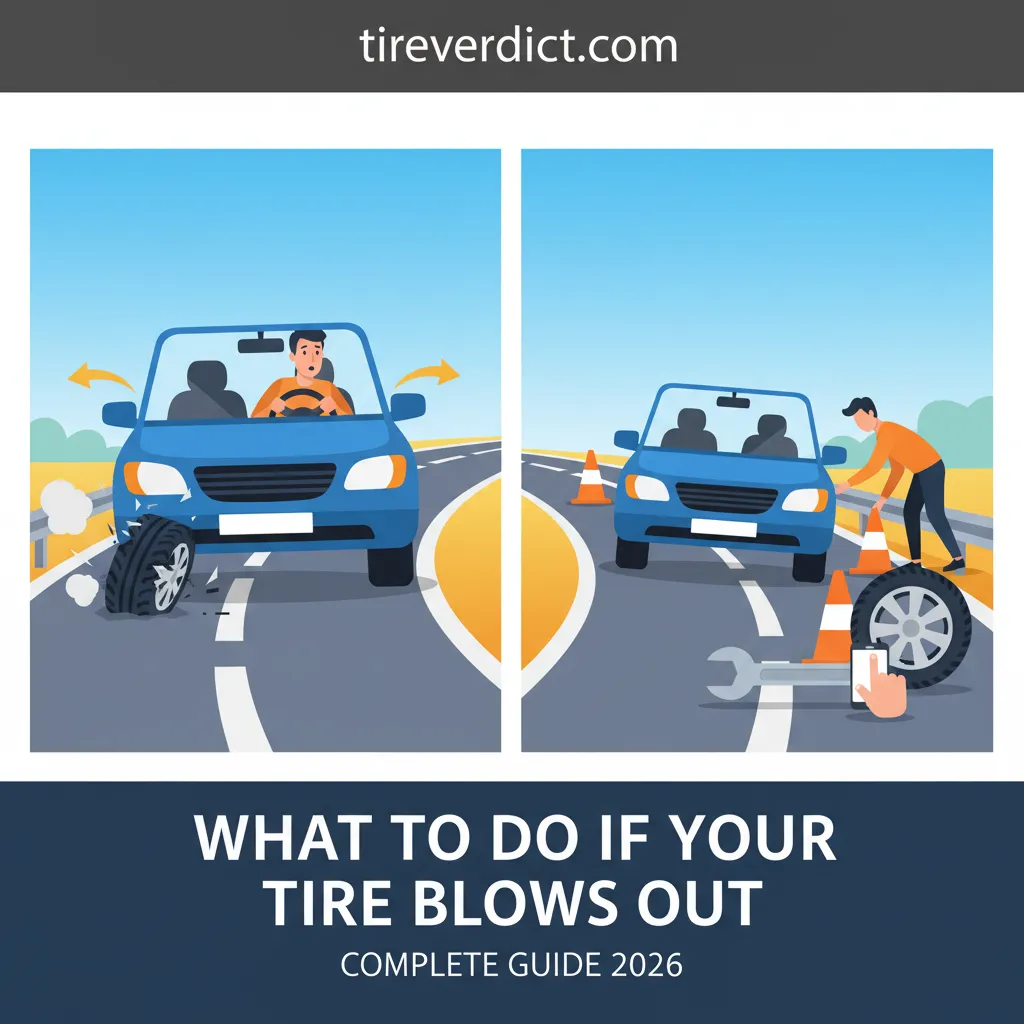
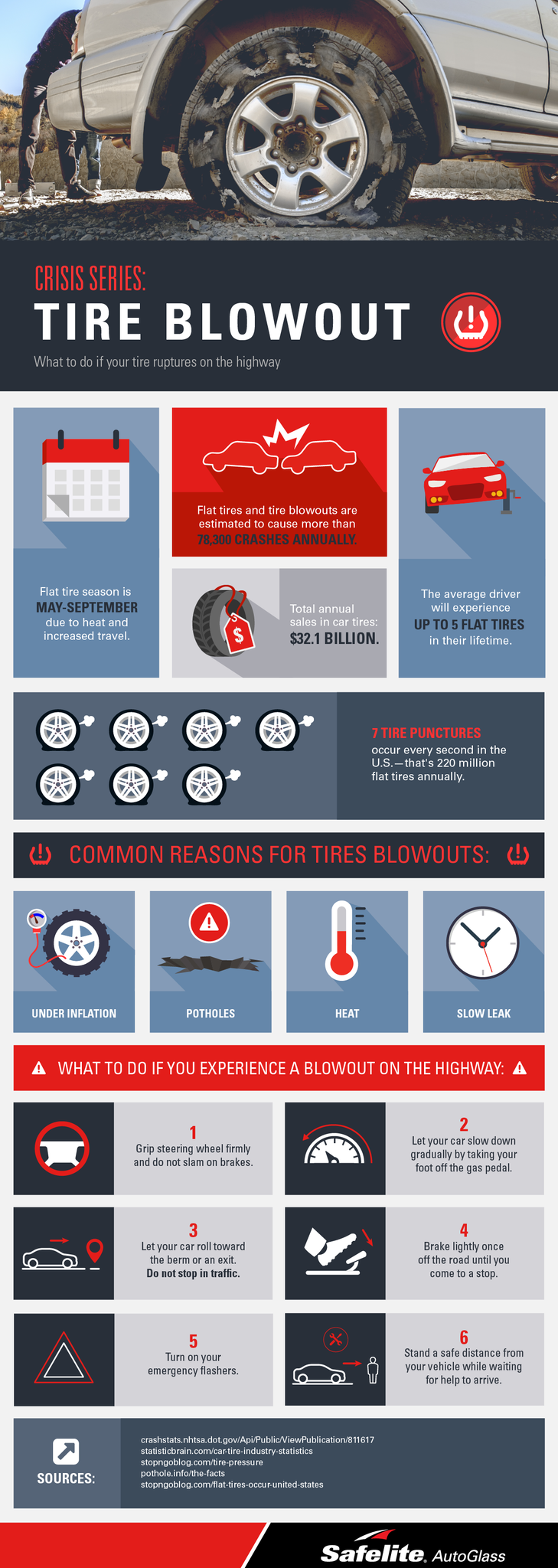
Immediately grip the steering wheel firmly with both hands (at 9 and 3 o’clock positions). The vehicle will pull sharply towards the blown tire. Resist the urge to overcorrect. Steer gently but decisively to maintain your lane. If a front tire blows, the pull will be more severe; if a rear tire, the back end may sway. Keep your eyes focused far down the road, not immediately in front of the vehicle.
This is counter-intuitive for many drivers. Slamming on the brakes will almost certainly lead to a loss of control, a spin, or a roll-over. Instead, gently ease off the accelerator. The drag from the blown tire will naturally slow the vehicle. If you must brake, apply light, consistent pressure to the brake pedal after you have gained some control and the vehicle has slowed significantly.
Once you’ve eased off the accelerator and are steering to maintain direction, activate your turn signal to indicate your intention to move to the shoulder or a safe stopping area. Do this as soon as it is safe, communicating your actions to other drivers.
Allow the vehicle to decelerate naturally. Guide it gradually to the safest possible stopping point, such as the shoulder of the road or a nearby exit ramp. Avoid sudden, sharp steering inputs. Continue to apply light, consistent brake pressure only once the vehicle has significantly slowed and you are firmly in control.
Once safely stopped, immediately engage your hazard lights. If possible, angle your wheels slightly away from traffic. This offers a small barrier should another vehicle strike yours from behind.
While you cannot simulate a real blowout, you can mentally rehearse these steps. Visualizing the sequence of actions can significantly reduce reaction time and panic in an actual emergency. This mental preparation is a hallmark of a truly professional driver.
Getting Started: Post-Blowout Actions and Prevention
Successfully navigating the immediate aftermath of a blowout is only half the battle. The next phase involves securing your safety, assessing the situation, and arranging for a solution. This section provides a guide to post-blowout procedures and crucial preventive measures for 2026 and beyond.
Post-Blowout Protocol: What to Do Next
- Ensure Safety: Once stopped, if it’s safe to do so, exit the vehicle on the side away from traffic. If on a busy highway shoulder, it might be safer to remain inside with your seatbelt fastened, especially if you have run-flat tires which offer limited mobility.
- Visibility: Place reflective triangles or flares behind your vehicle, if available and safe to deploy, to alert oncoming traffic. This is particularly important at night or in low visibility conditions.
- Assess Damage: Carefully inspect the blown tire and surrounding vehicle components. A severe blowout can damage fenders, brake lines, or suspension.
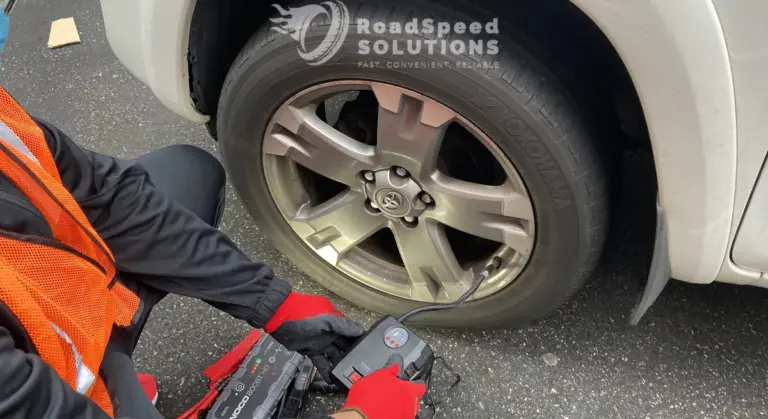
- Roadside Assistance: For most modern vehicles, especially if you lack the necessary tools or expertise, calling for professional roadside assistance is the safest and most efficient option. Many new cars (2020-2026 models) come with integrated roadside assistance programs or apps. Your car insurance policy may also include this service.
- Consider Your Options:
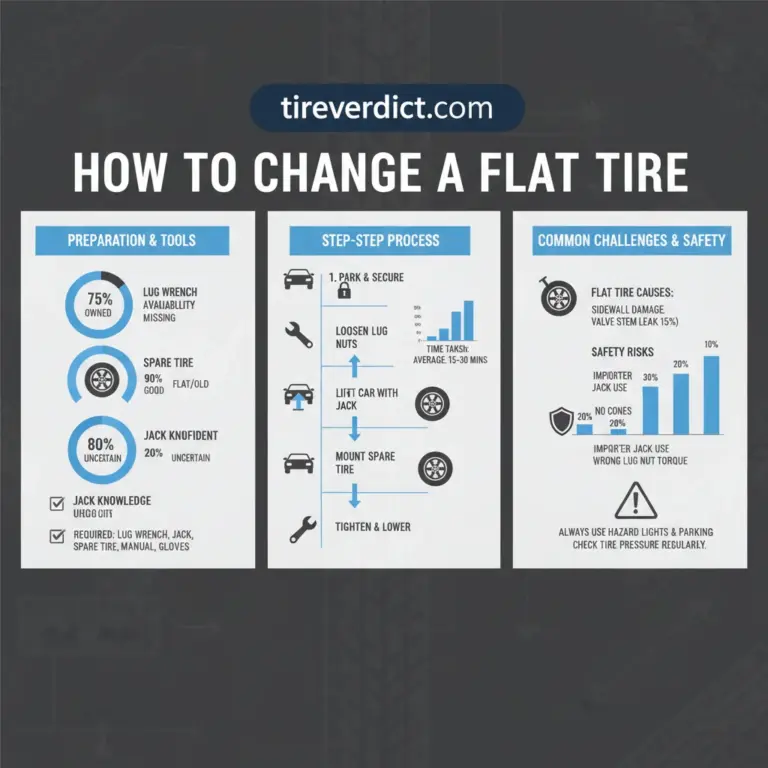
✅ Changing a Tire Yourself (Pros)
- Immediate Resolution: Get back on the road faster.
- Cost-Effective: Avoid roadside assistance fees (if not covered).
- Self-Reliance: Empowers you with a practical skill.
❌ Changing a Tire Yourself (Cons)
- Safety Risk: High exposure to traffic, especially on busy roads.
- Physical Demand: Requires strength and proper technique.
- Equipment: Requires a spare tire (or repair kit), jack, lug wrench, and often, chocks.
- Complexity: Modern vehicles may have complex jacking points or specialized lug nuts.
- Temporary Fix: Spare tires are often temporary and speed-limited.
Never attempt to change a tire if you are on a narrow shoulder, a blind curve, or in any location where traffic is fast-moving and close. Your life is worth far more than saving a service call. Wait for professional assistance in a safe location, even if it means waiting inside your vehicle.
Prevention: Minimizing Blowout Risk
The best way to handle a tire blowout is to prevent it entirely. Adopting a diligent tire maintenance routine is your most effective defense, significantly reducing your risk and providing reliable peace of mind. Research indicates that proper tire maintenance can reduce the likelihood of a blowout by up to 80%.
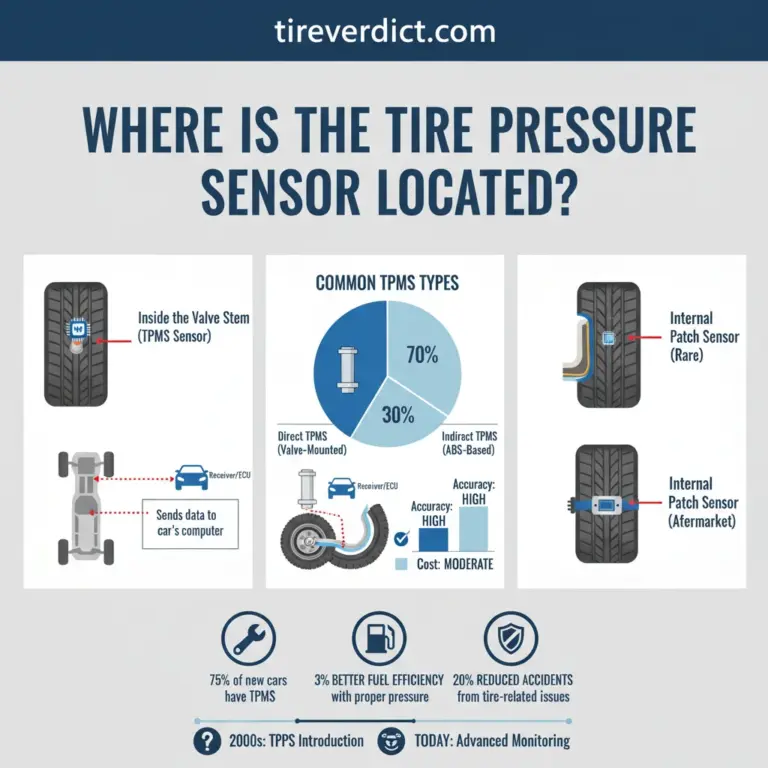
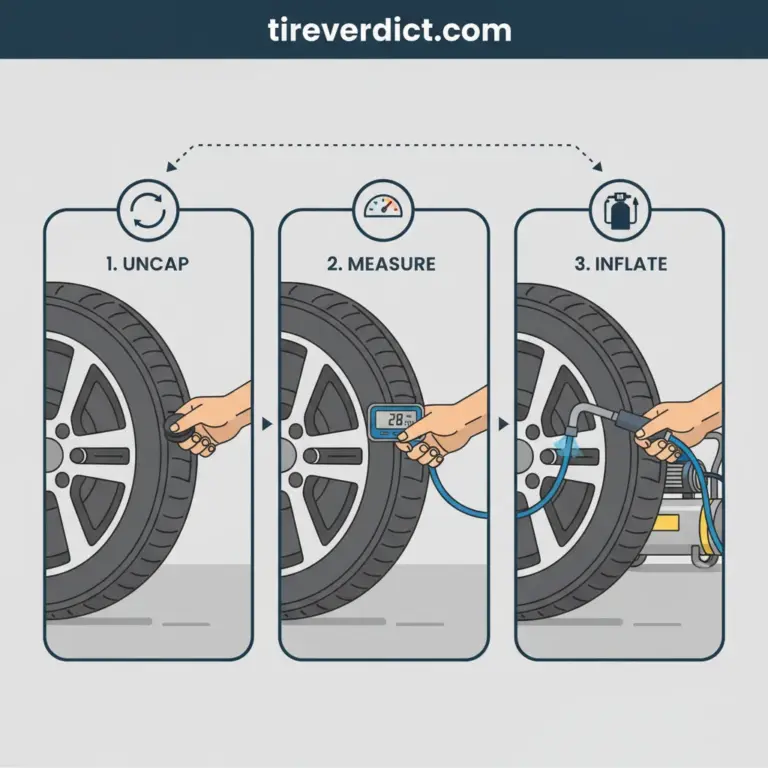
- Regular Pressure Checks: Check tire pressure at least once a month and before long trips, including your spare. Refer to your vehicle’s owner’s manual or the sticker on the driver’s side door jamb for the correct PSI. Under-inflation is the leading cause of tire blowouts due to excessive heat buildup and increased internal stress.
- Tread Depth Inspection: Use a penny to check tread depth. If Lincoln’s head is visible, your tires are likely worn and need replacement. Insufficient tread reduces grip and increases susceptibility to punctures and blowouts.
- Visual Inspections: Regularly inspect your tires for bulges, cracks, cuts, or embedded objects. These can be early indicators of structural weakness or impending failure.
- Tire Rotation and Balancing: Follow your vehicle manufacturer’s recommendations for tire rotation (typically every 5,000-8,000 miles) and balancing. This ensures even wear and extends tire life, promoting overall quality and durability.
- Load Limits: Never overload your vehicle. Exceeding the tire’s maximum load capacity, found on the tire sidewall, places undue stress on the tire structure, significantly increasing blowout risk.
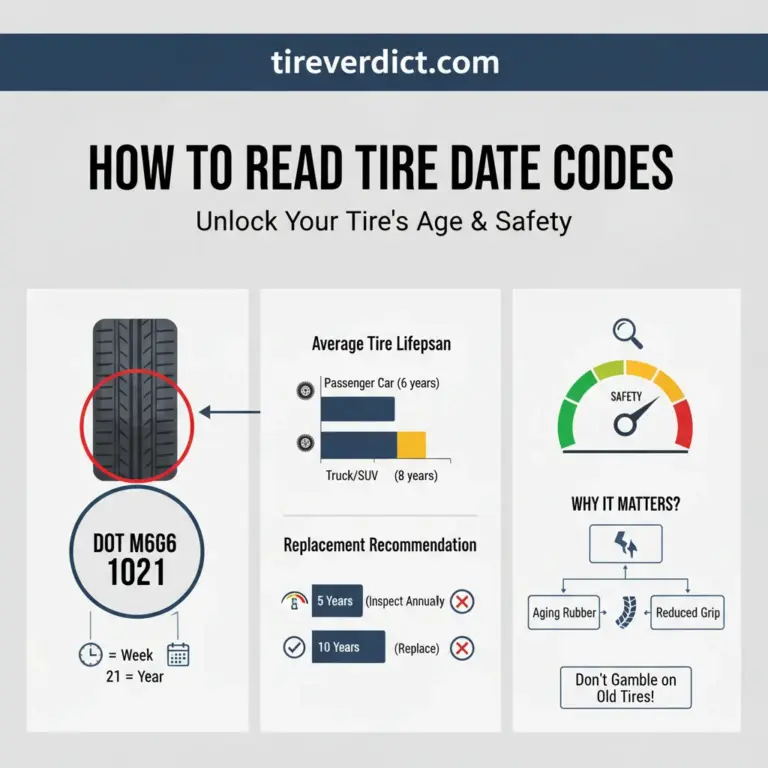
- Age of Tires: Even with good tread, tires degrade over time. Most tire manufacturers and automotive experts recommend replacing tires that are 6 to 10 years old, regardless of mileage. Check the DOT code on your tire sidewall to determine its manufacturing date.
By implementing these preventive measures, you contribute significantly to road safety, not just for yourself but for everyone around you. This proactive approach underscores the importance of expert maintenance and informed driving practices.
Conclusion: Preparedness for the Unexpected
Navigating a tire blowout demands a blend of immediate action, strategic thinking, and prior preparation. This complete guide for 2026 has underscored several crucial points: first, calm, controlled steering and avoiding sudden braking are paramount during the initial shock. Second, ensuring post-blowout safety, whether by calling professional assistance or carefully executing a tire change, is critical. Finally, proactive tire maintenance is the most effective defense, drastically reducing the likelihood of experiencing such an event. Equip yourself with this information, drive mindfully, and ensure your tires are always in optimal condition. Your life, and the lives of others, depend on it.