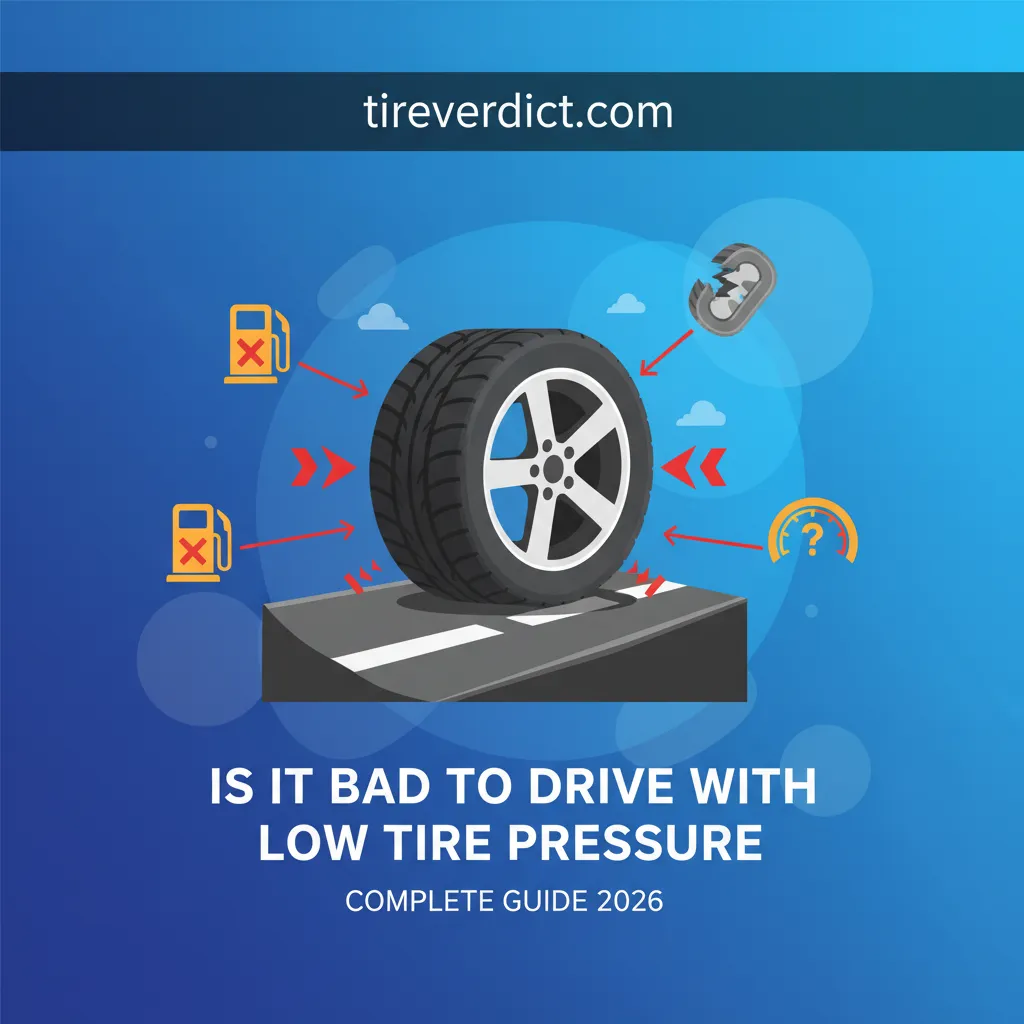
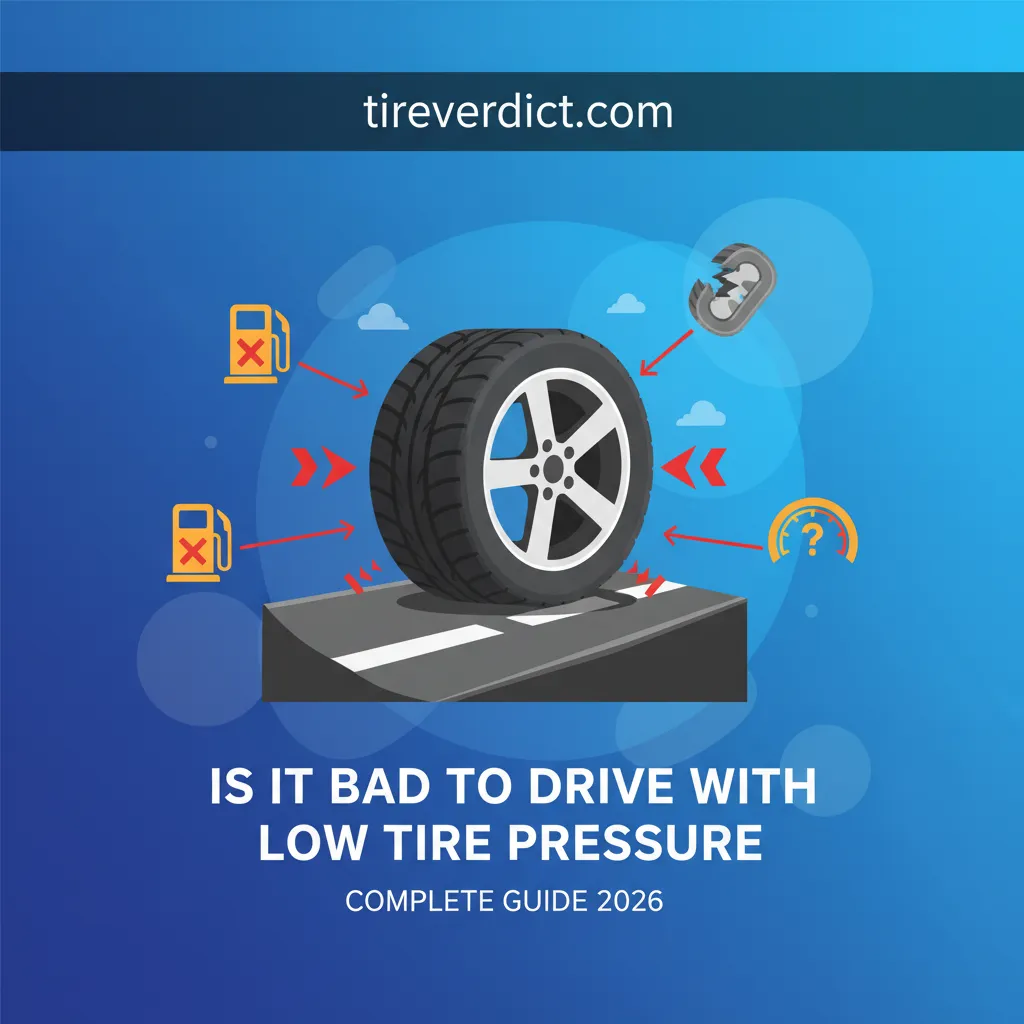
Is It Bad To Drive With Low Tire Pressure: Complete Guide 2026
Imagine cruising down the highway, only to realize your vehicle’s stability feels ‘off’ – a subtle yet unsettling sensation that often points to a silent culprit: low tire pressure. Driving with underinflated tires is a common oversight, yet it carries substantial, often underestimated, risks ranging from significant safety hazards to costly damage to your vehicle and diminished fuel efficiency. Many drivers are unaware of the insidious ways low tire pressure impacts their vehicle and their wallet.
This complete guide for 2026 will demystify the dangers of underinflation, detail its causes, provide step-by-step instructions for proper pressure maintenance, and equip you with troubleshooting expertise to ensure your tires remain in optimal condition, safeguarding your journey and investment. As a trusted expert in automotive care, our aim is to provide reliable, professional information that empowers every driver.
What Causes Tire Underinflation: Diagnosing Common Pressure Loss Factors
Understanding why tires lose air pressure is the first step toward effective maintenance. While punctures are an obvious culprit, several less apparent factors contribute to chronic underinflation, making regular checks essential for maintaining optimal tire quality and performance.
📤 Share Image
Natural Permeation
Even the highest-quality tires are not perfectly airtight. The rubber compound, while durable, is microscopically porous, allowing air molecules to slowly escape over time. This phenomenon, known as natural permeation, is the most common reason for gradual pressure loss. Automotive industry studies indicate that tires can naturally lose up to 2 PSI per month due to this inherent characteristic of rubber. This means even a perfectly healthy tire will gradually become underinflated without regular top-ups.
Punctures and Leaks
Beyond natural permeation, actual leaks are a frequent cause. Common culprits include nails, screws, glass, or other road debris that create slow punctures, often going unnoticed for days or weeks. However, the leak might not be in the tread. Valve stems can develop cracks or have loose cores, compromising their seal. Similarly, the tire bead seal – where the tire meets the wheel rim – can leak due to corrosion on the rim, improper seating during installation, or minor damage. A simple test involves applying a soap-water solution to these areas; observing small bubbles from a valve stem or the bead indicates a leak.
Temperature Fluctuations
The physics governing tire pressure is deeply intertwined with temperature. According to the Ideal Gas Law (PV=nRT), as ambient temperature drops, so does the pressure within a tire, assuming volume and the amount of gas remain constant. This is a crucial, often overlooked, factor, especially with seasonal changes. A significant 10-degree Fahrenheit drop in ambient temperature typically results in a 1 PSI reduction in tire pressure. This means tires properly inflated in summer might be severely underinflated during winter months.
Wheel and Rim Integrity
The wheel itself plays a critical role in maintaining tire pressure. Corrosion, bent rims, or minor damage to the wheel can compromise the airtight seal with the tire bead, leading to chronic slow leaks. Even subtle damage from a pothole or curb strike might not be immediately visible but can cause persistent pressure loss. A reliable technician often inspects the rim thoroughly during tire services.
TPMS Malfunctions
While designed to warn drivers, a faulty Tire Pressure Monitoring System (TPMS) sensor can itself be a source of confusion. In rare instances, a sensor might provide inaccurate readings or fail to warn of actual underinflation, leading to a false sense of security. It’s important to remember that TPMS is a warning system, not a substitute for manual checks.

The Critical Dangers and Adverse Effects of Driving with Underinflated Tires
Driving with underinflated tires is not merely an inconvenience; it presents a cascade of critical dangers and adverse effects that compromise both safety and the operational integrity of your vehicle. Ignoring proper tire pressure is a significant risk that no professional driver would endorse.
Elevated Safety Risks
One of the most severe consequences of underinflation is the heightened danger of tire blowouts. When a tire is underinflated, its sidewalls flex excessively, generating immense heat. This heat buildup can weaken the tire’s internal structure, especially at highway speeds, potentially leading to a catastrophic blowout and an immediate loss of vehicle control. The National Highway Traffic Safety Administration (NHTSA) estimates that underinflated tires contribute to approximately 11,000 crashes and 200 fatalities annually in the U.S., underscoring the gravity of this issue.
Compromised Vehicle Dynamics
Underinflated tires significantly impair a vehicle’s handling characteristics. They lead to reduced steering responsiveness, making the vehicle feel ‘mushy’ or sluggish. More critically, braking distances often increase, as the tire’s contact patch with the road is uneven and less effective. Overall vehicle stability is diminished, rendering emergency maneuvers, such as sudden swerving to avoid an obstacle, far more hazardous. For instance, a vehicle with significantly uneven tire pressure might pull drastically to one side during hard braking, creating an unstable and dangerous situation.
Accelerated Tire Wear and Reduced Lifespan
An underinflated tire does not make even contact with the road surface. Instead of a uniform footprint, it typically bows inward, causing the outer edges of the tread to bear the brunt of the vehicle’s weight. This leads to premature and uneven wear on these edges, significantly shortening the tire’s operational life. Driving on tires underinflated by just 6 PSI can reduce tire tread life by up to 25%, compelling earlier and more frequent tire replacement, which impacts your wallet and the environment.
Decreased Fuel Efficiency
The increased sidewall flexing and uneven road contact from underinflated tires lead to higher rolling resistance. This means the engine has to work harder to propel the vehicle forward, consuming more fuel. Research consistently shows a direct correlation between underinflation and reduced fuel economy. Driving on tires underinflated by just 6 PSI can decrease fuel economy by 3%. Over a year, this seemingly small percentage translates to a noticeable increase in fuel costs, representing a tangible financial impact for drivers.
Increased Stress on Vehicle Components
Tires are a crucial part of a vehicle’s suspension system. When they are underinflated, they become softer and less supportive, transferring more impact and vibration directly to other critical components. This added stress can accelerate the wear of suspension components (shocks, struts), wheel bearings, and steering linkages, potentially leading to costly repairs much sooner than anticipated. This often overlooked consequence highlights the interconnectedness of vehicle systems and the importance of a holistic approach to maintenance.
By The Numbers
Crashes Annually (U.S.) Due to Underinflated Tires (NHTSA)
Fatalities Annually (U.S.) Linked to Underinflation (NHTSA)
Reduction in Tire Tread Life (for just 6 PSI underinflation)
Decrease in Fuel Economy (for just 6 PSI underinflation)

How to Accurately Check and Correct Tire Pressure: A Step-by-Step Procedure
Regularly checking and correcting tire pressure is a simple yet profoundly impactful maintenance task. This actionable, step-by-step guide will ensure you maintain optimal tire pressure for safety, performance, and longevity.

📋
Step-by-Step Guide
Find your vehicle manufacturer’s recommended cold tire pressure. This crucial information is typically on a sticker inside the driver’s side door jamb, in your owner’s manual, or on the fuel filler flap. Do NOT use the maximum pressure listed on the tire’s sidewall; this is the tire’s maximum safe pressure, not the vehicle’s optimal operating pressure.
Invest in a high-quality, calibrated tire pressure gauge. Digital gauges offer precise readings, while good analog stick gauges are also reliable. Avoid cheap, plastic gauges. Unscrew the valve cap, press the gauge firmly onto the valve stem until the hissing sound stops, and read the pressure. A professional gauge will provide far more accurate information than a basic, uncalibrated unit.
Always check tire pressure when the tires are ‘cold.’ This means the vehicle has been stationary for at least three hours or has been driven for less than a mile at moderate speed. Driving heats up tires, causing pressure to increase. Tires warm up approximately 1 PSI for every 10 degrees Fahrenheit of temperature increase during driving, leading to inaccurate readings if checked when hot.
If pressure is low, add air using an air compressor (available at most gas stations or for home use). Add air in short bursts, re-checking the pressure frequently until it matches the manufacturer’s recommendation. If you overinflate, simply press the small pin in the center of the valve stem to release air. Once correct, securely replace the valve caps on all tires to prevent dirt and moisture ingress.
Your Tire Pressure Monitoring System (TPMS) light indicates that one or more tires are significantly underinflated (typically 25% below recommended PSI). When this light comes on, it’s a prompt to manually check and adjust all tire pressures immediately. After correcting the pressure, the light should turn off after a few miles of driving; if it doesn’t, or if it flashes, it may indicate a system malfunction requiring professional diagnosis. For instance, a TPMS light commonly activates after a sudden cold snap due to the natural pressure drop.
Most vehicle manufacturers recommend checking tire pressure monthly and before long trips. Making this a routine habit can prevent numerous issues and ensure optimal safety and fuel efficiency.
Persistent Pressure Loss: Troubleshooting and Advanced Solutions for Stubborn Tire Issues
When routine inflation doesn’t resolve chronic low tire pressure, it’s time for more advanced troubleshooting. Persistent pressure loss indicates an underlying issue that requires a deeper, professional examination to ensure reliable and safe operation.
Professional Tire Inspection
If a tire consistently loses air despite regular top-ups, it warrants a thorough inspection by a certified technician. They can dismount the tire from the wheel to check for hidden punctures, subtle sidewall damage, or internal structural issues that are not visible to the untrained eye. Many punctures are not obvious from the exterior, especially slow leaks. Approximately 85% of tire punctures are repairable if confined to the tread area and less than 1/4 inch in diameter, but only a professional can make this determination safely.
Identifying Bead and Valve Stem Leaks
Common sources of slow leaks include the tire bead and valve stem. A simple soap and water test (spraying a solution around the valve stem and the entire bead area) can often pinpoint these leaks, showing a steady stream of bubbles. Leaks from the valve stem are often due to a loose valve core or a deteriorating rubber stem. Valve stem replacement is recommended whenever new tires are installed, costing approximately $5-$15 per stem, a small price for significant peace of mind and air retention.
Assessing Wheel and Rim Condition
The wheel itself can be the culprit. Corrosion, minor deformities, or cracks on the wheel rim can prevent the tire bead from forming a proper, airtight seal. This is particularly prevalent with aluminum alloy wheels, which can oxidize. A technician can inspect the rim for damage, clean any corrosion, and apply a bead sealer. In severe cases, a bent or cracked rim may require replacement, as a specialized tool might reveal a micro-fracture not immediately visible. This expertise ensures a truly reliable solution.
TPMS Sensor Diagnostics and Repair
If your TPMS warning light remains on or flashes after you’ve corrected tire pressures, the issue likely lies with the system itself. A faulty TPMS sensor, a dying battery within the sensor, or a need for recalibration can cause these warnings. Diagnosing TPMS issues requires specialized diagnostic tools to read error codes, such as a sensor displaying an ‘Error’ code. Repair or replacement of these sensors ensures the warning system functions correctly, providing you with quality, accurate information.
Understanding When Replacement is Necessary
Not all tire damage is repairable. Criteria necessitating complete tire replacement include extensive sidewall damage, punctures larger than 1/4 inch, or punctures outside the repairable tread area (e.g., near the shoulder). Additionally, if a tire shows signs of compromised internal structure, such as bubbling or separation, replacement is the only safe option. A trusted tire expert will always recommend replacement over an unsafe repair, prioritizing your safety above all else.
Proactive Tire Maintenance: Ensuring Optimal Performance and Preventing Future Underinflation
Beyond reactive fixes, proactive tire maintenance is paramount for extending tire life, enhancing safety, and preventing recurring low-pressure scenarios. A comprehensive approach ensures your tires remain a reliable foundation for your vehicle for years to come, reflecting professional care and attention.
Regular Visual Inspections
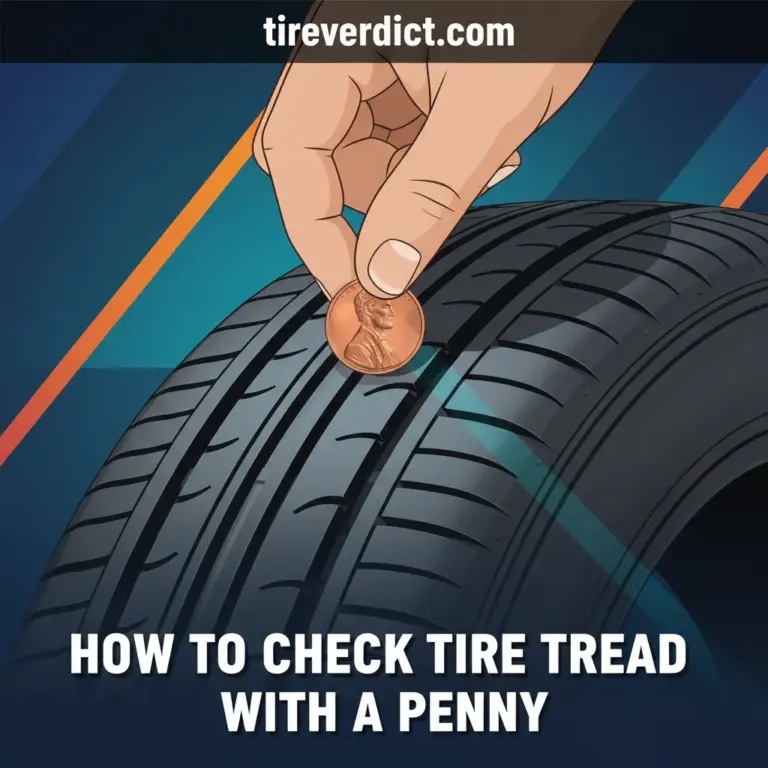
Make frequent visual checks a habit. Look for signs of uneven wear, such as tread worn down more on one side or in patches. Inspect for cracks, bulges on the sidewall, or embedded foreign objects like nails or glass. Also, check tread depth using the “penny test” or observing the built-in wear bars; if the wear bars are flush with the tread, it’s time for replacement. These simple checks can alert you to potential issues before they escalate.
The Importance of Tire Rotation
Tires wear differently depending on their position on the vehicle (e.g., front vs. rear, drive wheels vs. non-drive wheels). Regularly rotating tires (typically every 5,000-8,000 miles, or as recommended by your vehicle manufacturer) promotes even wear across all four tires. This practice significantly extends their lifespan, maintains balanced handling, and ensures uniform performance. Research confirms that regular tire rotation can extend tire tread life by up to 20% by distributing wear evenly.
Wheel Alignment Verification
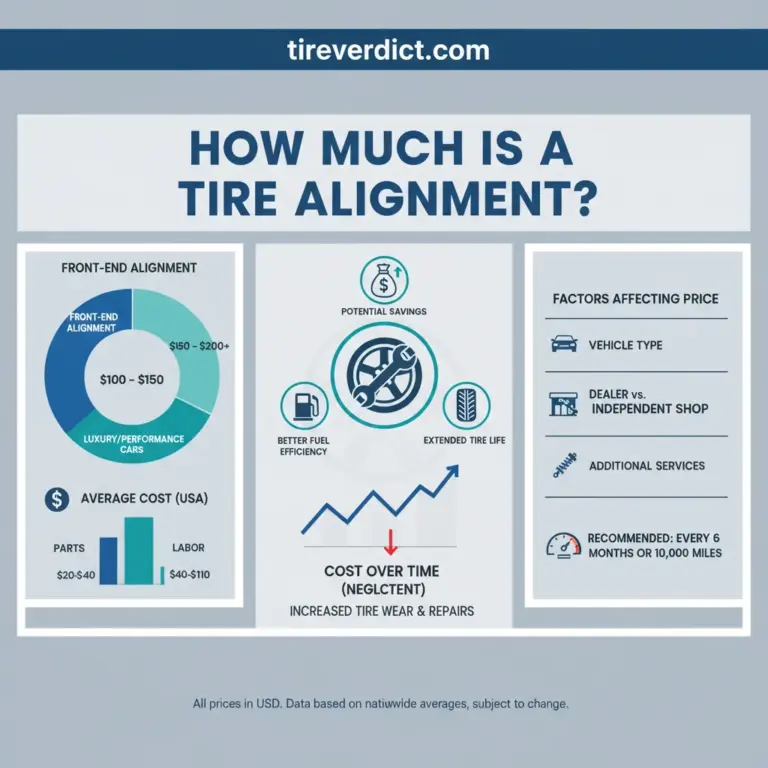
Proper wheel alignment is crucial for tire health and vehicle stability. If your vehicle’s wheels are not correctly aligned, it can lead to irregular tire wear patterns, such as feathering or cupping, and cause the vehicle to pull to one side. This not only shortens tire life but also impacts handling. Improper wheel alignment can reduce tire life by 10-20%. Regular alignment checks, especially after hitting a significant pothole or after suspension work, are a key component of quality tire maintenance.
Understanding Tire Specifications
Be aware of your tire’s specifications, including its load index and speed rating. These figures indicate the maximum weight a tire can carry and the maximum speed it can safely sustain. Ensuring your tires are appropriate for your vehicle and its intended use prevents overstressing them, which can lead to premature failure, regardless of proper inflation. Your owner’s manual or a tire professional can guide you on these critical aspects.
Responsible Driving Habits
Your driving style directly impacts tire wear and integrity. Avoiding aggressive driving habits such as hard acceleration, sharp braking, and fast cornering reduces undue stress on your tires. Similarly, refraining from overloading your vehicle beyond its Gross Vehicle Weight Rating (GVWR) and carefully navigating potholes or road hazards minimizes the risk of tire damage and subsequent pressure loss. Responsible driving is an often-underestimated aspect of prolonging tire lifespan.
Conclusion
Driving with underinflated tires significantly compromises safety, increasing blowout risks and degrading handling. This complete guide for 2026 has illuminated how low tire pressure accelerates tire wear, reduces fuel efficiency, and can strain other vehicle components. Crucially, regularly checking and adjusting tire pressure to manufacturer specifications (when tires are cold) is a critical, yet simple, maintenance task. Persistent pressure loss demands thorough inspection for punctures, valve stem issues, or rim damage, often requiring professional diagnosis. Ultimately, proactive maintenance, including rotations and alignments, is key to preventing underinflation and extending tire lifespan, ensuring your journey is always safe and efficient.
Prioritize your safety and vehicle longevity by integrating monthly tire pressure checks into your routine. Should you encounter persistent underinflation or have any concerns about your tire’s quality or performance, consult a certified automotive technician immediately to ensure professional diagnosis and resolution. Your reliable driving experience depends on it.
Frequently Asked Questions
Is it safe to drive 5 miles with low tire pressure?
Driving a short distance like 5 miles with slightly low tire pressure is generally manageable but not advisable. If the pressure is critically low (e.g., less than 75% of recommended PSI), or the TPMS light indicates a significant drop, even a short drive risks severe tire damage, compromised handling, and potential blowouts. Prioritize inflation before continuing, or seek immediate professional assistance to avoid severe issues.
How low is too low for tire pressure?
A tire pressure below 20-25% of the manufacturer’s recommended PSI is typically considered too low and unsafe for sustained driving. For instance, if your vehicle recommends 32 PSI, anything below 24-25 PSI warrants immediate attention. Driving with pressure significantly below recommended levels dramatically increases the risks of tire failure, compromised vehicle control, and accelerated wear.
What does low tire pressure feel like when driving?
When driving with low tire pressure, you might perceive a ‘mushy’ or ‘soft’ sensation in the steering, decreased responsiveness, or a subtle pulling of the vehicle to one side. The ride may also feel bouncier or less stable, particularly when cornering. These sensations indicate reduced tire rigidity and an enlarged contact patch, signaling danger and necessitating an immediate pressure check.
Can low tire pressure cause a flat tire?
Yes, consistently driving with low tire pressure significantly increases the likelihood of a flat tire or a catastrophic blowout. Underinflation causes the tire to flex excessively, generating immense internal heat, especially at higher speeds. This heat weakens the tire’s structural integrity, leading to tread separation, sidewall damage, and ultimately, a sudden and dangerous tire failure or a complete flat.
How often should I check my tire pressure?
It is professionally recommended to check your vehicle’s tire pressure at least once a month, and always before embarking on any long trip. Additionally, inspect pressures whenever there’s a significant ambient temperature change, such as the transition between seasons. Consistent monitoring ensures optimal safety, maximizes fuel efficiency, and extends the overall lifespan of your tires.