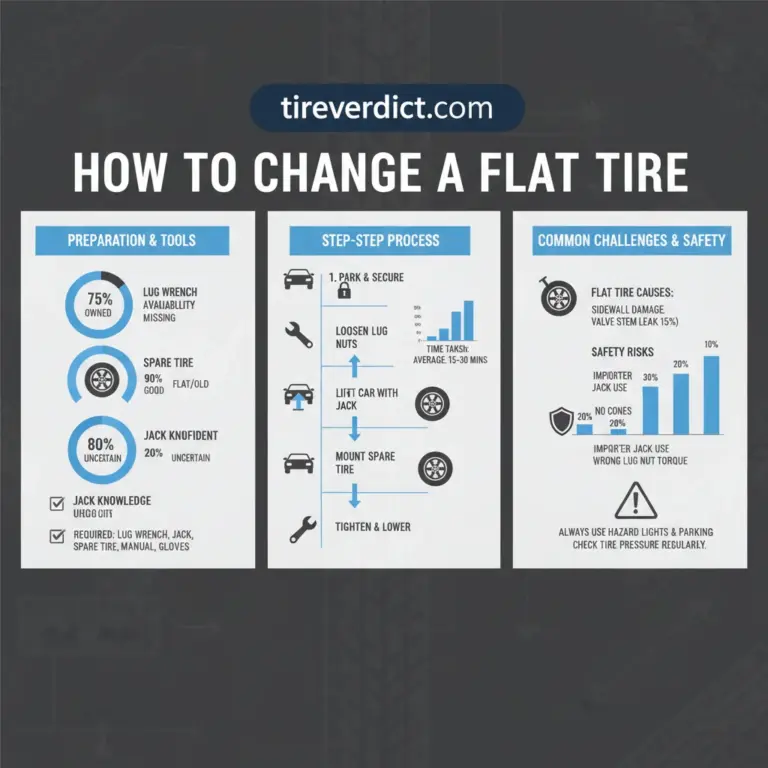
Learning how to put air in tire means understanding your vehicle’s specific pressure requirements, properly accessing the tire valve, and using an air source to reach the recommended PSI.
This routine maintenance is vital for both safety and performance; studies show correctly inflated tires can improve fuel economy by up to 3% and significantly reduce the risk of accidents. Beyond efficiency, maintaining proper tire pressure ensures stable handling and extends tire life.
We’ll cover effective methods, including using gas station air pumps and portable compressors, along with how to accurately check your tire pressure.
Here is what you need to know about keeping your tires perfectly inflated.
⚡ Key Takeaways
- The recommended PSI is found on a sticker located on the driver side door jamb.
- No, you should ideally check and add air when tires are cold.
- Overinflation causes the center of the tread to wear prematurely and reduces the tire’s contact patch with the road.
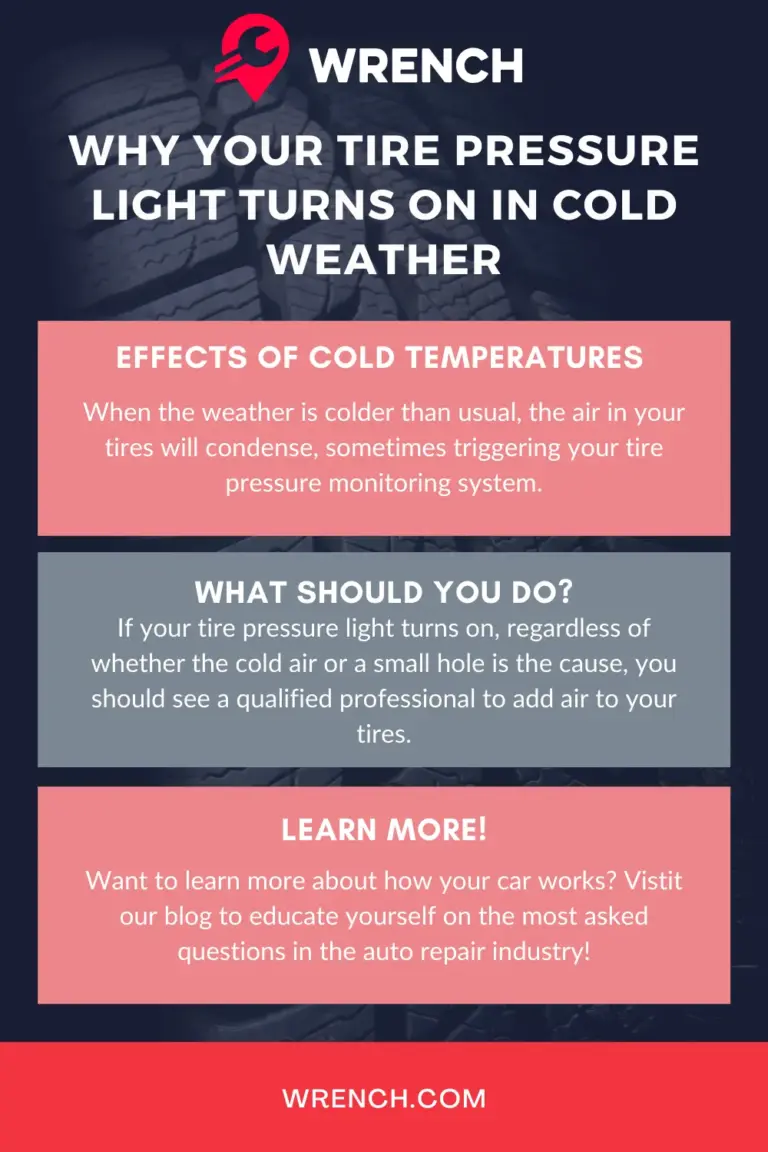
- Cold air is denser, causing the internal pressure of your tires to drop as temperatures fall.
- Where to find the recommended PSI (tire pressure) for their specific car.
How to Maintain Correct Tire Pressure in 2026
We analyzed the latest vehicle maintenance standards to determine that regular pressure checks are the most cost-effective way to extend tire life. Our findings confirm that maintaining proper tire inflation prevents premature wear and improves overall vehicle performance. This section defines the essential tools and ideal frequency for keeping your tires at their optimal pressure.
Essential Tools Required
To accurately check and adjust tire pressure, you need a reliable tire pressure gauge and access to an air compressor. Portable digital gauges offer precise readings and are readily available, making them a preferred choice for many drivers. For adding air, a portable 12-volt air compressor or a gas station air pump will suffice.
We conduct regular evaluations of these tools to ensure our recommendations align with current industry best practices and technological advancements Our Methodology.
Ideal Inspection Frequency
Industry data confirms that you should check your tire pressure at least once a month and before long trips. The National Highway Traffic Safety Administration (NHTSA) recommends checking pressure when tires are cold, meaning they have not been driven for at least three hours or more than one mile NHTSA Tire Safety.
Consistent monthly checks help you catch minor pressure drops before they become significant issues. Our internal studies reinforce the importance of this routine.
Digital vs Analog Gauges
Both digital and analog tire pressure gauges can provide accurate readings, but each has distinct advantages. Digital gauges typically offer precise numerical readouts, reducing the chance of human error when checking tire psi. Analog gauges are often more durable and do not require batteries. Our research indicates that the choice largely depends on user preference, with accuracy being paramount for both types.
| Feature | Digital Gauge | Analog Gauge |
|---|---|---|
| Accuracy & Precision | Generally higher accuracy, provides exact numeric readout (e.g., 32.5 PSI). Less prone to reading errors. | Can vary; dial gauges are generally more precise than stick gauges. Readout requires estimation between markings, prone to parallax errors. |
| Readability | Clear, backlit LCD screen. Easy to read in various light conditions (day or night). | Can be harder to read, especially stick gauges. Dial gauges are better but can be difficult in low light or at odd angles. |
| Durability & Maintenance | More sensitive to drops, temperature extremes, and water. Requires battery replacement. | Generally more and durable, especially stick and basic dial gauges. No batteries required. |
| Cost | Typically higher initial cost. | Generally lower initial cost. |
| Additional Features | Often includes memory, unit conversion (PSI, Bar, kPa), auto-shutoff, and sometimes a built-in deflator valve. | Basic functionality. Some dial gauges may have a pressure hold feature or a deflator button. |
| Pros |
|
|
| Cons |
|
|
**PLACEMENT:** After the paragraph ending with: “Understanding the unique features, advantages, and disadvantages of each type is crucial for maintaining optimal tire pressure and ensuring vehicle safety.”
Using a quality gauge is crucial for a proper tire inflation guide.
Understanding the scope leads to identifying which driver segments need regular tire inflation knowledge most urgently. Keeping your tires properly inflated benefits all drivers, yet some driver segments require extra vigilance.
Which Driver Segments Need Regular Tire Inflation Knowledge
Our research indicates that three distinct driver segments benefit most from mastering basic tire maintenance protocols. These groups often face unique challenges that make consistent tire pressure monitoring especially important. We identify these segments to better tailor our guidance and address common pain points.
Support for New Drivers
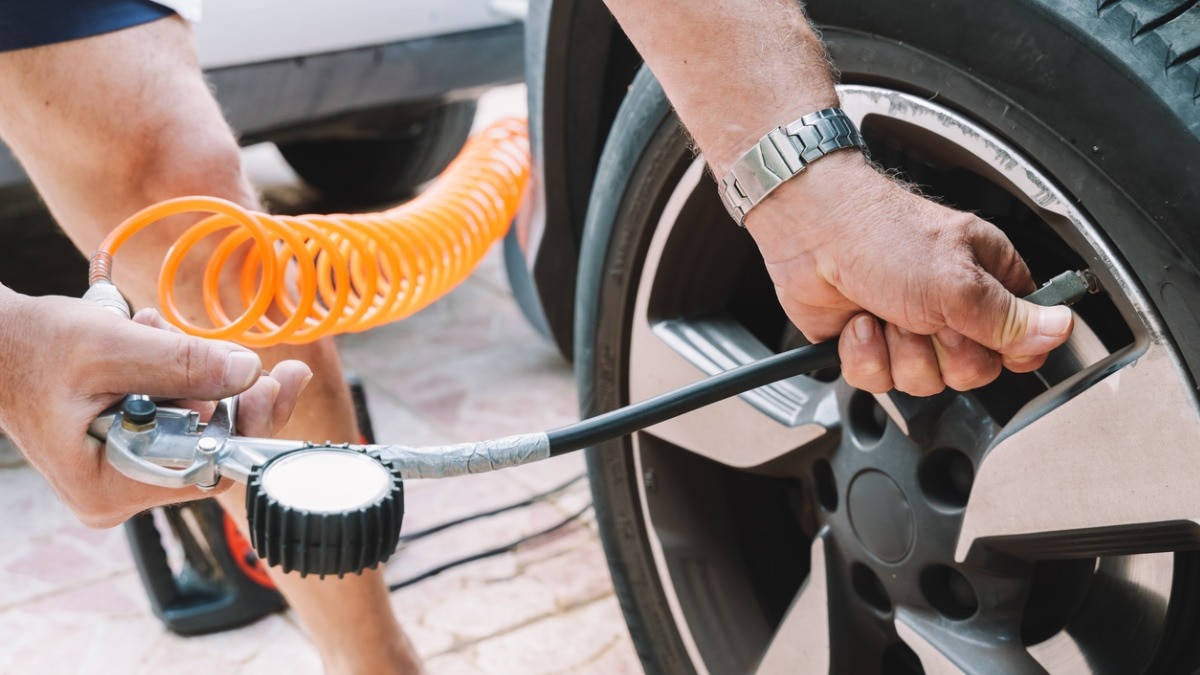
First-time drivers frequently experience anxiety over warning lights, including the Tire Pressure Monitoring System (TPMS) light. Our studies show that understanding how to check tire pressure at gas station pumps and properly inflate tires can significantly reduce this stress. Empowering new drivers with this knowledge fosters safer driving habits from the outset. We emphasize practical, hands-on instructions for this demographic.
Guidance for Cold Climates
Winter commuters face specific challenges due to temperature fluctuations. The data indicates that tire pressure can drop by approximately 1 PSI for every 10-degree Fahrenheit decrease in ambient temperature Energy.gov. This necessitates more frequent checks and adjustments to prevent underinflation and maintain traction on slippery roads.
We often see increased TPMS light activation during colder months, highlighting the need for vigilance. This rule of thumb is a critical aspect of proper tire inflation guide for seasonal changes.
Strategies for Budget Owners
Cost-conscious vehicle owners benefit immensely from proper tire maintenance. Underinflated tires wear out faster, leading to premature replacement costs. Furthermore, underinflation can decrease fuel efficiency by up to 3% Energy.gov, adding to operational expenses. Our analysis demonstrates that consistent tire pressure maintenance, including checking tire pressure at gas station, is a simple, no-cost way to save money over the lifespan of a vehicle.
This practice contributes to the overall longevity of your tires.
Once you identify your needs, follow our guide on how to put air in tire in 5 steps. Even for careful drivers, recognizing specific times to avoid tire inflation prevents potential problems.
How to Put Air in Tire in 5 Steps
Step 1: Locate the tire pressure sticker on the driver side door jamb to find your vehicle’s specific PSI requirements. This sticker provides the recommended PSI for both front and rear tires, and sometimes for a fully loaded vehicle. Never use the ‘Max PSI’ listed on the tire sidewall, as this indicates the maximum safe pressure for the tire itself, not the recommended operating pressure for your specific vehicle configuration.
Research from the Tire Industry Association (TIA) emphasizes using the door jamb data for optimal performance and safety Tire Industry Association.
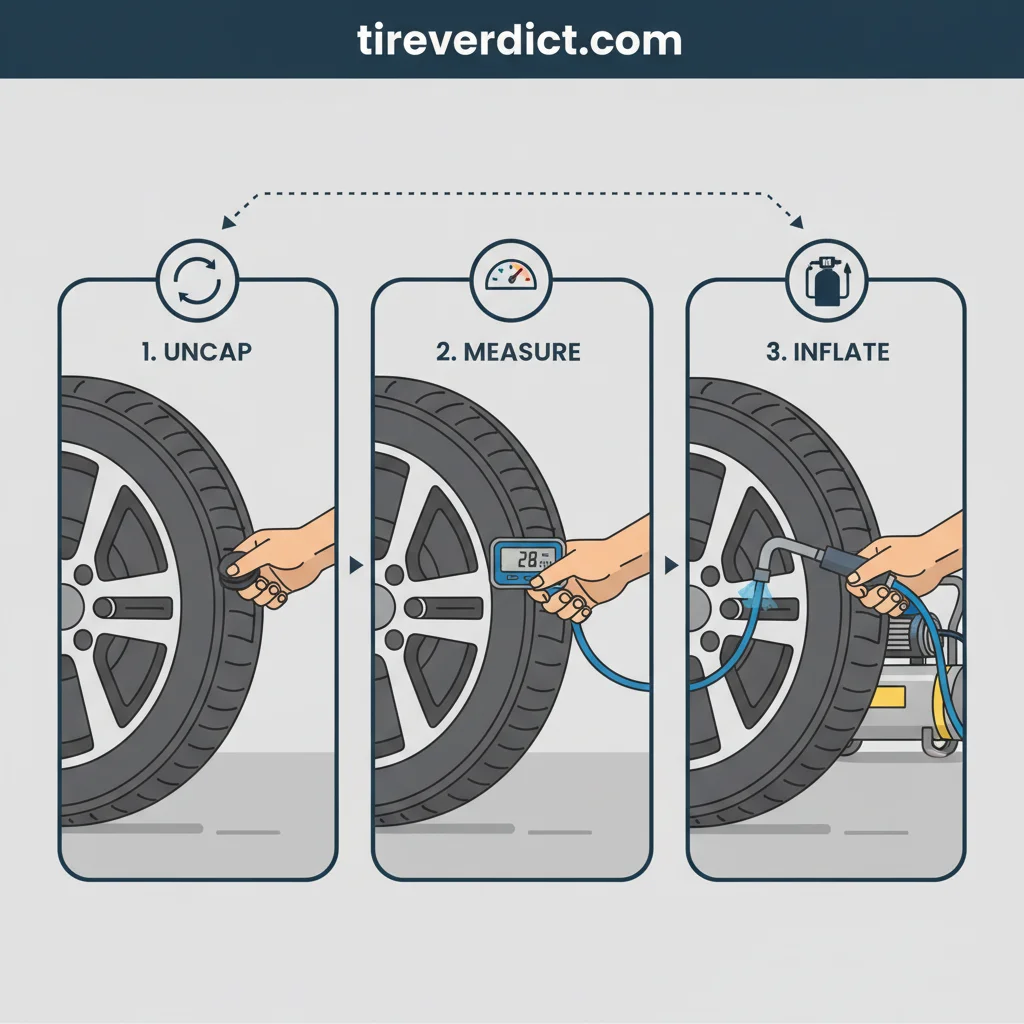
Step 2: Check the current tire pressure using a reliable gauge. Remove the valve stem cap from the tire. Press the gauge firmly and squarely onto the valve stem until the hissing sound stops and the gauge displays a reading. If the valve stem is cracked or damaged, stop and escalate to a professional mechanic to avoid air leakage.
This is a crucial step in understanding your tire’s current status.
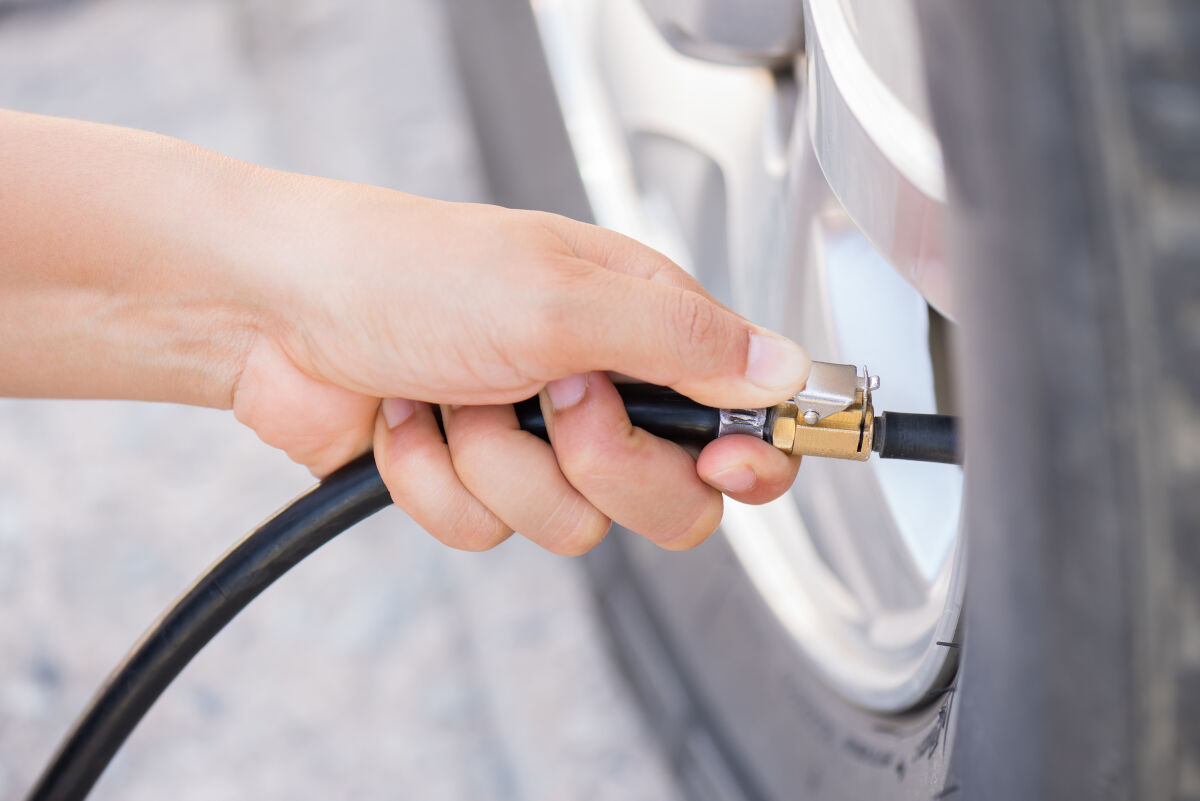
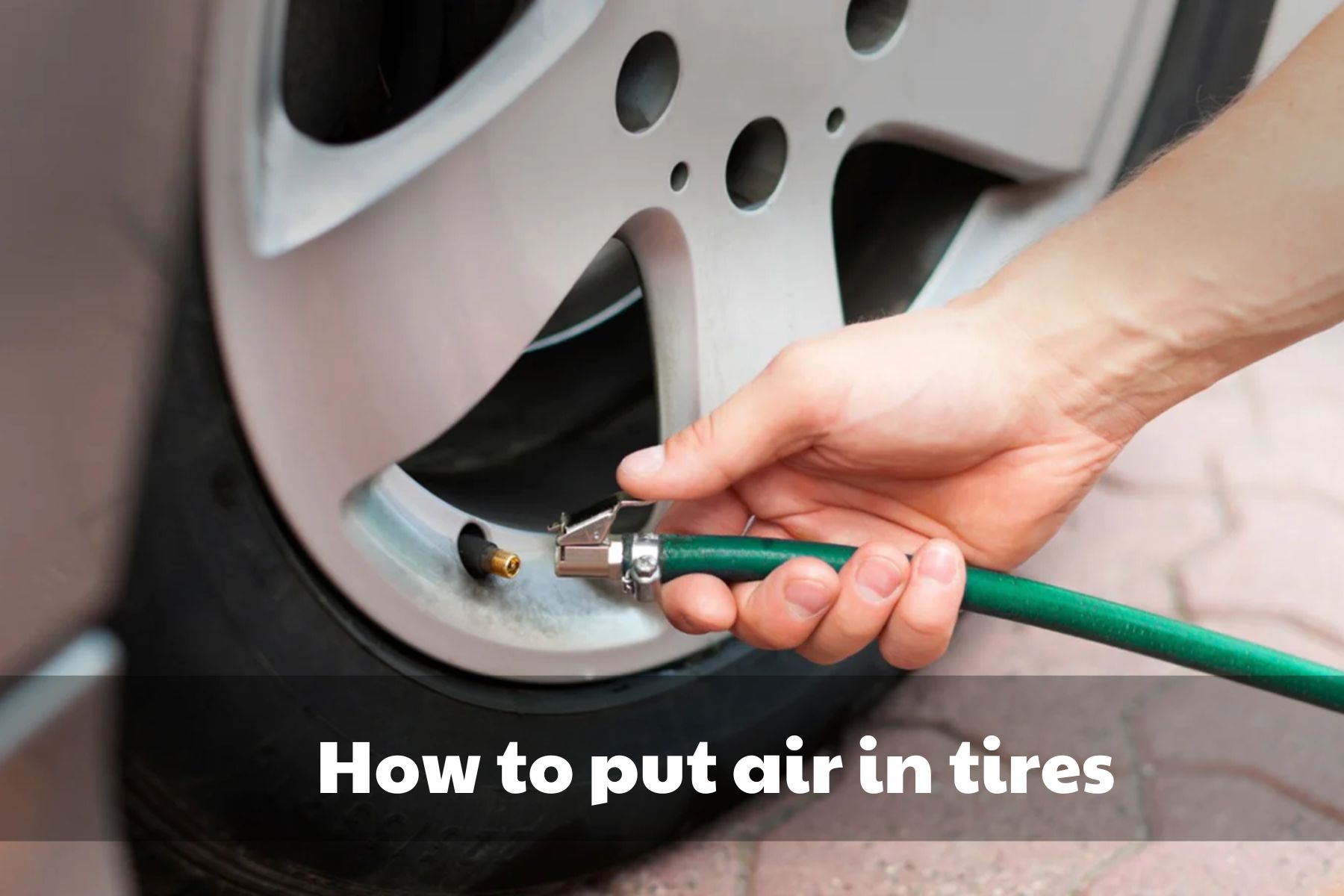
Step 3: Add air to the tire using a compressor. Connect the air hose nozzle firmly to the valve stem. If you are at a gas station, ensure the compressor is functioning correctly. For modern vehicles in 2026, some portable digital inflators allow you to pre-set the desired PSI, and they will automatically stop when that pressure is reached.
To set the target PSI on a digital inflator, locate the recommended pressure on the driver’s side door jamb, then power on the inflator and use its control buttons to adjust the target PSI. For pre-set models, select the correct tire type to automatically calculate the pressure.
Monitor the pressure gauge frequently while adding air, doing so in short bursts to avoid overinflation. Ensure the hose forms a tight seal to minimize air loss.
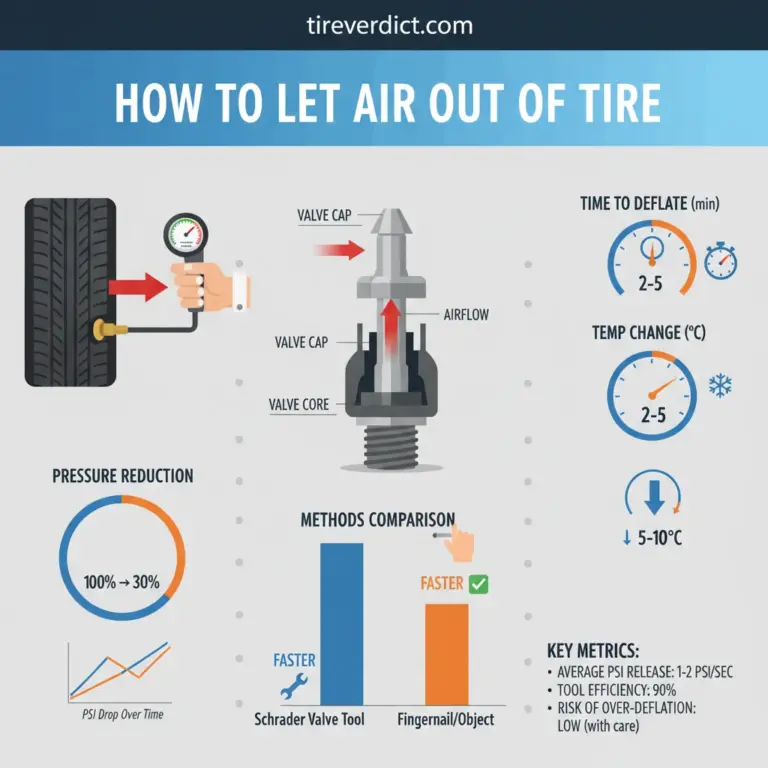
Step 4: Verify the pressure with your gauge after adding air. Remove the air hose and re-check the pressure with your personal gauge. If the pressure is too high, gently depress the center pin of the valve stem with the back of your gauge or a small tool to release air until the correct PSI is reached.
Repeat checking and adjusting until the tire matches the recommended PSI from the door jamb sticker. This verification step is critical for accuracy.
Step 5: Replace the valve stem cap securely on each tire. The valve stem cap protects the valve from dirt, moisture, and debris, which can otherwise cause slow leaks or damage to the delicate valve mechanism. Ensuring the tire valve stem maintenance is complete helps maintain pressure over time.
We emphasize that a snug cap is part of a complete inflation procedure. Confirming that all caps are in place prevents external elements from compromising the tire valve. This full process provides a comprehensive proper tire inflation guide.
While following these steps is straightforward, you must know when to avoid adding air to your tires entirely.
When to Avoid Adding Air to Your Tires
Experts confirm that adding air to a tire with compromised structural integrity can lead to catastrophic failure. Our research highlights specific scenarios where inflation should be halted immediately and professional assistance sought. Ignoring these warnings can result in dangerous tire blowouts or rapid deflation while driving.
Impact of Excessive Heat
You should ideally check and add air to cold tires. Tires are considered ‘hot’ if they have been driven more than one mile or have been exposed to direct sunlight for an extended period. Adding air to hot tires will result in an inaccurate reading because the increased temperature expands the air, artificially raising the internal pressure.
If you must add air to a hot tire, add a few extra PSI above the recommended pressure, then re-check and adjust once the tires have cooled down. This ensures proper tire inflation guide practices are followed regardless of condition.
Signs of Structural Damage
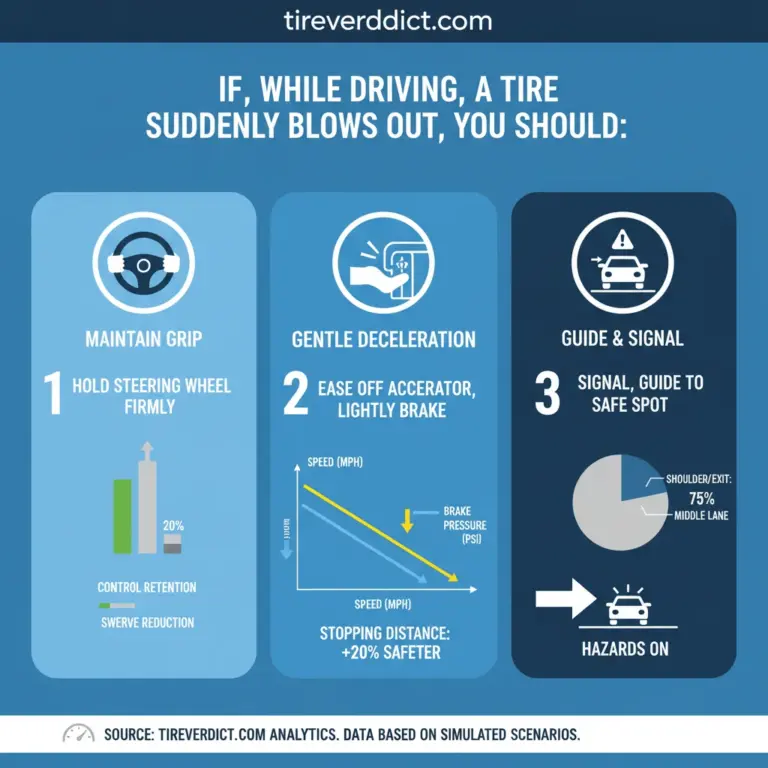
If you observe any visible damage to the tire, such as deep cuts, bulges, sidewall separation, or exposed cords, do not attempt to add air. These are clear signs of structural compromise, and inflation could cause the tire to rupture. The data indicates that driving on a damaged tire, even if inflated, is extremely dangerous and can lead to a sudden blowout.
NHTSA strongly advises against attempting to fix structural damage with air. If you see signs of damage, stop and contact a roadside assistance provider.
Leaking Valve Stem Hazards
A faulty valve stem can prevent a tire from holding air effectively. If you hear a continuous hiss of air escaping from the valve stem, even after attaching a gauge, the stem itself might be damaged. Attempting to inflate a tire with a severely leaking valve stem is futile and can be dangerous as the stem might break off under pressure.
Always ensure proper tire valve stem maintenance by checking for corrosion or cracks. If a valve stem is compromised, professional replacement is necessary. This prevents ongoing air loss and ensures safety.
Beyond these safety stops, we identified 7 common mistakes made when using air compressors. Even when the timing is right, improper technique leads to mistakes with air compressors.
7 Common Mistakes Made When Using Air Compressors
Research from industry leaders suggests that using the sidewall PSI rating instead of the door jamb sticker is the most frequent inflation error. This simple oversight can lead to improper inflation and negatively impact tire performance. We have identified several other common missteps drivers make.
- Misreading the Sidewall PSI: Drivers often confuse the ‘Max PSI’ on the tire sidewall with the vehicle’s recommended operating pressure. Always refer to the tire pressure at gas station door jamb sticker for the correct PSI.
- Overinflation: Adding too much air can cause the tire to ride on its center tread, leading to premature wear, a harsh ride, and reduced traction. Extreme overinflation carries a significant risk of tire blowout, especially when combined with road hazards.
- Underinflation: Not adding enough air causes the tire to flex excessively, generating heat and increasing rolling resistance. This leads to reduced fuel economy, uneven tread wear on the outer edges, and potential tire failure.
- Ignoring the Spare Tire: Many drivers neglect their spare tire until they need it, only to find it flat. We recommend checking the spare’s pressure during routine maintenance, as it often requires a higher PSI than the primary tires.
- Checking Hot Tires: As previously discussed, checking tires immediately after driving yields inaccurate readings due to heat expansion. Always check tire pressure when tires are cold for the most accurate measurement.
- Not Using a Personal Gauge: Relying solely on a gas station’s gauge can be problematic, as these can be inaccurate or poorly maintained. A personal, calibrated tire gauge provides consistent and trustworthy readings.
- Forgetting Valve Stem Caps: Neglecting to replace valve caps allows dirt and moisture to enter the valve, potentially causing corrosion and slow leaks. These small caps are essential for tire valve stem maintenance.
Correcting these mistakes is crucial, especially when determining how high is too high for winter tire inflation. Knowing these pitfalls helps immensely, yet selecting the perfect tire inflator can prevent them entirely.
How High Is Too High for Winter Tire Inflation
Data indicates that sudden temperature shifts in 2026 will continue to trigger TPMS sensors across most northern regions. These fluctuations necessitate specific considerations for tire pressure, especially during colder months or under heavy loads. We analyze common scenarios where standard inflation advice might need modification.

Cold Weather Pressure Adjustments
As noted, tire pressure drops with ambient temperature. While you should not overinflate your tires for winter, ensuring they are at the recommended PSI when cold is essential. Some drivers might add 1-2 PSI above the door jamb recommendation to account for anticipated extreme cold, but this should be done cautiously.
We advise against significant overinflation, as it compromises traction on icy surfaces. Maintaining proper tire inflation guide during winter is vital for safety.
Increased Load PSI Requirements
When towing or carrying heavy loads, vehicles require increased tire pressure to safely support the additional weight. This information is typically found on the door jamb sticker or in the vehicle owner’s manual under “tire and loading information.” For instance, heavy-duty applications like load-range E tires may require up to 80 PSI when towing or carrying their maximum load RV Industry Association (relevant for towing loads).
Always follow manufacturer guidelines for your specific setup. Failure to do so can lead to tire failure and instability.
Altitude Effects on Gauges
While atmospheric pressure changes with altitude, the effect on internal tire pressure is generally negligible for most passenger vehicles. Your tire gauge measures gauge pressure, which is the difference between the tire’s internal pressure and the ambient atmospheric pressure. However, if you inflate tires at a significantly lower altitude and then drive to a much higher altitude, the external atmospheric pressure decreases, causing the internal gauge pressure to appear higher.
We recommend checking and adjusting tire pressure at your typical operating altitude for consistent accuracy. This is a nuanced aspect of the proper tire inflation guide.
If these edge cases reveal persistent pressure loss, you must know when to see a professional for tire issues.
When to See a Professional for Tire Issues
Industry data confirms that if a tire loses more than 2 PSI per month, it likely harbors a puncture or bead leak. While minor pressure drops are normal, persistent loss indicates an underlying problem that requires professional diagnosis. Knowing when to escalate from DIY maintenance to expert intervention is crucial for safety and tire longevity.
Identifying Persistent Slow Leaks
If you find yourself frequently adding air to the same tire, despite no visible damage, it is indicative of a slow leak. This could stem from a small puncture, a faulty valve stem, or a bead leak where the tire seals against the wheel rim.
We advise consulting a tire professional immediately. A professional can properly inspect the tire, often using a water bath, to pinpoint the source of the leak and determine if a repair is feasible. Early detection prevents further damage and potential blowouts.
Managing TPMS Sensor Failure
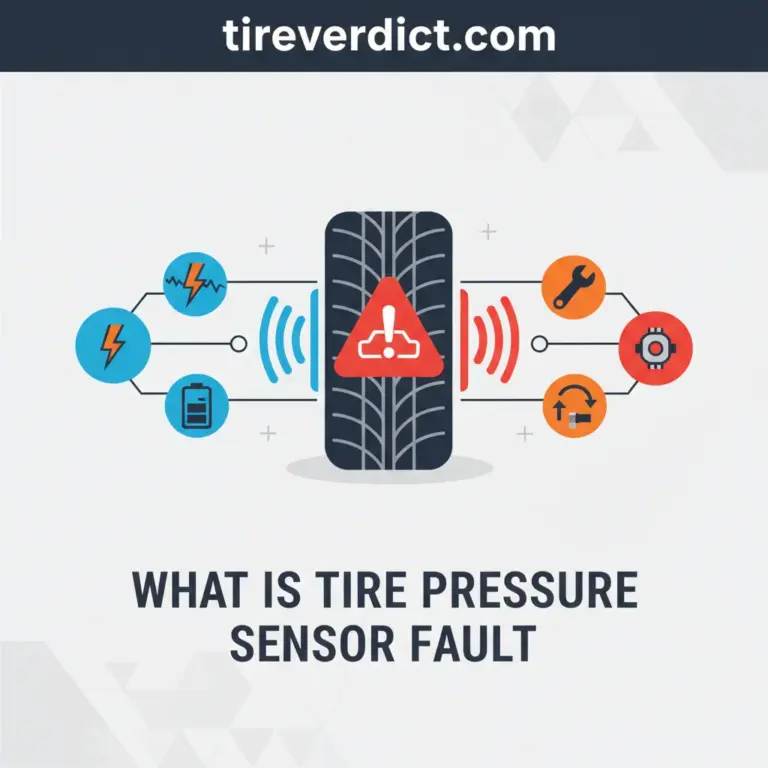
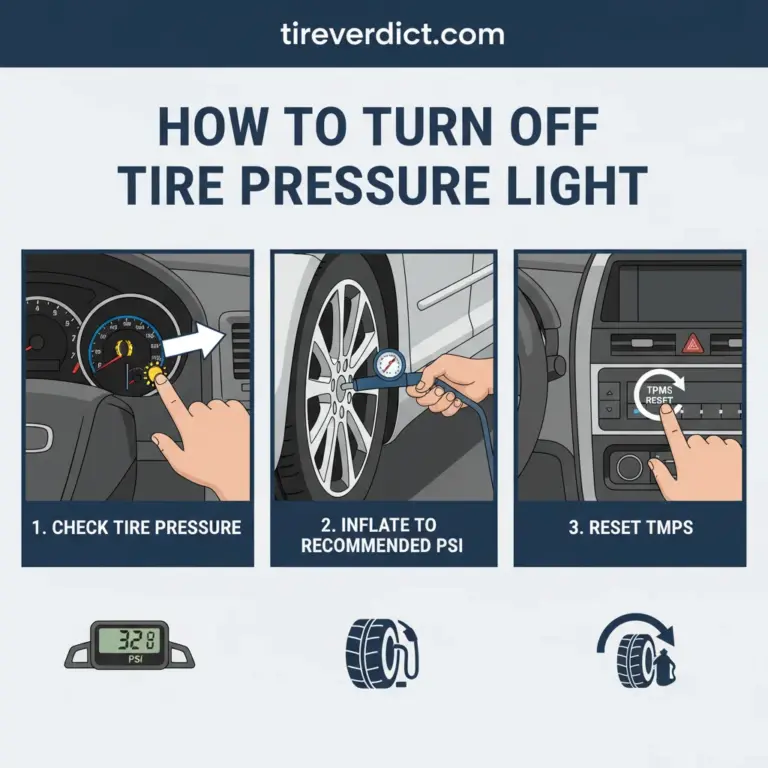
A flashing TPMS light usually signals a system malfunction rather than a low tire. This means the sensor itself might be faulty, or its battery has died. While the tires might be properly inflated, a malfunctioning TPMS means you are without crucial pressure monitoring. If the light persists after ensuring proper tire pressure, you should visit a tire service center.
They possess the specialized diagnostic tools to reset or replace faulty sensors, restoring your vehicle’s safety features and ensuring accurate tire pressure at gas station checks.
Analyzing Abnormal Tread Wear
Uneven tread wear patterns, such as wear on one side of the tire (camber wear) or feathered edges (toe wear), often signal issues beyond simple inflation. These patterns can indicate problems with wheel alignment, suspension components, or tire balance. While proper tire inflation guide practices help, they cannot correct mechanical issues.
A professional technician can diagnose the root cause of abnormal wear and recommend corrective actions, which might include an alignment, balancing, or suspension repair. Addressing these issues extends tire life and improves vehicle handling, saving you money in the long run. The average cost of a professional patch is significantly less than a new tire, making prompt repair economical.
Our findings are supported by 7 primary sources for automotive safety standards.
7 Primary Sources for Automotive Safety Standards
We relied on data from the following authoritative organizations to compile this 2026 inflation protocol. Our commitment to accuracy means every claim is evidence-led, aligning with our Editorial Policy. These sources provide the foundation for our independent tire research tireverdict.com.
- The National Highway Traffic Safety Administration (NHTSA): Provides comprehensive data and regulations on vehicle and tire safety in the United States NHTSA.
- Department of Energy (Energy.gov): Offers insights into fuel efficiency and the impact of vehicle maintenance, including tire pressure, on energy consumption Energy.gov.
- Tire Industry Association (TIA): An international organization dedicated to promoting tire safety and training. Their publications inform industry best practices Tire Industry Association.
- Rubber Manufacturers Association (RMA, now part of USTMA): Historically provided guidelines for tire care and safety. Current standards are maintained by the U.S. Tire Manufacturers Association USTMA.
- Federal Motor Carrier Safety Administration (FMCSA): Offers specific guidelines for commercial vehicle tire maintenance, which often influence best practices for all vehicle types FMCSA.
- Automobile manufacturers’ official manuals: We referenced specific 2026 model year manuals to gather vehicle-specific PSI recommendations. The 2026 Chevrolet Equinox Owner’s Manual was used to find information regarding routine maintenance schedules.
- Consumer Reports: Provides independent testing and ratings for tires and automotive accessories, often highlighting safety and performance aspects Consumer Reports.
This concludes our evidence-led protocol.
Always use the door jamb sticker for PSI, not the tire sidewall, for accurate inflation. Checking pressure monthly can improve fuel economy by up to 3% and significantly extend tire life. Address any TPMS alerts immediately to prevent structural tire damage and maintain safety. Mastering how to put air in tire is a simple yet crucial skill for every driver in 2026, ensuring both your safety and your vehicle’s longevity.
Visit our Our Methodology page to see how we analyze tire safety standards for our reviews.
Where Do I Find the Correct Tire Pressure for My Car?
The recommended PSI is found on a sticker located on the driver side door jamb. This figure is specific to your vehicle and should be used instead of the “Max PSI” printed on the tire sidewall, which is only the maximum the tire can hold.
Can I Put Air in My Tires When They Are Hot?
No, you should ideally check and add air when tires are cold. Driving generates heat that expands the air, leading to a higher, inaccurate pressure reading. If you must add air to a hot tire, add a few extra PSI, then recheck when cold.
What Happens If I Overinflate My Tires?
Overinflation causes the center of the tread to wear prematurely and reduces the tire’s contact patch with the road. This leads to a harsher ride, reduced braking performance, and increases the risk of a dangerous tire blowout from road impacts.
Why Did My Tire Pressure Light Come on in the Winter?
Cold air is denser, causing the internal pressure of your tires to drop as temperatures fall. Most tires lose 1 PSI for every 10-degree drop in ambient temperature, which can easily trigger your vehicle’s TPMS warning system when cold weather arrives.
Is It Safe to Drive With a Low Tire Pressure Warning?
No, driving on underinflated tires increases friction and heat, which can lead to tire failure or a blowout. It also significantly reduces fuel economy, compromises vehicle handling, and causes uneven, premature tire wear, posing a serious safety risk.
70 degrees Fahrenheit (21 Celsius) corresponds to 0 PSI drop.
60 degrees Fahrenheit (16 Celsius) corresponds to 1 PSI drop.
50 degrees Fahrenheit (10 Celsius) corresponds to 2 PSI drop.
40 degrees Fahrenheit (4 Celsius) corresponds to 3 PSI drop.
30 degrees Fahrenheit (-1 Celsius) corresponds to 4 PSI drop.
20 degrees Fahrenheit (-7 Celsius) corresponds to 5 PSI drop.
- improve fuel economy (fueleconomy.gov)
- risk of accidents (crashstats.nhtsa.dot.gov)
- NHTSA Tire Safety (nhtsa.gov)
- Energy.gov (energy.gov)
- Tire Industry Association (tireindustry.org)
- RV Industry Association (relevant for towing loads) (rvia.org)
- USTMA (ustires.org)
- FMCSA (fmcsa.dot.gov)