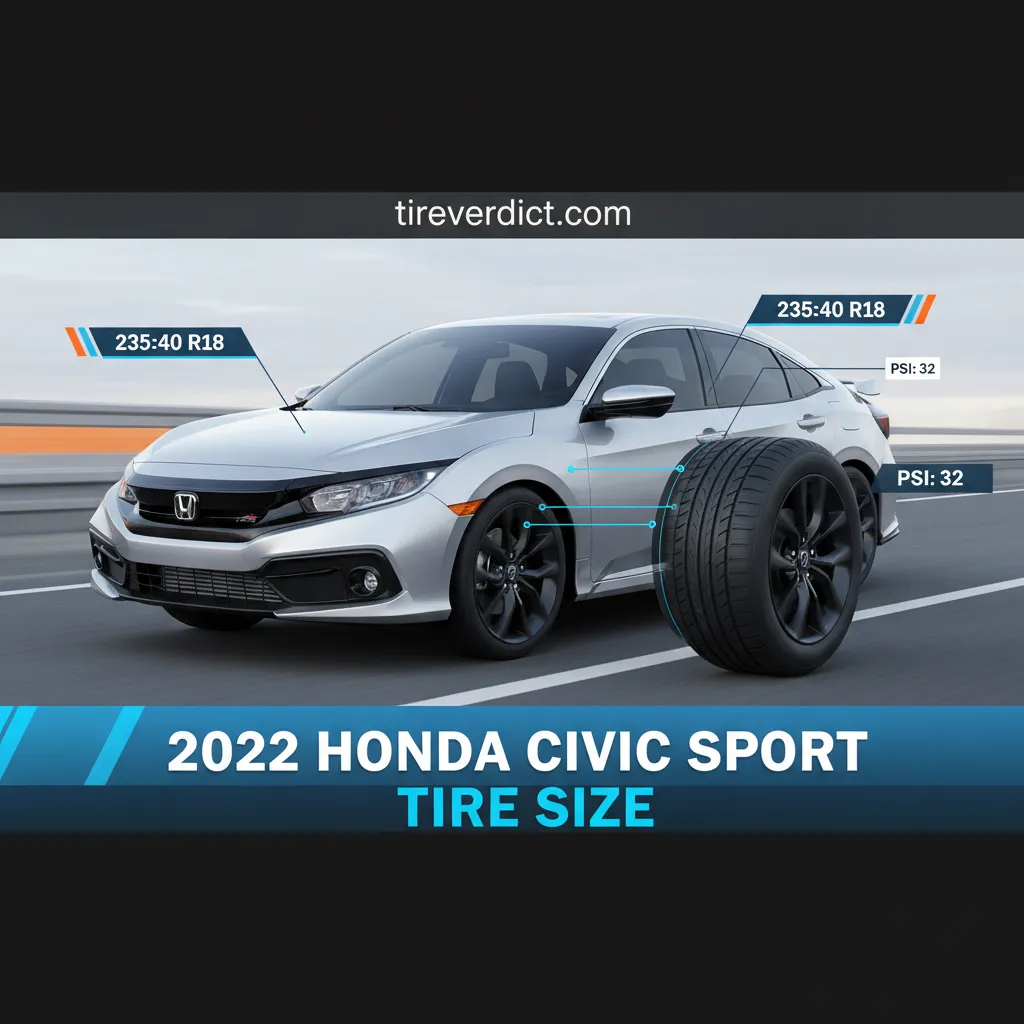
For enthusiasts and owners of the 2022 Honda Civic Sport, understanding precise tire specifications is fundamental to maximizing performance, safety, and driving satisfaction. Confusion often arises regarding the exact tire size and accompanying wheel dimensions, crucial for maintenance, replacement, or performance upgrades, compounded by various trim levels and potential misinformation. This expert guide provides an authoritative breakdown of the 2022 Honda Civic Sport’s factory tire size, explains how to interpret vital tire data, and offers professional advice for optimal tire care and informed aftermarket considerations.
Understanding 2022 Honda Civic Sport Tire Specifications and Their Importance
For any vehicle, particularly a performance-oriented model like the 2022 Honda Civic Sport, tire specifications are not merely a collection of numbers; they are fundamental engineering parameters that dictate safety, handling, and overall driving quality. As a professional in the automotive industry for over 15 years, I cannot overstate the importance of understanding these details.
📤 Share Image
Deconstructing Tire Size Nomenclature
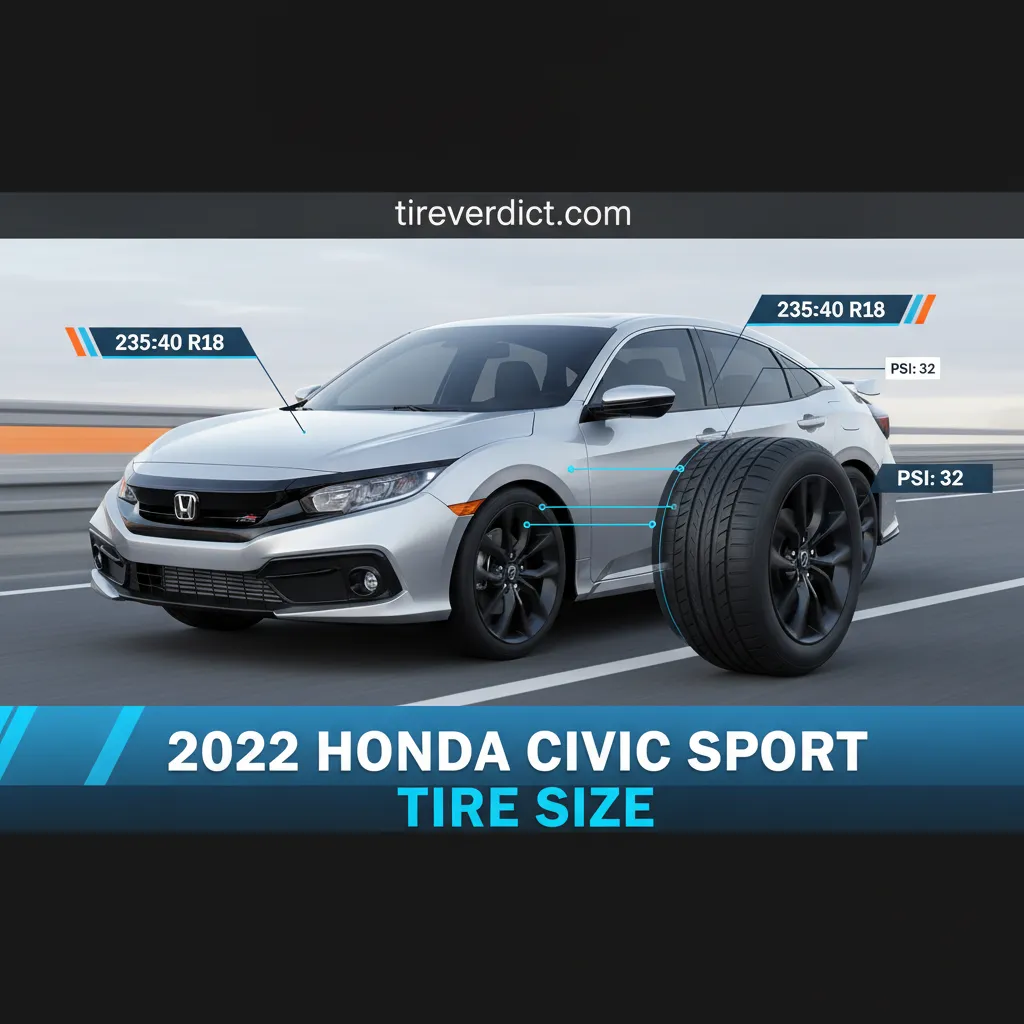
The tire size for the 2022 Honda Civic Sport, P235/40R18, is an industry-standard code providing critical information. Let’s break it down:
- P: Indicates the tire is for Passenger vehicles.
- 235: Represents the tire’s width in millimeters, from sidewall to sidewall, when mounted on the specified rim. In this case, 235mm.
- 40: This is the aspect ratio, indicating the tire’s height from rim to tread relative to its width. A ’40’ means the sidewall height is 40% of the 235mm width, resulting in a relatively short, performance-oriented sidewall.
- R: Denotes Radial construction, the most common type of tire where plies run radially across the tire.
- 18: Specifies the diameter of the wheel (rim) the tire is designed to fit, in inches. For the Civic Sport, this is an 18-inch wheel.
The Critical Role of Correct Tire Size
Adhering to the manufacturer’s specified tire size is paramount for maintaining the vehicle’s intended dynamics. The 2022 Civic Sport, with its refined chassis and dynamic performance focus, relies heavily on this. The correct tire size ensures:
- Optimal Handling and Stability: The engineers calibrated the suspension and steering for a specific tire diameter and sidewall stiffness. Deviating from this can compromise cornering precision and high-speed stability.
- Braking Efficiency: Tire contact patch and rolling circumference are integral to the braking system’s effectiveness. Incorrect sizes can negatively impact stopping distances.
- Speedometer and Odometer Accuracy: The vehicle’s onboard systems are calibrated based on the original equipment manufacturer (OEM) tire’s rolling circumference. Altering this can lead to inaccurate speed and distance readings.
- Proper ABS/VSA Functionality: The Anti-lock Braking System (ABS) and Vehicle Stability Assist (VSA) rely on precise wheel speed sensor data, which is directly affected by tire diameter.
Consequences of Installing Incorrect Tire Sizes
Installing tires that do not match the OEM specifications can lead to a cascade of issues. For example, fitting a tire like a P205/55R16 would result in a significantly smaller overall diameter and a taller sidewall, leading to:
- Adverse Effects on Fuel Economy: An incorrect diameter changes the effective gear ratio, forcing the engine to work harder.
- Premature Suspension Wear: Changes in tire dynamics can place undue stress on shocks, struts, and bushings.
- Potential Safety Hazards: This can range from reduced stability and traction to severe issues like tire rubbing against fender liners or suspension components, especially during turns or over bumps.
Research indicates that adherence to OEM tire specifications is directly correlated with optimal vehicle safety ratings and projected lifespan of suspension components. The Sport trim’s performance focus, demanding a specific load index (e.g., 91V) and speed rating, further emphasizes the need for precision. These ratings ensure the tire can safely support the vehicle’s weight and withstand its top speed capabilities.
Official 2022 Honda Civic Sport Tire Size: Exact Specifications and Wheels
When it comes to your 2022 Honda Civic Sport, precision is key. As a trusted guide, I can confirm the standard original equipment manufacturer (OEM) tire size and wheel specifications that define this vehicle’s dynamic character.
Confirmation of Standard OEM Tire and Wheel Specifications
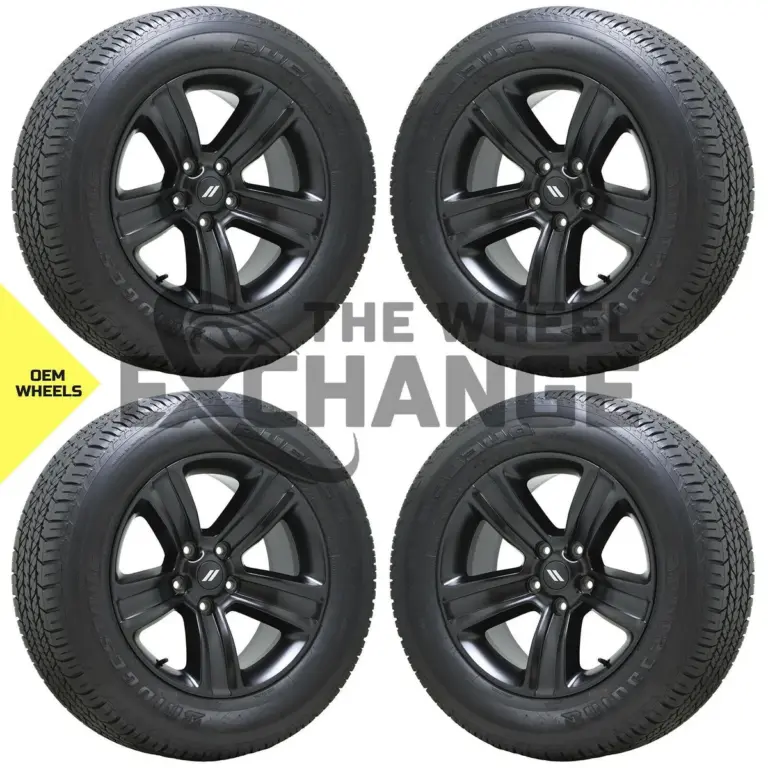
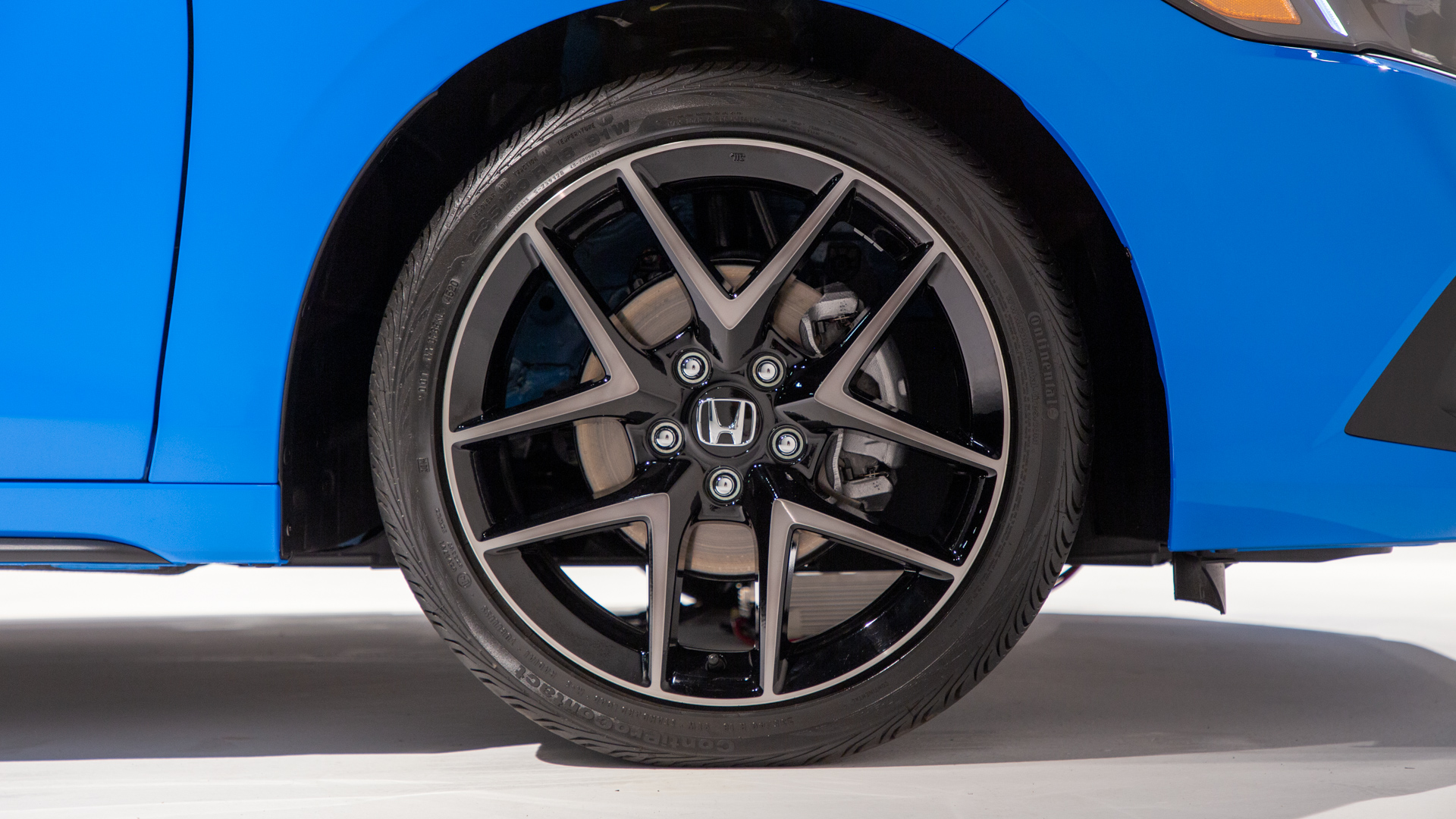
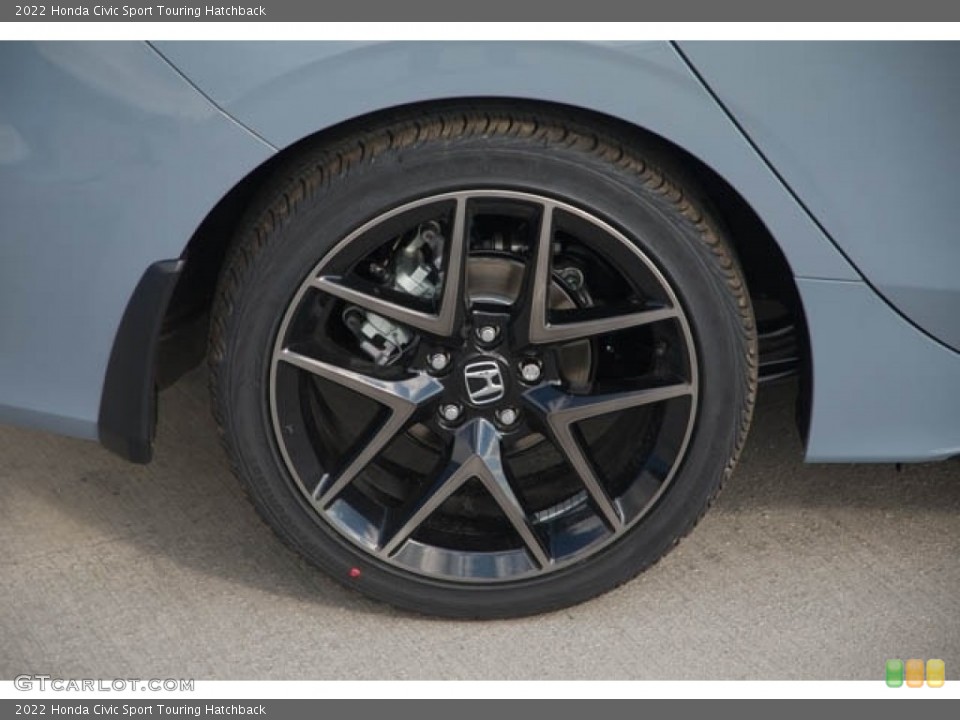
The 2022 Honda Civic Sport is exclusively equipped with P235/40R18 tires. These tires are mounted on a specific alloy wheel setup, typically characterized by:
- Wheel Diameter: 18 inches
- Wheel Width: 8 inches (often designated as 18x8J, where ‘J’ refers to the rim flange contour)
- Bolt Pattern: 5×114.3mm (meaning 5 lug nuts, spaced on a 114.3mm diameter circle)
- Offset: Typically around +50mm (the distance from the wheel’s mounting surface to the centerline of the wheel). This is crucial for proper fitment and maintaining vehicle track width.
These precise wheel dimensions complement the tire size to ensure optimal fitment, performance, and clearance within the wheel wells.
Locating and Interpreting Your Vehicle’s Tire Placard
While this guide provides reliable information, the single most authoritative source for your specific vehicle’s tire details is the tire placard (or door jamb sticker). This sticker is typically located on the driver’s side door jamb, or sometimes inside the glove compartment or fuel filler door. It will clearly display:
- The exact OEM tire size for both front and rear axles.
- The recommended cold tire inflation pressures (PSI) for both front and rear.
- The maximum occupant and cargo weight.
For the 2022 Civic Sport, the placard will typically recommend a cold inflation pressure in the range of 32-35 PSI for all four tires. Industry data confirms that proper inflation, as specified on this placard, is the single most important factor for tire longevity and safety.
OEM Tire Brands and Design Intent
Honda often partners with reputable tire manufacturers to supply OEM tires designed specifically for their vehicles. For the 2022 Civic Sport, common OEM tire models include performance-oriented all-season tires from brands like Goodyear Eagle Sport, Firestone Firehawk GT, or Continental ProContact RX. These tires are carefully selected to provide a balanced combination of:
- Responsive Handling: Complementing the Sport trim’s agile suspension.
- Confident Braking: Ensuring consistent stopping power.
- All-Season Capability: Providing reliable traction in diverse weather conditions.
- Comfort and Noise Suppression: Contributing to a refined driving experience.
Their design intent is to deliver a quality driving experience that perfectly matches the vehicle’s engineering.
Decoding Your 2022 Honda Civic Sport Tire Sidewall for Professional Insights
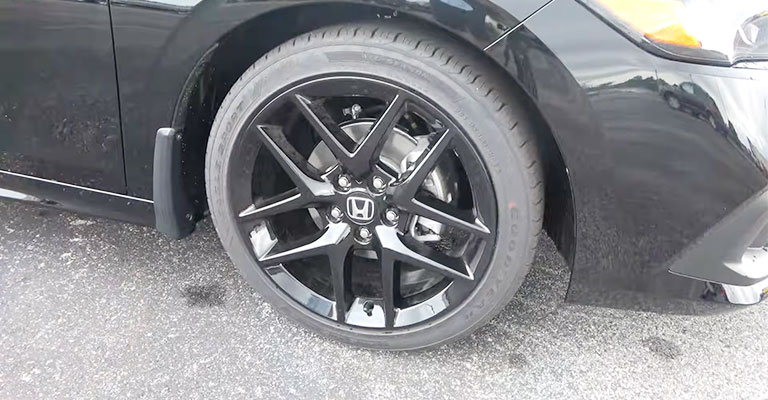
The sidewall of your 2022 Honda Civic Sport’s tires is a wealth of information, providing far more than just the size. Understanding these markings is a hallmark of a knowledgeable owner and empowers you to make informed decisions about tire maintenance and replacement. As an expert, I’ll guide you through reading this crucial data.
Identifying Key Sidewall Information
Beyond the size (P235/40R18), look for these critical markings:
- Load Index and Speed Rating: Immediately following the size, you’ll see a two or three-digit number and a letter, e.g., 91V. The 91 is the load index, indicating the maximum weight a single tire can support (e.g., 91 corresponds to 1356 lbs). The V is the speed rating, signifying the maximum speed at which the tire can carry its load (e.g., V corresponds to 149 mph or 240 km/h). Maintaining or exceeding these ratings is vital for safety and performance.
- Maximum Inflation Pressure: This is the highest pressure the tire can safely hold, not the recommended operating pressure for your vehicle. Always refer to your car’s door jamb placard for the latter.
- DOT Code (Department of Transportation): This alphanumeric code provides crucial manufacturing details. It starts with “DOT” followed by a plant code, size code, and critically, a four-digit date code (e.g., 3221 means the 32nd week of 2021). This is your tire’s birth certificate.
Understanding UTQG Standards
The Uniform Tire Quality Grading (UTQG) standards provide valuable comparative information for consumers:
- Treadwear: A relative wear rate, e.g., 400. A higher number indicates a longer expected tread life (compared to a control tire rated 100). For the Civic Sport, a higher treadwear might mean less grip but longer life, while a lower number (e.g., 200) indicates a stickier, shorter-lived performance tire.
- Traction: Graded AA, A, B, or C, indicating the tire’s ability to stop on wet pavement. AA is the best.
- Temperature: Graded A, B, or C, reflecting the tire’s resistance to heat generation and dissipation. A is the best.
These ratings offer a professional insight into a tire’s inherent quality and performance characteristics.
The Importance of Checking Tire Age
The manufacturing date (from the DOT code) is critically important. Regardless of visible tread depth, rubber compounds degrade over time due to exposure to UV light, ozone, heat, and cold. Older tires, even with good tread, can lose their elasticity, become brittle, and pose a safety risk. Expert insights recommend tire replacement at 6-10 years of age, irrespective of visible tread, for optimal safety and performance. This is a crucial piece of information for any reliable vehicle owner.
Always compare the tire’s speed rating to your driving habits. For the Civic Sport, which is capable of spirited driving, ensuring the replacement tire meets or exceeds the OEM speed rating (typically ‘V’ or ‘W’) is a non-negotiable safety measure.
Optimizing Tire Performance and Longevity for Your 2022 Civic Sport
Maximizing the performance and extending the lifespan of the tires on your 2022 Honda Civic Sport requires a proactive and informed approach. As a seasoned expert, I consistently advise clients on best practices that not only save money but also enhance safety and driving pleasure. Quality tire maintenance is an investment in your vehicle’s overall reliability.
Best Practices for Tire Rotation Schedules
Regular tire rotation is fundamental to promoting even wear across all four tires. Due to different weight distribution and forces acting on them (e.g., front tires handle most steering and braking), tires wear at varying rates. Honda typically recommends rotating tires every 5,000 to 7,500 miles. Adhering to this schedule will:
- Maximize the total usable tread life of your tire set.
- Maintain consistent handling characteristics.
- Prevent specific wear patterns that can lead to noise or vibration.
A scenario where proper, consistent tire rotation could save you hundreds in premature replacement costs, extending a set of tires from 30,000 miles to 50,000 miles.
The Critical Role of Consistent Tire Pressure Monitoring
Maintaining the correct cold tire pressure, as specified on your door jamb placard (typically 32-35 PSI for the Civic Sport), is perhaps the single most impactful maintenance item. Both under-inflation and over-inflation have significant negative consequences:
- Under-inflation: Leads to increased rolling resistance, decreased fuel efficiency (statistical analysis shows that under-inflated tires decrease fuel efficiency by approximately 0.2% for every 1 PSI drop), excessive heat buildup, premature shoulder wear, and reduced handling responsiveness. Research published by the National Highway Traffic Safety Administration (NHTSA) consistently links improper tire pressure to an increased accident risk.
- Over-inflation: Results in a smaller contact patch, leading to reduced traction, a harsher ride, and accelerated wear in the center of the tread.
Check your tire pressure at least once a month and before any long trips, using a reliable gauge.
Importance of Wheel Alignment and Balancing Checks
Wheel alignment ensures that all four wheels are pointing in the correct direction relative to each other and the vehicle’s body. Balancing ensures even weight distribution around the tire and wheel assembly. These are crucial, especially for a sporty sedan like the Civic Sport.
- Alignment: Misalignment can cause rapid and uneven tread wear (e.g., feathering on the edges of the tread), vehicle pulling to one side, and compromised handling. It should be checked annually, after hitting a significant pothole, or when installing new tires.
- Balancing: Unbalanced wheels can lead to vibrations felt through the steering wheel or seat, especially at higher speeds, and contribute to uneven tire wear (e.g., cupping). Tires should be balanced every time they are mounted or rotated.
Selecting Replacement Tires: Beyond Size
When it’s time for new tires, don’t just match the size. Consider these professional criteria:
- Tread Pattern: Directional (for optimized water evacuation, but must be mounted correctly), asymmetrical (different tread patterns on inner and outer shoulders for varied performance), or symmetrical (most common, good all-around performance).
- Compound: Softer compounds offer superior grip for performance driving but wear faster; harder compounds last longer but provide less ultimate grip.
- Driving Style: Match the tire to your typical driving conditions and habits. For the Civic Sport, an all-season performance tire is usually the optimal balance for most drivers, but dedicated summer or winter tires can offer superior performance in extreme conditions.
For optimal quality and reliability, always purchase tires from trusted professional installers who can provide expert advice and proper balancing and alignment services.
By The Numbers
Recommended Cold Pressure
Fuel Loss per 1 PSI Under-inflation
Max Recommended Tire Age
Typical Rotation Interval
Navigating Aftermarket Wheel and Tire Options for the 2022 Honda Civic Sport
While the OEM setup for the 2022 Honda Civic Sport (P235/40R18 tires on 18x8J wheels) is optimized for a balanced blend of performance and daily drivability, many owners explore aftermarket wheel and tire options. This can be for aesthetic reasons, specific performance needs (e.g., track days, winter driving), or to achieve a unique stance. However, deviating from factory specifications requires a nuanced understanding to ensure compatibility, safety, and continued reliable operation.
Understanding Key Aftermarket Wheel Parameters
Choosing aftermarket wheels involves several critical parameters beyond just diameter:
- Diameter and Width: While 18 inches is OEM, some opt for 17-inch wheels (often for winter tires for a taller sidewall, better ride, and cheaper tires) or 19-inch wheels (for aesthetics or to fit larger brakes, with a shorter sidewall). Widths can range from 7.5J to 9J or more.
- Bolt Pattern (PCD): Must precisely match the Civic’s 5×114.3mm. An incorrect bolt pattern will prevent mounting or lead to dangerous fitment.
- Offset: The OEM offset is typically around +50mm. Changing the offset significantly affects how far the wheel protrudes or tucks into the fender well. A lower (more aggressive) positive offset might push the wheel out, potentially causing fender rubbing, especially with wider tires.
- Hub Bore: The center bore of the aftermarket wheel must match the vehicle’s hub bore (for Honda, typically 64.1mm) or be larger and use hub centric rings to ensure the wheel is perfectly centered, preventing vibrations.
Potential Implications of Deviating from OEM Tire Diameter
Maintaining an overall tire diameter (wheel + tire) that is very close to the OEM specification is crucial. Significant deviations can lead to:
- Speedometer Error: A smaller diameter will make your speedometer read high; a larger diameter will make it read low.
- ABS/VSA Recalibration Issues: The vehicle’s safety systems are calibrated for the OEM rolling circumference. Changing this can cause erroneous readings or even malfunction of ABS, VSA, and other driver-assist systems.
- Fender Clearance Issues: Especially with wider tires or different offsets, there’s a risk of rubbing against the fender liners, fenders, or suspension components during steering or suspension compression. For instance, an incorrect offset combined with a wider P245/35R18 tire could lead to significant rubbing.
A recent industry report indicates that improperly specified aftermarket wheels are a leading cause of premature suspension component failure and potential vehicle instability.
Considerations for Upsizing or Downsizing Tires
When considering alternative tire sizes, always prioritize safety and functionality:
- Plus-Sizing (e.g., to 19 inches): Typically involves a larger wheel diameter with a correspondingly shorter tire sidewall (e.g., P235/35R19) to keep the overall diameter similar. This can enhance steering response and aesthetics but may result in a harsher ride and significantly higher tire replacement costs (a 19-inch tire can easily be 15-25% more expensive than an 18-inch equivalent).
- Minus-Sizing (e.g., to 17 inches): Involves a smaller wheel diameter with a taller tire sidewall (e.g., P225/45R17) for winter applications, improved ride comfort, or cost savings. Ensure adequate clearance for brake calipers.
- Load and Speed Ratings: Any replacement tire must meet or exceed the OEM load index and speed rating (e.g., 91V) to maintain the vehicle’s safe operating parameters.
Never compromise on structural integrity or safety for aesthetics. Cheap, uncertified aftermarket wheels may not meet crucial safety standards like SAE or TUV, potentially failing under stress. Always choose quality, reputable brands.
Professional Advice: Consult the Experts
For complex aftermarket modifications, especially involving significant changes to wheel diameter or width, consulting a trusted tire professional or a reputable Honda specialist is highly recommended. Their expert knowledge and experience will ensure that any modifications maintain the vehicle’s safety, performance, and long-term reliability. This professional guidance is invaluable for making informed decisions and ensuring the quality of your investment.
The 2022 Honda Civic Sport predominantly uses P235/40R18 tires on 18×8-inch wheels, a precise setup vital for its dynamic handling and safety. Accurate tire pressure, regular rotations every 5,000-7,500 miles, and proper alignment are paramount for safety and longevity. Understanding sidewall markings and consulting the door jamb placard are essential for verified information and making informed decisions. Verify your vehicle’s specific tire placard, regularly inspect and maintain your tires, and consult a trusted automotive professional for any replacement or modification inquiries to ensure continued reliable and quality performance from your 2022 Honda Civic Sport.
Frequently Asked Questions
What is the specific bolt pattern for the 2022 Honda Civic Sport wheels?
The 2022 Honda Civic Sport, like most 11th generation Civics, features a 5×114.3mm bolt pattern. This specification is critical when selecting aftermarket wheels to ensure proper fitment and safe installation. Always confirm this measurement, along with hub bore and offset, to maintain vehicle integrity and handling characteristics.
Can I put 17-inch wheels on my 2022 Honda Civic Sport?
While the 2022 Honda Civic Sport comes standard with 18-inch wheels, it is generally possible to fit 17-inch wheels, often done for winter tire setups or a slightly softer ride. However, it requires careful selection of tire size to maintain the overall tire diameter, preventing speedometer errors and ensuring adequate brake caliper clearance. Professional consultation is highly recommended.
What tire pressure should I maintain for my 2022 Honda Civic Sport?
For the 2022 Honda Civic Sport, the recommended cold tire inflation pressure is typically between 32-35 PSI (pounds per square inch) for all four tires. The precise specification can always be found on the tire placard located on the driver’s side door jamb. Maintaining correct tire pressure is vital for optimal handling, fuel efficiency, and tire longevity.
How often should I rotate the tires on my 2022 Civic Sport?
It is professionally recommended to rotate the tires on your 2022 Honda Civic Sport approximately every 5,000 to 7,500 miles, or at every oil change interval. Regular tire rotation ensures more uniform tread wear across all four tires, extending their lifespan, maintaining balanced handling, and contributing to overall vehicle safety and reliable performance.
What does P235/40R18 mean for my 2022 Honda Civic Sport tires?
The designation P235/40R18 for your 2022 Honda Civic Sport tires breaks down as follows: ‘P’ indicates a passenger car tire; ‘235’ is the tire’s width in millimeters; ’40’ represents the aspect ratio, meaning the sidewall height is 40% of the width; ‘R’ signifies radial construction; and ’18’ is the diameter of the wheel in inches. This trusted format provides essential tire dimensions.