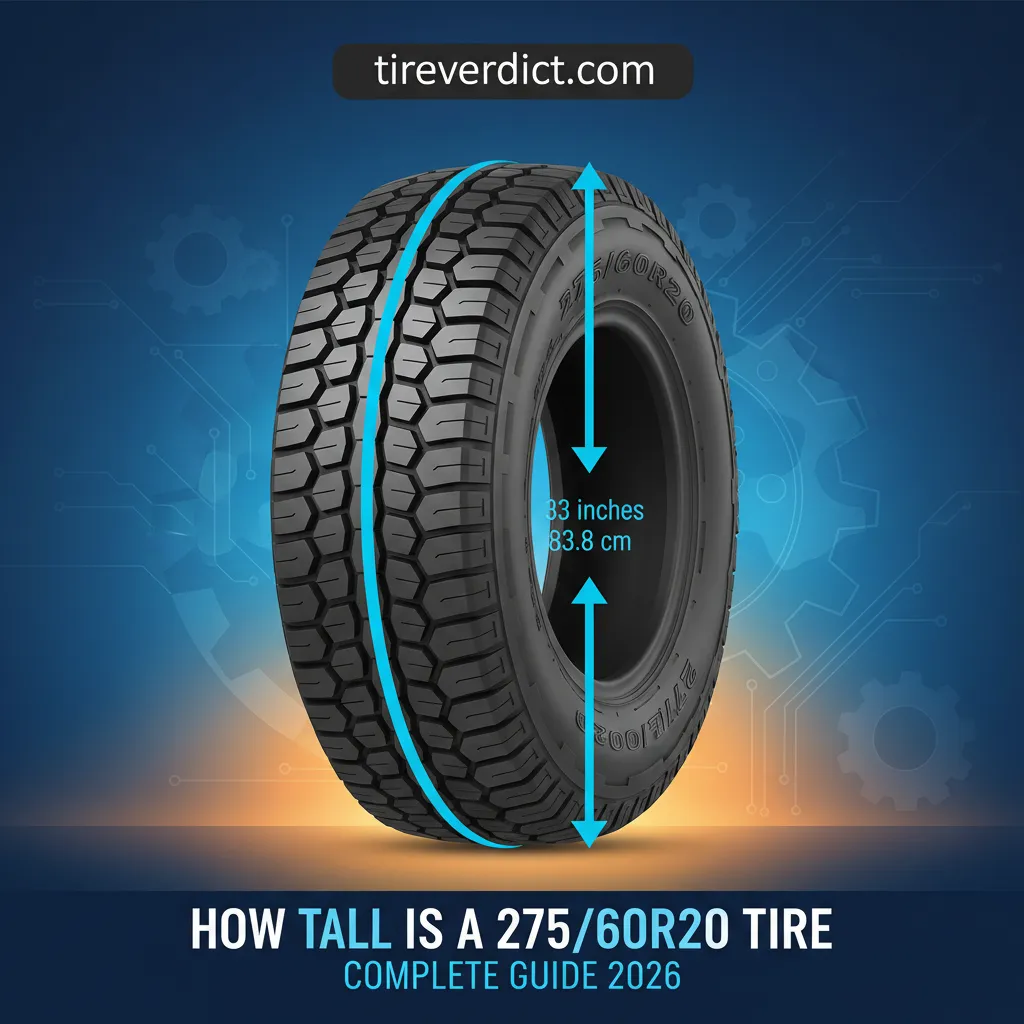
Understanding your vehicle’s components is paramount for optimal performance and safety, and few components are as critical as its tires. For many vehicle owners and enthusiasts, deciphering tire specifications, especially ‘how tall is a 275/60R20 tire,’ can be a perplexing challenge. Incorrect assumptions about tire height can lead to unexpected issues, from speedometer inaccuracies to clearance problems. This expert guide will provide a precise, step-by-step methodology for calculating the exact nominal height of a 275/60R20 tire, delve into the real-world factors that influence its actual dimensions, and explain the crucial implications these measurements have for your vehicle’s performance and safety. You’ll gain a professional understanding to make informed decisions.
Understanding Tire Sizing: Deconstructing the 275/60R20 Code
📤 Share Image
To accurately determine the height of a 275/60R20 tire, it’s essential to first understand the standardized ISO metric tire sizing system. This alphanumeric code, printed on every tire sidewall, provides a wealth of information about its dimensions. Research indicates that ISO metric tire codes are standardized globally for quality assurance and consistent interpretation, allowing for reliable assessment of tire dimensions and compatibility across manufacturers.
Decoding Each Element
- 275: Nominal Section Width in Millimeters
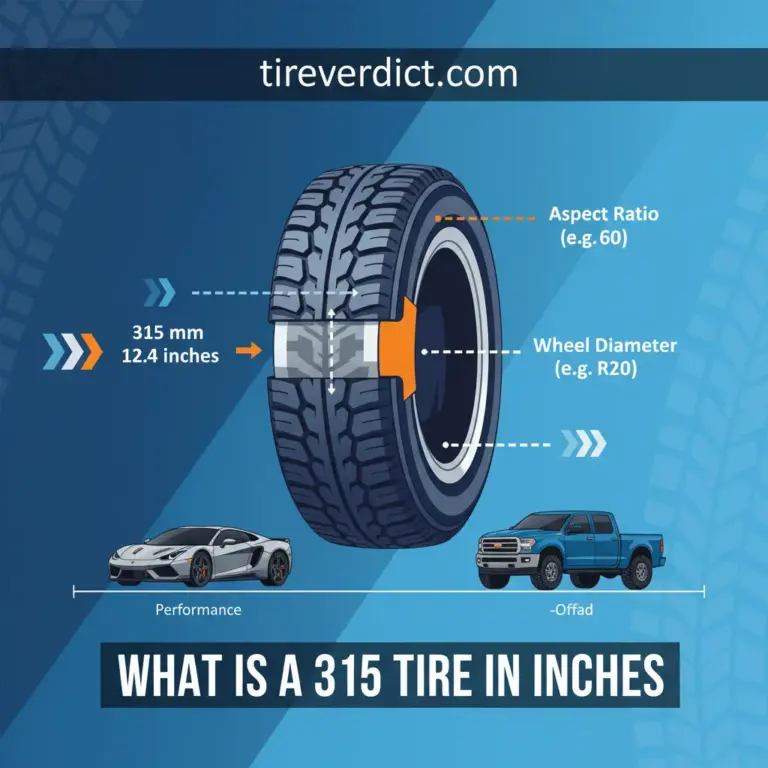
The first number, 275, represents the tire’s nominal section width in millimeters. This is the measurement of the tire from its widest point of the outer sidewall to the widest point of the inner sidewall when mounted on a specified wheel and inflated to a standard pressure, before any load is applied. This width forms the fundamental base for calculating the tire’s sidewall height. - 60: Aspect Ratio (Sidewall Height Percentage)
The second number, 60, is the aspect ratio, also known as the profile. This is a critical factor for the vertical dimension, indicating that the height of the tire’s sidewall is 60% of its section width. A higher aspect ratio means a taller sidewall relative to the tire’s width, while a lower number signifies a shorter, wider sidewall. - R: Radial Construction
The letter R denotes Radial construction, indicating the internal structure of the tire. In a radial tire, the ply cords are laid at 90 degrees to the direction of travel, running from bead to bead. This construction type offers superior performance characteristics, including better handling, ride comfort, and fuel efficiency, but it does not directly influence the tire’s measured height. - 20: Rim Diameter in Inches
Finally, the number 20 specifies the diameter of the wheel or rim that the tire is designed to fit, measured in inches. This is the core foundational element that, when added to the total sidewall measurements, determines the overall tire height.
Understanding each component is crucial for a reliable assessment of tire dimensions and compatibility. For instance, comparing a 275/60R20 tire to a 245/75R16 highlights how different numbers impact overall visual size. The 275 is wider than the 245, the 60 aspect ratio is lower than the 75 (meaning a relatively shorter sidewall for its width), and the 20-inch rim is significantly larger than the 16-inch rim. These differences combine to produce dramatically different overall heights and appearances, making precise interpretation of the code indispensable for any professional tire decision.
The Precise Calculation: Determining the Height of a 275/60R20 Tire
Deriving the nominal height of a tire like the 275/60R20 requires a straightforward, universally accepted mathematical formula. As a seasoned industry expert, I can confirm that this calculation provides the baseline measurement for any given tire size before real-world factors come into play. To ensure a trusted measurement, it is vital to use precise conversion factors.
📋
Step-by-Step Guide: Calculating 275/60R20 Tire Height
For a 275/60R20 tire:
- Section Width (SW) = 275 mm
- Aspect Ratio (AR) = 60% or 0.60
These are the primary components for calculating sidewall height.
The sidewall height (SH) is the section width multiplied by the aspect ratio.
- SH = SW AR
- SH = 275 mm 0.60 = 165 mm
This represents the vertical height of one sidewall.
Since the rim diameter is in inches, we need to convert the sidewall height. Remember that 1 inch = 25.4 millimeters.
- SH (inches) = SH (mm) / 25.4
- SH (inches) = 165 mm / 25.4 mm/inch ≈ 6.496 inches
The tire’s overall height (OH) is the sum of two sidewall heights (top and bottom) plus the rim diameter.
- OH = (2 SH in inches) + Rim Diameter (RD)
- OH = (2 6.496 inches) + 20 inches
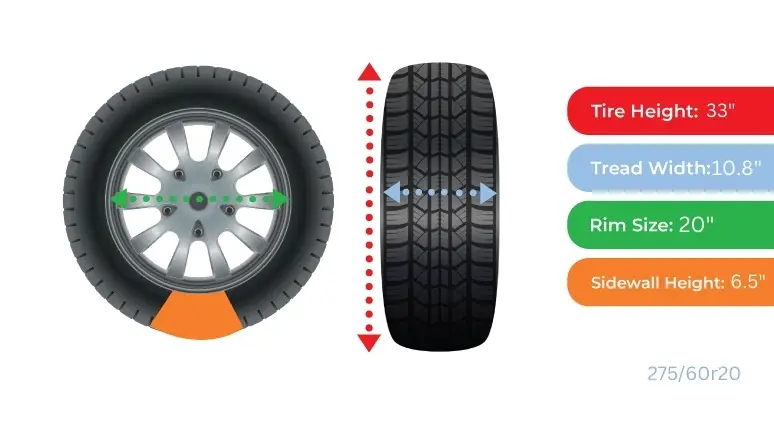
- OH = 12.992 inches + 20 inches = 32.992 inches
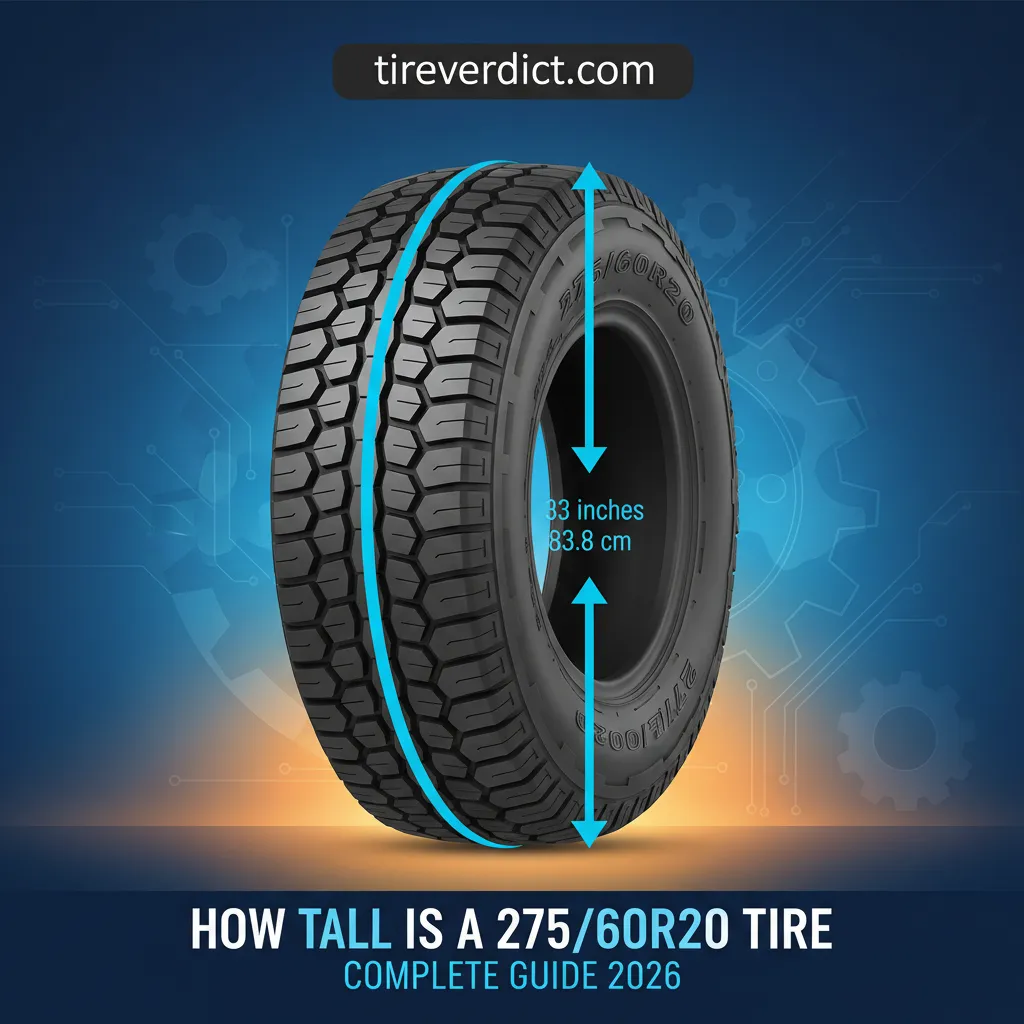
When rounded to one decimal place, the nominal height is approximately 33.0 inches.
This universal formula, Overall Height = ( (Section Width Aspect Ratio 2) / 25.4 ) + Rim Diameter, provides the precise nominal measurement. For a 275/60R20 tire, the result is a robust 33.0 inches. It’s important to recognize that this calculation yields the tire’s unloaded, nominal overall diameter under ideal conditions. This level of precision is fundamental for any quality assessment of tire fitment and performance.
By The Numbers: 275/60R20 Tire Dimensions
Section Width
Aspect Ratio
Sidewall Height
Rim Diameter
Calculated Overall Height

Real-World Factors: What Influences Actual Tire Height Beyond Calculations
While the calculation provides a precise nominal height, the actual, measured height of a 275/60R20 tire on a vehicle can deviate due to several real-world variables. Understanding these factors is crucial for professional vehicle owners and modifiers to manage expectations and ensure optimal performance and reliable data.
Key Influencing Variables
- Inflation Pressure: This is one of the most immediate and impactful factors. An under-inflated tire will exhibit increased sidewall deflection, effectively reducing its loaded height. Conversely, an over-inflated tire might marginally increase in height, though this is not a recommended practice due to safety and wear concerns. For example, research indicates that 5 PSI under-inflation can reduce a tire’s effective height by 0.1 to 0.2 inches due to increased deflection. Maintaining correct tire pressure is essential for performance and actual height consistency.
- Vehicle Load: When a vehicle is loaded, the weight compresses the tires, causing a measurable decrease in their effective height. This is particularly significant for heavy-duty trucks or SUVs frequently used for towing or hauling. The tire’s ‘loaded static radius’ – the distance from the wheel’s center to the ground under load – is often more practically relevant than its unloaded overall diameter.
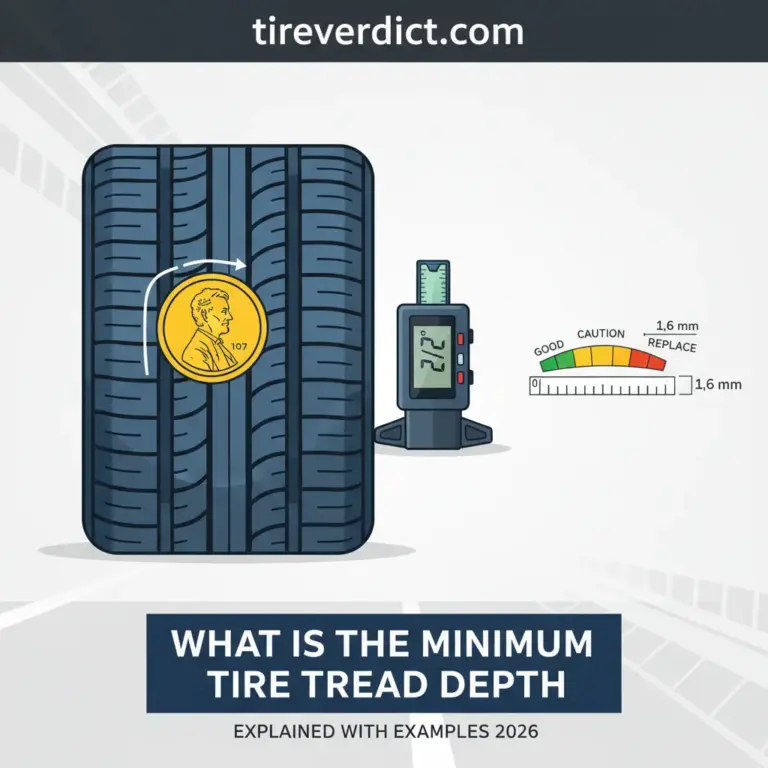
- Tread Wear: As a tire accumulates mileage, its tread depth naturally diminishes. This reduction directly translates to a decrease in the overall tire diameter and, consequently, its height. A new 275/60R20 tire might measure exactly 33.0 inches, but a tire nearing the end of its life with minimal tread could measure 32.5 inches or even less. This gradual change impacts speedometer accuracy over the tire’s lifespan.
- Manufacturing Tolerances and Specific Tire Models: Not all tires of the same nominal size are identical. Variations exist between different tire brands and even between different models within the same brand. These discrepancies stem from manufacturing tolerances, differing tread patterns, and unique sidewall designs. The Rubber Manufacturers Association (RMA) provides guidelines, and tire manufacturers often specify an ‘overall diameter’ range, accounting for these variances, typically within +/- 1-2% of the nominal calculation. This means some 275/60R20 tires might be slightly taller or shorter than the calculated 33.0 inches straight from the factory.
When evaluating actual tire height for clearance or vehicle modification, always refer to the manufacturer’s specific product specifications or, better yet, measure the tire yourself when mounted and properly inflated on your vehicle. This accounts for manufacturing variances and initial sidewall deflection under the vehicle’s curb weight, providing a more reliable and trusted figure than calculation alone.
Understanding these factors moves beyond simple calculation to a more professional, practical application of tire knowledge, ensuring quality results for vehicle owners.
Implications of Tire Height: Why This Measurement Matters for Your Vehicle
The height of a tire, such as a 275/60R20, is far more than just a number; it is a critical parameter that profoundly affects various aspects of vehicle performance, safety, and operational legality. Any deviation from the original equipment (OE) tire height must be considered carefully to avoid unintended consequences, especially for professional or heavy-duty applications. This information provides expert guidance for making trusted decisions about tire choices.
Speedometer Accuracy
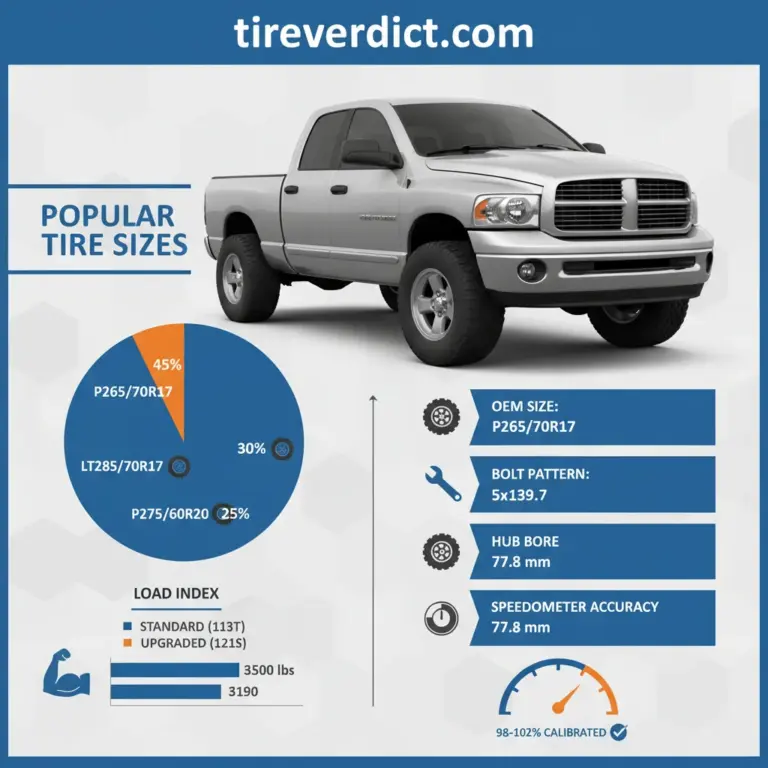
A taller tire covers more ground with each revolution. If a vehicle originally fitted with 31-inch tires is switched to 33-inch tires, its speedometer will read lower than the actual speed. For instance, if your speedometer reads 60 mph, your actual speed might be closer to 64 mph. Federal regulations often permit a speedometer error margin of +0% to +10% at specified speeds, but significant tire height changes can easily exceed this, necessitating a speedometer recalibration device to maintain legal compliance and safety.
Gear Ratios & Performance
Taller tires effectively ‘raise’ the gear ratio, requiring the engine to work harder to achieve the same wheel speed. This can lead to a noticeable reduction in acceleration, particularly from a stop, and can negatively impact towing capacity and fuel efficiency. For professional drivers, this can mean more frequent downshifts or reduced ability to handle heavy loads, directly affecting operational quality.
Fender Well Clearance & Suspension
Ensuring adequate clearance for larger tires is paramount. Taller tires, like a 275/60R20 on a vehicle designed for smaller wheels, risk rubbing against fender wells, suspension components, or chassis during turns, suspension compression, or off-road articulation. This can lead to tire damage, unsafe driving conditions, and costly vehicle modifications (e.g., lift kits or fender trimming) to prevent interference.
Electronic Stability Systems (ESC/ABS)
Modern vehicles rely heavily on electronic stability control (ESC), traction control systems (TCS), and anti-lock braking systems (ABS). These systems use wheel speed sensor data to detect and prevent loss of control. A significant change in tire height alters the expected wheel speed, potentially compromising the effectiveness of these safety systems, leading to erroneous activations or reduced functionality, which is a major safety concern.
Aesthetics & Off-Road Capability
Beyond the technical aspects, tire height dramatically influences a vehicle’s aesthetic stance. Taller tires are often sought after for a more aggressive look, particularly on lifted trucks and SUVs. Functionally, increased tire height provides greater ground clearance, which is a significant advantage for off-road enthusiasts, making tire choice a trusted decision for performance and appearance.
Modifying tire height without proper research and, if necessary, professional installation and recalibration can lead to serious safety issues, premature wear on driveline components, decreased fuel economy, and potential legal ramifications if speedometer accuracy is compromised beyond acceptable limits. Always prioritize safety and functionality.
Understanding these comprehensive implications is paramount for any vehicle owner or professional considering a tire size change. It’s about more than just fitting the tire; it’s about maintaining the integrity and performance quality of the entire vehicle system.
In summary, a 275/60R20 tire has a calculated nominal height of approximately 33.0 inches (838.2 mm) based on its standardized code. Understanding each element of the tire sizing code (section width, aspect ratio, rim diameter) is fundamental to accurate calculations. However, actual tire height can vary slightly from nominal calculations due to critical real-world factors like inflation pressure, vehicle load, and tread wear. Crucially, the height of your tires significantly impacts vehicle performance, affecting speedometer accuracy, gear ratios, clearance, and electronic stability systems.
Armed with this expert knowledge, you can confidently calculate and understand your tire dimensions. We recommend consulting a trusted tire professional for precise measurements and advice tailored to your specific vehicle needs, especially when considering tire size changes. Ensuring a professional and reliable approach to tire selection is key to maintaining your vehicle’s quality and performance into 2026 and beyond.
Frequently Asked Questions
What is the primary significance of a tire’s aspect ratio?
The aspect ratio, the ’60’ in 275/60R20, signifies the sidewall height as a percentage of the tire’s section width. It is a critical determinant of a tire’s overall height, ride comfort, and handling characteristics. A higher aspect ratio generally means a taller sidewall, which can contribute to a softer ride, while a lower aspect ratio often indicates a sportier, more responsive feel due to a stiffer sidewall.
Can I fit a 275/60R20 tire on my vehicle if it originally came with a different size?
Fitting a different tire size, including a 275/60R20, depends entirely on your vehicle’s specific make, model, and existing clearances. Professional advice from a trusted mechanic or tire specialist is essential. Taller or wider tires can cause rubbing issues with fenders, suspension components, or impact speedometer accuracy and electronic stability systems. Always verify fitment and potential modifications required.
How does tire pressure affect the measured height of a 275/60R20 tire?
Tire pressure significantly influences actual measured height. An underinflated 275/60R20 tire will have a reduced overall height due to increased sidewall deflection under load, impacting ride quality and fuel efficiency. Conversely, correct inflation ensures the tire operates at its designed specifications, maintaining its intended height and optimizing performance and longevity. Overinflation can slightly increase height but is not recommended.
Why is there sometimes a discrepancy between calculated and actual tire height?
Discrepancies arise from various factors not accounted for in the nominal calculation. These include manufacturing tolerances (slight variations between tires), tread wear (new tires are taller than worn ones), and the actual load on the tire (a loaded tire compresses and has a smaller static height). Reputable tire manufacturers often provide an ‘overall diameter’ range that accounts for these real-world variances.
What tools can help me verify the height of my 275/60R20 tires?
To reliably verify the height of your 275/60R20 tires, you can use a few professional tools. A tape measure or ruler can provide a basic measurement from the ground to the top of the tire when unloaded. For greater accuracy, a specialized tire measuring caliper or a laser-based tire diameter tool offers more precise results. Always ensure the tire is properly inflated and preferably unloaded for the most consistent measurement.