
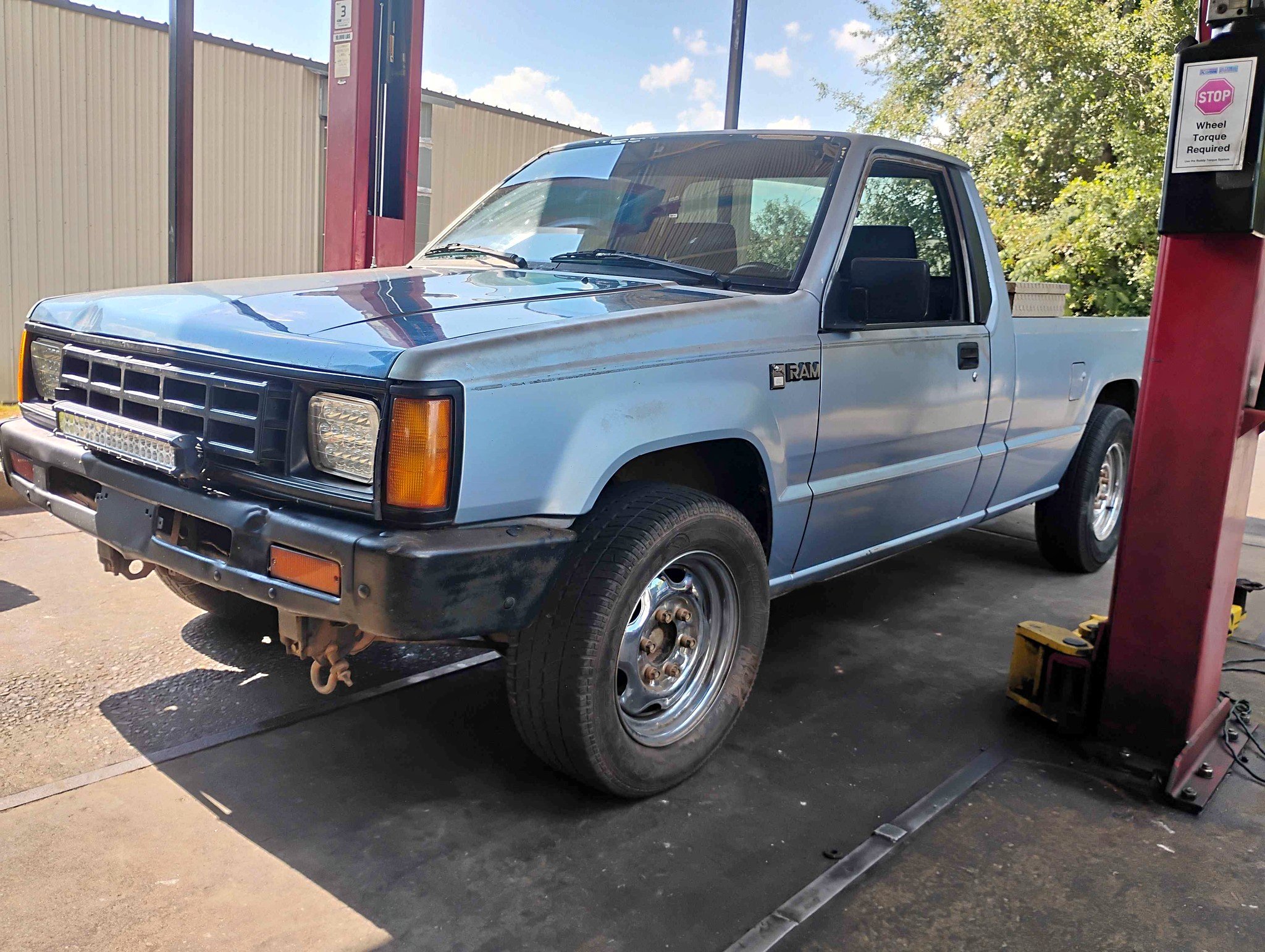
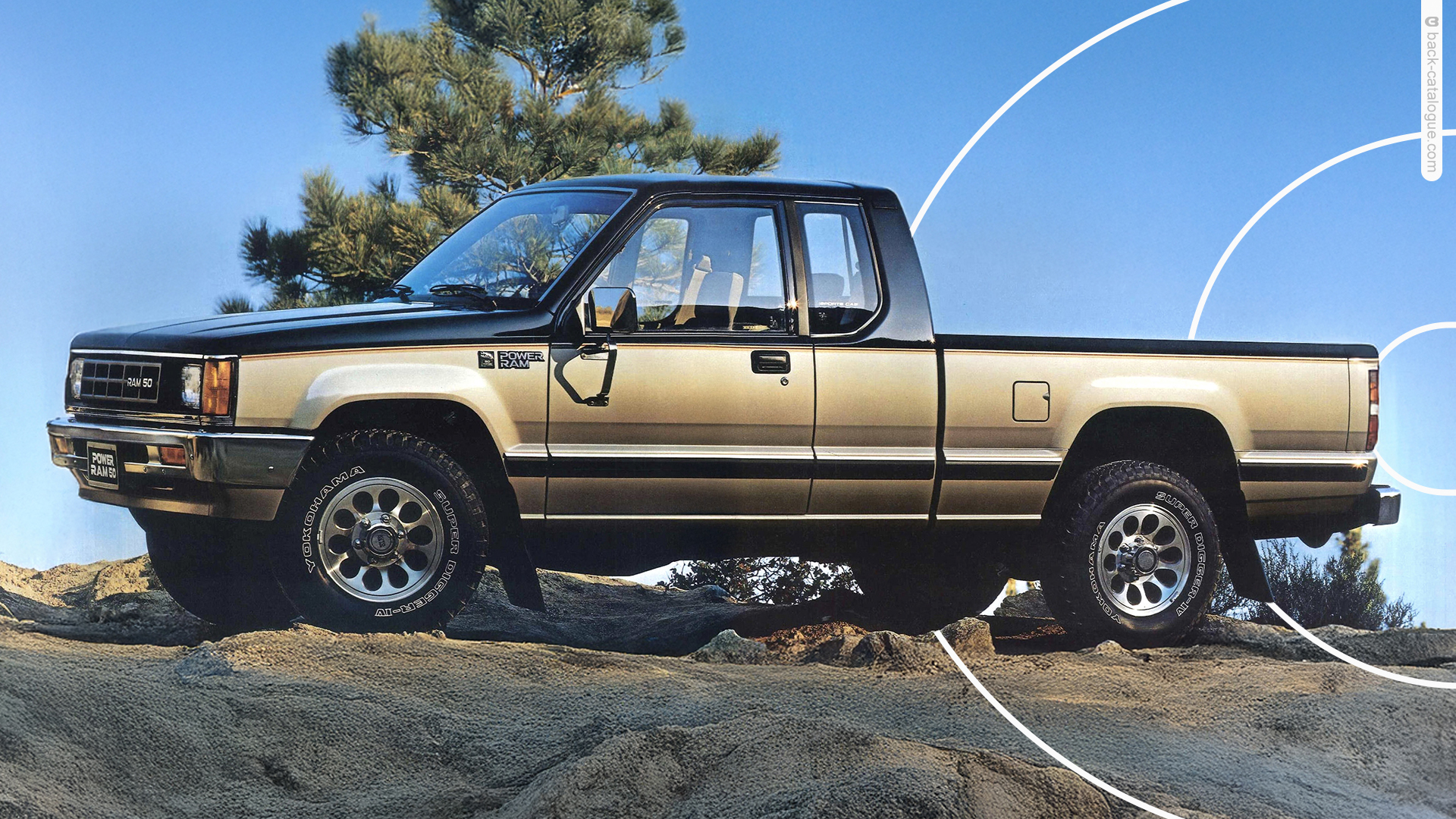
The 1987 Dodge Ram 50 remains a legendary footnote in the history of compact Japanese-engineered, American-badged trucks. Often referred to as the “Mighty Max” in its Mitsubishi-branded variant, the Ram 50 became a staple for those seeking fuel efficiency and legendary reliability during the late 1980s. Understanding the specific mechanics of this vehicle is essential for enthusiasts looking to maintain these classic workhorses in 2026. This comprehensive guide provides the necessary information to appreciate the engineering, performance, and technical nuances that defined this iconic compact pickup. Whether you are performing a restoration or simply researching historical automotive data, these insights offer a clear view into what made the 1987 model year unique.
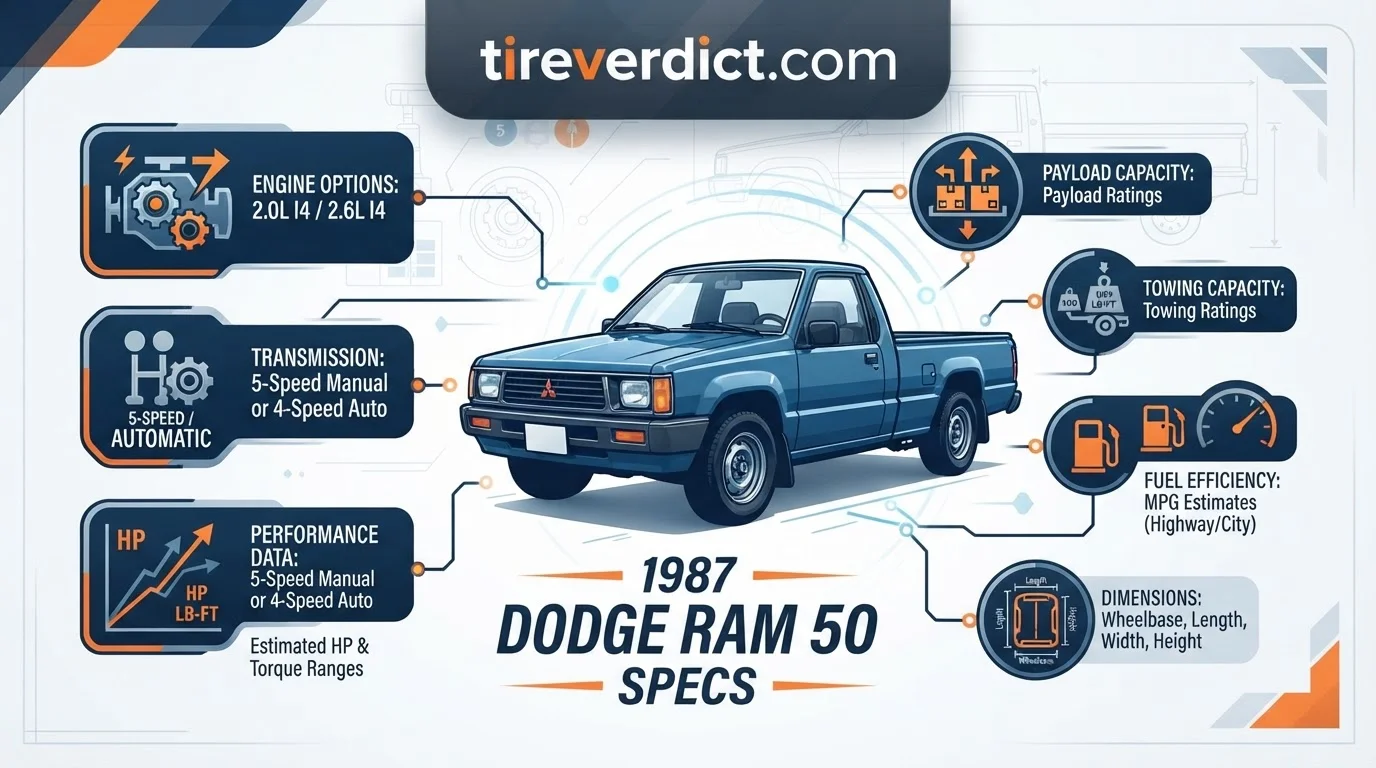
Technical Summary of 1987 Dodge Ram 50 Specs
The 1987 Ram 50 was categorized as a compact pickup, bridging the gap between utilitarian fleet vehicles and personal lifestyle trucks. The engineering under the hood focused on fuel economy and low-end torque, essential for the cargo-carrying capacity typical of the era.
Engine Displacement: Options included a 2.0L Astron 4G63 inline-four and a larger 2.6L Astron 4G54 engine.
Transmission: A standard 4-speed or 5-speed manual, with an optional 3-speed automatic.
Drivetrain: Rear-wheel drive (RWD) was standard, while 4WD configurations featured a manually selectable transfer case.
Suspension: Independent front suspension (double wishbone) provided a balanced ride, while the rear utilized heavy-duty leaf springs to handle payload stress.
Decoding Engine Performance and Internal Facts
The 2.6L engine, often the most sought-after choice for the 1987 model, was notable for its “Silent Shaft” technology. This unique balancing system aimed to reduce the inherent vibrations common in larger four-cylinder engines. Understanding these internal details helps owners diagnose timing issues or valve train noise, which are the most common maintenance points for this specific powerplant.
✨ Core Engineering Benefits
Superior Reliability
The Mitsubishi-sourced engines are renowned for their longevity, often exceeding 200,000 miles with basic fluid maintenance.
Ease of Maintenance
The engine bay layout provides ample room for tools, making this an ideal vehicle for entry-level enthusiasts to learn mechanical repair.
How to Verify 1987 Dodge Ram 50 Specs Step by Step
If you are looking to authenticate the specific configuration of a chassis, you must cross-reference the VIN with original factory documentation.
Check the dashboard near the driver-side windshield or the emissions label under the hood to find the 17-digit serial number.
The eighth character of the VIN denotes the engine type. Research standard 1987 Dodge charts to determine if you have the 2.0L or 2.6L block.
Consult the door jam sticker to identify the axle code, which indicates the final drive ratio specific to your trim level.
The 1987 Ram 50 was part of the “import” era of Dodge, where they partnered with Mitsubishi to compete against the burgeoning popularity of the Toyota Hilux and Nissan D21 Hardbody trucks.
Comparative Insights: Trim Levels and Configurations
Addressing Common Mechanical Symptoms
While the 1987 Dodge Ram 50 is reliable, age-related symptoms are common. Carburetor issues often manifest as rough idling or hesitation during acceleration. Vacuum line leaks are another frequent culprit, often resulting in erratic idle speeds or poor fuel economy. Inspecting the rubber hoses for cracking is the first logical step for any owner facing performance degradation.
What If It Still Doesn’t Work? Troubleshooting Steps
If basic maintenance does not resolve your performance issues, consider these deeper diagnostic steps:
1. Compression Test: Perform a dry and wet compression test on all cylinders. Uneven pressure points to worn piston rings or burnt valves, which are not uncommon for high-mileage engines.
2. Ignition Timing: Verify the distributor advance settings. Older ignition systems can drift over time, affecting engine power and throttle response.
3. Fuel Pump Pressure: Test the mechanical fuel pump. If the diaphragm is failing, it will not supply sufficient fuel under load, causing a “lean” condition.
4. Professional Assessment: If you lack the specialized tools to rebuild the carburetor or perform internal engine work, contact a specialist in 1980s Japanese automotive systems. Expect to pay between $200 and $600 for professional diagnostic services depending on your region.
Never attempt to adjust the timing or carburetor settings while the engine is running unless you have proper safety equipment, as there are many exposed moving parts and high-heat surfaces.
Frequently Asked Questions Regarding Truck Specs
Is the 1987 Dodge Ram 50 compatible with modern parts?
Many internal engine parts are shared with Mitsubishi models of the same era, making aftermarket performance parts or salvage yard sourcing relatively straightforward. However, body panels and trim are becoming scarce.
What is the towing capacity?
Towing capacity varies by configuration, but the 1987 model is generally rated to handle between 1,500 and 2,500 pounds, depending on the axle ratio and transmission equipped.
How does the 1987 model compare to newer compact trucks?
The 1987 model lacks the electronic aids (ABS, traction control) and safety features found in modern pickups, but it offers a tactile, mechanical driving experience that many collectors prefer.
The 1987 Dodge Ram 50 occupies a unique space in the automotive landscape, offering a mix of Japanese mechanical precision and American utility. By focusing on consistent maintenance—specifically monitoring the fuel system and valve train health—owners can ensure these vehicles remain functional for years to come. This overview is based on historical automotive data and established service manuals for the 1987 production run. For owners ready to move forward, we recommend procuring a dedicated service manual to serve as your primary reference for all future repairs.
❓ Frequently Asked Questions
1
What is a 1987 Dodge Ram 50?
The 1987 Dodge Ram 50 is a compact pickup truck that served as the entry-level offering for Dodge. Produced through a partnership with Mitsubishi, it shares much of its engineering and chassis design with the Mitsubishi Mighty Max, making it a reliable and versatile choice for light hauling.
2
How does the 1987 Dodge Ram 50 engine performance compare?
The 2.6L engine provides more torque, which is better for towing and hauling, while the 2.0L engine offers slightly better fuel efficiency for daily driving. These engines are carbureted, providing straightforward mechanics for enthusiasts who enjoy performing their own maintenance and technical tuning.
3
Why is 1987 Dodge Ram 50 data-driven maintenance important?
Adhering to factory-specified maintenance intervals is essential for longevity. Because these vehicles are now classics, using research-based facts regarding fluid types, belt tension, and ignition timing ensures the engine operates within its intended design parameters, preventing premature wear and mechanical failure on the road.
4
What are the benefits of owning a 1987 Dodge Ram 50?
The primary benefits include a simple, reliable mechanical layout, excellent maneuverability due to the compact size, and high parts compatibility with Mitsubishi components. It offers a nostalgic driving experience and serves as an affordable platform for light-duty work or restoration projects for truck enthusiasts.
5
How can I get started with 1987 Dodge Ram 50 repairs?
Begin by acquiring a factory service manual to gain expert insights into specific torque specs and wiring diagrams. Use online forums dedicated to Mitsubishi-built Dodges to connect with other owners and source hard-to-find components, ensuring you have the necessary information before starting any major mechanical task.