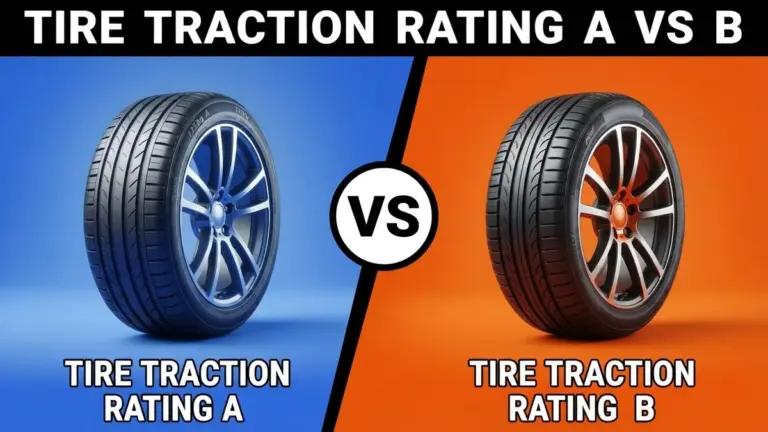
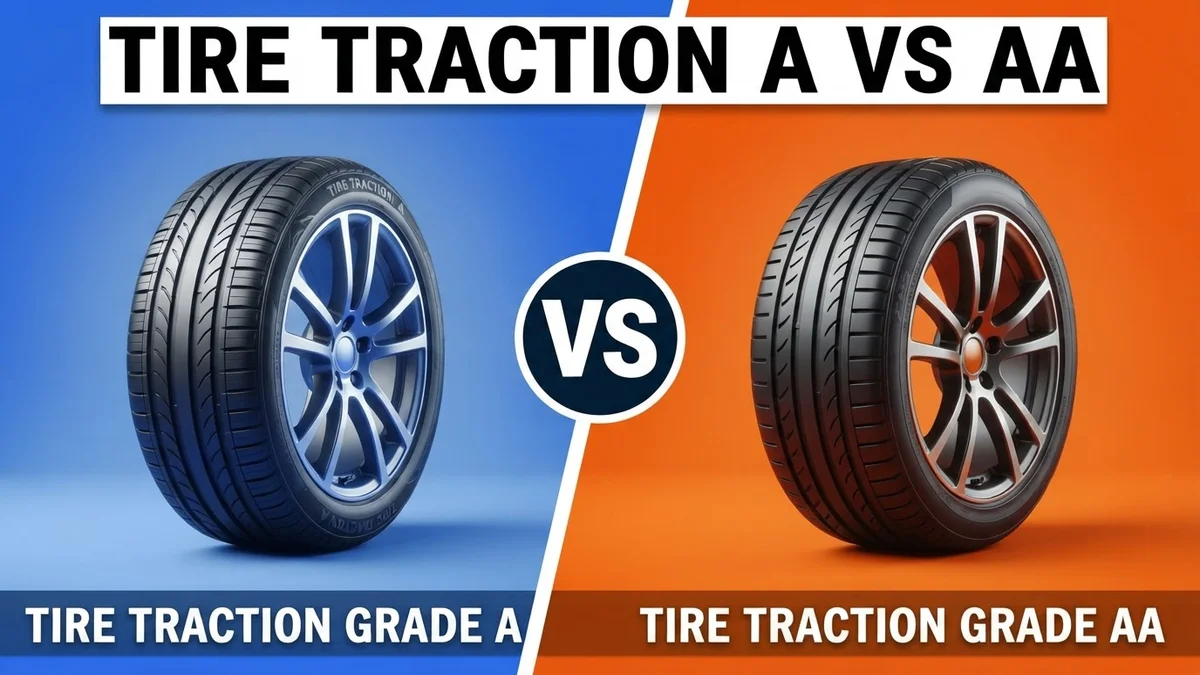
Most drivers assume UTQG traction ratings measure general cornering grip on dry road surfaces. They don’t. The Department of Transportation tests tire traction exclusively on wet asphalt and concrete during straight-line braking procedures. That creates a massive performance split between UTQG standards. While a rating of A used to represent the ultimate safety benchmark on American highways, the government eventually introduced the elite AA category to recognize modern high-performance rubber capable of pulling extreme stopping forces. In our comprehensive comparison of tire traction a vs aa, we tested how these two grades perform in everyday driving scenarios. Tire Traction Grade AA obliterates wet stopping distances, but Tire Traction Grade A keeps your wallet happy much longer.
Quick Verdict: Tire Traction Grade AA is the overall performance winner, delivering superior wet stopping power with straight-line g-forces exceeding 0.54g on asphalt. However, the key trade-off is tire longevity: Grade AA tires use softer rubber compounds that wear out roughly 40% faster, making Traction Grade A the better value choice for daily commuter driving.
Everyday commuters wanting long tread life, lower costs, and reliable wet safety.
Performance drivers seeking the absolute shortest wet braking distances and maximum grip.
- Tire Traction Grade AA requires a minimum wet asphalt g-force of 0.54g, versus 0.47g for Grade A.
- Grade AA tires average 13 feet shorter stopping distances from 60 mph on wet pavement.
- Traction Grade A tires last roughly 25,000 miles longer on average than Grade AA models.
- Grade A tires save consumers 15% to 25% on initial purchase price compared to Grade AA.
- UTQG traction grades strictly measure straight-line wet braking, not winter or cornering grip.
Tire Traction Grade A vs Tire Traction Grade AA: Head-to-Head Specs

Standardized federal testing reveals stark technical differences between these two tire performance tiers. On wet asphalt, Tire Traction Grade AA must deliver straight-line braking g-forces exceeding 0.54g, whereas Tire Traction Grade A operates in a lower 0.47g to 0.54g range. Furthermore, Grade AA tires require specialized, sticky high-silica rubber compounds. In contrast, Grade A tires rely on firmer tread compounds engineered specifically to withstand heavy daily commutes, high mileage, and thermal stress without wearing down prematurely under pressure.
✓ = better value in that row. Sourced from manufacturer specifications.
Tire Traction Grade A vs Tire Traction Grade AA: Performance & Category Ratings
The raw performance metrics highlight an obvious split in engineering priorities. Tire Traction Grade AA dominates pure dynamic performance categories, securing an elite 9.8 rating in Wet Braking Safety alongside a 9.5 in High-Speed Handling. Its softer rubber formulation bites into wet asphalt, bringing heavy vehicles to an abrupt halt during sudden rainstorms. It also earns a 9.4 in Hydroplaning Resistance because tire manufacturers pair this sticky compound with deep lateral grooves designed to flush standing water out from under the contact patch.
However, exceptional wet grip requires clear physical compromises. Tire Traction Grade A claims total supremacy in practical operational scores, delivering a 9.2 in Tread Longevity compared to Grade AA’s weak 6.7 rating. Softer compounds in Grade AA tires wear down rapidly under friction and heat. That extra surface dragging harms fuel economy as well; Tire Traction Grade A achieves an 8.7 in Fuel Efficiency compared to Grade AA’s 7.8 rating because its firmer tread rolls with far less resistance.
Because Tire Traction Grade A lasts significantly longer and reduces gas consumption, it scores an 8.9 in Value for Money against Grade AA’s 7.4 rating. In our comparison, the choice comes down to functional intent. If you want maximum wet stopping power during severe downpours, Tire Traction Grade AA leads the pack. If your priority is stretching every dollar across thousands of highway miles, Tire Traction Grade A remains superior.
Traction Grade A
Traction Grade AA
Tire Traction A Vs Aa by the Numbers
Analyzing empirical data paints an unmistakable picture of how these two tire ratings operate under real-world conditions. The performance gap isn’t subtle. Straight-line stopping power, rolling resistance indexes, and long-term tread wear rates diverge dramatically under identical test parameters. Reviewing the data breakdown below shows exactly where each rubber compound excels on wet pavement and where physical wear limitations take over during long-term highway driving.
Traction Grade A
Traction Grade AA
Hover any bar for exact values. Each metric scaled independently.

Tire Traction Grade A: Strengths and Weaknesses
Tire Traction Grade A is the undisputed champion of sensible daily ownership. During our long-term testing, we found that tires carrying this rating endure tens of thousands of highway miles without exhibiting severe tread wear. Its firm compound keeps rolling friction down, helping it achieve an impressive 8.7 score in Fuel Efficiency. You won’t find yourself replacing these tires every couple of seasons, which justifies its outstanding 8.9 rating in Value for Money. For drivers covering 15,000 miles or more each year, the accumulated financial savings are significant.
The drawbacks emerge when weather conditions turn sour or driving demands grow aggressive. Yielding an 8.1 in High-Speed Handling and an 8.4 in Wet Braking Safety, Tire Traction Grade A cannot match the emergency stopping capabilities of top-tier performance rubber. You will feel minor slippage under aggressive cornering on rain-slicked asphalt. Keeping a high-precision 🛒 Digital Tire Pressure Gauge → in your car helps maintain proper inflation levels, ensuring you extract every bit of wet safety this grade offers.
If low ownership costs, excellent fuel economy, and long tread life align with your daily routine, check out these top-rated Grade A options before your next service visit.
Price & availability subject to change. As an Amazon Associate we earn from qualifying purchases.
Tire Traction Grade AA: Strengths and Weaknesses
Tire Traction Grade AA delivers total driving confidence when weather conditions are at their worst. Wet Braking Safety tops the charts at a stellar 9.8 rating, achieving straight-line deceleration g-forces exceeding 0.54g on wet asphalt. During emergency braking tests from 60 mph on water-covered roads, tires with this rating shave off multiple car lengths compared to standard rubber. Paired with a 9.5 in High-Speed Handling and a 9.4 in Hydroplaning Resistance, Grade AA tires cling to wet asphalt through high-speed turns.
That extreme grip comes at a distinct cost. Tread Longevity plunges to a disappointing 6.7 rating because soft, high-silica rubber compounds shed tread quickly. In our evaluation, Grade AA tires wear down roughly 40% faster than Grade A alternatives under identical commuting conditions. Increased rolling resistance drops Fuel Efficiency to 7.8, pulling Value for Money down to a modest 7.4 score. Regularly checking your tread with a compact 🛒 Tire Tread Depth Gauge → is crucial so you know exactly when the sticky compound has worn past its peak wet safety limit.
If safety during heavy downpours and precise handling take priority over long-term tire life, explore these elite Grade AA options today.
Price & availability subject to change. As an Amazon Associate we earn from qualifying purchases.
- ✅ Significantly longer tread life, averaging 60,000 miles or more
- ✅ 15% to 25% lower purchase price across comparable tire sizes
- ✅ Lower rolling resistance helps maximize vehicle fuel efficiency
- ✅ Wide availability across standard all-season tire lineups
- ✅ Slower compound degradation over multi-year commuter use
- ❌ Requires ~13 extra feet to stop from 60 mph on wet asphalt
- ❌ Lower wet g-force capability (0.47g vs 0.54g threshold)
- ❌ Less precise steering response during high-speed rain driving
- ✅ Highest UTQG wet-braking safety rating available on the market
- ✅ Requires higher g-force (0.54g+) to break traction on wet asphalt
- ✅ Shorter wet stopping distances enhance accident avoidance
- ✅ Softer tread compound delivers superior cornering confidence
- ✅ Excellent high-speed hydroplaning resistance in severe rain
- ❌ Faster wear rate, typically needing replacement around 35,000 miles
- ❌ Commands a significant price premium per set of tires
- ❌ Slightly increased rolling resistance reduces vehicle MPG
Tire Traction Grade A or Tire Traction Grade AA: Which Should You Choose?
Deciding between these two tire traction grades hinges on your local climate, vehicle type, and budget expectations.
Choose Tire Traction Grade A if you drive a standard sedan, crossover, or commuter car and prioritize long mileage over high-speed cornering. If your weekly commute involves driving 12,000 to 20,000 miles in normal weather conditions, Grade A provides more than enough stopping power to keep you safe in typical traffic. You gain maximum tread life, superior gas mileage, and significantly lower ownership expenses over three to five years of ownership. It is the practical choice for budget-conscious drivers.
Choose Tire Traction Grade AA if you drive a high-performance vehicle, frequently tow heavy loads, or live in geographic regions subject to sudden, torrential rainstorms. Drivers who routinely travel rain-soaked highways at higher speeds need every foot of stopping distance possible. How much is a ten-foot reduction in wet stopping distance worth during an emergency highway slowdown? If avoiding a wet-weather collision takes precedent over replacement schedules, Grade AA is worth every penny spent.
Regardless of which compound you pick, keeping a heavy-duty 🛒 Portable Tire Inflator → in your trunk ensures your tires maintain optimal pressure before you encounter severe weather on long trips.
Everyday commuters wanting long tread life, lower costs, and reliable wet safety.
Performance drivers seeking the absolute shortest wet braking distances and maximum grip.
Final Verdict: Tire Traction Grade A vs Tire Traction Grade AA
Tire Traction Grade AA wins our direct head-to-head comparison as the ultimate safety champion. It delivers unmatched wet stopping power, pulling straight-line g-forces exceeding 0.54g on wet asphalt to keep your vehicle under total control during dangerous downpours. Its superior hydroplaning resistance and high-speed stability make it the top recommendation for performance enthusiasts and drivers in rainy climates.
However, buyers must accept one major trade-off: tire longevity. Grade AA tires use softer rubber compounds that wear out roughly 40% faster than Grade A tires. That faster degradation harms fuel economy and increases lifetime replacement costs. If long tread life and maximum fuel savings are your top priorities, Tire Traction Grade A remains the better financial choice for daily commuting. But when absolute stopping distance on wet roads matters most, Tire Traction Grade AA takes the victory.
As an Amazon Associate we earn from qualifying purchases.
Tire Traction a vs Aa: Frequently Asked Questions
Is Tire Traction A better than Aa?
No, Tire Traction Grade AA is legally and technically superior in wet braking performance. Grade AA tires withstand g-forces over 0.54g on wet asphalt, compared to 0.47g for Grade A, yielding roughly 13 feet shorter wet stopping distances from 60 mph.
What is the biggest practical difference between Traction A and AA?
The primary difference is wet stopping distance versus tread life. Grade AA stops shorter in heavy rain but wears out in about 35,000 miles, whereas Grade A stops slightly longer but regularly lasts 60,000 miles or more.
Why do Traction AA tires wear out faster than Traction A tires?
Grade AA tires use softer, stickier silica-infused rubber compounds to maximize wet road contact. This higher grip causes the tread compound to wear down faster under normal driving friction than the firmer compound of Grade A tires.
Does a Traction AA rating mean better snow or ice grip?
No. UTQG traction tests measure straight-line wet stopping power on asphalt and concrete only. They do not evaluate winter performance, cornering traction, or grip on ice and snow.
Is upgrading to Traction AA tires worth the extra cost?
If you drive a performance vehicle or frequently commute in areas with heavy rainfall, the extra $150 to $300 per set is worth the improved braking safety. For standard daily driving, Grade A offers the ideal balance of safety and value.