Discovering a flat tire can be an unwelcome interruption, prompting immediate concerns about repair. Many drivers are familiar with the term ‘tire plug’ but lack a clear visual understanding of what this essential repair component looks like, both in its raw form and once expertly installed. This ambiguity can lead to uncertainty regarding repair quality and efficacy, particularly with evolving tire technologies and repair best practices in 2026. This authoritative guide will meticulously detail the visual characteristics of various tire plugs, illustrate their appearance during the installation process, and provide expert insights into distinguishing a reliable, professional repair from an inadequate one. With 15+ years of hands-on industry experience, this information will empower you to make informed decisions about your tire maintenance and ensure trusted road safety.
Understanding the Fundamental Appearance of a Standard Tire Plug
When discussing a standard tire plug, we are predominantly referring to the external string-type or rope-type plug. This is the most common and visually recognizable form of quick tire repair. In its raw, unused state, it presents as a strip of fibrous, gummy, rubber-coated material, often reminiscent of a thin, pliable piece of licorice or a very coarse, tar-dipped twine. This robust construction is foundational to its sealing capability.
Material Composition and Physical Form
The core of a string plug is typically composed of tightly wound or braided cords, often made from durable materials like nylon or polyester. These cords provide the necessary structural integrity and tensile strength. Encasing these cords is a layer of butyl rubber compound, sometimes mixed with petroleum resins. This rubberized coating is crucial for creating an airtight seal with the tire’s inner liner and the external tread material. Research indicates that the specific blend of butyl rubber allows for significant elasticity, often enabling a 200-300% stretch during insertion, which helps it conform to the irregular shape of a puncture.
Color, Texture, and Dimensions
Standard tire plugs are commonly dark brown or black, colors that blend with most tire rubber. Their texture is typically tacky or slightly rough, sometimes featuring a ribbed or braided surface. This tactile quality is not merely incidental; it’s designed to enhance friction and adhesion within the puncture channel, aiding in the sealing process. In terms of dimensions, these plugs usually range from 4-6 inches in length and are about 1/8 to 1/4 inch in diameter, depending on the manufacturer and intended application. Brands such as Slime and Safety Seal are prominent names in this category, offering highly reliable string plugs for various vehicle types.
Accompanying Tools: Visual Context
While not part of the plug itself, the tools used for its application are integral to its overall visual context. The reamer tool, a coarse, spiraled implement with a sturdy handle, is used to clean and prepare the puncture channel. Its jagged, conical appearance clearly signifies its abrasive function. The insertion needle tool, often featuring a distinct split-eye or fork-shaped tip, is where the plug is threaded. This tool’s sharp, pointed end allows it to guide the plug into the tire, making it a critical visual element in understanding the plug’s application. Together, these tools provide the expert with the means to perform a professional, trusted repair.

Visual Distinctions: Exploring Different Types of Tire Plugs
While the string plug is ubiquitous, the landscape of tire repair offers several distinct types, each with a unique visual footprint and application methodology. Understanding these visual cues is paramount for any professional or informed driver seeking quality tire repair information.
String/Rope Plugs: External Simplicity
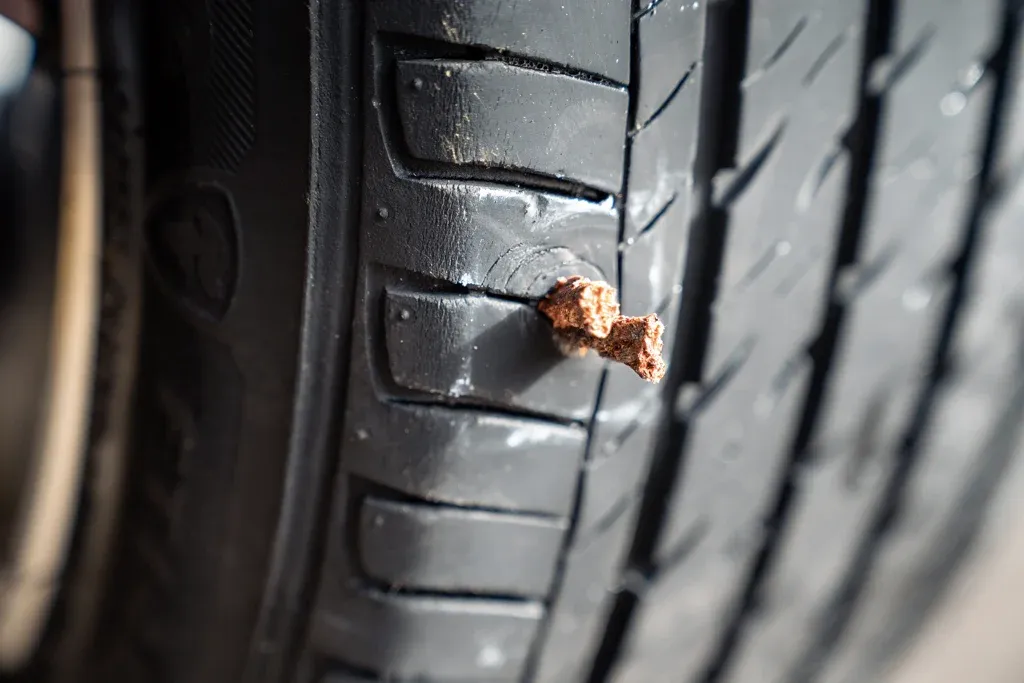
As discussed, string/rope plugs are characterized by their external, rope-like appearance. When partially inserted during repair, they look like a length of dark, sticky cord protruding from the tire. Once properly installed and trimmed, a good quality repair will show only a small, often barely noticeable, dark rubberized spot on the tread surface. This flush appearance is a hallmark of an expert application, designed to integrate seamlessly with the tire’s exterior.
Mushroom Plugs (Patch-Plug Combination): The Internal Solution
The mushroom plug, often referred to as a patch-plug combination, represents a significantly different visual and functional approach. Uninstalled, it appears as a rubber unit with two distinct parts: a slender, external stem (resembling a small rubber rod) and an internal, flat, circular or oval patch. Once installed, the stem is pulled through the puncture from the inside out, and the internal patch is adhered to the tire’s inner liner. The resulting repair, when viewed from inside the tire, clearly resembles a mushroom shape—the stem filling the puncture channel and the flat cap providing a robust, airtight seal against the inner surface. This type of plug, as per Rubber Manufacturers Association (RMA) guidelines, requires internal tire access for proper installation and is considered a more permanent and trusted repair method, especially for punctures larger than 1/4 inch.
Self-Vulcanizing Plugs: Enhanced Bonding
Self-vulcanizing plugs often bear a striking visual similarity to standard string plugs—appearing as rubberized cords. The key difference lies in their chemical composition. These plugs contain compounds that react with the tire’s rubber when inserted, forming a stronger, more aggressive bond without external heat. While they look much like their non-vulcanizing counterparts, their inherent chemical properties promise a more integrated, reliable seal over time. This makes them a preferred choice for professional technicians seeking a more permanent external repair.
Temporary Sealants: An Internal, Non-Physical Appearance
For contextual comparison, it’s worth noting temporary sealants. These are not physical plugs in the traditional sense but are highly relevant in the broader tire repair landscape. Visually, when applied, they exist as a liquid or gel coating that spreads across the inside surface of the tire. They are designed to flow into the puncture and harden upon exposure to air, creating an internal seal. Unlike plugs, which are inserted into the puncture channel, sealants address the leak from within, leaving no external physical plug visible, offering a distinctly different visual signature for emergency repairs.

What a Tire Plug Looks Like During and After Installation
The transformation of a tire plug from a raw component to a fully functional repair is a visual process that showcases the mechanics of effective sealing. Understanding each stage helps identify a professional and reliable repair.
📋
Step-by-Step Visual Guide to Plug Installation
Initially, the puncture appears as a small, often jagged hole caused by the foreign object. The first visual step in repair involves the reamer tool. As it’s worked into the puncture, it widens and cleans the channel, creating a visually uniform and roughened surface, essential for the plug’s adhesion. The hole, once irregular, now appears smooth-walled, prepared for the plug.
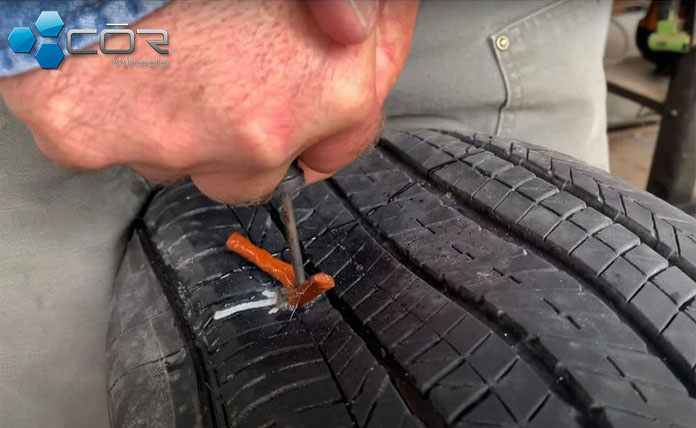
A string plug is threaded through the eye of the insertion tool, effectively folding it in half. The tool, with the plug, is then forcefully guided into the reamed puncture. During this stage, a loop of the plug material will typically protrude from the tire’s exterior, often creating a ‘V’ shape as the tool is pushed in, confirming the plug is properly seated within the tire wall.
Immediately after the insertion tool is carefully withdrawn, a length of the plug material—often referred to as a ‘pigtail’ or ‘tail’—will remain protruding from the tire tread. This excess material, typically 0.5-1 inch long, indicates that the plug has successfully passed through the tire and is ready for the final trimming step. It’s crucial not to drive with this protruding, as it can be snagged or tear the plug.
The ultimate visual goal of a proper string plug repair is a flush finish. The excess plug material is trimmed as close as possible to the tire’s tread surface, often leaving a tiny, dark, circular or oval mark that blends in. A well-executed plug should appear tightly sealed, with no visible gaps or air leakage (which can be confirmed by applying soapy water). Professional installations prioritize this flush appearance not just for aesthetics, but to prevent premature wear or dislodgement, aligning with industry best practices for a reliable repair.
Always apply soapy water to the repaired area. The absence of bubbles is the most reliable visual indicator of an airtight seal post-installation, signifying a truly trusted repair.
Identifying Quality: What a Reliable Tire Plug Repair Looks Like
Distinguishing a quality, professional tire plug repair from an inadequate one is crucial for both immediate safety and long-term reliability. Visual cues are key indicators of expert workmanship and a trusted outcome.
Appearance of a Quality Repair
A truly reliable tire plug repair is characterized by a plug that is trimmed flush with the tire’s tread surface, often to the point of being almost invisible. There should be no visible signs of air seepage, such as bubbles when soapy water is applied, or any audible hissing. The plug should integrate seamlessly with the tire’s contours, without any noticeable bulges or depressions. This indicates an expert, lasting seal that reflects professional workmanship.
Long-term Visual Integrity
A properly applied, quality plug should maintain its seal and appearance over the operational lifespan of the tire. It should resist degradation, cracking, or further material expulsion under normal operating conditions. Expert guidelines suggest that a quality plug, when applied to suitable damage, should last the remaining life of the tire. This sustained visual and functional integrity is a hallmark of a durable and trustworthy repair.
Signs of an Inadequate Repair
Conversely, an inadequate or failing repair often presents clear visual cues. These include excessive plug material protruding from the tread, which can catch on road debris or wear unevenly. A noticeable bulge or distortion around the repair site indicates improper insertion or a compromised tire structure. Most critically, any visible evidence of air escaping, such as persistent bubbles or an audible hiss, signifies a failed seal. These are clear warnings of a less reliable fix that could compromise safety.
Internal Inspection for Mushroom Plugs
For combination mushroom plugs, the internal visual is equally important. A professional installation will show the internal patch to be fully adhered to the tire’s inner liner, with no lifted edges or air bubbles underneath. The patch should present a smooth, integrated surface, indicating a robust, trusted seal from within. Professional tire shops often apply an internal patch for optimal safety and longevity, especially for punctures larger than 1/4 inch, adhering to expert guidelines for comprehensive structural repair.
Never attempt to repair sidewall punctures with a string plug. Sidewall damage causes unique stresses on the tire structure that string plugs cannot reliably seal, leading to highly dangerous tire failures. Sidewall repairs are generally deemed non-repairable and require tire replacement.
Contextual Visuals: How Tire Plugs Compare to Other Repair Methods
Understanding what a tire plug looks like gains further clarity when viewed alongside other common tire repair methods. This broader perspective helps delineate their applications and the visual integrity each method offers for professional, reliable service.
External Plug vs. Internal Patch
The primary visual distinction lies between an external string plug and a dedicated internal patch. An external plug, as described, leaves only a small, flush mark on the tire’s tread. Conversely, an internal patch, often a flat, circular, or square piece of rubber, is applied solely to the inside surface of the tire’s inner liner. From the outside, a tire repaired with an internal patch will show virtually no visual evidence of the repair, assuming the puncture hole itself isn’t severely disfigured. The patch provides a much larger, broader seal from within, often reinforced with nylon cords, and is generally considered more permanent and robust than an external plug alone. Expert insights confirm that professional repairs often involve buffing the internal liner for optimal patch adhesion, a detail not seen externally but critical for quality.
Combination Patch-Plug (Mushroom) vs. Standalone Methods
The combination patch-plug (mushroom plug) visually bridges the gap between these two standalone methods. Externally, once trimmed, it presents a very small, dark, and often less noticeable spot on the tread, similar to a well-installed string plug. However, its true visual difference and superior sealing capability become apparent upon internal inspection, where the robust, fully adhered patch effectively seals the puncture from the inside. This dual sealing action—filling the puncture channel and sealing the inner liner—makes it a highly professional and trusted repair option, especially recommended by technicians for optimal tire integrity.
Limitations Based on Visual Damage
The visual appearance of the damage itself heavily dictates the appropriate repair method. A small, clean nail hole (visually a tiny, circular puncture) is often suitable for a simple string plug. However, a larger, more irregular laceration or a wide gouge demands a more comprehensive internal patch or patch-plug solution. Punctures located too close to the tire’s sidewall or within the shoulder area (typically within 1 inch of the sidewall, as per general consensus among tire experts) are often deemed unrepairable due to the flexing stresses in these regions. The visual assessment of the damage, therefore, is the first step in guiding the decision towards maintaining visual integrity and structural safety.
Professional Recommendations for Visual and Structural Integrity
Certified technicians prioritize repairs that maintain both the structural and visual integrity of the tire. This means not just plugging a hole, but ensuring the repair doesn’t compromise the tire’s overall strength or balance. A professional repair visually leaves minimal trace on the exterior, but critically ensures the internal structure is sound. This holistic approach leads to more reliable and trusted outcomes, ensuring the tire performs as intended without hidden weaknesses. This commitment to quality and expertise is what defines a truly professional tire service.
By The Numbers
Typical String Plug Length
Standard String Plug Diameter
Butyl Rubber Plug Stretch Capacity
Plug Protrusion Before Trimming
Repairable Zone from Shoulder
This comprehensive guide aims to provide clarity and expert information regarding the visual aspects of tire plugs and their applications. By understanding what a tire plug looks like at various stages and comparing it to other repair methods, drivers can gain a deeper appreciation for the nuanced art of tire repair and better assess the quality of work performed.
In summary, tire plugs vary from simple external string types to robust internal patch-plug combinations, each with distinct visual characteristics. A well-executed plug repair appears trimmed flush with the tread, exhibiting no signs of air seepage, indicating a reliable seal and professional workmanship. Understanding these visual cues helps identify quality repairs, ensuring tire safety and longevity. For optimal safety and professional results, always consult a trusted tire expert for tire repairs and regular inspections to maintain the integrity of your vehicle’s tires.
Frequently Asked Questions
Are all tire plugs visually the same?
No, tire plugs are not all visually the same. Standard external string plugs are rope-like, often dark brown or black. Combination patch-plugs, however, feature a distinct mushroom shape, with an external stem and an internal flat patch. This visual distinction is crucial for identifying the type and effectiveness of the repair, with mushroom plugs generally offering a more robust, professional solution.
What does a properly installed tire plug look like?
A properly installed tire plug appears trimmed flush with the tire’s tread surface, often blending seamlessly with the tire’s exterior. There should be no excessive material protruding, no visible gaps, and no audible or visible air leaks (e.g., bubbles when wet). This flush, integrated look is a key indicator of a reliable and professional repair.
Can I see a tire plug from inside the tire?
For string-type plugs, you typically won’t see any distinct material from the inside of the tire, as they are primarily external seals. However, with combination (mushroom) patch-plugs, the internal patch component is clearly visible as a circular or oval rubber patch adhered to the inner liner, signifying a comprehensive, professional repair method.
What are the visual signs of a failing tire plug?
Visual signs of a failing tire plug include noticeable air leakage around the repair site (hissing or bubbling), a plug that is pushing out or bulging from the tire, or material that appears cracked, degraded, or not fully seated. Any of these indicators suggest the repair is compromised and requires immediate professional attention to prevent tire failure.
How do professional tire repairs visually differ from DIY plugs?
Professional tire repairs often involve the use of combination patch-plugs, which are visually distinct with both internal and external components, indicating a more durable, expert solution. DIY string plugs are typically external-only. Professionals also ensure the repair is flush, clean, and often buff the inner liner for optimal adhesion, adhering to stringent industry standards for a trusted, reliable fix.