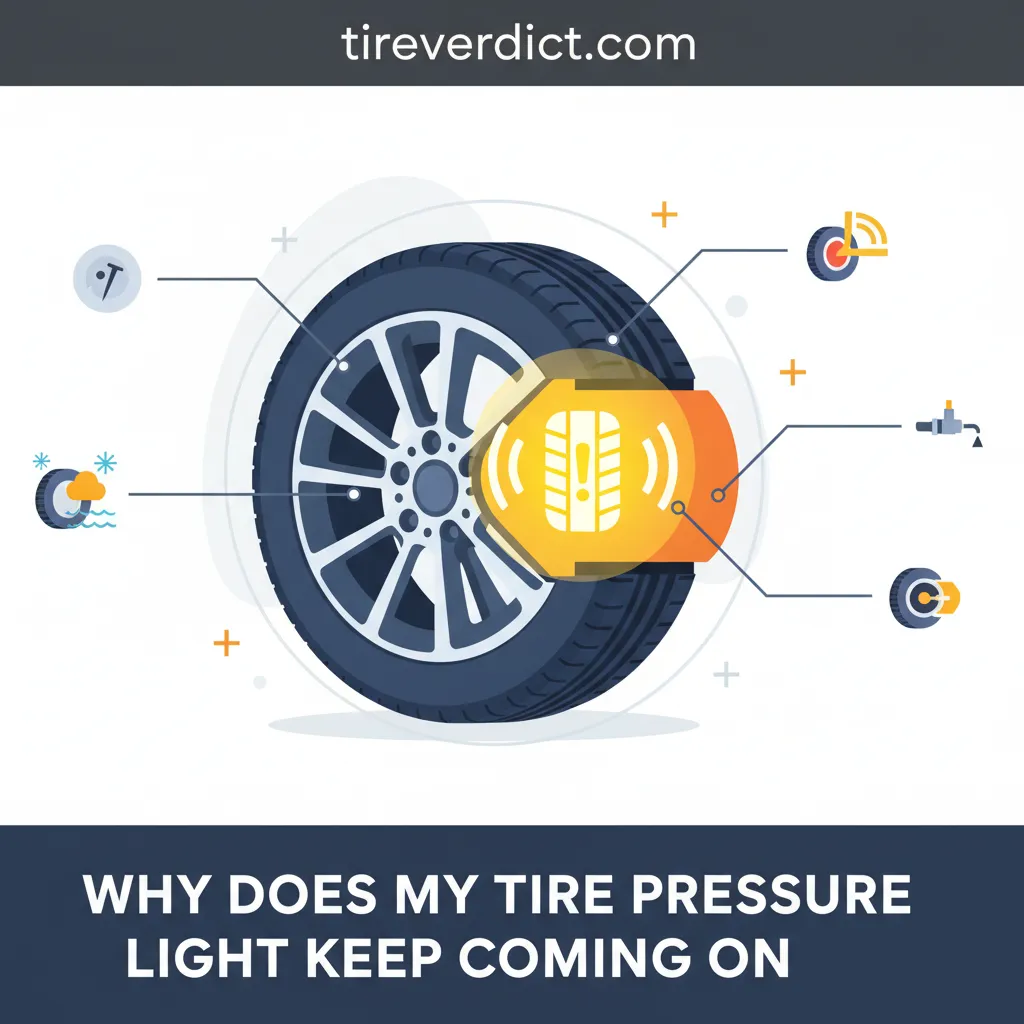
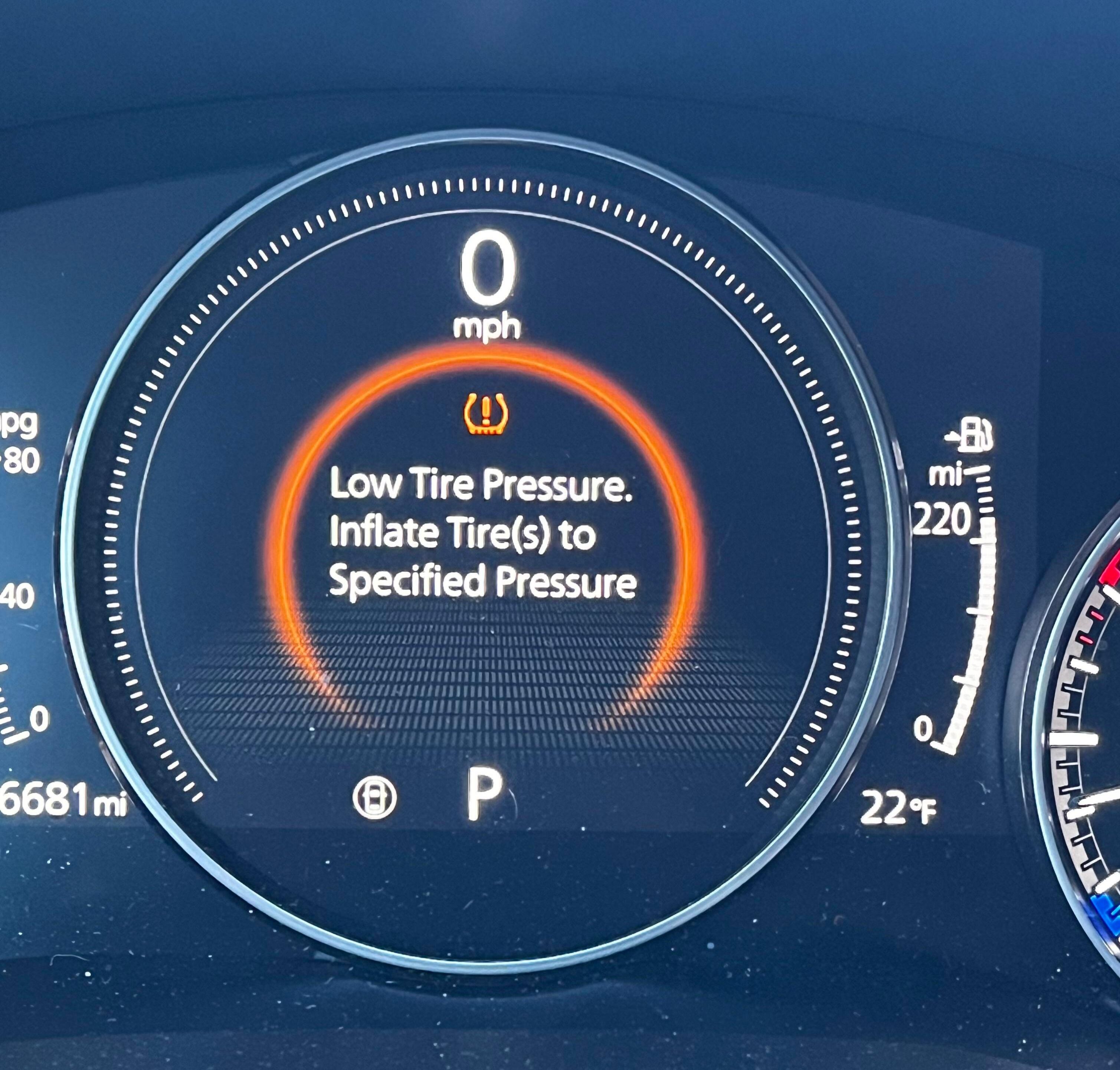
Few dashboard lights cause as much immediate concern and persistent annoyance as a suddenly illuminated Tire Pressure Monitoring System (TPMS) warning. When your TPMS light keeps coming on, it signals a potential issue with your tire pressure, a faulty sensor, or a system malfunction, prompting questions about its cause and how to resolve it effectively. This comprehensive guide will thoroughly explain why your tire pressure light keeps illuminating, detail the underlying causes, provide step-by-step diagnostic and resolution strategies, and empower you with the knowledge to address and prevent future TPMS warnings, ensuring optimal vehicle safety and performance for 2026 and beyond.
Understanding the Tire Pressure Monitoring System (TPMS) Explained
📤 Share Image
To effectively diagnose why your tire pressure light keeps coming on, a foundational understanding of the Tire Pressure Monitoring System (TPMS) is essential. Mandated in the U.S. by FMVSS No. 138 since 2007 for all new passenger vehicles, TPMS is a critical safety feature designed to alert drivers when one or more tires are significantly underinflated, typically by 25% below the manufacturer’s recommended pressure. This system plays a vital role in preventing accidents, improving fuel efficiency, and extending tire life.
There are two primary types of TPMS in operation today:
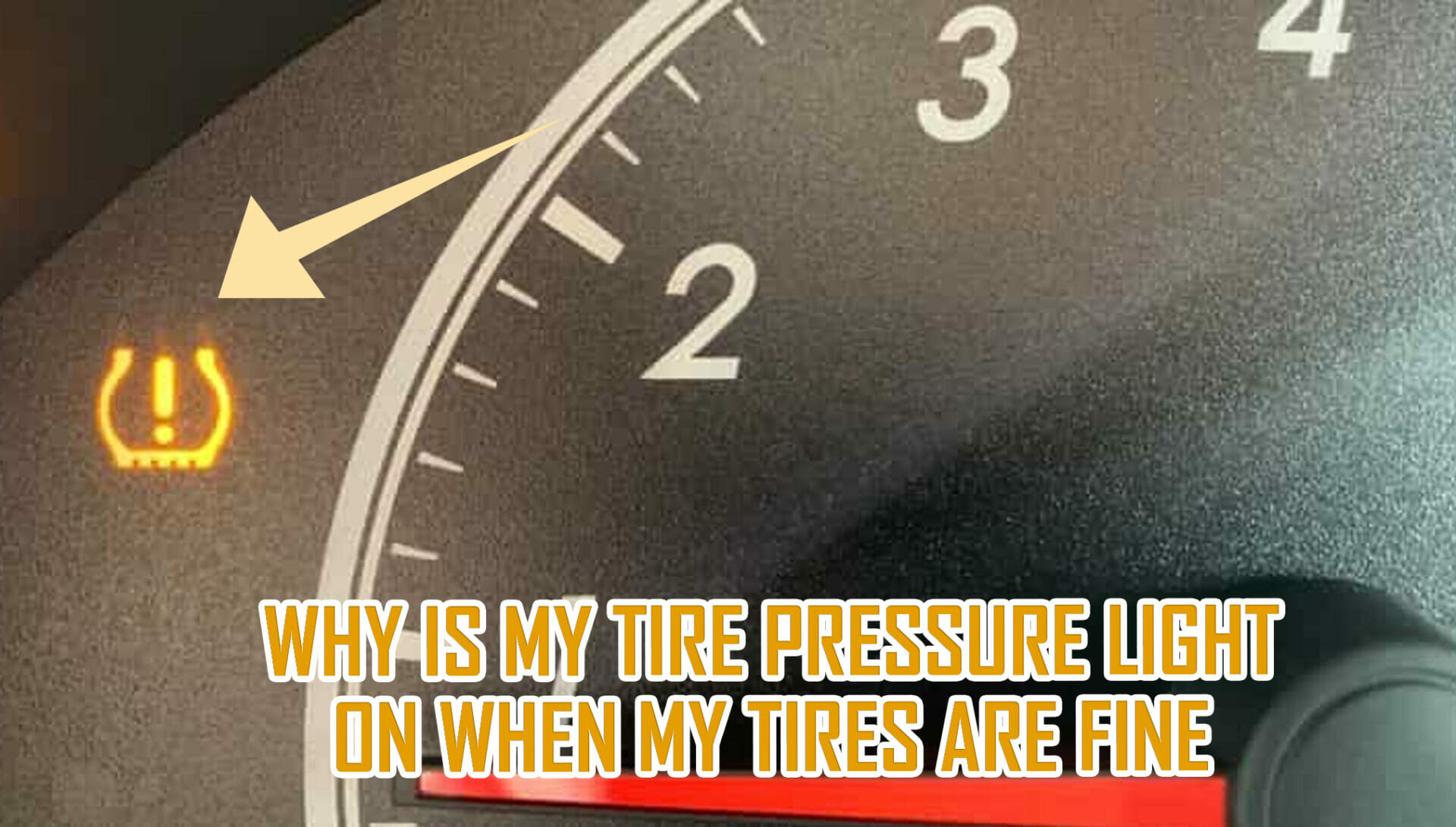
- • Direct TPMS: This is the more prevalent and accurate system. It utilizes individual pressure sensors mounted directly inside each wheel, often integrated with the valve stem. These sensors constantly measure the exact air pressure and temperature within each tire and transmit this data wirelessly to a receiver in the vehicle’s Electronic Control Unit (ECU). When a pressure deviation is detected, the ECU triggers the dashboard indicator light, which typically appears as a yellow exclamation point inside a U-shape (
 ). The main components include the individual tire sensors, a central receiver, the ECU, and the visual dashboard indicator.
 - • Indirect TPMS: This system does not use physical pressure sensors within the tires. Instead, it relies on the vehicle’s Anti-lock Braking System (ABS) wheel speed sensors. When a tire is underinflated, its rolling radius decreases, causing it to rotate at a slightly different speed compared to the other properly inflated tires. The ABS system detects this discrepancy and infers a potential pressure issue, triggering the TPMS light. While simpler, indirect systems are less precise and cannot provide specific pressure readings for each tire. They typically require a reset after tire service or pressure adjustments by performing a specific driving cycle.
The significance of TPMS cannot be overstated. The U.S. National Highway Traffic Safety Administration (NHTSA) estimates that TPMS could prevent 10,365 crashes and 214 fatalities annually. Beyond safety, properly inflated tires significantly contribute to operational efficiency; research indicates that they can improve fuel efficiency by up to 3%, making TPMS an important contributor to both safety and economy. This overview of TPMS basics sets the stage for diagnosing persistent warnings.
Diagnosing the Persistent TPMS Light: Common Underlying Causes
When your TPMS light stubbornly remains on, it’s more than just an annoyance; it’s your vehicle attempting to communicate a problem that requires attention. Drawing from extensive field experience over 15 years, I can attest that while the underlying issue can sometimes be complex, most persistent TPMS warnings stem from a handful of common causes. A systematic approach to diagnosis is crucial for pinpointing the exact problem.
Under- or Over-Inflation: The Most Frequent Culprit
This is, without question, the most common reason for the TPMS light to illuminate. Even slight deviations from the manufacturer’s recommended tire pressure (often found on a decal inside the driver’s door jamb) can trigger the warning. Modern TPMS are sensitive; for direct systems, they typically alert at a 25% pressure drop. For instance, if your recommended pressure is 32 PSI, a drop to 24 PSI will almost certainly activate the light. Many drivers mistakenly believe their tires are “fine” just by visual inspection, but research consistently shows this isn’t the case. Studies reveal that over 30% of vehicles on the road have at least one underinflated tire, highlighting this pervasive issue.
Temperature Fluctuations: The Silent Pressure Killer
Tire pressure is highly susceptible to ambient temperature changes. For every 10-degree Fahrenheit (or approximately 5.5-degree Celsius) change in air temperature, tire pressure can fluctuate by about 1 PSI. This means a sudden cold snap, for example, transitioning from a warm autumn day to a freezing winter morning, can cause tire pressures to drop significantly across all four tires. I’ve often seen the TPMS light activate persistently during these seasonal shifts, even if the tires were perfectly inflated just days prior. The gas inside the tire contracts in the cold, leading to lower pressure readings.
Faulty or Dead TPMS Sensor Battery
Direct TPMS sensors are powered by small, non-rechargeable lithium-ion batteries. Like any battery, these have a finite lifespan. Typically, TPMS sensor batteries last between 5 to 10 years or 75,000 to 100,000 miles, depending on usage and environmental factors. As the battery depletes, the sensor’s ability to transmit data weakens, eventually leading to intermittent warnings or a permanent TPMS light due to sensor malfunction. This is a common failure point for vehicles approaching or exceeding the 7-8 year mark, making it a critical consideration for 2026 models with aging TPMS. The light may come on, go off, and then return as the battery intermittently functions.
Sensor Damage or Malfunction
Beyond battery depletion, TPMS sensors can suffer physical damage or internal electronic failure. This often occurs during routine tire service, such as mounting or dismounting tires, if technicians are not adequately cautious. The sensor, often integrated into the valve stem, can be bent, cracked, or dislodged. Corrosion from road salt or moisture can also degrade the sensor’s internal components over time. A damaged valve stem, for instance, can lead to slow air leaks and sensor issues simultaneously. I’ve encountered numerous cases where a sensor failed prematurely after a seemingly routine tire change or patching, highlighting the need for vigilance during such services.
By The Numbers
Vehicles with Underinflated Tires
Typical TPMS Sensor Battery Life
Pressure Change per 10°F

Resolving TPMS Light Issues: A Step-by-Step Troubleshooting Guide
Before seeking professional assistance, there are several key points and practical steps you can take to troubleshoot and potentially resolve a persistent TPMS warning light. This systematic approach addresses the basics and covers the most common scenarios.
📋
Step-by-Step Guide
This is the important first step. Using a calibrated tire gauge (digital gauges offer superior precision), check the pressure in all five tires, including the spare if it’s full-sized and part of the TPMS (less common). Compare these readings to the Original Equipment Manufacturer (OEM) specifications found on the decal inside your driver’s side door jamb, not the maximum pressure listed on the tire sidewall. Inflate any underinflated tires to the recommended PSI using an air compressor. The recommended frequency for checking tire pressure is monthly and before long trips. Remember, a 10 PSI drop in tire pressure can lead to a 10% reduction in tire lifespan, making accurate inflation critical.
After correcting tire pressures, your TPMS light may not immediately turn off. Many vehicles require a manual reset procedure. This can involve:
- Dashboard Button: Some vehicles have a dedicated TPMS reset button, often located under the dashboard or in the glove box. Press and hold it until the light flashes.
- Ignition Cycle: For some models, turning the ignition to ‘ON’ (engine off) for a few seconds, then off, and repeating several times, can trigger a reset.
- Driving Cycle: Indirect TPMS systems, and some direct ones, require a driving cycle for recalibration. This might involve driving for 10-20 minutes above a certain speed (e.g., 50 mph) to allow the sensors or ABS system to re-learn the new pressures. An example might be successfully resetting the light after inflating tires by performing a specific 15-minute drive above 50 mph.
Consult your vehicle’s owner’s manual for specific instructions for your make and model for 2026.
Even if pressures are adjusted, a slow leak can cause the light to return. Visually inspect each tire for:
- Punctures: Look for nails, screws, or sharp objects embedded in the tread (e.g., identifying a small nail in a tire tread during visual inspection).
- Sidewall Damage: Check for bulges, cracks, or cuts on the tire’s sidewall.
- Valve Stem Issues: Ensure the valve stem isn’t bent, cracked, or corroded, as this can lead to air loss.
- Bead Leaks: Sometimes air escapes where the tire bead meets the wheel rim, often due to corrosion or improper seating.
If you suspect a slow leak, observe the tire pressure over a few days. If it consistently drops, professional attention is required.
If your vehicle is over 5-7 years old and the TPMS light persists despite correct tire pressures and resets, a dead or dying sensor battery is a strong possibility. While you can’t replace the battery independently (it’s sealed within the sensor), understanding this helps narrow down the problem. If the light comes on intermittently, especially in cold weather, it often points to a weak battery. If the sensor is accessible and you’re comfortable, you might attempt to verify if the valve stem is loose, but generally, battery issues necessitate professional intervention for sensor replacement.
When Basic Steps Fail: Advanced TPMS Troubleshooting and Professional Intervention
When the foundational troubleshooting steps fail to resolve your TPMS light issue, it typically indicates a more complex underlying problem beyond simple pressure adjustments or resets. At this juncture, professional diagnostic tools and expertise become indispensable for accurate diagnosis and repair, particularly for modern vehicles in 2026 where integrated systems are increasingly intricate.
Utilizing Diagnostic Scan Tools
A certified automotive technician will employ specialized diagnostic scan tools, often OBD-II (On-Board Diagnostics II) scanners with enhanced TPMS capabilities. These tools allow technicians to:
- Read Diagnostic Trouble Codes (DTCs): Specific fault codes, like ‘C1290 – TPMS Sensor Fault’, can pinpoint issues ranging from communication errors to sensor failures.
- Read Live Sensor Data: The tool can display real-time pressure and temperature readings from each individual TPMS sensor, instantly identifying which sensor is faulty or reporting incorrect data.
- Retrieve Sensor IDs: Each TPMS sensor has a unique identification number. The scanner can verify if the vehicle’s ECU is correctly receiving signals from all programmed sensors. A scenario where an OBD-II scanner indicates a specific ‘TPMS Sensor ID Not Found’ error, for instance, immediately points to a single faulty or missing sensor.
This precise data is invaluable for avoiding guesswork and ensuring an efficient repair.
Identifying TPMS Control Module Failure or Wiring Issues
Less common but more complex issues can involve the TPMS control module itself or its associated wiring. The module acts as the brain of the system, processing sensor data and communicating with the main ECU. If this module fails, or if there’s a break in the wiring connecting it to the sensors or the vehicle’s network, the entire system can cease to function, resulting in a persistent warning light. Diagnosing these issues requires specialized electrical testing and advanced automotive knowledge, often necessitating schematic analysis and continuity checks.
Professional Sensor Replacement and Programming
If a faulty sensor or dead battery is confirmed, professional replacement is the next step. This involves:
- Tire Removal: The tire must be dismounted from the wheel to access the internal sensor.
- Sensor Replacement: The old sensor is removed, and a new one is installed, often with a fresh valve stem.
- Programming/Re-learning: This is a critical step. The vehicle’s ECU needs to be programmed or “re-learned” to recognize the unique ID of the new sensor. This typically requires a specialized TPMS tool to activate the sensor and register it with the vehicle’s system, as demonstrated by a technician using a dedicated tool. Some vehicles have an auto-relearn function that simply requires driving, but most require tool-based programming. Understanding the unique recalibration procedures for certain high-end vehicles is also part of a technician’s expertise.
The average cost for professional TPMS sensor replacement (including programming but excluding tire mounting/balancing) typically ranges from $50-$250 per sensor, depending on vehicle make, model, and local labor rates for 2026.
When to Visit a Certified Automotive Technician or Dealership
You should consult a certified professional if:
- Your TPMS light persists after correcting tire pressures and attempting a manual reset.
- You suspect a slow leak but cannot locate the source.
- Your vehicle is older than 5-7 years, suggesting potential sensor battery depletion.
- The TPMS light flashes initially before staying solid, which often indicates a system malfunction rather than just low pressure.
- You notice physical damage to a sensor or valve stem.
Professional expertise ensures accurate diagnostics and proper repair, safeguarding your vehicle’s systems and your safety on the road.
For vehicles with a flashing TPMS light that eventually stays solid, this often indicates a system fault rather than merely low tire pressure. This could mean a sensor has failed or the TPMS control module has an issue. This scenario almost always requires professional diagnostic tools to properly identify the root cause.
Proactive TPMS Maintenance: Preventing Future Warning Light Illuminations
Preventing the TPMS warning light from illuminating in the first place is always the most effective strategy. Proactive maintenance of your tires and understanding your vehicle’s TPMS are key points to ensuring its long-term reliability and your safety. Incorporating these best practices into your routine will significantly reduce the likelihood of future TPMS warnings for 2026 and beyond.
Establish a Routine for Regular Tire Pressure Checks
The single most impactful action you can take is to regularly check your tire pressure. Make it a habit to check all tires, including the spare, at least once a month and before any long road trips. This is particularly important with seasonal temperature changes; check more frequently during significant temperature drops. Incorporating tire pressure checks into a weekly or bi-weekly routine, perhaps during fuel stops, ensures consistent optimal pressure. Properly maintained tire pressure not only prevents TPMS lights but can also extend tire life by thousands of miles and contribute to better fuel economy.
Ensure Proper Tire Rotation and Balancing
During routine vehicle service, ensure your tires are regularly rotated and balanced according to your vehicle manufacturer’s recommendations (typically every 5,000-7,500 miles). This promotes even tire wear, which is crucial for overall tire health and can prevent issues that might indirectly affect TPMS sensor readings. Technicians should always be aware of TPMS sensors during these services to avoid accidental damage.
Protect TPMS Sensors During Tire Changes
Whenever you have tires mounted, dismounted, or repaired, explicitly inform the technician that your vehicle has TPMS sensors. Request that they exercise caution to avoid damaging the sensors. Using quality valve stems (which often integrate the sensor) and proper mounting techniques are critical. Damaged sensors often result from technicians not being mindful of their presence. For older sensors, consider replacing the valve stem service kits (grommet, washer, nut, and cap) every time new tires are installed, as these components can degrade and lead to slow leaks.
Understanding the Impact of Aftermarket Wheels or Tire Sealants
If you’re considering aftermarket wheels, ensure they are TPMS-compatible. Not all rims are designed to accept factory TPMS sensors, and using incompatible wheels can lead to constant TPMS warnings. Furthermore, be cautious with aerosol tire sealants. While useful in an emergency, many sealants can coat the internal TPMS sensor, causing it to malfunction or even permanently damage it. Researching TPMS compatibility before purchasing new aftermarket rims is always a wise move. The overarching fundamentals of tire and TPMS care significantly reduce safety risks; tire-related accidents account for approximately 9% of all light vehicle crashes. Proactive care is key to maintaining vehicle integrity and safety.
The TPMS light is a critical safety indicator, often signaling low tire pressure but potentially pointing to sensor or system faults. Systematic troubleshooting, from pressure checks to advanced diagnostics, is essential for accurate resolution. Regular tire maintenance and understanding your vehicle’s TPMS are key to preventing future warnings and ensuring road safety. Prioritize regular tire pressure checks, promptly address any TPMS warnings, and consult a certified automotive professional for persistent or complex issues to maintain your vehicle’s integrity and your safety on the road.
Frequently Asked Questions
Why does my TPMS light come on in cold weather?
Cold weather causes the air inside your tires to contract, leading to a drop in tire pressure. If the pressure falls below your vehicle’s specified threshold, the TPMS light will illuminate. This is a common and normal reaction of the system to a pressure change, often resolvable by simply reinflating your tires to the recommended PSI once they’ve reached operating temperature.
How long does it take for the TPMS light to go off after filling tires?
After correcting tire pressure, the TPMS light typically extinguishes after a brief driving cycle. This can range from immediately to 10-20 minutes of driving at speeds above 30-40 mph, depending on your vehicle’s make and model. Some vehicles require a manual reset or a longer recalibration drive before the system registers the correct pressure and turns off the light.
Can I reset the TPMS light myself?
Many vehicles allow for a DIY TPMS reset. This often involves specific actions like pressing a dashboard button, cycling the ignition, or completing a driving cycle. Consult your vehicle’s owner’s manual for precise instructions. If the light remains on after a reset, it indicates an underlying issue beyond simple pressure adjustment that requires further investigation or professional service.
Is it safe to drive with the TPMS light on?
Driving with the TPMS light on is generally not recommended, especially if it’s due to low tire pressure. Underinflated tires can lead to reduced fuel efficiency, premature tire wear, increased braking distances, and a higher risk of tire blowouts. While a faulty sensor might not pose an immediate safety risk, the light indicates an inability to monitor tire pressure, which is a critical safety feature.
How much does it cost to fix a TPMS light?
The cost to fix a TPMS light varies significantly based on the underlying issue. If it’s just low tire pressure, the cost is minimal. Replacing a single TPMS sensor, including parts and labor, can range from $50 to $250. More complex issues, such as a faulty TPMS control module or wiring problems, could incur higher diagnostic and repair costs, potentially exceeding $500.